

Some people go their whole lives believing things that were quietly disproven by science decades ago. Not fringe conspiracy theories – ordinary, everyday “facts” that got passed around at school, repeated by doctors, turned into marketing slogans, and baked into fitness apps. And here’s the thing: a lot of those beliefs are still shaping what we eat, how we move, how we treat a sick kid, and what we tell ourselves about our own health. Scientific myths debunked by modern research aren’t just trivia. Some of them actually matter for how you live.
What makes this interesting is how the myths got there in the first place. A few started as misquoted science. Some were invented by marketing departments and mistaken for medical advice. Others were half-true at one point, then the research moved on and the myth stayed put. In almost every case, the correction is sitting right there in the literature – it’s just that nobody told the general public.
1. You Only Use 10% of Your Brain
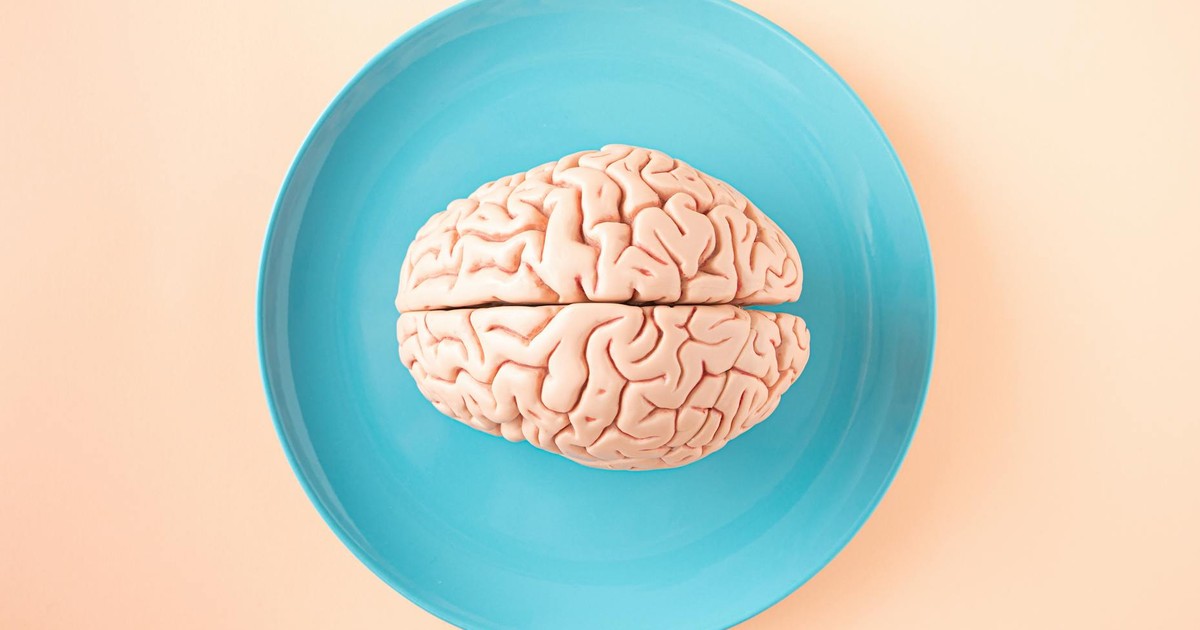
This one has been kicking around since at least the early 1900s, and it refuses to die. Motivational speakers love it. It shows up in movies. It implies that if you just unlocked the other 90%, you’d be unstoppable.
One of the most persistent brain myths is that humans use only 10% of their brain capacity – a claim suggesting vast, untapped potential lies dormant. Brain imaging technologies like fMRI and PET scans flatly contradict this: nearly all parts of the brain show some active function, even during simple tasks or rest. The idea lingers in popular culture, as researchers have noted, because “we want to think we haven’t reached our full potential.”
The brain comprises roughly 86 billion neurons, each connected to thousands of others, creating a vast network of communication pathways. Different regions specialize in various functions – movement, language, emotion, sensory processing – but they don’t operate in isolation. These regions constantly interact, forming a dynamic system. Not all of them fire simultaneously, the same way not every muscle in your body contracts at once when you pick up a glass. That’s efficiency, not dormancy. The 10% figure has no credible scientific source, and brain scientists have been saying so for years.
2. You Need to Drink Eight Glasses of Water a Day

The “8×8 rule” – eight 8-ounce glasses of water per day – is the kind of advice that sounds scientific because it’s so specific. It’s on posters at GP surgeries, written in wellness guides, repeated by personal trainers. The problem is there’s no solid science behind it.
The author of the foundational study on water intake did not find any scientific evidence to back up the 8×8 theory in terms of health benefits. Subsequent studies also debunked it as a concept, with a 2011 statement by Dr. Margaret McCartney in The BMJ going as far as laying blame on bottled water manufacturers for perpetuating the myth.
Individual water needs vary significantly based on body size, activity level, climate, health status, and diet. Athletes and people who exercise regularly need more water to compensate for fluid lost through sweat, and those living in hot or humid climates require more to stay hydrated. In other words, your body isn’t working off a universal fixed quota – it’s responding to your actual circumstances. Thirst is a genuinely good indicator that you need to drink something. For most healthy adults, following it works just fine.
3. You Only Need 10,000 Steps a Day – and You Need to Hit That Number

Here’s one where the marketing origin story is almost too good to be true. The idea wasn’t born from hard science. It actually originated from a Japanese marketing campaign in the 1960s to sell pedometers. The Japanese character for 10,000 resembles a walking figure, so a device called the “10,000 step meter” went to market. Decades later, that number is baked into every fitness tracker on the planet.
Large-scale studies show that meaningful health benefits occur well below 10,000 steps per day. A 2025 analysis published in The Lancet Public Health00321-3/fulltext) found that significant reductions in mortality and chronic disease risk occur in the range of about 5,000 to 7,000 steps per day, with around 7,000 steps associated with a substantial reduction in mortality risk compared to extremely low activity levels.
While 10,000 steps per day can still be a viable target for more active people, 7,000 steps per day is associated with clinically meaningful improvements in health outcomes and may be a more realistic and achievable goal for many adults. That’s genuinely good news for anyone who has spent years feeling defeated by a number invented to sell a gadget.
4. Cold Weather Gives You a Cold

You’ve heard it your whole life: go outside without a coat and you’ll catch a cold. Parents say it. Grandparents say it. And it’s completely wrong – or at least, almost completely wrong.
Cold weather itself does not cause illness. The common cold is triggered by viruses such as rhinoviruses. During colder months, people tend to stay indoors more often, creating environments where viruses spread more easily through respiratory droplets. The cold you caught in January wasn’t from the walk home without a scarf. It was from the crowded train, or the colleague sneezing at the next desk.
That said, the picture isn’t perfectly simple. When we inhale cold air, nasal passages cool down, which slows the movement of mucus. This gives live rhinoviruses more opportunity to breach the mucus barrier and enter the body. Studies have also found that cold viruses thrive in colder temperatures, since they are less able to survive at normal body temperature. So cold air doesn’t make you sick, but it may create slightly better conditions for a virus you’ve already encountered to take hold. The cause is still always a virus – not the weather.
5. Cracking Your Knuckles Causes Arthritis

This is one of the oldest and most widespread health myths. The sound that occurs when you crack your knuckles is caused by bubbles of gas collapsing in the synovial fluid of the joints. Multiple studies have failed to find any direct correlation between habitual knuckle cracking and the development of arthritis.
The concern has been investigated repeatedly, and the results are consistent. Studies generally report that individuals who crack their joints are at nearly the same risk of getting arthritis as those who have never cracked their joints. Where excessive knuckle cracking does show up in the data: those who did it habitually over many years had slightly weaker grip strength later in life – which is a reason to be moderate about it, though it’s a long way from arthritis. If someone in your life tells you to stop, they’re probably just annoyed by the noise.
6. We Are Either Left-Brained or Right-Brained

The idea that logical people are “left-brained” and creative people are “right-brained” has been popular since the 1970s, when split-brain research suggested the two hemispheres have different specializations. That part is true. What isn’t true is the leap to personality typing.
The idea that people are strictly “left-brained” or “right-brained” is an oversimplification that neuroscience has disproven. According to Harvard Health, a 2013 University of Utah study scanned the brains of more than 1,000 people and found no evidence of one hemisphere dominating the other – the authors concluded that the notion of being more left-brained or right-brained is “more a figure of speech than an anatomically accurate description.” Both hemispheres work together in complex ways to perform most cognitive functions, and creativity, reasoning, and analytical ability all involve interaction across multiple regions.
In practice, this means labeling yourself as “not a math person” because you think you’re right-brained, or dismissing your creative instincts because you think you’re wired for logic, has no neurological basis. The brain you have is far more fluid than that framing suggests.
7. Sugar Makes Children Hyperactive

Walk into any birthday party and mention the sugar-hyperactivity link, and most parents will nod with complete confidence. It feels undeniable. Kids eat cake, kids go wild. But the research has been trying to correct this for decades.
Research shows that sugar won’t cause children to act out, hurt their schoolwork, or make them unable to focus. Since many parents believe there’s a link, they expect their kids to behave badly after eating sugary food, and they’re primed to notice it when it happens. That’s confirmation bias doing exactly what it always does: finding the evidence that supports the story you already believe.
Multiple double-blind studies – where neither the children nor the parents knew who had sugar and who had a placebo – have found no measurable difference in behavior. The chaos at birthday parties almost certainly comes from excitement, unfamiliar environments, and a dozen kids in a small room, not the cake.
8. Reading in Dim Light Damages Your Eyes

Parents have been confiscating flashlights and reading lamps from kids for generations on the basis of this one. The worry makes intuitive sense – if your eyes are straining, surely they’re being harmed?
Reading in dim light causes eye strain rather than permanent damage to the eye. The strain is real: when light is low, your eyes work harder to focus, your blink rate slows, and you can end up with tired, dry, aching eyes. But once you look away from the book, the strain resolves. There’s no evidence of lasting structural damage to the eye from low-light reading, and ophthalmologists are consistent on this point.
It’s a good reason to read with decent lighting – not because dim light will ruin your vision, but because you’ll be more comfortable and less tired. The damage narrative, though, is a myth built on a genuine but temporary feeling.
9. Intermittent Fasting Destroys Muscle and Wrecks Your Hormones

As intermittent fasting became mainstream, so did the backlash – and some of that backlash hardened into myth. The warnings circulated widely: fasting leads to muscle loss, throws sex hormones out of balance, and pushes people toward disordered eating.
In a 2024 commentary in Nature Reviews Endocrinology, University of Illinois Chicago researchers debunked each of these claims. On diet quality, the research points to studies showing that intake of sugar, saturated fat, cholesterol, fiber, sodium, and caffeine do not measurably change during fasting compared with before a fast. On muscle loss, people who lose weight by fasting lose the same amount of lean muscle as those on other diets – not more. And on hormones, neither estrogen, testosterone, nor other related hormones are affected by fasting.
That doesn’t mean fasting is the right approach for everyone – it isn’t, particularly for those with a history of disordered eating, and the latest work shows it can slow hair regeneration in animal studies. But the headline fears that drove the counter-narrative don’t hold up to scrutiny.
You can also find information about nutrition myths and how they affect your energy on The Amazing Times.
10. Moderate Alcohol Directly Kills Brain Cells

For a long time, the popular image of alcohol damage was very literal: every drink kills neurons, and enough drinks leave you with a brain that’s just a bit emptier than before.
Many believe drinking alcohol directly kills brain cells, yet scientific evidence tells a more complicated story. Moderate alcohol consumption can alter brain function temporarily, but it does not cause direct cell death. Excessive or chronic alcohol abuse can lead to brain damage through different mechanisms, including inflammation and nutritional deficiencies. While alcohol’s impact on the brain is real, the myth that it straightforwardly kills neurons is false.
This matters because the “kills brain cells” framing can distort how people think about alcohol risk. The actual mechanisms of heavy alcohol-related brain damage – nutritional deficiencies like thiamine (vitamin B1) depletion, neuroinflammation, disrupted neurodevelopment in younger drinkers – are serious enough on their own. They don’t need embellishment. And for people who drink moderately, the dramatic neuron-death picture simply isn’t what’s happening.
11. GMO Foods Are Dangerous to Human Health

Few scientific topics have generated as much public anxiety as genetically modified organisms (GMOs), and few have been as thoroughly studied. The concern – that inserting genes into crops creates food that’s unsafe to eat – has driven labeling laws, consumer campaigns, and a global conversation about food systems. The safety claim, specifically, has been tested extensively.
There is a scientific consensus that currently available food derived from genetically modified crops poses no greater risk to human health than conventional food. That consensus spans national academies of science, health organizations, and decades of independent research across dozens of countries. The debate about GMOs involves genuinely complex questions about biodiversity, corporate control of seed supplies, ecological impact, and agricultural economics. Those are real discussions worth having. But “GMOs are dangerous to eat” isn’t among the legitimate concerns – it’s the one part of the debate that the science has most clearly settled.
Read More: 7 Health Myths Most Parents Still Believe (But Shouldn’t)
What to Do With All of This
Knowing that a belief is wrong doesn’t automatically make it disappear. The 10% brain myth is so embedded in how we talk about human potential that pointing out it’s false almost feels beside the point. The sugar-hyperactivity link is so intuitively satisfying that no amount of double-blind research seems to fully dislodge it. That’s how myths work – they don’t just hold factual space, they hold emotional space too.
What’s worth taking from all of this isn’t panic about everything you thought you knew. It’s more the specific habit of asking “where did this come from?” when a piece of health advice sounds too clean, too universal, or too conveniently easy to remember. The 10,000 steps number came from a pedometer ad. The eight glasses of water came from a misread study. The cold-weather cold came from the feeling of being chilly and sick at the same time. Science hasn’t caught up with public knowledge – public knowledge just hasn’t caught up with science yet.
And that gap is worth sitting with, rather than papering over. None of this means you should distrust every piece of health advice you’ve ever received. It means holding it a little more loosely. Asking what the original source was. Noticing when something sounds less like a finding and more like a slogan. The myths in this list aren’t failures of intelligence – they’re failures of transmission, the inevitable static between a research finding and the version of it that reaches your gym instructor, your parents, and your own internal rulebook. Catching them doesn’t make you smarter than anyone. It just means the signal got through.
Disclaimer: This information is not intended to be a substitute for professional medical advice, diagnosis, or treatment and is for information only. Always seek the advice of your physician or another qualified health provider with any questions about your medical condition and/or current medication. Do not disregard professional medical advice or delay seeking advice or treatment because of something you have read here.
AI Disclaimer: This article was created with the assistance of AI tools and reviewed by a human editor.