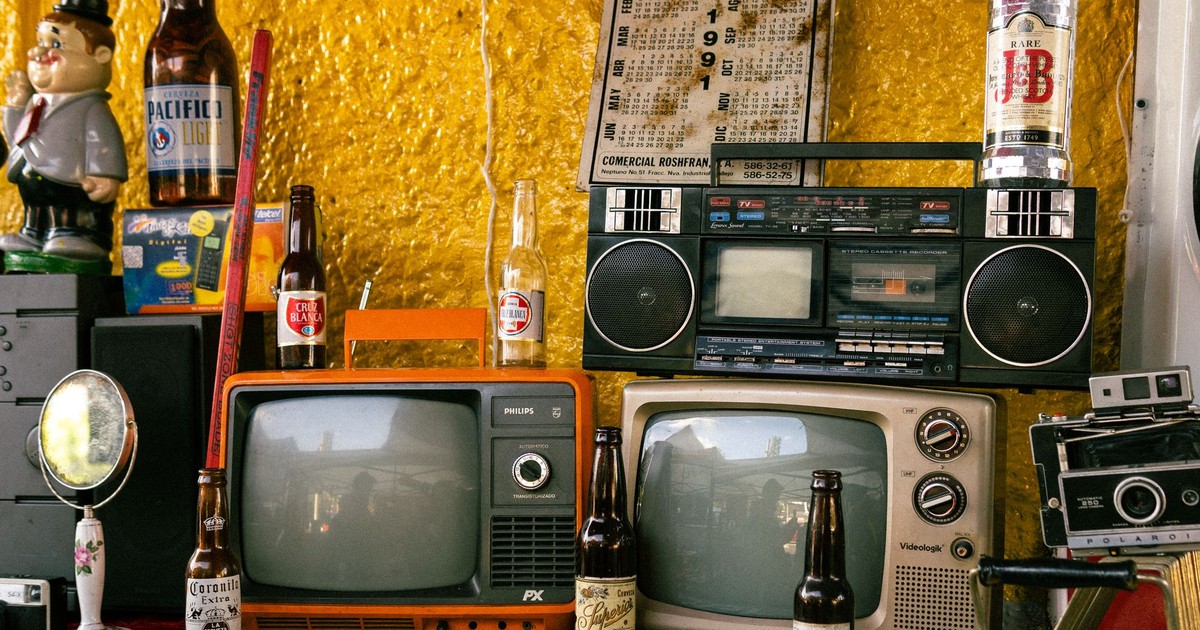

Before the first phone existed in your pocket, boredom had nowhere to go but somewhere interesting. You had to do something with a Tuesday afternoon – ride your bike until the streetlights flickered on, pull out a half-finished cross-stitch, dig out the notebook you’d been writing in since September. The 1990s were not, by any objective measure, a serene decade. But for a lot of people who came of age or raised children during that era, the texture of daily life included a particular kind of slow, absorbed activity that the current moment has largely traded away for a feed.
The irony is that what we now call “wellness practices” – mindfulness, creative expression, intentional solitude, community rituals – were just called Tuesday. Nobody was optimizing their cortisol by keeping a diary. They were just keeping a diary. Nobody was curating a dopamine-regulating hobby by knitting a sweater they would never finish. They were just knitting. The science caught up later, and what it found is that a lot of what those 1990s mental health activities offered was genuinely, measurably good for people’s minds.
This isn’t an argument for going back. Eleven ordinary pastimes from that decade, what they were actually doing to the brains of the people who practiced them, and why the research makes a pretty compelling case for bringing some of them back.
1. Keeping a Diary

A whole generation of girls kept a diary with a tiny lock on it – the kind of lock that a determined sibling could open with a bobby pin in about four seconds, but the symbolic weight of which was enormous. You wrote in it because you needed somewhere for the day to go. What nobody knew at the time, or at least nobody had put in those terms, was that the act of putting difficult feelings into words does something specific and measurable to the brain.
A 2023 study in Family Medicine and Community Health found that journaling could improve mental health outcomes for people struggling with anxiety and PTSD. Writing about an emotional event gives the brain a way to process rather than loop – it externalizes the thought, creates some distance from it, and helps convert chaos into something with a beginning and end. The therapeutic term is “expressive writing.” In the 1990s, the term was “writing in your diary.”
Studies suggest the timing matters. Writing about a traumatic event immediately after it happens can sometimes intensify distress rather than reduce it. The diary works best as a place for reflection, not raw real-time reaction – which, practically speaking, is exactly how most people used it. You wrote about the argument after dinner, not during it.
2. Knitting and Crocheting

Knitting had a decidedly unglamorous reputation in the 1990s, associated mostly with grandmothers and church basements. It has since been fully rehabilitated, and the neuroscience behind the rehabilitation is genuinely interesting. The repetitive bilateral hand movements involved in knitting and crocheting activate the parasympathetic nervous system – the “rest and digest” branch of the body’s autonomic system, the direct counterpart to the fight-or-flight stress response.
According to Neurolaunch, research links textile crafting to reduced cortisol levels and improved mood in both clinical and general populations, and the focused attention required for following patterns produces a flow state associated with reduced anxiety and elevated well-being. Each completed row triggers a small dopamine signal. It arrives in a low, consistent drip, which is exactly the kind of reward system that supports mood regulation rather than undermining it.
For people managing depression, where the brain’s reward-processing is often blunted, that repetitive cycle of small effort and small completion can act as a low-stakes re-entry point into feeling capable. You finished a row. Then another. The sweater does not have to be a good sweater for any of this to work.
3. Renting a Movie on a Friday Night
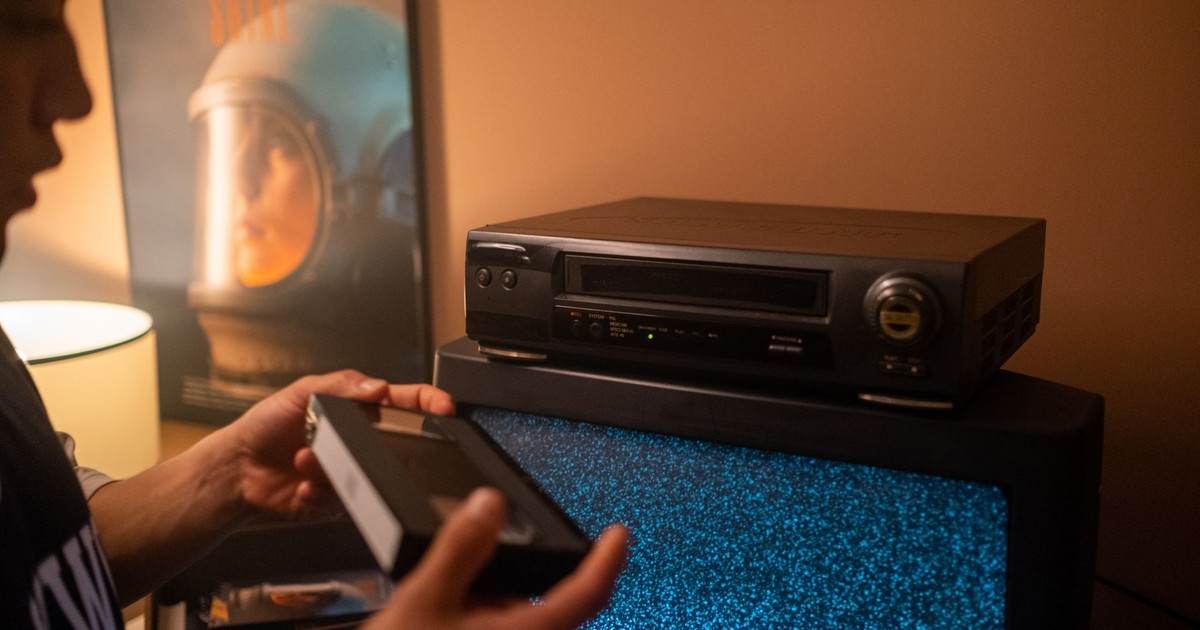
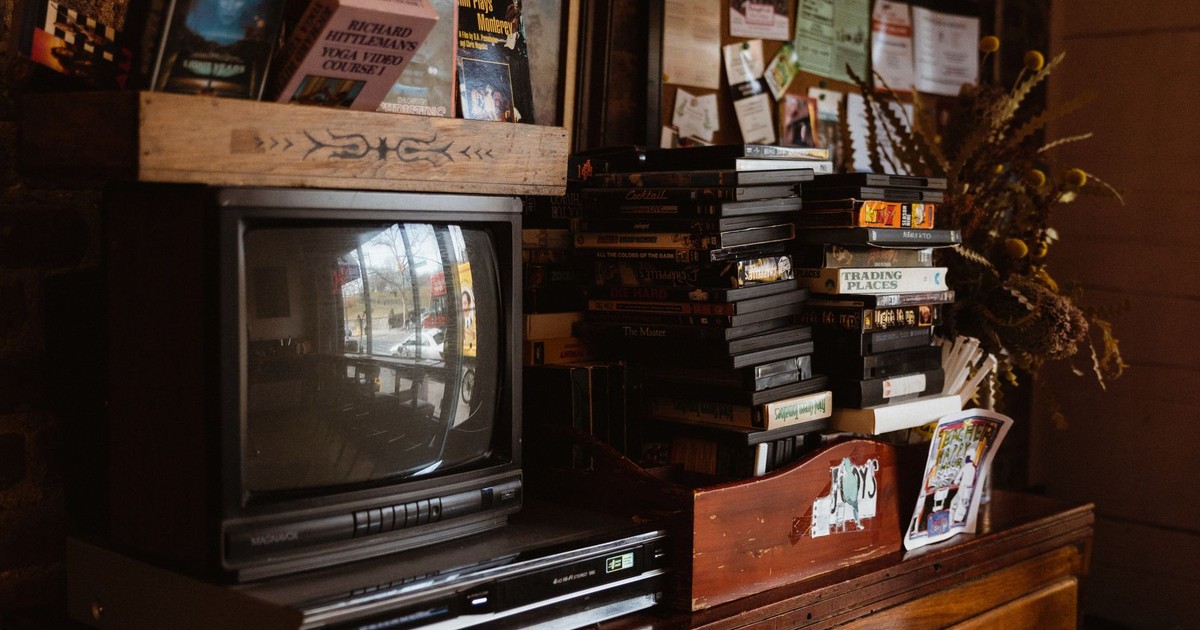
The ritual of going to the video store deserves more credit than it gets. You walked the aisles. You read the back of the case. You argued with the person you were with about whether to pick the one you’d already seen or take a chance on the one with the promising cover. You carried the tape home, you sat down together, and for the next two hours, nothing else was on the agenda.
The ritual was providing a structure for deliberate rest and social connection in a single weekly event. Anticipation itself has psychological value – the planning of a pleasurable activity activates the brain’s reward system before the activity even begins. And watching a film as a shared experience with someone else, with nowhere else to be and no second screen to check, is a form of co-regulation that most people did not have a word for until much later. Lying on the couch with someone, absorbed in the same story, is not a small thing. A worn-out couch and a rewound VHS tape was doing some genuine emotional work.
4. Collecting Things
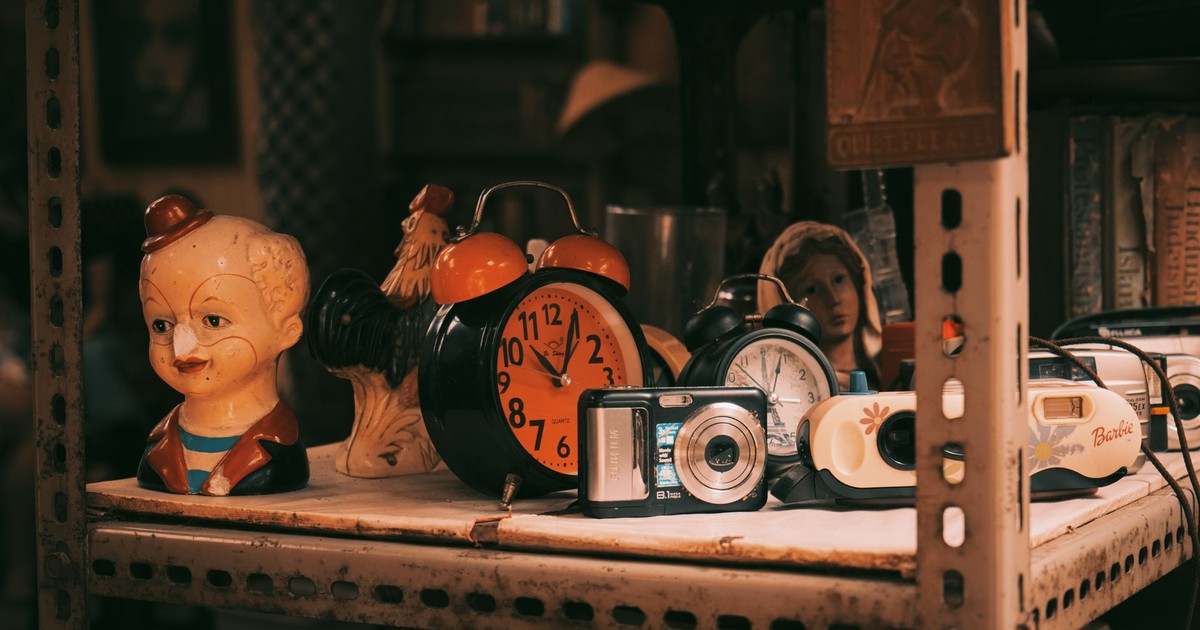
Beanie Babies. Pogs. Pokémon cards in the later part of the decade. Sports cards organized in plastic sleeves. Whatever the object, the collecting craze of the 1990s tapped into something that psychologists now recognize as a meaningful source of purpose and competence: the pursuit of a self-directed, incremental goal.
Collecting gives the brain a project. There is always the next thing to find, which means there is always a direction to move in – and that sense of directed purpose has a measurable effect on mood and motivation. The search itself is part of the reward. Browsing a store looking for the rare release, trading with a friend to complete a set, carefully cataloging what you had: each of these actions engages the brain’s anticipation system, which is the same system involved in optimism. The collection also provides a sense of identity and mastery, two things that erode mental health when absent.
The object doesn’t really matter. People who understood Beanie Babies as an investment vehicle were confused about what was actually valuable. People who kept them because sorting them out on the bed on a Saturday afternoon felt good understood it perfectly.
5. Writing Letters to Pen Pals
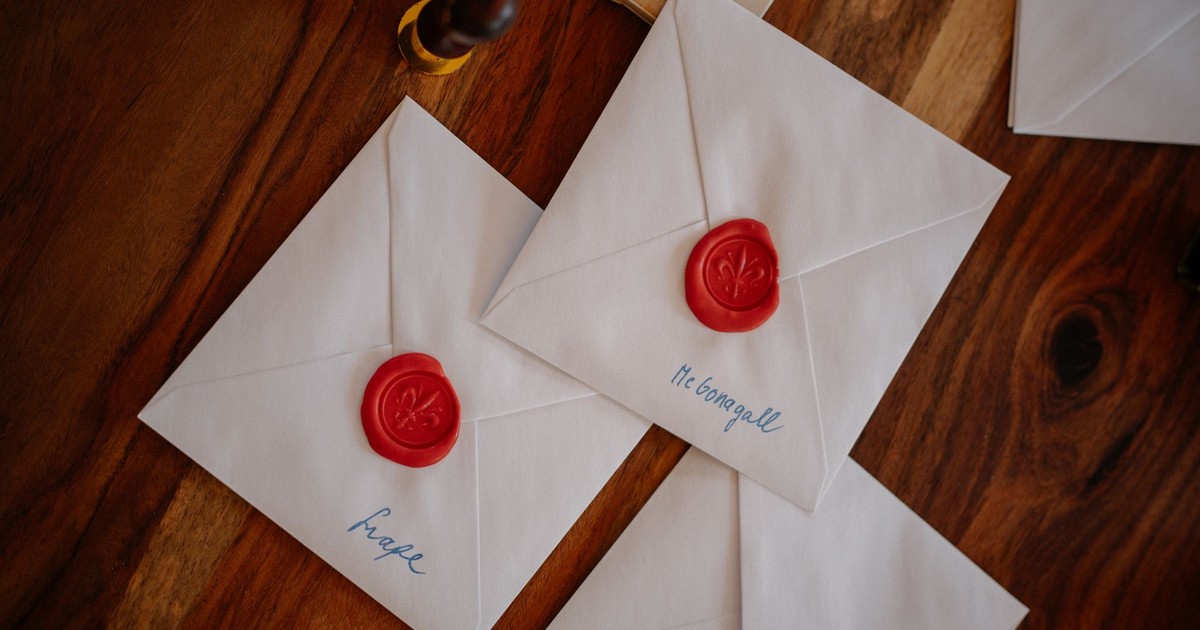
The pen pal was a specific 1990s institution – often organized through a school, sometimes through a magazine, occasionally through a cousin who lived somewhere else and was equally bored. You wrote a letter. You waited. A letter came back. The whole cycle took two to three weeks, which meant you spent a meaningful portion of that time in anticipation of a response.
This kind of written correspondence gave people something that even the most earnest text message cannot replicate: the experience of composing a full account of your life for an audience. You had to decide what was worth telling. You had to find words for the things that were happening. That act of selection and articulation is essentially the same cognitive process involved in journaling, with the added dimension of genuine human connection waiting at the other end. You were processing your own experience while reaching toward someone else’s – a fairly reliable recipe for feeling less alone.
The slowness was a feature. Two weeks of waiting gave you something to look forward to, a resource that people in 2026 are often short of.
6. Playing Outside Until Dark
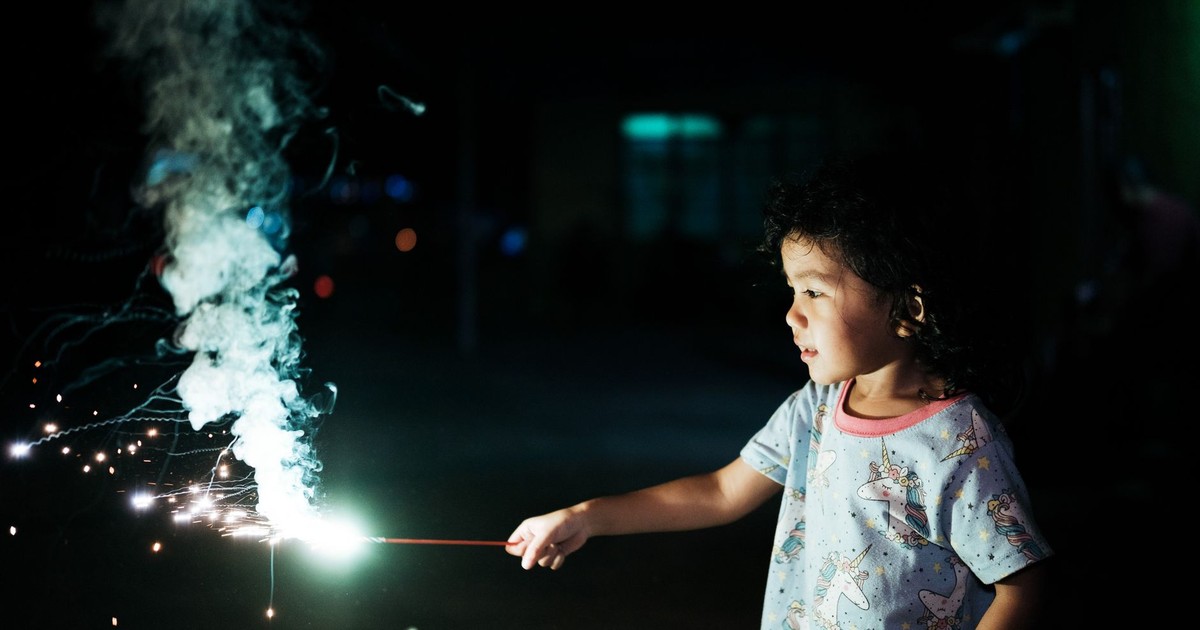
The specific instruction “go outside and come back when the streetlights come on” has passed into a kind of mythology about 1990s childhood, but it described something psychologically specific: unstructured time in an outdoor environment with other children, no adult directing the activity, and no predetermined outcome. You figured out what to do. When there was no script and no adult running the game, children had to generate their own rules and resolve their own conflicts.
Research summarized by the Children & Nature Network found that children who spent more time in less-structured activities showed stronger self-directed executive function – the cluster of cognitive skills that includes planning, impulse control, and flexible thinking – compared to children whose time was primarily adult-led. This is also, incidentally, where a lot of friendship was built: not through arranged playdates but through shared imagination that grew out of having to invent the afternoon from scratch. Adults who did this as children tend to describe the memory with a specific quality of ease that is hard to name but immediately recognizable.
7. Making Mixtapes
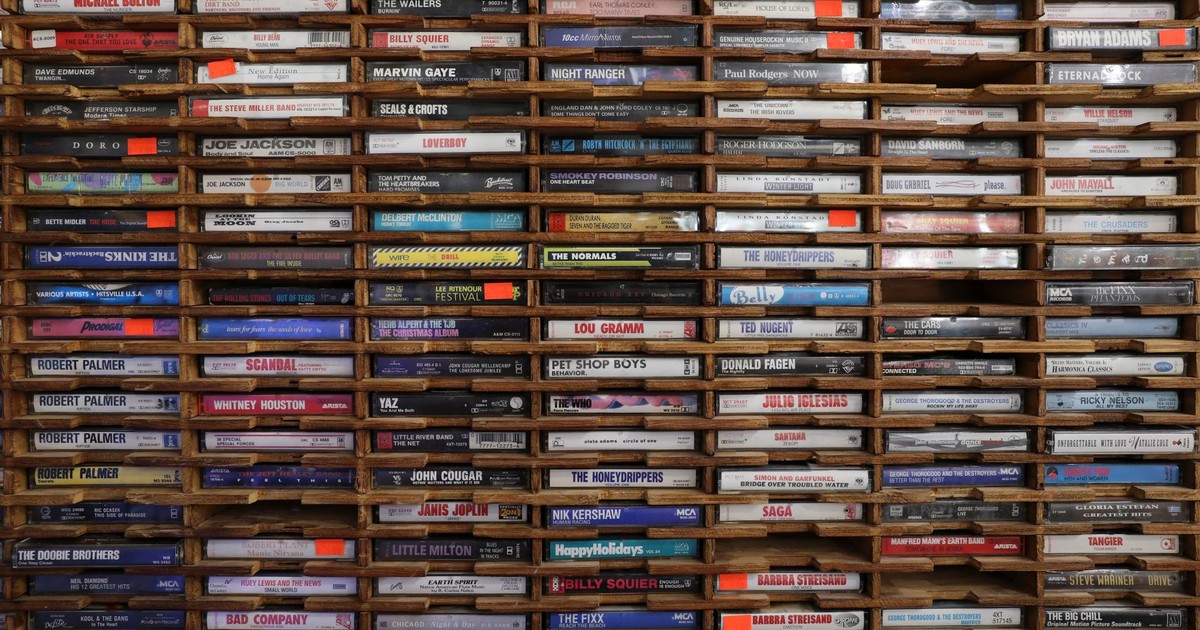
The mixtape was never just music. It was a two-hour argument you had with yourself about which song to put next to which other song and why, while seated on the floor in front of a stereo with your finger on the pause button. Making one for someone else added another layer: you had to think about what they needed to hear, which meant you had to think carefully about who they were and what they were going through.
Music engages memory, emotion, and cognition simultaneously – it’s one of the few activities that activates multiple brain regions at once. Curating a sequence of songs forces you to sit with each piece long enough to evaluate it, which is itself a form of absorbed attention. And the act of making something for another person – something that requires you to understand them, that they will hold in their hands – is an expression of care that has its own mental health benefits for the giver, not just the recipient. Feeling useful to someone, and feeling known by them, are among the more reliable buffers against despair.
8. Reading for Pleasure
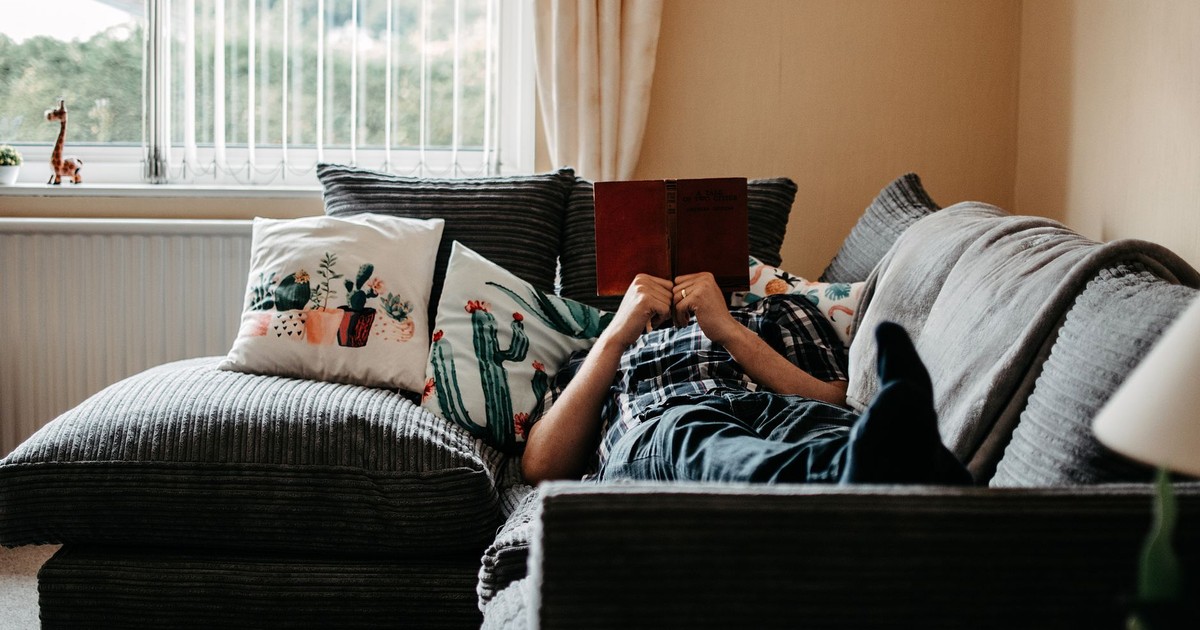
There is a meaningful difference between reading as a goal – finishing a book, tracking pages – and reading as an absorption. In the 1990s, before phones competed for every idle moment, the latter was more accessible. You picked up a book because there was nothing else happening, and then an hour passed, and you had not checked the time once.
That state of deep reading absorption is cognitively and emotionally distinct from skimming. It requires and builds sustained attention. It activates empathy by asking the reader to inhabit another person’s perspective from the inside. And fiction specifically has been shown to improve what researchers call “theory of mind” – the ability to understand that other people have inner lives that differ from your own. A teenager who read every V.C. Andrews novel in the library was not just escaping. They were practicing the cognitive skill of imaginative perspective-taking, which happens to be foundational to emotional intelligence.
Read More: 50 Nostalgic Posts That Will Instantly Remind You of The 1990s In The Best Way Possible
9. Puttering in the Garden

Not everyone’s 1990s involved a garden, but enough people spent time in one – pulling weeds, planting things, tending to something that required maintenance and patience and had no particular deadline – that it warrants a place on this list. Gardening is repetitive, sensory, outdoor, and productive in a way that is completely disconnected from the metrics of professional life.
A 2024 article from National Geographic, examining creative and tactile activities, found that unlike the dopamine spikes triggered by scrolling or sugar, slow, repetitive hands-on activities provide a more sustainable reward. Gardening fits this profile precisely. There is also the specific effect of soil contact – research has found that Mycobacterium vaccae, a bacterium naturally present in soil, may stimulate serotonin production when inhaled or absorbed through the skin, which would help explain why people who spend time digging in dirt consistently report feeling better than people who don’t. You thought you were just planting tomatoes.
10. Board Games and Family Puzzles
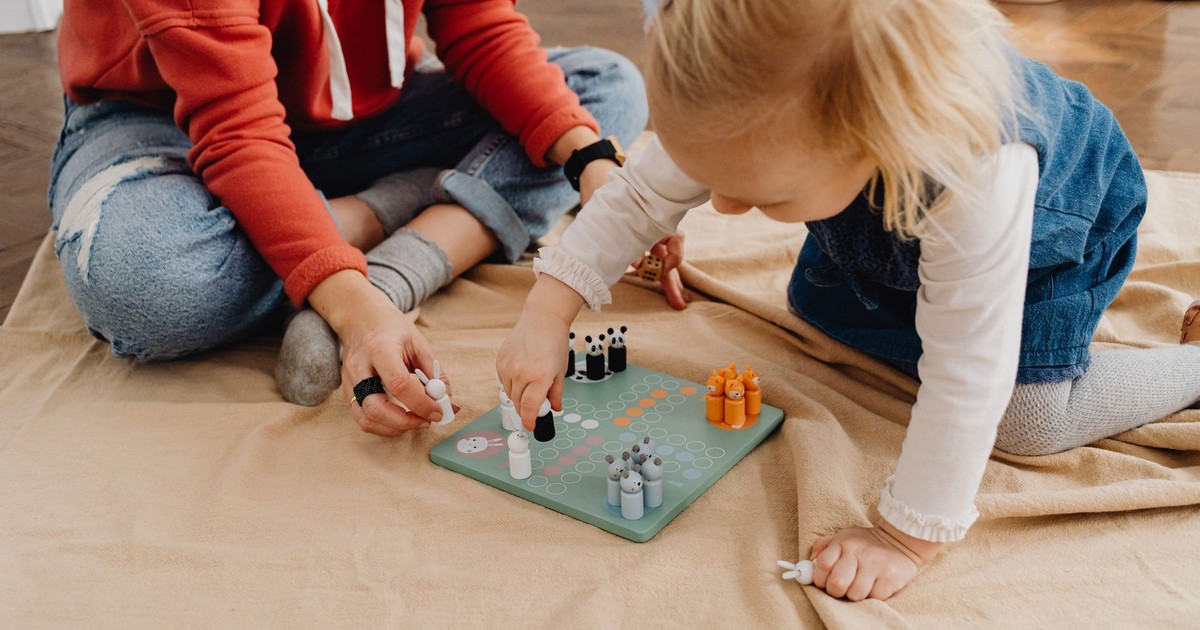
The family board game night of the 1990s was rarely as idyllic as nostalgia suggests. Someone flipped the Monopoly board. Someone accused someone else of cheating at Uno. The puzzle that was supposedly 1,000 pieces was actually 999 pieces because the dog ate one in 1993 and nobody threw the box away. And yet, in some important sense, all of that counts.
Shared play – even contentious shared play – generates face-to-face interaction, collective problem-solving, and the kind of low-stakes conflict resolution that builds relational muscle. Competitive games create genuine emotional stakes without genuine consequences, which is a useful training ground for learning how to lose gracefully and how to win without being insufferable (results varied). Puzzles in particular demand a kind of patient, non-linear collaboration: you are both working toward the same thing, nobody owns a section, and progress is visible in real time. That shared visible progress turns out to be its own form of social bonding.
11. Drawing and Doodling

Most of the people who doodled in the margins of their notebooks in the 1990s would not have called themselves artists. They were just doing something with their hands while they thought.
Drawing sits in the same family of absorbed, hands-on creative activity as knitting and crocheting – activities that research has linked to improved mood and reduced symptoms of depression. When your hands are making something, even something without purpose or audience, your brain enters a state of focused attention that quiets the default mode network – the part of the brain most associated with anxious self-referential thinking, the part that generates the “what’s wrong with me” loop. Creating a small drawing in the margin of a notebook is not therapy. But it is, neurologically speaking, a brief respite from the brain’s tendency to turn inward and catastrophize.
Doodling also externalizes imagination – it takes something formless from the inside and gives it a shape outside. That process of making the internal visible has a settling effect that is hard to replicate with anything that keeps your hands idle. The quality of the drawing is entirely irrelevant. Nobody needed to see it.
What Comes Back
None of these activities were marketed as wellness. You kept a diary because you needed somewhere for the day to go. You knitted because your hands wanted something to do. You made a mixtape because you loved someone and had two free hours and a blank cassette.
The science that has accumulated since then is genuinely useful, because it gives us a framework for understanding why these things mattered. But the framework is not the same as the thing. What a lot of people are starving for is not a new wellness routine – it is unstructured time, a project with no audience, something absorbing enough to stop the internal noise, and the occasional sense that they made something with their own hands. Most of those things are still freely available. They just require choosing them over the alternative.
Disclaimer: This information is not intended to be a substitute for professional medical advice, diagnosis, or treatment and is for information only. Always seek the advice of your physician or another qualified health provider with any questions about your medical condition and/or current medication. Do not disregard professional medical advice or delay seeking advice or treatment because of something you have read here.
AI Disclaimer: This article was created with the assistance of AI tools and reviewed by a human editor.