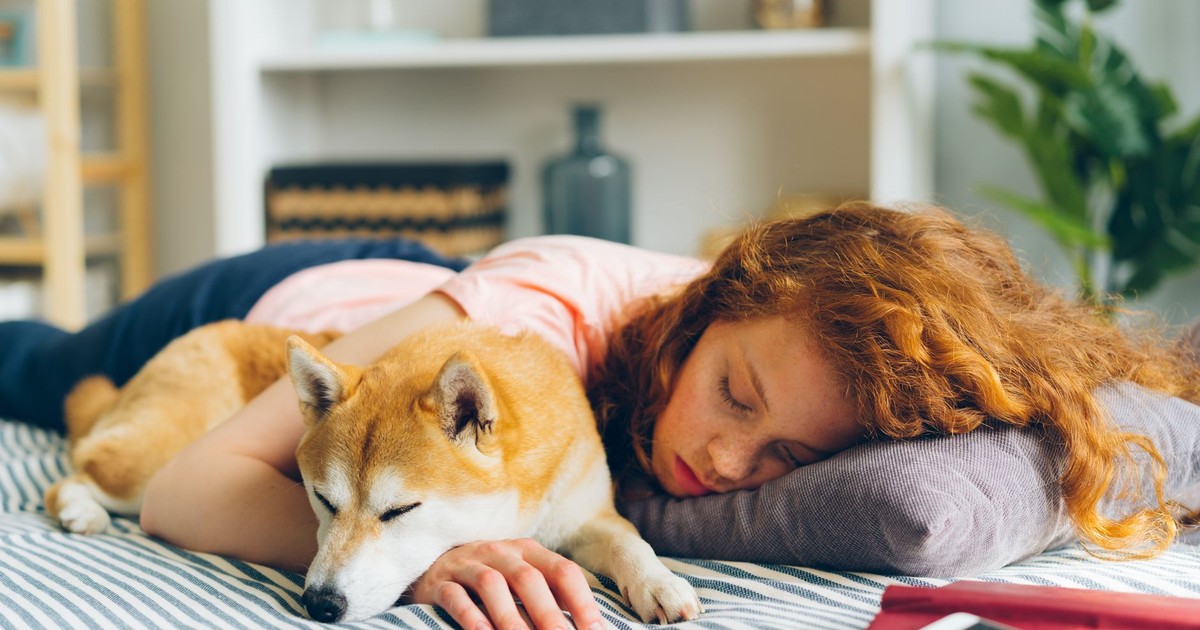

Nearly half of all pet owners in the United States share their bed with an animal. Not occasionally, not when the dog sneaks in before they notice, but regularly, as a matter of routine. They rearrange their blankets around a sleeping cat. They wake up with a warm weight pressed against their legs. They have silently accepted that the center of the mattress belongs to a creature who weighs fourteen pounds.
Researchers have spent considerable time in recent years trying to understand the gap between what pet owners report about their sleep and what the data actually shows. People who thrive with a pet in bed tend to have a distinct cluster of traits that make the arrangement work for them in ways it doesn’t work for everyone.
These aren’t personality types you score on a quiz. They’re recognizable patterns of how someone relates to comfort, to anxiety, to routine, and to other living things. If you’re someone who sleeps well with your pet, you’ll probably recognize yourself in most of them.
1. You’re a Light Sleeper Who Craves Reassurance, Not Silence
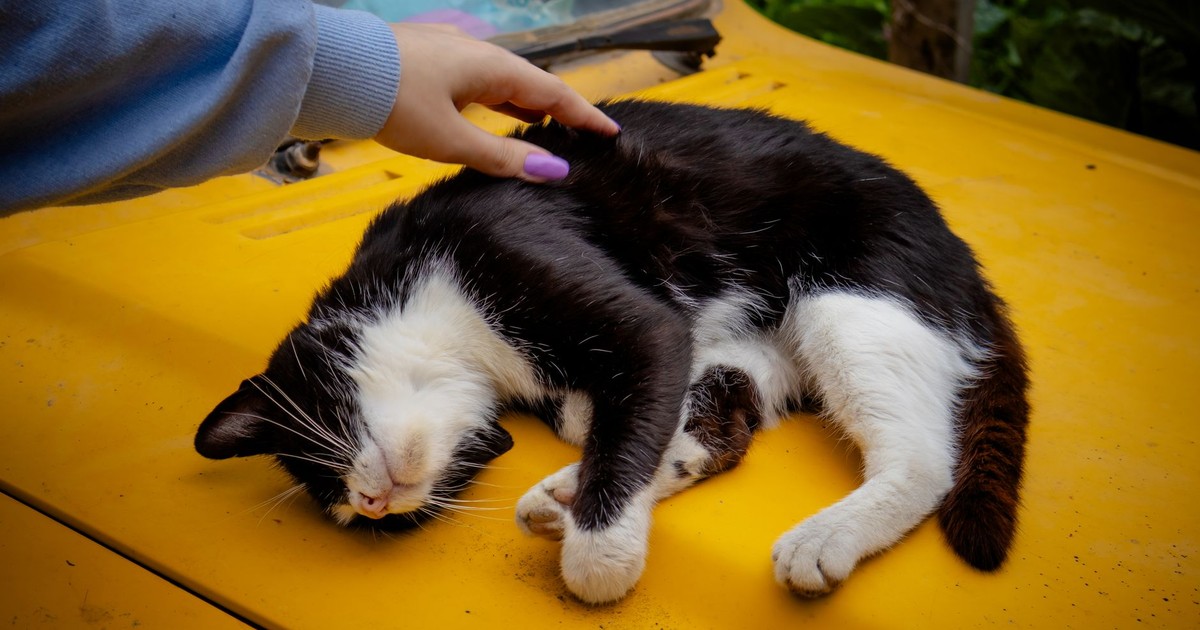
For a specific kind of light sleeper, the intermittent sounds and movements of a pet don’t register as disruptions. They register as confirmation that everything is fine. The soft exhale of a dog across the pillow. The low vibration of a cat’s purr settling into a rhythm beside your ribcage. These aren’t sleep-stealers for certain people. They’re anchors.
For someone whose mind tends to run at night, having something breathing next to them works better than silence does. Silence has nothing to offer a racing mind. A dog does. People who find pet co-sleeping restorative often describe it the same way: not that the pet doesn’t move or make noise, but that the movements feel companionable rather than intrusive.
This doesn’t mean you sleep lightly by choice. It means your nervous system responds to biological cues more than to the absence of sound, and a sleeping animal provides those cues in abundance.
2. You Have an Elevated Baseline of Anxiety
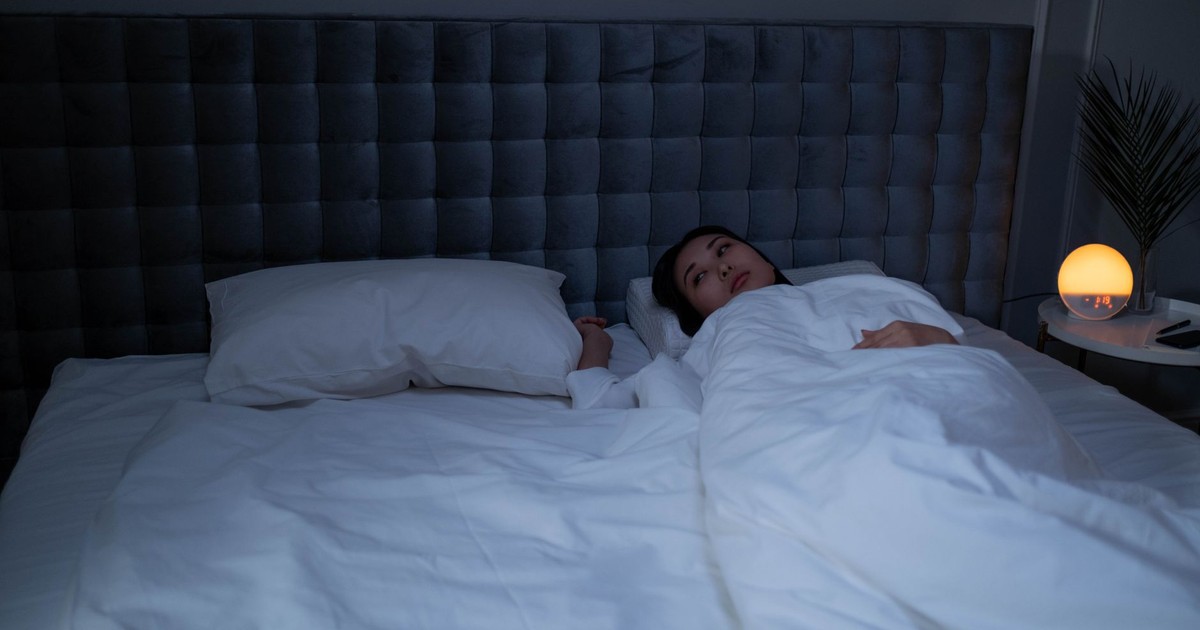
People who manage anxiety on a day-to-day basis often develop strong instincts for what settles their nervous system. They know which environments spike their tension and which ones bring it down. For many of them, a pet in the bed is one of the most reliable regulators they’ve found, partly because it costs nothing and requires no effort at exactly the hour when effort is hardest to come by.
According to the Sleep Foundation, sleeping with a pet may be especially helpful for individuals with mental health concerns like anxiety, depression, or PTSD because it provides a calming influence. The rhythm of a pet’s breathing can serve as a natural lull to soothe the mind, easing the transition into sleep. The gentle weight of a pet can reduce cortisol, the stress hormone, and increase oxytocin, which makes people feel content and relaxed.
If you’ve ever found yourself doing breathing exercises, or counting things, or replaying a mentally neutral list just to get your brain to quiet down enough for sleep, you’ll understand why a purring cat pressed against your arm might outperform all of those strategies combined. The pet provides an external rhythm to match your breath to without consciously trying. It’s a feedback loop that works in your favor.
3. You Have a High-Attachment Bond With Your Pet
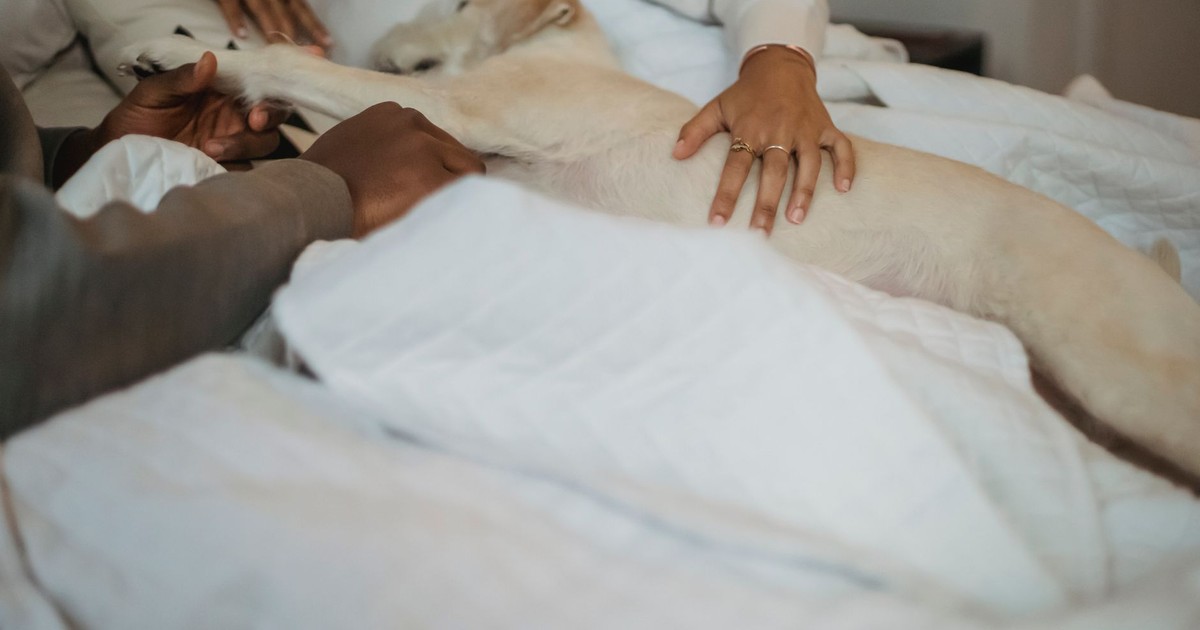
Not everyone who has a pet has a high-attachment bond with that pet. Some people like their dog quite a lot and still think of it as separate from themselves, an animal who lives in their house. Others have a relationship that is genuinely, specifically close, the kind where they narrate the day to the cat, where the dog’s moods register as real emotional events, where an unexpected vet visit produces a physical lurch of worry. People in that second category are the ones who sleep better with their animal in the bed.
A 2024 study in JAMA Network Open found that dog attachment was specifically associated with reduced depression, anxiety, and overall symptom burden, with particularly strong effects among abuse survivors, suggesting that close bonds with pets may alleviate anxiety and depression in ways that could meaningfully support mental health interventions.
The bond matters. Proximity to a pet you’re deeply attached to is a different physiological experience than proximity to an animal you regard with mild affection. If your dog has a name that you use in complete sentences and a spot on the bed that has been their spot for years, you’re in the group that is most likely to report genuinely better sleep from the arrangement.
4. You Live Alone or Sleep Without a Partner

The bedroom is different when you share it with no one. There is something particular about the quality of silence in a room where you are the only person that can make sleep feel more effortful than it should. People who live alone often describe the same pattern: sleep comes, but there’s a low-level restlessness to it that’s hard to name and harder to solve. A pet changes the equation without complicating it the way another person would.
Having a pet can reduce anxiety and loneliness, ease symptoms of mental health conditions, help regulate emotions, and add to a sense of purpose and meaning in life. For solo sleepers, that reduction in loneliness isn’t an abstract benefit. It’s something they feel in the body, in the difference between waking at 3 a.m. to a quiet room and waking to a warm presence that resettles itself and drifts back under without requiring anything from you.
People who share a bed with a partner who snores, steals blankets, or runs hot often report that the pet is the more restful bedfellow. But the gains are probably clearest for someone sleeping alone, where the pet fills a sensory gap that would otherwise stay empty through the night.
5. You’re Not Prone to Allergies or Temperature Sensitivity

This is the most practical trait on the list and possibly the most determinative. People who sleep well with pets have typically sorted out, either deliberately or by constitution, that their body isn’t fighting a secondary battle through the night. Dander in the bedding. A dog who radiates heat at a level that disrupts the thermal window the body needs for deep sleep. A cat who drops onto the pillow and triggers a chain of itchy eyes and congestion that the person half-consciously attributes to “just how they sleep now.”
For many people, the invisible cost of co-sleeping with a pet is a runny nose or nighttime coughing, as dander stays trapped in bedding and triggers low-level allergic reactions that prevent deep sleep. If you’ve been co-sleeping for years and genuinely sleep well, it’s worth pausing to verify that this isn’t your situation. Some allergic reactions are significant enough that people notice them immediately. Others are chronic and gradual, producing fatigue that’s assumed to have some other cause.
People who truly thrive in this arrangement either have no allergic sensitivity to their specific animal, or they wash bedding frequently enough that the dander load stays manageable. They also tend to have a pet whose body temperature and preferred sleeping position complement rather than compete with their own. The cat who curls at the feet is a very different situation from the one who presses its face to yours and breathes directly into your nostrils.
6. You Experience Chronic Pain or Physical Discomfort
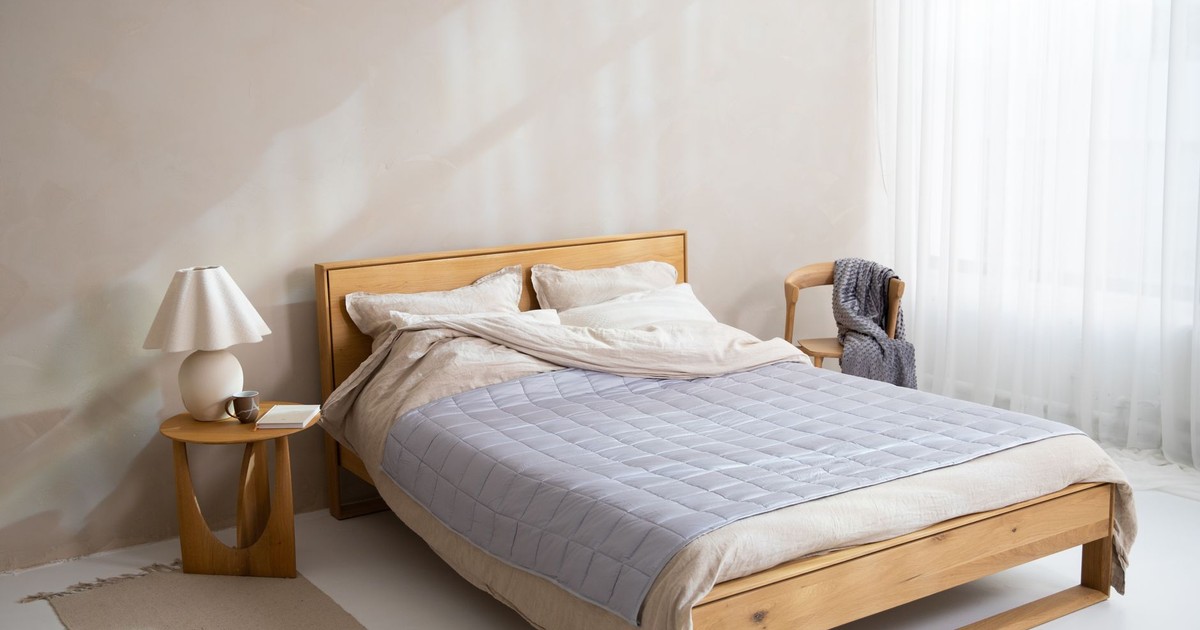
This one surprises people. It seems intuitive that a pet in the bed would make pain worse: more movement, more heat, more unpredictability. But for people managing chronic pain, the co-sleeping calculus often comes out differently. Poor-quality sleep and chronic pain create a self-reinforcing cycle, each making the other worse. Whatever interrupts that cycle has genuine value.
What pets offer people with chronic pain is partly psychological and partly physical. The warmth of an animal against an aching joint is not nothing. The company through a night that might otherwise involve a lot of lying awake and waiting for morning gives sleep a better chance of happening. Pets serve a stress-buffering function, reducing cognitive arousal at bedtime, and for someone whose pain produces cognitive arousal in the form of focus on physical sensation, a pet’s presence offers distraction that has real sleep value.
The people who benefit most here tend to be those whose pain is managed rather than acute, and whose pet has learned to settle rather than move constantly through the night. A German Shepherd who repositions eleven times before midnight is not a pain management tool. A calm, older dog who sleeps deeply is a different matter.
7. You Respond Well to Routine and Ritual

The act of settling into bed with a pet is a ritual. The animal circles, finds its spot, sighs. You adjust. The lamp goes off. There is a sequence to it that the body learns, the same way it learns that a warm shower means sleep is coming, or that a particular podcast cues the mind to stop tracking the next day’s list.
People who sleep well with pets are almost universally people who find value in sleep rituals. They’re not the ones who fall asleep on the couch and stumble to bed at 2 a.m. They have a rough time, a rough sequence, and the animal is woven into it. The pet who jumps up at 10:15 every night, who settles on the same side without fail, who has a weight and a warmth that is entirely predictable, is contributing something to sleep quality that has nothing to do with anxiety reduction or physical warmth. It’s structure.
Participants in a 2024 Frontiers in Psychiatry study reported that having a cat sleeping and purring next to them helped them feel relaxed and lowered their anxiety, with pets perceived as having the ability to help regulate negative emotions when in a highly aroused state. The structured ritual of bedtime with an animal is part of what produces that calm.
8. You Value Emotional Comfort Over Perfect Sleep Hygiene
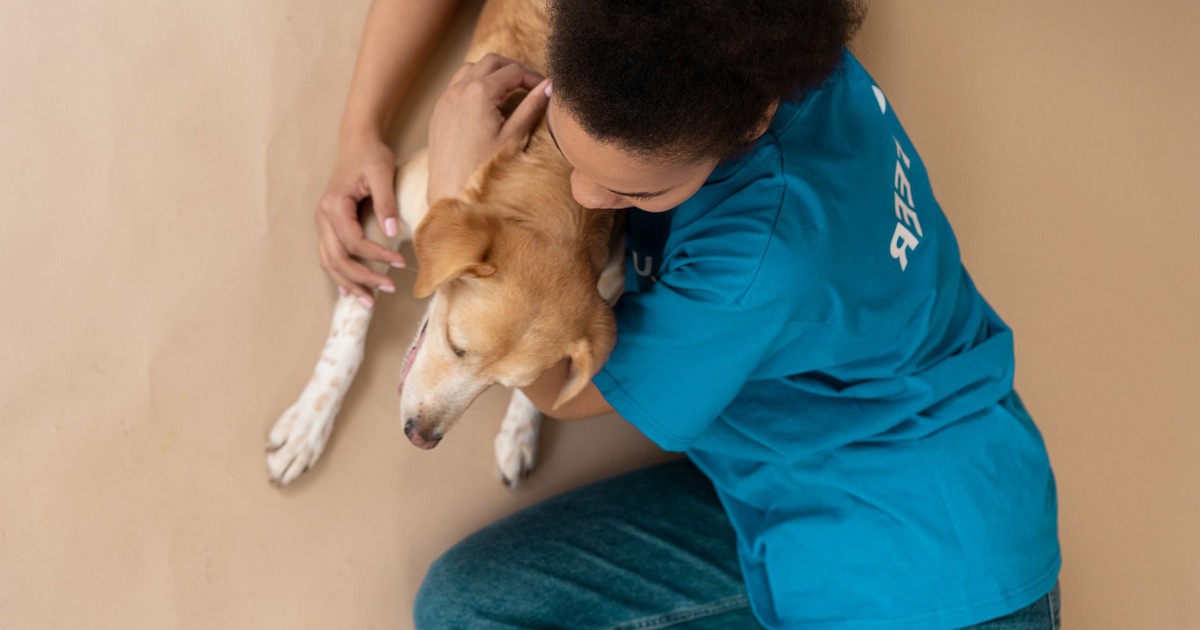
Sleep hygiene, as a concept, is reasonable in theory and inflexible in a way that doesn’t account for how people actually live. The ideal conditions – cool room, dark, quiet, no screens, no stimulants after noon, no pets – are achievable for a certain narrow band of circumstances and completely incompatible with most real lives. People who sleep well with pets have made an explicit or implicit decision about where they sit on that spectrum.
They’ve assessed, consciously or not, that the emotional benefit of their animal’s presence outweighs whatever theoretical gains they’d achieve from a more textbook-perfect sleep setup. A 2024 study published in Scientific Reports surveyed 1,591 U.S. adults and found that 47.6% of pet owners co-sleep with their pets, a figure that suggests this is not a small corner case but a widespread, deliberate choice that a huge portion of the pet-owning population has made and continues to make.
What distinguishes the people who genuinely sleep well from those who simply accept disrupted sleep is that their preference for the emotional comfort of co-sleeping happens to align with their individual sleep architecture. They’re not sacrificing good sleep for emotional benefit. They’ve found that for their particular nervous system, the emotional benefit and the sleep quality reinforce each other rather than trade off against each other.
9. You Have Experienced Trauma or PTSD
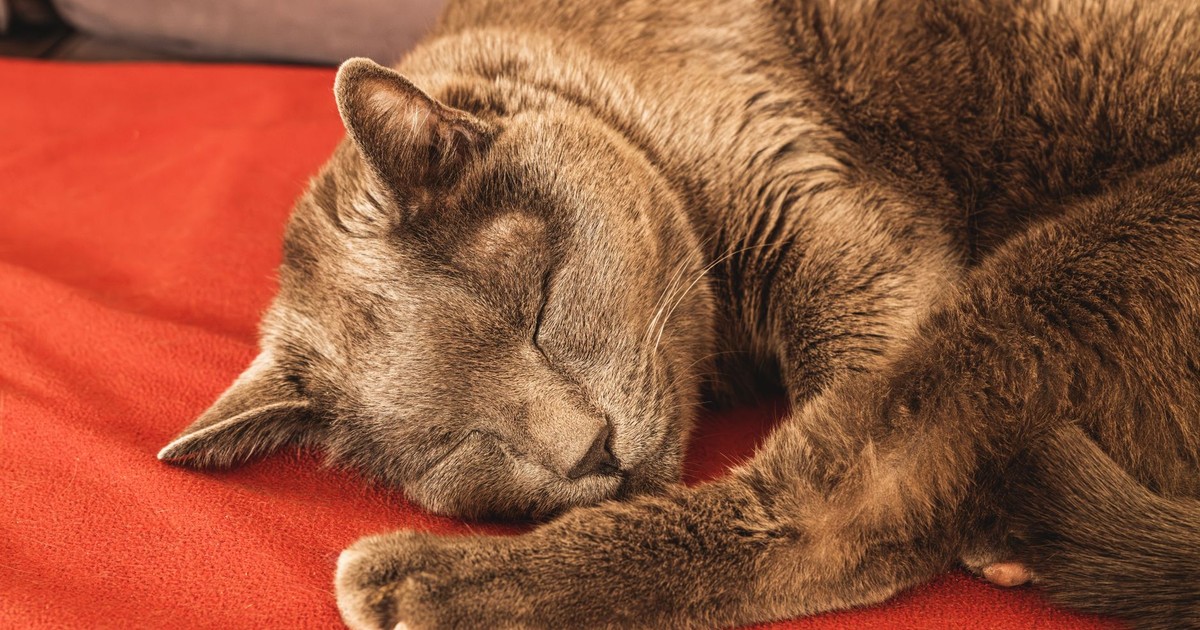
This is the most specific and the most well-documented trait on the list. People living with post-traumatic stress disorder, or who are managing the long aftermath of trauma of any kind, often struggle disproportionately with sleep. Nighttime is when the body’s defenses come down. It’s when the material that gets managed during waking hours tends to surface. A pet does something in that context that very few other sleep supports can replicate: it provides a form of proximity and safety that doesn’t require vulnerability.
Service dogs can provide emotional support to people with PTSD when they experience a nightmare, trained specifically to identify physical signs that indicate a person is having a nightmare so they can wake the person up. In a study of veterans with PTSD service dogs, 57% stated that their dog helped ease their nightmare problems. That finding comes from a specialized population using trained animals, but the underlying dynamic applies more broadly to anyone whose trauma has made nighttime difficult. The presence of a living creature who responds to distress, who wakes when you wake, who presses closer when you’re restless, provides a form of co-regulation that the body recognizes even when the conscious mind is asleep.
In a study including 214 women with an oversampling of childhood abuse survivors, higher pet attachment was associated with lower generalized anxiety, with dog attachment specifically linked to reduced depression and anxiety symptoms, especially among those who had experienced abuse. The implication is not that a dog fixes trauma, but that close proximity to a deeply bonded animal changes the physiological experience of resting in ways that carry real weight for people with a history of trauma.
Read More: Parents Still Lose Sleep Over Their Adult Children
What This Actually Means
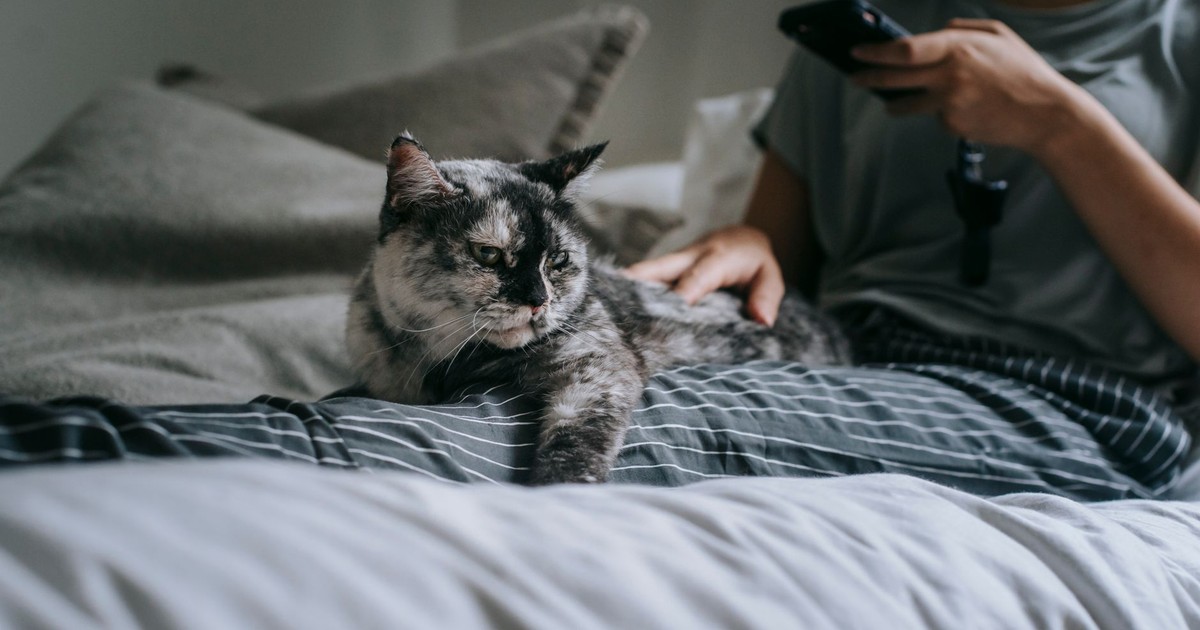
The honest version of the sleeping with pets benefits conversation is that this isn’t one thing. It’s a match problem. The research consistently finds that people who thrive in co-sleeping arrangements with their pets are the ones whose specific emotional and physiological needs happen to be met by what a pet can offer: warmth, rhythmic presence, reassurance, an anchor against a racing mind, a ritual that makes the night feel less wide and less uncertain.
None of this requires everyone to have a dog on their pillow. If the cat wrecks your sleep and you already know it, the cat wrecks your sleep. The research is not a permission slip and it’s not an instruction. It’s a description of why, for a specific cluster of people, the trade-offs of sharing a bed with an animal work out differently than they do for others.
What tends to be true across all nine of these traits is that the people who sleep best with pets have stopped trying to optimize their sleep according to someone else’s framework. They’ve found what their own body responds to, and a warm animal at the foot of the bed turns out to be part of that answer. For a significant number of people, it’s just what sleep looks like. The archive of what your nervous system needs was never going to match anyone else’s checklist, and for a lot of people, it turns out to include fourteen pounds of snoring dog pressed against their ankles.
Disclaimer: This information is not intended to be a substitute for professional medical advice, diagnosis, or treatment and is for information only. Always seek the advice of your physician or another qualified health provider with any questions about your medical condition and/or current medication. Do not disregard professional medical advice or delay seeking advice or treatment because of something you have read here.
AI Disclaimer: This article was created with the assistance of AI tools and reviewed by a human editor.