
On the night of July 11, 2026, federal agents delivered grand jury subpoenas to four New York Times reporters at their homes. The reporters had published a story about President Trump switching from a new Qatari-gifted Air Force One to the old plane over security concerns after the NATO summit in Turkey.
The reporters, Julian E. Barnes, Eric Lipton, Tyler Pager, and Eric Schmitt, were ordered by the Justice Department to testify before a federal grand jury in Manhattan. The administration framed their reporting as a national security leak. The story had revealed that the new Boeing 747-8, a gift from Qatar whose retrofit costs remain disputed, lacked antimissile capabilities and was deemed unsafe for the trip home.
In some cases, federal agents served the subpoenas in person at journalists’ homes. Press freedom advocates noted that detail immediately. Not a mailed letter. Not a court filing. Federal agents at reporters’ front doors.
What Jennifer Griffin Said and Why It Matters
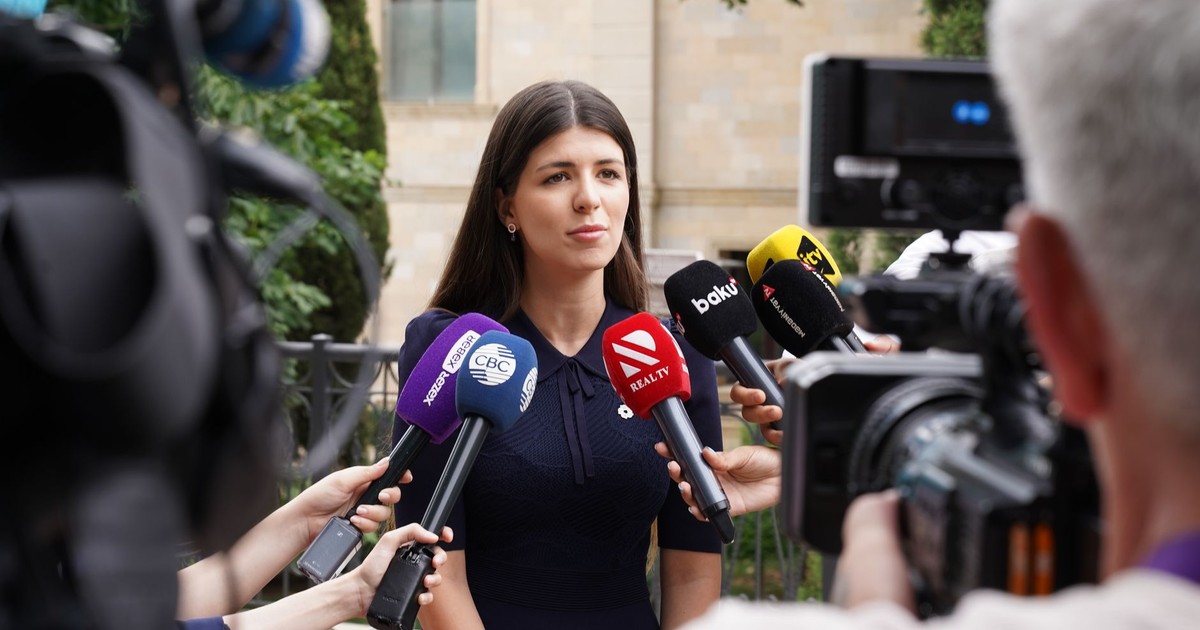
Image Credit: Pexels
Fox News Chief National Security Correspondent Jennifer Griffin criticized the Trump administration after the subpoenas became public. Her statement was notable because she works for a network that has, across much of its programming, aligned itself with the administration.
Griffin wrote on X Saturday morning that the administration’s move “should alarm every American” and called the Times reporting “legitimate reporting.” She amplified the statement from the Times’ newsroom attorney, David McCraw, who said: “The appearance of federal law enforcement agents on the doorstep of news reporters should shock the conscience of any American who believes in the Constitution and the press freedom it protects.”
Some of Griffin’s followers pushed back. One asked: “If you had a security vulnerability that could assist your adversary in assassinating you, would you be okay if the press reported it out?” A defense attorney argued the journalists would be protected by due process and could be legally subpoenaed, noting that “as long as the journalist did not participate in the unlawful acquisition of the classified materials, they won’t be charged criminally for its dissemination.”
The Justice Department told CNN that the Times reporters are not the targets of the investigation. “Every administration has addressed the crime of leaking national security information,” a spokesperson said. But a grand jury subpoena puts the reporter in a specific position: give up your source, or refuse and risk being held in contempt.
The Story That Triggered the Subpoenas
Image Credit: Pexels
The new Air Force One, a Boeing 747-8 donated by the government of Qatar, had entered service the week before the NATO summit. The retrofit and upgrade of the aircraft is ongoing, and Air Force Secretary Troy Meink told Congress in June 2025 that the cost would “probably” be less than $400 million — an estimate contested by outside analysts and Democratic lawmakers who put the figure closer to $1 billion or more. When Trump departed the summit in Ankara, he used the old Air Force One instead.
When asked on the flight back if the plane swap was made in response to security concerns involving Iran, Trump replied: “I have a threat all the time. I’m No. 1 on their list.” He did not deny the security concerns. The Times had reported that the new jet lacked antimissile capabilities.
The subpoenas were issued by Jay Clayton, the U.S. attorney in Manhattan, asking the journalists to appear before a grand jury on Wednesday to testify “in regard to an alleged violation of federal criminal law.” Some were delivered to reporters’ homes by federal agents. The vagueness is notable. A subpoena thin on legal specifics, served by federal agents at someone’s home, communicates something beyond its written contents.
Before the subpoenas were issued, a senior FBI official had contacted the Times and asked the newspaper to hold off on publishing the Air Force One story, citing national security. That official also requested information on the Times’s anonymous sources. The newspaper declined. When that approach failed, the subpoenas followed.
A Policy Change That Made This Possible
In April 2025, Attorney General Pam Bondi announced she was resuming the practice of attempting to seize reporters’ phone records to identify leakers, reversing the Biden-era policy. “I have concluded that it is necessary to rescind Merrick Garland’s policies precluding the Department of Justice from seeking records and compelling testimony from members of the news media in order to identify and punish the source of improper leaks,” she wrote.
The memo was framed as a measure to clamp down on leaks that “undermine” Trump administration efforts. “This Justice Department will not tolerate unauthorized disclosures that undermine President Trump’s policies, victimize government agencies, and cause harm to the American people,” it states.
Across presidential administrations, the government has periodically seized the phone records of individual journalists in hopes of identifying sources for national security stories. But it is extremely rare for the government to attempt to compel reporters to reveal their sources before a grand jury. The Bondi memo removed a procedural barrier and signaled to prosecutors that this White House considers the press a legitimate investigative target when its reporting is inconvenient.
The New York Times Was Not the First
Image Credit: Pexels
This was the second time in recent weeks that the Trump administration had tried to subpoena reporters to compel their testimony in grand jury investigations. The DOJ issued a subpoena for Washington Post reporter Ellen Nakashima this spring, and three reporters for the Wall Street Journal also received subpoenas, all related to national security reporting. The subpoenas became public when the Post reported on them in late June.
The Washington Post and the Wall Street Journal fought the subpoenas in court. The Justice Department subsequently withdrew them, at least for the time being. None of the journalists were ever compelled to testify about their anonymous sources.
Trump personally pushed the earlier round of subpoenas. According to CNN’s reporting, the president delivered his message on a sticky note with the word “Treason” written in Sharpie, placed atop a stack of printed articles he handed to acting Attorney General Todd Blanche in a White House meeting. After Blanche received the packet, the department issued several subpoenas, including to The Wall Street Journal.
The pattern is consistent: a national security story runs, the administration identifies it as embarrassing or damaging, and subpoenas follow. At the Washington Post and the Wall Street Journal, the news organizations pushed back and the subpoenas were withdrawn. The Times has already said it will fight the court order. Whether the DOJ holds the line this time, or folds again under legal pressure, remains to be seen as of July 12, 2026.
What Press Freedom Groups Are Saying
Stephen J. Adler, chairman of the Reporters Committee for Freedom of the Press, said in a statement: “In the end, press freedom is about the rights of the public to learn how their community and country are being run and to make informed decisions based on independent reporting. When the public’s right to know is crushed, as the Trump Administration is trying to do with its subpoenas against The New York Times, all of us suffer irreparable harm.”
Seth Stern, chief of advocacy at the Freedom of the Press Foundation, accused the Trump administration of using national security as cover for protecting the president from personal humiliation. “We’ve long said that when the government claims it needs to investigate journalists to protect national security, it really means its own reputational security,” Stern said. The administration’s embarrassment that it reportedly charged taxpayers hundreds of millions of dollars to retrofit a flying bribe that still isn’t secure enough for hostile times does not supersede the need for a free and independent press.
Rick Stengel, former under secretary of state under President Barack Obama, wrote on social media that the Times’s reporting on the Qatari jet “is exactly the kind of journalism the First Amendment is designed to protect: matters involving national security and taxpayer dollars. Reporting that embarrasses a president is protected speech.”
The Times said it will fight the court order, describing it as highly unusual and a direct threat to the news media’s ability to gather information in the public’s interest.
What Grand Jury Subpoenas Actually Do to Reporters
A reporter subpoenaed to testify before a grand jury faces a binary choice: give up a source, or refuse and risk being held in contempt of court, which can mean jail time. The next reporter deciding whether to pursue a source, and the next government official deciding whether to speak to a journalist, both make their calculations the moment those subpoenas are served. Deterrence doesn’t require a conviction. It only requires the possibility of one.
Trump’s attacks against news outlets have included filing lawsuits against outlets whose coverage he dislikes, threatening to revoke TV broadcast licenses, and seeking to bend news organizations and social media companies to his will. The subpoenas represent something different in kind from a lawsuit or a social media post. They bring the criminal justice system to bear on the act of reporting itself.
Governments that pursue reporters through grand jury subpoenas make a specific claim: that the identity of a source matters more than the public value of the reporting. The Air Force One story told the American public something specific and verifiable: that a plane their tax dollars are funding to upgrade was not secure enough to bring their president home from Turkey.
The Line That Jennifer Griffin Crossed Willingly

Image Credit: Pexels
Jennifer Griffin works for a network that has, in large stretches of its programming, aligned itself with the administration she criticized on Saturday morning. That she said what she said anyway confirms something the people who served those subpoenas may not have intended to demonstrate.
Sourcing a story, protecting a source, and publishing what a government would rather keep secret are not extraordinary acts of resistance. They are the ordinary work of national security journalism. When reporting on whether the president’s plane is safe becomes the basis for federal agents showing up at a reporter’s door, the question stops being about classified leaks. It becomes about whether the government can pick and choose which facts the public is allowed to know.
On the night of July 11, 2026, federal agents delivered grand jury subpoenas to four New York Times reporters at their homes. The reporters had published a story about President Trump switching from a new Qatari-gifted Air Force One to the old plane over security concerns after the NATO summit in Turkey.
The reporters, Julian E. Barnes, Eric Lipton, Tyler Pager, and Eric Schmitt, were ordered by the Justice Department to testify before a federal grand jury in Manhattan. The administration framed their reporting as a national security leak. The story had revealed that the new Boeing 747-8, a gift from Qatar whose retrofit costs remain disputed, lacked antimissile capabilities and was deemed unsafe for the trip home.
In some cases, federal agents served the subpoenas in person at journalists’ homes. Press freedom advocates noted that detail immediately. Not a mailed letter. Not a court filing. Federal agents at reporters’ front doors.
What Jennifer Griffin Said and Why It Matters
Fox News Chief National Security Correspondent Jennifer Griffin criticized the Trump administration after the subpoenas became public. Her statement was notable because she works for a network that has, across much of its programming, aligned itself with the administration.
Griffin wrote on X Saturday morning that the administration’s move “should alarm every American” and called the Times reporting “legitimate reporting.” She amplified the statement from the Times’ newsroom attorney, David McCraw, who said: “The appearance of federal law enforcement agents on the doorstep of news reporters should shock the conscience of any American who believes in the Constitution and the press freedom it protects.”
Some of Griffin’s followers pushed back. One asked: “If you had a security vulnerability that could assist your adversary in assassinating you, would you be okay if the press reported it out?” A defense attorney argued the journalists would be protected by due process and could be legally subpoenaed, noting that “as long as the journalist did not participate in the unlawful acquisition of the classified materials, they won’t be charged criminally for its dissemination.”
The Justice Department told CNN that the Times reporters are not the targets of the investigation. “Every administration has addressed the crime of leaking national security information,” a spokesperson said. But a grand jury subpoena puts the reporter in a specific position: give up your source, or refuse and risk being held in contempt.
The Story That Triggered the Subpoenas
The new Air Force One, a Boeing 747-8 donated by the government of Qatar, had entered service the week before the NATO summit. The retrofit and upgrade of the aircraft is ongoing, and Air Force Secretary Troy Meink told Congress in June 2025 that the cost would “probably” be less than $400 million — an estimate contested by outside analysts and Democratic lawmakers who put the figure closer to $1 billion or more. When Trump departed the summit in Ankara, he used the old Air Force One instead.
When asked on the flight back if the plane swap was made in response to security concerns involving Iran, Trump replied: “I have a threat all the time. I’m No. 1 on their list.” He did not deny the security concerns. The Times had reported that the new jet lacked antimissile capabilities.
The subpoenas were issued by Jay Clayton, the U.S. attorney in Manhattan, asking the journalists to appear before a grand jury on Wednesday to testify “in regard to an alleged violation of federal criminal law.” Some were delivered to reporters’ homes by federal agents. The vagueness is notable. A subpoena thin on legal specifics, served by federal agents at someone’s home, communicates something beyond its written contents.
Before the subpoenas were issued, a senior FBI official had contacted the Times and asked the newspaper to hold off on publishing the Air Force One story, citing national security. That official also requested information on the Times’s anonymous sources. The newspaper declined. When that approach failed, the subpoenas followed.
A Policy Change That Made This Possible
In April 2025, Attorney General Pam Bondi announced she was resuming the practice of attempting to seize reporters’ phone records to identify leakers, reversing the Biden-era policy. “I have concluded that it is necessary to rescind Merrick Garland’s policies precluding the Department of Justice from seeking records and compelling testimony from members of the news media in order to identify and punish the source of improper leaks,” she wrote.
The memo was framed as a measure to clamp down on leaks that “undermine” Trump administration efforts. “This Justice Department will not tolerate unauthorized disclosures that undermine President Trump’s policies, victimize government agencies, and cause harm to the American people,” it states.
Across presidential administrations, the government has periodically seized the phone records of individual journalists in hopes of identifying sources for national security stories. But it is extremely rare for the government to attempt to compel reporters to reveal their sources before a grand jury. The Bondi memo removed a procedural barrier and signaled to prosecutors that this White House considers the press a legitimate investigative target when its reporting is inconvenient.
The New York Times Was Not the First
This was the second time in recent weeks that the Trump administration had tried to subpoena reporters to compel their testimony in grand jury investigations. The DOJ issued a subpoena for Washington Post reporter Ellen Nakashima this spring, and three reporters for the Wall Street Journal also received subpoenas, all related to national security reporting. The subpoenas became public when the Post reported on them in late June.
The Washington Post and the Wall Street Journal fought the subpoenas in court. The Justice Department subsequently withdrew them, at least for the time being. None of the journalists were ever compelled to testify about their anonymous sources.
Trump personally pushed the earlier round of subpoenas. According to CNN’s reporting, the president delivered his message on a sticky note with the word “Treason” written in Sharpie, placed atop a stack of printed articles he handed to acting Attorney General Todd Blanche in a White House meeting. After Blanche received the packet, the department issued several subpoenas, including to The Wall Street Journal.
The pattern is consistent: a national security story runs, the administration identifies it as embarrassing or damaging, and subpoenas follow. At the Washington Post and the Wall Street Journal, the news organizations pushed back and the subpoenas were withdrawn. The Times has already said it will fight the court order. Whether the DOJ holds the line this time, or folds again under legal pressure, remains to be seen as of July 12, 2026.
What Press Freedom Groups Are Saying
Stephen J. Adler, chairman of the Reporters Committee for Freedom of the Press, said in a statement: “In the end, press freedom is about the rights of the public to learn how their community and country are being run and to make informed decisions based on independent reporting. When the public’s right to know is crushed, as the Trump Administration is trying to do with its subpoenas against The New York Times, all of us suffer irreparable harm.”
Seth Stern, chief of advocacy at the Freedom of the Press Foundation, accused the Trump administration of using national security as cover for protecting the president from personal humiliation. “We’ve long said that when the government claims it needs to investigate journalists to protect national security, it really means its own reputational security,” Stern said. The administration’s embarrassment that it reportedly charged taxpayers hundreds of millions of dollars to retrofit a flying bribe that still isn’t secure enough for hostile times does not supersede the need for a free and independent press.
Rick Stengel, former under secretary of state under President Barack Obama, wrote on social media that the Times’s reporting on the Qatari jet “is exactly the kind of journalism the First Amendment is designed to protect: matters involving national security and taxpayer dollars. Reporting that embarrasses a president is protected speech.”
The Times said it will fight the court order, describing it as highly unusual and a direct threat to the news media’s ability to gather information in the public’s interest.
What Grand Jury Subpoenas Actually Do to Reporters
A reporter subpoenaed to testify before a grand jury faces a binary choice: give up a source, or refuse and risk being held in contempt of court, which can mean jail time. The next reporter deciding whether to pursue a source, and the next government official deciding whether to speak to a journalist, both make their calculations the moment those subpoenas are served. Deterrence doesn’t require a conviction. It only requires the possibility of one.
Trump’s attacks against news outlets have included filing lawsuits against outlets whose coverage he dislikes, threatening to revoke TV broadcast licenses, and seeking to bend news organizations and social media companies to his will. The subpoenas represent something different in kind from a lawsuit or a social media post. They bring the criminal justice system to bear on the act of reporting itself.
Governments that pursue reporters through grand jury subpoenas make a specific claim: that the identity of a source matters more than the public value of the reporting. The Air Force One story told the American public something specific and verifiable: that a plane their tax dollars are funding to upgrade was not secure enough to bring their president home from Turkey.
The Line That Jennifer Griffin Crossed Willingly
Jennifer Griffin works for a network that has, in large stretches of its programming, aligned itself with the administration she criticized on Saturday morning. That she said what she said anyway confirms something the people who served those subpoenas may not have intended to demonstrate.
Sourcing a story, protecting a source, and publishing what a government would rather keep secret are not extraordinary acts of resistance. They are the ordinary work of national security journalism. When reporting on whether the president’s plane is safe becomes the basis for federal agents showing up at a reporter’s door, the question stops being about classified leaks. It becomes about whether the government can pick and choose which facts the public is allowed to know.
Disclaimer: This information is not intended to be a substitute for professional medical advice, diagnosis, or treatment and is for information only. Always seek the advice of your physician or another qualified health provider with any questions about your medical condition and/or current medication. Do not disregard professional medical advice or delay seeking advice or treatment because of something you have read here.
AI Disclaimer: This article was created with the assistance of AI tools and reviewed by a human editor.