

Nobody wakes up thinking, “Today feels like a great day to flush $300 down a drain.” And yet, according to a Motley Fool Money survey of 2,000 U.S. adults, 83 percent of Americans admit to wasting money at least occasionally. The more uncomfortable finding is that most of these aren’t dramatic financial disasters. Nobody bought a timeshare on impulse at an airport. The money just disappeared into delivery fees, half-used subscriptions, and the gym membership that charges you every month for a building you haven’t walked into since February.
A $9 delivery surcharge twice a week. A $15 streaming service you forgot was still running. A gym that counts on your guilt being cheaper than your effort to cancel. Forty-six percent of millennials and 38 percent of Gen Z spend more than $100 per month on impulse purchases, and that’s before you count the recurring charges bleeding quietly out of accounts across the country every billing cycle.
1. Food Delivery Apps

A 2025 LendingTree analysis across five restaurant chains and the ten largest U.S. cities found that delivery cost 79.5 percent more than pickup on average, adding $9.30 per order.
That $9.30 premium sounds manageable until you run the annual number. Two orders a week at that markup comes to nearly $970 a year, and that figure doesn’t include the tip, the service fee, or the mysterious “small order fee” that appears when your cart falls $2 short of the minimum. The apps are specifically designed to make each individual transaction feel cheap.
The real cost comparison isn’t app total versus cooking at home. It’s app total versus driving five minutes to pick up the exact same food at the restaurant’s counter price. Picking up your order instead of having it delivered can slice that premium to zero, and most restaurants let you do it in the same app.
2. Unused Gym Memberships

An estimated 67 percent of gym members rarely or never use their memberships, and an estimated $1.3 billion is wasted annually on unused gym memberships in the U.S. The fitness industry has known this for years. It’s not a bug in their business model; it’s a feature. A gym that’s packed wall to wall with every paying member would be functionally impossible. Your absence is priced in.
Around 12 percent of all annual gym sign-ups happen in January. The annual gym member retention rate is 66.4 percent, meaning roughly one in three members leaves each year, and many of those departing members keep paying for months after they’ve effectively quit. The monthly charge is small enough to ignore on a bank statement and large enough to matter when you add it up.
If you haven’t been to the gym in more than six weeks, log into your account tonight and look at your cancellation options. In 2024, the Federal Trade Commission rolled out a “click-to-cancel” rule to make it easier to cancel memberships online, but a federal appeals court subsequently vacated it on procedural grounds, which means gyms can still make the process deliberately inconvenient. Set a reminder and do it anyway.
3. Bottled Water

Americans consumed 16.4 billion gallons of bottled water in 2024, with producers collecting $28.2 billion in revenue. Per-person consumption reached 47.3 gallons, and the industry expects that number to approach 52 gallons by 2029.
Mountains appear on the label. Words like “pure,” “pristine,” and “natural” do significant emotional work. What you’re actually buying, in the majority of cases, is filtered municipal water in a plastic bottle that costs between 300 and 2,000 times more per gallon than what flows from your tap. Federal regulators require more frequent testing of municipal tap water than they mandate for bottled water, which makes the “it’s cleaner” assumption worth reconsidering.
If you buy a $3 bottle of water four or five times a week, you can easily spend $500 to $700 a year on something that basically comes out of your kitchen faucet. A reusable insulated bottle and a basic filtered pitcher solve this entirely, and they pay for themselves in about a month. Bottled water earns its price during emergencies, travel, or genuine tap water safety concerns, not as a daily convenience item.
4. Streaming Subscriptions You Don’t Watch

According to Self Financial’s 2025 survey, 54.9 percent of Americans maintain at least one paid subscription they aren’t using. The streaming landscape is now expensive enough that paying for services you don’t actively use amounts to a real recurring cost, not a rounding error on a monthly budget.
Paying for unused streaming subscriptions is a common form of wasteful spending: 26 percent of millennials, 22 percent of Gen X, and 9 percent of baby boomers admit to paying for streaming services they don’t use. The services know this and depend on it. Free trials that require a credit card, annual plans that lock you in before you’ve watched enough to know whether you’ll keep watching, and notification settings that are designed to remind you the service exists — all of this is in service of keeping money moving out of your account long after your interest in the content has faded.
A useful exercise: open your bank or credit card statement, filter by recurring charges, and write down every streaming service currently billing you. Then answer honestly — have you opened each one in the past 30 days? If not, you already have the answer. Most services let you pause rather than cancel, which is worth knowing before the next big season of something you actually do want to watch drops.
5. Extended Warranties

Consumer Reports found that among PC laptop owners who purchased extended coverage, only 15 percent ever used it to pay for repairs. The retail math on this is blunt: retailers push warranties hard at checkout because the profit margin on them is dramatically higher than the margin on the product itself. Your momentary worry about a $600 appliance dying two years from now is worth hundreds of dollars to the store.
Most electronics either fail early, within the manufacturer’s warranty period, which already covers you, or run reliably for years beyond any extended plan you’d purchase. The product category that supposedly needs protection most is also the one most likely to be replaced by the time the extended warranty would theoretically kick in. You’re not really buying repair coverage; you’re buying the feeling of repair coverage.
The smarter move is to put the warranty cost into a dedicated repair fund instead. Even a modest amount set aside each month creates a cushion for the occasional actual repair, and it belongs to you rather than expiring unused after three years.
6. Convenience Store Runs
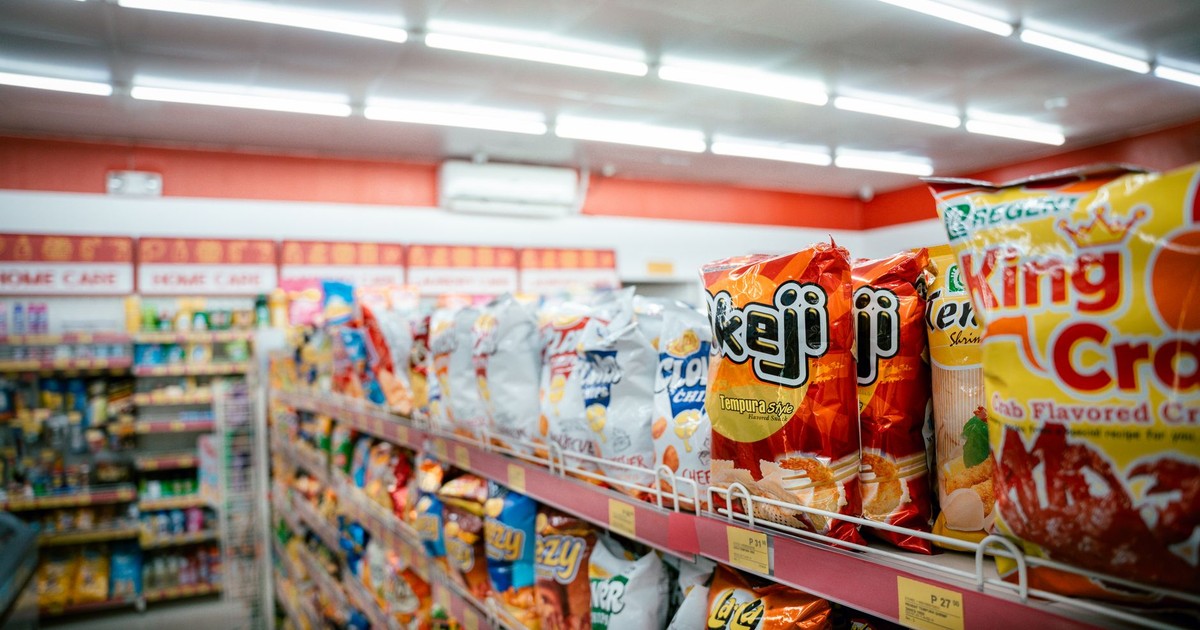
Grabbing items from convenience stores and gas stations costs roughly 20 to 30 percent more than buying the same products at grocery stores. That emergency gallon of milk or quick snack run seems harmless, but make it a habit and you’re hemorrhaging cash for pure convenience.
The convenience store economy runs on moments of low resistance. You’re tired, you’re hungry, you forgot something on the grocery list, and there’s a gas station right there. None of those individual decisions is catastrophic. But if you’re making several of these runs a week — a drink here, a snack there, an overpriced energy bar because the meeting ran long — the markup compounds into real money across a month.
Keeping a few shelf-stable snacks, a water bottle, and a grab-and-go option at home or in a bag eliminates most of the situations that send people into convenience stores in the first place. The store exists to solve a problem you created by not having the thing at home. Solve it earlier and cheaper.
7. Fast Fashion and Trend-Driven Clothing

The U.S. secondhand apparel market grew by 13 percent in 2025, nearly four times as fast as the broader retail clothing market, which suggests that a meaningful number of Americans are already rethinking the fast fashion cycle, even as others remain fully inside it.
The problem with trend-driven clothing isn’t the price per item, which is often genuinely low. The problem is the replacement cycle. A $14 top that survives two washes is not a bargain; it’s the first payment in an ongoing cycle of buying the same item over and over. The per-wear cost on cheap trend pieces is often higher than the per-wear cost on a more expensive, more durable piece bought once and worn regularly for three years.
The wasteful spending habits that are hardest to break are the ones that come with genuine pleasure attached, and shopping for clothes is one of them. The 48-hour rule — waiting two days before buying any non-essential clothing item — is genuinely effective not because it removes desire but because it separates the thrill of discovery from the actual decision to spend.
8. Daily Specialty Coffee Drinks

Spending $4 or more on a latte every day amounts to over $1,000 annually. This is probably the most cited example in any conversation about money and spending, which has caused some people to dismiss it as a cliché. It isn’t. It’s a cliché because it’s true.
The daily coffee shop visit is not primarily about coffee. It’s about a ritual, a break, a five-minute transition between one part of the day and another. That’s real value and worth acknowledging. What’s worth examining is whether you need a $7 specialty drink to get it, or whether a $0.40 cup of home-brewed coffee in a good travel mug does the same psychological work. For many people, the honest answer is that the home version handles it fine and the café version is a habit more than a preference.
The math doesn’t require you to give it up entirely. Cutting from daily to two or three times a week while making coffee at home on the other days preserves most of the ritual at a fraction of the annual cost.
9. Premium Gasoline for a Car That Doesn’t Need It

The Federal Trade Commission advises that regular octane gas is recommended for most cars, and that most consumers will not obtain more power, performance, or better mileage by using a high-octane gasoline. Despite this, a significant number of Americans pump premium into their cars either out of habit, out of the vague belief that it’s better for the engine, or because the car sounds more expensive than it is.
That extra 30 to 50 cents per gallon adds up to $200 or more annually for most drivers. Your car’s owner manual tells you exactly what octane level the engine requires. If it says “regular,” premium does nothing except cost more. If it says “recommended,” regular will likely work fine. Only if it says “required” does premium actually matter for performance and engine health.
The gas station’s premium pump exists for a reason; some engines genuinely need it. But for the majority of cars on American roads, choosing premium over regular is one of those spending decisions that happens automatically, without examination, and costs real money every single fill-up.
10. Lottery Tickets as a Weekly Habit

U.S. Census Bureau data shows that state lottery ticket sales nearly doubled from $52.8 billion in 2008 to $104.7 billion in 2024. States paid $70.2 billion in prizes during fiscal 2024, which means that as a group, ticket buyers collectively sent far more money into the system than they ever received back. That gap is the entire point of a state lottery.
A lottery ticket as occasional entertainment, the kind you buy once before a big jackpot and forget about immediately after checking the numbers, is basically a harmless few dollars. The category becomes a wasteful spending habit when it turns into a weekly ritual: a few scratchers at the gas station, a regular pick of numbers, a slow accumulation of small losses that adds up to hundreds of dollars a year with an almost certain return of zero.
If you spent $10 a week on lottery tickets and put that same $10 into a savings account instead, you’d have over $500 at the end of the year, and a guaranteed return of exactly that amount, with no jackpot required.
11. Name-Brand Medications When Generics Are Identical

The FDA requires generic drugs to contain identical active ingredients as name brands, yet people pay 80 percent more for familiar packaging. This applies across the board: pain relievers, antihistamines, antacids, cold medicine, sleep aids. The active ingredient, dosage, and bioavailability are federally regulated to be the same. What differs is the marketing budget that got built into the brand-name price.
A bottle of generic acetaminophen costs $3 versus $8 for Tylenol, delivering the exact same pain relief. For a household that goes through cold and allergy season, replaces the medicine cabinet annually, and picks up pain relievers semi-regularly, the difference between choosing generic every time versus defaulting to brand names accumulates quickly. The brand recognition is doing a lot of financial work that the product itself does not need.
Check the active ingredient on both boxes side by side, and the decision usually becomes obvious. Most pharmacists will tell you the same thing if you ask.
12. Single-Use and Disposable Household Items
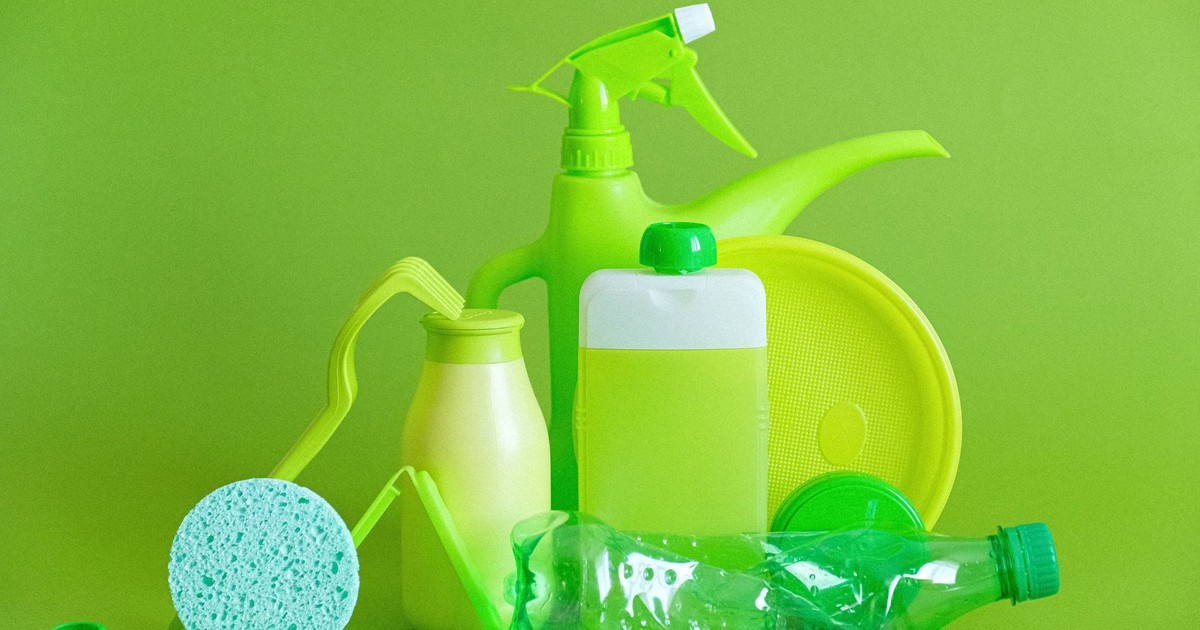
Disposable coffee pods, paper plates, plastic cutlery, individually wrapped cleaning wipes, and single-use paper towels all carry what you might call a convenience tax: you pay a premium per use rather than per item. The price of constantly replacing single-use items far exceeds the cost of reusable alternatives.
The coffee pod math is particularly stark. A name-brand pod costs somewhere between 50 cents and $1.50 to brew a single cup. Ground coffee purchased in a bag and brewed in a standard machine costs between 10 and 30 cents per cup, often with a noticeably better result. Over a year of daily brewing, the gap between pods and ground coffee runs to hundreds of dollars for no difference in the actual experience of drinking coffee.
The same principle applies to paper towels versus cloth rags, disposable razors versus cartridge or safety razors, and single-use cleaning cloths versus a small stack of microfiber cloths washed and reused. Reusable versions exist across virtually every single-use product category. The initial switch requires buying something once rather than repurchasing it indefinitely, which tends to feel like a larger upfront cost but almost always wins over a year’s horizon.
Read More: 20 Things You Don’t Need to Buy (Ever)
What the List Is Really Telling You
None of the 12 items on this list will bankrupt anyone on its own. A $9 delivery surcharge is not a crisis. An ignored gym membership is not a catastrophe. A case of bottled water is not a financial emergency. The problem is the combination: the simultaneous drain of a dozen small decisions made on autopilot, none of them examined, all of them recurring.
Shopping habits vary by generation, but boredom is the most common trigger for unnecessary purchases. That’s particularly true for Gen X, 37 percent of whom said they most frequently engage in wasteful spending when they’re bored, compared to younger generations who tend to splurge late at night after social events. The triggers are different; the result, money gone with little to show for it, is the same across the board.
The common thread running through every category here is that the purchase was made without the question being asked: am I paying for something I need, or am I paying for the feeling of convenience, protection, or quality that the marketing promised? Asking that question once, at the point of the purchase, is usually enough. Most of these habits don’t require dramatic change. They require one moment of attention, repeated enough times to become the new default. Most people who track their money carefully find that the changes that make the biggest difference are the smallest ones done consistently.
The systems behind every item on this list, the delivery apps, the gym contracts, the warranty upsells, the premium pump right next to the regular one, are engineered specifically to make the expensive choice the path of least resistance. Recognizing that doesn’t fix it automatically, but it does change what you’re up against. You’re not fighting a character flaw. You’re pushing back against a business model.
Disclaimer: This information is not intended to be a substitute for professional medical advice, diagnosis, or treatment and is for information only. Always seek the advice of your physician or another qualified health provider with any questions about your medical condition and/or current medication. Do not disregard professional medical advice or delay seeking advice or treatment because of something you have read here.
AI Disclaimer: This article was created with the assistance of AI tools and reviewed by a human editor.