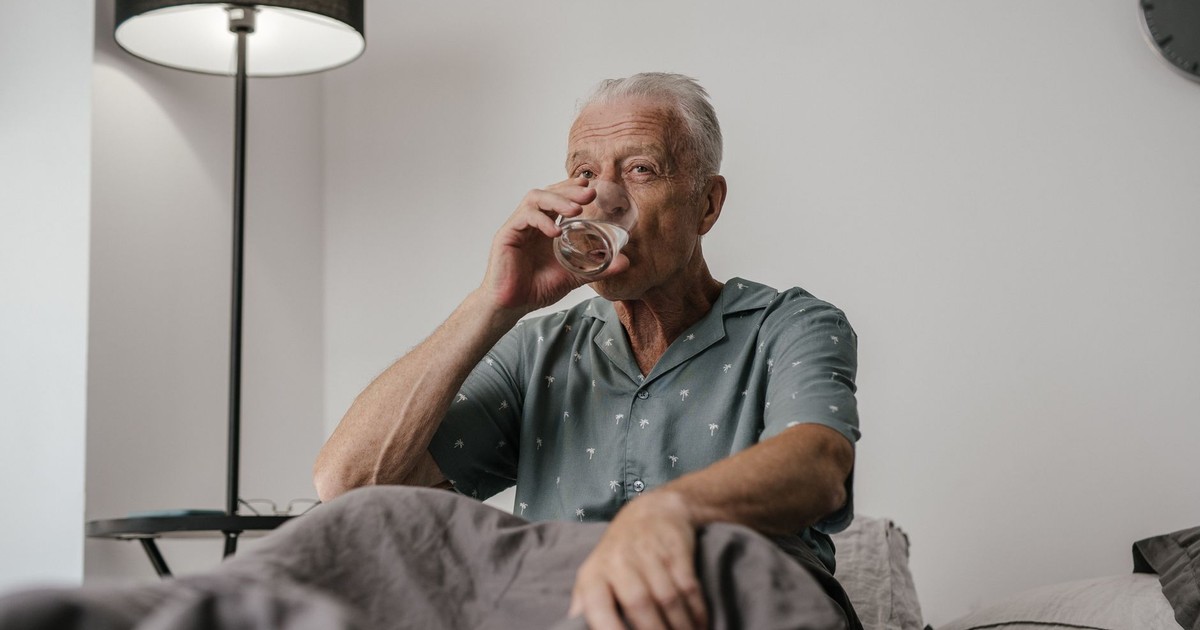

U.S. life expectancy at birth in 2024 reached 79.0 years, the highest level since before the COVID-19 pandemic. The average American dies just before turning 80. Crossing that line rarely depends on one dramatic event. It depends on how many chronic pressures the body has absorbed over decades, how early they started, and how many are stacking up simultaneously by the mid-to-late seventies. For older adults, longevity isn’t about dodging a single catastrophic diagnosis. It’s about fighting on multiple fronts at once, often without realizing it.
Most of these threats are well-known. What gets missed is how they interact, accelerate each other, and why so many people in their seventies are managing several at the same time. Here are ten of the biggest reasons older adults rarely make it to or past 80.
1. Heart Disease: The Undisputed Leader
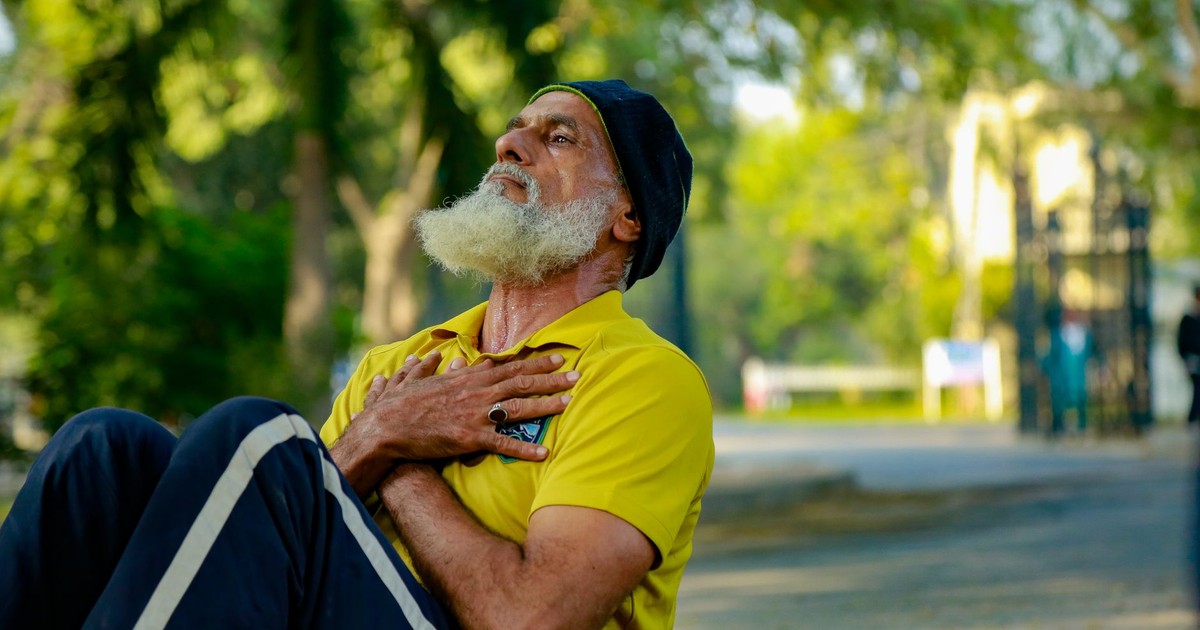
Heart disease has held the top spot in American mortality data for decades. According to the CDC’s 2024 mortality data, heart disease caused 683,037 deaths in 2024 and remains the leading cause of death for men, women, and people of most racial and ethnic groups. Among adults over 65, the concentration is even sharper. According to 2024 data from USAFacts, heart disease was the leading cause of death among adults 80 and above, causing 916.7 deaths per 100,000 people aged 65 and older.
Heart disease dominates in later life because decades of elevated blood pressure, high cholesterol, physical inactivity, and poor diet create arterial damage that compounds year after year. By the time a person reaches their seventies, the cardiovascular system has been absorbing that damage for thirty or forty years. A heart attack or serious arrhythmia at 78 often represents the end stage of a process that began in someone’s forties.
A cardiac event weakens the whole body. Recovery is slower, mobility is reduced, and the ability to exercise becomes compromised. Many people who survive a major cardiac event in their late seventies never return to their prior level of function.
2. Cancer: The Closer Second

Among adults aged 65 to 79, cancer was the leading cause of death in 2024, edging out even heart disease in that specific age window. After 80, the cardiovascular toll becomes dominant, but for the critical decade leading up to that milestone, cancer is the primary threat. According to the American Cancer Society’s Cancer Statistics, 2024, approximately 611,720 cancer deaths were projected to occur in the United States in 2024, making it the second leading cause of death overall.
Several factors make cancer especially dangerous in older adults. The immune system loses some of its surveillance capacity with age, meaning abnormal cells are less likely to be caught and destroyed early. Decades of cumulative exposure to environmental toxins, UV radiation, dietary habits, and in some cases tobacco make the underlying risk higher. Many cancers present with symptoms that are easy to attribute to ordinary aging (fatigue, weight loss, vague discomfort), which delays diagnosis.
Treatment is a different calculus at 75 or 78 than it is at 55. Aggressive chemotherapy regimens that are tolerable for a younger body can devastate an older one. Oncologists and patients frequently face a genuinely impossible trade-off: a treatment that might extend life by months while dramatically reducing its quality for those months.
3. Alzheimer’s Disease and Dementia

According to the Alzheimer’s Association, Alzheimer’s disease affects nearly 7 million Americans, including 1 in 9 adults aged 65 and older. That figure climbs sharply with age. Deaths due to Alzheimer’s disease more than doubled between 2000 and 2021, a 141 percent increase.
Dementia shortens life in ways that go beyond the neurological deterioration itself. People living with moderate to advanced dementia frequently stop eating adequately, become unable to communicate symptoms, fall more often, and are at dramatically higher risk of infections like aspiration pneumonia (which occurs when food or fluid enters the lungs). The brain, as it fails to regulate the body’s basic systems, accelerates decline across every other organ.
When someone with dementia loses the ability to manage medications, recognize pain, or report symptoms, their survival depends entirely on the attentiveness of whoever is caring for them. The quality of that care is extremely variable, and the cognitive decline itself often interferes with access to medical attention.
4. Falls and the Physical Inactivity Trap
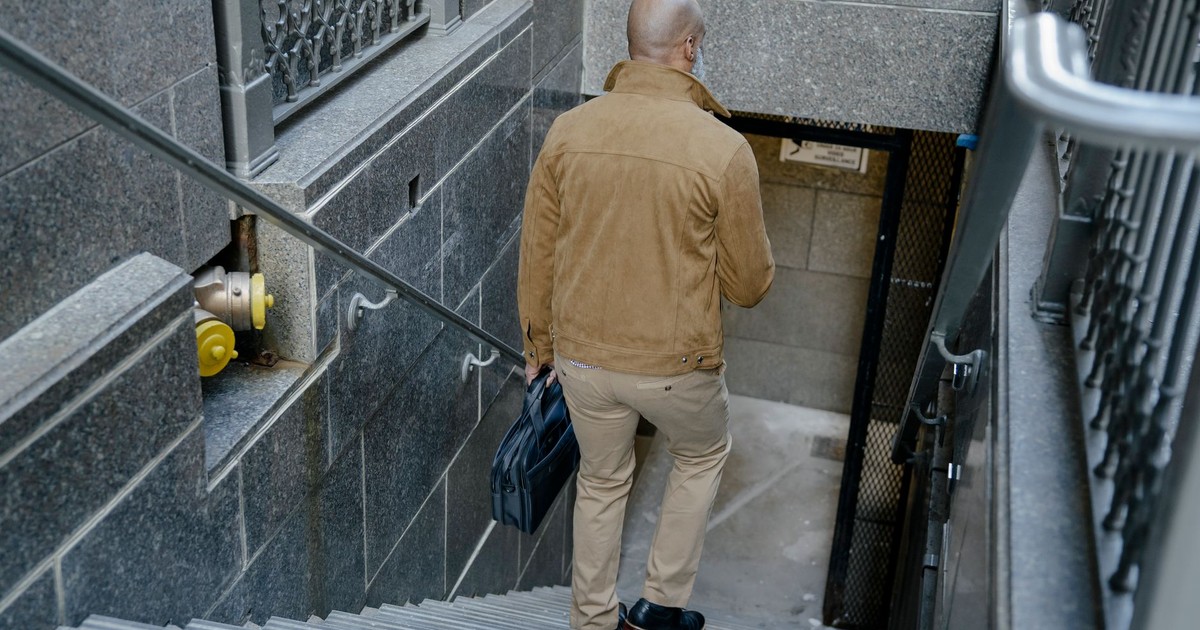
According to the CDC’s NCHS Data Brief No. 548, falls kill approximately 44,000 to 47,000 Americans annually, with older adults aged 65 and above accounting for the overwhelming majority. A fall that breaks a hip at 77 can set off a chain of events (surgery, hospitalization, bed rest, pneumonia risk, post-operative confusion) that becomes fatal within weeks or months.
As strength and balance decline, people instinctively start moving less. They skip the walk because the sidewalk looks uneven. They stop going to the gym because the machines feel unfamiliar. They sit more. The less they move, the weaker they become, which makes the next fall more likely and more severe. Once people stop challenging their legs, lungs, grip, and balance, ordinary tasks become harder.
Many older adults develop a fear of falling that keeps them sedentary long after the initial injury has healed. That fear, entirely rational given the circumstances, accelerates the very decline it was designed to prevent.
5. Social Isolation and Loneliness
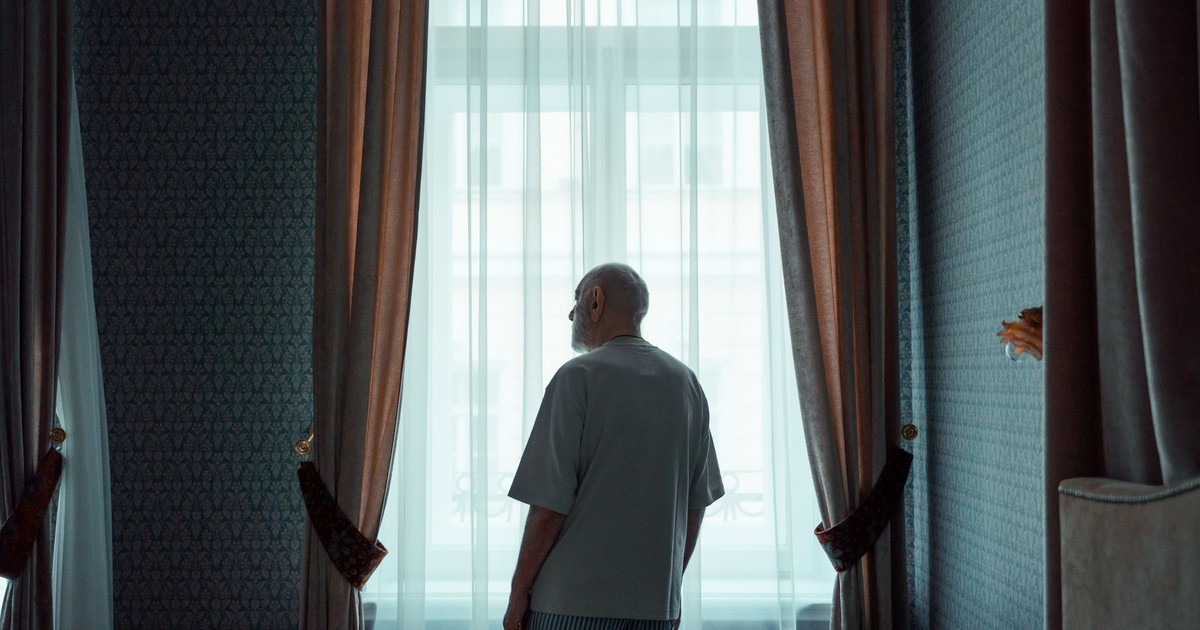
The body reads isolation as stress. The National Institute on Aging notes that people who spend long stretches alone face higher risks of depression, cognitive decline, heart problems, and death.
Chronic loneliness activates the body’s stress response system repeatedly, producing sustained low-grade inflammation that damages blood vessels, suppresses immune function, and accelerates cognitive aging. Someone who is deeply isolated isn’t just sad; their body is running a low-level emergency response around the clock, and that wears things out faster than it should.
After retirement, after the deaths of friends and a spouse, after the adult children have moved away and built their own lives, the social world of someone in their late seventies can shrink dramatically without anyone fully noticing, including the person living it. A calendar that looks full of appointments can still hide real deprivation. The chat with a cashier, the wave to a neighbor, the five minutes at a church door matter more than most people realize.
6. Chronic Respiratory Disease

Chronic lower respiratory diseases (primarily COPD, emphysema, and chronic bronchitis) rank as the fourth-most common cause of death among adults 65 and older in 2024, causing 207 deaths per 100,000 people in that age group.
Decades of smoking are the primary driver for most people, though long-term exposure to air pollution, occupational dust, and chemical fumes also contributes. COPD progresses slowly and then seems to accelerate all at once. A person might manage a moderate case for years, only to find that a respiratory infection in their late seventies tips them into respiratory failure.
Reduced lung function also creates a compounding problem with physical activity. Breathlessness makes movement harder, so people exercise less. Less exercise weakens the cardiovascular system and the muscles involved in breathing. The body becomes less efficient at every level, and the next respiratory challenge arrives at a weaker system than the one before it.
7. Stroke and Cerebrovascular Disease

Cerebrovascular disease (the category that includes strokes) caused 237.7 deaths per 100,000 adults aged 65 and older in 2024, ranking it third among the leading causes of death in that group. Strokes strike fast, leave lasting damage, and often impair the very faculties a person needs to manage their subsequent recovery.
A stroke at 75 or 78 frequently compromises language, mobility, memory, and the ability to swallow safely. Dysphagia (difficulty swallowing) after a stroke creates a direct aspiration pneumonia risk, which is one of the most common ways stroke survivors die in the months following the initial event. Even strokes that are survived in the immediate sense often set a person on a trajectory of progressive decline.
The risk factors for stroke overlap almost entirely with those for heart disease: high blood pressure, atrial fibrillation, diabetes, high cholesterol, smoking, and physical inactivity. Many of the people who survive into their mid-seventies carrying all of those unmanaged risk factors are running out of time before a cerebrovascular event intervenes.
8. Diabetes and Metabolic Disease
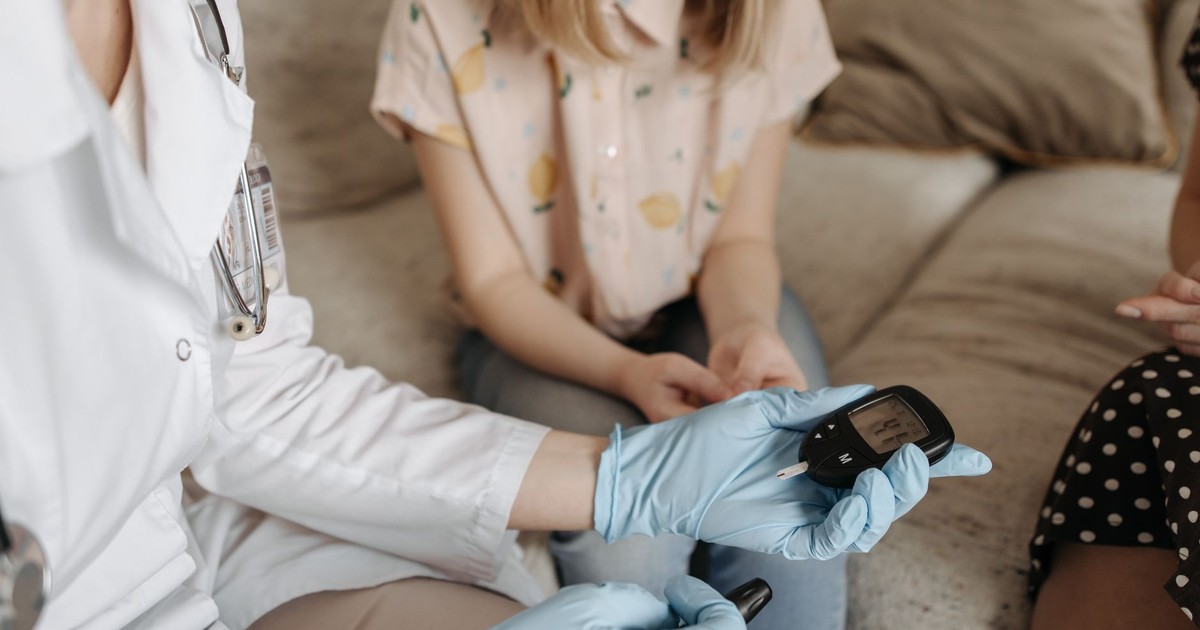
Diabetes doesn’t usually appear on a death certificate as the direct cause of death, which is partly why its role in older adults longevity tends to be underappreciated. It is a silent accelerant. It damages blood vessels, impairs wound healing, strains the kidneys, raises cardiovascular risk, and creates nerve damage that contributes to falls. In older adults, it rarely acts alone. It amplifies everything else.
The longer someone has lived with poorly controlled blood sugar, the more accumulated damage there is by the time they reach their seventies. The kidneys may already be compromised. Peripheral nerve damage may have undermined their balance and foot sensation. The cardiovascular system has been under additional stress for decades. When the body finally starts losing its ability to compensate, multiple systems fail close together.
Managing diabetes well in old age is genuinely hard. It requires consistent monitoring, careful medication management, dietary discipline, and regular medical oversight. For someone living alone, dealing with cognitive changes, managing multiple other conditions, and potentially struggling with food access or transportation, maintaining that vigilance is a significant ask.
9. Polypharmacy and Medication Mismanagement

Polypharmacy (the simultaneous use of multiple medications, typically defined as five or more) affects an enormous proportion of people over 70. The average older American manages a complicated drug regimen that can include medications for blood pressure, cholesterol, diabetes, arthritis, depression, and sleep, each prescribed at different times and potentially by different doctors who don’t always have full visibility of the complete picture.
Drug interactions in older adults are genuinely dangerous. Medications that are safe and effective individually can combine in ways that cause falls, cognitive impairment, gastrointestinal bleeding, or cardiac arrhythmias. The kidneys and liver process drugs less efficiently with age, meaning standard doses designed for middle-aged adults may be too high for someone in their late seventies.
Managing ten daily medications requires organizational attention that becomes harder as cognitive function declines. Missing doses, doubling doses, or stopping medications abruptly because of side effects can all cause acute crises that land someone in the emergency room. For an older adult already managing multiple conditions, a hospitalization carries its own substantial risks.
10. Loss of Purpose and Mental Health Decline

When a sense of purpose fades, motivation tends to disappear, leading to declines in energy, mood, and overall well-being. Those who feel valuable and needed exhibit a stronger inclination to remain active and engaged in life. This plays out at a cellular level, not just an emotional one. Sustained depression and hopelessness are associated with measurable increases in inflammatory markers, immune suppression, and cardiovascular risk.
Retirement, the deaths of peers and spouses, the loss of roles that provided identity and structure all arrive simultaneously in the decade between 70 and 80. A person who spent forty years as a nurse, a teacher, or the family anchor can find themselves without a clear answer to the question of what they’re for. That disorientation affects sleep, appetite, physical activity, and the motivation to seek medical care.
Depression in older adults is also chronically underdiagnosed, partly because older adults tend to present with physical complaints rather than emotional ones, and partly because both patients and providers sometimes treat sadness and withdrawal as inevitable features of aging rather than treatable conditions.
Read More: David Attenborough’s Longevity Secrets at Age 100
What the Numbers Can’t Quite Capture

These forces rarely announce themselves clearly. Heart disease develops slowly. Isolation is invisible from the outside. The loss of purpose doesn’t come with a diagnosis.
The statistics show that none of these are inevitable in isolation. Each one interacts with the others, and addressing even one of them often creates ripple effects across the rest. The person who starts moving more sleeps better, eats better, and stays connected longer. The person who stays connected has someone watching out for medication errors and noticing when something looks wrong. For older adults, longevity is almost never about one single intervention. It’s about maintaining enough of the supporting structures (physical, social, medical, psychological) so that when one gives way, the others can hold the weight for a while.
Disclaimer: This information is not intended to be a substitute for professional medical advice, diagnosis, or treatment and is for information only. Always seek the advice of your physician or another qualified health provider with any questions about your medical condition and/or current medication. Do not disregard professional medical advice or delay seeking advice or treatment because of something you have read here.
AI Disclaimer: This article was created with the assistance of AI tools and reviewed by a human editor.