
Flip over almost any plastic container in your kitchen and you’ll find a small city of symbols stamped into the bottom. A triangle with a number, wavy lines, a snowflake, a fork and a cup, arrows chasing each other in circles. Most people glance at them once, decide they’re probably important, and put the container back in the drawer. The assumption has always been that someone, somewhere, is keeping an eye on this and the symbols mean something reliable and consistent. The reality is considerably more complicated than that.
Some of those symbols are internationally standardized. Others were invented by marketing departments. A few look almost identical but carry different meanings depending on the brand. The one that most people believe tells them whether a container is recyclable (the number inside the triangle) technically does no such thing. Some symbols carry genuine regulatory weight; others are there to make you feel good about your purchase.
The Number in the Triangle Is Not a Recycling Code
The system of numbers stamped on plastic containers was first developed by the Society of the Plastics Industry in 1988. In 2008, SPI approached ASTM International to adopt the system as a formal standard, and the RIC has since been administered by ASTM International. It is called the Resin Identification Code, or RIC, and its purpose is to enable quality sorting of plastic resin types across the recycling and manufacturing supply chain. As the ASTM D7611 standard states explicitly, “Resin Identification Codes are not ‘recycle codes.’ The use of a Resin Identification Code on a manufactured plastic article does not imply that the article is recycled or that there are systems in place to effectively process the article for reclamation or re-use. The term ‘recyclable’ or other environmental claims shall not be placed in proximity to the Code.”
The original graphic for the RIC used the “chasing arrows” symbol surrounding the number that defines the resin (the same symbol universally associated with recycling). Under the updated ASTM D7611 standard, this marking was changed to a solid equilateral triangle around the number. The intent was to reduce the very widespread confusion the old design created. Whether it succeeded is debatable, since many containers still carry the older chasing-arrows version.
The seven resin types addressed by the code are: (1) polyethylene terephthalate, (2) high-density polyethylene, (3) polyvinyl chloride, (4) low-density polyethylene, (5) polypropylene, (6) polystyrene, and (7) other resins. What the code does not tell you is whether your local recycling facility accepts that resin. That information lives with your municipality, not your container.
What the Numbers Actually Mean for Food Safety
The resin number becomes genuinely useful for anyone who stores food in plastic, because some of these resins behave very differently from each other when they come into contact with food, heat, and time.
The safest resin numbers for food storage are 2, 4, and 5, which correspond to HDPE, LDPE, and polypropylene respectively. These plastics are FDA-approved and do not leach toxins into food under normal storage conditions. Number 1, or PET (polyethylene terephthalate), is considered safe for single-use food contact (it’s the plastic in water bottles and many prepared-food containers) but is generally not recommended for repeated use or refilling, since its porous surface can accumulate bacteria in a way that a smooth, non-porous surface does not.
Numbers 3 and 7 should be avoided for food storage, as they may contain harmful chemicals like BPA, which can leach into food and cause health issues. Number 3 is PVC, which is largely absent from food containers sold in the US these days but still appears in some imported products and older kitchenware. Number 6 is polystyrene, used for foam takeout containers, and is generally recommended to be kept away from hot food.
Number 5, polypropylene, is the resin you want to see if you plan to reheat food in the container. Polypropylene is used for yogurt containers, margarine tubs, and medicine bottles. It is numbered 5 on the triangle code and is safe for food storage, including microwave use, due to its high heat resistance.
Food-grade plastics are not always food-safe in every situation. A plastic container designed for dry cereal may not be safe for storing hot liquids, because heat can break down the chemical bonds of the plastic, causing toxins to contaminate the food. The number tells you what the plastic is made of. It does not tell you what temperature it was designed for.
The Fork-and-Cup Symbol (and What “Food Safe” Really Means)

The fork-and-cup symbol on the base means the container is approved for use with food. Sometimes the container will simply state “food safe,” which is also a reliable indicator.
This is one of the symbols that does carry genuine regulatory weight. The fork-and-cup icon is an internationally used symbol now found in North America, Europe, and parts of Asia. Its use is mandated by EU Framework Regulation EC 1935/2004, and it is recognized internationally as an indicator that a material has been tested and approved for food contact. In the United States, the equivalent assurance comes from FDA review of food contact materials. The FDA regulates food contact substances and materials, with specific requirements principally found in Title 21 of the Code of Federal Regulations.
A container without the fork-and-cup symbol (or any food-safe designation) is not necessarily dangerous, but it was not tested for food contact. This is particularly relevant with containers repurposed from non-food uses. The plastic bin you’re using to store pasta may be fine. It also may not have been designed with food migration in mind.
Microwave Safe, Freezer Safe, Dishwasher Safe

These are the symbols most people actually care about in daily life, and they are also the least standardized of all the food storage container symbols.
The microwave-safe symbol typically appears as wavy horizontal lines (usually two or three of them), sometimes with a microwave graphic above. It means the container will not warp, crack, or release chemicals at typical microwave temperatures under normal use. It does not mean that microwaving food in any plastic is without risk, particularly if the container is old, scratched, or has been subjected to repeated high heat. A container designed for one type of food or storage condition may not be safe when used differently, because heat can break down the chemical bonds of the plastic.
The freezer-safe symbol is a snowflake, sometimes accompanied by a small container icon. It indicates the plastic can withstand freezing temperatures without becoming brittle or cracking. Some plastics that are perfectly stable at room temperature become fragile when frozen, especially if dropped. A container that cracks releases food to freezer burn and can introduce physical fragments into thawed food.
The dishwasher-safe symbol typically shows dishes or glasses in what is recognizably a dishwasher, sometimes with water droplets. Some versions show dishes above a wavy line representing water. There are also top-rack-only variations, which is a meaningful distinction. The top rack of a dishwasher runs cooler than the bottom rack, where the heating element lives. A container rated only for the top rack will degrade faster (and potentially release more chemicals) if it spends its life on the bottom.
These three symbols are not governed by a single international regulatory body. In Europe, EU Regulation 1935/2004 sets framework requirements for food contact materials, but testing methods and self-reporting practices vary by jurisdiction. When a brand stamps “microwave safe” on a container, they are generally asserting that the container passed their own internal testing, which may or may not align with what you’d consider rigorous.
BPA-Free: What the Label Gives You and What It Doesn’t
The BPA-free label has become so common it barely registers anymore. It appears on everything from water bottles to baby food pouches to the plastic wrap around deli meat.
Bisphenol A (BPA) remains one of the most scrutinized chemicals in the food supply chain. It is used primarily in the production of polycarbonate plastics and epoxy resins, which are found in food and beverage can linings, reusable containers, and other packaging materials. The concern with BPA is that it is an endocrine disruptor with documented effects on hormonal regulation, and regulatory bodies in multiple jurisdictions have concluded it poses a health risk.
In April 2023, the European Food Safety Authority concluded that BPA is a health concern for consumers across all age groups, primarily due to its effects on the immune system — a finding that led the European Commission to officially ban BPA from all food contact materials. The FDA’s current position is that BPA is safe at levels typically found in food packaging, though the agency continues to review the science. The FDA does have specific regulations affecting BPA in food contact materials. Under 21 CFR 175.300, epoxy resins derived from BPA are prohibited from being used in packaging for powdered and liquid infant formula. BPA is also prohibited in infant feeding bottles and spill-proof cups, including closures and lids designed to help train babies and toddlers to drink from cups.
BPA-free labeling does not always guarantee safety. Some plastics marketed as “BPA-free” may still contain other bisphenol compounds, such as BPS (Bisphenol S) or BPF (Bisphenol F), which can have similar endocrine-disrupting effects. Recent research suggests that BPS and other bisphenol alternatives may also interfere with hormonal regulation, brain development, and metabolic functions.
It’s a label that tells you one specific chemical was removed. It says nothing about what replaced it. If that’s a concern for your household, glass or stainless steel containers sidestep the question entirely (both are inert and don’t require you to read the fine print). If you want to go deeper on which common toxic kitchen items might already be in your cabinets, that’s worth a look.
The Compostable and Biodegradable Symbols
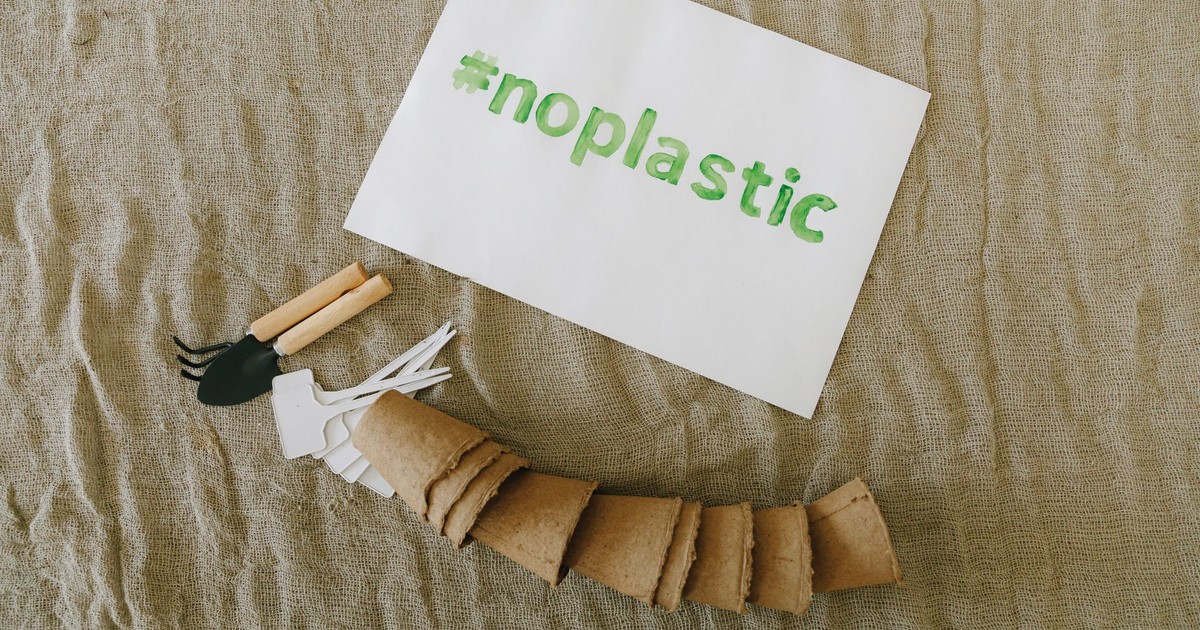
Both of these categories are increasingly common on food storage and food service packaging, and both are more specific than they look.
The compostable symbol (often a seedling or a green leaf mark) indicates that the material will break down in a composting environment within a defined timeframe, typically 90 to 180 days under industrial composting conditions. The critical word there is “industrial.” Home compost bins typically do not reach the sustained temperatures required to break down certified compostable packaging at the rate the label implies. Sending certified compostable packaging to a landfill is essentially the same as sending conventional plastic (it will not break down meaningfully in that environment).
The biodegradable label is less regulated than the compostable one and more contested. It indicates the material will eventually break down through biological processes, but that term covers a wide range of timelines and conditions. Unlike the compostable designation, which in the US is often tied to certification by the Biodegradable Products Institute, “biodegradable” has no single governing standard and is used more loosely by manufacturers. If a container is both compostable and certified, the label will usually say so and name the certification.
What the Symbols Don’t Tell You

There is a category of information that no symbol on a food storage container currently conveys: age and condition. A polypropylene container rated microwave-safe on the day it was manufactured may not perform the same way after three years of heavy use, repeated dishwasher cycles, and a few drops on the tile floor. Scratches and cracks in plastic are not just cosmetic issues. They create surface area where bacteria can lodge and where chemical breakdown (however minimal) accelerates.
No symbol tells you the container’s history. None of them update to reflect wear. A container marked with every favorable symbol on this list is still worth replacing when it starts to discolor, smell odd, or show physical damage. The symbols are accurate at the point of manufacture. What happens after that is up to you.
What to Actually Do With This Information

The bottom of a food storage container is not a warranty. The symbols there are partly regulatory, partly manufacturer shorthand, and (in the case of the recycling triangle) widely misunderstood in ways that have persisted for decades despite the plastics industry’s efforts to fix the symbol itself. Knowing the difference between a resin identification code and an actual recycling certification, between a food-safe marking and a BPA-free claim, between a compostable label and a biodegradable one, gets you considerably further than assuming all of it means the same thing.
The number in the triangle is not about recycling (it’s about resin type). Numbers 2, 4, and 5 are the ones to look for in food-contact plastics. The fork-and-cup symbol is the one with actual regulatory teeth. And “BPA-free” is a floor, not a ceiling (useful to know, but not the end of the question).
Some of these symbols have been in use for decades without meaningful update. The information they carry was fixed at the point of design, by committees working with the knowledge and politics of their moment. What’s changed since (in chemistry, in regulation, in manufacturing) rarely makes its way back to the bottom of your container.
Disclaimer: This information is not intended to be a substitute for professional medical advice, diagnosis, or treatment and is for information only. Always seek the advice of your physician or another qualified health provider with any questions about your medical condition and/or current medication. Do not disregard professional medical advice or delay seeking advice or treatment because of something you have read here.
AI Disclaimer: This article was created with the assistance of AI tools and reviewed by a human editor.