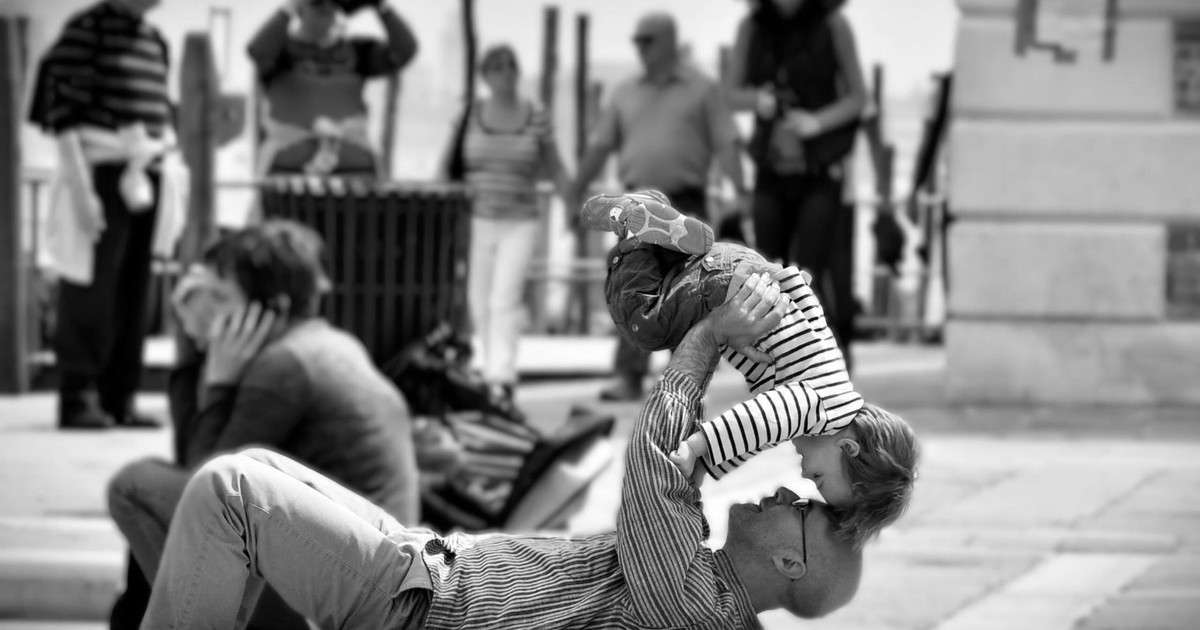

Most of us can’t remember the exact words our fathers said on any given Tuesday. We can’t remember what he was wearing at the family barbecue in 1998 or whether he came to the second or third parent-teacher night in fifth grade. But ask anyone about their father, and within thirty seconds they’ll be in the middle of a story so specific, so oddly vivid, that it surprises even them. The smell of his jacket. The way he said a certain person’s name. The sound his truck made pulling into the driveway.
Memory doesn’t work the way we expect it to. It doesn’t archive what was formally important – the speeches, the lessons deliberately delivered, the moments that were supposed to matter. It saves something else entirely: texture. The grain of the experience rather than its surface. The memories of fathers that stay with us longest tend to be things our dads never knew they were doing, habits and quirks and small rituals that were never meant to be memorable at all.
This is that list. Twenty things that grown children carry with them, sometimes without even knowing it, from the fathers who shaped them. Some of these will make you want to call him. Some will make you realize you’ve been carrying something for a long time that you’ve never had a name for. Either way, you’ll recognize them.
1. The Way He Smelled

Not cologne in the abstract, but his exact cologne – or the combination of his soap and his car interior and, if he worked with his hands, something underneath all of that. Smell is processed through the olfactory bulb, which has a direct connection to the amygdala and hippocampus – the parts of the brain most involved in memory and emotion. A particular scent can retrieve a fully formed memory of your father before your conscious mind even registers what you’re smelling.
A stranger wearing the same aftershave in an elevator can stop you cold. Opening a container of a certain motor oil or a specific brand of shaving cream can take you somewhere you haven’t been in decades. Scent is the memory format that bypasses language entirely and goes straight to the feeling.
2. His Laugh
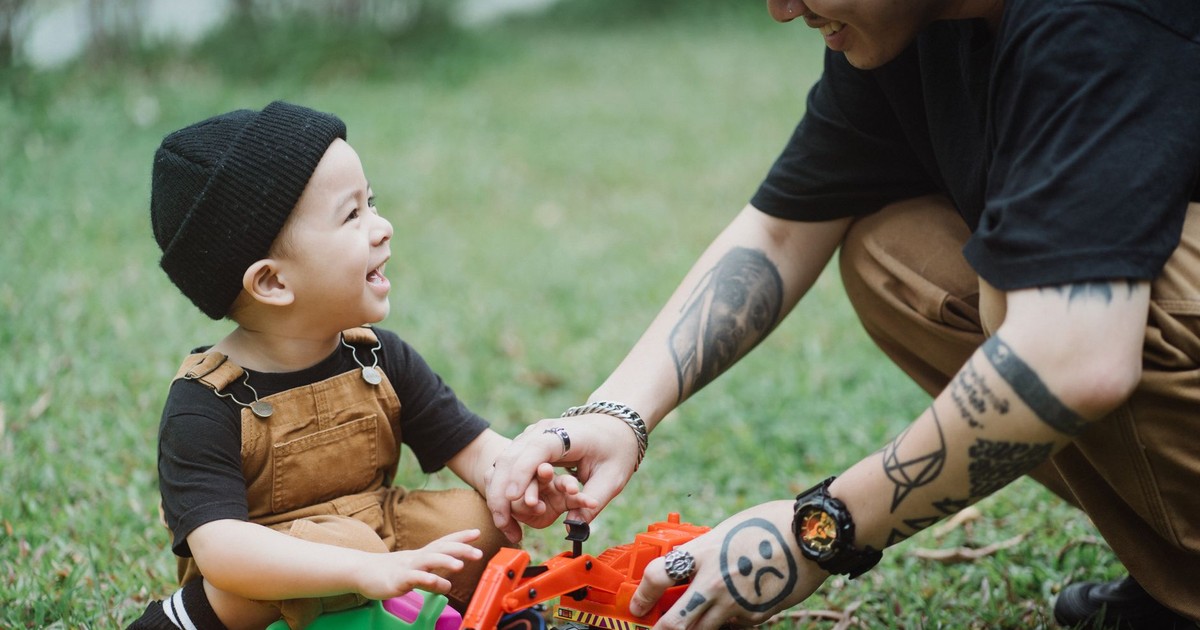
Not a polite laugh. His real one – the one he couldn’t help. The one that meant something had actually gotten through. A lot of dads have a public laugh and a private laugh, and most children know the difference by age four. The private one usually involved his shoulders, or his face going a particular shade of red, or a specific sound that was almost embarrassing in its abandon.
People who lose their fathers often say the hardest part isn’t the first year – it’s the moment, years later, when they can’t quite hear the laugh anymore. It starts to go fuzzy at the edges. The love doesn’t diminish; the recording does.
3. The Things He Said on Car Rides
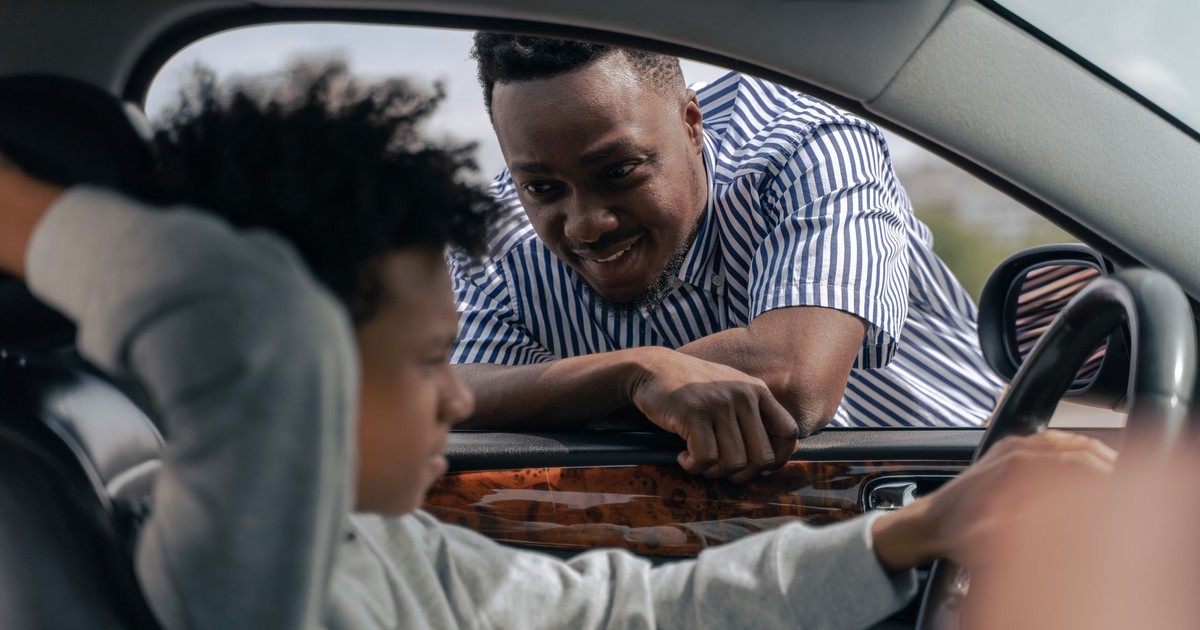
Something about being in a car with a parent lowers everyone’s defenses. You’re both looking forward. Nobody is required to hold eye contact. Some of the most honest conversations children ever have with their fathers happen in cars, and the reverse is also true – some of the most unexpectedly funny, or accidentally revealing, or quietly devastating things fathers ever said came out somewhere on the highway between point A and point B.
It might have been advice he didn’t mean to give. It might have been a confession he didn’t realize he was making. It might have been a joke that landed so perfectly you can still hear the exact inflection. Car rides are, somehow, where fathers become briefly transparent. Grown children tend to remember this.
4. His Relationship With His Own Father
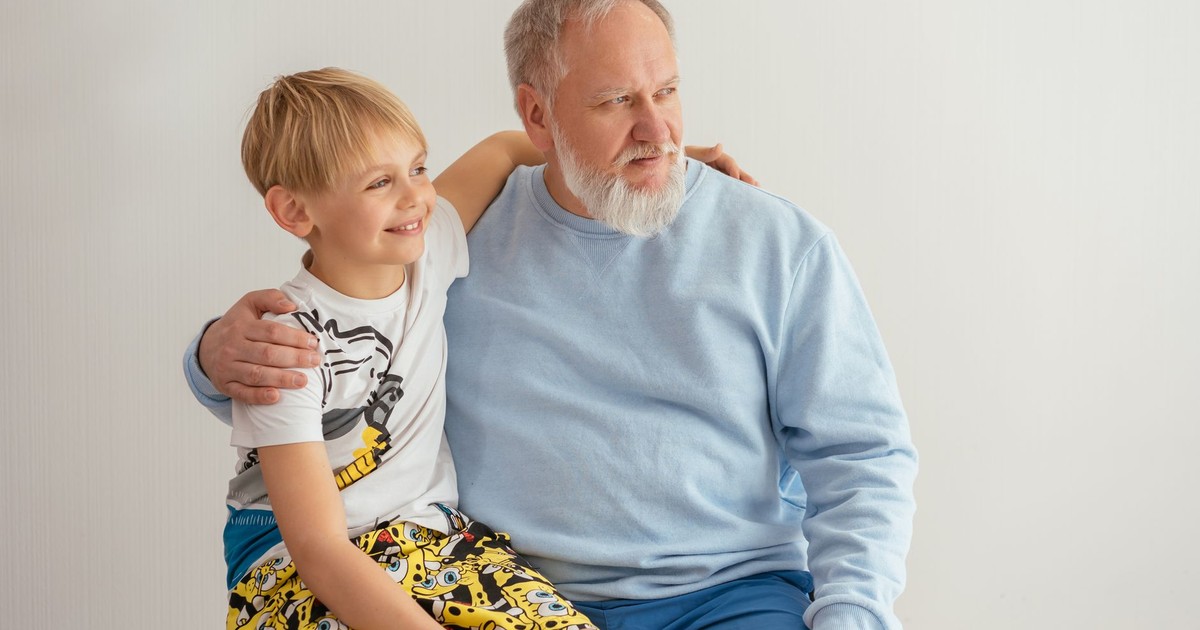
Children observe this even when nobody tells them to. Whether the grandfather was nearby or distant, beloved or difficult, present or absent – a father’s relationship with his own dad leaves a visible mark on how he moves through the world. You can read it in his comfort with affection, his tolerance for stillness, the specific things he swore he would do differently and the things he inherited anyway without meaning to.
The memories of fathers are often, at some layer, also memories of grandfathers. The lineage is visible even when it goes unremarked. A son or daughter watching their father interact with his own father for the first time as an adult often has the slightly eerie feeling of seeing the whole structure at once.
5. The Music He Played
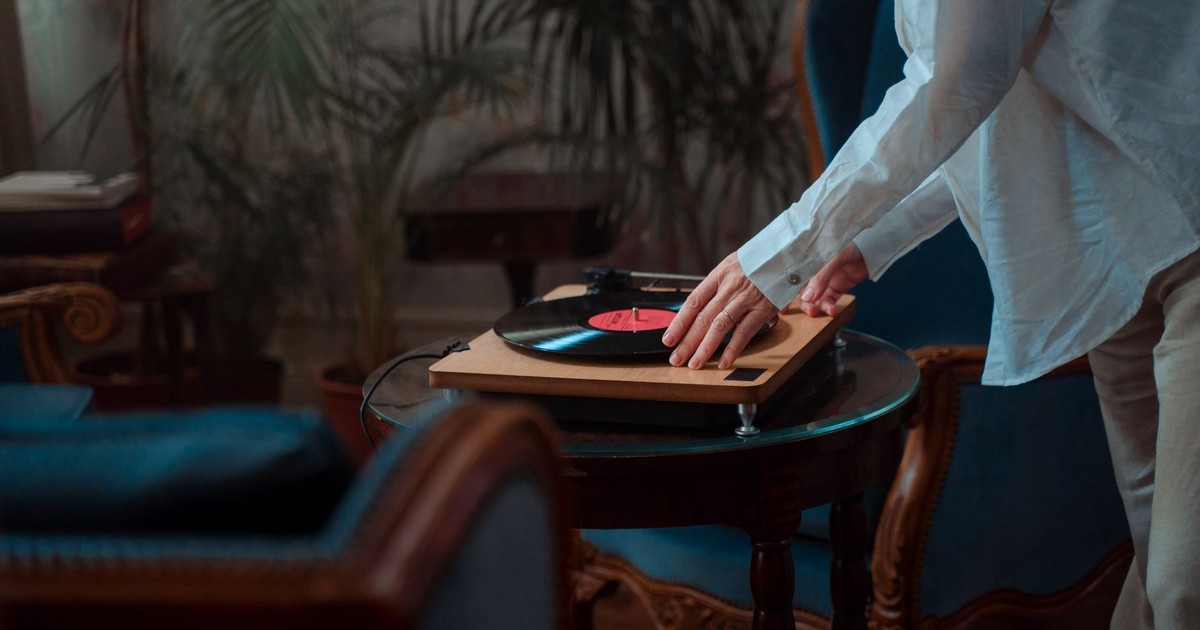
Taste is one of the things fathers transmit most reliably, and music is the most durable form of it. Whatever he played on weekend mornings, in the car, in the garage – that soundtrack is now inside you. The specific artists and albums of your father’s preferred decade have a way of appearing in your own listening history, often in ways you don’t fully notice until someone asks why you know every word of a song from 1974.
A 2024 study published in Communications Psychology, drawing on data from over 200,000 adults across 21 countries, found that recalled parent-child relationship quality remains predictive of adult well-being across cultures. The records your father played aren’t trivia. They’re structural.
6. How He Handled Being Wrong

Whether he apologized or doubled down, laughed it off or went quiet, owned the mistake cleanly or blamed the circumstance – that behavior was a template. Children absorb their parents’ relationship with fallibility the way they absorb language: without being taught, and completely.
The fathers who could say “I got that wrong” without apparent damage to their sense of self gave their children something significant: evidence that being wrong doesn’t have to cost you your dignity. The ones who couldn’t are also remembered, with some tenderness and some residue, for exactly that.
7. The Food He Made (Even If It Was Only One Thing)

Not all fathers cooked, but most of them made something. It might have been one dish, reliably executed for thirty years. It might have been a specific way of doing eggs on Saturday mornings, or the particular sandwiches that appeared at every picnic, or the elaborate and inexplicable pride he took in grilling when he otherwise wanted nothing to do with the kitchen.
Food memory is among the most emotionally loaded categories of memory that exists. The specific taste of something a father made reliably – even something objectively simple – tends to become unreproducible in his absence. Adults will try for years to recreate a dish and report that it’s close but not quite right. What they’re missing isn’t an ingredient. It’s the context.
8. His Silences
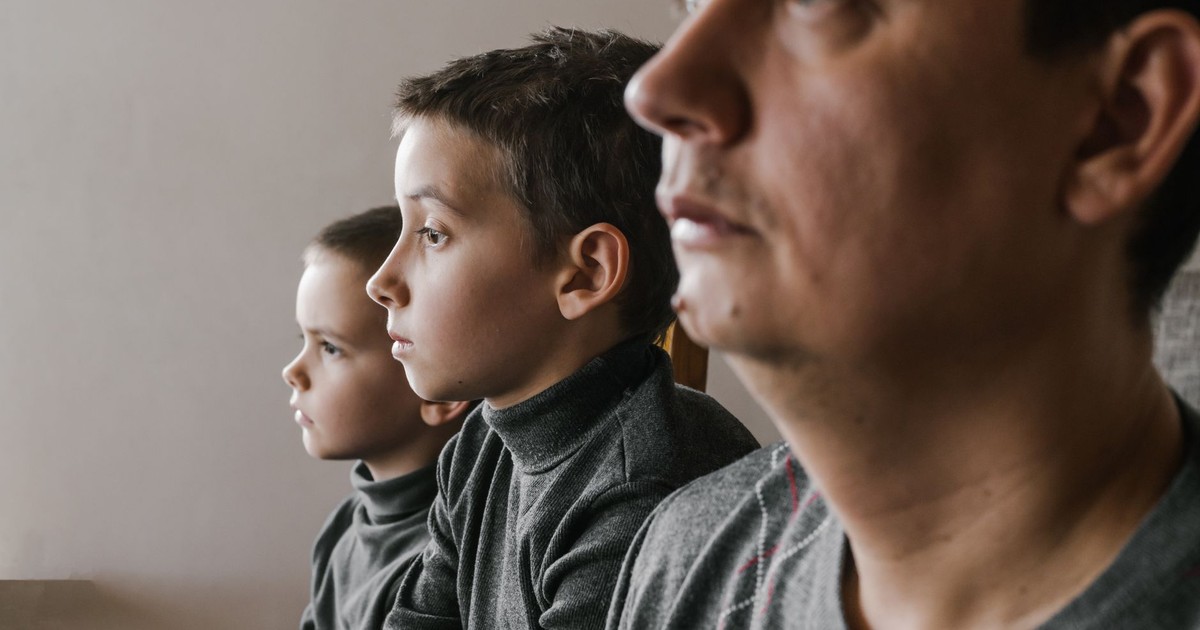
Not all silences are the same, and children learn to read their father’s silences with a specificity that rivals any verbal communication. There’s the silence that means he’s thinking. The one that means he’s annoyed. The one that means he’s moved but doesn’t have the language for it. The one that means he’s proud of you in a way he cannot make himself say out loud, and so he just sits there in a particular way that communicates everything.
Daughters and sons who grew up with reserved fathers often develop a remarkably fine-grained ability to read non-verbal cues, precisely because so much information was delivered that way. The silence wasn’t a gap in communication. It was its own dialect.
9. The Way He Talked About His Own Childhood
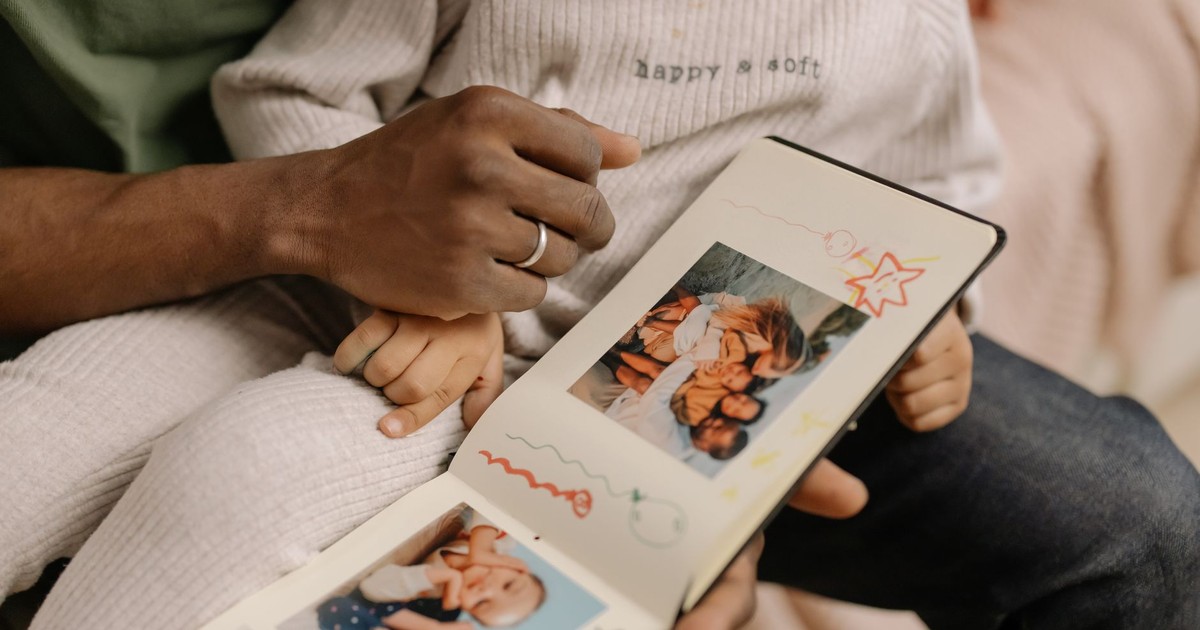
Fathers who shared these stories – about where they grew up, what they had, what they went without, who their own parents were – gave their children a map that went further back than themselves. And fathers who rarely or never talked about it gave their children a different kind of map: the outline of something they were never able to see clearly.
Either way, the material is memorable. What a father chose to tell and what he chose to leave out are both stored. Grown children often find themselves thinking about a fragment – a single detail their father mentioned once about his own father, or his own childhood home – with a strange weight, knowing there was more to the story than they ever got.
10. His Relationship With Money

It doesn’t matter whether he had a lot of it or very little of it: how a father related to money – with anxiety, with generosity, with a certain controlled carefulness, with an open hand – became a framework. The adults who grew up watching their fathers navigate financial stress, or financial abundance, or financial ambivalence carry that template into their own financial lives and often have to work consciously to notice it.
This memory tends to resurface at unexpected moments – during a first mortgage application, or the first time a significant amount of money appears in an account, or the first time you hear yourself using a phrase about spending that came directly out of your father’s mouth.
11. The Moment He Was Proudest of You
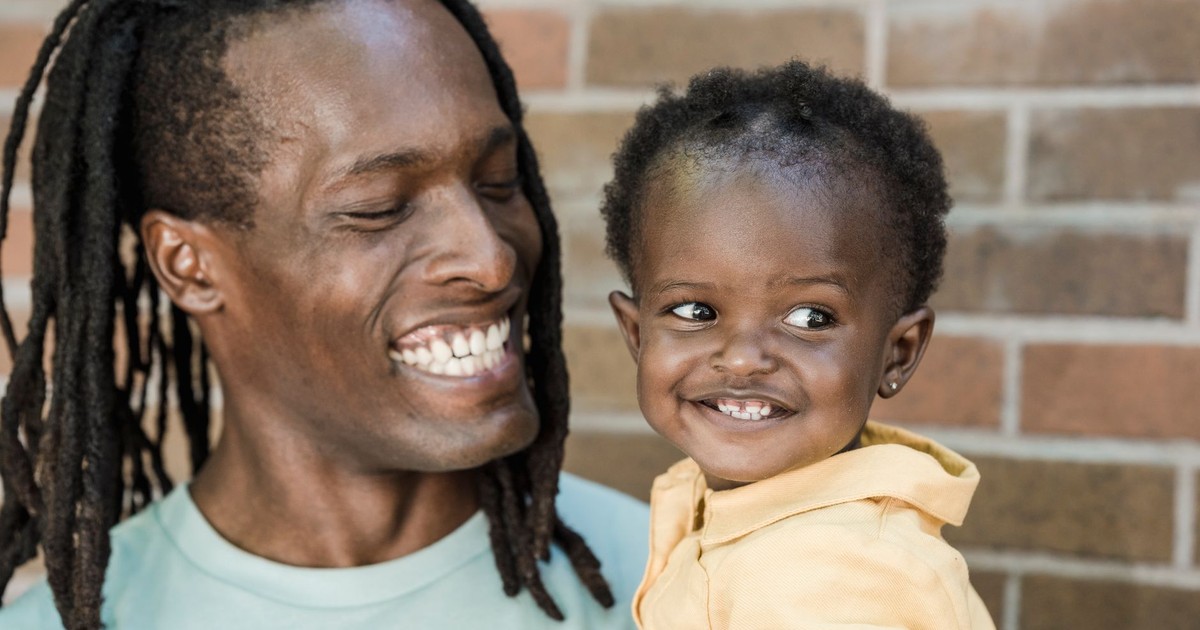
Even if he never said it in those exact words – even if he just nodded differently, or his posture changed, or he repeated what you’d done to someone else in a conversation he didn’t know you could hear – the moment registered. Children are acutely attuned to a father’s approval, and those signals leave a measurable trace in how they come to see themselves.
A 2020 study from Yonsei University College of Medicine used fMRI to examine how childhood memories of parents influence psychological health in adulthood, finding that neural activity in regions associated with parent-child autobiographical memory was closely linked to participants’ levels of self-esteem and depression. The memory of being seen by a father, specifically, carries a particular charge.
12. His Hobbies and What He Did With Them

Whether he fished, woodworked, gardened, bet on horses, built model trains, collected something inexplicable, or spent every Saturday under the hood of a car – fathers’ hobbies are a window into a version of the man that exists before and beyond fatherhood. Children who were invited into those hobbies tend to remember them warmly. Children who were kept at the edges of them tend to remember that too, with a particular quality of longing for a room they were never quite let into.
The hobby was also the place where a different kind of teaching happened: patient, informal, practical, and often delivered without anyone noticing that learning was occurring. Many adults who can tie a specific knot or identify a particular bird have no memory of being taught it – they just absorbed it, standing next to someone who was doing the thing and willing to let them watch.
13. How He Treated Strangers
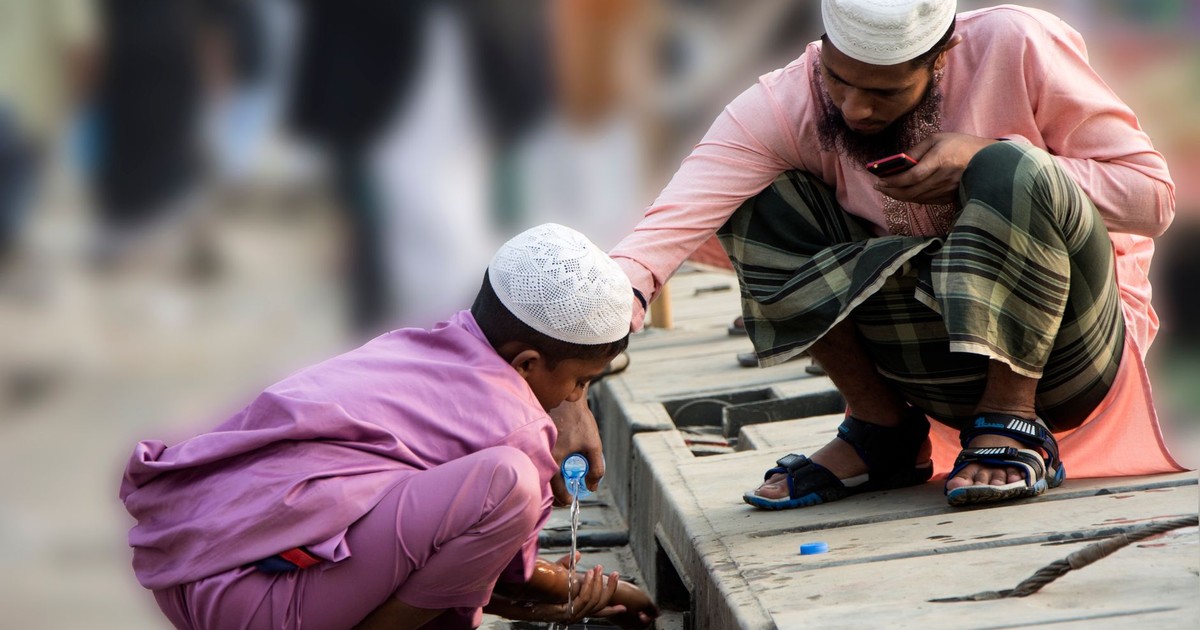
Servers in restaurants. Gas station attendants. Neighbors he didn’t particularly like. People who were rude to him. People who needed directions. A father’s behavior toward people who couldn’t do anything for him – the people he had no social incentive to be generous toward – is remembered. Children are watching for exactly this kind of information, because it tells them what the man is actually made of when the stakes are low.
Children absorb from their fathers a working model of how to treat the world. Some of them spend adulthood trying to replicate what they saw. Others spend it trying to repair it.
14. The Exact Phrase He Repeated
Every father has at least one. The saying he returned to. The piece of advice that became a verbal tic. The joke he told so many times that the family developed a complex internal hierarchy of responses ranging from obligatory laugh to meaningful eye contact with the nearest sibling. And also – underneath that – the thing he genuinely believed and said repeatedly because he meant it.
The repeated phrase tends to outlive a lot of other material. Adults who haven’t thought about their fathers in years will suddenly hear themselves say something out loud and stop cold. That was his line. He said that all the time. Some sentences got in through repetition and lodged there.
15. His Relationship With His Own Emotions
What a father modeled – or didn’t model – around emotional expression has a long reach. A father who cried at certain movies. A father who never cried at anything and made it clear that was the correct behavior. A father who expressed anger loudly, or a father who went entirely inward with it. A father who could say “I love you” with ease versus one who communicated it through action and would have died before saying the words.
These patterns are absorbed as norms rather than received as instruction. A 2025 study found that warm parental relationships are linked to higher emotional well-being in adulthood, while conflictual early family dynamics increase the risk of psychological difficulties later in life.
16. The One Time He Was Truly Scared
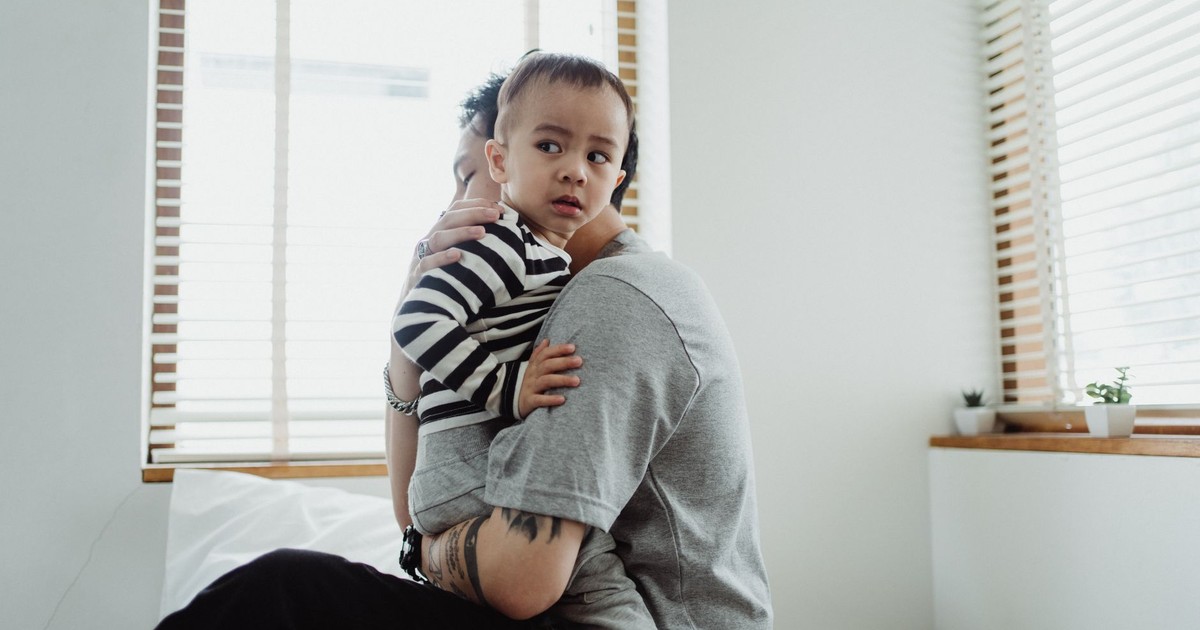
Most children only see their fathers afraid once, maybe twice. It stands out precisely because it departs from the baseline. Whether it was a medical moment, a financial crisis, a family emergency, or something smaller that briefly cracked the composure – that glimpse of fear was not forgotten. In some ways it was the most humanizing thing a father ever revealed.
For many adults, this is actually a cherished memory rather than a painful one, because it was the moment the father stopped being an archetype and became a person. A person who was also uncertain, also making it up as he went, also doing his best in conditions he hadn’t chosen.
17. How He Made Big Decisions

Whether he deliberated aloud or decided in private and presented conclusions. Whether he asked for input or handed down verdicts. Whether he changed his mind when presented with new information or held a position as though changing it would cost him something vital. A father’s decision-making style is absorbed and often replicated – sometimes explicitly and intentionally, sometimes invisibly.
Adult children often find themselves in a boardroom or a difficult conversation and suddenly realize they’re doing it exactly the way their father did. Or find themselves doing the explicit opposite, which is its own kind of tribute to the original.
18. What He Did When Life Got Hard

The model a father provided for handling difficulty – genuine difficulty, not inconvenience – is one of the most enduring things children take from him. Did he go quiet and work? Did he get louder? Did he lean on other people, or was self-sufficiency so central to his identity that asking for help was never an option? Did he find a way to keep laughing, or did the humor disappear? Did he let his family see what was happening, or was protection-through-concealment his default?
Childhood memories of fathers who remained emotionally available during difficult times have a lasting positive effect: research from the American Psychological Association found that sons with warm father memories were significantly more emotionally stable in the face of daily stress as adults. The memory of a father who stayed present under pressure is a specific kind of inheritance.
19. The Unspoken Thing Between You

Every father-child relationship has at least one. The thing that was understood but never quite said. An apology that was carried but never delivered. A version of the relationship you both wanted that was never quite achieved. An old argument that calcified into a section of the floor you both learned to walk around. A shared grief that neither of you had the language for.
This doesn’t mean the relationship failed. It means it was real. The unspoken things in a father-child relationship are often the most specific thing about it – the thing that belongs entirely to the two of you and is not transferable. Sometimes it sits comfortably. Sometimes it takes up more space than you expect.
20. The Ordinary Days
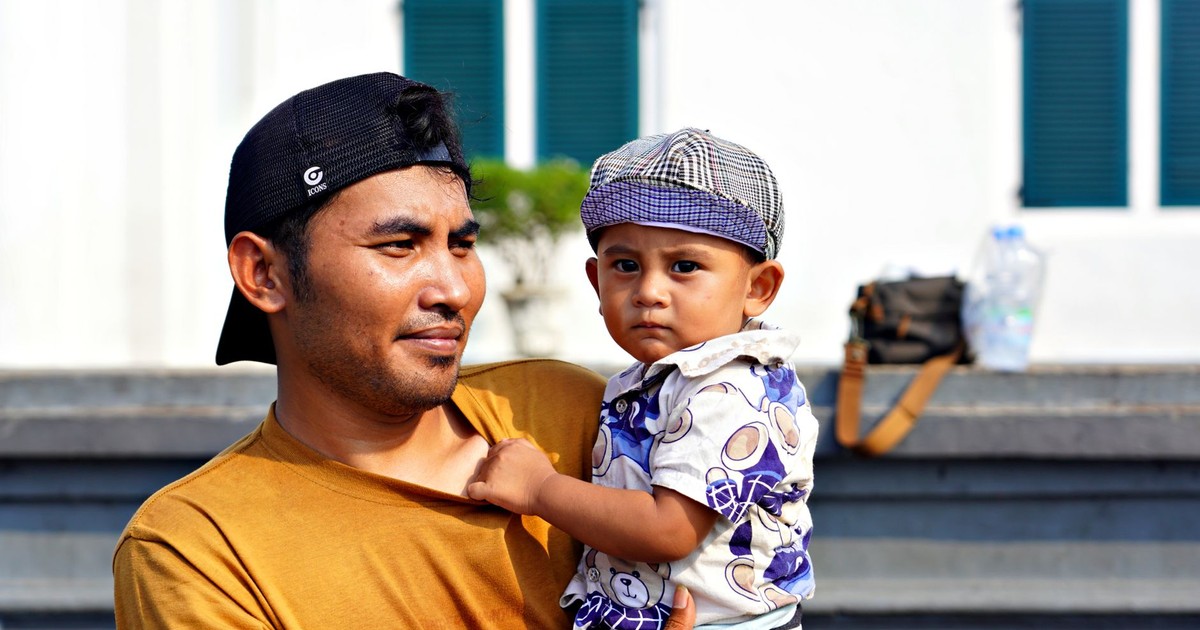
Not the birthdays or the holidays or the landmark conversations. The average Tuesday. The Saturday morning routine. The standing joke. The predictable complaint about traffic. The particular way a weeknight dinner proceeded. The sound of the television from the other room. The ordinary architecture of life with this person, which only becomes remarkable once it’s gone.
Adults who’ve lost their fathers report the same thing: the holidays were hard, but the ordinary days were the ones that really got them. The random afternoon that arrived and departed like any other, which they would give almost anything to have back. The memories of fathers that last are often the ones that seemed, at the time, not to be memories at all.
What All of This Adds Up To
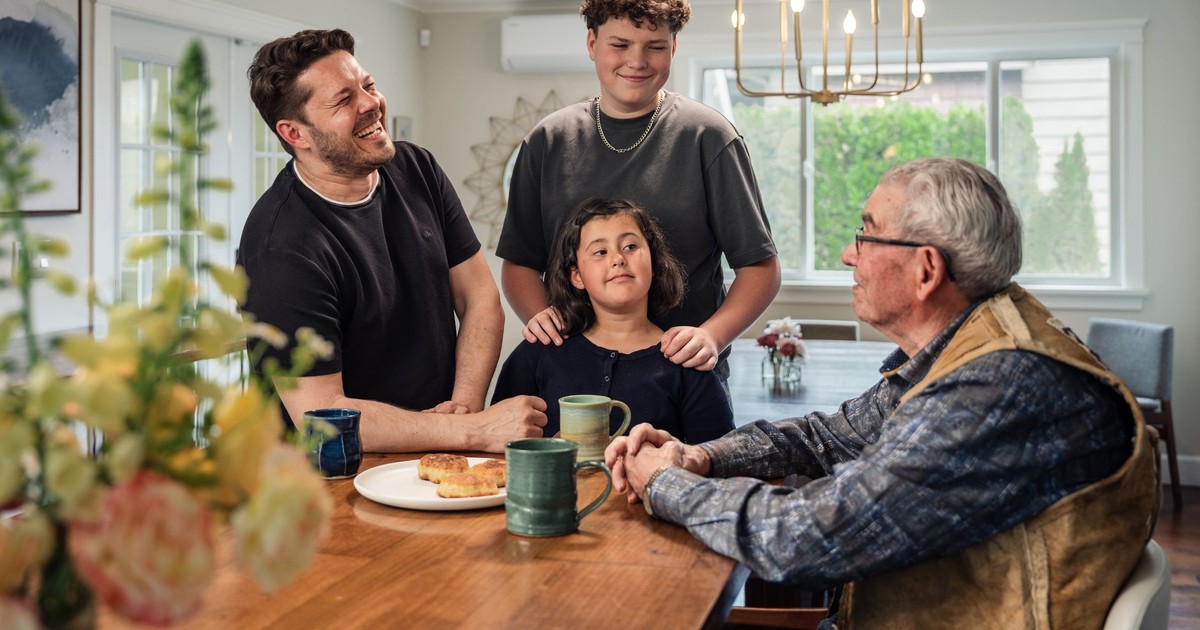
The archive never gets smaller, only larger. Memories of fathers don’t stay in the past where you put them. They surface at strange, unpredictable moments, in a smell or a song or a phrase you catch yourself saying, and for a second the distance collapses.
Some of these memories are full of warmth. Some carry weight. Most are both at once, because real relationships are not one thing and the people who shaped us most are rarely simple. You don’t have to resolve the complicated parts to acknowledge the lasting ones. Both the tenderness and the unfinished business get to be true. They usually are. And the fact that you’re still carrying any of it – the laugh, the silence, the Tuesday that seemed like nothing – is not a burden. It’s just evidence of how much was actually there.
Disclaimer: This information is not intended to be a substitute for professional medical advice, diagnosis, or treatment and is for information only. Always seek the advice of your physician or another qualified health provider with any questions about your medical condition and/or current medication. Do not disregard professional medical advice or delay seeking advice or treatment because of something you have read here.
AI Disclaimer: This article was created with the assistance of AI tools and reviewed by a human editor.