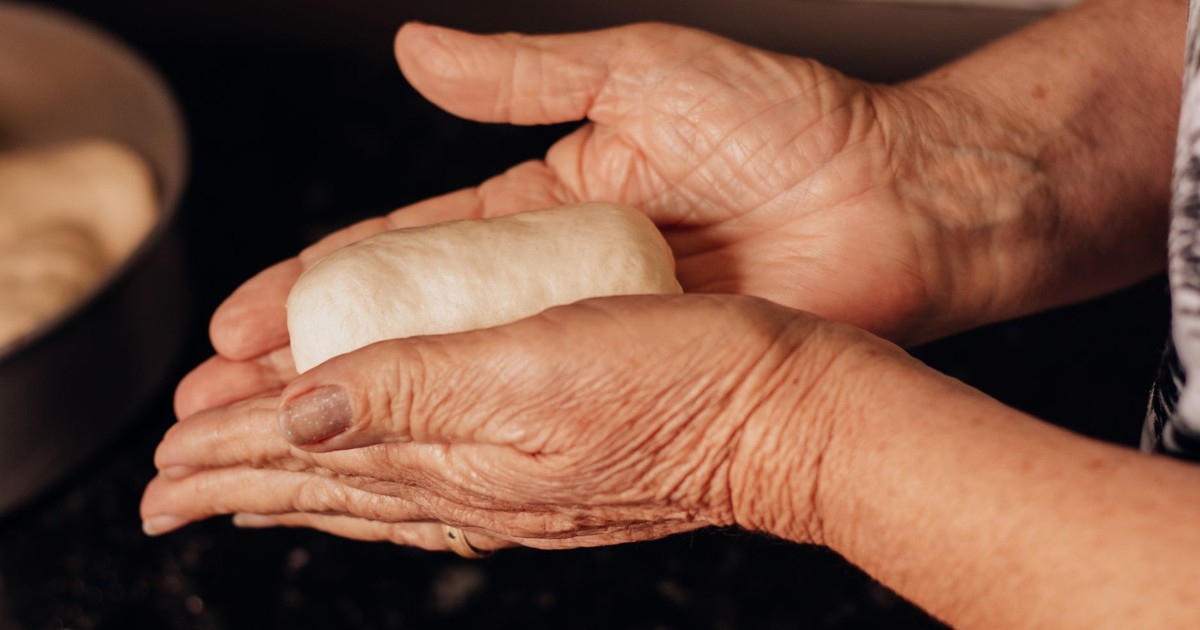

Dementia currently touches the lives of tens of millions of families across the world. What is less well understood is how meaningfully the risk can be shaped by choices happening not in a clinic or a laboratory, but in an ordinary kitchen.
The findings arriving in 2025 and 2026 do not offer a cure. What they offer is evidence that a specific, commonplace kitchen habit – or the conspicuous absence of it – is meaningfully associated with whether an aging brain holds its ground or starts to lose it. That habit is home cooking from scratch, and the data behind it is considerably more detailed, and more striking, than the headline version suggests.
Two major studies, published within months of each other, have sharpened the picture significantly. One examines what happens to dementia risk when older adults stop cooking their own meals and drift toward convenience foods and takeout. The other examines what happens when those meals, however frequently prepared, tilt toward a dietary pattern that inflames the body rather than nourishing it. Read together, they describe both the protective power of a kitchen habit and the specific biological cost of abandoning it.
The Japan Cohort Study: Cooking Frequency and Dementia Incidence

A large population-based study published in the Journal of Epidemiology & Community Health in March 2026 tracked 10,978 participants aged at least 65 from the Japan Gerontological Evaluation Study for six years up to 2022. Researchers using the cohort wanted to find out whether the frequency of home cooking was associated with dementia incidence.
A fifth of the participants were aged 80 or older, and half were women. A third had fewer than nine years of education, and 40 percent had an annual income of less than 2 million yen. The cohort was not a curated sample of the health-conscious wealthy. It reflected the ordinary range of older adults in a high-income country navigating the ordinary constraints of later life.
Participants completed questionnaires on how often they cooked meals from scratch at home, with responses ranging from never to more than five times a week, and on the extent of their culinary skills, assessed across seven abilities ranging from peeling fruit and vegetables to making stews.
What the Data Showed
During the tracking period, 1,195 people developed dementia, representing a cumulative incidence of 10.6 percent.
Analysis of the data showed that greater cooking frequency was associated with a lower risk of dementia in both men and women. Cooking from scratch at least once a week was associated with a 23 percent lower risk of dementia in men and a 27 percent lower risk in women, compared with those who cooked less than once a week.
Those numbers are meaningful on their own. But the most arresting finding involved participants who reported limited cooking skills at the outset. Among those with limited cooking skills, even cooking once weekly was tied to a 67 percent lower risk of dementia over the study period. The implication is not only that cooking protects, but that the cognitive engagement required to learn and execute a task – chopping, timing, sequencing, adjusting – may be the active ingredient in the process itself.
The connection held even after the research team accounted for factors like diet quality, physical activity, social engagement, and overall health. The fact that the association persisted after controlling for those variables makes the objection that healthy people simply cook more – and that cooking is a symptom of general health rather than a cause of cognitive resilience – harder to sustain.
Why Cooking Might Protect the Brain
Yukako Tani, PhD, associate professor in the Department of Public Health at the Institute of Science Tokyo and the study’s first and corresponding author, identified several mechanisms: cooking at home promotes healthier eating habits including greater vegetable and fruit intake and lower processed food consumption, and it involves physical activities like shopping and meal preparation that are important sources of exercise for older adults, especially after retirement.
The mental demands of cooking provide regular cognitive stimulation that helps maintain brain function as people age. Planning a meal requires working memory. Executing it requires attention, sequencing, and fine motor control. Doing it with limited prior skill – adjusting, improvising, learning – recruits additional cognitive resources. The kitchen functions as an informal cognitive training environment that people visit multiple times a week.
As Tani put it, the findings suggest “that even a modest frequency of cooking from scratch may be associated with a meaningful reduction in dementia risk,” and that the study “provides insights beyond the well-known nutritional benefits of home cooking.”
The Broader Statistical Context
Tani was careful to caution against overstatement: “this study shows an association, not proof that cooking itself prevents dementia.” The design is observational and cohort-based, not a randomised controlled trial. It cannot definitively establish that cooking causes lower dementia incidence, only that the two travel together in a direction that is consistent, dose-responsive, and robust to confounding.
The researchers analyzed health data from almost 11,000 adult participants aged 65 and older. Participants were asked to respond to questionnaires regarding how frequently they cooked at home and their cooking skills, including their ability to peel fruit and vegetables, grill fish, boil eggs, and make standard dishes such as a stir-fry or stew. The specificity of those skill assessments – seven discrete tasks, not a vague self-reported sense of culinary confidence – adds granularity that makes the skill-gradient finding more credible.
The study also arrives in the context of a 2020 Lancet Commission report indicating that close to 40 percent of the world’s dementia cases could be “prevented or delayed” by intervening in 12 key lifestyle risk factors, including poor diet and lack of physical activity. Home cooking sits at the intersection of several of those 12 factors simultaneously.
The Inflammatory Diet Finding: When What You Cook Matters as Much as Whether You Cook
A second major study, published in JAMA Network Open in June 2026, adds a crucial dimension to the home cooking research: the protective effect of being in the kitchen depends substantially on what the kitchen is producing.
Researchers from Karolinska Institutet analyzed 1,865 adults aged 60 years and older, free from dementia, and followed them for up to 15 years. The study examined three dietary patterns: a Mediterranean-style diet, the Alternative Healthy Eating Index, and an anti-inflammatory dietary pattern measured by a reversed Empirical Dietary Inflammatory Index.
The Anti-Inflammatory Diet Signal
Among participants with elevated biological markers of Alzheimer’s risk, a diet with lower inflammatory potential was linked to up to a 30 percent lower relative risk of developing dementia.
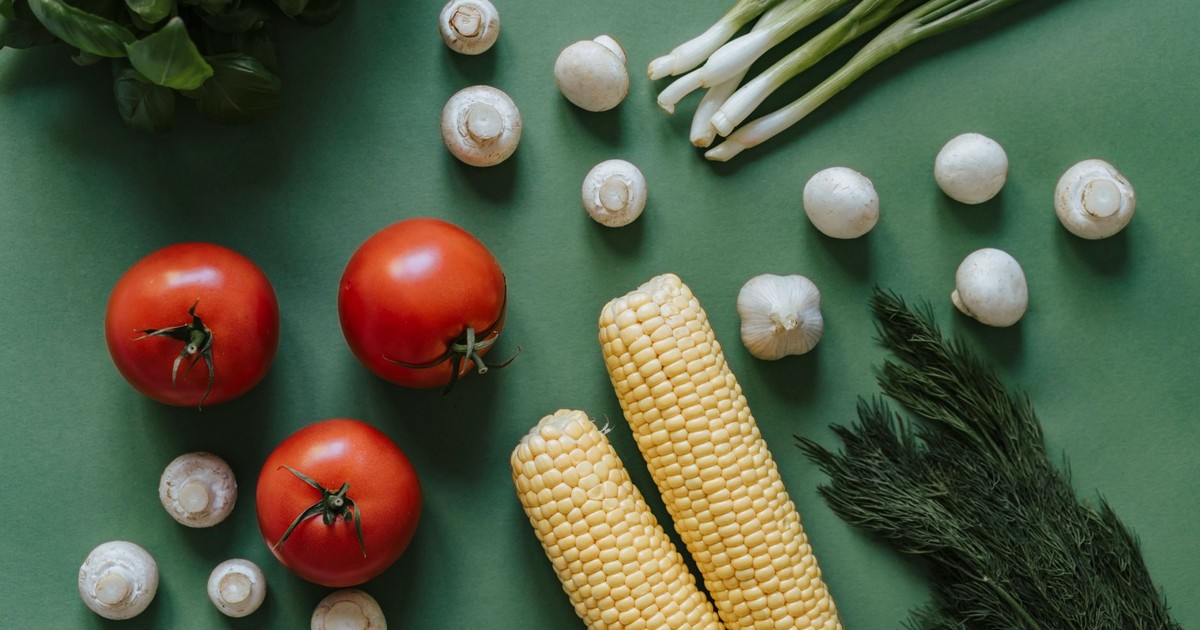
Lead study author Anja Mrhar, MSc, a research assistant and PhD candidate at the University of Ljubljana’s Biotechnical Faculty, affiliated with the Aging Research Center at Karolinska Institutet as a visiting researcher, noted that scores indicating lower inflammatory potential generally reflected greater intake of items such as vegetables, tea, and coffee, and lower intake of red and processed meat, refined grains, and soft drinks.
The key new aspect of this research, Mrhar told Healio, was that “diet quality appeared to remain relevant even among older adults with elevated biomarker levels.” In plain terms: even adults who already showed blood markers associated with Alzheimer’s pathology – markers suggesting early biological changes had already begun – still appeared to benefit from an anti-inflammatory dietary pattern. The biological clock had not run out on dietary intervention.
Mrhar cautioned that observational findings should not be interpreted to mean that diet can prevent dementia. “Rather, the findings suggest that lifestyle factors such as diet may remain important to consider even when early disease-related biological changes are already detectable,” she said.
What Cooking at Home Has to Do With Inflammation
The shift away from home cooking in most Western countries has occurred in tandem with a dramatic increase in the consumption of ultra-processed foods. These are industrial formulations designed to maximize palatability and shelf life through additives, emulsifiers, colorings, and flavor enhancers that have no analogue in home cooking. They also tend to score highly on measures of dietary inflammatory potential – precisely the dimension the Karolinska study identified as the most relevant to dementia risk.
If you’ve noticed any early signs of cognitive change in yourself or someone you love, the timing of these findings is worth paying attention to.
Ultra-Processed Foods: The Specific Brain Cost

Research led by Harvard T.H. Chan School of Public Health found that the highest daily consumers of ultra-processed food had a 58 percent increased risk of developing dementia and a 46 percent increased risk of cognitive impairment compared with those who ate the least.
The researchers analyzed diet and health data from more than 5,300 adults over 50 who participated in the University of Michigan’s Health and Retirement Study for an average of nine years, accounting for factors besides diet that affect health, including education, income, smoking, physical activity, and alcohol use.
The researchers’ analysis of specific types of ultra-processed foods found that eating processed meats such as bacon carried the highest risk of dementia and cognitive impairment.
Even moderate consumption of ultra-processed foods appeared to carry risk. “There may not be a safe level,” senior author Cindy Leung, associate professor of public health nutrition at Harvard T.H. Chan, said.
The results also held positive news: people who ate the most whole, minimally processed foods showed the opposite pattern, with a 41 percent lower risk of developing dementia and a 24 percent lower risk of cognitive impairment without dementia, compared with people who ate the least.
The directionality in both cases is consistent. Ultra-processed food is associated with meaningfully higher dementia risk. Whole, minimally processed food – the kind produced by home cooking from scratch – is associated with meaningfully lower risk. The kitchen is where that fork in the road is taken, multiple times a day.
What the Research Does Not Claim

Every study cited here is observational, meaning it establishes association rather than causation. People who cook regularly may differ from those who don’t in ways that are difficult to fully control for – social connectedness, sense of purpose, physical mobility, income stability. The researchers acknowledge these limitations explicitly.
These studies show associations, not proof of cause and effect. People who cook at home may also have other healthy habits that lower their dementia risk. However, the researchers controlled for many of these factors, including diet quality and physical activity, and the link between cooking and lower dementia risk remained strong.
The convergence of evidence from multiple countries, multiple study designs, and multiple dietary measures is pointing in a coherent direction: regular home cooking from scratch, producing meals with a low inflammatory profile and a high proportion of whole, minimally processed ingredients, is associated with materially lower dementia risk across multiple populations. That is not a guarantee. It is a probability, and it is one that individuals can influence.
What This Means in Practice

The frequency of home cooking matters. A single meal prepared from scratch at home each week was associated with a 23 to 27 percent reduction in dementia risk across a nearly 11,000-person cohort, and that reduction approached 67 percent for adults with limited cooking skills – the group that arguably stands to gain most from the cognitive engagement the activity requires. The bar for benefit is not a five-course meal every evening. It is one from-scratch meal a week.
The content of what gets cooked matters equally. Meals built around vegetables, whole grains, legumes, fish, olive oil, tea, and coffee – and light on red and processed meat, refined grains, and sweetened beverages – carry the lowest inflammatory dietary burden, which is the specific dietary dimension most consistently associated with lower dementia risk even among people with already-elevated biological markers of Alzheimer’s pathology. The Karolinska finding that dietary pattern remained relevant even after early biological changes were detected is clinically important: it suggests the window for dietary influence on cognitive trajectory stays open longer than previously assumed.
The ultra-processed food data adds the clearest statement of the counterfactual. A diet heavily weighted toward packaged, industrially formulated foods is associated with a 58 percent higher dementia risk. That is a large number, with consistent support across multiple study designs. The likely contributing causes involve chronic systemic inflammation, disruption of gut-brain axis signaling, microbiome degradation, and direct neurotoxic effects of certain food additives – though the relative contribution of each pathway remains an active area of investigation.
The kitchen is not a passive backdrop to daily life. It is, for aging adults, one of the most significant environments available for modifying long-term brain health outcomes. The habit of using it – regularly, with whole ingredients, for a meal prepared from scratch – is one of the few lifestyle behaviors that addresses cognitive stimulation, dietary quality, physical movement, and inflammatory load simultaneously, in a single act that takes less than an hour.
Disclaimer: This information is not intended to be a substitute for professional medical advice, diagnosis, or treatment and is for information only. Always seek the advice of your physician or another qualified health provider with any questions about your medical condition and/or current medication. Do not disregard professional medical advice or delay seeking advice or treatment because of something you have read here.
AI Disclaimer: This article was created with the assistance of AI tools and reviewed by a human editor.