

The pile of mail on the kitchen counter is not just a pile of mail. Neither is the lamp you keep meaning to replace, or the spare bedroom that has been slowly absorbing every object in your house that doesn’t have a proper home. You walk past these things so many times a day that you stop registering them consciously, but your nervous system hasn’t stopped registering them at all.
Most of us understand, in theory, that where we live affects how we feel. But the gap between knowing that and actually doing something about it is wide, partly because it can feel indulgent to prioritize the atmosphere of your own home when there are eleven more urgent things on the list, and partly because nobody quite explains how the processes work. Not in a way that feels usable. So the lamp stays broken, the mail stays on the counter, and the low-grade friction of being in a space that doesn’t support you just becomes background noise.
The research on all of this is more specific than you might expect, and more useful than a generic mood board. The home environment mood connection isn’t about having good taste or spending money. It’s about understanding which levers actually move the needle, and most of them are cheaper and faster than you’d assume.
What Clutter Is Actually Doing to Your Brain

In what researchers described as the first study to step inside 21st-century family homes and observe how possessions affected daily life, UCLA found clutter to be so overwhelming a problem that it elevated stress hormone levels, especially in mothers. Researchers videotaped family activities, documented homes with photographs, and measured stress hormones through saliva samples at regular intervals. The cortisol was measurable. It was in their bodies.
The researchers found a link between how families, especially mothers, talked about their home spaces and their daily cortisol levels. One researcher noted that “our excess becomes a visible sign of unaccomplished work that constantly challenges our deeply ingrained notions of tidy homes and elicits substantial stress.” That framing names exactly what the clutter is doing: it’s not just mess. It’s an ongoing to-do list you can’t stop reading.
The effect is not distributed equally, either. Managing a large number of possessions was linked to elevated cortisol levels specifically in women. During home tours with researchers, mothers described cluttered spaces as “not fun” and “very chaotic,” while fathers in the same homes often made no mention of the mess at all. There is something both validating and slightly maddening about that particular finding.
The other thing clutter does, beyond the stress hormone piece, is interrupt your brain’s ability to rest. Clutter signals to the brain that there are unresolved tasks that need attention, whether it’s an overflowing closet, a messy desk, or a pile of unread mail, and these visual reminders create a sense of pressure that makes it difficult to mentally unwind. Your home is supposed to be where you recover. If every surface is telling you that you’re behind, recovery doesn’t happen there.
The fix doesn’t have to be a full purge. Even clearing one surface (a kitchen counter, a nightstand) can interrupt that cycle. The brain needs somewhere to look that doesn’t mean anything. Give it that.
The Light You’re Living In

Sunlight acts as a natural antidepressant by boosting serotonin and dopamine while regulating the body’s internal clock. This is not new information, but most of us are not actually applying it to the way we set up our homes. Americans spend 93 percent of their lives indoors or in cars, depriving themselves of the biological light their mood health requires.
Your windows matter more than your throw pillows. North-facing rooms with heavy curtains drawn are doing real damage to your baseline mood, and the fix starts with opening what you already have. Opening window treatments during the day allows natural light to come through, while light-colored walls and floors help reflect it. Dark colors on walls work in the opposite direction, absorbing what little light a room has. If you’re in a space where natural light is genuinely limited, mirrors positioned to catch whatever comes through a window earn their place.
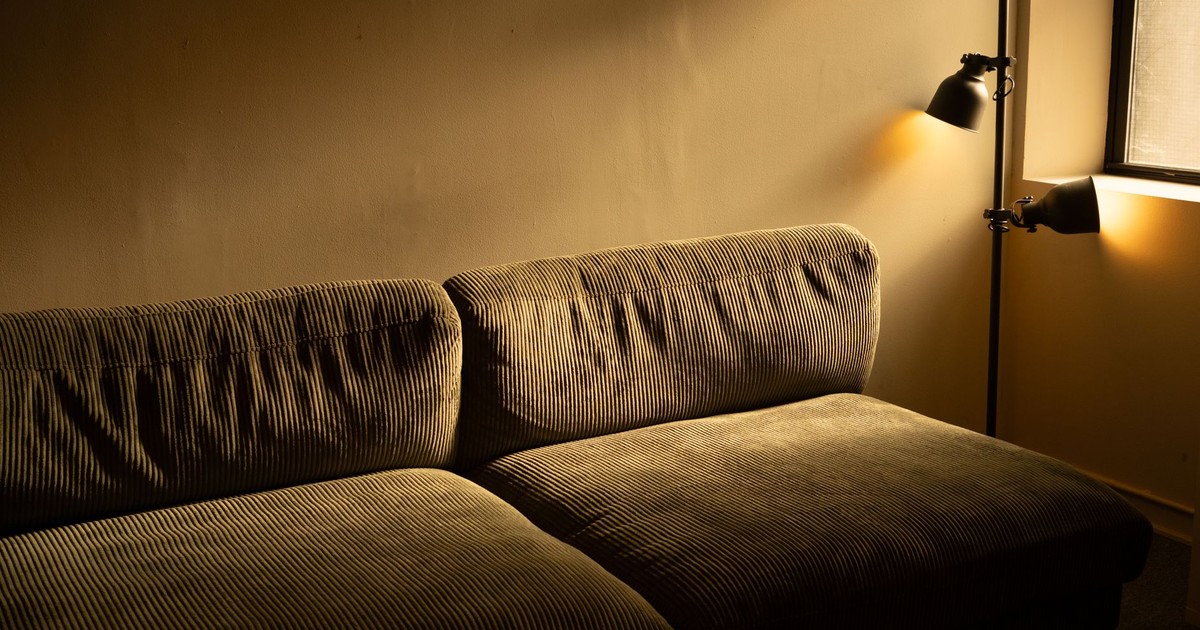
Artificial lighting matters too, particularly at night. Harsh, artificial lighting can disrupt the circadian rhythm, leading to difficulty sleeping and feelings of fatigue, while warm, soft lighting in the evenings can promote relaxation and improve sleep quality. The overhead light in most living rooms (bright, flat, slightly institutional) is exactly the wrong thing to be bathed in at 9 p.m. A lamp with a warm bulb, positioned lower in the room, costs less than a therapy copay.
The Color on Your Walls Is a Decision You’re Living With
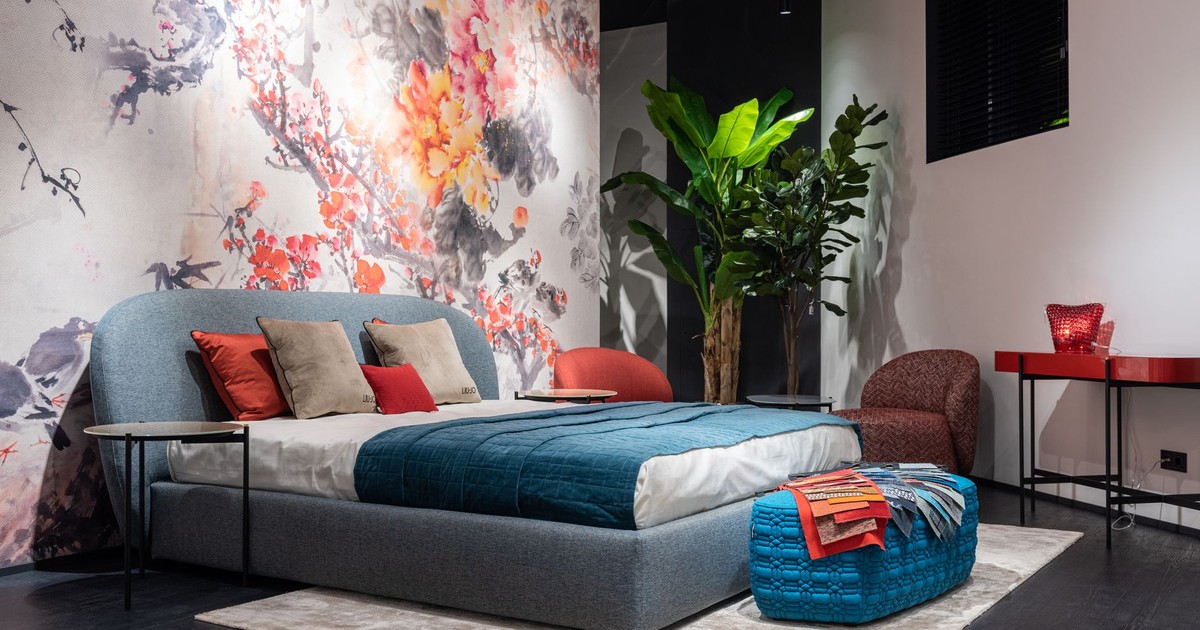
Color psychology is one of those topics that can quickly start to sound like astrology for interior designers, but the underlying research is real. According to Mental Health America, bright, warm colors like reds, oranges, and yellows stimulate energy and happiness, while cool, subdued colors like blues, greens, and purples are soothing and calming. Warm colors work best in social rooms like kitchens and dining rooms, and cool colors perform best in spaces meant for rest.
Blue consistently ranks as one of the most psychologically soothing colors. Research has found that blue lighting accelerates recovery from acute stress, with one study measuring a roughly threefold faster return to baseline calm compared to white lighting. Blue and green environments increase alpha brain wave activity, associated with relaxed wakefulness. This is why every spa you’ve ever been in felt the way it felt.
On the warmer end of the spectrum, yellow pulls people toward it socially. Kitchens painted in warm yellow tones often become the heart of the home, drawing family members together and promoting cheerful conversations over meals. Red is worth being careful with: red is the most emotionally provocative color you can introduce into a living space, triggering the sympathetic nervous system, which is responsible for the fight-or-flight response, and is associated with increases in blood pressure. A red accent wall in a bedroom is essentially asking your nervous system to stay alert. That is not what most of us need more of.
If you rent or can’t paint, the same principles apply to textiles, art, and soft furnishings. A blue or green throw, a print with nature tones, a lamp with a warm amber shade: none of these require landlord approval.
What Indoor Plants Are Actually Doing
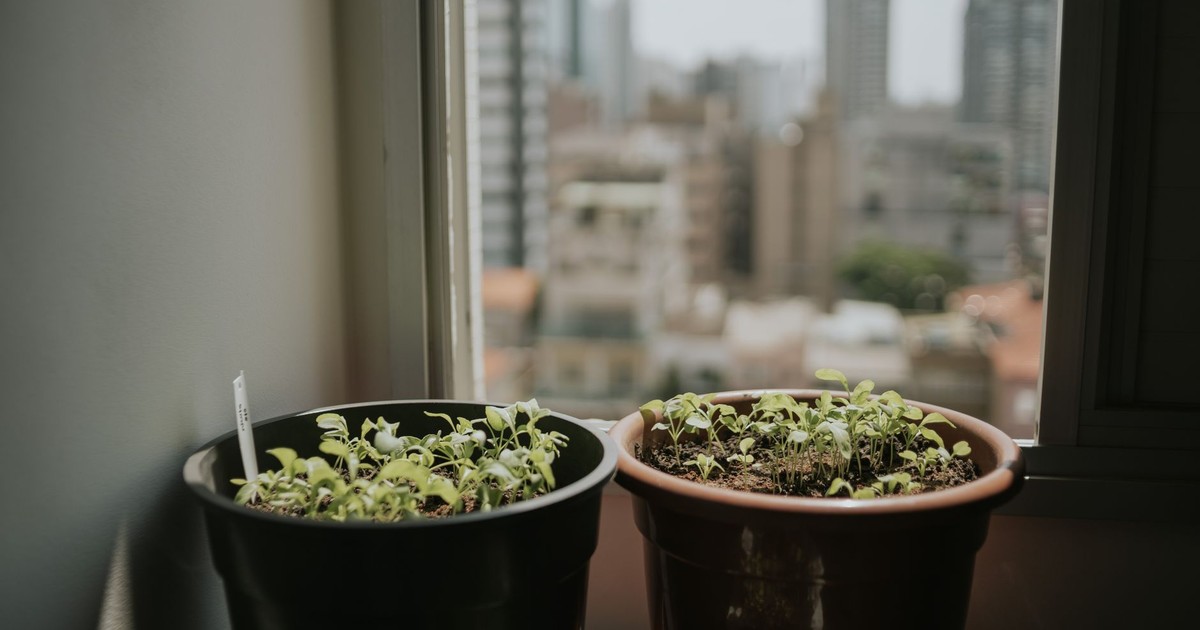
The case for indoor plants used to feel a little soft, a vibe thing, not a science thing. The research has gotten more specific. A randomized crossover study published in PMC found that interaction with indoor plants can reduce psychological and physiological stress, with the broader literature also pointing to improvements in mood states and job satisfaction among office workers. The more rigorous studies measure physiological markers rather than relying on self-report alone.
In one study of 24 young adults, two groups completed either a computer task or a plant-related task, with analysis showing participants felt more soothed and relaxed after the plant-related task, and that exposure to plants reduced the cardiological response to stress. The response time is faster than most people assume, too. Changes in mood can take place in as few as 20 minutes, and something as simple as a small plant arrangement on a desk or a few moderate-sized plants throughout the home can substantially improve feelings of happiness and satisfaction.
For anyone navigating the question of which plants actually deliver on that, the unlucky plants to avoid piece is a useful starting point. It covers the cultural folklore around specific plants, but the real-world plant care information in it applies broadly regardless of what you believe about luck.
The other dimension to plants that doesn’t get mentioned enough is the routine they create. Watering, trimming, noticing new growth: these are small, sensory tasks that ask something of your attention without demanding everything. On the kind of day when everything is abstract and overwhelming, being told to water something at 6 p.m. is, genuinely, a useful thing.
Sound and Temperature: The Variables Nobody Talks About
The visible elements of a home (the color, the light, the clutter) get most of the attention. But two invisible factors may be doing as much work on your daily mood as anything you can see.
Findings from a 2024 Frontiers in Psychology study of nearly 9,000 participants found that protection from disturbing night lights, a greater sense of security, less disturbing noise, brighter accommodations, and a satisfactory window view together explained almost 6 percent of variance in self-reported anxiety scores. Noise specifically is something most people tolerate rather than address. Background noise from traffic, appliances, or neighbors keeps the nervous system in a low-level state of alertness even when you’re not consciously aware of it. Rugs, heavy curtains, and soft furnishings all absorb sound in ways that make a room feel calmer without looking any different.
Temperature is the other one. Uncomfortable temperature (from extreme heat or cold, or poor ventilation) can make a home feel uncomfortable and lead to increased tension and discomfort. Most people run their homes slightly too warm in winter (which disrupts sleep) or don’t address the stuffy, close feeling of an unventilated room in summer. Opening a window, even briefly in the morning, changes the air quality and the psychological register of the space in ways that are immediate and underrated.
The Room Nobody Has Thought About
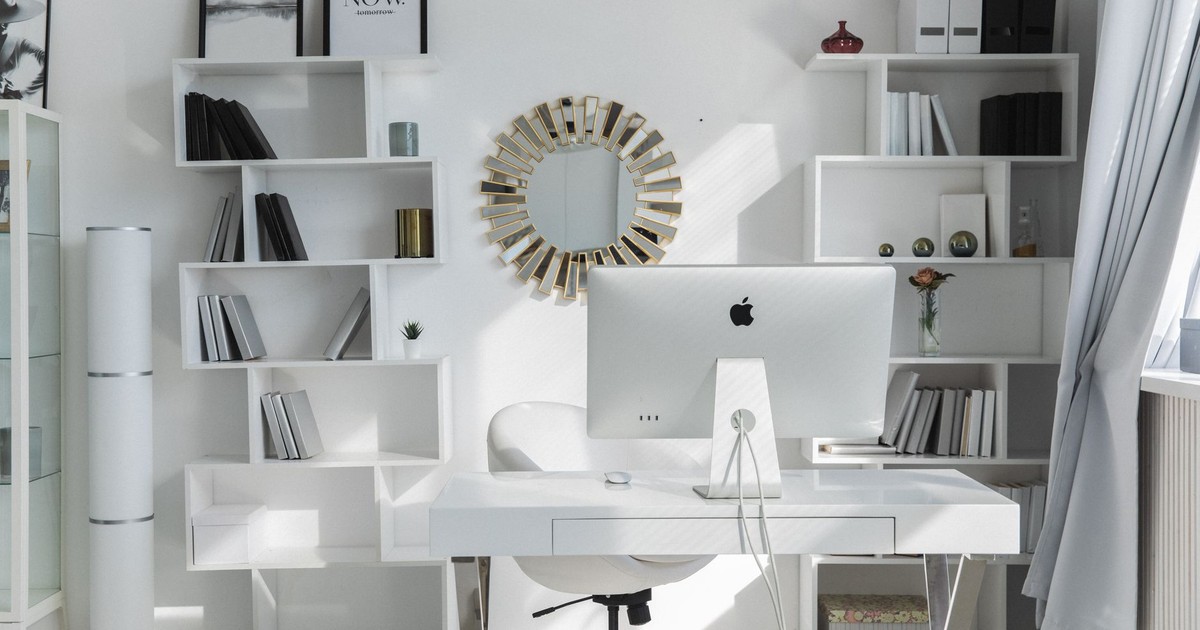
Ask most people what room they’d prioritize for a home refresh, and they’ll name the living room. The research would probably point them somewhere else. Your bedroom is where your body tries to repair itself, where your nervous system is most vulnerable, and where the quality of the environment has the most direct relationship to the quality of your next day.
A cluttered bedroom can negatively impact sleep quality, with research suggesting that people who sleep in cluttered environments take longer to fall asleep and experience more disturbances throughout the night, because the brain associates the mess with incomplete tasks, preventing it from fully relaxing. The bedroom pile of clothes on a chair, the charging cables on every surface, the stack of things that landed in there and never left: these are not neutral objects. They are running in the background while you sleep.
Cool colors, minimal surfaces, good light control, and somewhere that your eye can actually rest without being directed toward a task: the bedroom checklist is short, but most bedrooms don’t hit it. This is the room to prioritize.
Making a Happier Space Without Starting Over
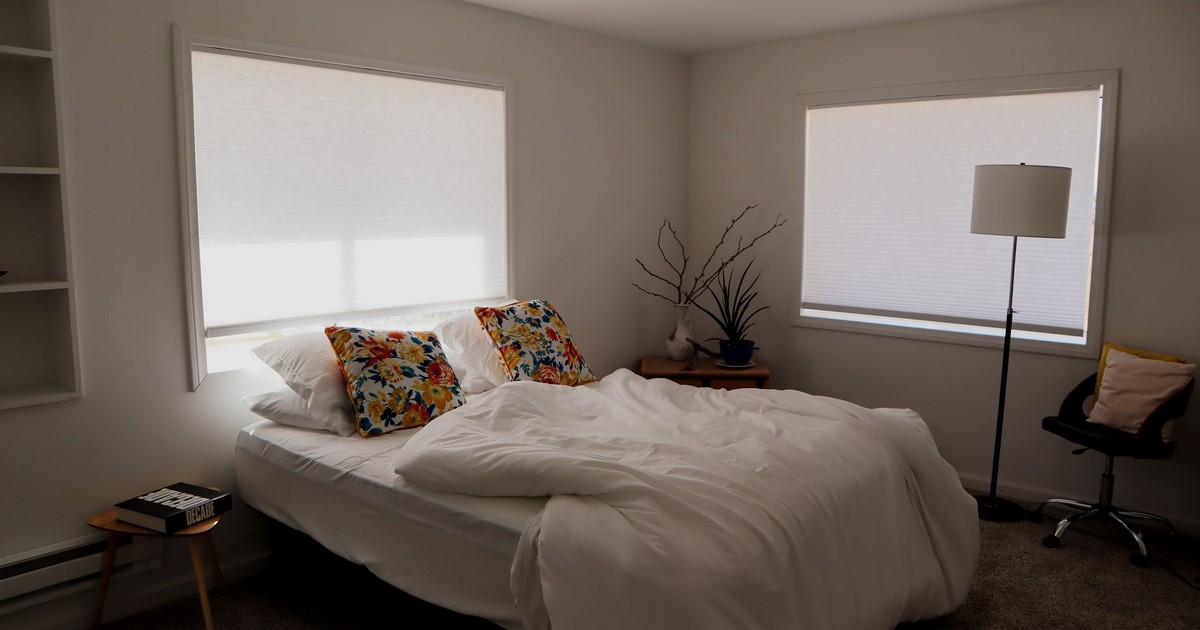
The home environment mood relationship is not abstract. It’s biological, it’s measurable, and it’s responsive to changes that don’t require money or a renovation. A cleared surface, a lamp on a timer, a plant on a shelf, a curtain opened in the morning: these are not decorating decisions. They are calibration decisions about the condition of your nervous system.
None of this means the harder things aren’t also true. If you’re living under significant stress, no amount of rearranging furniture is going to solve it, and a well-lit room doesn’t substitute for actual rest or support. But what the research makes clear is that the space around you is not a neutral backdrop; it is an active input. Most of us aren’t treating it like one.
The easiest place to start is not a list of purchases. It’s a single question: which room in this house makes me feel worst, and what’s one thing in it I could change today? The answer is usually obvious. The action is usually smaller than you think. And the gap between knowing that and doing it is almost always just the pile of mail on the counter you’ve been walking past for three weeks.
Disclaimer: This information is not intended to be a substitute for professional medical advice, diagnosis, or treatment and is for information only. Always seek the advice of your physician or another qualified health provider with any questions about your medical condition and/or current medication. Do not disregard professional medical advice or delay seeking advice or treatment because of something you have read here.
AI Disclaimer: This article was created with the assistance of AI tools and reviewed by a human editor.