

Parents wonder constantly whether screen time is harming their child or whether the anxiety is overblown. The research now points to something more specific: two particular windows of development, infancy and early toddlerhood, carry consequences for brain architecture, cognitive function, and mental health that persist far longer than most parents have been told to expect.
The data has sharpened dramatically in the last two years. Studies that once measured whether screen time was associated with speech delays or behavioral problems have given way to decade-long longitudinal research that tracks children from infancy through adolescence, imaging their brains at multiple points along the way. The effects of screen time on children are not uniformly distributed across childhood. They appear to be concentrated at precise developmental moments, and the downstream consequences unfold in ways that are not visible for years.
The sheer scope of recent research makes it possible, for the first time, to name those moments clearly, explain what the science suggests is happening in the brain, and say specifically what it means for families navigating a world saturated with screens.
The Two Ages That Carry the Most Weight

Before Age Two: The Infancy Window
A December 2025 study in eBioMedicine tracked the same children for more than a decade, with brain imaging at multiple time points, to map a possible biological pathway from infant screen exposure to adolescent mental health. This is the first paper on screen time to incorporate measures spanning over ten years. The study focuses on infancy, a period when brain development is most rapid and especially sensitive to environmental influences.
Infants with more screen time showed premature specialization in brain networks involved in visual processing and cognitive control, which later reduced flexibility during thinking tasks. These developmental changes were associated with slower reaction times at age eight and higher anxiety at age thirteen.
During infancy, the brain is building broad, flexible networks, and the expectation embedded in normal development is that those networks will be shaped by rich, varied, embodied experience: faces, voices, textures, movement, reciprocal human interaction. When screens replace a significant portion of that input, the networks specialize earlier than they should. Screen exposure before age two, but not at ages three or four, predicted those long-term brain changes.
This premature specialization came at a cost: children with these altered brain networks took longer to make decisions during a cognitive task at age 8.5, suggesting reduced cognitive efficiency or flexibility. Those with slower decision-making, in turn, reported higher anxiety symptoms at age 13.
A 2023 longitudinal cohort study from NUS Medicine, published in JAMA Pediatrics, adds further weight to this picture. Drawing on data from 506 children, the research confirmed that excessive screen time during infancy is linked to detrimental outcomes in cognitive functions, which continue to be apparent after eight years of age. When these children were 12 months of age, parents were asked to report the average amount of screen time consumed on weekdays and weekends. At 18 months of age, brain activity was also collected using electroencephalography, a highly sensitive tool which tracks changes in brain activity.
Both studies point to infancy as a period of particular biological vulnerability in which environmental inputs, including screen-based inputs, are incorporated into the architecture of the brain itself, not simply as behavioral patterns but as structural and functional changes that shape outcomes a decade later.
Age Two: The Preschool Threshold
A February 2025 study published in Scientific Reports found that preschool children who spent more than one hour per day on screens at age 2 were more likely to be obese, have more illnesses and visits to their doctor, have lower physical motor skills, and may exhibit hyperactivity problems at 4.5 years of age.
That finding is notable because it maps a coherent set of downstream physical and behavioral outcomes to a specific exposure level at a specific age. One hour per day at age two is not a high bar. It is a threshold that many families exceed without realizing the developmental implications.
A longitudinal study of 2,441 Canadian mothers and children found that more time per week spent on screens at ages 2 and 3 years was linked with poorer performance on screening tests for behavioral, cognitive, and social development at ages 3 and 5 years, respectively.
Preschool children who spend more time on screens, both television viewing and electronic media use, score lower on language production, language comprehension, and parent-child closeness. There was support for the displacement hypothesis, with significant indirect effects of screen time on language and parent-child closeness through reductions in shared reading and quality parent-child interactions.
The harm from screen time at age two is not only direct. Every hour a child spends watching a screen is an hour not spent in the kind of back-and-forth conversational exchange, joint attention, shared play, and tactile exploration that builds language and social cognition.
What Is Actually Happening in the Brain
Structural Changes
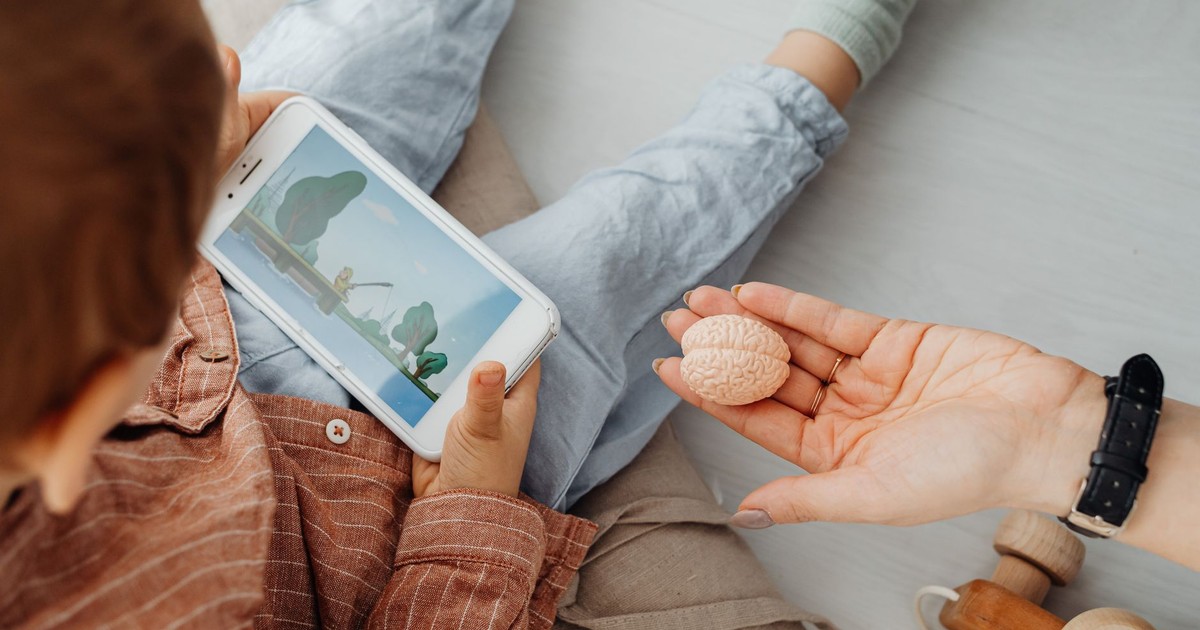
A August 2025 preprint study examined MRI data from toddlers at ages two and three and found a concurrent negative relationship between screen time and right pars triangularis volumes at age two, alongside poorer language outcomes. The pars triangularis is a region of the brain’s inferior frontal gyrus associated with language production and semantic and syntactic processing.
Smaller volumes at age two predicted greater screen time usage at age three, mediated by poorer language outcomes. Children with smaller volumes and weaker language skills at age 2 became more likely to rely on screens at age 3, suggesting that early vulnerabilities amplify later screen use. Screen time may not only cause developmental delays but may also be sought out more by children who are already experiencing them, creating a self-reinforcing pattern that compounds over time.
Executive Function Across the Long Arc
Executive function, the set of cognitive processes that govern planning, impulse control, attention, and working memory, is among the developmental outcomes most consistently associated with early screen time in the research literature.
In a semi-longitudinal study, screen time at age 12 months was negatively associated with executive functions at age 9 years. A cross-sectional study found an association between screen time in minutes and inhibitory self-control as well as metacognition at age 24 months. In the same study, meeting screen time recommendations of fewer than one hour per day had a positive association with executive functions, inhibitory self-control, and metacognition.
A January 2025 scoping review in Frontiers in Developmental Psychology synthesized findings across 158 studies published between 2007 and 2024, examining screen time in the first three years of life across outcomes including sleep, physical health, cognition, learning efficiency, language, motor development, and socio-emotional skills. Findings on executive function were mixed, with results varying across study designs, ages, and exposure types.
Language and Communication: A Special Case

Language development occupies a central place in the screen time research for good reason. The preschool years are a critical period for language acquisition, and the conditions that support it, responsive adult conversation, shared reading, child-directed speech, and joint attention, are precisely the conditions that screen time tends to displace.
Research on handheld screen time found it specifically linked to expressive speech delays in children as young as 18 months, with each additional 30 minutes of daily handheld screen exposure increasing the risk of delay by 49 percent.
After 18 months of age, each extra hour of screen exposure per day was associated with around a 20 percent increased likelihood of sensory processing differences, according to a study published in JAMA Pediatrics. Sensory processing differences affect how children respond to input from their environment: whether they seek out stimulation or are overwhelmed by it, whether they find textures intolerable or sounds distressing. The processes connecting screen time to sensory processing are still being mapped, but researchers hypothesize that the specific kind of sensory input screens provide, high-contrast visual information delivered at a pace children cannot control, may calibrate the sensory system differently than embodied, self-paced experience does.
There are indications that as children begin to develop a better understanding of the world around them, at about age 17 months, spending time with educational content with an adult present can help them with vocabulary development. The research does not suggest that all screen content is equivalent, or that co-viewing with an engaged adult carries the same risk profile as passive, solo viewing. Passive, unaccompanied screen exposure, particularly in the first two years, is where the most consistent developmental risks accumulate.
Physical Health Consequences

The developmental consequences of screen time extend beyond the cognitive and neurological. Physical health outcomes are among the most well-documented in the literature, with obesity, sleep disruption, and motor development all showing clear associations with early screen exposure.
Weight, Activity, and Motor Skills
Time spent sedentary in front of a screen replaces time that would otherwise be spent in active play, and active play in early childhood is the primary vehicle through which gross motor skills, coordination, and physical fitness develop. Children exceeding one hour of daily screen time at age two showed higher rates of obesity, more frequent illness and medical visits, lower physical motor skills, and greater likelihood of hyperactivity problems by age 4.5, compared with children who stayed within that threshold.
Excessive screen time has been found to be associated with poor dietary outcomes, worse motor and executive function development, more aggressive behaviors, and worse emotional and behavioral outcomes in children aged 0 to 7 years. Children who watch more screen content are exposed to higher volumes of food advertising and tend to eat more while distracted, two factors that contribute independently to excess caloric intake.
Sleep Architecture
The blue light emitted by screens suppresses melatonin production, the hormone that signals the brain to prepare for sleep. In very young children, whose sleep architecture is still developing, this suppression has broader implications than it does in adults: disrupted sleep in infancy and early toddlerhood affects growth hormone release, immune function, emotional regulation, and the memory consolidation processes that undergird learning.
Higher screen time has been connected with adverse health consequences, including obesity and depressive symptoms in children. The relationship between sleep disruption, screen time, and emotional outcomes in young children is increasingly understood as a loop rather than a linear chain: poor sleep makes children more irritable and emotionally reactive, which increases the appeal of the soothing effect of screens, which further disrupts sleep.
What the Guidelines Say, and Why Families Exceed Them
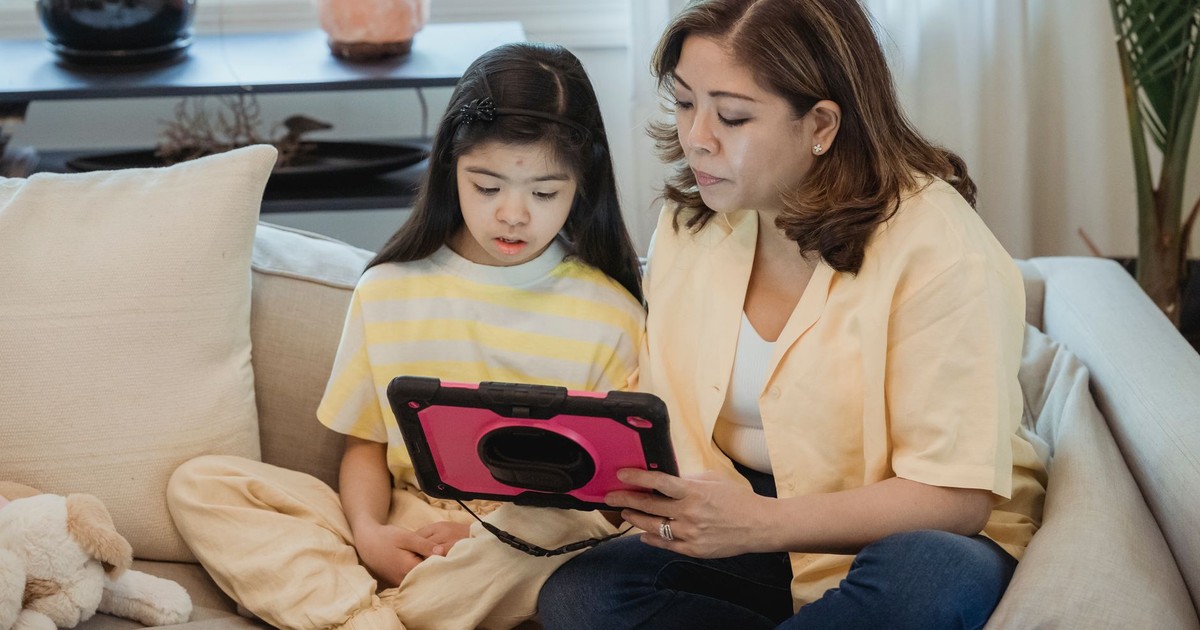
The American Academy of Pediatrics recommends no screen time for children under 18 months, with the exception of video chatting. For children aged two to five, the recommendation is a maximum of one hour per day of high-quality programming, ideally with a caregiver present.
A 2018 Alberta study showed children at 2, 3, and 5 years old watching about 17, 25, and 11 hours of television per week, respectively, equivalent to approximately 2.4, 3.6, and 1.6 hours per day. In the United States, most 2-year-olds use a digital device daily, and 9 of every 10 children are introduced to a device before their first birthday.
The 2025 Common Sense Media Census found that children ages zero to eight now average 2.5 hours of screen time per day. For children in the five to eight age group specifically, that figure rises to three hours and 28 minutes daily. Average daily time spent on short-form video platforms jumped from just one minute in 2020 to 14 minutes in 2024, a 14-fold increase in four years. Gaming time surged 65 percent over the same period.
Screens are useful, immediately available, and often feel like the most efficient tool for managing the competing demands of parenting a young child. The problem is not that parents are indifferent to the evidence. It is that the evidence, until recently, has not communicated clearly enough which ages carry the highest risk, or precisely what the processes of harm are.
The Role of Content Type and Co-Viewing
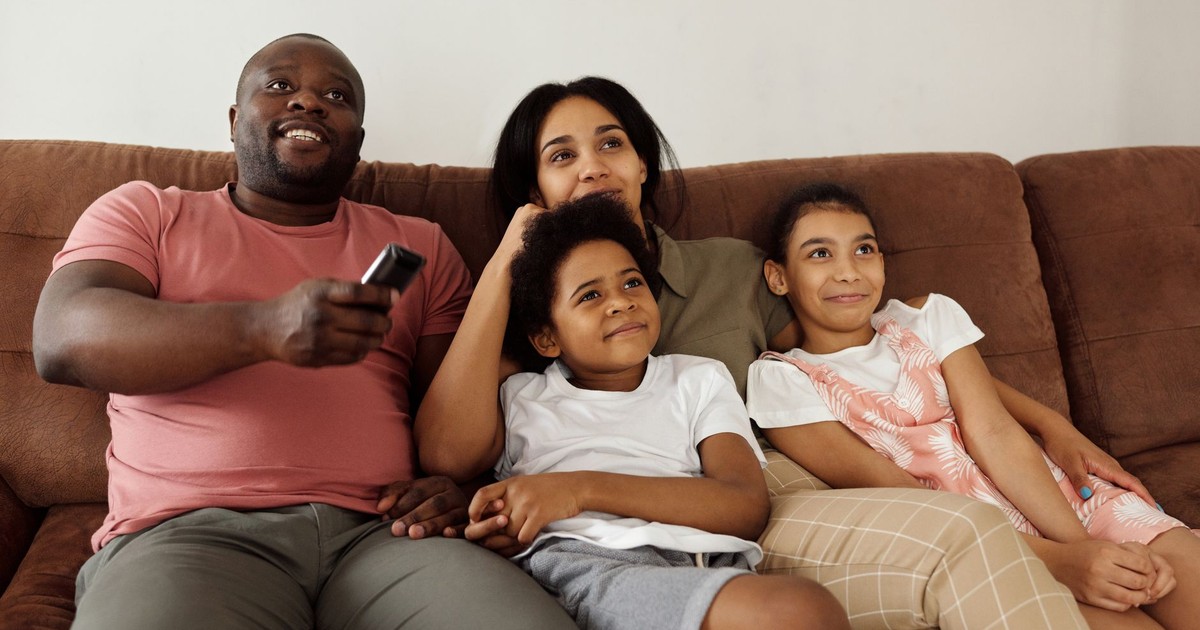
Not all screen exposure carries the same risk profile, and the research is consistent on this point. Passive solo viewing of fast-paced, entertainment-oriented content represents the highest-risk exposure profile for young children, particularly under age two. Educational content, watched with an engaged adult who narrates, asks questions, and connects what appears on screen to the child’s existing experience, carries a substantially different developmental signature.
Programs and shows designed specifically to teach children can help boost school readiness. Children exposed to educational content tended to score higher on measures of numbers, letters, colors, shapes, and spatial size than their peers who watched more general adult television. Some research also indicates that educational screen time could potentially enhance social and language skills, especially in lower-income homes.
This does not mean educational content is without risk at the youngest ages. The first two years of life are critical for brain development, and the basic issue for children under two is not primarily content quality. It is that screens of any kind occupy developmental time that would otherwise be spent in the kind of face-to-face, contingent social interaction that the infant brain requires for normal growth.
Read More: Giving Your Child a Smartphone Is “Like Giving Them Drugs,” Says Top Addiction Expert
What This Actually Means
The central finding across the most rigorous recent research is not that screens are uniformly harmful across childhood. It is that two ages, infancy (particularly the period before 18 to 24 months) and the toddler threshold around age two, are developmental windows where screen exposure carries measurable, long-lasting consequences that manifest in brain structure, executive function, language development, sensory processing, physical health, and mental health outcomes in adolescence.
The infancy window carries particular weight because it is the period during which the brain is building its foundational networks, and those networks appear to be shaped, at a structural level, by the ratio of screen-based input to embodied, human-interactive experience. The age-two window is significant because it sits at the intersection of language acquisition, motor development, and the beginning of executive function formation, all of which are disrupted by screen exposure that displaces the activity-based learning and rich conversational interaction those processes depend on.
What this body of evidence makes increasingly clear is that the question parents are most often asked to answer, “Is this show okay?” or “Is 30 more minutes going to hurt?” is the wrong level of analysis. The more useful question is structural: how much of the first two years of this child’s life is being spent in front of a screen rather than in contingent, responsive human interaction? The research now has enough resolution to say that the answer to that question has consequences measured not in weeks but in decades. No parent will get this perfectly right, and the research is not asking for perfection. What it is asking for, with increasing urgency, is for families to understand that infancy is not a neutral period, and that the choices made during it leave a longer trace than most of us were ever told.
Disclaimer: This information is not intended to be a substitute for professional medical advice, diagnosis, or treatment and is for information only. Always seek the advice of your physician or another qualified health provider with any questions about your medical condition and/or current medication. Do not disregard professional medical advice or delay seeking advice or treatment because of something you have read here.
AI Disclaimer: This article was created with the assistance of AI tools and reviewed by a human editor.