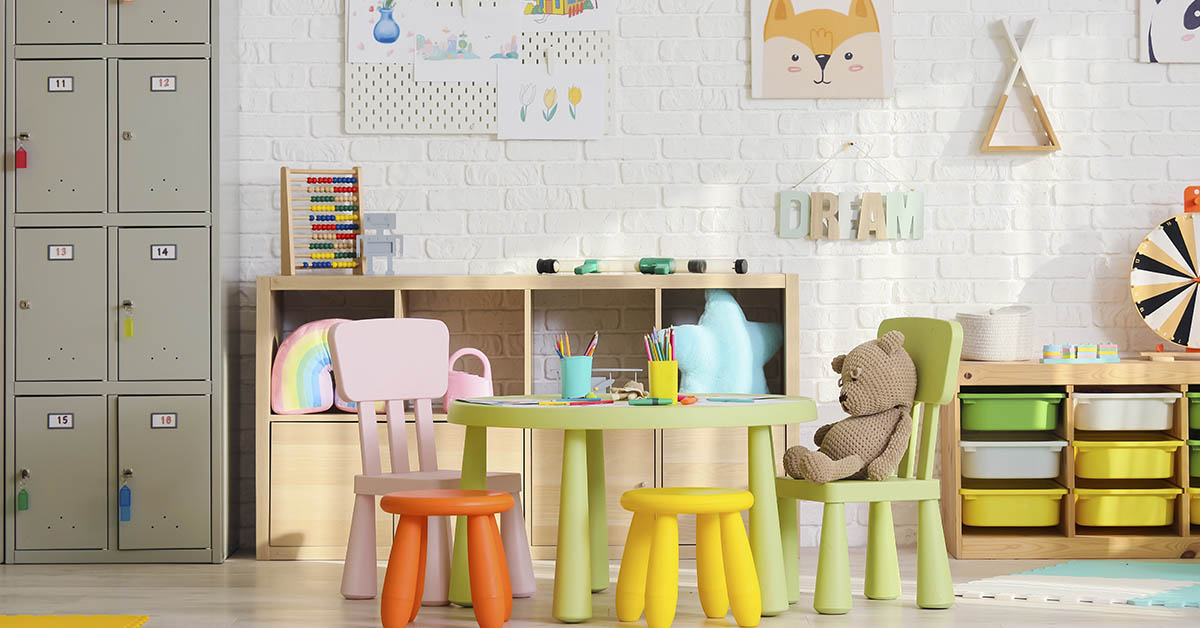

For a long time, mornings felt like something I had to force myself into. Not because I hated my job, or because I dreaded the day ahead. Teaching had always been the one place where life felt structured and dependable.
A classroom has its own rhythm. The bell rings, students shuffle in, backpacks drop to the floor, pencils roll off desks, and conversations bloom instantly like birdsong. No matter what storms exist outside the building, a classroom keeps moving forward.
Still, there was a hollow place inside me that routine alone could not fill.
Eight years had passed since my son Oliver died, yet the sentence still felt strange every time it formed in my mind. Loss does something peculiar to time. The rest of the world continues normally. Seasons change, birthdays pass, buildings get repainted, and children grow taller. But inside you, a small portion of time freezes. It remains fixed at the exact moment everything changed.
Oliver had been six years old.
He had the kind of restless energy that filled every room he entered. He ran instead of walking, climbed things that were clearly not meant to be climbed. If there was a puddle, he jumped in it. If there was a bug on the sidewalk, he crouched beside it like a scientist making a groundbreaking discovery.
Most of all, Oliver loved dinosaurs.
Not the casual fascination most children pass through for a few weeks. His interest ran deeper than that. He memorized names most adults struggled to pronounce. He studied books with diagrams of skeletons and fossils. Sometimes he even corrected museum signs when he thought they were wrong.
Once, while standing in the grocery store checkout line, he proudly announced to the cashier that Ankylosaurus had a tail club capable of breaking bones. The poor woman blinked twice, unsure how to respond to this sudden prehistoric lecture.
“That’s… impressive,” she finally said.
Oliver nodded with great pride.
“I like the strong dinosaurs,” he explained.
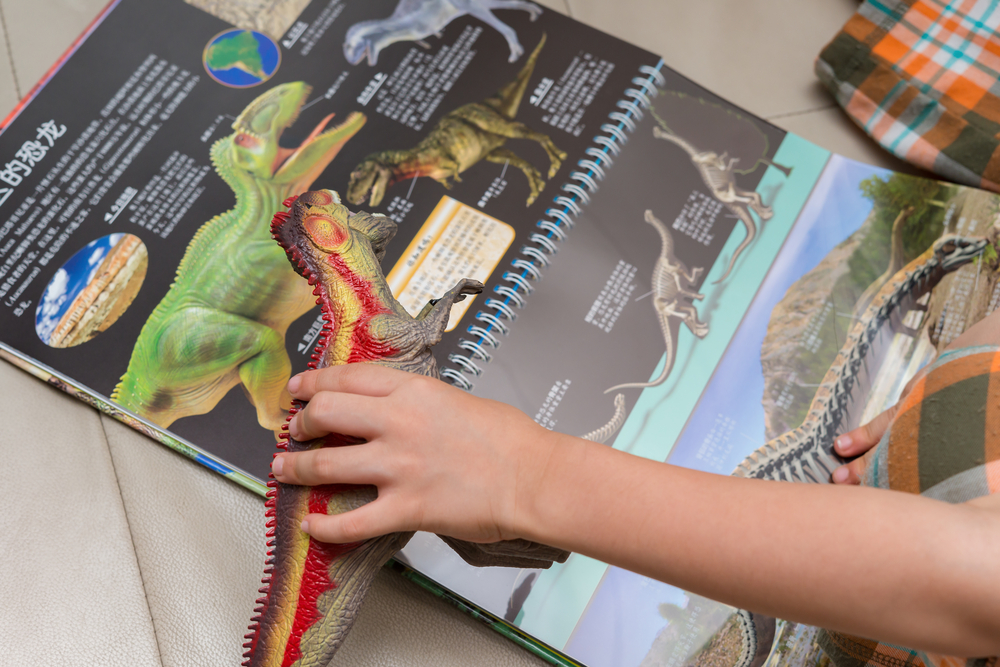
My husband Daniel used to laugh and say Oliver had the enthusiasm of three children packed into one small body. The house always felt loud and bright when he was around. Toys were scattered across the floor. Crayon drawings taped to the refrigerator. Dinosaur figurines stand guard along every windowsill.
And then one winter afternoon, everything stopped.
The accident itself lasted only seconds. A driver ran a red light. Oliver had been walking home from school with a neighbor and her daughter. The adults survived. Oliver did not.
The days that followed blurred together in ways I can barely remember now. There were phone calls, visitors, quiet condolences spoken in careful voices. Our house was filled with flowers that eventually wilted on the kitchen counter.
After the funeral, silence settled in.
The dinosaur toys stayed exactly where Oliver had left them. His small blue sneakers sat beside the front door for months. I couldn’t bring myself to move them. Some part of me believed that if they stayed there long enough, he might walk back through the door and put them on again.
Daniel grieved differently. He buried himself in work, trying to maintain some sense of normal life. I stayed closer to the memories, replaying them constantly like fragile film reels. Eventually, time pushed us forward whether we were ready or not.
Two years later, Daniel accepted a job in another city. The move felt necessary. Our old house had become a museum of grief. Every room carried echoes that were too painful to hear every day.
The new city felt unfamiliar at first, but slowly we adjusted.
I found a job teaching second grade at a small elementary school near our neighborhood. Walking into that classroom for the first time brought both comfort and fear. The children sitting at those desks were roughly the same age Oliver would have been.
At first, it hurt in ways I couldn’t fully explain. Their laughter reminded me of him. Their drawings reminded me of him. Even the way they asked endless questions about the world reminded me of him.
But children also have a remarkable ability to pull people back into life.
They do not dwell in sadness the way adults do. They cry when they need to cry, then five minutes later, they laugh about something entirely different. Their emotional world moves quickly.
Gradually, the classroom became a place where grief softened instead of sharpened. Eight years passed that way. By then, I had reached something close to peace. Oliver still lived in my heart, but the pain no longer controlled every moment of my day. Or at least, that was what I believed.
Everything changed on a quiet Monday morning in early autumn. The school secretary knocked gently on my classroom door and stepped inside with a small boy standing behind her.
“I’ve got a new student for you,” she said.
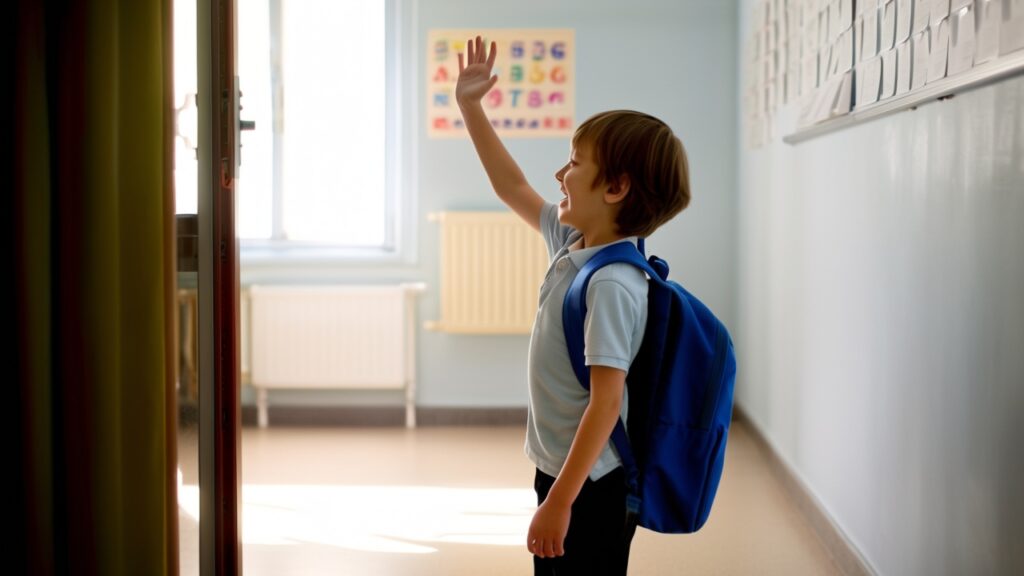
Image credit: Shutterstock.
The boy had sandy hair, curious eyes, and a backpack that looked slightly too large for his shoulders.
“This is Noah,” she continued. “His family just moved here.”
I crouched down and offered a warm smile.
“Hi, Noah. I’m Mrs. Carter. We’re glad you’re here.”
He gave a small nod.
“Hi.”
He stepped into the classroom slowly, scanning the room like a tiny explorer entering unfamiliar territory. Then he pushed up the sleeve of his sweater.
And that was when I noticed the birthmark. Oval-shaped. Dark brown. In exactly the same spot where Oliver had one.
Small Details That Felt Strangely Familiar
During Noah’s first week, I tried to dismiss the strange feeling entirely. Teachers cannot afford to get lost in their thoughts while supervising a room full of energetic second graders. One moment of distraction can lead to spilled glue, broken pencils, or a heated argument over whose turn it is to sharpen a crayon.
So I focused on the routine.
Morning attendance. Reading groups. Math practice.
But still, Noah caught my attention in subtle ways.
One afternoon, during a writing assignment, I asked the class to write about their favorite animal. Most students chose pets or farm animals.
Noah wrote about dinosaurs.
When he finished, he walked quietly to my desk and placed the paper down.
“I’m done.”
I glanced at the title, The Strongest Dinosaur Ever. Something in my chest stirred. Oliver used to write titles like that.
Halfway through the story, I noticed Noah had chosen Ankylosaurus as the hero of his story.
I looked up.
“You like Ankylosaurus?”
Noah’s face brightened.
“Yeah. The tail club is cool.”
The sentence hit me like a soft echo from the past. Oliver used to say that.
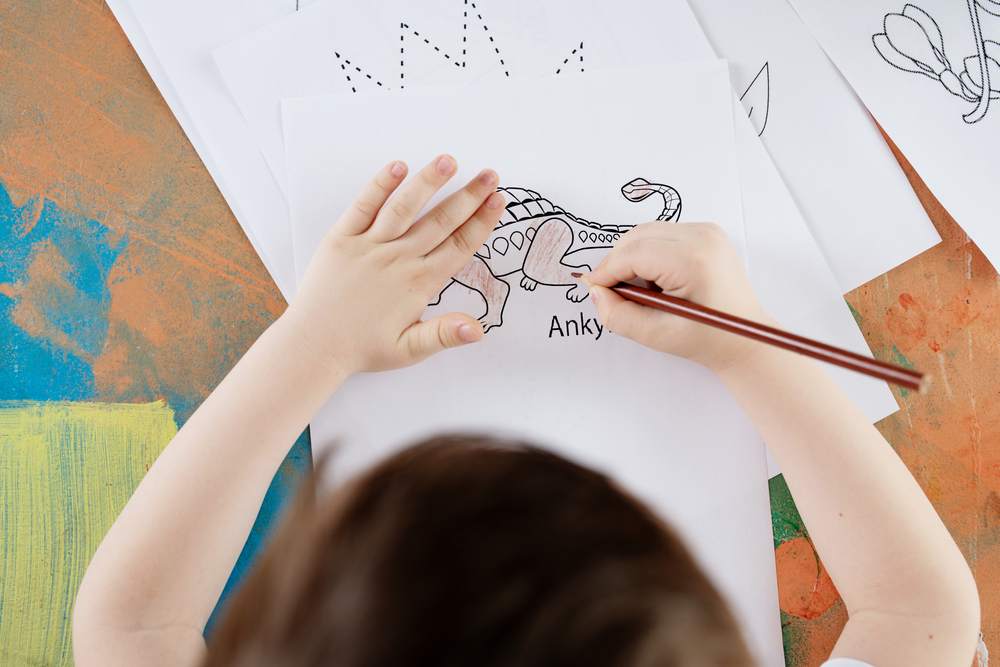
Over the next few days, I began noticing other similarities. The way Noah tapped his pencil lightly against the desk before writing. The thoughtful pause he took before answering questions. The quiet humming sound he made when concentrating.
None of these things was unusual. But together they created a strange sense of familiarity.
One afternoon during recess, Noah stayed inside finishing a drawing. I walked past his desk and paused. He had drawn a dinosaur skeleton inside a museum exhibit.
“You like museums?” I asked.
He nodded.
“I think so.”
“You think so?”
“I feel like I’ve been to one before.”
The comment was casual, but it lingered in my mind longer than it should have.
Later that day, Noah noticed the framed photograph on my desk.
“Is that your son?”
I nodded.
“Yes. His name was Oliver.”
Noah studied the picture quietly.
“He looks nice.”
“He was.”
After a moment, Noah asked softly,
“What happened to him?”
I took a slow breath.
“He died a long time ago.”
Noah absorbed the information calmly, without the awkward silence adults usually produce.
“Did he like dinosaurs?”
I couldn’t help smiling slightly.
“Very much.”
Noah seemed pleased with the answer.
But when he pushed up his sleeve later that afternoon, and that familiar birthmark appeared again, the strange feeling returned stronger than before.
The Question I Could Not Stop Asking
As autumn progressed, Noah settled easily into the class. Within weeks, he was simply another student among many.
Yet the quiet questions in my mind refused to disappear.
During a science lesson about fossils, I passed around plastic replicas for the students to examine.
Most kids shouted guesses immediately.
“It’s a tooth!”
“It’s a claw!”
Noah studied the fossil silently before speaking.
“I think it’s part of a foot bone.”
“What makes you think that?” I asked.
“The shape. It looks like something that holds weight.”
The observation surprised me. It also reminded me of Oliver examining seashells on the beach years earlier.
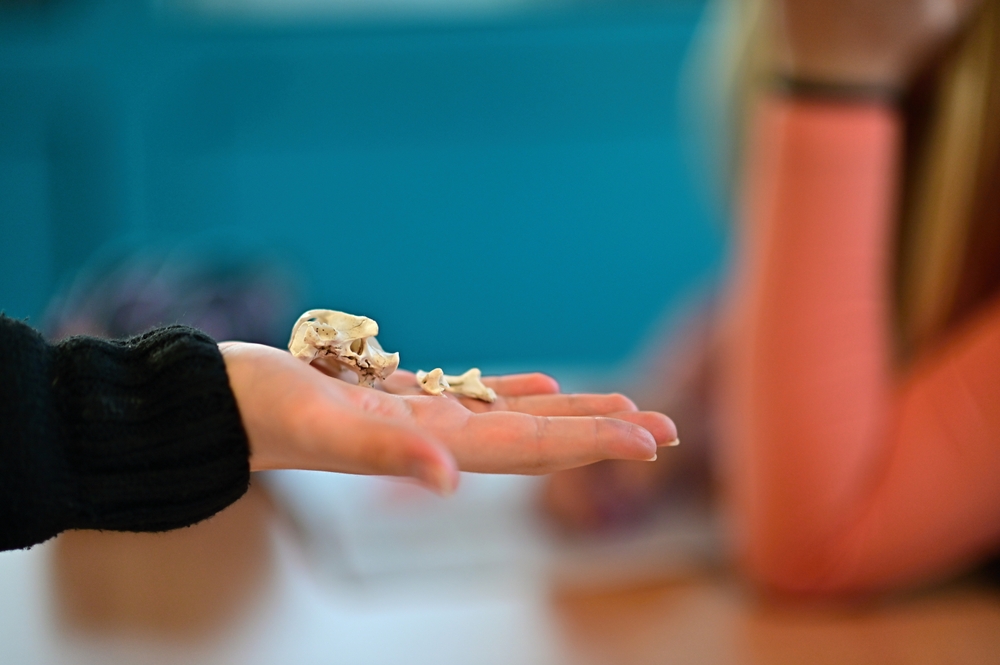
Image credit: Shutterstock.
That evening, I mentioned the similarities to Daniel while we were eating dinner.
“There’s a boy in my class who reminds me of Oliver,” I said quietly.
Daniel looked up.
“In what way?”
“He likes dinosaurs. And he has a birthmark in the same spot.”
Daniel listened patiently.
“Those things happen,” he said gently.
“I know.”
“I think you’re just noticing similarities because you miss him.”
Part of me knew he was probably right.
Later that night, I lay awake thinking about Noah’s thoughtful answers in class, his fascination with dinosaurs, and that strange birthmark.
Coincidences happen every day.
But sometimes enough coincidences gather together that they start to feel like something else.
The Day Everything Felt Too Familiar
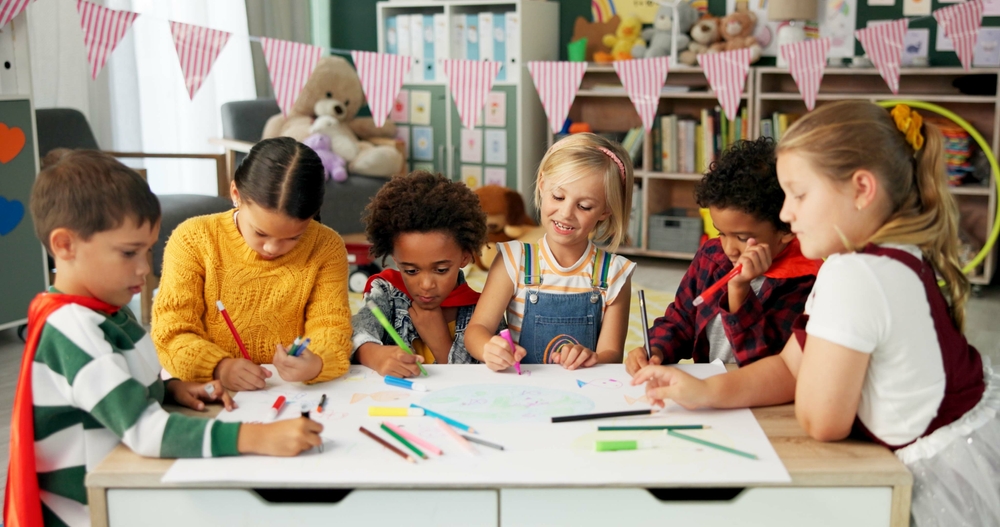
One October afternoon, the class worked on a drawing assignment about their favorite memories.
Most students drew birthday cakes, playground scenes, or family trips.
Noah drew a museum.
A large dinosaur skeleton towered above a small boy standing beneath it.
I knelt beside his desk.
Read More: Three Sons Left Her With Nothing — Then Fate Handed Her the Keys to a Mansion – a Short Story
“Tell me about it.”
“I think it’s a museum,” he said.
“You think?”
“I don’t remember it exactly. But I feel like I’ve been somewhere like this.”
The comment sent a strange chill through me.
Oliver’s favorite place in the world had been the natural history museum.
Later that afternoon, Noah paused beside my desk before leaving. He looked again at Oliver’s photograph.
“He seems nice,” Noah said.
“Yes, He was.”
Noah smiled slightly.
“I’m glad you remember him.”
And then he walked out of the classroom.
The Conversation That Changed Everything
That night, a thunderstorm rolled across the city. Thunder had always reminded me of Oliver. As a child, he hated the loud cracks that shook the windows. He would quietly walk into our bedroom and whisper,
“I’m scared.”
Daniel would pull back the blanket.
“Come here, buddy.”
Years later, lying awake while thunder echoed across the sky, those memories returned with unusual clarity.
The next morning, Noah looked tired when he arrived at school.
“Rough night?” I asked.
“A little,” he admitted.
“The thunder?”
“I don’t like it when it cracks really loud.”
The sentence sounded so familiar that it sent a quiet shiver through me.
Later that day, while the class worked on another drawing project, Noah once again sketched a museum scene filled with dinosaur skeletons.
Read More: He Brought His Girlfriend Home, But Someone Locked Her in the Basement – A Short Story
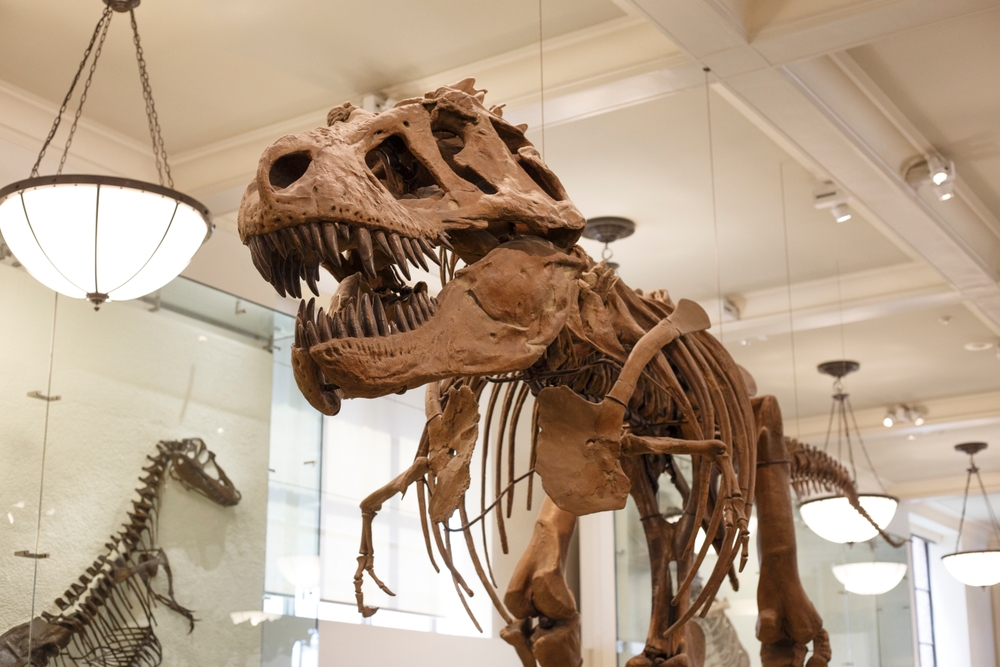
“I think I liked this place,” he said thoughtfully.
I couldn’t explain why the comment stayed with me.
When the final bell rang, Noah paused near my desk before leaving.
His eyes drifted to Oliver’s photograph again.
“He seems like he was a good kid.”
“He was.”
“I’m glad you remember him.”
Then he picked up his backpack and walked out into the hallway.
I remained seated at my desk long after the classroom emptied. The afternoon sunlight stretched across the floor, illuminating scattered papers and children’s drawings.
Part of me wanted a logical explanation. Coincidences happen. Memories influence perception. Grief can make us see connections that aren’t truly there. But another part of me felt something gentler.
Not certainty. Not proof. Just a quiet sense of peace.
Weeks passed. Noah continued to grow more confident in class. His curiosity about science expanded, and his love of dinosaurs became obvious to everyone.
Now and then, he would push up his sleeve while working, and that familiar birthmark would catch my eye. Each time it did, the strange warmth returned.
I still cannot explain why that small boy walked into my classroom carrying so many echoes of the past. Maybe it was a coincidence. Maybe it was simply the way memories shape how we see the world.
Or maybe life sometimes gives us quiet reminders that love doesn’t truly disappear. Sometimes it just finds new ways to walk back into the room.
Disclaimer: This fictional story was inspired by stories from around the web. Any similarities between this story and actual people are purely coincidental.
Read More: After Decades Apart, She Found Her Twin at 73 – A Short Story