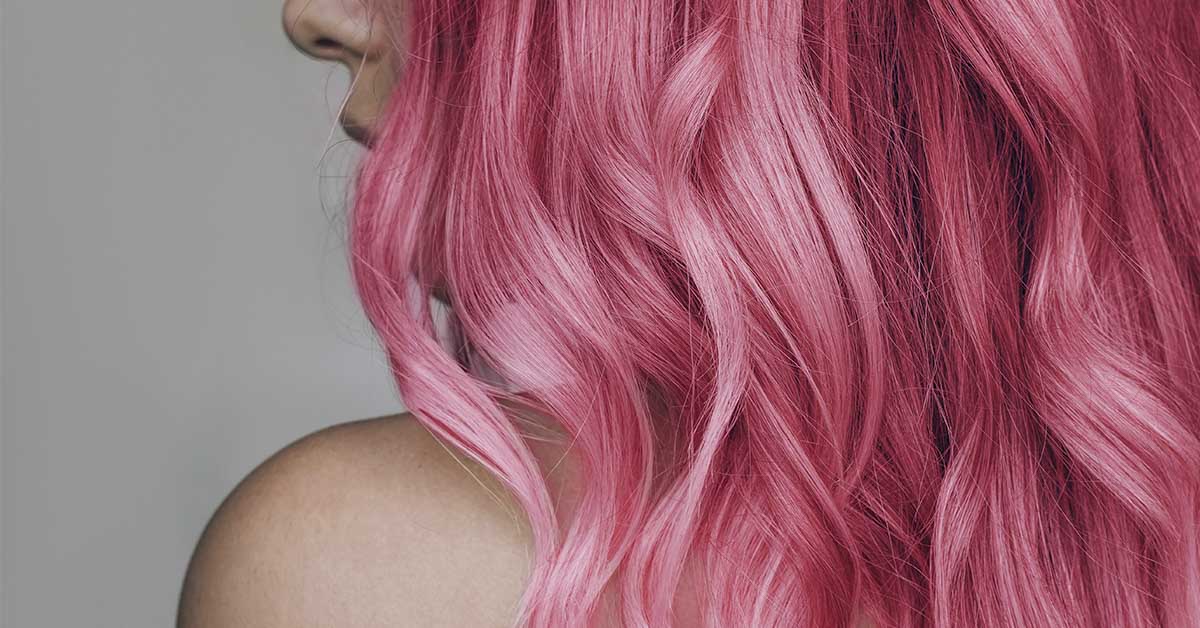

Most workplaces have some kind of dress code. Sometimes the rules are simple, like wearing closed-toe shoes or avoiding clothing with offensive graphics. Other times, they go further, covering everything from visible tattoos to hairstyles. In theory, these policies exist to keep things professional and consistent. In practice, they occasionally produce the exact opposite result.
That is exactly what happened when 29-year-old Emily Benschoter was told she could no longer wear her bright pink hair at work. Her manager introduced a policy banning “unnatural hair colors,” meaning pink, blue, green, and other vibrant shades were suddenly off-limits. The employee did not argue. She did not protest either. Instead, she decided to follow the rule as carefully as possible. “Dying my hair for a job I work at for 40 hours per week wasn’t an option,” Emily said to Newsweek
However, she also found a way to make the situation unforgettable. Rather than dyeing her hair back to a natural color, she started covering it with wigs. At first glance, that seemed like a reasonable compromise. After all, the dress code only said that unnatural hair colors were banned. It never said anything about wigs.
The catch was that the wigs she chose were huge and completely ridiculous. Soon, coworkers began laughing, customers noticed, and eventually the internet got involved. What started as a quiet dress code dispute turned into a viral example of something people online love to celebrate: malicious compliance.
When a Dress Code Targets Pink Hair
The story began in 2023 when the Emily shared her experience online after a change in workplace policy. She had been working with bright pink hair for quite some time, and until that point, it had not caused any issues. Coworkers were used to it, and customers did not seem bothered either. However, management eventually introduced a stricter appearance rule. The new guideline banned unnatural hair colors, meaning shades like pink, purple, blue, or green were no longer allowed.
For Emily, the change felt unnecessary. Still, the rule applied to everyone, so she decided not to fight it directly. Instead, she looked for a way to follow the rule without giving up her personality entirely. Her solution appeared the next morning when she arrived at work wearing a wig.
Technically speaking, she was now fully compliant with the policy. The wig was a natural color, and her pink hair remained hidden underneath. On paper, she was doing exactly what the rule required. However, there was one small detail that management probably did not anticipate. The wig looked terrible.
Instead of choosing something subtle, she selected an oversized hairstyle that looked like it belonged in a costume shop rather than an office. Coworkers immediately noticed the change. At first, they assumed it might be a joke or a one-time stunt. Yet the following day, she returned with another wig.
Then another.
Each one seemed slightly worse than the last. Some were far too big, while others had awkward curls or strange shapes. A few looked like theatrical props rather than something a person would wear to work. Yet every wig technically followed the policy. Her real hair was hidden, and the wig itself was a natural color. In other words, she was following the dress code perfectly.

When the Internet Discovers the Wig Strategy
The situation might have stayed an inside joke if someone had not shared it online. Once the story appeared on social media, people immediately embraced the humor. Viewers were fascinated by the Emily’s clever approach. She had not broken the rule or confronted her boss. Instead, she followed the policy so literally that it exposed how silly the situation had become.
Soon, the story spread across platforms like TikTok and Reddit. News outlets picked it up as well, turning the wig strategy into a viral moment. Many viewers focused less on the wigs themselves and more on the clever logic behind them. If the goal of the policy was to avoid distracting hairstyles, the wigs arguably created a bigger distraction than the original pink hair.
That is why so many people online described the situation as a perfect example of malicious compliance. The phrase refers to obeying instructions exactly as written while also highlighting the flaws in those instructions. It is not open rebellion. Instead, it is extremely precise rule-following that reveals the problem on its own.
Why Malicious Compliance Feels So Satisfying

Image credit: Shutterstock.
Part of the reason stories like this spread so quickly online is that many people relate to them. Almost everyone who has worked in an office has encountered a rule that felt unnecessary or overly strict. Sometimes those policies exist for good reasons. Other times, they simply reflect old habits or outdated expectations.
When employees feel stuck with those rules, malicious compliance becomes an amusing way to push back without breaking them. Instead of ignoring the policy, people follow it so carefully that its weaknesses become obvious.
In the pink wig example, humor played an important role. Emily never turned the situation into a confrontation. Instead, the ridiculous wigs created laughter among coworkers. Each new hairstyle turned the dress code into a running joke.
Gradually, the wigs became the real story. People started wondering what style might appear next. Some wigs were fluffy and oversized, while others had strange curls or dramatic volume. A few sat slightly crooked, which only made them more entertaining.
The Wig Strategy Slowly Makes Its Point
As the wigs kept appearing, management faced an unusual problem. Technically, Emily was following the rules exactly. Her pink hair remained covered, and the wigs themselves were natural colors. Yet the hairstyles clearly drew more attention than the original hair ever had.
At that point, the situation became difficult to ignore. A policy meant to maintain a professional appearance had produced something even more distracting. Coworkers were talking about the wigs, customers were noticing them, and eventually the story made its way across the internet.
Different versions of the story describe slightly different outcomes. However, many accounts suggest the situation eventually pushed management to reconsider the policy. After all, if the goal was to reduce distractions, the wigs were not helping.
Regardless of the final decision, Emily had already made her point. By following the rule exactly as written, she revealed its limitations.
The Office Worker Who Found a Loophole With a Kilt
Interestingly, the pink wig story is not the only example of malicious compliance in workplace dress codes. Another famous case involved an office worker dealing with a strict “no shorts” policy.
The company required employees to wear long trousers at all times, even during extremely hot weather. Management believed the rule helped maintain a professional atmosphere for visitors and clients. However, one employee noticed something interesting when reading the policy carefully. While the handbook banned shorts, it never mentioned kilts.
So when summer temperatures climbed, the employee arrived at work wearing a kilt. Technically, he had done nothing wrong. A kilt is not a pair of shorts, and it has a long cultural tradition behind it. From a literal interpretation of the rule, the outfit was perfectly acceptable.
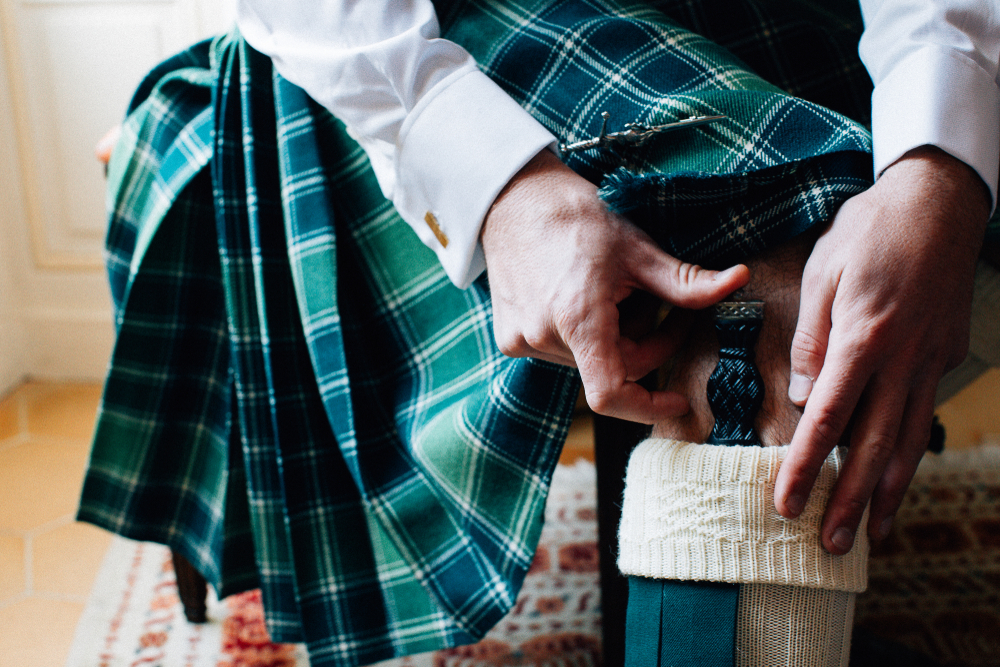
Image credit: Shutterstock.
Naturally, coworkers noticed immediately. Some found the situation hilarious, while others were curious how management would respond. The employee continued wearing the kilt on hot days, and soon the office was buzzing about the dress code loophole.
Eventually, the situation forced management to reconsider the rule. If comfort during summer was the issue, banning shorts while allowing kilts made the policy seem strangely inconsistent. The employee had not broken the rule; he had simply read it very carefully.
The Employee Who Took “Dress More Professionally” Very Literally
Another example began with a simple comment from a supervisor. An employee was told their clothing was not professional enough for the office. The instruction was vague, but the expectation seemed clear. The employee should dress more formally going forward.
Instead of making a small wardrobe adjustment, the employee decided to follow the suggestion completely. The next morning, they arrived wearing a full formal suit.
The outfit included everything one might expect at a business conference: jacket, tie, polished shoes, and perfectly pressed clothing. The twist was that the office itself had a relaxed dress culture. Most coworkers wore jeans and casual shirts. Suddenly, one employee looked like they were preparing to attend a corporate board meeting.
Coworkers immediately started asking questions. Why the dramatic wardrobe change? The employee explained that they were simply following their supervisor’s advice to dress more professionally.
From that point on, the employee continued wearing the suit every day. Technically, the outfit met any definition of professional attire. However, in the casual office environment, it felt oddly excessive. Eventually, upper management heard about the situation and began asking why the supervisor had criticized the employee in the first place.
When Dress Codes Create Unexpected Loopholes
Another workplace story highlights how dress codes can rely on assumptions rather than clear wording. In one office, men were banned from wearing shorts during the summer months. The policy did not apply to women, who were allowed to wear skirts. One employee realized the rule never specifically banned men from wearing skirts as well. So during a heatwave, he arrived at work wearing one.
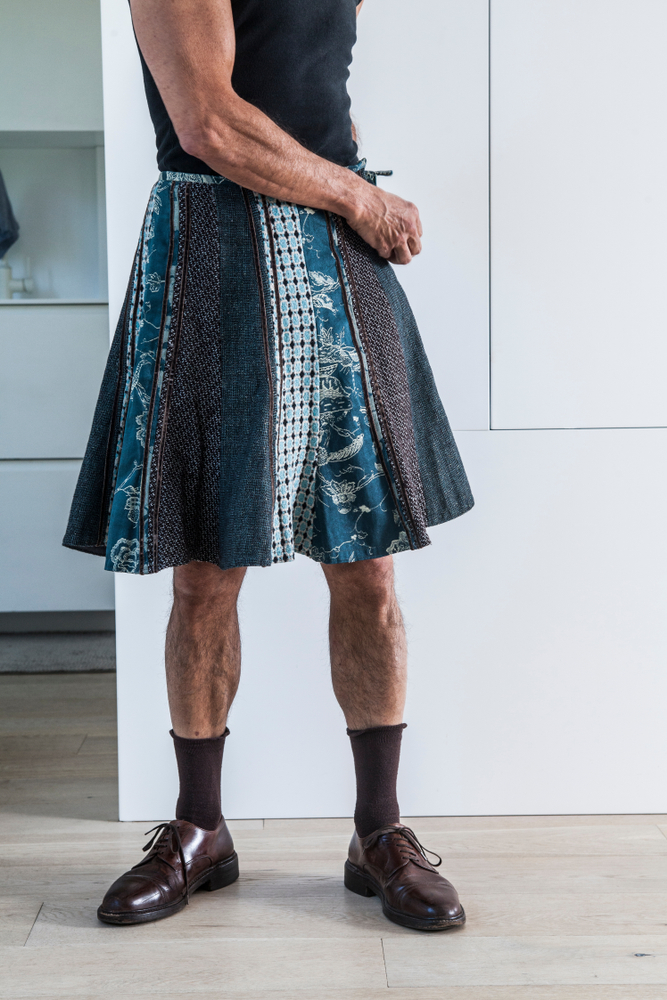
Image credit: Shutterstock.
Technically, he had followed the dress code perfectly. The outfit was tidy and professional. Yet the situation immediately exposed a gap in the policy. Management had assumed employees would interpret the rule in a certain way, but the written guidelines said something different. Once the story circulated online, readers quickly recognized the familiar pattern. The employee had not protested the dress code. Instead, he followed it so carefully that the problem became obvious.
Why These Stories Keep Going Viral
There is a reason stories like these continue to spread across the internet. They combine humor with a sense of fairness that people instinctively understand. Many workers have experienced confusing workplace policies or vague instructions from management. When someone finds a clever way to highlight those flaws, audiences often cheer them on.
At the same time, these stories rarely involve anger or conflict. Instead, they rely on creativity and patience. The employee with the pink hair did not argue with her boss. The worker with the kilt did not refuse the dress code. Each person simply followed the rules in a way that made everyone look twice. In the end, it reminds everyone of an important truth: If you are going to follow the rules, you might as well have a little fun with them.
A.I. Disclaimer: This article was created with AI assistance and edited by a human for accuracy and clarity.
Read More: Woman Criticized For Going Against Tradition By Donning Pink Dress For Her Wedding