
Every year, the spring equinox marks one of the most important turning points in the natural calendar. In 2026, this moment arrives around March 20, when the Sun crosses the celestial equator and day and night become nearly equal across the planet. Astronomically, the event signals the official beginning of spring in the Northern Hemisphere and autumn in the Southern Hemisphere. Yet for centuries, people have attached deeper meaning to this seasonal shift.
Ancient cultures viewed the spring equinox as a symbol of renewal, balance, and fresh beginnings. Farmers associated it with planting season, while early civilizations built temples and monuments aligned with the Sun’s position on this date. Over time, astrology also embraced the equinox as a powerful symbolic moment. In the zodiac calendar, it marks the start of the Aries season and the beginning of a new astrological year.
That connection between astronomy, symbolism, and human behavior still shapes modern horoscope traditions. Many astrologers describe the equinox as a cosmic reset, a moment when motivation rises, and new opportunities appear. While science does not support the idea that planetary positions directly influence our personalities or life events, the seasonal changes surrounding the equinox can genuinely affect mood, energy levels, and motivation. More daylight, warmer temperatures, and a sense of seasonal change often encourage people to start new projects or rethink their goals.
In that sense, the spring equinox sits at the intersection of science, culture, and astrology. The sky provides the astronomical trigger, human history adds layers of symbolism, and modern horoscopes interpret those symbols in personal ways. Whether you see astrology as entertainment, reflection, or something more meaningful, the equinox remains a fascinating moment to pause and look ahead.
What Actually Happens During the Spring Equinox
To understand why the spring equinox has captured human attention for thousands of years, it helps to look at the science behind it. The event occurs because Earth is tilted on its axis by about 23.5 degrees. As our planet orbits the Sun, this tilt changes the angle of sunlight reaching different parts of the globe throughout the year.
During the equinox, Earth reaches a position where the Sun shines directly over the equator. Because of this alignment, both hemispheres receive nearly equal amounts of daylight and darkness. The word “equinox” itself comes from the Latin words aequus (equal) and nox (night), describing this balance between day and night.
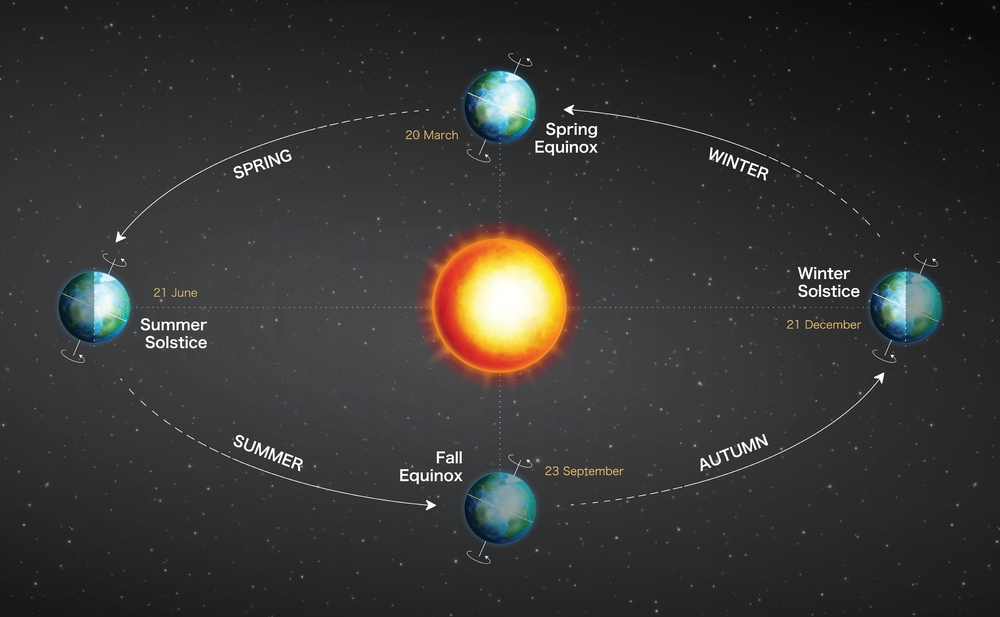
However, the equinox is more than just a mathematical midpoint between winter and summer. The shift in sunlight begins to trigger noticeable changes in the environment. In the Northern Hemisphere, days grow longer, and temperatures gradually rise. Plants begin to bloom, animals become more active, and human routines often shift along with the season. Even without astrology, humans experience real environmental and psychological changes during seasonal transitions. Our ancestors noticed these patterns long before modern science could explain them.
This sense of balance and renewal also explains why ancient cultures built traditions around the equinox. In Persia, the celebration of Nowruz marks the Persian New Year and coincides with the spring equinox. The ancient Maya built pyramids aligned with the Sun’s position on equinox days, creating dramatic light-and-shadow effects. Across Europe and Asia, festivals celebrated fertility, rebirth, and the return of warmth.
Over centuries, astrology incorporated this symbolic turning point into its own system. The moment when the Sun crosses the equator became the starting line of the zodiac calendar, launching the Aries season and the beginning of the astrological year.
In other words, while the equinox is fundamentally an astronomical event, its cultural meaning has grown far beyond the science of Earth’s orbit. It represents a moment when balance shifts, light returns, and many people feel ready to begin something new.
Why the Zodiac Year Begins With Aries
While the spring equinox is a well-defined astronomical event, astrology gives it an additional layer of symbolic meaning. In the zodiac calendar, the moment when the Sun crosses the celestial equator marks the beginning of the Aries season, which astrologers consider the start of a new astrological year.
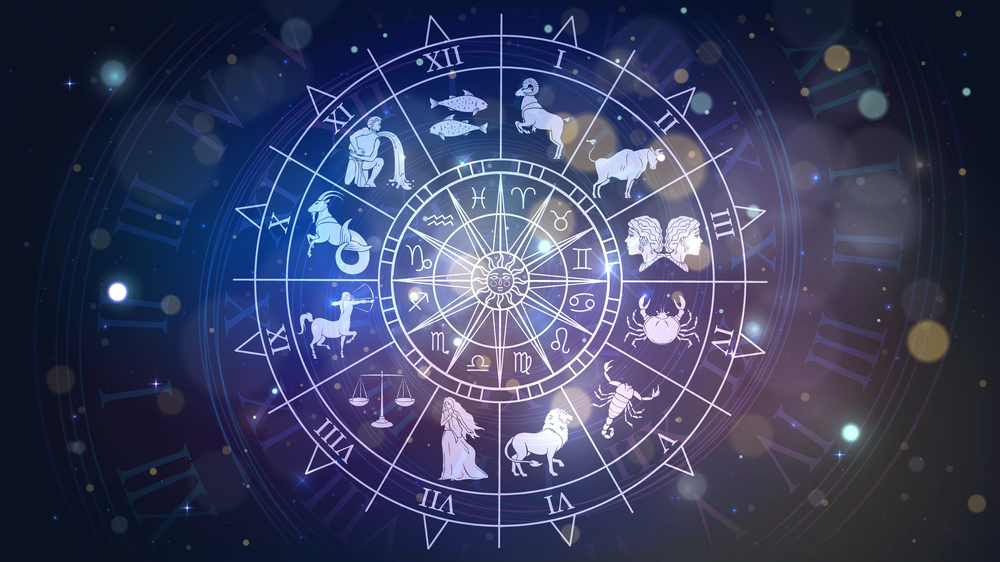
Image credit: Shutterstock.
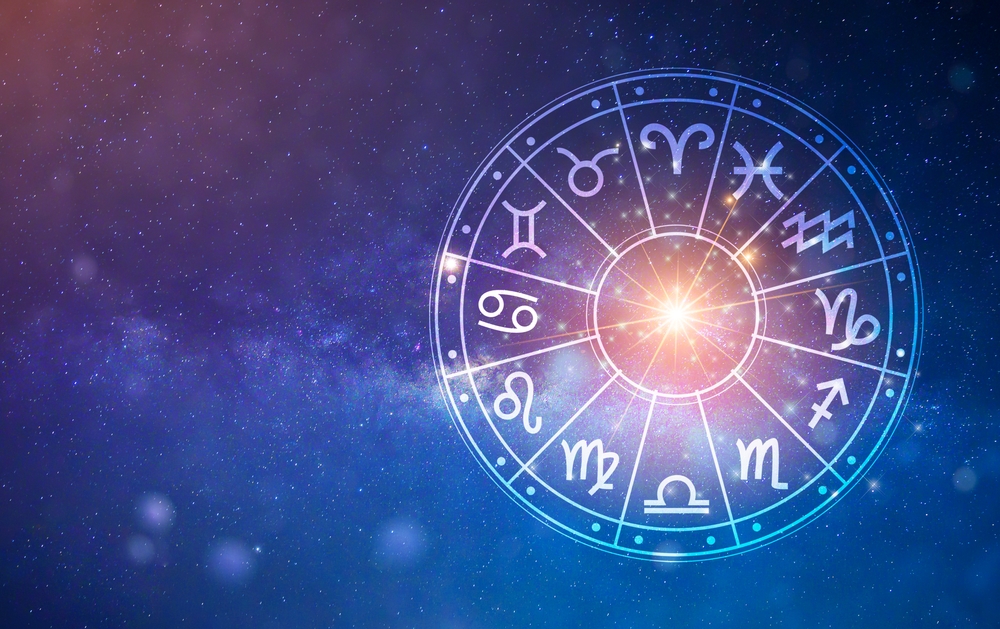
To understand why Aries holds this position, it helps to look at how the zodiac system developed. Thousands of years ago, early astronomers in Babylon and later Greece mapped the Sun’s apparent path across the sky. This path, known as the ecliptic, passes through a band of constellations that became the twelve signs of the zodiac. Each sign represents a section of that sky path.
In Western astrology, the zodiac is divided into twelve equal segments beginning with Aries. This starting point aligns with the spring equinox, when the Sun moves into the portion of the sky associated with Aries. Because this moment coincides with the return of longer days and renewed activity in nature, ancient astrologers linked Aries with themes of beginnings, energy, and initiative.
Aries is also classified as a cardinal sign, one of four signs that mark the start of each season. The cardinal signs are Aries, Cancer, Libra, and Capricorn. Each one corresponds to a seasonal turning point: the spring equinox, summer solstice, autumn equinox, and winter solstice. In astrology, cardinal signs are associated with leadership, movement, and action, which reinforces the idea that Aries begins the cycle.
Another reason Aries symbolizes the start of the zodiac year comes from the mythology surrounding the sign. Aries is represented by the ram, an animal often associated with determination and forward momentum. In ancient stories, the ram frequently appears as a guide or protector leading others toward safety or new opportunities. Over time, astrologers linked this symbolism with courage, ambition, and the willingness to take the first step.
Historically, many early calendars also treated spring as the beginning of the year. In agricultural societies, winter represented dormancy, while spring marked the start of the planting season. Crops began to grow again, animals returned to activity, and communities prepared for months of work and growth. Starting the year at this point made practical sense.
Astrology adopted this same seasonal rhythm. By placing Aries at the beginning of the zodiac wheel, the system mirrors the natural cycle of rebirth that occurs each spring. Just as plants emerge from the soil and animals become more active, the Aries phase represents the spark of movement that begins a new cycle.
Of course, modern astronomy has revealed that the constellations have shifted slightly over thousands of years because of a slow wobble in Earth’s axis known as axial precession. As a result, the Sun’s position relative to the original constellations has changed over time. Despite this shift, Western astrology continues to follow a symbolic zodiac aligned with the seasons rather than the exact constellation positions. This seasonal zodiac keeps the spring equinox firmly connected with Aries, preserving the idea that this moment marks the beginning of the astrological year.
Whether someone views astrology as a spiritual framework, cultural tradition, or simply a form of entertainment, the symbolism remains compelling. The start of the Aries season arrives just as the natural world begins waking up again. Days grow brighter, people spend more time outdoors, and many feel motivated to make changes in their lives.
Because of this alignment between seasonal change and symbolic meaning, astrologers often describe the spring equinox as a powerful moment to set intentions, start projects, and move forward with renewed confidence.
Why the Spring Equinox Often Feels Like a Psychological Reset
Even for people who do not follow astrology, the spring equinox often feels like a turning point in the year. Something about the shift in seasons creates a sense of momentum. Many people suddenly feel motivated to clean their homes, start new projects, or rethink personal goals. While astrologers describe this as the start of a new zodiac cycle, psychology and biology offer another explanation.

Image credit: Shutterstock.
The biggest factor is sunlight. During winter months, especially in regions farther from the equator, shorter days reduce the amount of natural light people receive. Sunlight plays an important role in regulating the body’s circadian rhythms, the internal clock that controls sleep patterns, hormone production, and energy levels. When daylight increases in spring, the body begins adjusting again.
Exposure to sunlight influences the production of serotonin, a neurotransmitter connected to mood and emotional well-being. Research has shown that serotonin levels tend to rise with greater sunlight exposure. As winter fades and days grow longer, many people report improved mood, increased alertness, and a stronger sense of motivation.
This seasonal shift also helps explain why seasonal affective disorder, a form of depression linked to limited winter sunlight, often improves during spring. As the body receives more light, sleep cycles stabilize, and energy levels gradually return to normal. The result can feel like a natural emotional reset.
There is also a behavioral element to the change in seasons. Warmer temperatures encourage people to spend more time outdoors. Physical activity increases, social events become more frequent, and routines often become more flexible. These environmental changes naturally boost mood and productivity.
Historically, humans have also associated spring with renewal because of what happens in nature. Plants begin to grow again, animals emerge from winter dormancy, and landscapes transform almost overnight. Seeing these changes around us can influence how we think about our own lives. The return of greenery and longer days often sparks a feeling that new possibilities are opening up.
Psychologists sometimes describe this effect as temporal landmarks, moments in time that encourage people to mentally separate the past from the future. A birthday, the start of a new year, or the first day of spring can act as a mental marker that inspires people to start fresh. The spring equinox works as one of these natural landmarks because it divides the year into a clear before and after.
This may explain why goals and lifestyle changes often feel easier to start in spring than in the middle of winter. People are more likely to begin exercise routines, reorganize their homes, or focus on new ambitions when they feel physically energized and mentally refreshed.
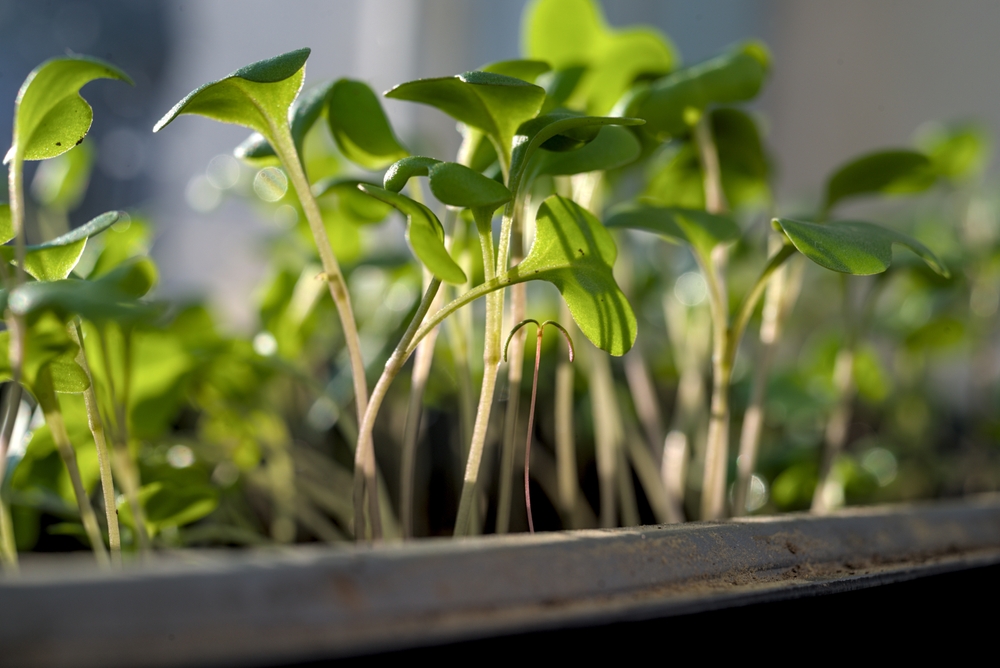
Image credit: Shutterstock.
Astrology builds on this natural psychological shift by interpreting the equinox as the start of Aries season, a time associated with initiative, confidence, and bold action. Whether someone believes in zodiac influence or not, the symbolism aligns surprisingly well with how people often feel during this part of the year.
The combination of longer days, rising temperatures, and cultural traditions surrounding renewal helps create the sense that the year is truly beginning again. In many ways, the equinox acts as both a scientific and symbolic turning point.
With that context in mind, astrologers often look at the spring equinox as a moment to consider what the months ahead might hold. Each zodiac sign is thought to experience this seasonal shift a little differently.
What the 2026 Spring Equinox Could Mean for Each Zodiac Sign
As the spring equinox arrives in 2026, astrologers often view the moment as a fresh starting line. Because the Sun moves into Aries at this time, the zodiac cycle begins again with themes of momentum and new beginnings. While astrology is symbolic rather than scientific, many people enjoy using these seasonal moments as opportunities for reflection.
Below is a look at how astrologers might interpret the energy of the 2026 equinox for each zodiac sign.
Aries
For Aries, the spring equinox marks the start of your personal season. This can feel like a burst of motivation after a slower winter period. Many Aries individuals may feel ready to take action on ideas that have been sitting in the background for months.
The equinox could bring opportunities to start new projects, pursue leadership roles, or make bold decisions. However, patience will still matter. Moving too quickly could create unnecessary complications. Channel your natural drive into clear goals, and you may find that the months following the equinox bring noticeable progress.
Taurus
The equinox period may encourage Taurus to slow down and reflect before the zodiac cycle moves into your own season later in the spring. This is often a time for internal preparation rather than immediate action. You might find yourself thinking more about long-term security, financial planning, or personal values. Taking time to organize priorities now can create a stable foundation for the months ahead. As spring unfolds, clarity about what truly matters could help guide important decisions.
Gemini
For Gemini, the energy surrounding the equinox often highlights communication and social connections. Conversations, collaborations, and new ideas may begin circulating more quickly. This can be an excellent time to expand your network or reconnect with friends and colleagues. Curiosity may lead you toward new interests or creative projects. At the same time, focusing on follow-through will be important. Gemini thrives on new ideas, but turning them into real results requires consistency.
Cancer
Cancer may feel the effects of the spring equinox in areas connected to career and personal direction. Many astrologers associate this period with reassessing long-term goals. You might begin thinking about changes in your professional life or responsibilities. These shifts do not necessarily require dramatic action right away. Instead, the equinox may encourage careful planning and a clearer sense of where you want your efforts to lead. Balancing ambition with emotional well-being will help keep things steady.
Leo
For Leo, the equinox energy often points toward exploration and creativity. This may be a time when inspiration returns after a quieter season. You might feel drawn to travel, education, or creative pursuits that expand your perspective. New experiences could bring valuable insight about what motivates you moving forward. Embracing curiosity rather than staying within familiar routines may open unexpected opportunities.
Virgo
Virgo may experience the equinox as a moment for emotional and financial reflection. This period can highlight shared resources, commitments, and personal boundaries. You might find yourself reorganizing budgets, discussing financial plans with others, or reevaluating how your time and energy are being used. Although these conversations can feel serious, they often lead to healthier long-term stability. The key for Virgo will be balancing practicality with self-care.
Libra
The spring equinox may place relationships at the center of attention for Libra. Because Libra sits opposite Aries in the zodiac wheel, this season often highlights partnerships and collaboration. You may notice shifts in friendships, romantic relationships, or professional alliances. These changes can bring a valuable perspective on balance and mutual support. Strengthening communication and listening carefully to others can help relationships grow stronger during this time.
Scorpio
For Scorpios, the equinox may shine a light on routines, work habits, and personal health. Spring often inspires people to refresh their daily structure, and Scorpios may feel that urge strongly. You might start new fitness habits, reorganize schedules, or focus on improving productivity. Small changes can create meaningful improvements over time. Paying attention to both physical and mental well-being will help keep your energy steady as the season unfolds.
Sagittarius
Sagittarius may feel a wave of creative and social energy during the equinox. This time often encourages self-expression and joyful experiences. You may find yourself drawn toward hobbies, artistic pursuits, or activities that reconnect you with fun and spontaneity. The equinox can remind Sagittarius that growth is not only about responsibilities. Sometimes the best progress happens when curiosity and playfulness lead the way.
Capricorn
For Capricorn, the equinox may highlight themes connected to home, family, and emotional foundations. This could be a moment to revisit personal priorities or strengthen relationships with loved ones. You might focus on improving your living space, reconnecting with family members, or creating a more supportive environment in your daily life. These adjustments may seem small at first, but they often create a stronger sense of stability moving forward.
Aquarius
Aquarius may experience the equinox as a surge of mental activity and communication. New ideas could arrive quickly, and conversations may lead to unexpected opportunities. This can be an excellent time to share thoughts, write, teach, or explore innovative projects. Staying open to different perspectives will help keep ideas flowing. The challenge for Aquarius may be choosing which concepts deserve the most attention.
Pisces
For Pisces, the equinox may bring focus to finances and personal values. Many Pisces individuals might begin thinking about long-term stability and how resources are managed. This does not necessarily mean major changes need to happen immediately. Instead, the equinox can act as a reminder to look at financial habits with fresh eyes. Adjustments made during this period may create greater security as the year continues.
Read More: The 4 Strongest Zodiac Signs and What Makes Them Powerful
Looking Ahead After the Equinox
The spring equinox represents a balance point in Earth’s yearly cycle. Astronomically, it marks the moment when sunlight is shared almost equally between the hemispheres. Symbolically, it represents the return of growth, warmth, and new possibilities.
Astrology interprets this shift as the beginning of a new zodiac year, led by the energetic spirit of Aries. While horoscopes should be approached as symbolic guidance rather than scientific predictions, they can still serve as prompts for reflection.
The equinox reminds us that cycles exist everywhere in nature. Just as the planet moves from darkness into longer days, people often experience periods of renewal in their own lives. Whether through personal goals, new opportunities, or simple seasonal change, the arrival of spring encourages many to step forward with a fresh perspective.
The sky may not dictate our choices, but moments like the equinox still offer a powerful reminder that every year brings another chance to begin again.
Disclaimer: Articles exploring faith and spirituality are intended to encourage reflection and understanding, not to define doctrine or assert factual certainty. Spiritual beliefs and experiences differ across individuals and traditions and exist alongside scientific and real-world perspectives. Readers are invited to approach these topics with openness, discernment, and respect for differing viewpoints.
A.I. Disclaimer: This article was created with AI assistance and edited by a human for accuracy and clarity.