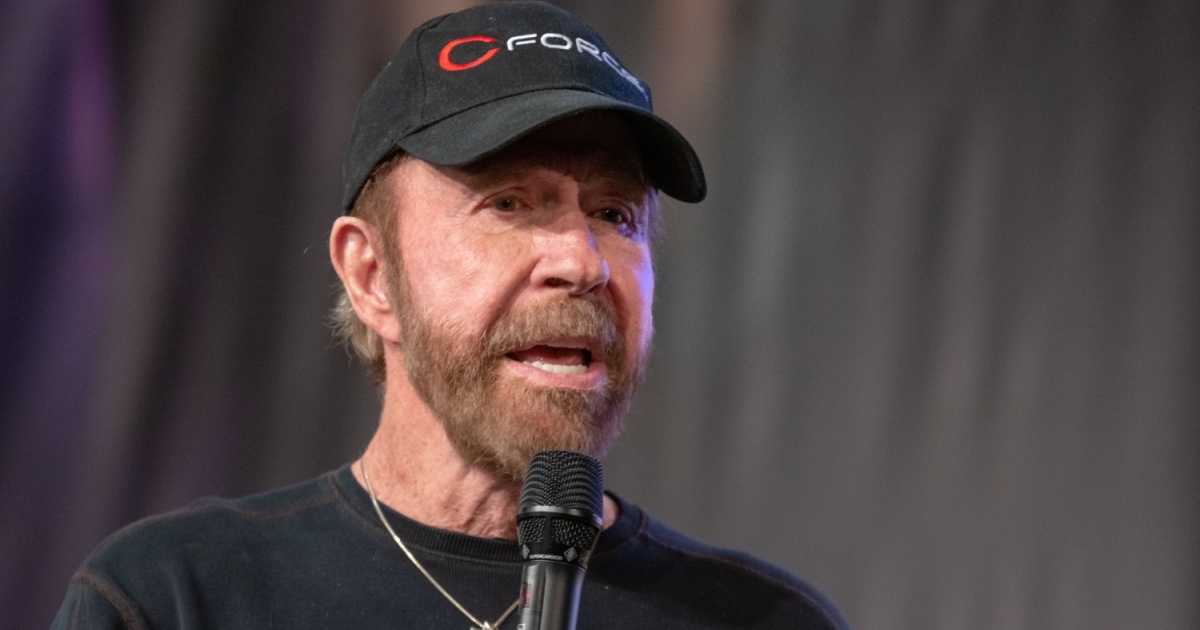

Chuck Norris has died at 86, closing the life of a man who spent decades being sold as nearly impossible to beat. In an Instagram post, his family said he died on March 19, surrounded by loved ones and at peace, after earlier reports said he had been hospitalized in Hawaii following a medical emergency. Norris built his name first through martial arts, then through action films, and later through Walker, Texas Ranger, where he became the kind of star people linked with pure toughness. The internet took that image and pushed it even further, turning him into the subject of years of memes and laughs built on one idea: Chuck Norris could survive anything. Now those old myths sit next to a blunt fact: one of the most famously invincible men in pop culture is sadly gone.
So who was Chuck Norris?
He started building his baddie image long before Hollywood got hold of him. Chuck Norris was born Carlos Ray Norris in Oklahoma in 1940, served in the U.S. Air Force, and discovered a love of karate while stationed in South Korea, then turned that into a serious competitive career after he came home. He went on to become a six-time world professional middleweight karate champion, opened martial arts schools, and later created his own system, Chun Kuk Do. So when he moved into films, people were not looking at an actor pretending to be dangerous. They were looking at a man who had already spent years proving himself in full-contact competition.
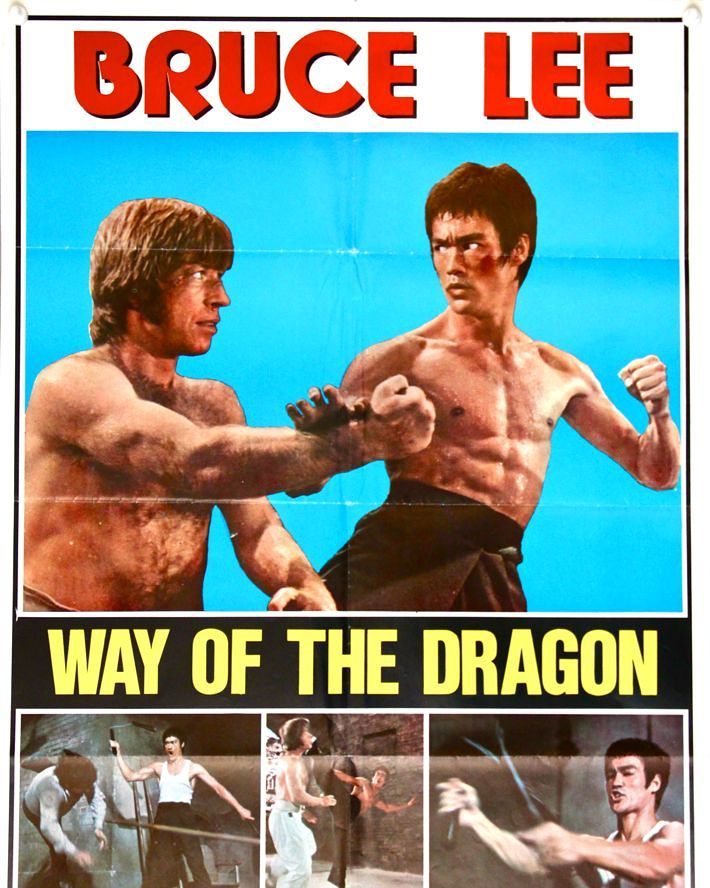
However, he did more than play tough guys. Chuck Norris built one of the most durable action careers of the late 1970s through the 1990s, and he did it with a screen persona that audiences recognized right away. Before film turned him into a star, he had already made a name for himself in martial arts. His breakthrough came in 1972 with The Way of the Dragon, where he fought Bruce Lee in the Roman Colosseum in one of the best-known martial arts scenes ever put on screen. The role was not large, but the moment stuck, partly because Lee already carried global fame, and partly because Norris looked like he belonged there. That one fight opened the door to a long run in action cinema.
Once Hollywood saw what worked, Norris leaned into it. He starred in A Force of One in 1979 with Jennifer O’Neill, then followed it with The Octagon in 1980, where Lee Van Cleef joined him in a story built around martial arts and espionage. In 1983, he played J.J. McQuade in Lone Wolf McQuade opposite David Carradine, a role that pushed him further into the image of the hard-edged lawman who handled things his own way. The mid-1980s became the busiest stretch of his film career. He led Missing in Action in 1984, then Invasion U.S.A. in 1985, and The Delta Force in 1986 alongside Lee Marvin. He also appeared in Code of Silence with Dennis Farina and Firewalker with Louis Gossett Jr. during the same period. These were not prestige dramas, and they were never meant to be. They were action vehicles built around one promise: Norris would show up, take control, and outlast whoever stood in front of him. That formula kept working, which is why his film run lasted as long as it did. Everyone loved the action star.
TV Life and Accolades
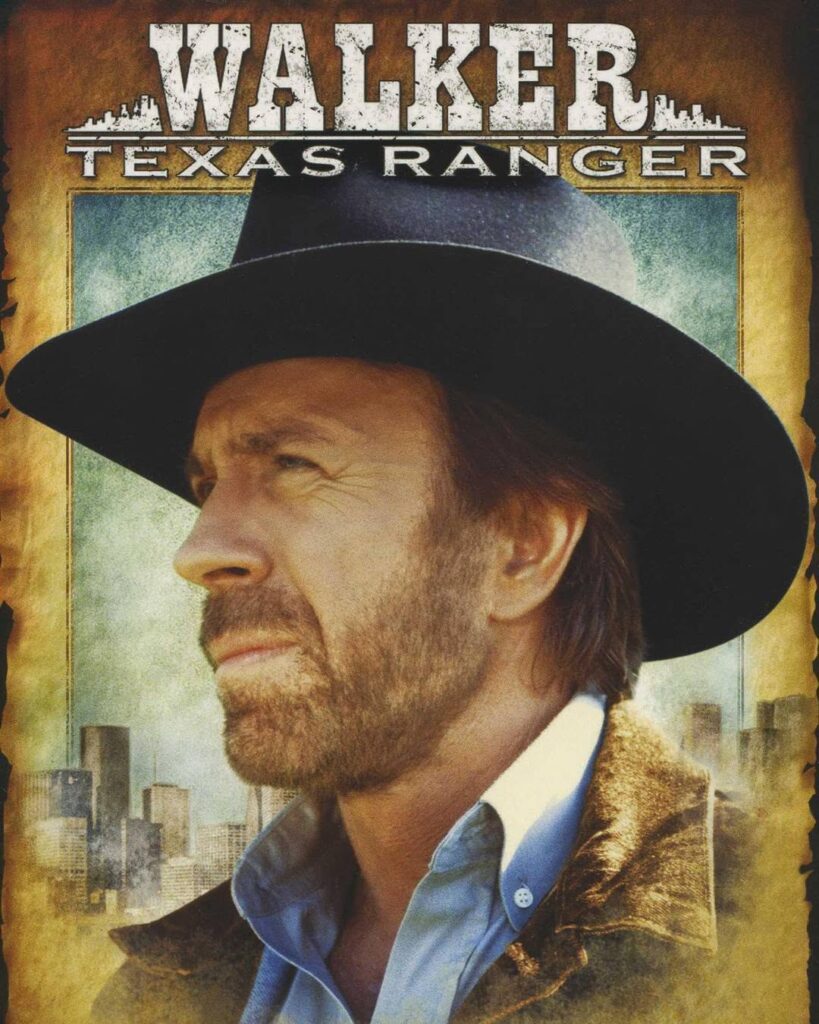
Television gave him an even longer life in popular culture. Walker, Texas Ranger ran from 1993 to 2001 and turned Norris into a weekly fixture in millions of homes. He played Cordell Walker, a Texas Ranger whose mix of martial arts, moral certainty, and cowboy style fit the role so neatly that the character almost swallowed the actor. The cast around him helped make the show stick, especially Clarence Gilyard Jr. as Jimmy Trivette, Sheree J. Wilson as Assistant District Attorney Alex Cahill, and Noble Willingham as C.D. Parker. For many viewers, this was the version of Chuck Norris they knew best. He was no longer just a film star from the Cannon era. He was a television hero with a long-running series, a recognizable identity, and an audience that stayed with him through the decade.
The honors he picked up reflected the kind of career he had built. He received a star on the Hollywood Walk of Fame in 1989, which placed him among the major entertainment names of his era. He later won a Grace Award for his work on Walker, Texas Ranger, and industry records have long linked him with a Golden Boot Award as well. But the work outside film and television added another layer to his legacy. He founded Chun Kuk Do, later renamed the Chuck Norris System, and he also launched Kickstart Kids in 1990 with help from President George H. W. Bush. The program started in Texas schools and has since served more than 120,000 students, according to the organization’s own history. So the career did not stop at movies, ratings, and old action posters. It moved into martial arts schools, youth work, and a public image that lasted for decades, then grew even bigger once the internet turned him into folklore through the Chuck Norris jokes that made his name part of pop culture long after his biggest hits had passed.
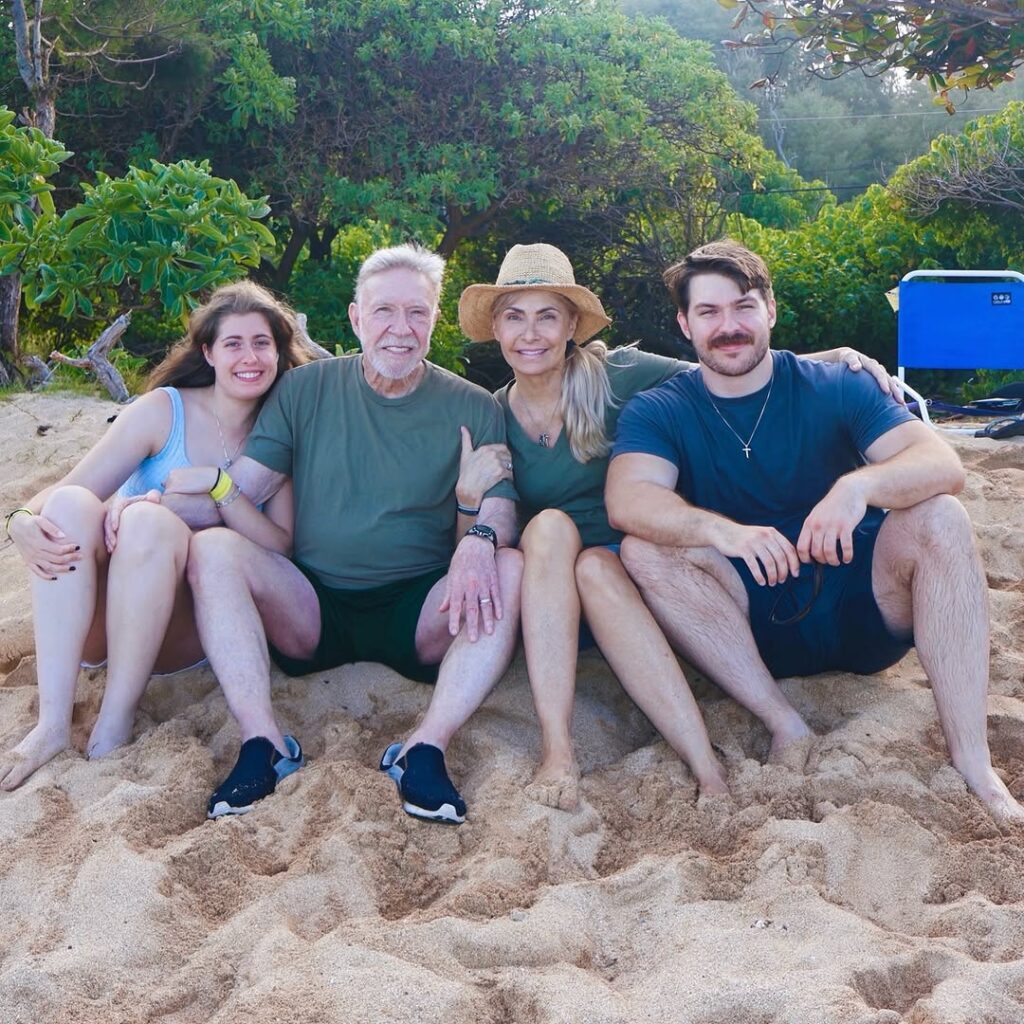
Away from the screen, his life was fuller and more complicated than the tough guy image people knew. He was born Carlos Ray Norris in Ryan, Oklahoma, served in the U.S. Air Force, and later became a father of five. He had sons Mike and Eric with his first wife, Dianne Holechek. He also had a daughter, Dina, from an earlier relationship, and later had twins, Dakota and Danilee, with his second wife, Gena O’Kelley, whom he married in 1998. Reports published after his death say he is survived by Gena, his children, and grandchildren. In public, he often spoke about faith, family, discipline, and routine, which fit the image he wanted to project in his later years. He spent much of his life in Texas and was widely associated with the state long after Walker, Texas Ranger ended. Recent coverage from Texas outlets said he had lived for years on his Lone Wolf Ranch near Navasota, a 1,000-acre property that became part of the off-screen Chuck Norris mythology, too. So while millions knew him as an action symbol, the people closest to him knew him as a husband, father, grandfather, and brother first, which is exactly how his family framed him in the statement announcing his death.
Read More: Chuck Norris honors mom on 102st birthday — she raised her 3 sons as single mom after dad left
Chuck Norris Passes Away
Reports say Chuck Norris suffered a medical emergency while on Kauai, Hawaii, and was hospitalized on March 18. Early coverage described the situation as sudden and did not name the cause, while later reports said he remained in Hawaii with family close by. Norris had only recently marked his 86th birthday, posting a training video on March 10 and joking, “I don’t age. I level up,” which now carries an emotional weight to it none of us anticipated.
Chuck Norris built a public image around strength, discipline, and endurance, but the part of his life that feels most human now is not the legend. It is the fact that he spent his final years close to the people who mattered most. For all the films, the fame, and the jokes that made him seem larger than life, he still ended where most people hope to end, near family, in the company of those who knew the man behind the name. That is what gives stories like his a harder edge. They strip away the noise and leave one simple truth: time keeps moving, whether a person is famous or not.
Lasting Moments Mean the Most
There is something worth taking from the wisdom Norris left us with. A full life is not only built through work, titles, or public success. It is built through the moments people make with those closest to them, through the calls answered, the dinners shared, the effort shown, and the time given while it still can be given. Chuck Norris made his mark in film, television, martial arts, and business, but he also built a family life that stayed central to who he was. In the end, that is the part that feels most lasting. Accomplishments matter, but love, presence, and time spent well matter more.
Disclaimer: This article was written by the author with the assistance of AI and reviewed by an editor for accuracy and clarity.
Read More: Catherine O’Hara, Beloved Canadian Actress and Comedian, Dies at 71