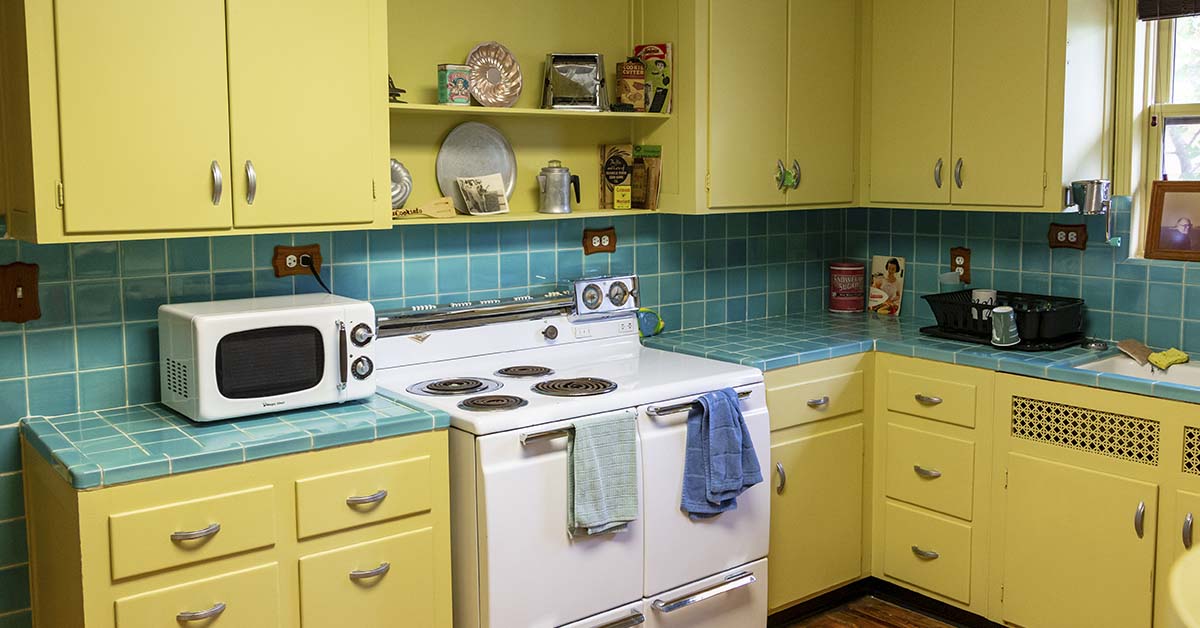

There’s something comforting about stepping into a kitchen filled with tradition. Long before smart appliances and viral recipes, home cooks relied on simple methods that worked every time. These retro kitchen tricks weren’t just clever; they were built on observation, patience, and a deep understanding of ingredients. Many of these techniques came from grandparents who learned to cook with limited resources and no room for waste. As a result, they developed habits that still hold up today.
Crack an Egg Into Coffee for a Smoother Brew

Adding an egg to coffee grounds sounds strange. However, this method has roots in Scandinavian cooking and frontier traditions. When you mix an egg, sometimes including the shell, with coffee grounds, the proteins in the egg white bind to bitter compounds. As the coffee brews, those compounds clump together and settle. This leaves behind a cleaner, smoother cup. In addition, the shell can help reduce acidity slightly. While modern filters achieve similar results, this trick still works. It’s a great example of how older methods solved problems using basic kitchen science.
Keep Brown Sugar Soft With a Slice of Bread
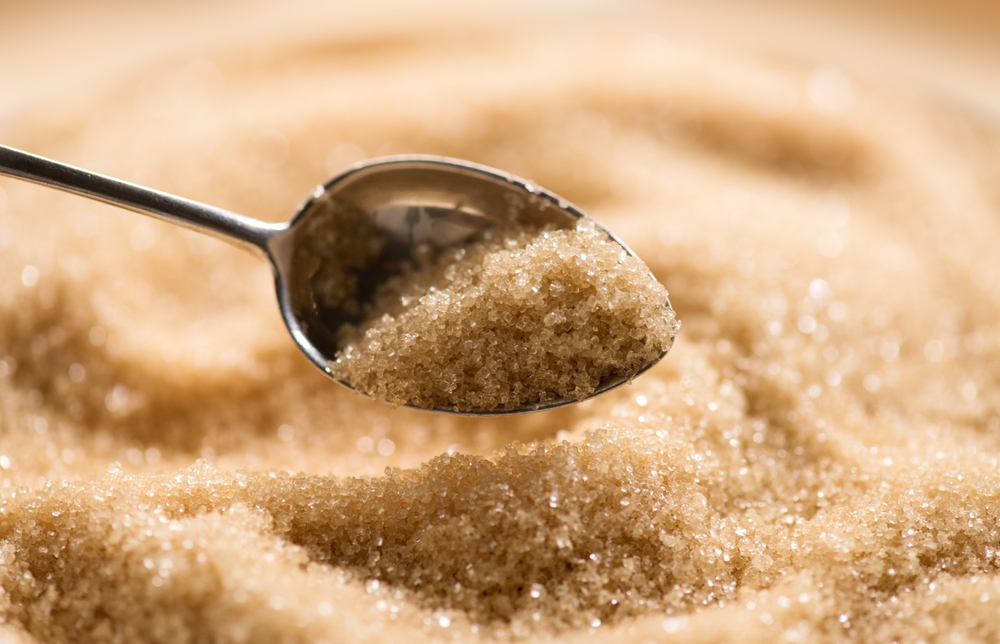
Anyone who has opened a bag of brown sugar only to find a solid brick knows the frustration. Thankfully, this simple trick offers an easy fix. By placing a slice of bread inside the container, you introduce moisture that the sugar absorbs. Over time, the hardened sugar softens and becomes usable again. This works because brown sugar contains molasses, which loses moisture when exposed to air. The bread acts as a gentle humidity source.
Use Lemon Juice to Brighten Nearly Any Dish
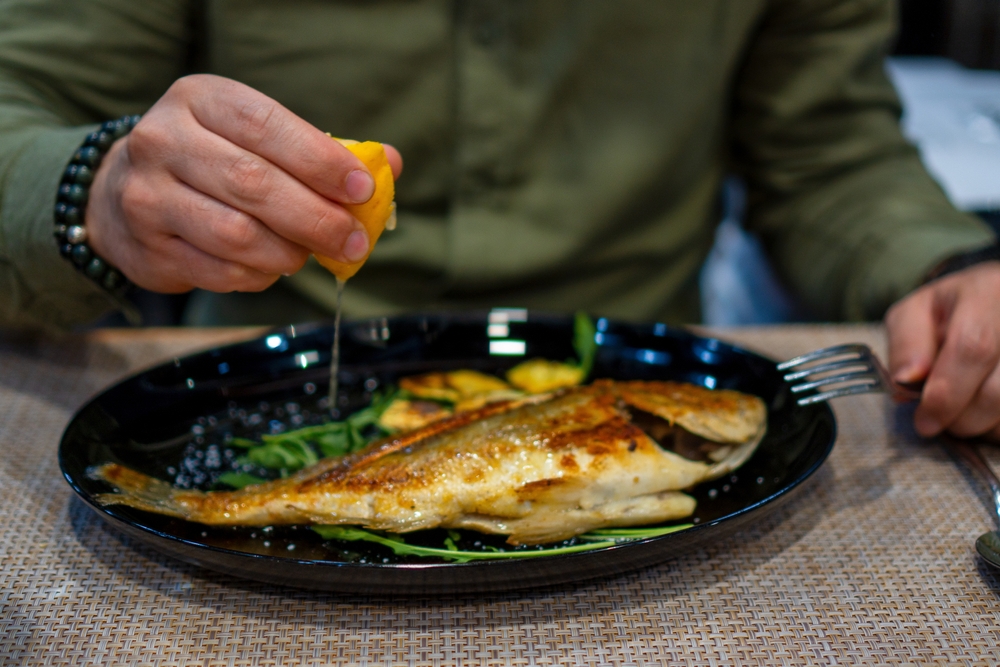
Grandparents often reached for lemons when something tasted flat. This wasn’t random. Acid plays a powerful role in balancing flavors. A small squeeze of lemon juice can cut through richness, enhance sweetness, and bring out subtle notes in a dish. For example, soups, roasted vegetables, and even meats benefit from a touch of acidity. This trick aligns closely with modern culinary training. Chefs still rely on acid as a finishing tool. It’s simple, effective, and proof that great cooking doesn’t always require complicated techniques.
Freeze Fresh Herbs in Oil for Easy Cooking
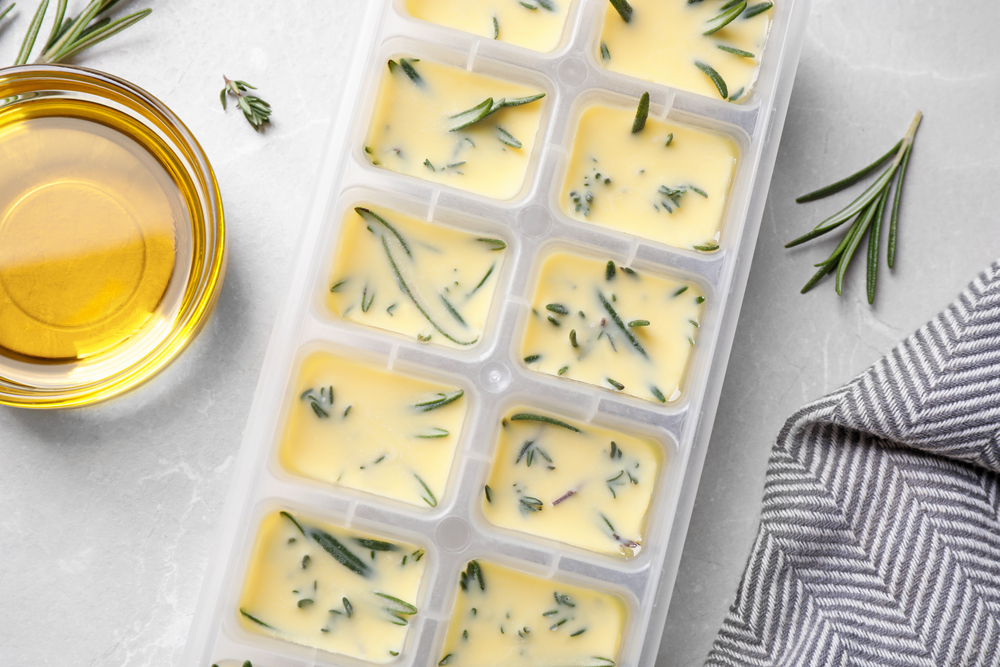
Fresh herbs can spoil quickly, especially if you’re not using them daily. To solve this, many home cooks chopped herbs and froze them in oil or fat using ice cube trays. This method preserves both flavor and aroma. The oil protects delicate leaves from freezer burn while locking in their essential oils. When you’re ready to cook, you can drop a cube directly into a pan. It melts evenly and adds instant flavor. Today, this trick is widely recommended by chefs and nutritionists alike. It’s practical, efficient, and reduces unnecessary food waste.
Salt Your Water to Help Eggs Peel More Easily
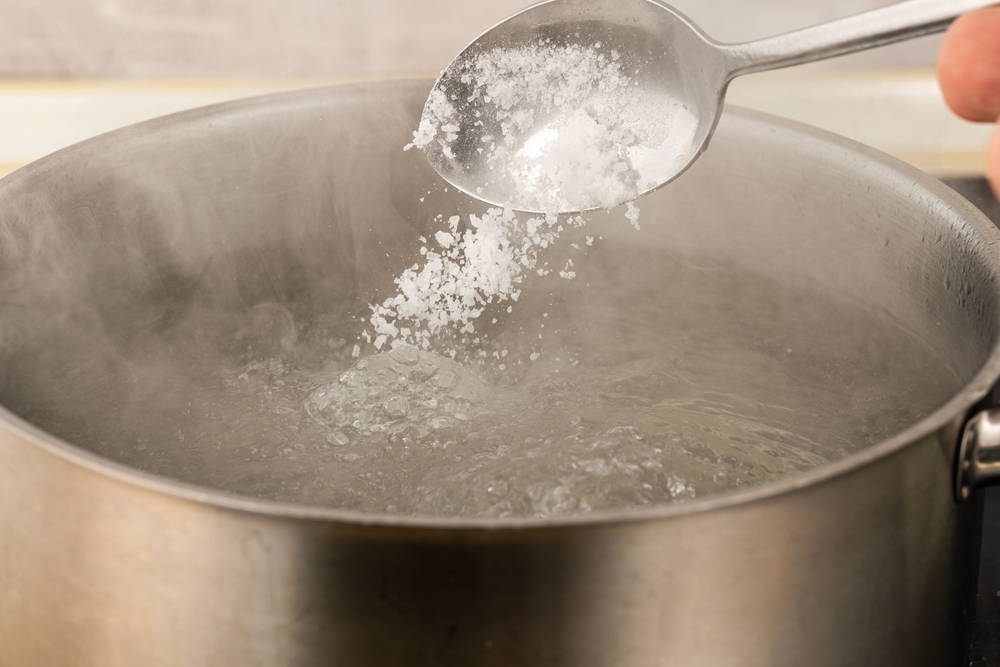
Boiling eggs seems simple, yet peeling them can be frustrating. Many grandparents added salt to the water to reduce this problem. The idea is that salt slightly strengthens the egg whites and helps prevent cracking during cooking. While this method can help in some cases, it is not a guaranteed fix. The real trick often lies in using eggs that are a few days old and cooling them quickly in ice water. Still, this small addition reflects a thoughtful approach to cooking, where even minor adjustments were used to improve results.
Let Meat Rest Before Cutting Into It

Cutting into freshly cooked meat right away can lead to dry results. That’s why older generations insisted on letting meat rest after cooking. During this resting period, the juices redistribute throughout the meat instead of spilling out onto the plate. This keeps each bite tender and flavorful. The process only takes a few minutes, yet it makes a noticeable difference. Today, chefs continue to emphasize this step as essential.
Soak Onions in Water to Reduce Their Bite
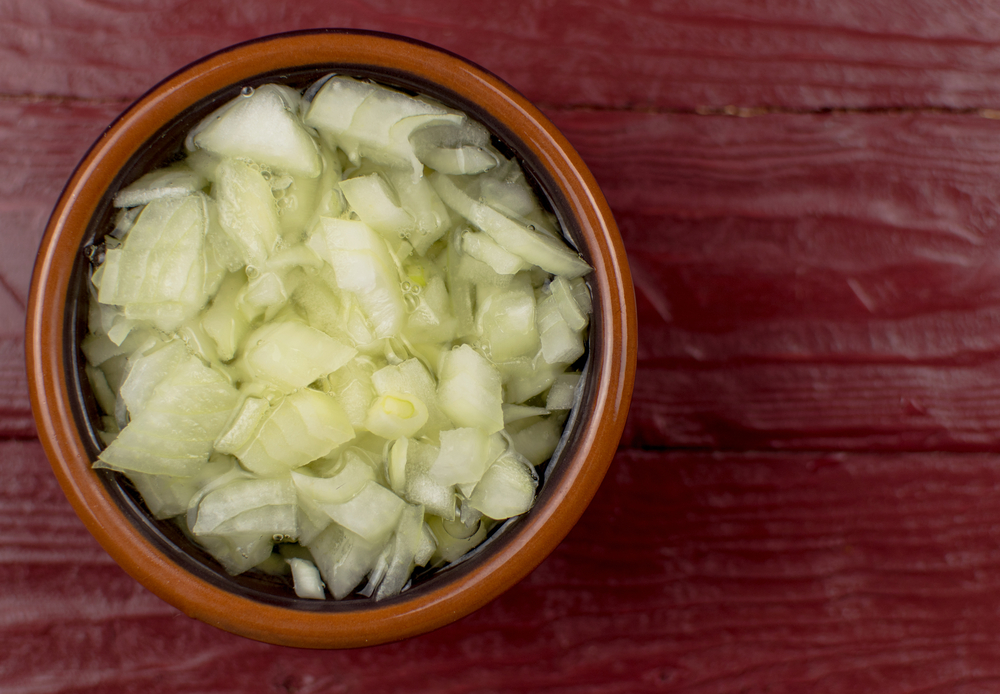
Raw onions can sometimes taste overpowering, especially in salads or sandwiches. A simple trick passed down through generations involves soaking sliced onions in cold water for a few minutes. This process helps wash away some of the sulfur compounds responsible for their sharp flavor. As a result, the onions become milder and more pleasant to eat raw. This method is still widely used today, particularly in recipes that call for a balanced flavor.
Use a Damp Cloth Under a Cutting Board for Stability
Before non-slip kitchen tools became common, cooks found their own ways to keep things steady. One effective trick involves placing a damp cloth or paper towel under a cutting board. This creates friction and prevents the board from sliding while you chop. Not only does this make food prep easier, but it also improves safety. Even in modern kitchens, this method remains widely recommended. It’s a simple solution that requires no special equipment, yet it solves a problem that every cook encounters at some point.
Store Apples With Potatoes to Prevent Sprouting
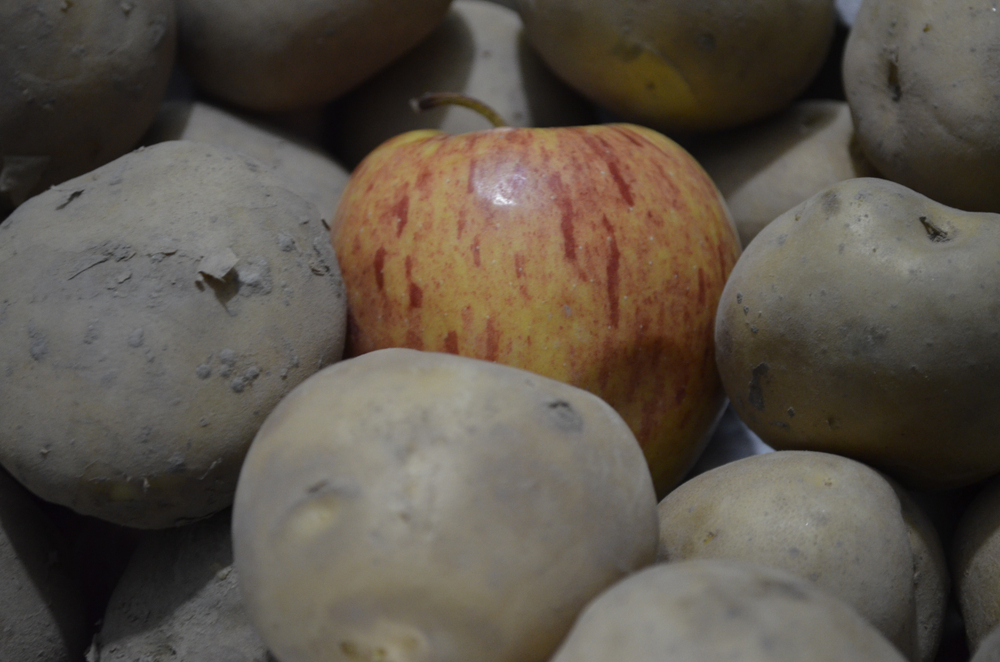
This lesser-known trick highlights how closely earlier cooks observed their ingredients. Storing apples alongside potatoes can help slow down sprouting. Apples release ethylene gas, which affects how other produce ripens and ages. In this case, the gas can help keep potatoes from sprouting too quickly. While storage methods have evolved, this trick still reflects a practical understanding of natural processes.
Save Bacon Grease for Flavorful Cooking
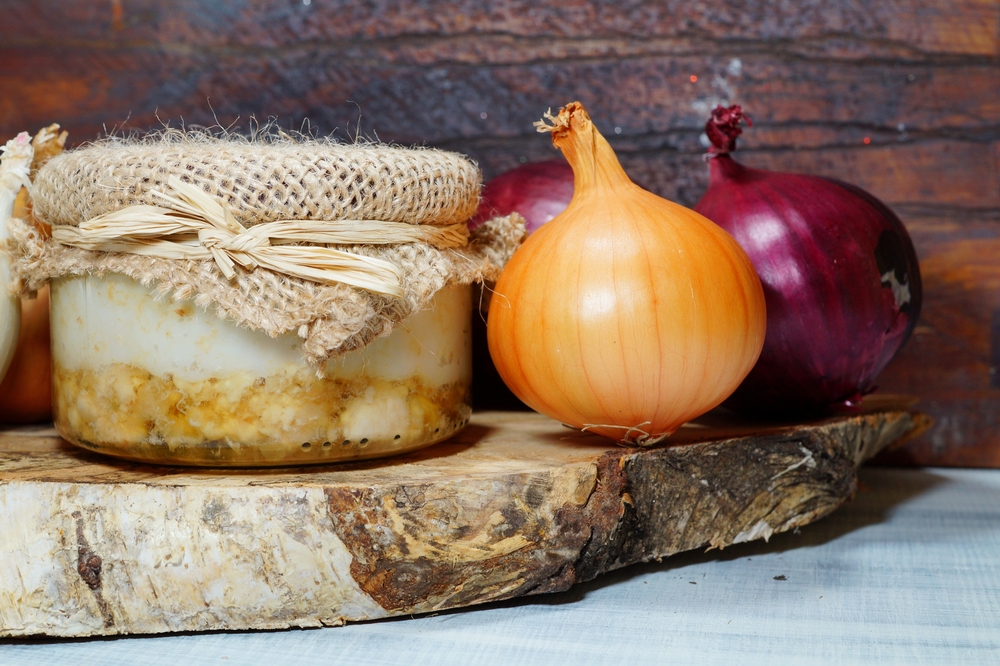
Image credit: Shutterstock.
In many older kitchens, nothing went to waste, including bacon grease. After cooking bacon, the leftover fat was carefully stored and reused for frying or seasoning dishes. This wasn’t just about saving money; it was about adding deep, smoky flavor to everyday meals. A small spoonful could transform vegetables, eggs, or even cornbread. While modern diets often lean toward lighter oils, many chefs still appreciate bacon fat for its richness. Used in moderation, it remains a powerful ingredient.
Use Milk to Soften Strong Flavors in Fish or Onions
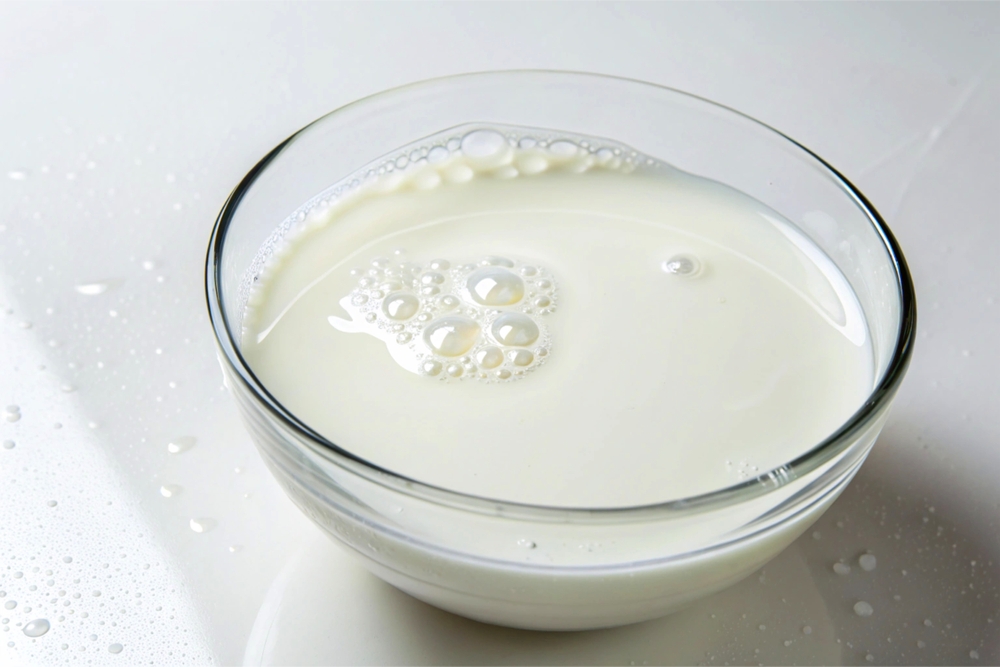
Image credit: Shutterstock.
If fish smells too strong or onions taste too sharp, soaking them in milk can help. This trick works because proteins in milk bind to compounds that give off strong odors and flavors. As a result, the ingredient becomes milder and more balanced. This method has been used for generations, especially in seafood preparation. It’s still recommended today for delicate dishes where subtle flavor matters. Although it may seem simple, the science behind it is sound.
Speed Up Ripening by Storing Fruit in Brown Paper Bags
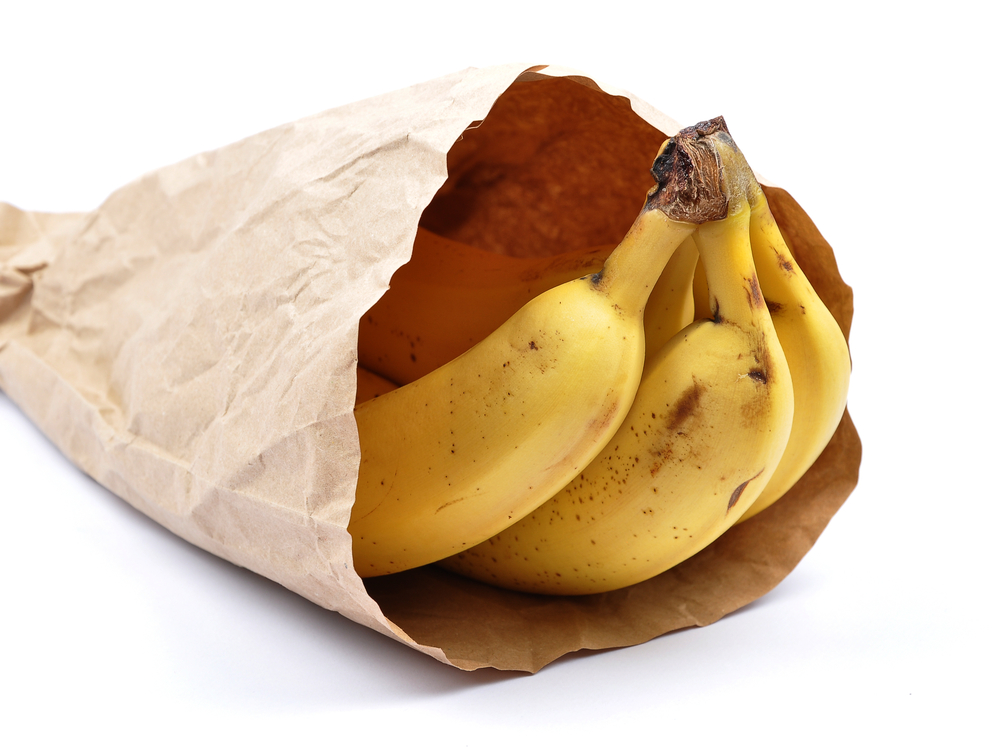
Image credit: Shutterstock.
If you’ve ever needed to ripen fruit quickly, this classic trick delivers. Placing unripe fruit like bananas, avocados, or peaches into a brown paper bag helps trap ethylene gas, a natural compound the fruit releases as it matures. By keeping that gas concentrated, the ripening process speeds up significantly. Unlike plastic bags, paper allows just enough airflow to prevent excess moisture buildup, which can lead to spoilage. This method is still widely used today because it’s simple and effective.
Revive Stale Bread With a Little Water and Heat
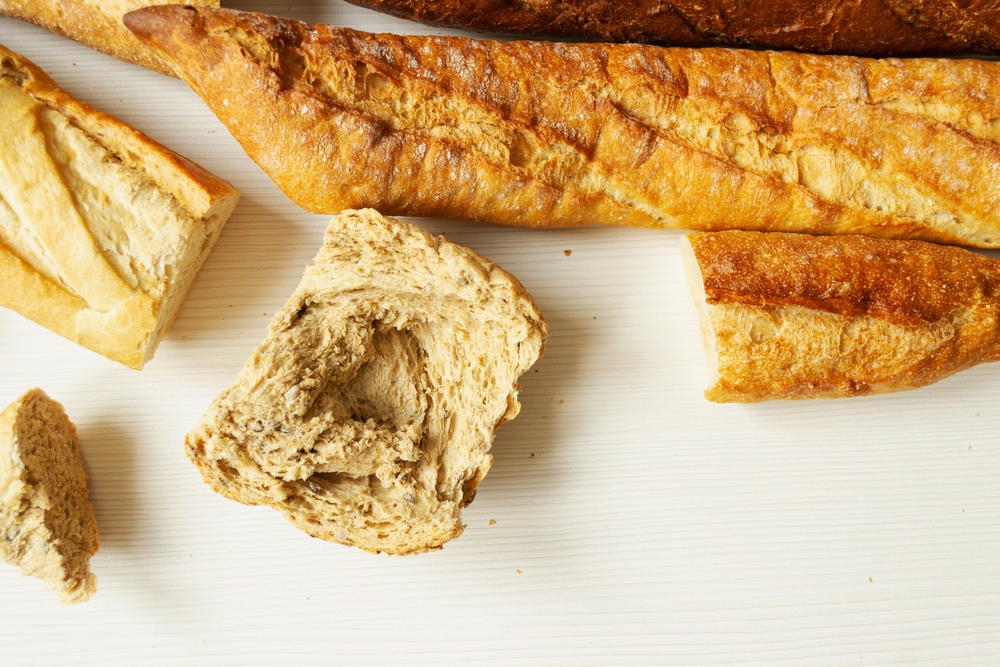
Image credit: Shutterstock.
Stale bread doesn’t have to be thrown away. Instead, many grandparents revived it by adding a little water and heating it. By lightly dampening the crust and placing the bread in a warm oven or toaster, moisture returns to the interior while the outside crisps up again. This works because heat redistributes water within the bread. The result feels surprisingly fresh. This trick is still widely used in bakeries and home kitchens alike. It not only reduces waste but also restores texture in a way that feels almost like magic.
Add a Pinch of Salt to Sweet Dishes for Better Flavor
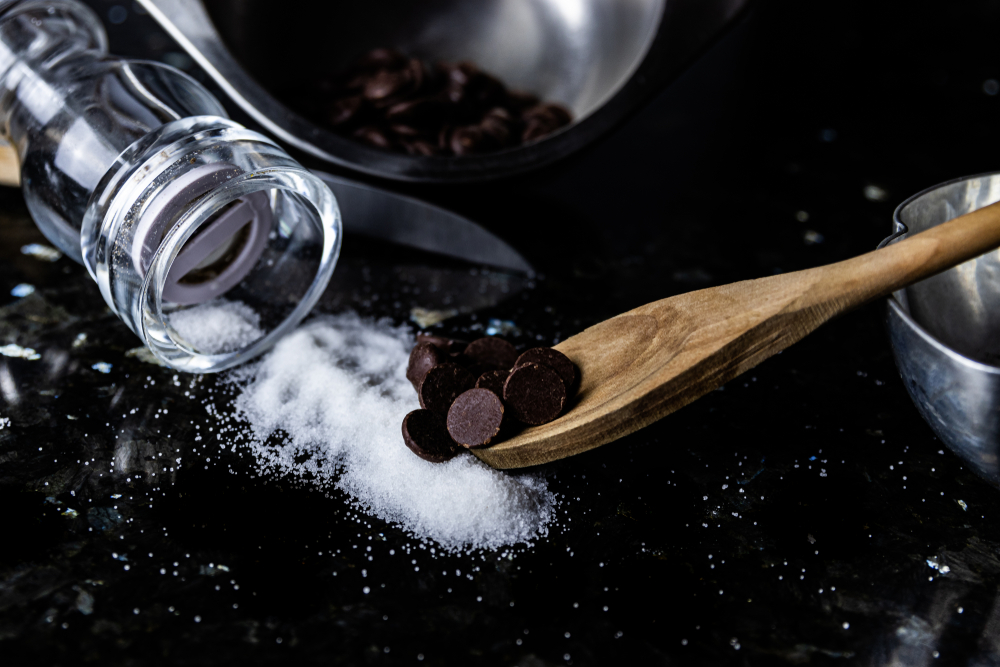
Image credit: Shutterstock.
It may seem counterintuitive, but adding a small amount of salt to sweet recipes can enhance their flavor. Grandparents often did this without measuring, simply trusting experience. Salt works by balancing sweetness and highlighting other flavor notes. For example, it can make chocolate taste richer or fruit taste brighter. Today, this technique is a standard practice in baking and dessert making. It shows how a tiny adjustment can create a more complex and satisfying result. Once you notice it, you start to see it used everywhere.
Use Vinegar to Clean and Freshen the Kitchen
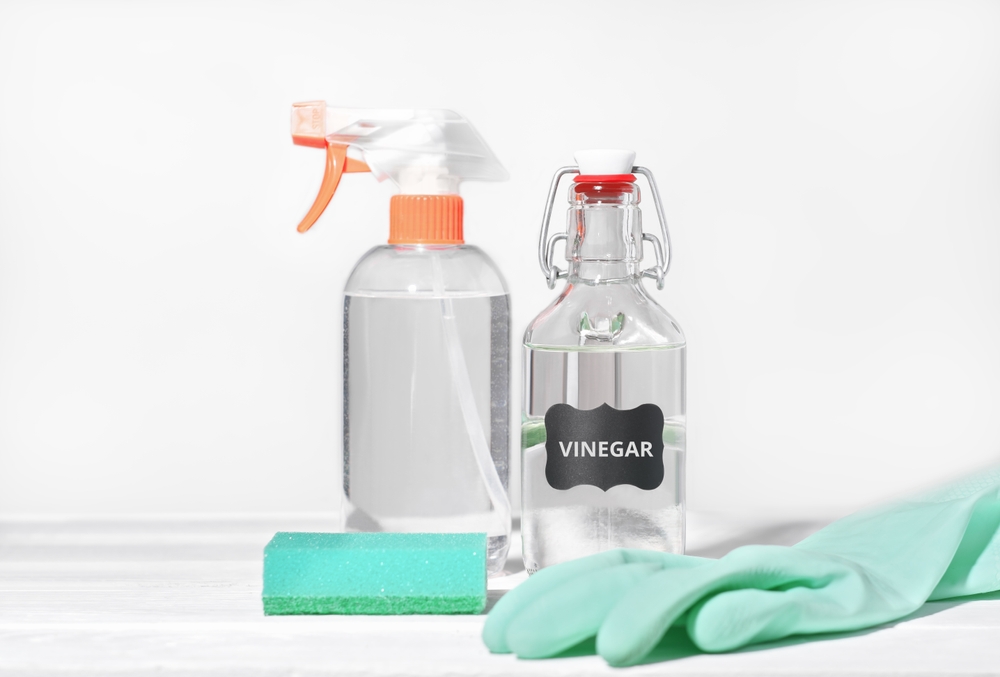
Long before specialized cleaning products filled store shelves, vinegar was a go-to solution in many homes. Its natural acidity helps break down grease, remove odors, and kill certain bacteria. In the kitchen, it was often used to clean surfaces, freshen cutting boards, and even remove mineral buildup from kettles. This trick remains popular today, especially among those who prefer simple, chemical-free cleaning options. It’s effective, affordable, and easy to use. More importantly, it reflects a time when households relied on versatile ingredients for multiple purposes.
Use a Wooden Spoon to Prevent Pots From Boiling Over
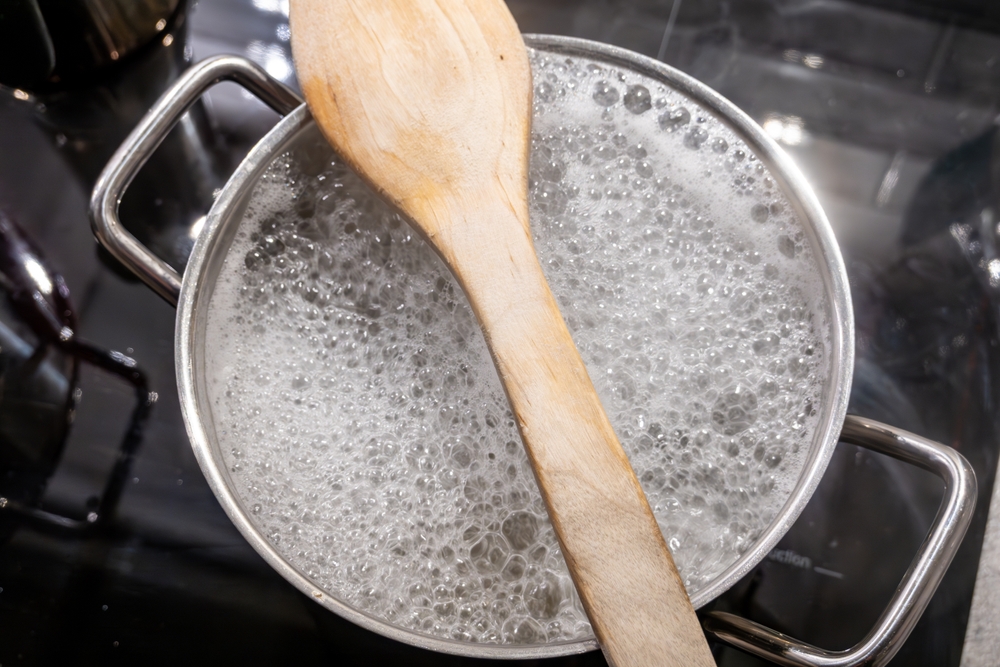
One of the most shared retro kitchen tricks involves placing a wooden spoon across the top of a pot to stop it from boiling over. While it may sound like folklore, there’s some science behind it. The spoon disrupts the bubbles as they rise, especially in the early stages of boiling. It can also pop foam before it spills over the edge. However, this trick works best for short periods and lower heat.
Peel Garlic Easily by Crushing It First
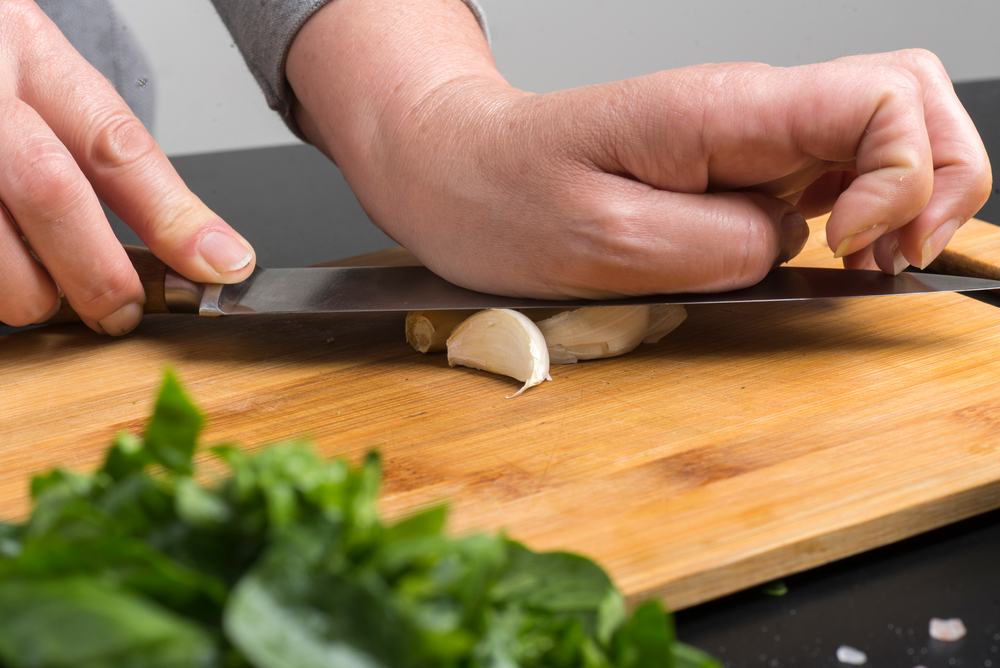
Image credit: Shutterstock.
Peeling garlic can be tedious, especially when working with multiple cloves. A classic trick involves placing the flat side of a knife over the clove and giving it a quick press. This loosens the skin instantly, making it easy to remove. The slight crushing also releases natural oils, which enhance flavor during cooking. Today, chefs still use this method because it’s fast and efficient. It’s a small step, yet it saves time and effort.
Use Ice Water to Crisp Up Vegetables
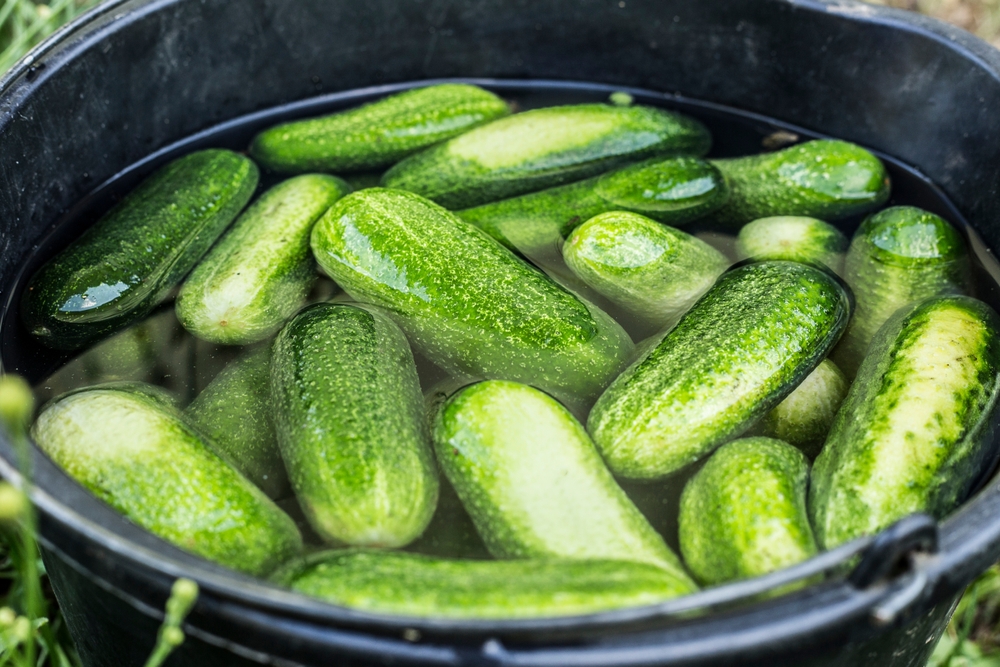
Image credit: Shutterstock.
If leafy greens or cut vegetables start to look limp, a bowl of ice water can bring them back to life. This trick works by rehydrating the plant cells, which restores firmness and texture. Grandparents often used this method before serving salads or fresh sides. It’s still widely recommended today, especially in professional kitchens. The process is simple, yet the results are noticeable. Crisp vegetables not only taste better, but they also look more appealing.
Store Fresh Herbs Like Flowers to Extend Their Life
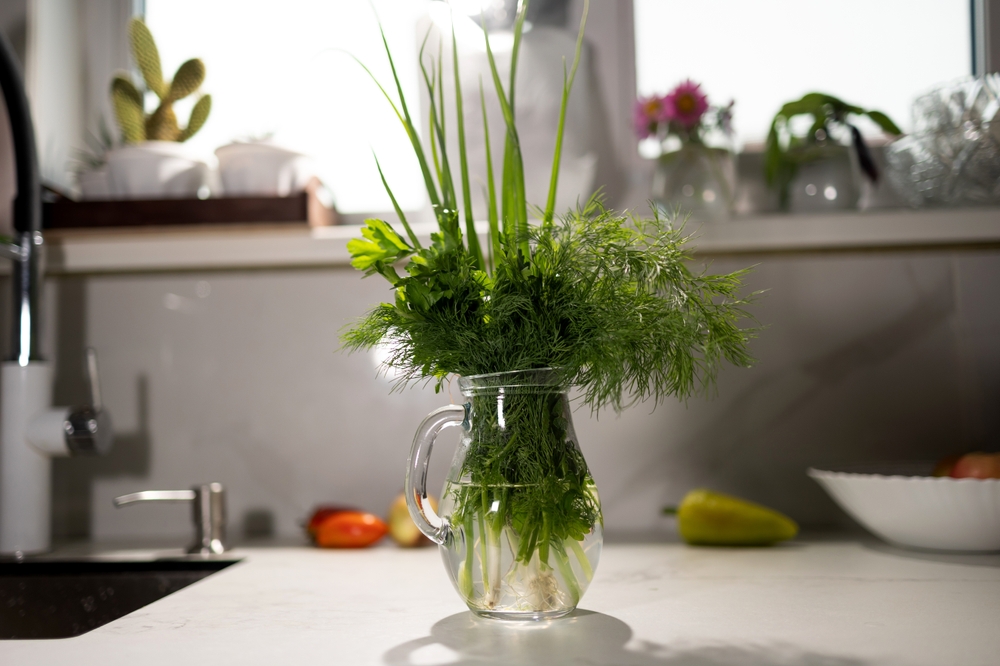
Image credit: Shutterstock.
Instead of tossing herbs into the fridge, many traditional cooks treated them like fresh flowers. By placing herbs in a glass of water and loosely covering them, they stayed hydrated and fresh for longer. This method works especially well for herbs with soft stems, like parsley or cilantro. It slows down wilting and keeps flavors intact. Even today, this technique is recommended for home cooks who want to get the most out of their ingredients. It’s simple, effective, and rooted in careful observation.
Read More: The Benefits Of Kids Living Close To Their Grandparents
Why These Timeless Tricks Still Belong in Your Kitchen

Looking back, these retro kitchen tricks reveal more than just clever shortcuts. They show a way of cooking built on patience, resourcefulness, and a deep respect for ingredients. While modern kitchens offer convenience and precision, many of these older methods still hold their value. In fact, some align closely with what food science teaches today. At the same time, they remind us that great cooking doesn’t always depend on expensive tools or complicated steps. Sometimes, the most effective solutions are the simplest ones. These old-fashioned kitchen hacks continue to inspire, proving that practical wisdom never really goes out of style.
A.I. Disclaimer: This article was created with AI assistance and edited by a human for accuracy and clarity.
Read More: Photographer captures little children and their grandparents and the pictures are beyond amazing