

The hum of the air fryer has become the soundtrack of the modern kitchen. We’ve become obsessed with the “quick fix” – the promise that everything from Brussels sprouts to frozen dumplings can be made “crispy” in ten minutes with the push of a button. But in our rush toward convenience, we’ve lost touch with the slow, soulful, and deeply aromatic world of old-fashioned food.
The Old-Fashioned Foods and Retro Recipes That Will Make You Forget Your Air Fryer
Classic recipes aren’t just about the end result; they are about the process. They are about the smell of a stew that has been whispering on the stove for four hours, the tactile joy of kneading dough by hand, and the complex textures that a high-speed fan simply cannot replicate. Retro food reminds us that the best meals are often the ones that take their time. From the heartlands of the American South to the vibrant kitchens of Colombia and traditional hearths of Japan, these dishes prove that “old-fashioned” is just another word for perfection.
1. Southern-Style Chicken and Dumplings
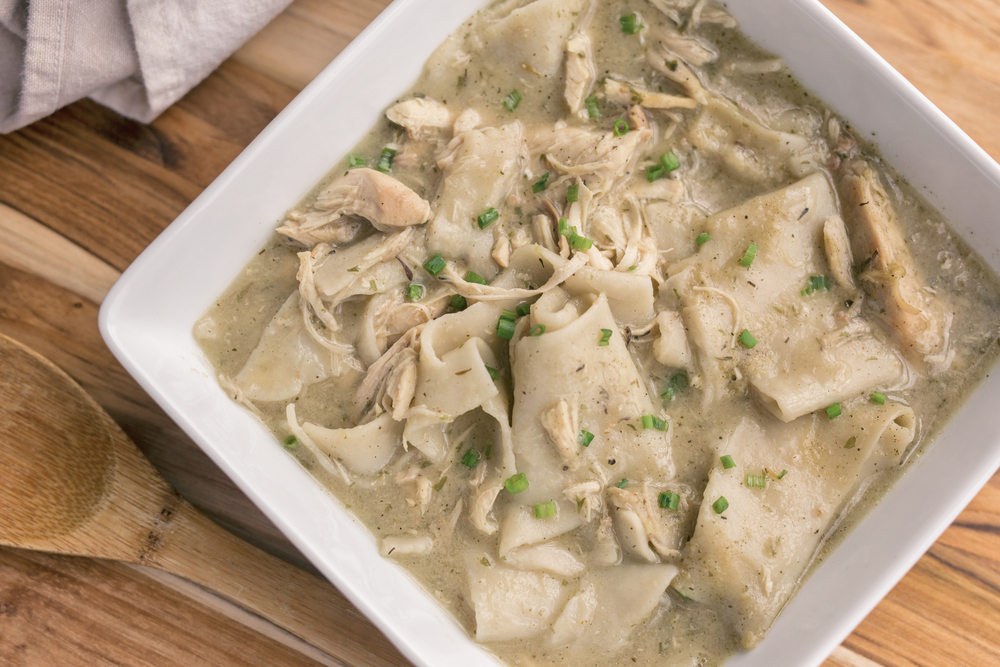
There is a specific kind of magic that happens when flour, fat, and broth meet on a low simmer. While an air fryer can give you a decent “fried” chicken wing, it can never provide the silken, rib-sticking comfort of a true Southern-style chick and dumplings. This isn’t the version with biscuit-like balls floating on top; we’re talking about “slick” dumplings, rolled out thin and cut into squares, then dropped into a rich, velvety chicken velouté.
The beauty of this classic recipe lies in the starch. As the dumplings cook in the broth, they release just enough flour to thicken the liquid into a gravy-like consistency that coats the back of a spoon. You start by simmering a whole chicken with aromatics – onions, celery, and carrots – until the meat literally falls off the bone. The air fryer may be the king of “crunch,” but it is the enemy of tender. This dish is a masterclass in texture; the chicken is succulent, and the dumplings are chewy yet tender, absorbing the essence of the poultry. It’s a dish that demands you slow down. You can’t rush the rolling of the dough, and you certainly can’t rush the simmer. When you take that first bite of a warm, salt-flecked dumpling submerged in golden broth, the idea of a dry, air-fried nugget becomes laughable. This is soul food in its purest, most old-fashioned form.
2. Colombian Ajiaco (Chicken and Potato Soup)
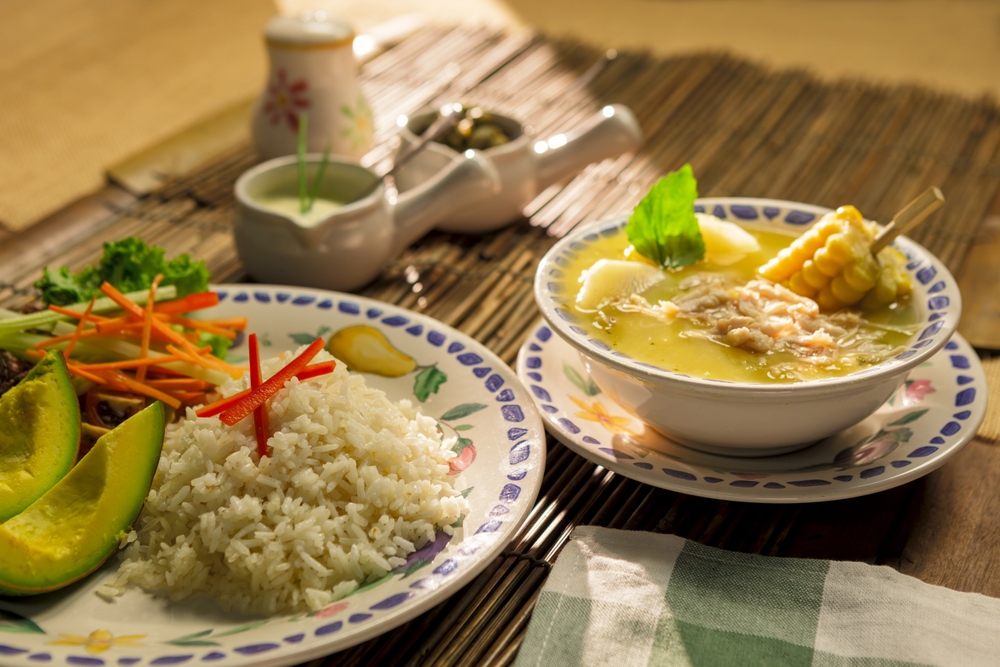
If you think the air fryer is the only way to get the best out of a potato, you haven’t tried Colombian Ajiaco (ah-hyah-ko). This traditional soup from Bogotá is a testament to the versatility of the humble tuber. Ajiaco typically uses three different varieties of potatoes: papa sabanera (firm potatoes), papa pastusa (creamy potatoes), and papa criolla (small yellow potatoes that dissolve completely).
While an air fryer crisps the outside of a potato, Ajiaco uses the vegetable to create a complex, multi-layered broth. The papa criolla melts into the soup, creating a thick, buttery base, while the other varieties provide structure and bite. The secret ingredient that sets this apart from any modern“quick soup” is guasca, an ancient Andean herb with a grassy, earthy flavor that simply can’t be substituted. The dish is traditionally served with heavy cream, capers, and avocado on the side, with a section of corn still on the cob. This allows each person to customize their bowl according to preference. It is a slow-cooked labor of love that fills the entire house with a scent of earth and home. The depth of flavor achieved by simmering chicken on the bone with corn on the cob and three types of potatoes creates a richness that a convection fan just cannot touch. It’s a retro food staple that feels both ancient and essential, reminding us that the best flavors come from the earth, not a heating element.
3. Classic Slow-Simmered Meatloaf with Tomato Glaze
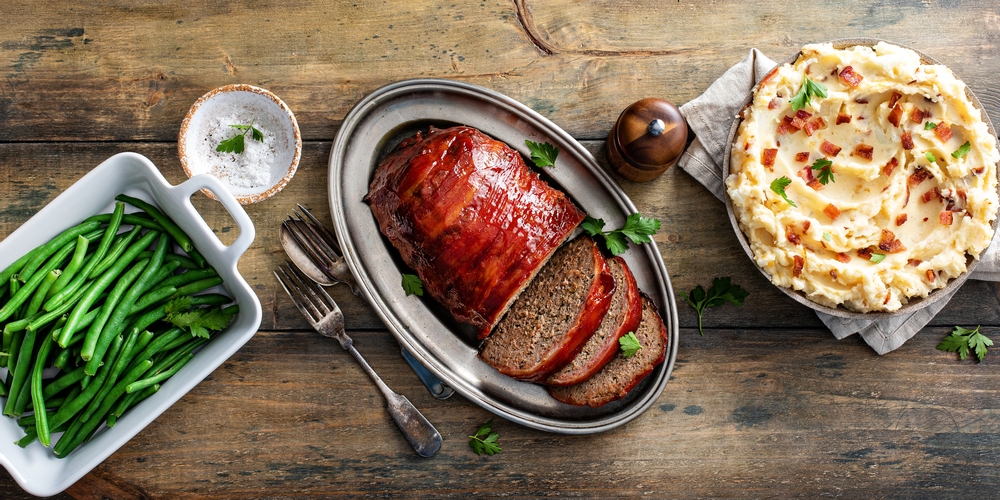
Image credit: Shutterstock
Meatloaf is the king of retro food, but the modern urge to cook it “fast” in an air fryer often leads to a loaf that is charred on the outside and crumbly on the inside. The old-fashioned way, baked slowly in a conventional oven, allows the meat to stay incredibly moist while the glaze has time to truly “set” and caramelize into a sticky, sweet-and-tangy topping.
The classic recipe calls for a mix of ground beef and pork, bound together with milk-soaked breadcrumbs, eggs, and finely grated onions. The low, steady heat of the oven allows the internal fats to render slowly, basting the loaf from within. Meanwhile, the tomato glaze (often a mix of ketchup, brown sugar, and a dash of vinegar) slowly reduces, forming a thick, ruby-red coating that clings to every slice. This is comfort food at its most iconic. It’s the dish that provides leftovers for the world’s best sandwiches the next day. An air fryer might give you a crust, but it lacks the gentle environment necessary to keep a meatloaf juicy and tender throughout. When you pull a perfectly glazed meatloaf out of the oven, resting it for ten minutes before slicing, you’re looking at a masterpiece of mid-century Americana that no gadget can improve upon.
4. Japanese Nikujaga (Meat and Potato Stew)
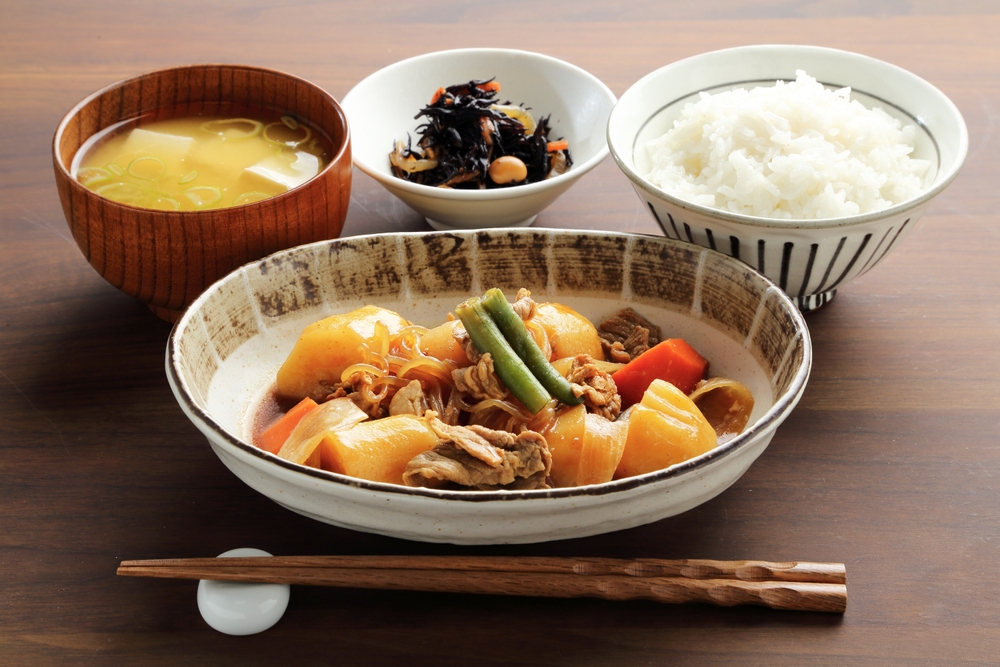
In Japan, Nikujaga (nee-koo-jah-gah) is the ultimate “mother’s cooking” (ofukuro no aji). It is a classic recipe that dates back to the late 19th century, born from a desire to create a Japanese version of the beef stews served in the British Royal Navy. However, the Japanese twist, using soy sauce, mirin, and dashi, turned into a national treasure.
Nikujaga consists of thinly sliced beef, potatoes, carrots, and onions, simmered in a sweet and savory broth. The gentle simmering process of Nikujaga allows the vegetables to soak up the umami-rich liquid until they are practically glowing. The potatoes become“creamy” in a way that only happens through osmosis. There is a delicate balance of sweet and salty that develops over time, cooking on the stove, a harmony that modern flash-cooking methods ignore. Many people also add shirataki (konjac) noodles, which provide a delightful, springy contrast to the soft vegetables. Eating Nikujaga is like receiving a warm hug from history. It’s a reminder that meat doesn’t always need a crust to be delicious. Sometimes, the most satisfying thing in the world is a piece of beef so tender it melts on your tongue, flavored by a broth that took its time to get to know every ingredient in the pot.
5. French Bœuf Bourguignon
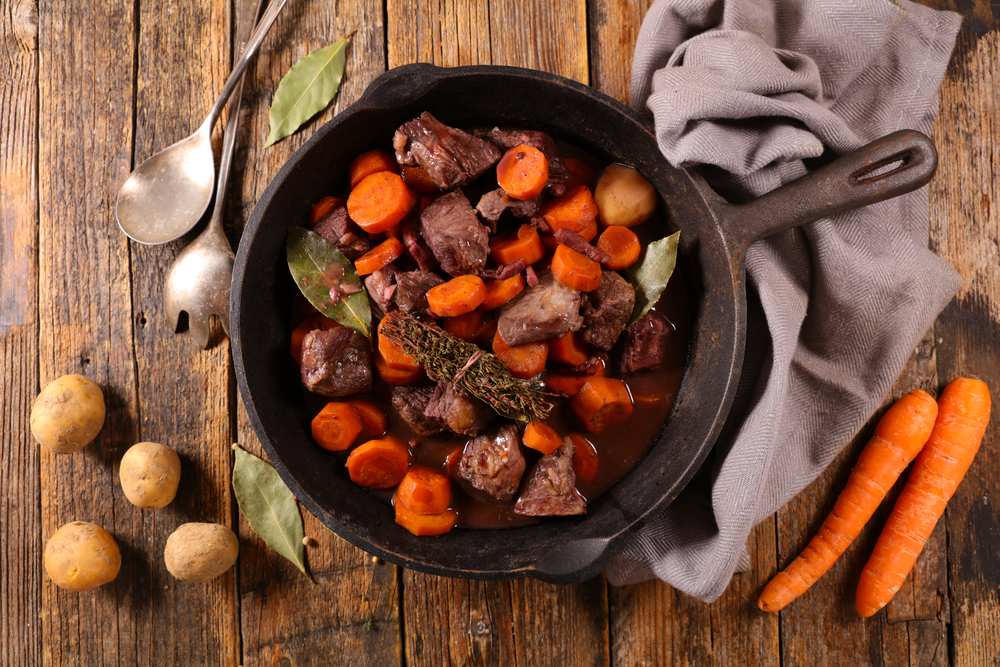
Image credit: Shutterstock
Long before the air fryer promised delicious food in minutes, the French perfected the art of turning tough, inexpensive cuts of beef into a masterpiece through the power of red wine and time. Bœuf Bourguignon is the quintessential old-fashioned food for anyone who appreciates the chemistry of cooking. This isn’t just a stew; it’s a symphony of flavors that relies on the slow breakdown of collagen into gelatin.
The process is a ritual: searing the beef in bacon fat (lardons), sautéing pearl onions and mushrooms, and then submerging everything in a bottle of dark, tannic Burgundy wine. As it braises in a low oven for three or four hours, the wine reduces into a glossy, dark purple sauce that is so rich it feels decadent. Bœuf Bourguignon is all about retaining moisture and intensifying it. The beef becomes so tender you don’t even need a knife, and the vegetables become jewels of concentrated flavor. This dish represents a culinary patience that is rare in the 21st century. When you pull that heavy Dutch oven out of the heat and see the deep, wine-stained sauce bubbling around the meat, you realize that some things are worth the wait. It’s a classic recipe that has survived for centuries because it offers a depth of satisfaction that the air fryer simply can’t.
6. Nigerian Jollof Rice
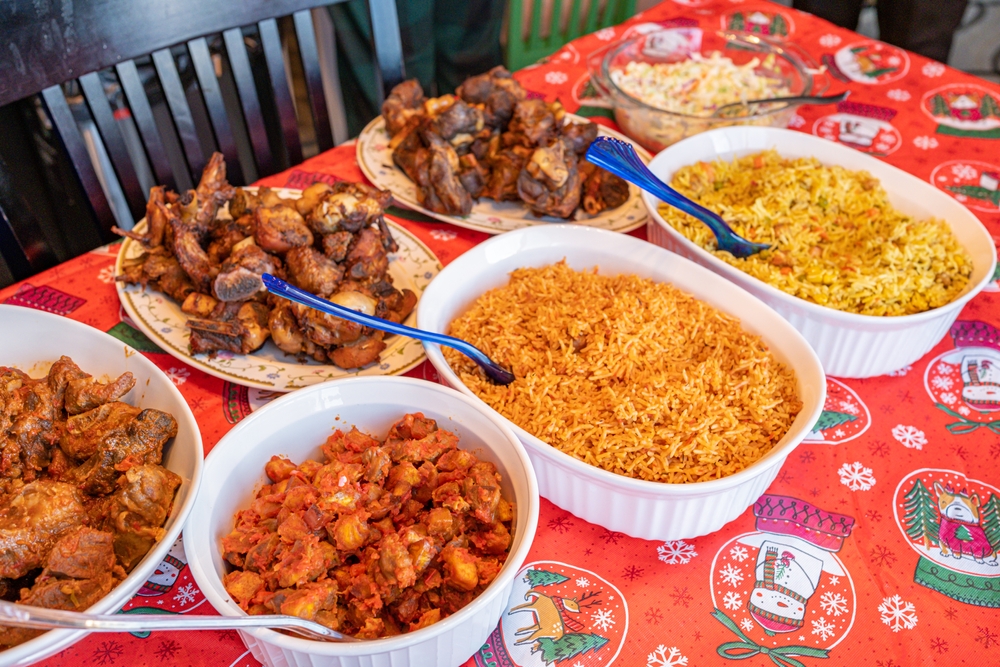
While many people think of old-fashioned as meaning European or American vintage, the traditional methods of making Jollof rice in West Africa are as classic as they come. Jollof is more than just a side dish; it is a cultural icon, and the old-school way of making it involves a party rice technique that no modern appliance can replicate.
The soul of Jollof lies in the obsession with the base: a blended mixture of tomatoes, red bell peppers, onions, and scotch bonnets that is fried down in oil until the water evaporates and the sugars caramelize. This stewing phase is crucial; it’s where the deep, smoky flavor begins. The rice is then steamed, not boiled, inside this concentrated sauce. The most coveted part of a traditional Jollof is the bottom of the pot, known as the“burnt” or”crispy” rice (kanzo or itakun). This happens through the direct, steady heat of a stove, creating a smoky, charred flavor that permeates the entire batch. This bottom-up smokiness of a pot of Jollof is what makes this dish loved. It is a vibrant, spicy, and communal dish that brings people together, proving that the best tools in the kitchen aren’t always the newest ones; they’re the ones that have been used for generations.
7. Traditional American Beef Pot Roast
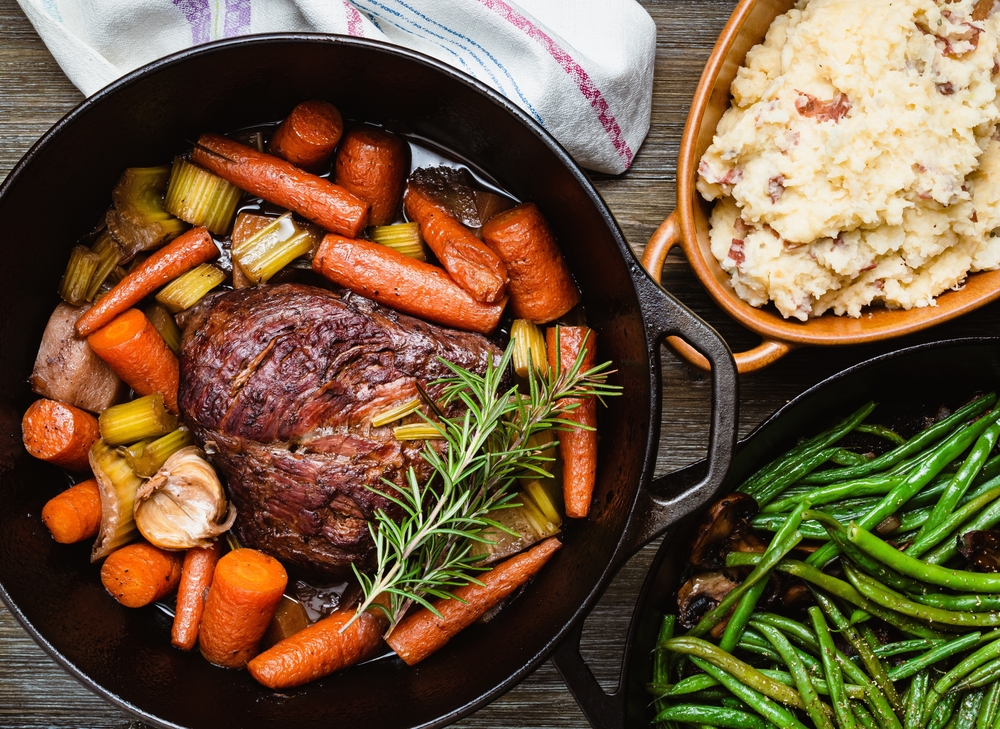
Before the Instant Pot or the air fryer, there was the heavy cast-iron Dutch oven nestled in a low-heat oven on a Sunday afternoon. A traditional American pot roast is the ultimate example of retro food that defies modern technology. This dish isn’t about high-heat searing for a quick crust; it’s about a long, moist-heat braise that transforms a tough chuck roast into butter-soft strands of beef.
The beauty of a pot roast is the one-pot harmony. You start by browning the meat in its own rendered fat, then adding a bouquet of herbs: thyme, rosemary, and bay leaves, along with onions, carrots, and potatoes. As the pot sits in the oven for three to four hours, the vegetables bathe in the juices of the beef, absorbing its savory essence while giving back their natural sweetness. This slow-cook method creates a rich, dark gravy that is naturally thickened by the starch of the potatoes. It’s the smell of a childhood home – a deep, meaty aroma that permeates the walls. This is the meal that brought families to the table for generations, a centerpiece that demands you sit down, stay a while, and appreciate the value of patience. It is a classic recipe that proves simplicity, when given enough time, is the height of culinary sophistication.
8. Chinese “Lion’s Head” Meatballs (Shīzi Tóu)
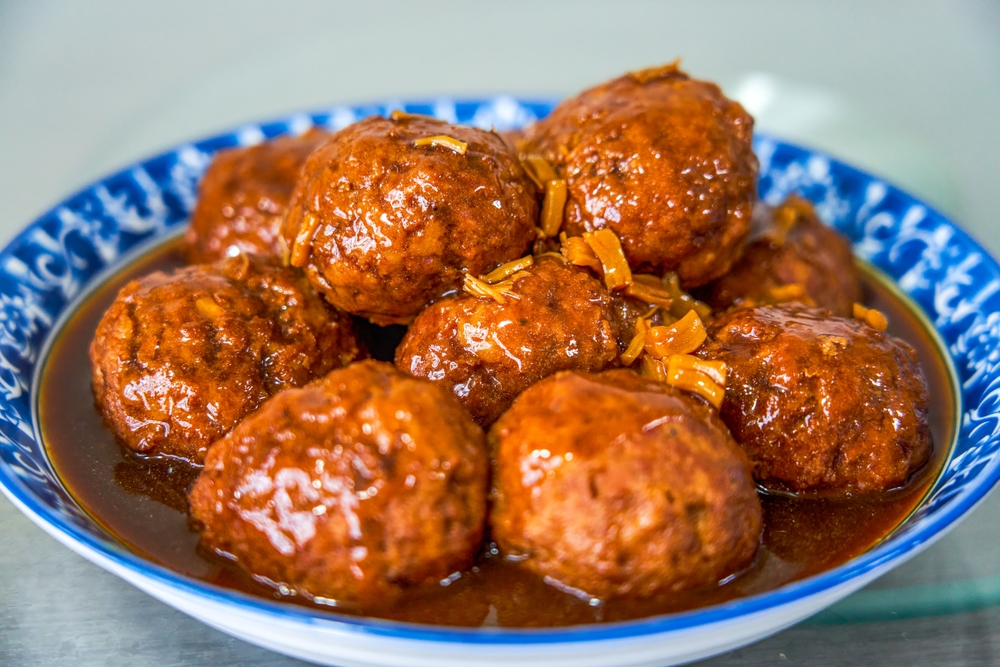
In the realm of classic recipes, few dishes are as visually striking or as comforting as the Shanghai-style Lion’s Head meatball. These oversized pork meatballs, supposedly resembling the head of a guardian lion, with cabbage leaves acting as the “mane”, are a masterclass in moisture management. Using this traditional Chinese method, these meatballs are gently braised until they achieve a texture described as “melt-in-your-mouth” (rùkǒu jí huà).
The secret to this retro food favorite is the inclusion of water chestnuts for crunch and a generous amount of fatty pork, which is hand-minced rather than ground to maintain its integrity. They are lightly seared to hold their shape and then nestled into a clay pot with large leaves of napa cabbage and a broth of soy sauce, ginger, and star anise. As they simmer for hours, the cabbage releases its sweetness into the pork, and the pork lends its richness to the cabbage. This slow exchange of flavors creates a harmony that no quick-cook machine can mimic. When served, the meat is so tender it can be eaten with a spoon, and the broth has thickened into a savory nectar. It’s a dish that celebrates the quiet power of the braise over the aggressive heat of the fan.
9. New England Clam Chowder (The Old-School Way)
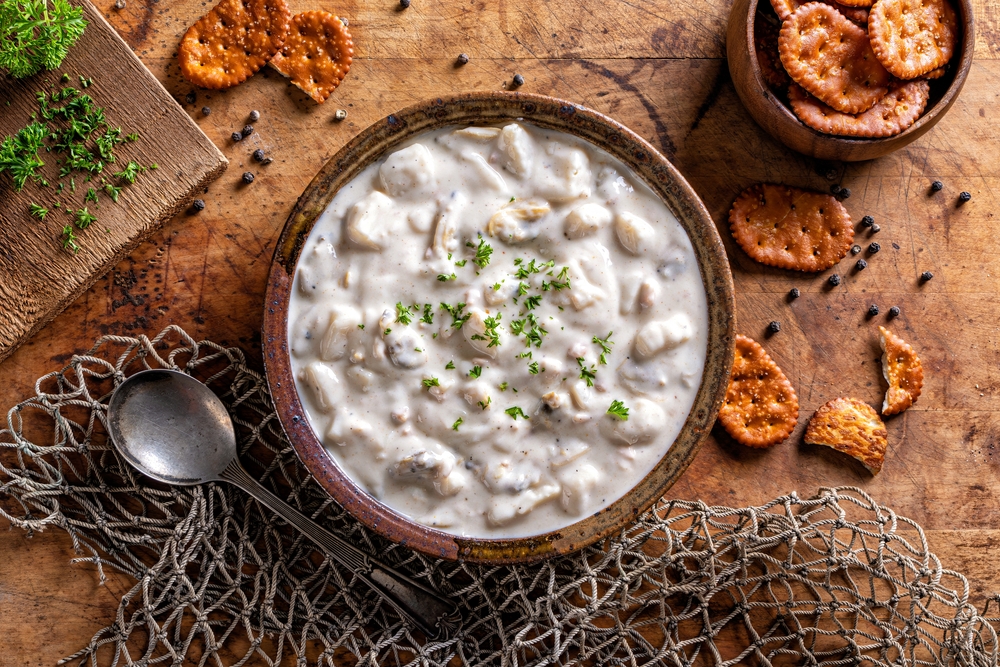
Old-fashioned New England Clam Chowder stands as a creamy, salt-sprayed monument to coastal tradition. We aren’t talking about the thin, water soups found in cans. Traditional chowder is thick, heavy with cream, and loaded with the briny liquor of freshly-shucked clams.
The secret to a truly great chowder is the curing process, with many of our grandparents swearing that it tastes better the second day, once the potatoes have released their starch and the clam juice has fully integrated with the heavy cream. The texture is a delicate balance: the potatoes should be soft enough to crush against the roof of your mouth, the clams should be tender, never rubbery, and the base should be rich enough to coat a spoon without being gummy. Served with a handful of oyster crackers, it is a bowl of history that tells the story of the Atlantic coast. It’s a retro food that reminds us that some of the best things in life are found in a deep pot, bubbling gently on the back burner while the wind howls outside.
10. Indian Dal Makhani
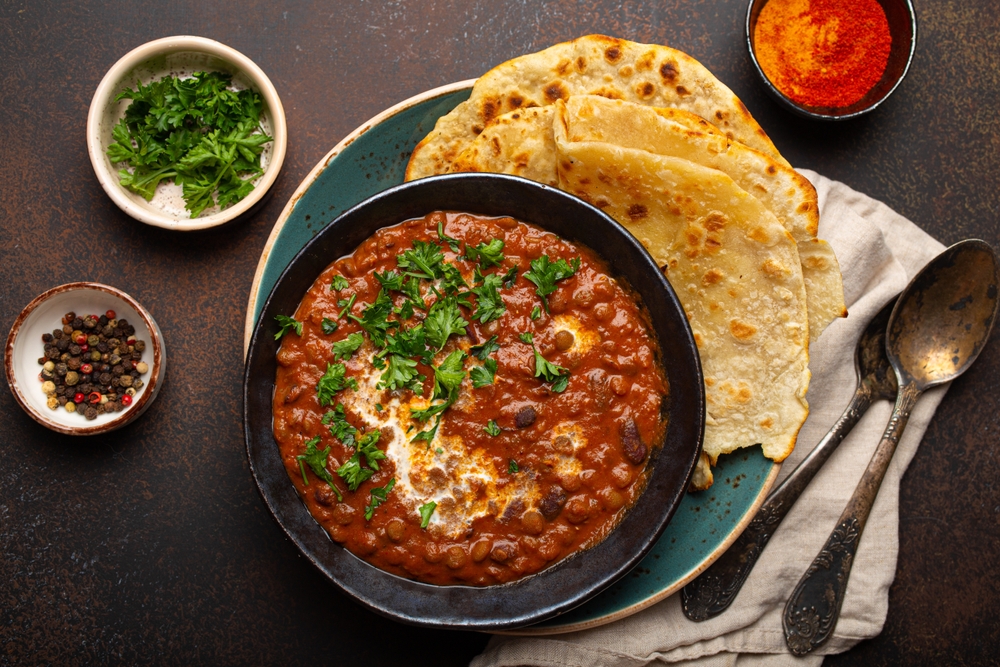
If there were a hall of fame for slow-cooked masterpieces, Dal Makhani would be at the very front. Originating from the Punjab region, this dish is traditionally made with whole black lentils (urad dal) and kidney beans (rajma). In the old days, it was cooked overnight over the fading embers of a coal fire (tandoor), allowing the lentils to break down into a naturally creamy consistency without the need for excessive dairy.
The modern air fryer culture is built on speed, but Dal Makhani is the antithesis of fast. You start by soaking the beans and then simmering them for hours, sometimes a whole day, with ginger, garlic, and a heavy hand of butter (hence the name makhani, which means “buttery”). The slow heat transforms the tough skins of the black lentils into a silken, smoky puree. While modern versions often add cream at the end, the old-fashioned depth comes from the sheer duration of the cook, which develops a deep, earthy umami that a 15-minute recipe can’t reach. Every bite is a reminder of the patience required to coax flavor out of simple ingredients. It’s a dish that demands to be eaten with fresh, hand-torn naan, used to scoop up the thick, spiced gravy. Once you taste dal that has been nurtured on a stove for eight hours, you’ll learn the true meaning of flavor.
11. Spanish Albóndigas en Salsa (Meatballs in Almond Sauce)
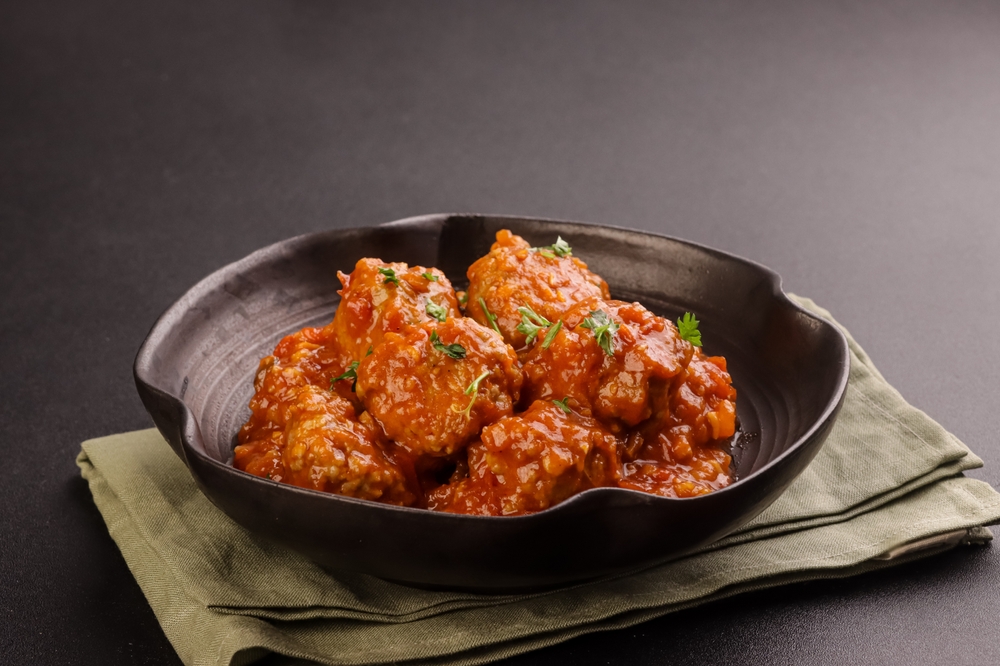
Image credit: Shutterstock
Spanish cuisine is famous for its tapas, but some of its best old-fashioned offerings are found in the home-style stews known as guisos. Albóndigas en salsa is a classic recipe that swaps the typical tomato-heavy sauce for something much more interesting: a rich, thickened sauce made from fried bread, garlic, and toasted almonds. This method of using nuts and bread as a thickener is a technique dating back centuries, influenced by Moorish culinary traditions.
The meatballs themselves are usually a blend of beef and pork, seasoned with parsley and nutmeg. While you could throw meatballs in an air fryer, you would lose the essential “fond” – the browned bits left in the pan after searing – that forms the soul of the sauce. In this dish, the meatballs are simmered in a golden bath of white wine, chicken stock, and the crushed almond paste. The result is a sauce that is velvety, nutty, and incredibly savory, clinging to the meat in a way that an air-fried coating never could. It is a dish that requires the “low and slow” treatment to allow the almonds to soften and the wine to mellow. Served with a side of crusty bread to mop up every last drop of the sauce, these albóndigas are a testament to the sophistication of classic Spanish home cooking. It’s a meal that feels like a piece of history on your plate, reminding us that the best sauces aren’t poured from a jar – they’re built in a pan.
12. Slow-Baked Boston Baked Beans
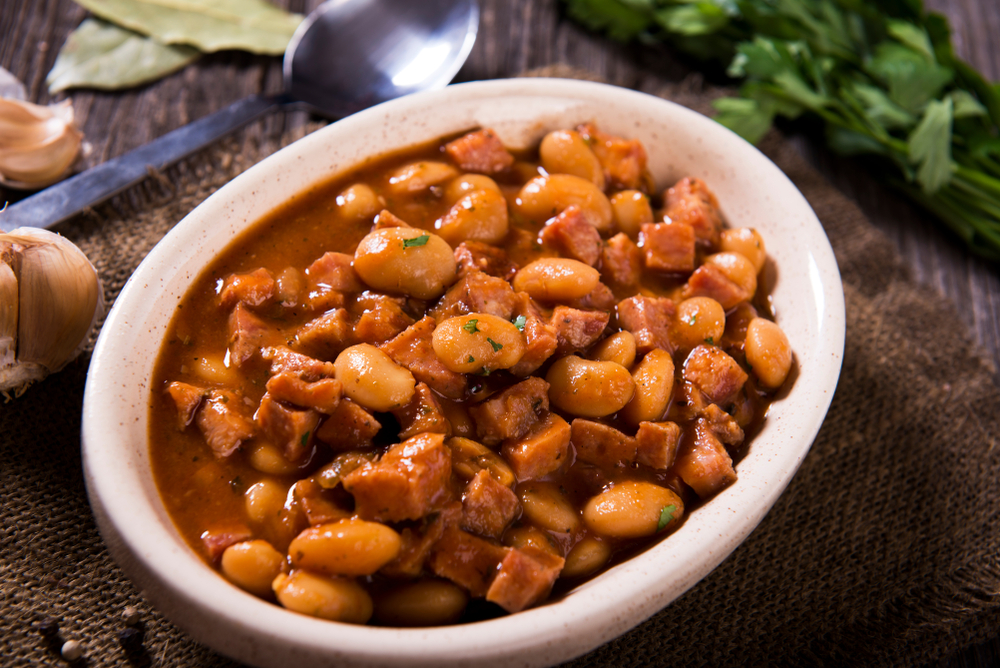
Forget the canned stuff – traditional Boston Baked Beans are a lesson in the transformative power of molasses and low heat. This classic recipe dates back to the colonial era, and it was traditionally prepared on Saturdays to be eaten on the Sabbath when cooking was prohibited. The beans are slow-cooked in a ceramic bean pot for six to eight hours.
The ingredient list is a throwback to American history: salt pork, molasses, dry mustard, and onions. As the beans bake, the molasses caramelizes into a deep, dark, almost smoky sweetness that penetrates the heart of every navy bean. The salt pork breaks down, adding a savory, fatty backbone that balances the sugar. The air fryer, with its aggressive convection, would simply dry out the beans before they ever had a chance to soften. In contrast, the slow-bake method produces a texture that is creamy and consistent throughout. There is a deep, mahogany color to the finished dish that can only be achieved through hours of patient heat. It is a humble dish, yet it possesses a complexity of flavor that modern fast-cooking can’t achieve. Paired with a slice of traditional brown bread, it is a quintessential American experience that rewards the patient cook.
13. Moroccan Lamb Tagine with Apricots
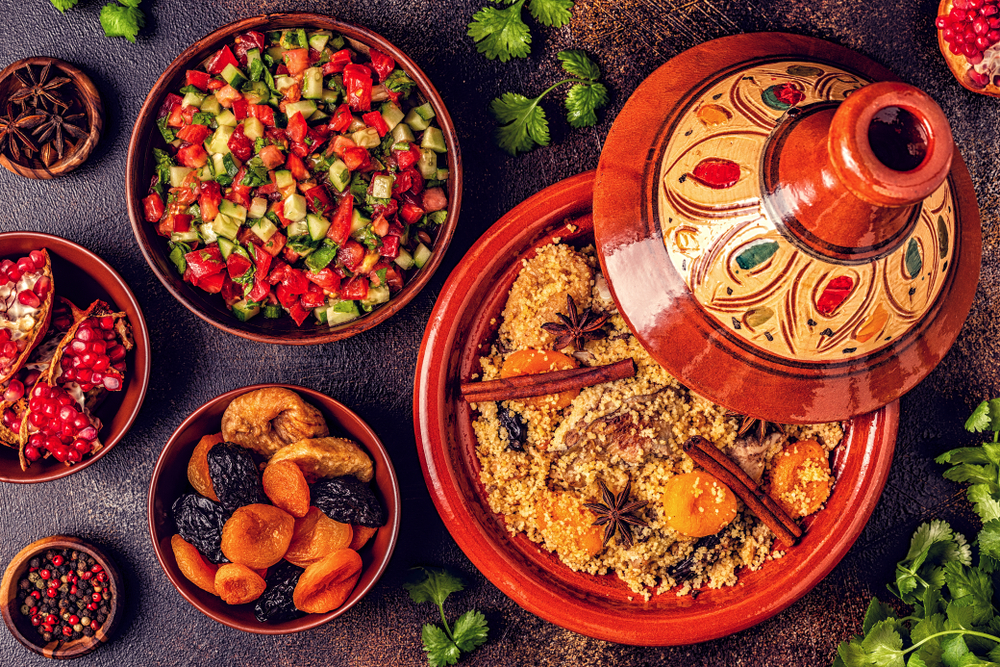
Tagine refers to both the iconic conical clay pot and the succulent stew cooked within it. This North African classic is the ultimate argument for slow-cooking methods. The very design of the tagine – a cone-shaped lid that returns condensed steam to the bottom of the pot – is intended to keep meat incredibly moist during a long, slow cook. Moroccan Lamb Tagine with Apricots is a perfect example of this ancient low-tech genius.
The dish combines lamb shoulder, a cut that would be tough and leathery in an air fryer, with a complex spice blend called Ras el Hanout, featuring cinnamon, ginger, and turmeric. Over two or three hours of simmering, the fat in the lamb renders down, basting the meat in its own juices. The addition of dried apricots adds a honey-like sweetness that balances the savory spices, creating a sauce that is thick, fragrant, and jewel-toned. The result is lamb that pulls apart with the slightest pressure of a fork, infused with the floral notes of saffron and the tang of preserved lemons. It is a sensory experience that starts the moment the aromatics hit the oil and peaks hours later when the lid is finally lifted to reveal a bubbling, aromatic masterpiece. It’s a reminder that some of the world’s best cooking technology was invented centuries ago.
14. Italian Beef Ragu alla Bolognese (The Traditional Way)
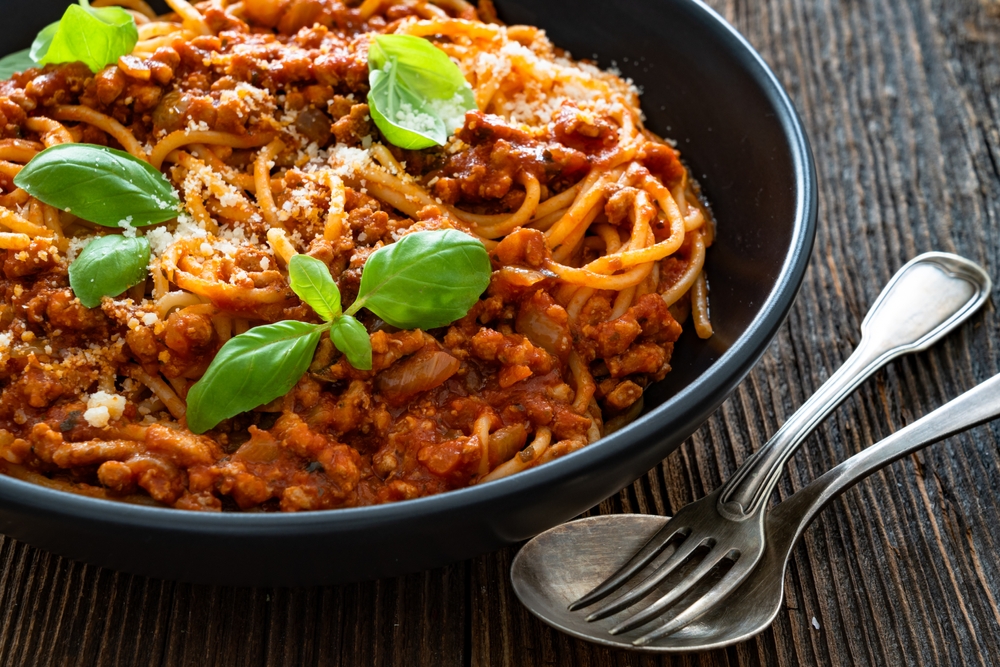
We’ve all had “spaghetti bolognese,” but the traditional Ragu alla Bolognese from the Emilia-Romagna region of Italy is a different beast entirely. It is not a tomato sauce with meat; it is a meat sauce flavored with a hint of tomato. This classic recipe is a slow-motion transformation of beef, pork, and pancetta into a rich, complex ragu that can take anywhere from four to six hours on the lowest possible flame.
The process begins with soffritto – finely diced onion, celery, and carrot – sautéed slowly in butter and oil until they practically disappear. The meat is browned, then stretched with white wine and milk. The addition of dairy is a vintage secret that tenderizes the meat and adds a subtle creaminess to the final sauce. The flavors of the wine, the sweetness of the vegetables, and the richness of the meat meld into a single, unified profile that is far greater than the sum of its parts. By the time it’s done, the sauce is thick, orange-hued, and intensely savory. When tossed with fresh egg tagliatelle, it creates a dish that is the gold standard of Italian comfort. It’s a labor of love that proves the most important ingredient in any kitchen isn’t an appliance, it’s time.
15. Southern Slow-Cooked Collard Greens
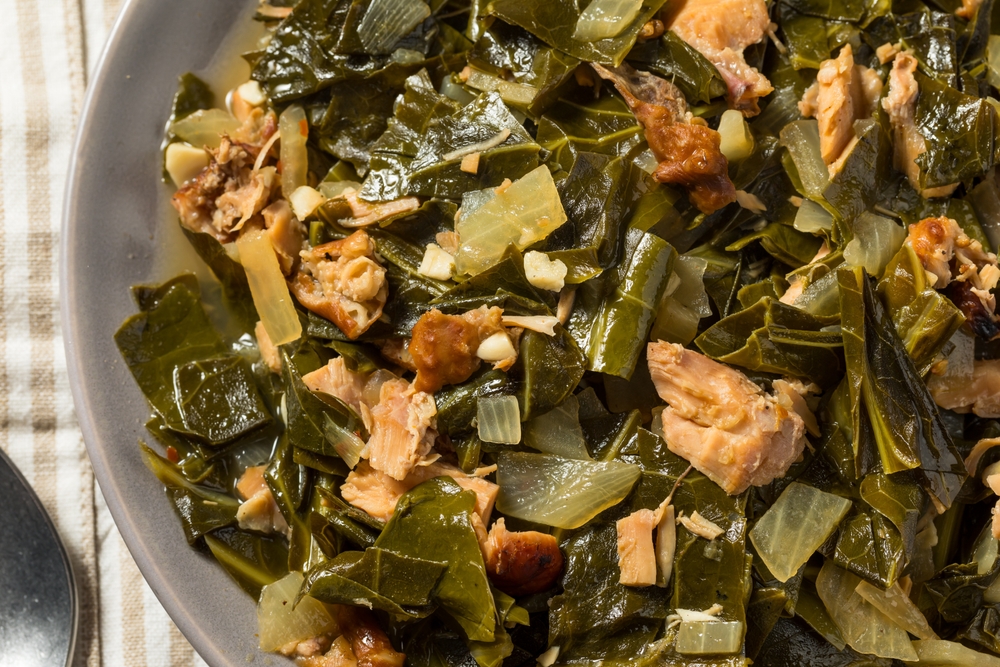
In the American South, “greens” are not a side dish you rush, they are a project that requires a “pot likker” (the nutrient-rich broth left over after cooking). Traditional collard greens are simmered for hours with a smoked ham hock, turkey wing, or salt pork. This long duration is essential to break down the tough, fibrous leaves of the collard into a silken, tender delicacy that melts in your mouth.
The air fryer is designed for the kale chip crowd – crispy, fast, and light. But old-fashioned collards are the opposite. They are deep, dark, and heavy with the flavor of woodsmoke and vinegar. The slow simmer draws the collagen out of the smoked meat, creating a broth so flavorful it’s often considered medicine for the soul. The bitterness of the greens slowly yields to the salt and smoke of the meat, resulting in a balanced, earthy flavor profile that defines Southern hospitality. You need the time for the vinegar to brighten the fats and for the heat to tenderize the greens without turning them into mush. Served with a piece of hot cornbread to soak up the pot likker, these greens represent a culinary lineage that prioritizes flavor and nutrition over speed.
Read More: A Look Back at the Dessert That Ruled the Year You Were Born
Old-Fashioned Food In the Modern World
The air fryer certainly has its place. It can make traditionally less-healthy foods, like French fries or patacones, better for you, and can help you whip up Tuesday night dinner between piano lessons and soccer practice quickly. Still, it’s no substitute for the soul of traditional cooking. These fifteen old-fashioned foods remind us that the kitchen is a place for more than just “efficiency.” It is a place for aromas that fill the house, for texture that can only be achieved through a slow simmer, and for recipes that connect us to the cultures and ancestors who came before us.
The next time you’re tempted to go the convenient route, consider pulling out a heavy pot or a Dutch oven instead. Let the onions caramelize, let the broth reduce, and let the house fill with the scent of a meal that took its time. Once you take that first bite of a tender dumpling, a wine-soaked piece of beef, or a spice-infused lentil stew, you’ll realize that the most high-tech thing you can do in your kitchen is to cook something the old-fashioned way.
Read More: Retro Kitchen Tricks That Prove Our Grandparents Were Culinary Geniuses