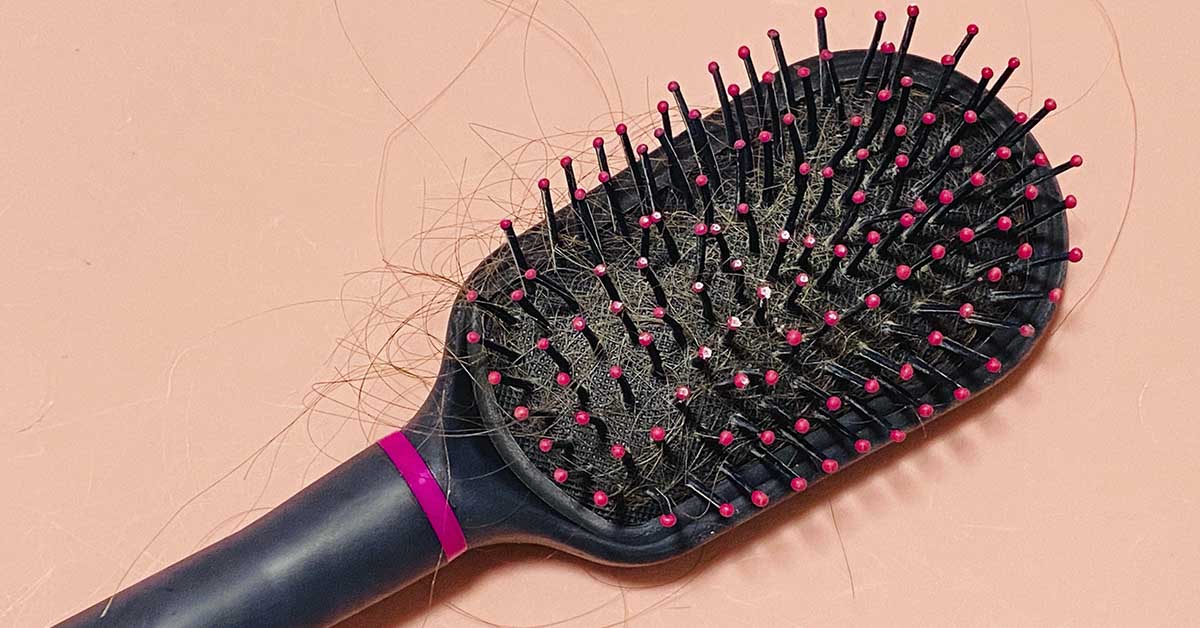

Most people don’t think twice about brushing their hair. It’s one of those automatic habits, like washing your face or grabbing your phone first thing in the morning. But now and then, you might notice something strange hiding between the bristles, that soft, dusty buildup known as the gray fuzz in a hairbrush. It looks harmless, maybe even easy to ignore. However, once you stop and really think about what it is, the reality becomes a little harder to brush off.
This isn’t just about one grooming tool. It’s a reminder that the items we rely on to stay clean don’t always stay clean themselves. While we focus on maintaining our appearance, the tools we use go through their own kind of wear and buildup over time.
What’s Actually Hiding in Your Hairbrush
Once you get past the initial reaction, the next question is obvious: what exactly makes up that buildup? The answer is a mix of completely normal things that, when combined, start to feel a lot less appealing.
First, there’s shed hair. On average, a person loses between 50 and 100 strands of hair each day. While some of those strands fall away naturally, many get caught in the bristles during brushing. Over time, these loose hairs begin to wrap around each other, creating a base that other particles can cling to. This is usually the most visible part of the buildup.
Next comes scalp oil, also known as sebum. This natural oil plays an important role in keeping your hair healthy and protected. However, it also has a sticky quality. When you brush your hair, that oil transfers onto the brush. It then acts like a binding agent, helping dust, fibers, and other particles stick together. This is one of the main reasons the buildup doesn’t just fall out on its own.
Then there are dead skin cells. Your scalp, like the rest of your body, is constantly shedding skin. These tiny flakes are usually invisible, but they don’t just disappear. Instead, they get caught in the brush along with hair and oil. Over time, they become part of that compacted layer sitting at the base of the bristles.
Environmental factors also play a big role. Dust is everywhere, even in the cleanest homes. Add in tiny fibers from clothing, bedding, and towels, and you start to see how quickly things can accumulate. These particles are light and easily picked up by hair, especially when static electricity is involved. Once they reach the brush, they get trapped and pulled into the growing mass.

Hair products add another layer to the mix. Leave-in conditioners, serums, dry shampoo, and styling sprays don’t just stay on your hair. They transfer onto your brush as well. Over time, these residues build up and combine with everything else, sometimes giving the fuzz a slightly waxy or sticky texture.
When you look at it this way, the so-called gross things in the hairbrush aren’t coming from one single source. They’re the result of your body doing exactly what it’s supposed to do, combined with your environment and daily habits. Nothing in that mix is unusual on its own. It’s the accumulation that makes it feel unsettling.
And that accumulation happens faster than most people realize. Each time you brush your hair, you’re adding a little more to what’s already there. Without regular cleaning, that buildup becomes denser and more noticeable. Eventually, it starts to affect how your brush performs, and more importantly, what it’s transferring back onto your hair.
Your hairbrush isn’t just collecting debris. It’s part of a cycle. You use it to clean and style your hair, but if it’s not maintained, it can undo some of that effort. Instead of helping your hair look fresh, it can reintroduce oil, dust, and residue, making your routine less effective than you think.
Why That Gray Color Happens
One of the strangest parts of this whole thing is the color. Even if you have dark, blonde, or red hair, that buildup almost always turns into the same muted gray tone. It feels counterintuitive at first, but there’s a simple explanation behind it.
When different materials mix, they lose their individual colors. Dust particles are typically dull and light in tone. Fabric fibers from clothing and bedding also lean toward neutral shades. Once these combine with oils and shed hair, everything blends into a uniform, faded color. It’s similar to what happens when you mix multiple paint colors together; eventually, you end up with something closer to gray or brown.
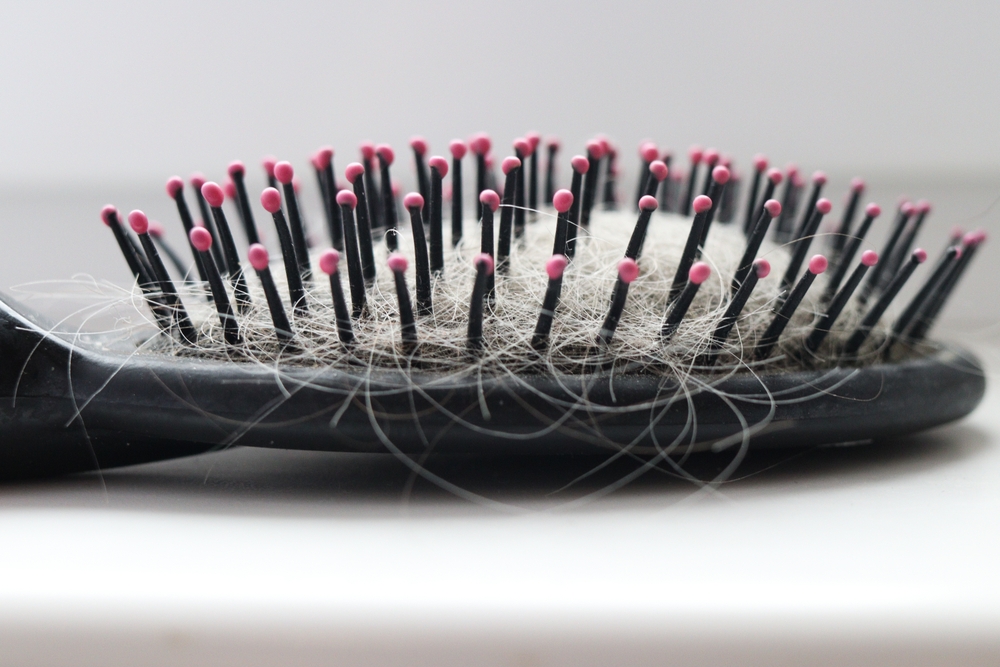
On top of that, the oil in your hairbrush slightly darkens and compresses everything. This makes the buildup look denser and more noticeable. Over time, as more particles are added, the color becomes even more consistent. So while it might look unusual, it’s really just the visual result of everyday materials combining in one place.
How to Clean A Hair Brush
By the time you notice buildup in your brush, it’s already been there for a while. The good news is that cleaning it doesn’t take much effort, and once you make it part of your routine, it becomes quick and easy to maintain. A clean brush not only works better, but it also helps keep your hair feeling fresher for longer.
Here’s a simple method you can follow to get your brush properly clean:
- Remove trapped hair first
Use your fingers, a comb, or even scissors (carefully) to lift out all the loose strands caught in the bristles. This step makes everything else much easier. - Prepare a cleaning solution
Fill a bowl with warm water and add a few drops of shampoo or gentle soap. This helps break down oils and product residue. - Soak the brush (if suitable)
Place the brush in the water for a few minutes. Avoid soaking wooden brushes or those with padded bases for too long, as excess water can damage them. - Scrub between the bristles
Use an old toothbrush or a small cleaning brush to gently scrub the base and between the bristles. Focus on areas where buildup is most visible. - Rinse thoroughly
Run the brush under clean water to remove any remaining soap and loosened debris. - Shake off excess water
Gently tap the brush against a towel to remove as much water as possible. - Let it air dry completely
Place the brush bristle-side down on a towel and allow it to dry fully before using it again.
Doing this once every week or two can make a noticeable difference. It keeps buildup from getting out of hand and ensures you’re not reintroducing old residue back into freshly cleaned hair.
You’re Cleaning Yourself With Dirty Tools
Most people put effort into staying clean. You wash your hair, cleanse your face, and follow a routine that’s meant to keep you looking and feeling fresh. But the tools you use in that routine don’t always get the same attention.
Your hairbrush is a perfect example. You use it to smooth, detangle, and style your hair, often right after washing it. But if that brush is holding onto layers of buildup, you’re not starting with a clean slate. Instead, you’re reintroducing oil, dust, and product residue back onto freshly cleaned hair.
The same idea applies to other everyday items. A makeup brush might look fine on the surface, but it can hold onto old product, oil, and bacteria. A face cloth might seem clean after one use, yet damp environments allow microbes to grow quickly. Even towels, when reused multiple times, can carry more than you expect.
It’s not about being unhygienic. It’s about awareness. These are habits most people never question because they feel routine. However, once you notice how buildup forms, it becomes clear that cleaning yourself with unclean tools is more common than we think.
Makeup Brushes and Sponges
Brushes and sponges come into direct contact with your skin, often daily. Over time, they collect layers of product, oil, and dead skin cells, much like your hairbrush does. The difference is where that buildup ends up. Instead of sitting in bristles, it gets pressed back onto your face. This can affect how your makeup applies, but more importantly, it can contribute to clogged pores and breakouts.
Sponges are especially prone to this. Their soft, porous structure traps moisture, which creates the perfect environment for bacteria to grow. Even if they look clean, they can hold onto residue deep within the material. Regular cleaning helps, but it’s often overlooked. Many people use the same tools for weeks without washing them. Just like with your hairbrush, the buildup happens gradually. You don’t notice it until it starts to affect your skin or the way your makeup looks.
Pillowcases
Your pillowcase is another silent contributor. You spend hours each night with your face and hair pressed against it. During that time, oils, sweat, and product residue transfer onto the fabric. If you don’t change your pillowcase regularly, that buildup doesn’t just stay there. It transfers back onto your skin and hair night after night. This can affect everything from breakouts to how your hair looks in the morning.
It’s one of those things that’s easy to forget because it doesn’t feel like part of your routine. But in reality, it plays a bigger role than most people realize.
Face Cloths and Towels
Face cloths feel like one of the cleanest items in your routine. You use them with cleanser, rinse them out, and hang them to dry. It seems simple enough. But the reality is a bit more complicated. After one use, a face cloth holds onto water, skin cells, and leftover product. If it doesn’t dry properly, it creates a damp environment where bacteria can grow. By the time you use it again, it may not be as fresh as it feels.
Towels follow a similar pattern. Reusing them multiple times might seem harmless, especially if they’re only used after a shower. But each use adds moisture and microscopic debris. Over time, that builds up, even if you can’t see it. This doesn’t mean you need to wash everything after every single use. It just means being mindful of how quickly these items can go from clean to questionable.
Read More: Woman creates mind-bending optical illusions with makeup. They’ll make your skin crawl
How Often Should You Clean These Things?
Once you start thinking about it, the next step is figuring out what to do. The goal isn’t perfection. It’s consistency. For your hairbrush, removing loose hair every few uses makes a noticeable difference. A deeper clean every one to two weeks helps prevent heavy buildup. If you’ve ever wondered how to clean a hairbrush, the process is simple. Warm water, a bit of shampoo, and a gentle scrub between the bristles can go a long way.
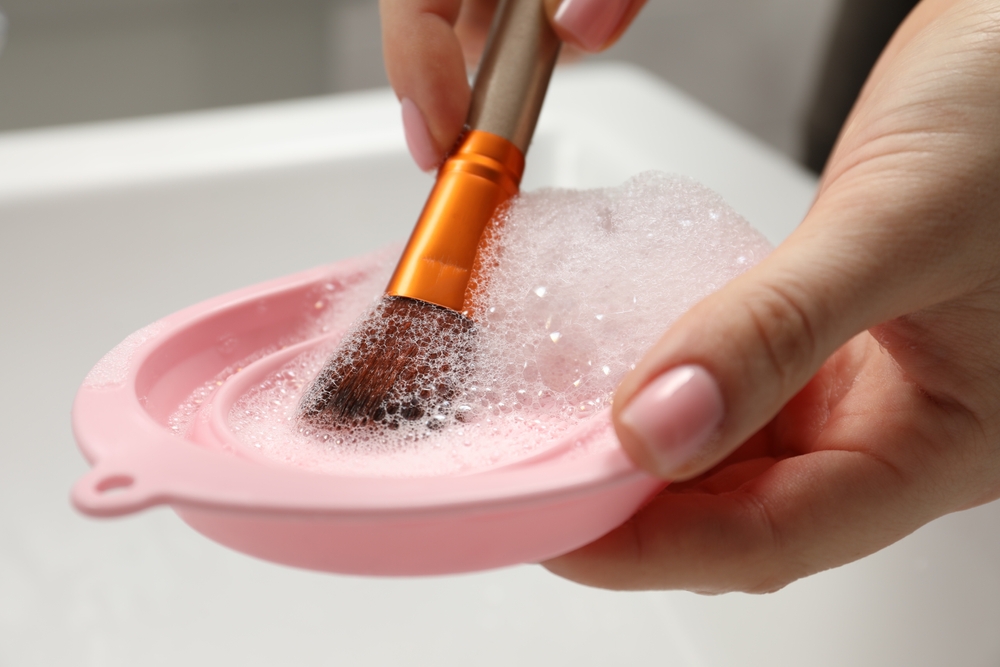
Image credit: Shutterstock.
Makeup brushes benefit from weekly cleaning, especially those used for liquid or cream products. Sponges should be cleaned even more frequently and replaced regularly. Face cloths are best used once before washing, especially if they stay damp for long periods. Towels can usually be used a few times, but they should be washed consistently. Pillowcases are easy to overlook, but changing them at least once a week can make a noticeable difference for both skin and hair.
The Bigger Picture Behind Everyday Buildup
So, the gray fuzz in your hairbrush isn’t unusual. And many other forms of buildup aren’t as obvious, but they’re still there. Once you notice it, you start to see the pattern. The tools you rely on every day need just as much attention as the routines themselves. Keeping them clean doesn’t take much effort, but it can make a real difference in how effective your routine feels.
It also changes the way you think about hygiene altogether. Instead of focusing only on the end result, you begin to pay attention to what’s happening behind the scenes. Small, consistent habits start to matter more than occasional deep cleans. And over time, those small changes don’t just keep things cleaner, they make your entire routine feel fresher and simpler.
A.I. Disclaimer: This article was created with AI assistance and edited by a human for accuracy and clarity.
Read More: From Ordinary to Extraordinary: 23 Before-and-After Bridal Looks by a Trusted Makeup Artist