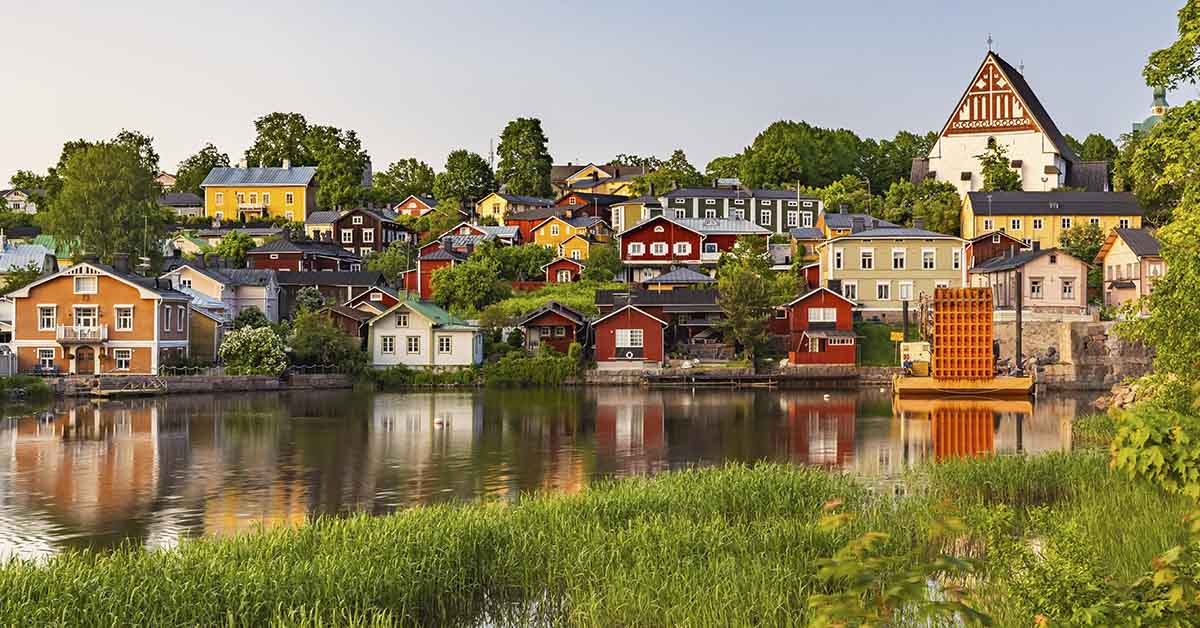

Finland has claimed its ninth consecutive title as the world’s happiest nation and now aims to share its formula for wellbeing. Through the “Chill Like a Finn” initiative, Visit Finland, the national tourism board, invites 6 pairs of travelers to enjoy a complimentary 7-day journey to Finnish Lakeland this June. Instead of a typical tourist experience, this program provides a structured week focused on the cultural rhythms and daily habits that researchers and locals recognize as the foundation of the country’s exceptional quality of life.
Nine Years at the Top
Each year, the Wellbeing Research Centre at Oxford University, in collaboration with Gallup, produces the United Nations-supported World Happiness Report. This report assesses countries based on six essential pillars: GDP per person, social support, healthy life expectancy, generosity, freedom of choice, and perceptions of corruption. In the 2026 report, Finland proudly secured a remarkable score of 7.764 out of 10. This impressive achievement positioned Finland significantly ahead of many other nations in the global happiness index. The report highlights how Finland’s unique approach to wellbeing, rooted in its cultural values and social structures, contributes to its high ranking. By focusing on these core areas, the report provides valuable insights into what makes a nation truly happy and successful.
Nine Years Is Not an Accident
For 9 of the last 10 years, Finland has claimed the top position in the World Happiness Report. Finland.fi attributes this ongoing success to a carefully crafted “infrastructure of happiness,” in which social institutions and cultural norms actively promote the well-being of individuals and the community. This infrastructure features a world-class educational system, strong democratic governance, a high level of institutional trust, and a consistent, evidence-based relationship with the natural environment.
The Pillars Behind the Ranking
Finland Toolbox, a government-backed national resource, identifies 10 structural reasons behind Finland’s happiness. In Finland, trust extends beyond personal relationships to include public institutions, governance systems, and even strangers on the street. Over 90% of Finns consider paying taxes an important civic duty, a figure that reflects strong social cohesion and a shared belief in collective responsibility. The country also scores consistently high on equality metrics, gender parity, press freedom, and low corruption. Together, these form the social architecture that makes Finnish happiness repeatable and measurable rather than anecdotal.
Why the Rest of the World Is Falling Behind
The 2026 World Happiness Report reveals a troubling trend: life satisfaction for individuals under 25 in Western Europe and English-speaking nations has plummeted over the last decade. Researchers at Oxford University identify excessive social media consumption as a primary driver of this decline. Specifically, 15-year-old girls who spend more than 5 hours daily on social media experience the largest declines in well-being. In contrast, those who limit their usage to under an hour each day consistently maintain the highest happiness levels. In this context, the “Chill Like a Finn” program acts as more than just a marketing effort for tourism. It positions Finland as a functional alternative to a digitally overwhelmed society that increasingly suffers from unhappiness by nearly every metric.
What Chill Like a Finn Actually Looks Like
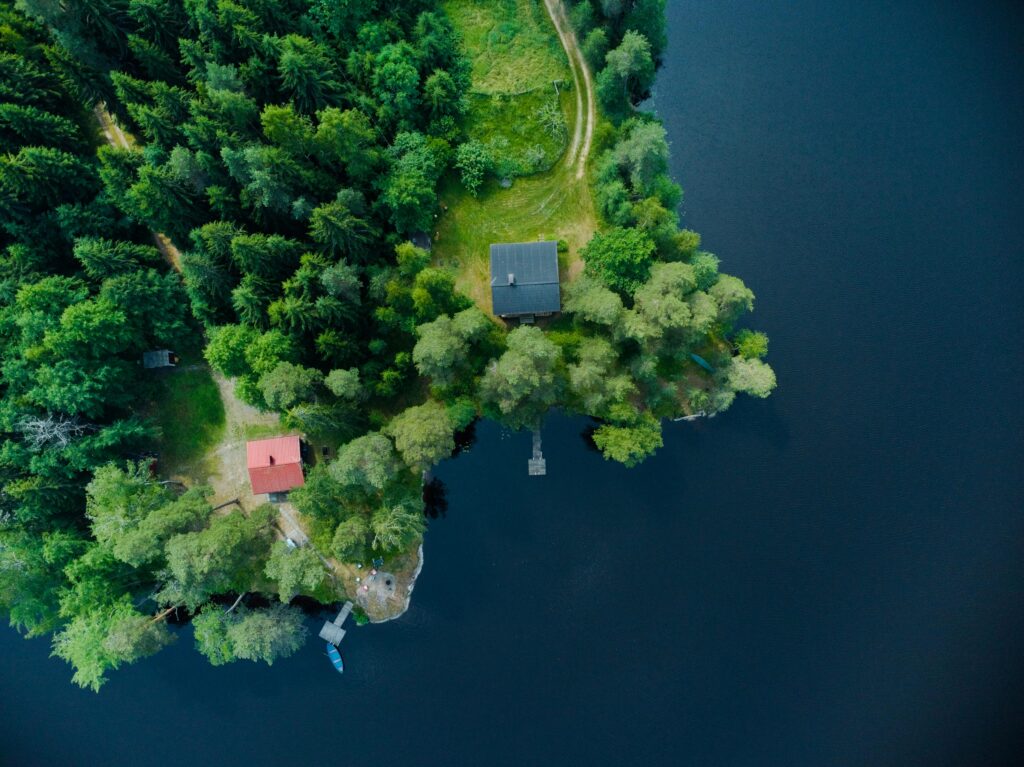
Visit Finland crafted the Chill Like a Finn week to reflect the daily rhythm of a Finnish summer holiday. Mornings begin outdoors, where participants hike through Kolovesi National Park or swim in the clear, cold lakes at dawn. In the afternoons, they enjoy sauna sessions, reading, and true relaxation. Evenings focus on candlelit dinners, open fires, and engaging conversations. The program avoids a rigid tourist itinerary, emphasizing decompression over activity. Heli Jimenez, senior director of international marketing at Business Finland, articulates this mindset: “It’s a way of life deeply rooted in Finnish culture: unplugging, slowing down, and letting nature work its magic.”
Kolovesi National Park
Kolovesi stands out as one of Finland’s most protected natural reserves. It covers approximately 24 square kilometers of Lake Saimaa’s intricate waterways and ancient woodlands. To maintain the wilderness’s silence, the park prohibits motorboating in most areas. Visitors discover rock paintings that date back thousands of years, explore old-growth forests, and navigate secluded paddling routes through narrow lake channels. They also have one of the rare opportunities to encounter the Saimaa ringed seal, one of the rarest freshwater seal species on Earth. Hiking trails wind through dense woodlands and reveal lake views that have remained unchanged for centuries.
Finnish Lakeland: Europe’s Largest Lake District
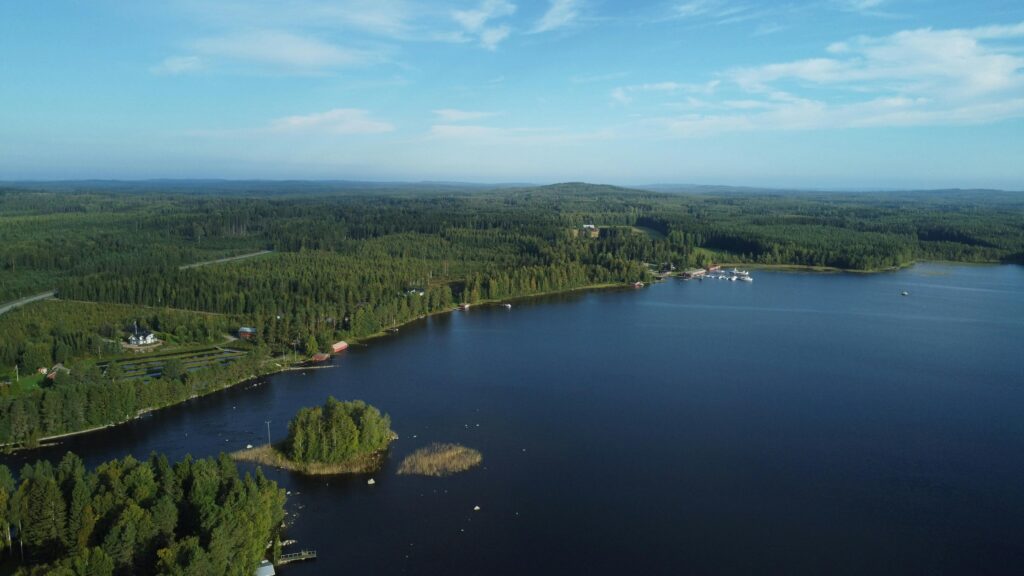
Finnish Lakeland, which encompasses Kolovesi, serves as the largest lake district in Europe. This expansive region in central and eastern Finland is defined by a navigable network of 187,888 lakes, each exceeding 500 square meters, interspersed with glacial ridges and thick forests. Although it remains an “undiscovered gem” for many international tourists, according to Jimenez, it is the destination Finns choose annually to find balance and reset. Visit Finland identifies the area as the world’s happiest nation’s premier summer retreat and the continent’s most significant lake system.
A Week Designed Around Rest, Not Tourism
The official Visit Finland description of the Finnish summer holiday is worth taking at face value. The website reads, “Finland is the happiest country in the world. We wake up or sleep late. Then we head out, out to hike, out to bike, out to see friends. Then we grill, and after sauna and lake, we chill. Then repeat. Do that for a couple of weeks, and you’ll be okay for the next 11 months.” That rhythm, repetitive, unhurried, and close to water and forest, is not a marketing construct. It reflects a deeply held national understanding of what recovery actually requires. The Finnish summer holiday is a cultural institution, not a consumer product.
The Science Behind the Finnish Approach
Far from being a mere luxury, the Finnish sauna is a foundational daily habit for much of the population, supported by a growing body of peer-reviewed evidence. Research spanning 2 decades from the University of Eastern Finland indicates that using a sauna four to seven times weekly can slash the risk of fatal cardiovascular disease by 50% and reduce sudden cardiac death by 63% when compared to once-a-week use. These benefits stem from physiological responses to heat, such as improved circulation, lower vascular inflammation, and an increased heart rate, that mirror the effects of moderate aerobic activity.
Mental Wellbeing and Stress Reduction
The health benefits of saunas can also extend beyond just heart health. Peer-reviewed journals provide evidence that consistent sauna bathing decreases cortisol, the body’s main stress hormone, enhances sleep, and leads to verifiable improvements in mental health. Finnish saunas typically maintain temperatures from 80 to 100°C and keep humidity levels low, between 10% and 20%. This specific environmental blend of intense heat and dry air triggers the body’s physiological reactions, which, in cooling phases between sessions, often intensify, involving a dip in a cold lake. Governments in Finland, Japan, and South Korea officially recognize this practice as a legitimate health intervention and support programs that encourage citizens to participate regularly.
Forest Bathing and Nature Exposure
Research strongly supports Finland’s deep-rooted connection to its forests. A 2025 narrative review in PMC examined the impacts of forest bathing on various groups, concluding that immersing oneself in these environments significantly reduces symptoms of anxiety and depression, enhances sleep quality, lowers blood pressure, and strengthens immune responses.
Professor Liisa Tyrväinen from the University of Helsinki complements these findings with her studies, which show that regular interaction with forest settings improves immune function and decreases the prevalence of non-communicable diseases. Her research has become a cornerstone of Finnish urban planning and forest policy, directly influencing the nation’s public health strategies regarding access to green spaces.
Nature, Work, and Burnout Prevention
Those who regularly participated in varied nature activities during their leisure time reported less burnout and better work engagement than those with limited exposure to nature, according to a study of 753 Finnish employees, published in the journal Frontiers in Psychology. Activities these employees partook in for occupational well-being were swimming, hiking, and time spent by the water. These results support the “Chill Like a Finn” plan by positioning a week in Finnish Lakeland as a focused intervention to lower the increasing burnout and disengagement highlighted in the 2026 World Happiness Report.
The Finnish Work-Life Model
Finland leads global work-life balance rankings. In a study of 22 nations involving over 4,200 professionals, the country achieved the top position with a work-life index score of 73 out of 100. This success stems from an average workday of seven hours and 44 minutes and a legal requirement for 30 paid vacation days each year. Finnish workers commonly take 4 consecutive weeks of holiday during the summer, with more than one-third of the workforce collectively taking the entire month of July off. This reflects how work-life balance in Finland is part of the national culture and not just governmental policy.
Flexibility as a Structural Priority
Finland has prioritized flexible working arrangements for nearly 30 years. This standard, supported by legislation and a strong workplace culture, surpasses most comparable economies. The Finnish model protects time away from work, with daily commutes averaging just 41 minutes, which is significantly lower than in major urban hubs. This arrangement allows workers more time for rest and personal pursuits. Families benefit from structural support that includes affordable childcare, extensive parental leave, and policies that help parents align their work hours with school schedules. Together, these factors reduce the ambient stress common in high-pressure economies and promote a more sustainable sense of well-being.
Education Built Around Wellbeing
In Finland, educators design the education system to instill core cultural values from a young age. Schools move away from standardized testing and adopt a trust-oriented approach, allowing local teachers to manage flexible curricula tailored to their students. They weave well-being into the daily school experience rather than treating it as an auxiliary service. Each institution provides proactive support through dedicated student welfare teams that include social workers, nurses, and psychologists. This environment encourages students to seek assistance as a standard practice, effectively removing the stigma surrounding mental health early on.
Happiness as a National Output, Not a Personal Aspiration
Business Finland’s own research arm has documented what it calls the “ROI of happiness,” the measurable return on investment that happier employees generate in productivity, creativity, and collaboration. Finland treats happiness not as something individuals must pursue independently, but as a systemic output of the right social conditions. That distinction matters. Most of the countries falling in the 2026 World Happiness Report approach well-being as a private responsibility. Finland builds it into institutions, policies, landscapes, and daily habits. The Chill Like a Finn challenge is an invitation to experience that difference firsthand, over seven days in the quietest, most restorative corner of the world’s happiest country.
How to Apply
The “Chill Like a Finn” challenge is open to applicants worldwide. All entrants must be 18 years or older. Each applicant enters as a pair, with a partner of their choosing, whether a friend, sibling, parent, partner, or neighbor. 6 duos will be selected in total, giving 12 travelers a fully funded week in Finnish Lakeland in June 2026. However, the application window closed on 29 March 2026 at 11:59 pm EEST. Selected participants will be notified ahead of the June travel dates. The all-expenses-paid prize covers the full week, with no additional costs for successful applicants.
Read More: This Scientist Used Data to Plan the Ultimate European Road Trip, And It’s Stunning
The Two-Step Application
The application process requires 2 steps. First, applicants complete a social media challenge on Instagram or TikTok. Each duo records a short video introducing themselves and answering: “What do you imagine a Finnish summer holiday in Lakeland looking like?” Second, applicants submit a formal application form on the Visit Finland website and link their social media post directly to that form. The process filters for people who approach the challenge with genuine intent and curiosity. It is designed to surface applicants who are actually ready to slow down, rather than those seeking content for their feeds.
What the Week Delivers
The prize is a 7-day, all-expenses-paid stay in Finnish Lakeland. The week follows the structure outlined by Visit Finland: mornings outdoors in nature, afternoons in a sauna and rest, and evenings with food and fire. There is no rigid schedule beyond that framework. The goal is immersion in the Finnish summer rhythm, not a guided tour of tourist attractions. Jimenez describes Finnish Lakeland as “the perfect destination for anyone looking to step away from the noise of everyday life.” For twelve people this June, that noise stops. What replaces it is 187,888 lakes, forest silence, and the daily practice of a country that has spent nine consecutive years proving it knows something the rest of the world still needs to learn.
Read More: Why Men Are Banned from This Remote Island in Finland