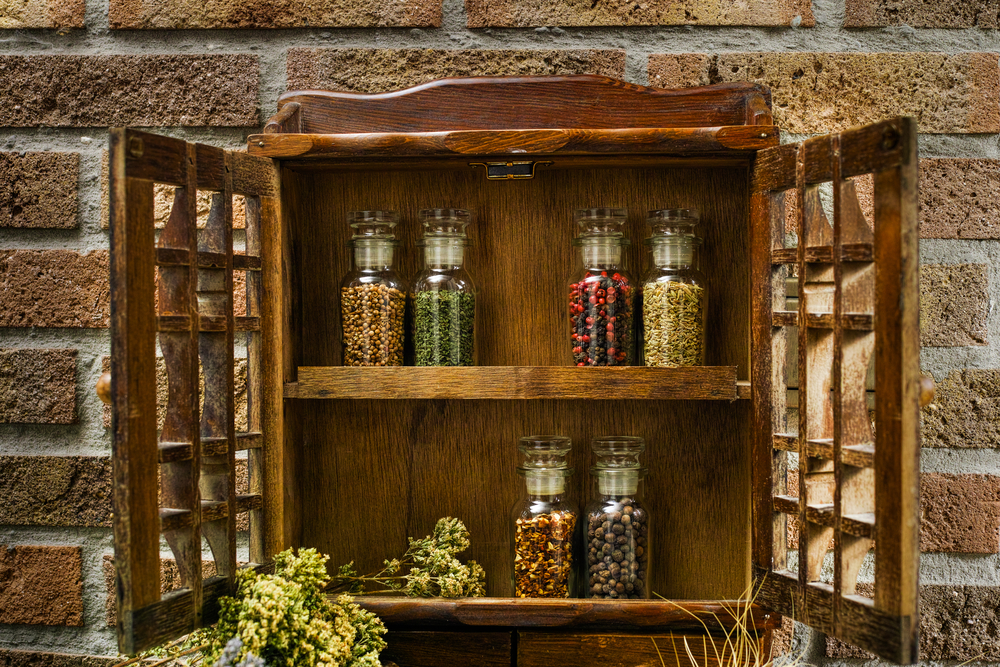

Every jar of paprika sitting in your spice rack right now is ground-up dried pepper. That’s it. No exotic paprika plant, no mystery ingredient – just peppers you’d recognize at any grocery store, dried and crushed into that familiar ruby-red powder. This is the paprika origin fact that keeps catching people off guard, and thanks to a recent wave of social media posts from food brands and home cooking accounts, the surprise is going viral all over again, leaving thousands of home cooks genuinely stunned.
To make sense of why this surprises so many people, it helps to understand one thing: most of us grew up reaching for paprika as a labeled, finished product. It had its own jar, its own aisle, its own identity. Nobody told us it started as a pepper plant. Paprika is a spice made from dried and ground red peppers belonging to the species Capsicum annuum, the very same plant family that gives us chili peppers, cayenne, and even the big blocky bell peppers you slice for stir-fry. The connection was always there. Most of us just never looked.
The term “paprika” itself adds to the confusion for English speakers. In languages other than English, the word paprika doesn’t only refer to the ground spice – it is used more broadly to include the actual plant and whole peppers, and sometimes bell peppers and other varieties. So in Hungary, Spain, or the Netherlands, calling a fresh pepper a “paprika” is completely normal. In English, we reserved the word for the red powder in the jar, and somewhere in that translation, the connection to the living plant quietly disappeared.
Where Does Paprika Actually Come From?
The paprika origin story begins thousands of miles from Hungary – and that’s where things get even more interesting. Paprika, like all capsicum varieties and their derivatives, is descended from wild ancestors from the Amazon River, cultivated in ancient times in South, Central, and North America, particularly in central Mexico. These peppers were being gathered and eaten long before European explorers had any idea the Americas existed.
Red peppers grow in the wild in Mexico, where they were being gathered and eaten around 7000 BC, and were cultivated there before 3500 BC. That’s an almost absurdly long history for something most of us treat as a background spice for deviled eggs. Food writer Alan Davidson notes that Christopher Columbus probably came across them on his first voyage in 1492, and may have brought plants back to Europe.
The peppers were introduced to Europe via Spain and Portugal in the 16th century, and the trade in paprika expanded from the Iberian Peninsula to Africa and Asia, ultimately reaching central Europe through the Balkans. What had started as a fiery crop from the Americas slowly transformed into something much gentler as European farmers began growing and selectively breeding it for generations. Early Spanish explorers took red pepper seeds back to Europe, where the plant gradually lost its pungent taste and became “sweet” paprika.
Is Paprika from Hungary or Somewhere Else?
This is one of the most common questions people ask once they start pulling on this thread – and the honest answer is both. The pepper itself originated in the Americas. But the spice we call paprika, as a culinary tradition with its own identity, was largely shaped by Hungary and Spain.
The Turks of the Ottoman Empire brought chili peppers to Hungary, where paprika became a cornerstone spice in traditional dishes, flavoring staples such as goulash. In the mid-1800s, Hungarians gave paprika the great honor of naming it their national spice. That title stuck. Paprika is considered the national spice of Hungary, where it was introduced by the Turks in 1569. Today the country is deeply identified with it, and Hungarian paprika has a reputation that precedes it at any farmers’ market or specialty food store.
Spain tells a different part of the same story. Spanish monks in the Extremadura region of Spain are believed to be the first to pioneer sweet paprika growing, drying, and grinding techniques. Today, paprika is still Spain’s most popular spice next to saffron. The Spanish version – called pimentón – comes in three main grades. There are three versions of Spanish paprika: mild (pimentón dulce), mildly spicy (pimentón agridulce), and spicy (pimentón picante). The most common, pimentón de la Vera, has a distinct smoky taste and smell, as it is dried by smoking, typically using oak wood.
So when someone asks what country paprika originally comes from, the complete answer is: the plant traces back to Mexico and South America, the spice was developed into a culinary tradition by Hungary and Spain, and it was the Turks and Spanish explorers who carried it between continents. It’s one of the most well-traveled ingredients in your kitchen.
What Spice Facts Are Surprising Home Cooks Most Right Now?
The paprika revelation is just one example of a wider pattern playing out across social media. People are discovering that familiar, everyday pantry staples have histories and origins they never thought to question.
The paprika surprise works because it defies a category people think they already understand. Most home cooks assume that different spices come from completely different plants. Cinnamon is bark. Pepper comes from peppercorns. Saffron comes from a crocus flower. So when they learn that paprika is just… dried, ground pepper… the same pepper family sitting in a bowl on the kitchen counter… it triggers a genuine double-take.
While many people believe the ground spice comes from a paprika pepper, there is no such thing. Paprika is made from a variety of dried and ground peppers, such as bell peppers and chili peppers. The name created a mental category that the plant itself doesn’t actually occupy. And that gap between the name and the reality is exactly what keeps catching people off guard, year after year.
How Paprika Is Actually Made
Understanding the production process makes the whole thing click. It isn’t complicated – it’s actually elegant. Since paprika is prized for its red color, peppers are allowed to fully ripen before picking. After harvest, seeds are removed – resulting in a mild, fruity, sweet flavor without heat – and the fruit pods are dried and ground.
The heat level of any given paprika depends almost entirely on what gets left in during processing. The milder, sweet paprika is mostly composed of the fruit of the pepper with most of the seeds removed, whereas some seeds and stalks are retained in the peppers used for hotter paprika. That seed-and-rib inclusion is the difference between the gentle red powder you dust on a potato salad and the kind that makes your eyes water.
Hungarian paprika is often sun-dried and varies from mild to very hot. Spanish paprika, or pimentón, is typically smoked over oak wood, giving it a unique smoky flavor. That smoking process is what gives smoked paprika its deep, campfire quality – and it’s entirely a result of production method, not a different plant. Both versions start from the same Capsicum annuum family. The destination depends on how the journey is handled.
The sweetness of paprika comes from a sugar content of up to 6% in the pepper flesh. That natural sugar is also why paprika can burn quickly in a hot pan – something most home cooks learn the hard way at least once.
The Surprising Origin of Paprika Most People Don’t Know
Here’s the part that tends to make people pause: the peppers used to make sweet paprika aren’t the stubby bell peppers most Americans picture. Depending on the variety, the pods may be 0.5 inch to 1 foot in length, with a long, round, or conical shape, and a yellow, brown, purple, or red color. The sweet, mild varieties grown specifically for paprika production tend to be longer and thinner than the standard bell pepper at the supermarket, even though they belong to the same plant family and share that characteristic lack of heat.
The absence of heat is itself a product of selective breeding over centuries. Paprika is typically made from “bell” or “sweet” type peppers – milder varieties that contain a recessive gene that eliminates or greatly reduces capsaicin, the compound responsible for heat. Those Spanish monks who pioneered growing techniques in Extremadura, and the Hungarian farmers who cultivated the spice along the Danube, were essentially breeding the fire out of the plant over generations, leaving behind something sweeter and more versatile.
Paprika’s connection to Hungary began with its cultivation in villages along the Danube River. The longer days of sunshine and dry climate provided ideal conditions for the plant’s success. The geography mattered. A pepper that arrived in Europe as a spicy curiosity slowly became something the Hungarian climate was unusually good at growing in its milder form, and that natural advantage turned into national pride.
According to Encyclopaedia Britannica’s entry on paprika, paprika is especially associated with Hungarian cuisine and is essential for hot, spicy Hungarian stew dishes such as gulyás (called goulash in the United States), pörkölt, paprikás, and tokány. The spice is woven into the cultural fabric of the country in a way that goes well beyond the spice rack.
The Many Faces of Paprika in Your Kitchen
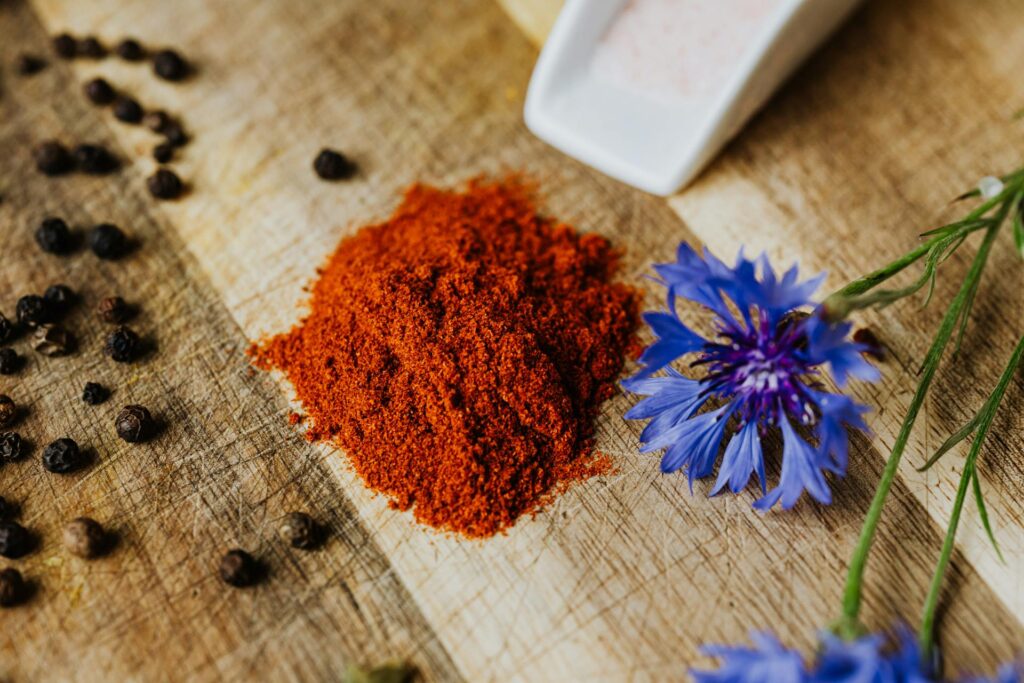
Most of the paprika sitting in American spice racks is the plain sweet variety – mild, slightly earthy, and more useful as a color agent than a heat source. But that’s just one version of a much wider family, and knowing the differences can genuinely change how you cook.
There are different types of paprika, each with its own unique flavor and hue. Understanding the distinct differences among the types can help you choose the right one for the right dish. Sweet paprika (the common grocery store kind) works beautifully in spice rubs, on roasted vegetables, and as a finishing touch on hummus or deviled eggs. Hungarian paprika delivers more complexity and gentle warmth. Smoked paprika is practically a secret weapon on its own.
While paprika is often mild, there are definitely hotter varieties. Hot paprika can be used in place of fiery spices like cayenne pepper, particularly if you want a little more flavor than the rather neutral taste of cayenne. Smoked paprika is an excellent addition to BBQ, hot sauces, and salsas to add an earthy touch.
One home cooking tip worth burning into memory: for best results, add paprika towards the end of the cooking process, because heat diminishes both the color and flavor. And because paprika contains significant amounts of sugar, it can quickly burn, so fry it in oil on lower heat and only briefly. High heat will turn it bitter before you’ve had a chance to enjoy it.
The rose paprika of Hungary is generally considered the finest variety, made from choice dark red pods with a sweet flavor and aroma. If you’ve only ever cooked with the generic grocery store version, tracking down a jar of genuine Hungarian sweet paprika or Spanish pimentón de la Vera is one of the most affordable kitchen upgrades you can make. The difference is immediately noticeable.
Why This Keeps Going Viral
The paprika origin surprise has now circulated on social media multiple times, with each new wave reaching people who somehow missed the previous rounds. Food brands, cooking accounts, and nutrition companies keep rediscovering that this one fact reliably generates reactions – because it sits in a very specific sweet spot between “obvious in hindsight” and “genuinely unexpected.”
It works because most people have a strong mental model of their kitchen. They know their spices. They’ve cooked with paprika dozens, maybe hundreds, of times. And then someone tells them it’s just dried pepper and their mental map has to update. That moment of recalibration – the “wait, of course it is” followed immediately by “but how did I not know that?” – is genuinely satisfying, which is exactly why people share it.
The paprika story also connects to a broader curiosity about spice origins and paprika history that many home cooks have never had the time or reason to explore. Turmeric comes from a root. Cinnamon is peeled bark. Vanilla is a dried orchid pod. Once you pull on one thread, the whole spice rack starts to look like a collection of small mysteries, each one with a story that started somewhere far away from your kitchen counter.
Read More: These Moms Came Up With The Best Hacks You’ve Ever Seen
What to Take Away From This
The surprising origin of paprika – ground dried pepper, nothing more, traced back to ancient Mexico before traveling through Spain and Turkey to become Hungary’s national spice – is a genuinely good story. It doesn’t change the way paprika tastes. But it does change the way you might think about it next time you reach for the jar.
If you’re a home cook who wants to actually use this knowledge, here are two practical starting points. First, buy better paprika. The plain labeled variety at most grocery stores is fine as a color agent, but a quality Hungarian sweet paprika or a Spanish smoked pimentón carries real flavor depth that the generic stuff can’t match. Second, treat paprika as a real seasoning rather than a garnish. Add it to olive oil, use it in spice rubs, stir it into tomato-based sauces early so it blooms in the fat – and then add a pinch more at the end for color. That’s how Hungarian and Spanish cooks have been using it for centuries.
The next time someone in your kitchen looks at the paprika jar and asks where it comes from, you’ll have an answer that covers ancient Mexico, the Ottoman Empire, 16th-century Spanish monks, and the Danube River. That’s a lot of ground for one little spice to cover. And honestly, it deserves the attention.
Disclaimer: This article was created with AI assistance and edited by a human for accuracy and clarity.