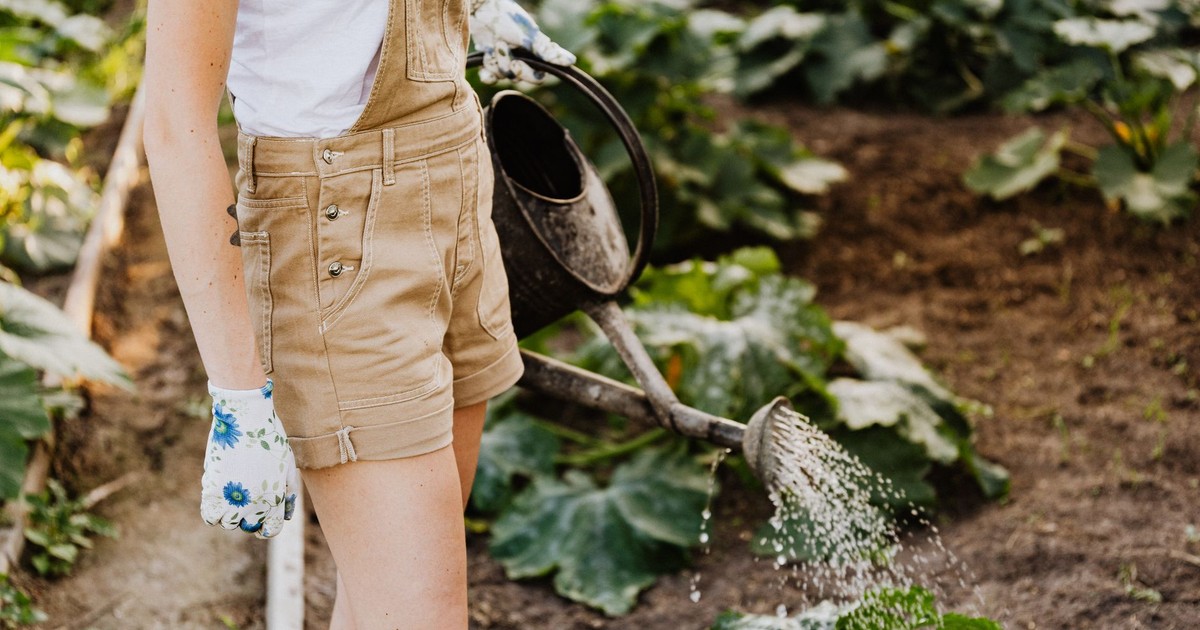

The garden that looked perfectly healthy on Monday can look genuinely tragic by Thursday when a heat wave arrives and you made a few well-intentioned mistakes. That’s not a gardening failure – that’s just heat doing what heat does to plants that weren’t given the right kind of help. The problem isn’t usually neglect. It’s the specific, confident actions that feel like the right call in the moment and turn out to be exactly the wrong one.
Once temperatures push past 86°F, most plants start to slow down. Photosynthesis drops off significantly in the high 90s and above, while respiration keeps running day and night regardless of temperature. The plant is spending more than it can earn, and it can’t stop the clock. Knowing that changes how you approach heat wave garden care, because almost every mistake on this list comes down to pushing a plant harder when it’s already just trying to survive.
Some of what follows will feel counterintuitive. A few of these are things you were probably taught to do regularly and do them well – just not during a heat wave, and not like this. Here are 10 things to stop doing the moment the forecast turns brutal.
1. Watering at Midday
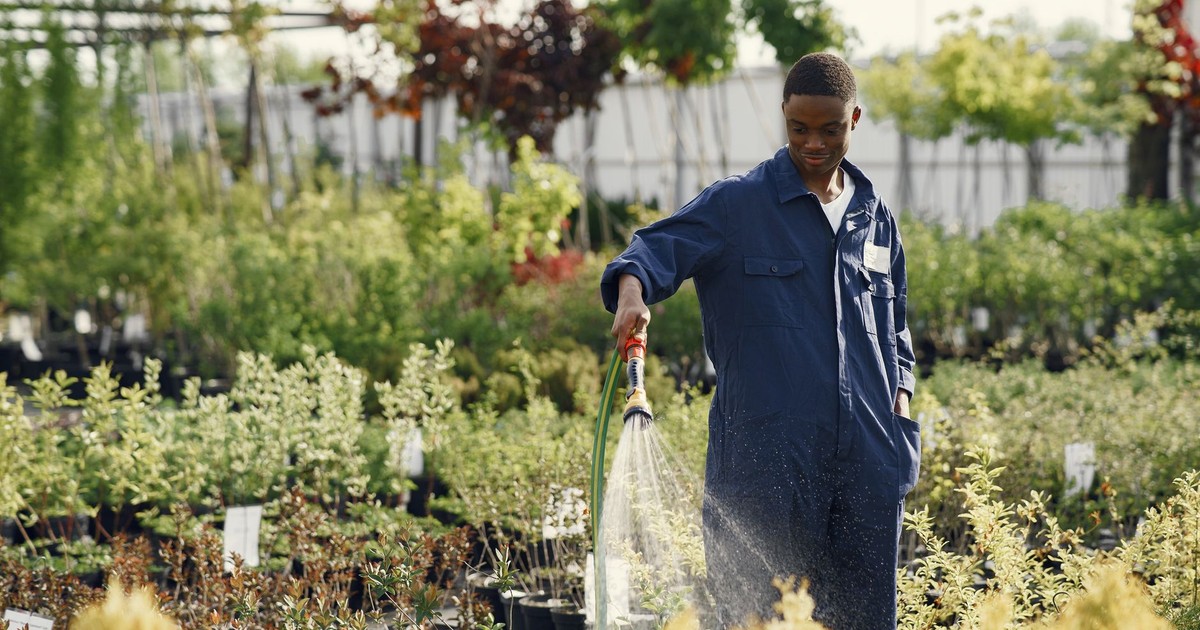
The single most consequential choice you make during a heat wave is when and how you water. Midday watering is the one most gardeners instinctively reach for when they see plants wilting at noon – but it’s almost entirely wasted effort. Evaporation rates at peak heat are so high that water applied to the soil surface can disappear before it reaches the root zone.
Iowa State University Extension recommends watering in the morning, before the heat of the day arrives, so plants can absorb moisture before temperatures peak. Aim for water to penetrate at least 6 inches into the soil – that’s where the roots actually live. If you water at noon because you feel guilty watching things droop, you’re mostly watering the air.
One practical note: on smooth-leafed plants, which make up the majority of garden species, water droplets do not act as magnifying glasses and do not cause leaf burn. On hairy-leafed plants, the hairs can hold droplets above the leaf surface at a focal distance that does concentrate light, making burn possible. The primary reason to avoid midday watering is still evaporation loss and the fact that plants under peak-heat stress cannot absorb and process water efficiently at that moment. Water in the early morning, and water like you mean it.
2. Shallow, Frequent Watering Instead of Deep Soaking
Frequent, shallow watering encourages shallow root systems, and shallow roots are exactly what make plants more vulnerable to heat stress in the first place. The impulse makes sense – the plants look stressed, so you give them small drinks throughout the day. But that surface moisture evaporates rapidly, so the extra effort often amounts to very little.
Deep watering encourages roots to grow down into cooler, more stable layers of soil. Shallow watering keeps roots near the surface where soil temperatures can exceed 100°F and moisture evaporates fastest. The goal is to wet the entire root zone each time, not to dampen the top inch so it looks moist for an hour.
Aim for roughly 1 inch of water per week, delivered in two or three deep soakings rather than a daily light pass. In sustained extreme heat – days above 90°F with nights staying above 70°F – that baseline goes up, and you may need to water every day or every other day. The rule is depth, not frequency.
3. Fertilizing During a Heat Wave
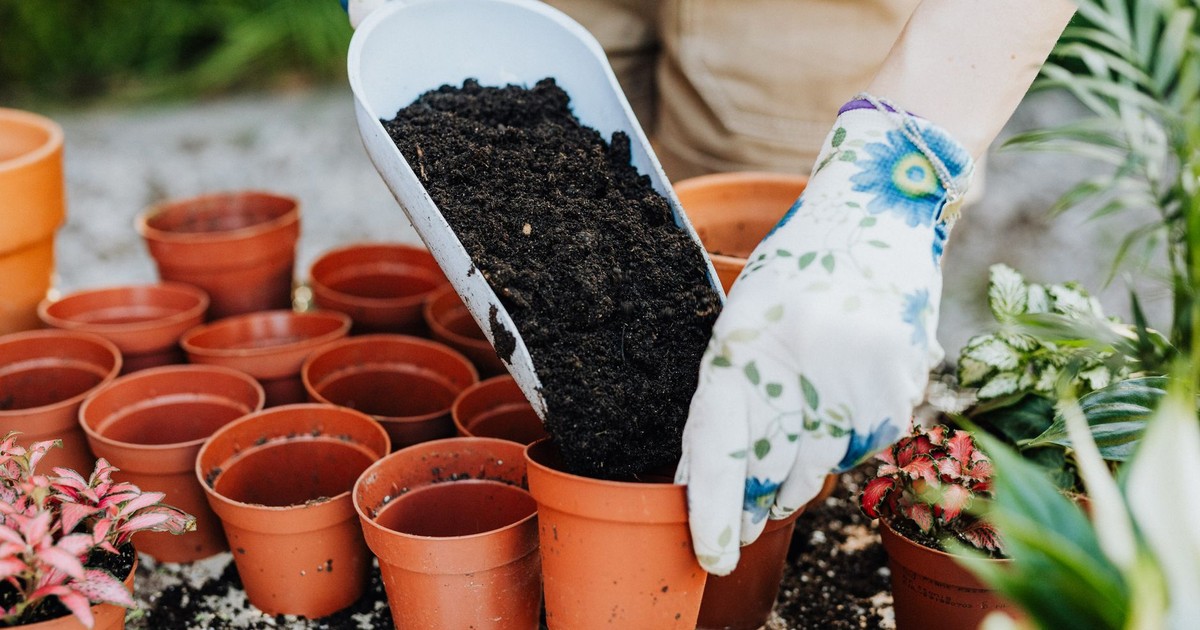
During extreme heat, plants enter a semi-dormant survival state. They slow photosynthesis, reduce how much water they release through their leaves, and stop putting energy into new growth. Applying fertilizer now adds stress rather than support.
According to OSU Extension’s heat wave gardening guidance, transplanting, pruning, and fertilizing are exactly the three things you should not do to a plant during extreme heat. Inducing new growth during intense heat is not ideal, and built-up fertilizer salts in the soil can burn roots. Wait until temperatures cool before fertilizing.
Fertilizer encourages new growth, and tender new growth is especially vulnerable to heat damage. The new shoots that push out in response to fertilizer are soft, thin-skinned, and the first thing to collapse when the thermometer climbs. You’re not helping – you’re giving the heat something fresh to destroy.
4. Pruning or Deadheading Aggressively
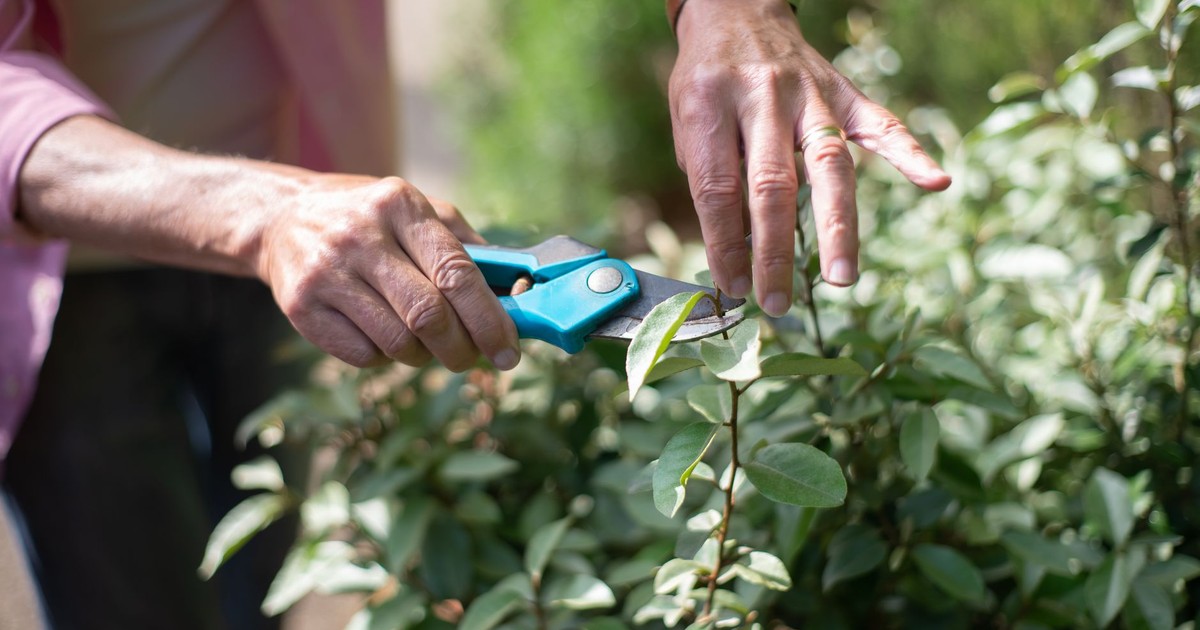
Pruning during a heat wave triggers new growth that is susceptible to heat damage, and it may also expose previously shaded plant tissue directly to the sun, causing sunburn. That new growth the plant pushes out in response to being cut is exactly the tender, vulnerable material that can’t handle the conditions you’re currently gardening in.
Removing dead flowers is fine, but avoid cutting off partially scorched leaves or doing any hard pruning. Damaged leaves can still provide shade for healthy foliage beneath them, and any leaf with green tissue remaining can continue photosynthesizing. Pruning too soon can encourage tender new growth and create openings for pests and disease.
Brown and crispy is not the same as dead. Check the weather forecast before pruning, and leave anything questionable alone until the heat breaks.
5. Planting or Transplanting New Plants
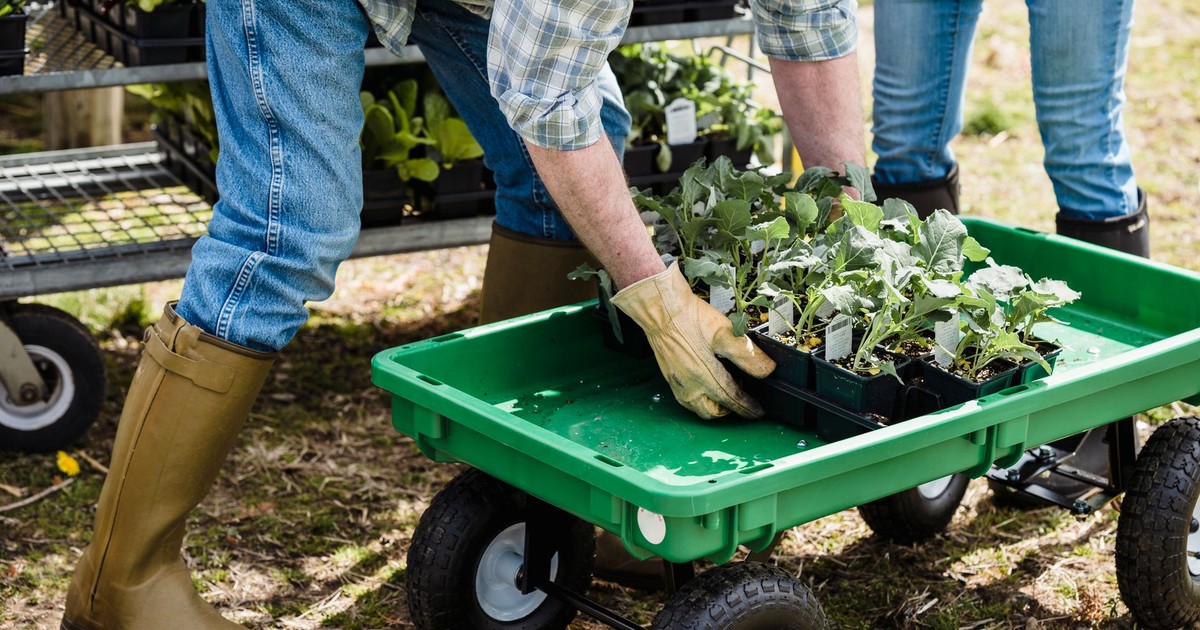
Planting out new plants and seedlings during temperature spikes causes heat stress and can result in plants declining very quickly. A plant being moved from a pot to the ground is already coping with transplant shock under the best conditions. During a heat wave, that shock becomes nearly impossible to recover from.
Seedlings in particular are highly vulnerable to temperature spikes. They have small root systems, which are especially susceptible to the top few inches of soil drying out when temperatures soar. Keeping them consistently moist in those conditions is very difficult.
Keep new plants hydrated in a cooler spot and wait for temperatures to lower before planting. The plants waiting in their nursery pots will establish far more successfully in three days than they will if you push them into baked ground today.
6. Mowing the Lawn
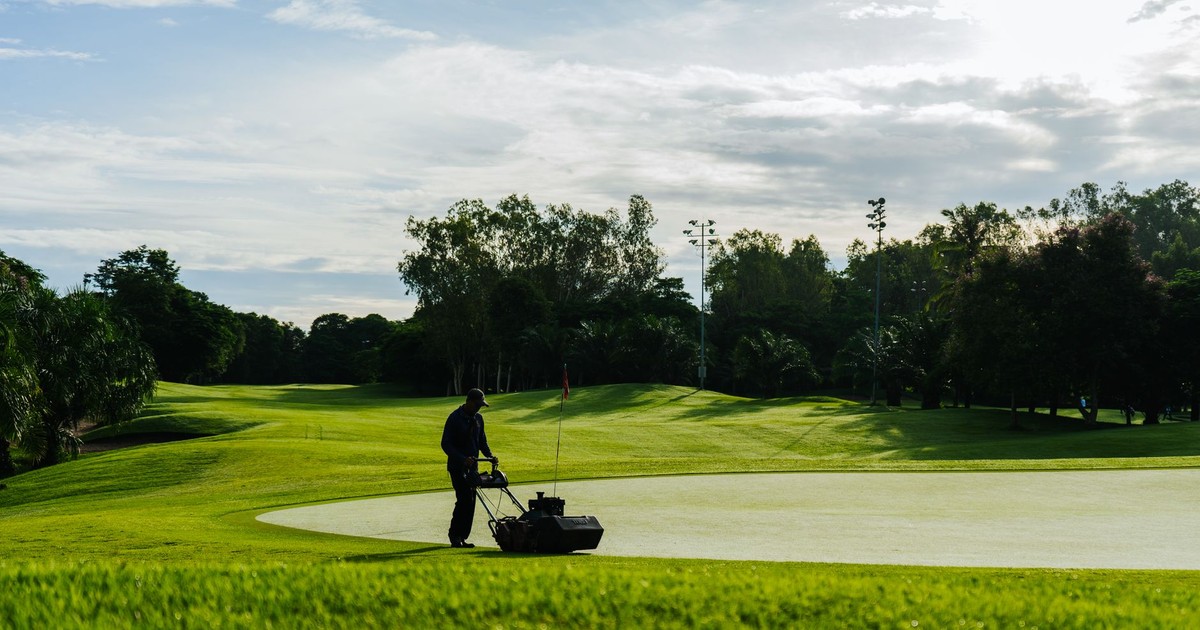
Mowing removes the leaf blade that the grass plant uses to collect sunlight and conduct photosynthesis. During a heat wave, that is exactly the resource the lawn cannot afford to lose. Feeding and mowing the lawn during a heat wave forces the grass to seek extra water and resources as it tries to grow, while the mowing increases the stress even further.
Cutting dry, dormant grass causes damage and stresses the lawn further. That straw-colored lawn is not necessarily dead – it may simply be dormant, which is a survival strategy. Mowing it while it’s in that state removes its protection and can tip it from dormant to genuinely dead. Once temperatures drop, lawns usually recover and turn green again.
If you know a heat wave is coming, mow before the temperatures climb and leave the clippings on the lawn. The clippings shade the soil, reduce moisture loss, and break down into free fertilizer. Do nothing after that until the heat breaks.
7. Disturbing the Soil
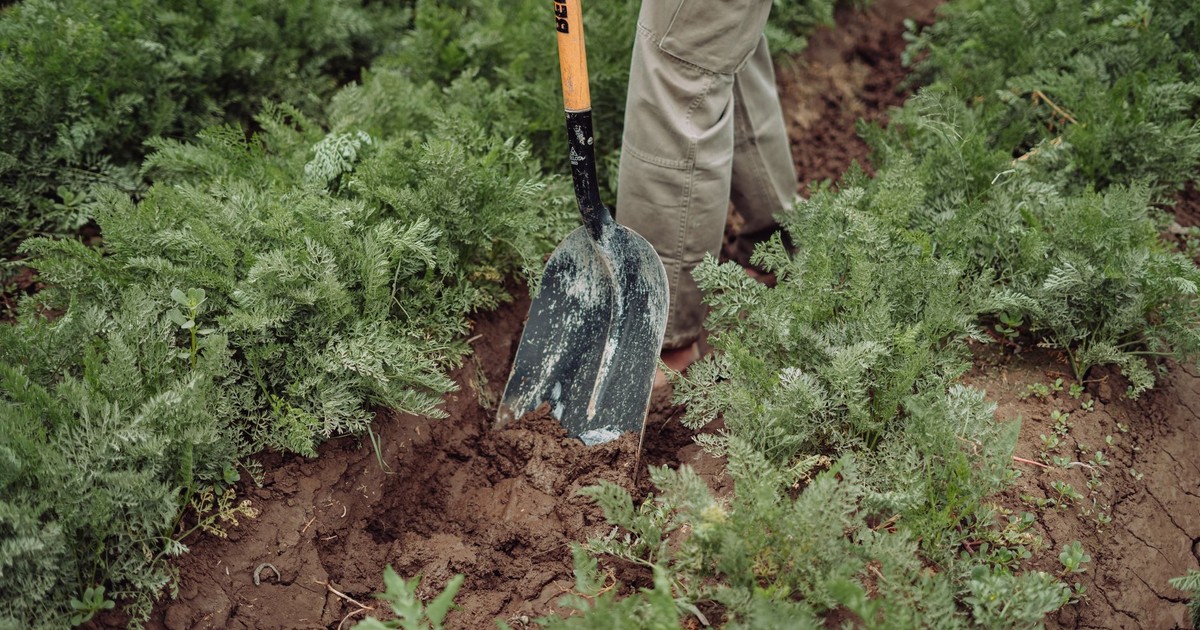
Digging, weeding, and working the soil during a heat wave releases the moisture trapped beneath the surface and disrupts the root systems that are already under stress. It is actually better to leave a weed alone than to disturb the soil to remove it. You can cut or chop visible weeds to tidy things up, as long as the roots and soil are left undisturbed.
Soil that has been sitting undisturbed holds moisture far better than soil that’s been recently turned, aerated, or agitated. Every time you dig into it, you’re releasing stored water and exposing cooler sub-surface layers to the full force of the sun. The warmth drives the moisture out faster than the plants can absorb it.
This applies to weeding, digging new beds, aerating, and edging. If it involves breaking the soil surface, put it on the list for after the heat wave. If you’ve been growing vegetables from seeds and are itching to get out there and tend things, the best thing you can do for your vegetable garden right now is water deeply at dawn and then leave it alone.
8. Letting Container Plants Fend for Themselves
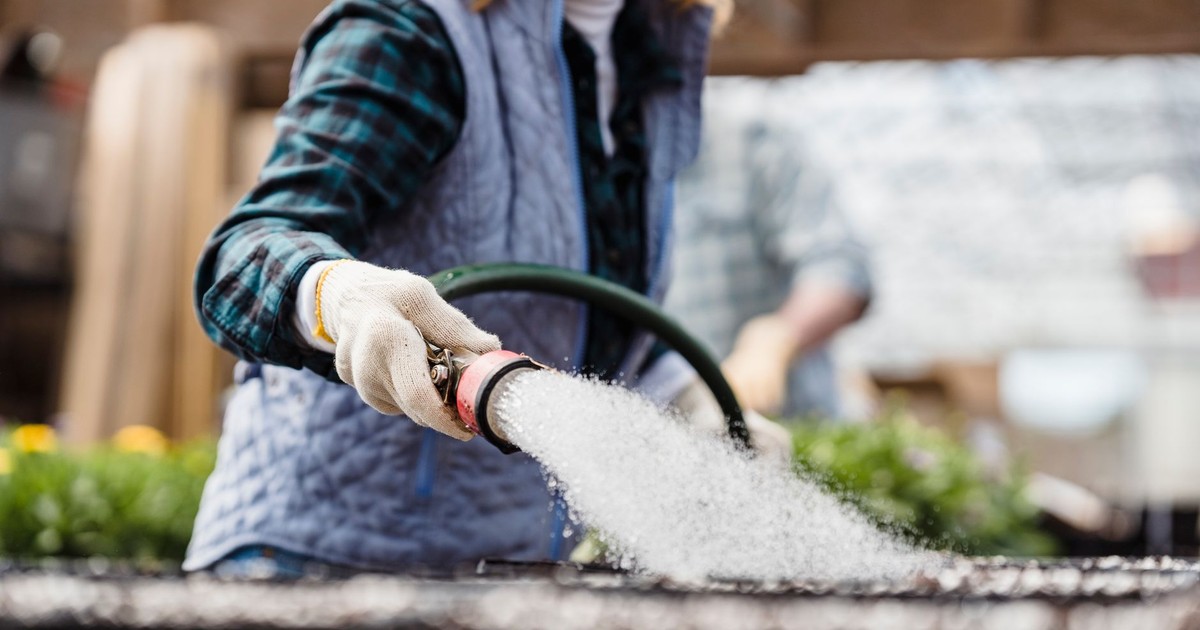
Container plants and hanging baskets dry out far more quickly than plants in the ground, so they need to be checked frequently during a heat wave. A small terracotta pot in full sun can swing 30°F or more between dawn and mid-afternoon, effectively cooking the root ball from all sides.
Plants in containers dry out faster than plants growing in the ground, and during a heat wave they may need watering more than once each day. When you know an extreme hot spell is coming, moving smaller containers into shaded areas for the duration is one of the most effective things you can do.
Test moisture by sticking your finger into the soil. If the container is small, pick it up – if it feels light, it probably needs water. Hanging baskets, window boxes, and terracotta pots need attention at least morning and evening during sustained high temperatures. They cannot draw on a deep reservoir of ground moisture the way an in-ground plant can.
9. Spraying Water Directly on Leaves in the Heat
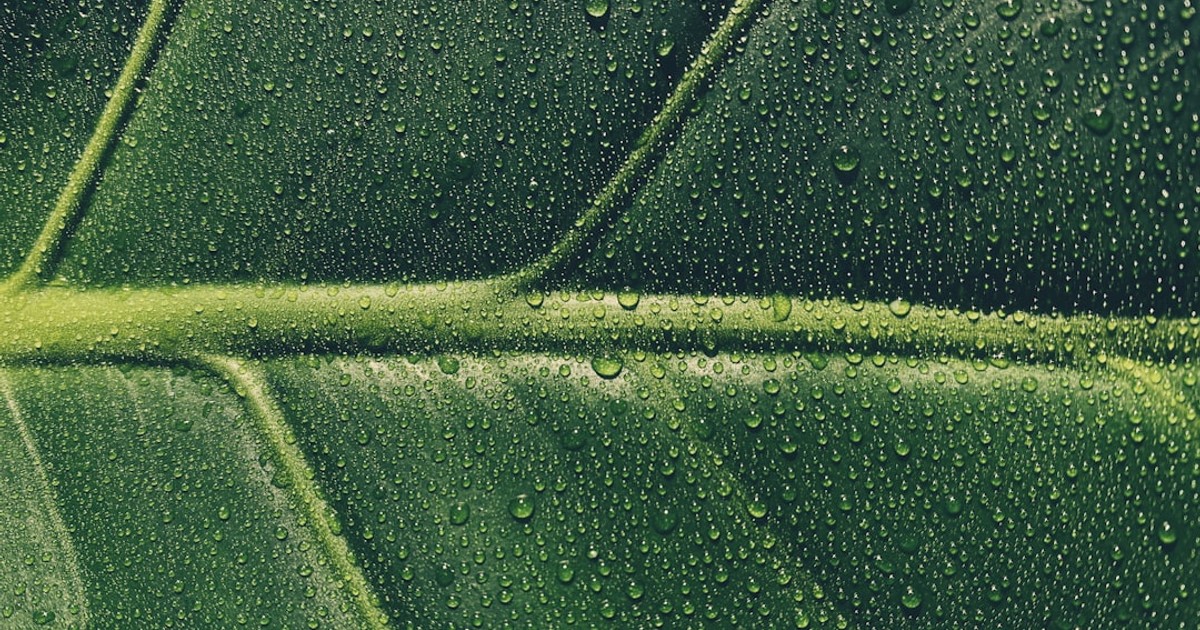
Apply water directly to the soil rather than spraying it onto the foliage, especially during the heat of the day. The Desert Botanical Garden cautions that spraying water onto plants during peak heat can damage plant tissues, and wet foliage in warm, humid conditions also creates a breeding ground for fungal pathogens.
Misting at midday evaporates immediately and delivers almost no benefit to the plant, while creating the conditions for fungal disease to take hold once temperatures drop overnight. If you want to increase humidity around stressed plants, do it in the early morning hours, when the leaves will have all day to dry.
Leaves do take in small amounts of water through their stomata, so increasing humidity can help during extreme temperatures. But misting directly onto foliage carries a real disease risk. If you do mist potted plants or lightly overhead water, do it in the very early morning so the leaves have time to dry thoroughly throughout the day.
10. Treating Wilting as an Emergency That Requires Immediate Action
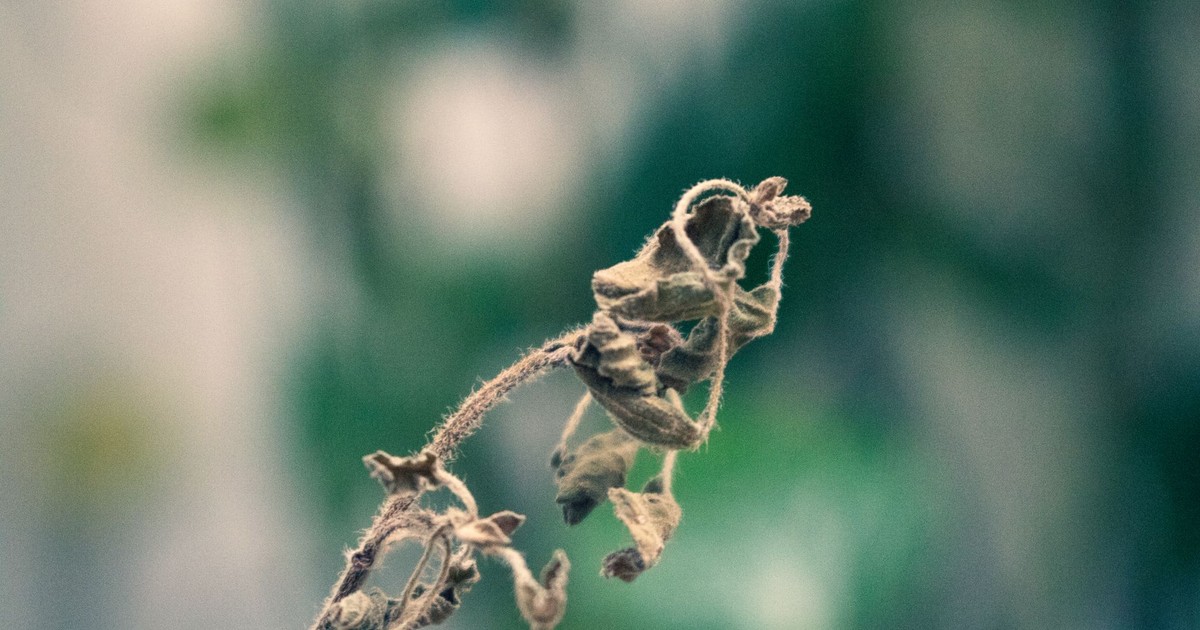
Wilting during the hottest part of the day is not always a sign that your plant is dying. Many plants wilt in the afternoon as a deliberate conservation strategy – they droop to reduce the surface area exposed to direct sun and slow down water loss through their leaves. This is called temporary or midday wilting, and it is completely normal during a heat wave.
The real test is what the plant looks like in the early morning, before the heat has climbed. A plant that droops at 3 p.m. and looks fine at 7 a.m. is managing. A plant that is still collapsed and showing dull, papery leaves at dawn genuinely needs help.
Many plants stop flowering or drop blossoms during extreme heat as a survival response. Once temperatures cool, they will likely begin producing again. Blossom drop, leaf curl, and temporary wilting are not permanent damage – they’re your garden prioritizing survival over looking pretty. That’s a reasonable priority.
Read More: Create a Mosquito-Free Zone in Your Backyard with These 9 Plants
What to Do Instead
Heat wave garden care is mostly a practice in restraint. The hard part is that gardening is a hands-on relationship, and being told to put the trowel down and step away from the bed goes against every instinct you have when your plants look distressed.
The approach is simple: water deeply in the early morning, leave the soil undisturbed, don’t cut anything back, don’t add fertilizer, protect containers from the full force of the sun, and let the lawn go dormant if it needs to. Everything else – the planting, the pruning, the tidy-up work you’ve been putting off – can wait until the heat breaks.
Most plants are more resilient than they look in the middle of a brutal week, but that resilience has a cost. It runs on reserves – carbohydrate stores, root depth, existing moisture – and every wrong move draws those reserves down faster. The gardeners whose plants come through a heat wave looking the best are usually the ones who did the least after the first day of high heat. They watered once, deeply, at dawn. They moved the pots into shade. Then they stayed inside and let the garden do what it knows how to do.
AI Disclaimer: This article was created with the assistance of AI tools and reviewed by a human editor.