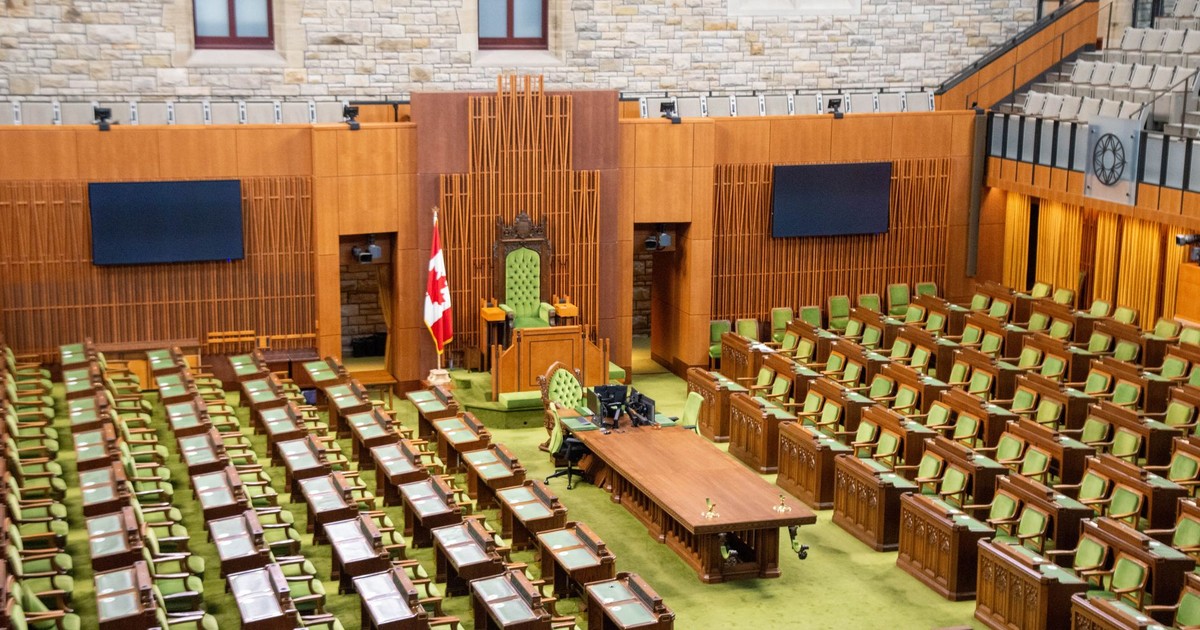

Pastors across Canada rewrote sermons this spring. Synagogues sent advisories to congregants. Muslims, evangelical Christians, and conservative Jews, groups that rarely agree on a single sentence of scripture let alone a legislative strategy, found themselves standing in the same anxious corner of the same parliamentary debate. For the first time in the history of Canada’s Criminal Code, a long-standing legal shield specifically protecting religious speech in hate-propaganda cases is gone. Everything else, and there is a lot of everything else, flows from that one specific change.
The bill at the center of it is called the Combatting Hate Act, known formally as Bill C-9. Tracked on Parliament of Canada’s LEGISinfo, it received royal assent on June 18, 2026, with provisions coming into force on July 18, 2026. The Liberal government framed it as a response to rising antisemitism, Islamophobia, and hate-motivated violence. Critics, including much of Canada’s religious community and the entire federal Conservative Party, saw something else buried inside it: a change so targeted it felt personal to anyone who has ever read a passage from a sacred text aloud in public and believed, until now, that the law had their back.
The two sides of this debate are reading the same law and arriving at opposite conclusions, and both have enough to work with that neither is simply making things up.
What Bill C-9 Actually Does
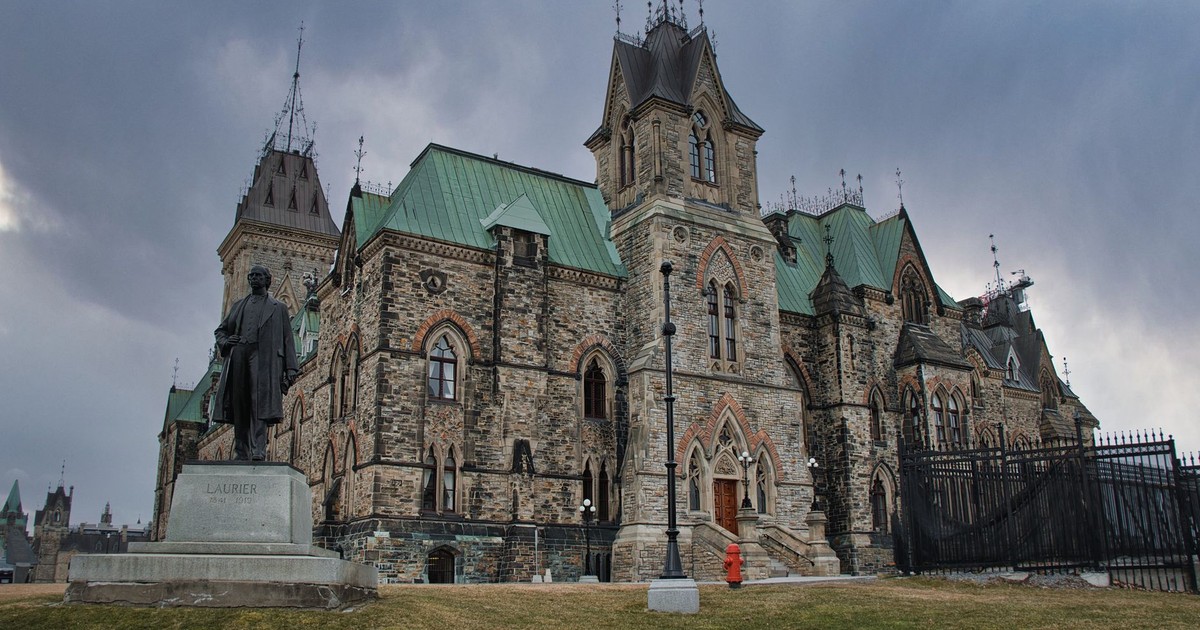
The Combatting Hate Act expands Canada’s hate speech laws, creates a new hate-crime offense, and adds penalties for intimidating or blocking people from accessing houses of worship, cultural spaces, schools, senior residences, and cemeteries. Those provisions drew little controversy. The sharpest criticism focuses on its repeal of a long-standing defense for religious speech in some criminal hate-speech cases, with Christian and Muslim groups saying the change could affect sermons and religious debate, while the Liberal government and some Jewish advocacy groups say the bill targets antisemitism, not religion itself.
Before Bill C-9, Canada’s Criminal Code contained a “good faith religious expression defence.” If a person charged with public incitement of hatred, wilful promotion of hatred, or wilful promotion of antisemitism could establish that they had “in good faith… expressed or attempted to establish by an argument an opinion on a religious subject or an opinion based on a belief in a religious text,” that was a full defence to the charge. If you quoted scripture and could show you were doing it in honest religious observance, not to whip up hatred against a group, you had a complete legal shield. That shield no longer exists.
What replaces it is a “for greater certainty” clause – language inserted into the bill that tells courts that ordinary religious expression is not the target. The bill states that nothing in the relevant subsections of the Criminal Code shall be construed as prohibiting a person from communicating a statement on a matter of public interest, including an educational, religious, political, or scientific statement made in the course of a discussion, publication, or debate, if they do not wilfully promote hatred against an identifiable group.
The government’s position is that this clause is sufficient protection. Many faith leaders and legal observers disagree, and the disagreement is not trivial.
The Case Against: What Faith Communities Are Worried About
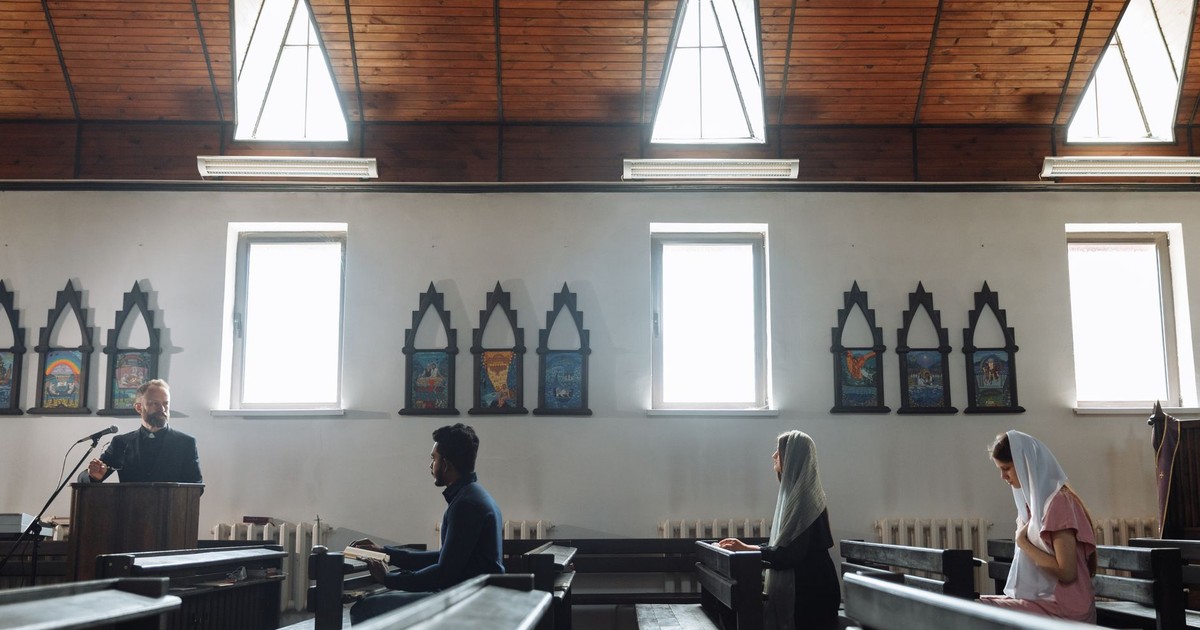
The concern among religious communities is not that pastors will be arrested for reading Psalm 23. The concern is narrower and more specific, turning on who gets to decide, after the fact, whether a particular reading of scripture meets the threshold of “wilfully promoting hatred.”
With the defence now removed, certain passages from religious texts could lead to charges depending on the context, including when they are read, where they are read, and what other words are used when they are read. The Canadian Constitution Foundation gives a specific example: a passage from Leviticus read in isolation would likely not lead to charges, but depending on context and surrounding commentary, the same passage spoken in a sermon could now, in theory, be prosecutable, if a court determines the speaker was using it to vilify a group rather than simply to teach their faith.
During a House justice committee hearing last October, Liberal Party MP Marc Miller, Minister of Canadian Identity and Culture, suggested certain passages from the Bible were inherently hateful toward homosexuals and questioned the Criminal Code’s initial carve-out for religious statements made in “good faith.” Miller stated, “In Leviticus, Deuteronomy and Romans, there are passages with clear hatred towards, for example, homosexuals,” adding that he did not understand “how the concept of good faith could be invoked if someone were literally invoking a passage from, in this case, the Bible.” That statement did not go unnoticed in pews across the country.
Bill C-9 attracted opposition from leaders across faiths, from Muslims to conservative Jews. The Canadian Constitution Foundation reports that Parliament passed the bill despite objections from tens of thousands of alarmed citizens. When groups that disagree on nearly everything theological agree that a piece of legislation concerns them, the specific reason is worth examining: most people do not need to be prosecuted to change what they say. The possibility of being hauled before a judge for speaking their mind is enough to make ordinary Canadians whose beliefs fall outside the mainstream stop speaking.
The Case For: Why Supporters Say the Alarm Is Overblown
The government’s counter-argument, supported by fact-checkers and several legal analysts, is that the social media version of this story is significantly exaggerated. According to Snopes, nothing in Bill C-9 says that reading the Bible in public, posting Bible verses online, or quoting scripture automatically becomes a crime. The bill says statements on matters of public interest, including religious statements made in discussion, publication, or debate, are not prohibited unless they “wilfully promote hatred against an identifiable group.”
The bill defines hatred as “an emotion of an intense and extreme nature that is clearly associated with vilification and detestation,” and says an offense is not motivated by hatred solely because it “discredits, humiliates, hurts or offends.” That is a high bar, deliberately so. The government’s argument is that peaceful religious observance, biblical education, and faith-based discussion of scripture cannot meet that definition, and therefore are not at risk.
Justice Minister Sean Fraser, who introduced the bill, rejected claims that it would “criminalize faith” or stop religious leaders from reading sacred texts. Members of the Liberal caucus made clear throughout debate that the original trigger for removing the religious defense had nothing to do with Sunday sermons. The flashpoint was an imam in Montreal preaching hatred at a public rally specifically targeting Jewish people, who was never prosecuted. The argument was that the old religious defense was being used as a potential shield by people operating well outside the boundaries of sincere religious instruction.
Social media posts framed the bill as if quoting biblical passages had itself become unlawful. That framing is inaccurate. But acknowledging the overstatement does not mean the underlying concern has no merit.
The Backdrop: Why Canada Felt It Needed This Law

The government did not create Bill C-9 in a vacuum. The number of police-reported hate crimes in Canada has risen for six years in a row, more than doubling since 2018. According to Statistics Canada, Canadian police services reported 4,882 hate crimes in 2024, a slight rise of 1 percent from 2023. Most of those hate crimes targeted race or ethnicity and religion, with the majority of religion-based hate crimes in 2024 directed toward Jewish (70 percent) and Muslim (17 percent) populations.
Those numbers frame the government’s stated purpose. Communities have been watching hate-motivated attacks rise steadily, and some of those attacks have targeted the very places of worship that Bill C-9 now specifically protects. The amendment strips a specific defence that had protected statements made “in good faith” as religious opinion or based on belief in a religious text, meaning those words can now be judged under the updated Criminal Code offences.
A pastor no longer certain whether their sermon on marriage falls inside or outside the new legal boundaries may simply stop preaching it. That is not prosecution. It is self-censorship, and it is exactly the outcome critics of the bill fear most. Legal observers have named it a chilling effect: the law changes behavior not through conviction but through doubt.
How the Vote Went and Where Things Stand Now
The House of Commons voted 186 to 137 to pass Bill C-9 at third reading after the Liberals secured Bloc Québécois support for an amendment that removes the Criminal Code’s religious-expression defence. The Senate’s sole change before final passage was adding the noose to the list of hate-motivated symbols prohibited in public spaces. Bill C-9 received royal assent on June 18, 2026, and is now law. What happens next depends significantly on how prosecutors and courts interpret the “for greater certainty” language and where they draw the line between sincere religious instruction and wilful promotion of hatred. That line has not yet been tested in the courts under this new framework.
The Part Nobody Wins

The debate around the Canada Bible quotation restriction has exposed a collision between two principles that liberal democracies typically treat as equally sacred. The right to live free from hatred and the right to practice your faith without a prosecutor deciding which verses are acceptable are not always compatible, and this law has relocated that tension from parliament to courtrooms rather than resolved it.
Religious communities that fought hardest against Bill C-9 are not wrong that the removal of the good-faith defense changes their legal position, even if they are wrong that it makes the Bible illegal. The government is not wrong that hate crimes targeting religious communities have risen sharply and that the old law had real gaps. Both things are true, and the legislation manages to address one problem while creating genuine uncertainty around another.
What gets lost in the online version of this story, the one where Canada either “criminalized the Bible” or where faith communities are simply weaponizing religion to avoid accountability, is that the actual law sits somewhere in the complicated, unresolved middle. Courts have not yet ruled on where the new line falls. Charges have not yet been laid under the new framework. The legal meaning of the “for greater certainty” clause is, at this moment, theoretical on both sides. The pastors rewriting their sermons and the advocates celebrating the bill’s passage are both responding to a question that Canadian law has not yet answered.
AI Disclaimer: This article was created with the assistance of AI tools and reviewed by a human editor.