

The hour after dinner is, for a lot of people, the most anxious part of the day. The to-do list you couldn’t finish has followed you to the couch. The kitchen is cleaned but the mental noise isn’t. You’ve finally stopped moving, which means there’s nothing left to distract you from the fact that your shoulders have been up by your ears since 9 a.m.
What you do in the 30 to 60 minutes after that last bite turns out to matter more than most people realize. The body has a biological window in the post-dinner hours where it’s trying to shift from high alert into something closer to rest. Whether you help that process along or accidentally work against it depends almost entirely on habit. Three specific habits, in particular, have a real body of research behind them.
1. A Short Walk After Dinner

The post-dinner walk has had a branding problem for most of modern life. It sounds quaint, like something your grandfather did before the television came along to ruin everything. But the research on what a short evening stroll actually does to your nervous system is hard to ignore, and it has nothing to do with burning calories.
Loma Linda University Health reports that walking helps reduce stress by decreasing cortisol levels. Cortisol is the hormone that rises in response to stress and drives up inflammation in the body. When you feel the low-grade tension of the end of a long day, that sensation has a biochemical component. Your cortisol is elevated. A walk is one of the few things that actively brings it down.
Consistent walking can lower the amount of cortisol in the bloodstream and stimulates the release of endorphins, natural mood lifters that shift you toward a calmer, more positive state. The after-dinner version of this is particularly useful because it also addresses something else that happens right after eating: a glucose spike. Research shows that walking after a meal for 10 to 20 minutes can reduce the postprandial plasma glucose spike better than walking before the meal. Blood sugar swings and stress are more connected than most people think. When blood glucose rises sharply and then drops fast, your body reads that as a threat and responds accordingly, nudging cortisol back up. A short walk smooths the curve.
The walk doesn’t need to be ambitious. Twenty minutes at a conversational pace is plenty. Going outside amplifies the effect: researchers who measured the physiological impact of walking in nature found improvements in heart rate variability, a key marker of nervous system regulation, along with measurable drops in post-walk saliva cortisol levels. But a neighborhood loop, a few blocks, even a slow circle around the block with a kid or a dog counts. The point is movement and the deliberate break from sitting in the same room where the day happened.
The thing that actually stops most people from doing this isn’t motivation. It’s inertia. Dinner ends, the couch is right there, and the effort of putting shoes back on feels wildly disproportionate to the evening that remains. Keeping the bar genuinely low is the whole move. Not a fitness walk. Not a power walk. Just out the door and back.
2. A Cup of Something Warm and Intentionally Calming
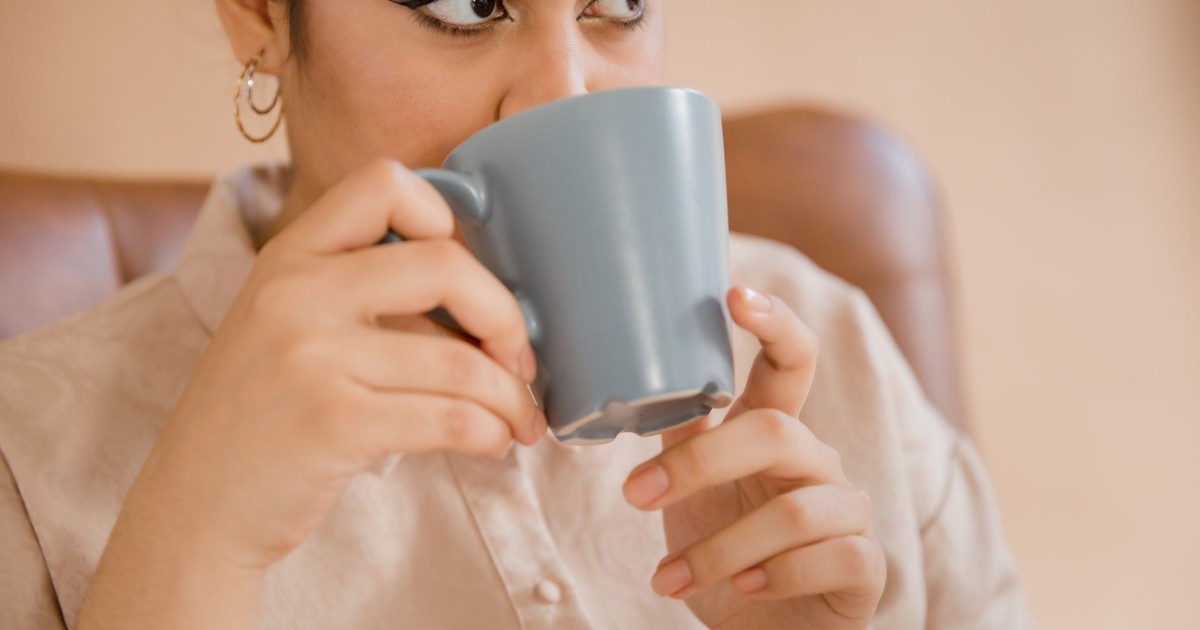
There is a specific category of after-dinner habit that gets dismissed as placebo because it sounds too small: making a cup of herbal tea and sitting with it without also doing three other things. The research suggests this deserves more credit than the eye-roll it typically gets.
Chamomile is the most studied option, and the reason it works is specific enough to be interesting. The flower contains a flavonoid called apigenin, which interacts with GABA-A receptors in the brain, the same receptors that pharmaceutical anti-anxiety medications act on. The exact mechanism is not fully understood, but evidence suggests apigenin produces its effects through modulation of these neurotransmitter pathways. A 2024 systematic review in Clinical Nutrition Research, drawing on 10 clinical trials, found that chamomile produced meaningful reductions in anxiety symptoms across multiple studies. Chamomile’s sleep benefits are even more consistently documented than its anxiety effects, with a 2024 meta-analysis pooling 10 clinical trials across 772 participants finding that chamomile significantly improved overall sleep quality scores.
The realistic expectation matters here. Clinical studies use concentrated chamomile extracts at 220 to 1,500 milligrams per day. A cup of tea delivers a fraction of that. So tea-strength chamomile gives you the same neurological pathway, just gentler, well suited to a daily wind-down rather than acute treatment. If chamomile isn’t your preference, the evidence extends to a few other options. Lavender has solid research backing for reduced anxiety and improved sleep quality, particularly for people whose minds race at night. Lemon balm offers mild calming effects for stress-related sleep disturbances.
The act of making tea, holding a warm cup, breathing in the steam, sitting somewhere quiet is itself a decompression ritual. It creates a clear line between the active part of the evening and the recovery part. Your nervous system responds to cues, and “I am now holding a warm cup of something that is not a screen” is a cue worth training. The same cup of chamomile for a week straight and your body starts to anticipate the shift before the first sip.
One practical note: after-dinner stress relief via herbal tea works best when caffeine is already off the menu by that point. Drinking plenty of water earlier in the evening also helps, since even mild dehydration can affect mood and increase anxiety.
3. A Few Minutes of Something That Quiets the Replaying
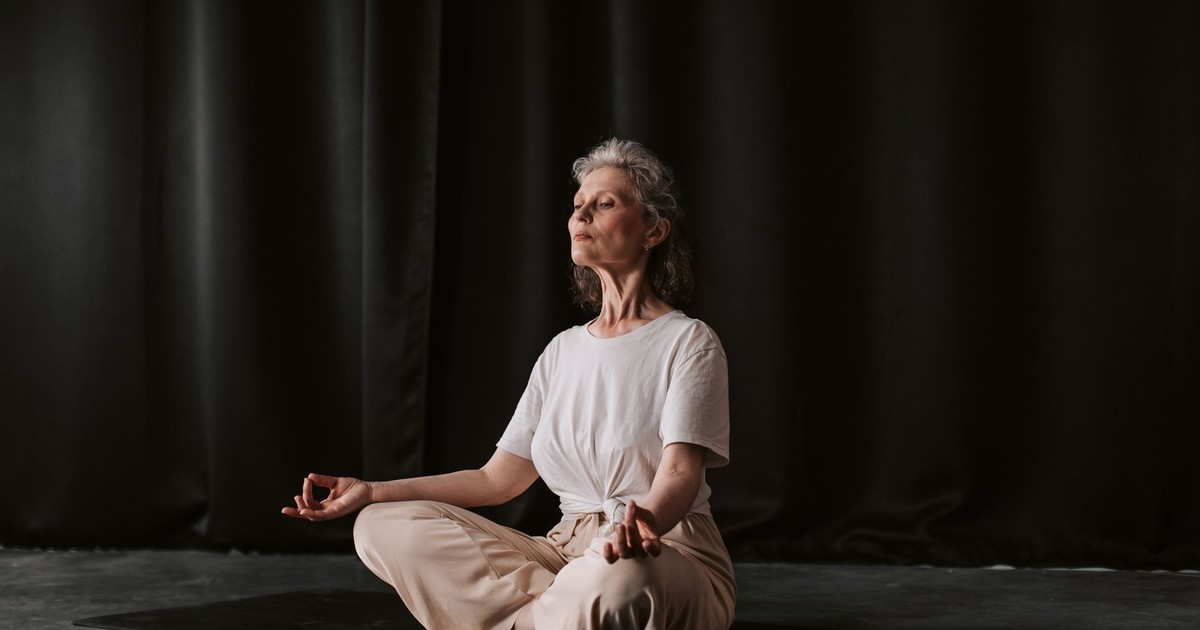
The most effective after-dinner stress relief for a lot of people is some deliberate practice of slowing down the mental replay reel. The one that starts after dinner, running back through everything you said, everything you didn’t say, everything you still need to do.
Journaling, light stretching, and mindfulness practices all fall into this category, and the evidence for each of them as standalone stress-reduction tools is substantial. The common thread is that they require you to do one thing with your attention instead of letting it scatter across seventeen anxious predictions simultaneously. Eating complex carbohydrates at dinner supports this process biochemically, since the Mayo Clinic notes that carbohydrates are thought to raise the amount of serotonin in the brain, which has a calming effect.
For people who find journaling too open-ended, a narrower prompt tends to work better than a blank page. Three things that actually happened today. Not three things you’re grateful for in the abstract, but three specific, concrete moments. The conversation that went better than expected. The thing the kid did at breakfast that you almost missed because you were looking at your phone. Keeping attention anchored to a specific memory, rather than scanning ahead for future problems, is itself a form of nervous system regulation.
The nervous system doesn’t distinguish sharply between a brisk walk and ten minutes of slow breathing with eyes closed. What it registers is the sustained absence of threat. Any practice that keeps your attention in the present for more than a few minutes accomplishes that, which is why it doesn’t much matter whether you journal, stretch, breathe, or do something quietly absorbing like reading a physical book.
The enemy of this habit is not laziness. It’s the phone. Email after dinner, social media after dinner, anything that puts you in contact with an audience or a demand creates the exact physiological state you are trying to exit. The research on evening screen use and cortisol is consistent: screens prolong the stress response, regardless of what’s on them. Protecting even ten minutes of disconnection after dinner makes the other two habits more effective and may be the simplest form of after-dinner stress relief on this list.
Read More: How missing just one hour of sleep actually harms your body, according to doctors
The Honest Bottom Line

None of these habits requires a personality overhaul or a wellness budget. A walk, a cup of something warm, ten minutes without a screen. The reason they work is not that they’re impressive. It’s that they’re aimed at the right problem: your nervous system after a long day is not broken, it’s just stuck in the wrong gear. These habits are the act of helping it shift.
The part nobody tells you is that the first few nights feel almost pointless. A Tuesday walk around the block while mentally composing tomorrow’s to-do list is not going to feel like stress relief. That’s fine. The body is slower to update its settings than the mind is to decide something is stupid. Give it a week of consistency before deciding it doesn’t work.
And if you do all three on the same evening, you are not doing a wellness routine. You are just treating yourself like someone who deserves to feel calmer before bed. Which, for what it’s worth, you do.
Disclaimer: This information is not intended to be a substitute for professional medical advice, diagnosis, or treatment and is for information only. Always seek the advice of your physician or another qualified health provider with any questions about your medical condition and/or current medication. Do not disregard professional medical advice or delay seeking advice or treatment because of something you have read here.
AI Disclaimer: This article was created with the assistance of AI tools and reviewed by a human editor.