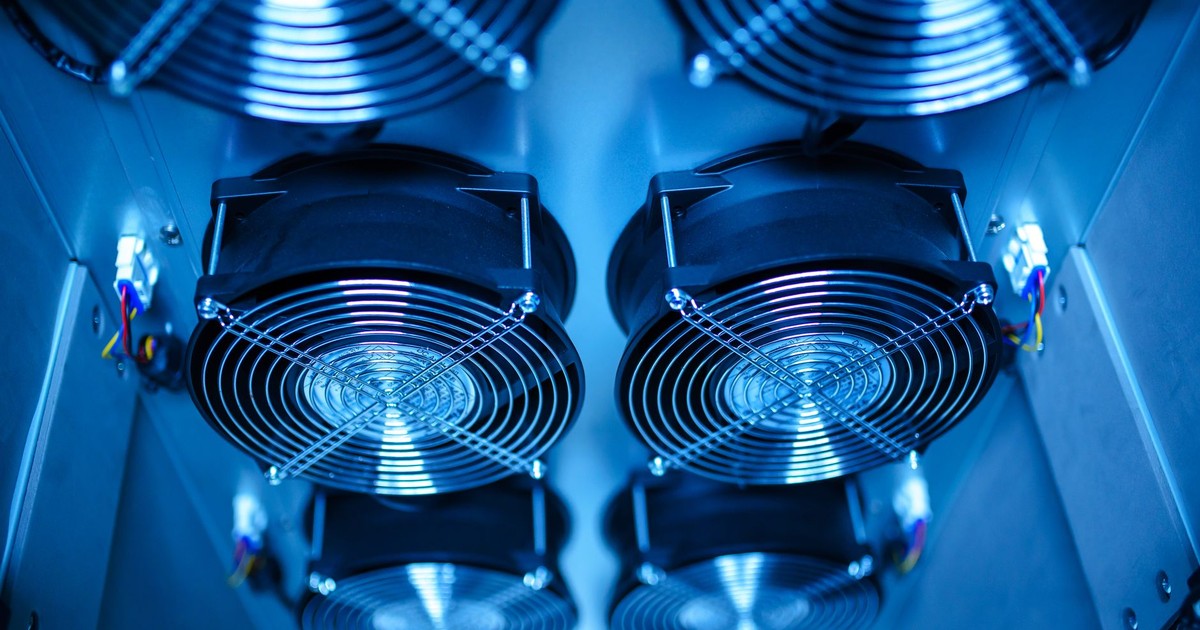

Every time someone opens a browser tab and types a question into an AI chatbot, a building somewhere is getting very hot. The server banks powering that exchange generate enormous quantities of heat, and the simplest, cheapest way the industry has found to deal with that heat is to run water through the system until enough of it evaporates to bring the temperature down. That process, repeated billions of times a day across hundreds of facilities on every populated continent, has turned AI data center water usage into one of the most consequential and least discussed resource questions of the decade.
Individual figures are large enough to be striking on their own, but they only become fully legible when placed against growing AI demand, tightening water supplies in the regions where data centers tend to cluster, and a disclosure framework so porous that the numbers most companies publish represent only a fraction of their true hydrological footprint. Direct water use, the water physically flowing through cooling towers on-site, is only part of the equation. The electricity those facilities draw from the grid requires water too, at the power plants generating it, and that indirect consumption dwarfs the on-site figure by an order of magnitude.
The Mechanics of the Problem: Why AI Generates Thirst
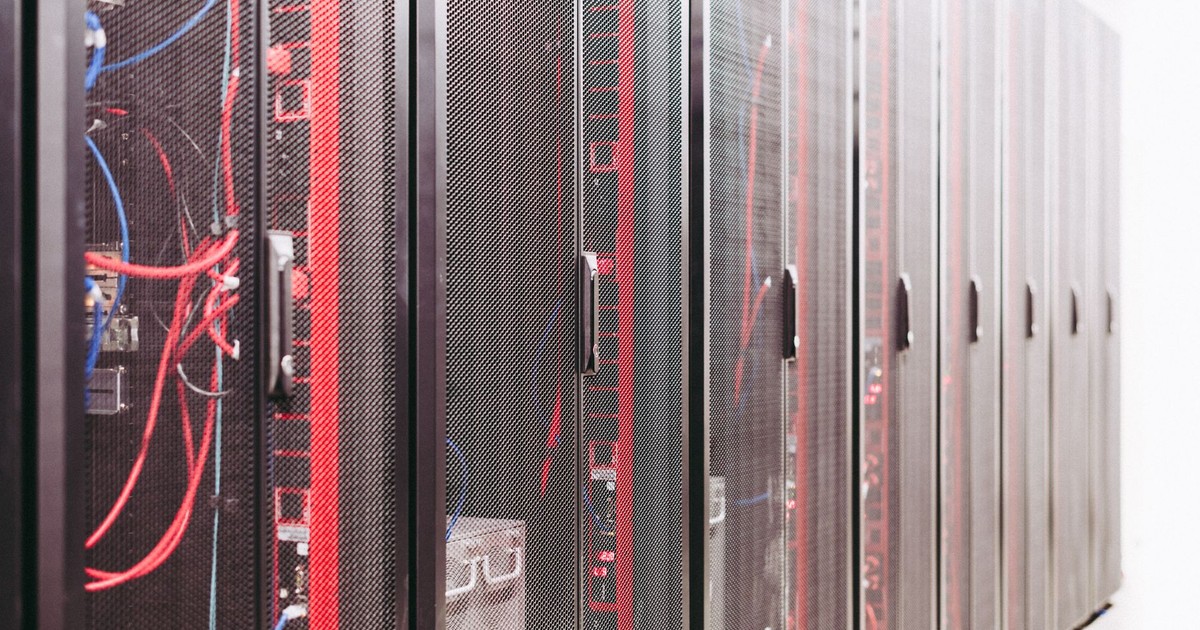
Server stacks coursing with electrical current get extremely hot, and evaporative cooling is among the simplest and least expensive ways to prevent the chips from overheating and failing. Data centers consume water both directly, primarily through on-site cooling systems, and indirectly through the electricity they draw from the grid. Cooling alone can represent 30 to 40 percent of a facility’s total energy use.
Modern AI chips such as the NVIDIA H100 and H200, each rated at 700 watts TDP, and the AMD MI300X, rated at 750 watts, produce thermal densities that air cooling simply cannot manage. Traditional data centers were built around far lower heat outputs. The transition to AI-scale computing has effectively moved data centers into a different thermal category, one for which the legacy cooling infrastructure was not designed.
Most large data centers handle this through evaporative cooling: water is pumped through the building, absorbs heat, and then a portion of it evaporates into the air. About 80 percent of the water drawn in is lost to evaporation permanently. A single large hyperscale campus can now evaporate more water every day than a town of 10,000 people.
The Numbers: What the Industry Actually Reports
Google’s 2026 Environmental Report reveals it consumed 10.9 billion gallons of water in 2025, a 34 percent increase from 2024 and more than double its 2021 level. The company replenished 7.7 billion gallons, roughly 78 percent of consumption, through 165 stewardship projects across 97 watersheds. That math leaves approximately 3.2 billion gallons with no compensating offset, drawn primarily from freshwater sources in the regions where the facilities operate.
Amazon disclosed 2.5 billion gallons consumed globally in 2025, measured at a Water Usage Effectiveness rate of 0.12 liters per kilowatt-hour. Microsoft holds a fleet-wide rate of 0.30 liters per kilowatt-hour. Amazon’s figure is particularly notable because it represents the company’s first-ever disclosure of water consumption data, a reminder that the reporting norms governing this industry are still being established.
Globally, AI data center direct water consumption reached approximately 560 billion liters, around 148 billion gallons, in 2025, with U.S. facilities alone consuming an estimated 17.4 billion gallons directly and approximately 211 billion gallons indirectly through electricity generation.
The Direct vs. Indirect Gap
A 2024 report from Lawrence Berkeley National Laboratory estimated that in 2023, U.S. data centers consumed 17 billion gallons of water directly through on-site cooling, and projected that by 2028, those figures could double or even quadruple. The same report estimated that U.S. data centers consumed an additional 211 billion gallons indirectly through the electricity used to power them.
No law currently obligates these companies to report the full scope of their water use across both direct and indirect categories. In the U.S., indirect water consumption for data centers has historically been roughly 12 times as great as the amount they directly consume on-site, according to that Lawrence Berkeley National Laboratory analysis.
The indirect component varies substantially depending on how electricity is generated. Coal and nuclear power generation require significantly more water than natural gas. A data center powered primarily by coal plants in one state carries a very different total water footprint from a facility sourcing power from a natural gas grid or a nuclear plant, even if the on-site cooling systems are identical.
Meta’s indirect water use was 19 billion gallons in 2024, more than 20 times as high as its direct water use. The company has a plan to become water positive by 2030, partly through water-restoration projects, but does not have a plan to remediate its indirect water consumption.
Per-Query Water: The Individual Transaction
Estimates of per-query water use span a wide range depending on methodology and scope. OpenAI CEO Sam Altman stated in June 2025 that each ChatGPT query uses approximately 0.3 milliliters of water, a figure that covers only direct on-site cooling. A 2023 study from researchers at the University of California, Riverside estimated roughly 500 milliliters per 20 to 50 queries when accounting for both direct cooling water and the water embedded in electricity generation at power plants, though per-query estimates across studies vary widely depending on which consumption categories are included and how the underlying energy mix is modeled.
Training runs for large models represent a different order of magnitude. Researchers estimated that training GPT-3 in Microsoft’s U.S. data centers consumed a total of 5.4 million liters of water, including approximately 700,000 liters of on-site water for direct cooling.
Geographic Concentration and Local Water Stress
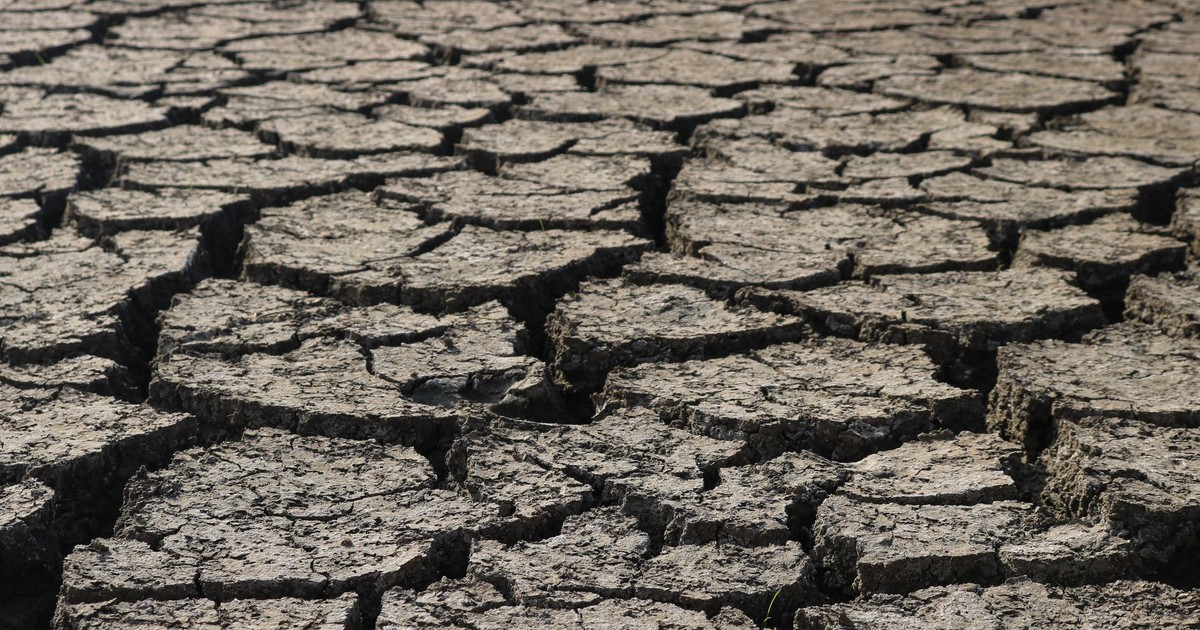
Aggregate national figures matter for policy. Local figures are what determine whether a community’s aquifer runs short, whether a river in a drought-prone corridor drops another foot, or whether a municipality finds itself competing with a hyperscale campus for the same finite supply.
A study by the Houston Advanced Research Center and the University of Houston found that existing data centers in Texas consume an estimated 25 billion gallons of water annually for electricity generation and cooling. By 2030, that figure could rise to between 29 and 161 billion gallons per year, potentially representing up to 2.7 percent of the state’s total water use.
Virginia, which hosts the highest concentration of data centers of any jurisdiction on earth, tells a similar story at a different scale. In that state, data center water usage increased significantly between 2019 and 2023, with the 2023 figure reported at approximately 1.85 billion gallons or higher depending on the methodology used. That trajectory is accelerating, not leveling off.
By 2025, the expansion of AI infrastructure pushed North American data center water consumption to nearly one trillion liters a year, with water availability rapidly moving from an environmental afterthought to a hard operational constraint.
Water-Stressed Siting Decisions
Microsoft has acknowledged that 42 percent of the water it consumed in 2023 came from areas with water stress. Google has reported that 15 percent of its freshwater withdrawals came from areas with high water scarcity.
Amazon’s planned site in Arizona is licensed to withdraw approximately 1.45 billion gallons of water annually, comparable to the consumption of 23,000 residents. Arizona is among the most water-constrained states in the country, already drawing down its groundwater reserves at rates that cannot be sustained indefinitely. The Colorado River basin, which supplies much of the Southwest, has been in a documented decline for more than two decades.
Renewable-energy credits are not equivalent to offsets for water consumed in a specific location. If a river in Nevada runs dry, an abundance of water in Michigan cannot compensate. Water is intensely local in a way that carbon emissions are not, which is precisely why the utility of broad national offset programs is limited when the underlying problem is aquifer depletion in Phoenix or stream-flow reduction in the Central Valley.
The Discharge Problem
The water that returns to local supplies after passing through a data center cooling system is not the same water that entered. Cooling water that cycles back to the water supply carries a higher concentration of dissolved solids, including calcium, chloride, and silica. These concentrations can affect the taste of drinking water, lower crop yields, and in sufficient concentrations prove toxic to aquatic life. Increased salinity and elevated temperature in discharge water can also lower oxygen solubility, affecting metabolism in freshwater wildlife.
Legionella bacteria, which can cause Legionnaires’ disease in humans, can grow in improperly maintained cooling towers and spread through released water vapor. This is not a theoretical risk specific to data centers, it applies to industrial cooling systems broadly, but it adds a public-health dimension to the conversation that rarely features in corporate sustainability reports.
The Transparency Gap: What Companies Don’t Say

Some data center companies have published data on their water usage, though few have released information on individual facility consumption. Corporate sustainability reports offer a valuable glimpse into data center water use, but because reporting is voluntary, different companies report different statistics in ways that make them difficult to combine or compare. A water withdrawal figure is not the same as a water consumption figure. A water consumption figure for direct cooling is not the same as total consumption once indirect electricity-generation water is included. Without standardized definitions enforced by regulators, every company is effectively free to publish the number that looks best.
As of June 2026, the UN Secretary-General launched the AI Environmental Transparency Initiative, calling on every major AI company to measure and publicly disclose carbon, water, and land footprints. Whether that initiative produces binding obligations or remains aspirational depends entirely on the political will of member states and the cooperative disposition of the companies involved, neither of which is guaranteed.
The Indirect Water Nobody Talks About
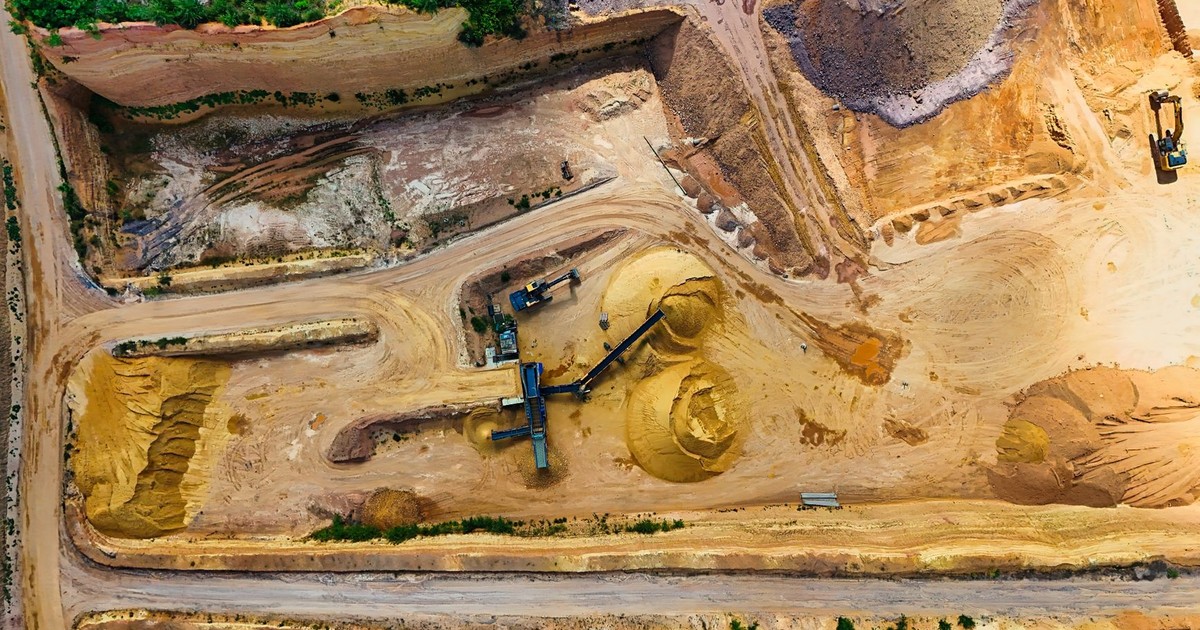
The 12-to-1 ratio between indirect and direct water consumption is the number that most fundamentally changes the scale of this story, and it is the number that almost no major company includes in its public disclosures.
Research projected that global AI-related water withdrawals could reach between 4.2 and 6.6 billion cubic meters annually by 2027, equivalent to four to six times the yearly consumption of Denmark or half that of the United Kingdom.
According to WestWater Research, data center water consumption in the United States is projected to increase by 170 percent between 2023 and 2030. That projection was made before the full acceleration of AI infrastructure investment became clear, which suggests the estimate may already be conservative.
The International Energy Agency’s 2025 Energy and AI report noted that data centers consumed roughly 415 terawatt-hours of electricity in 2024, a figure projected to more than double by 2030. Since electricity generation is the primary driver of indirect water consumption, a doubling of electricity demand implies a corresponding pressure on the indirect water account.
The Cooling Technology Race
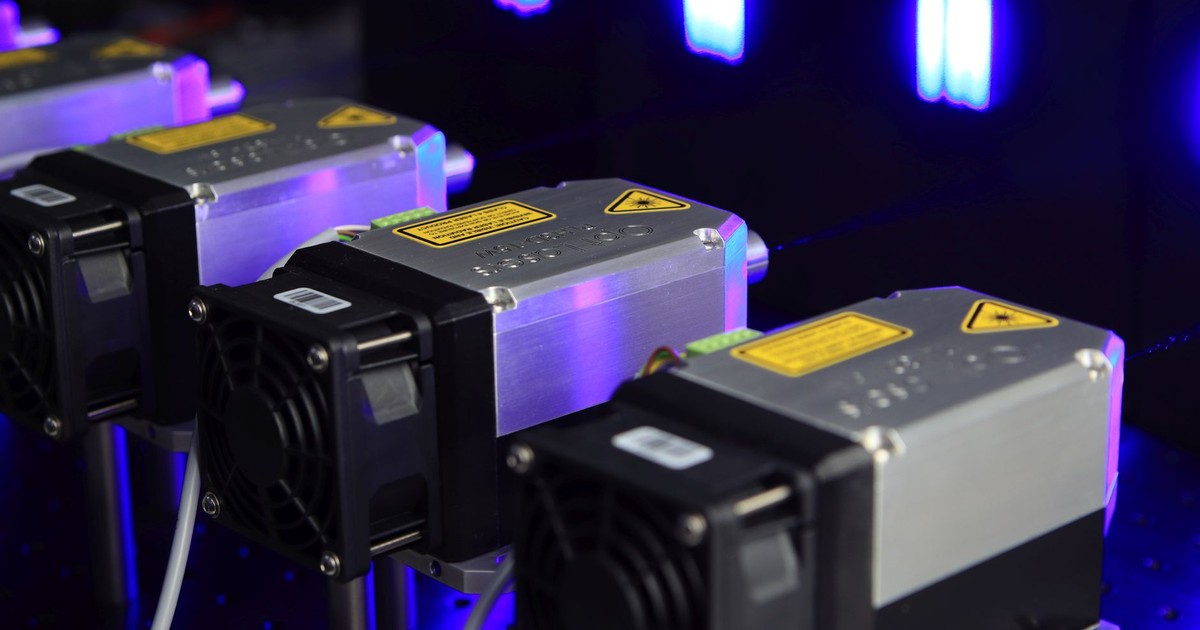
The industry is not waiting for regulatory mandates to solve the physics problem. The energy costs of inefficient cooling are a direct operational expense, and the business incentive to reduce them is independent of environmental pressure.
Microsoft is deploying closed-loop, zero-water evaporation cooling systems that eliminate the need for evaporative water entirely and reduce water use by more than 125 million liters per facility annually. Once filled at construction, the system recirculates coolant continuously without drawing from external water supplies.
Direct-to-chip cooling, immersion cooling, and coolant distribution unit-based systems are all expected to see significant adoption growth in 2026, driven by their superior heat-transfer capability for high-density GPU workloads. In direct-to-chip cooling, a liquid coolant is routed through cold plates mounted directly on processors, capturing heat at the source rather than waiting for it to diffuse into the surrounding air. In two-phase immersion cooling, servers are submerged in a vat of non-conductive liquid that actively boils next to the heat-producing components, removing heat as it evaporates.
Direct-to-chip cooling currently commands a dominant 47 percent market share in the liquid cooling segment, with Microsoft beginning fleet deployment across Azure campuses in July 2025.
These technologies do not eliminate water consumption entirely, the coolant loops still require thermal rejection, typically to outdoor air exchangers, but they dramatically reduce the volumes involved and, critically, remove the dependence on continuous freshwater evaporation. Research on AI server sustainability found that cooling design now plays as large a role in environmental impact as hardware efficiency itself, with advanced cooling systems potentially reducing cooling energy consumption by up to 50 percent.
Regulatory and Community Responses

The regulatory environment governing data center water consumption in the United States remains thin. At the federal level, no specific disclosure requirements exist for AI data center water usage, and the current administration has moved in the direction of streamlining rather than tightening environmental oversight of the sector.
An executive order from President Donald Trump streamlined environmental reviews and other regulations in an effort to accelerate data center construction. But individual communities have started pushing back against many projects, with increasing success.
In 2025, 16 state attorneys general signed a letter contending that offsetting energy produced by fossil fuels is not equivalent to actually replacing those energy sources, a legal argument with direct implications for the water-offset accounting that tech companies use to argue their operations are net-neutral or net-positive.
At the international level, the European Union’s approach is more prescriptive. Regulatory requirements are increasingly mandating efficiency improvements, with the EU requiring a Power Usage Effectiveness below 1.3 by 2030, and Singapore permitting new data centers only with a PUE under 1.2. Neither regulation directly targets water consumption, but improving energy efficiency reduces the waste heat that drives cooling demand, and therefore indirectly reduces water use.
Key Takeaways
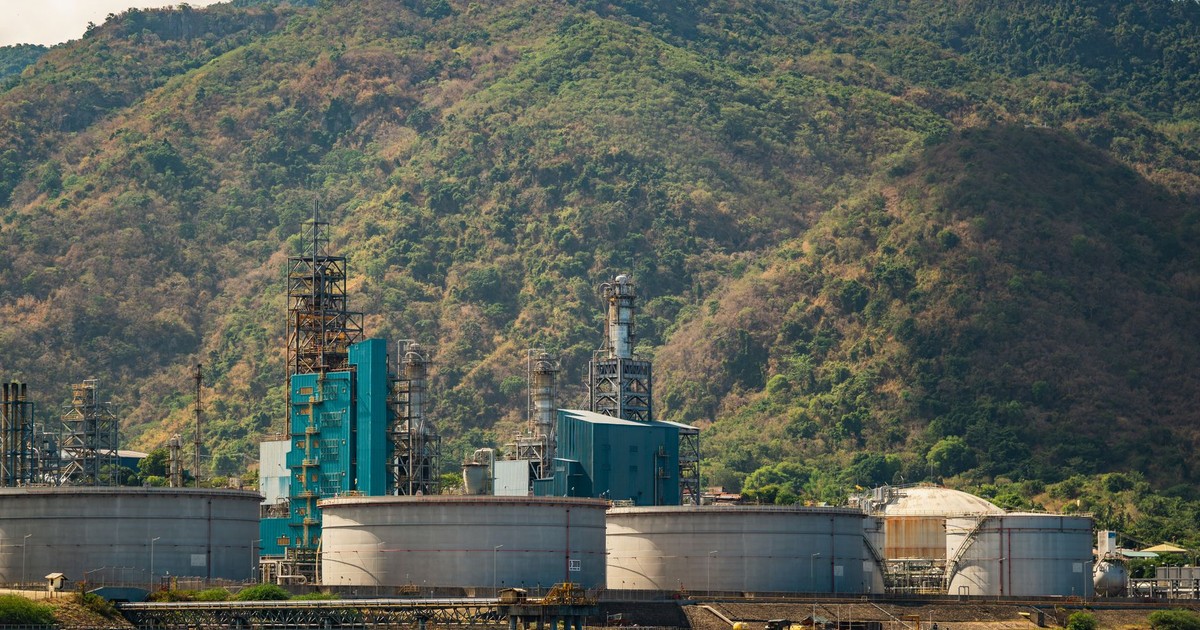
The headline figures from corporate sustainability reports are real but partial. In the U.S., indirect water consumption for data centers is historically roughly 12 times greater than direct on-site use, a multiplier that turns Google’s 10.9 billion disclosed gallons into a total footprint potentially exceeding 130 billion gallons for that single company in a single year.
Technological responses, including closed-loop cooling, direct-to-chip systems, and immersion architectures, are real and accelerating, and they will reduce the per-unit water cost of AI computation. Whether they reduce the aggregate water footprint depends on whether efficiency gains outpace the expansion of total compute capacity. With U.S. data center water consumption projected to rise by 170 percent between 2023 and 2030, the arithmetic of efficiency versus scale is not currently running in water’s favor.
The communities nearest to these facilities carry costs that do not appear in quarterly earnings reports or annual sustainability disclosures. A data center in an arid region is not simply a tax base and a few permanent jobs. It is a competing claimant on a shared resource, one with the capital, the legal team, and the political connections to win most of those competitions.
The Disclosure Gap Is the Policy Problem

The numbers in this article are striking, but the more important fact is how hard most of them are to find. Companies are not currently required to report direct and indirect water consumption on a standardized basis, at the facility level, in the communities where the water is actually being drawn. The result is a disclosure environment in which national aggregate figures are available for some companies, but the community-level granularity needed to assess local impact is almost entirely absent.
A municipality in west Texas, a water district in northern Virginia, a groundwater authority in Arizona, none of them can fully evaluate what a new hyperscale campus will cost their community over a 20-year horizon, because the data required to make that assessment does not exist in a form they can access. Residents cannot advocate, regulators cannot plan, and watershed managers cannot model future scenarios when the baseline is voluntary, inconsistent, and reported at a scale too large to be locally meaningful.
The single policy intervention that would change this most fundamentally is mandatory, standardized, location-specific reporting of both direct and indirect water use, at the individual facility level, updated annually. Not because any one number will resolve the tension between economic development and water security, but because you cannot manage what you cannot measure. The communities bearing the cost of AI infrastructure deserve the information to understand what that cost actually is.
Disclaimer: This information is not intended to be a substitute for professional medical advice, diagnosis, or treatment and is for information only. Always seek the advice of your physician or another qualified health provider with any questions about your medical condition and/or current medication. Do not disregard professional medical advice or delay seeking advice or treatment because of something you have read here.
AI Disclaimer: This article was created with the assistance of AI tools and reviewed by a human editor.