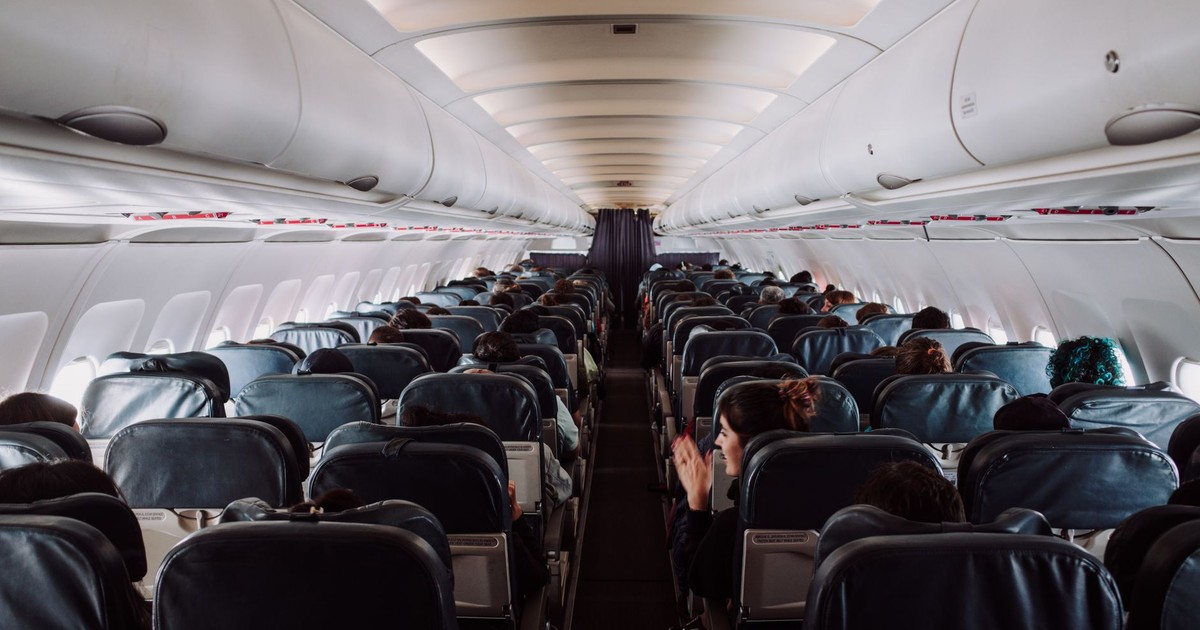

The person sitting next to you on a flight picked their seat the same way you did: with some mixture of habit, mild anxiety, and a conviction that their preference is the only rational one. You did not discuss it. You probably won’t. But if you ask any flight attendant who has spent years watching passengers board, they’ll tell you the patterns are almost eerie in their consistency.
Airplane seat selection feels more personal than choosing a spot in a waiting room or a pew in a church. On a plane, you’re committing. For two hours or twelve, that rectangle of fabric is your home, your fortress, your one negotiable variable in an experience that otherwise offers almost none. And the choice you make, flight after flight, without even really thinking about it, says something about how you move through the world.
Flight attendants clock these patterns the way bartenders clock regulars. The same types tend to cluster in the same zones, and the personality signatures are consistent enough to be almost predictable. Here’s what they have noticed.
The Window Seat: You Like Your Walls Where You Can See Them
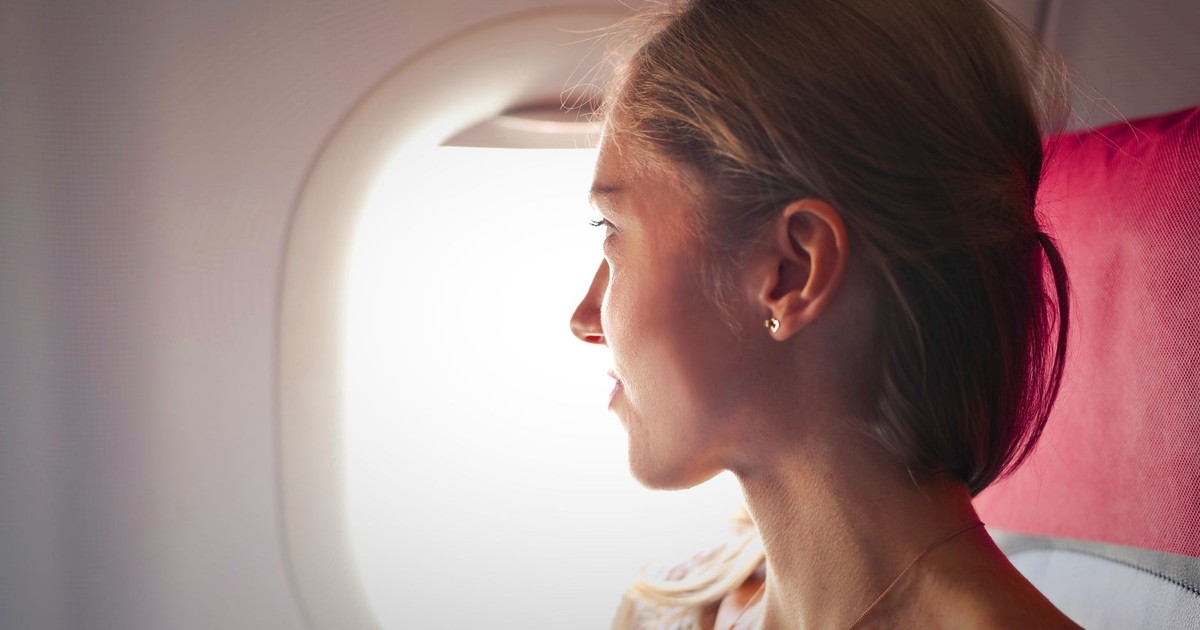
Dr. Becky Spelman, founder and Clinical Director of Harley Street’s Private Therapy Clinic, has described window-seat passengers as control-oriented and more likely to adopt an “every man for themselves” attitude. They also tend to “nest,” she says, preferring to exist in their own bubble rather than be pulled into shared social territory.
The window is the most defensible seat on the plane. According to performance psychology specialist Sam Wones, introverts gravitate toward window seats specifically for the privacy and sense of control they offer, while extroverts lean toward the aisle for mobility and easier interaction. The window seat is, in that sense, a small act of self-preservation dressed up as a preference for views.
Flight attendants also note that window-seat passengers tend to be among the first to fall asleep and the last to make eye contact during the beverage service. They came here to be left alone, and they have arranged their entire seating situation to make that as achievable as possible given the circumstances. The pillow is already against the wall before the boarding door closes.
The Aisle Seat: You Need an Exit Strategy, Even When There Isn’t One
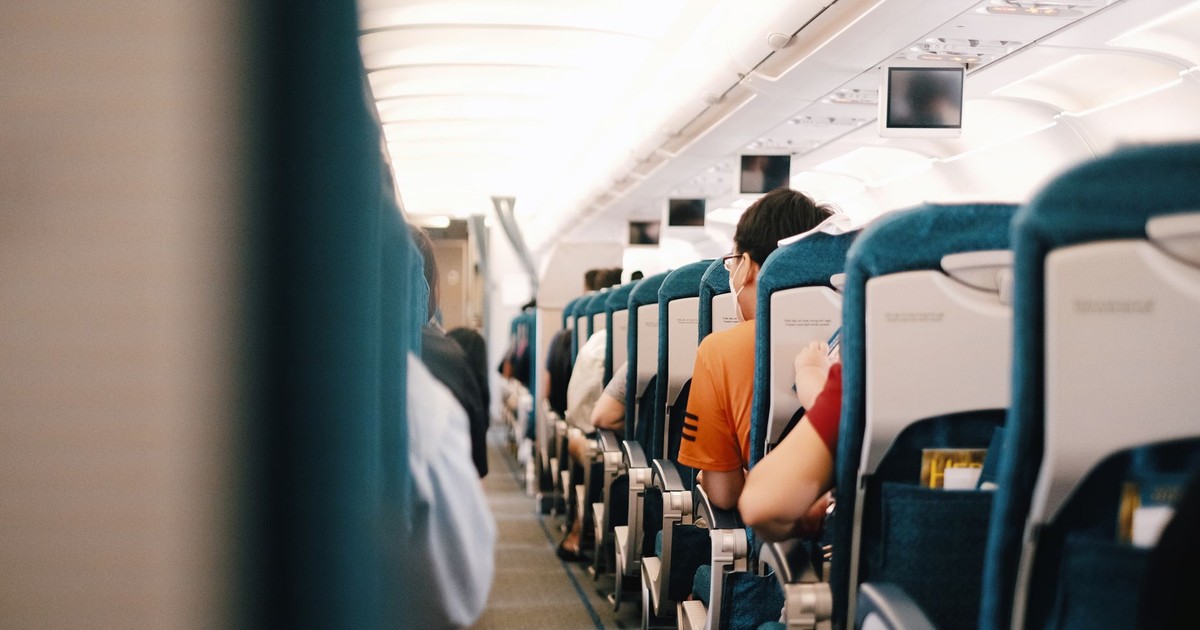
Dr. Becky Spelman, founder of Harley Street’s Private Therapy Clinic, has characterized aisle-seat passengers as less confident flyers – people who would rather be disturbed than disturb someone else, and who are less comfortable with the general chaos of being in the air. Behavioral psychologist Jo Hemmings adds that aisle passengers are often more sociable and amenable, but also more restless – less likely to sleep on planes and more likely to be moving around throughout the flight.
The aisle seat is the extrovert’s natural habitat, but it’s also the anxious person’s compromise. You can’t fully relax, but you can leave at any moment. Nobody has to squeeze past you to get to the lavatory – which, if you’ve ever been the person a stranger has to climb over at 2 a.m. over the Atlantic, you understand is not nothing. Aisle-seat passengers typically value easy restroom access, mobility, and extra room to stretch during flights – all concerns about being able to move rather than being able to stay still.
Business travelers disproportionately choose the aisle, and flight attendants confirm this without much surprise. Business travelers are willing to sacrifice the window view entirely for quick access off the plane, and for this group the psychological payoff of fast deplaning outweighs the appeal of anything outside the glass. The aisle seat is efficient. It is also, if you ask a window person, slightly manic.
The Middle Seat: You Either Had No Choice, or You Are Someone’s Parent

There is no one on earth who chooses the middle seat for themselves. The middle seat is chosen on behalf of other people, usually small ones. United Airlines data indicates that parents select window seats for their children three times more often than aisle seats – which means the accompanying adult frequently ends up wedged between a child and a stranger, doing the arithmetic in real time.
The extreme aversion to middle seats illustrates, by contrast, exactly what window and aisle seats provide: each offers at least one dimension of psychological relief – a wall, a view, or an escape route – that the middle seat simply cannot. You have no wall. You have no aisle. You have two armrests that will be negotiated over in silence. The middle seat is an exercise in managed discomfort, and the people who occupy it voluntarily – usually to stay physically close to someone they’re traveling with – are either deeply devoted or deeply unaware of what they’ve agreed to.
Flight attendants will tell you that middle-seat passengers are often the most patient people on the plane, because they’ve already surrendered the one thing every other passenger is fighting to keep: personal space. There is a certain calm that comes from having nothing left to protect.
The Exit Row: You Read the Fine Print and You Liked What You Found
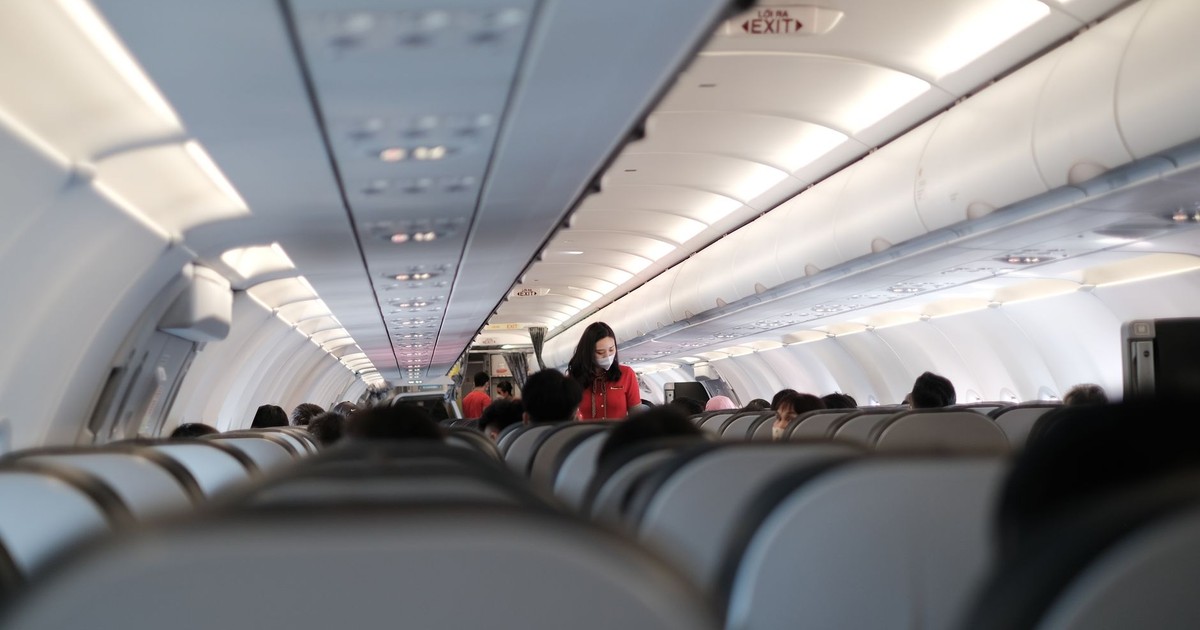
Flyers opt for the exit row primarily for the extra space it offers, but the personality type who seeks it out proactively is a specific breed. They’ve done the research. They know the row numbers on the specific aircraft type they’re flying. They may have paid a fee for the privilege. This is not a casual choice – this is a preference system.
Flight attendants genuinely appreciate the exit-row passenger who takes the responsibility seriously, because federal exit row seating rules require airlines to screen and brief passengers assigned to exit rows – confirming they are able and willing to physically operate the exit door and assist in an emergency evacuation. Flight attendants must read off a verbal question confirming that passengers are willing and able to assist in an emergency – and the exit-row regular already knows the answer before the question is finished.
The less admirable version of this passenger is the one who chose the exit row for legroom alone and treats the safety briefing as an interruption. In one documented incident, a woman on a flight out of Charlotte Douglas International Airport was ejected from the exit row after a verbal disagreement with the crew – a scene that went viral on TikTok with more than 80,000 views – after she reportedly joked that she’d only save herself in an emergency. The exit row has a screening process, and it turns out not everyone passes.
The Front of the Cabin: You Boarded First and You’ll Deplane First, Too
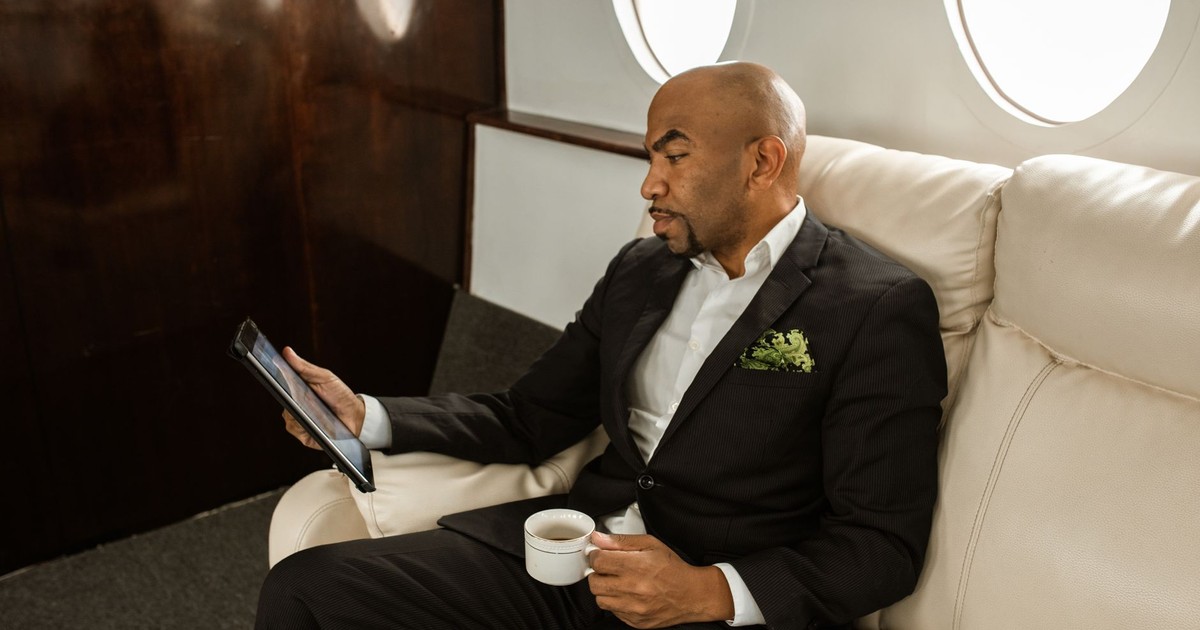
Airplane seat selection in the first few rows of economy is a statement. It says: I have a connection to catch, I cannot stand waiting, or both. Front-of-cabin passengers are disproportionately business travelers and frequent flyers – people who have learned through painful experience that the difference between row 5 and row 30 is approximately fifteen minutes of standing in a jetway. That quarter-hour matters enormously to them and not at all to whoever is sitting in the back row eating the last bag of pretzels.
Flight attendants who fly as off-duty passengers prefer window seats in the front half of the plane for quicker boarding and deplaning, which tells you something: the people who know the most about what happens on planes have quietly figured out that the front is the right answer, all else being equal. They also tend to prefer long-haul flights with minimal disruption – two things that front-of-cabin placement helps with considerably.
Front-of-cabin passengers are also, flight attendants note, among the first to be served on the beverage cart – which means they get first pick of the options before the good stuff runs out somewhere around row 14. This is not an accident. They planned for this.
The Back of the Plane: You’re Either Very Relaxed or Very Last-Minute
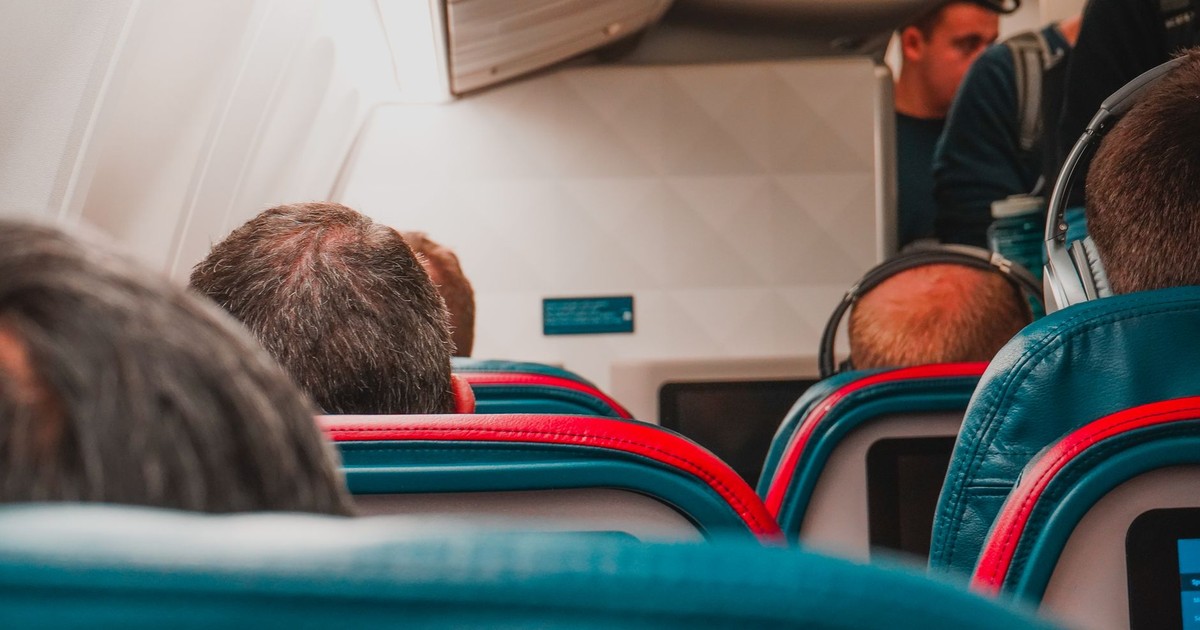
The back of the plane has a reputation for noise (the engines, the lavatory traffic, the general chaos of the galley) and a corresponding reputation for the passengers who either don’t mind any of that or simply didn’t check in early enough to have an opinion. Flight attendants generally describe back-of-cabin passengers as more easygoing, less status-conscious, and significantly more likely to ask for a second snack.
There is also a practical argument for the back that budget-conscious travelers have made for years: when a flight isn’t full, the empty seats tend to cluster toward the rear. A back-row passenger who checks in late often finds themselves with an empty middle seat beside them, which, in airplane terms, is the equivalent of a windfall. The ability to lie down across three seats on a red-eye to the West Coast is the kind of luck that only rewards the people who weren’t trying that hard to begin with.
Seat preferences across the board are shaped by more than personality – legroom, boarding position, overhead bin access, and faster deplaning all factor into where people actually land. But back-of-plane passengers have frequently done this math and concluded that getting there slightly later is fine, because they’re not the type to be annoyed by it.
The Seat You Pick Every Time
Most people make the same airplane seat selection on every single flight, with the same reasoning, without really examining it. Performance psychology specialist Sam Wones describes this kind of ritualistic behavior as a response to environments where people feel they lack control, noting that repeated seat-map checking and fixed preferences can reduce anxiety about the unknown. The plane is one of the last places where you genuinely cannot leave, cannot control the speed, and cannot make anything go faster. Your seat is the one variable you can own.
The window person is a nester. The aisle person is restless. The exit-row regular read every word of the terms and conditions and probably has an opinion about it. None of this is a character verdict – it’s just a pattern, and patterns have their own logic. The archive of every seat you’ve ever chosen is, in miniature, the story of how you manage uncertainty.
Disclaimer: This information is not intended to be a substitute for professional medical advice, diagnosis, or treatment and is for information only. Always seek the advice of your physician or another qualified health provider with any questions about your medical condition and/or current medication. Do not disregard professional medical advice or delay seeking advice or treatment because of something you have read here.
AI Disclaimer: This article was created with the assistance of AI tools and reviewed by a human editor.