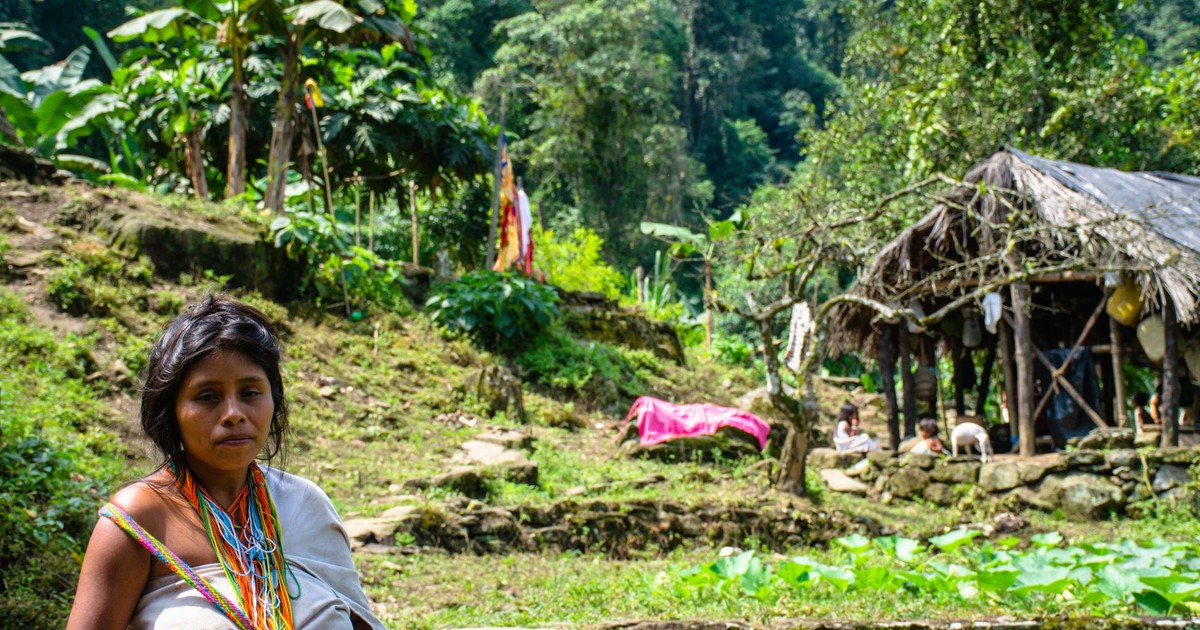

A 23-year-old American who grew up feeling like something was missing decided to go looking for it in the eastern Ecuadorian Amazon, the same remote stretch of jungle his father had grown up in before leaving for a different life. He arrived with a camera and a YouTube channel and left with a wife, a baby, and a bone-deep education in exactly how much a person doesn’t know about a culture until they’re living inside it. One of those lessons involved a snake, a pregnant woman, and a ritual he had absolutely not been briefed on.
This is the story of Justin Alvo. The Amazon, it turns out, does not particularly care how open-minded you think you are.
A Father’s Homeland, a Son’s Missing Piece
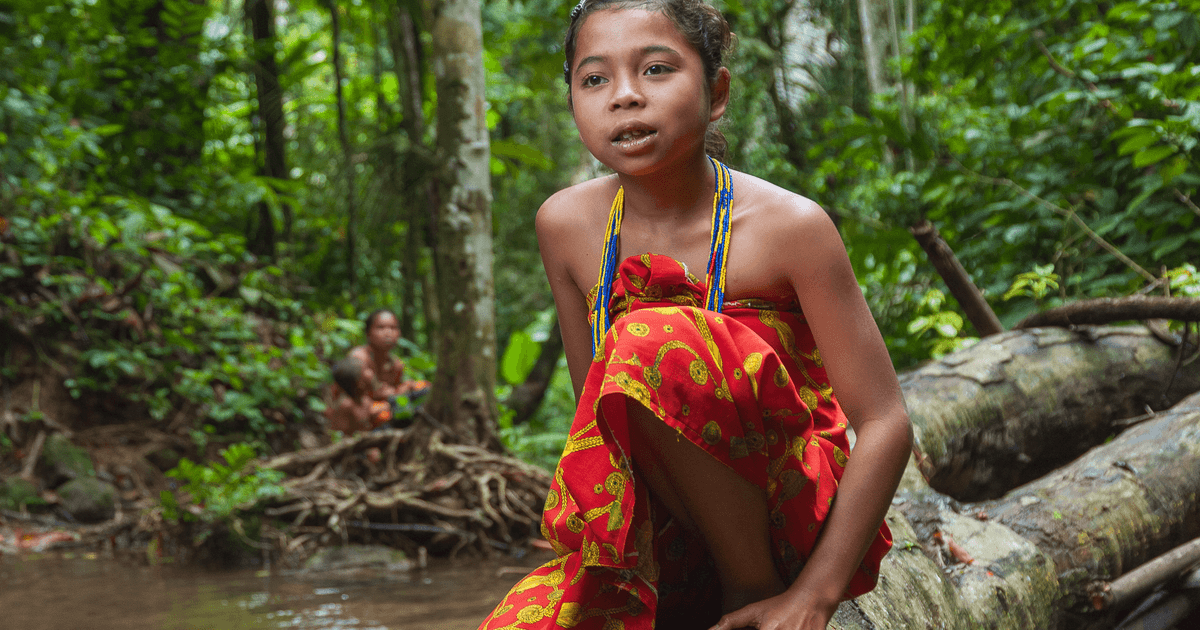
Justin is half Amazonian through his father, who grew up in a remote community called Tres de Noviembre, so isolated that he didn’t encounter a radio until he was fourteen and where birthdays weren’t tracked at all. His father eventually left, met Justin’s mother in a Chinese restaurant in the United States, and settled there. Two generations, two continents, and one extremely unlikely dinner reservation.
Justin grew up in the US but carried the Amazon with him in a way he couldn’t quite articulate. Years later, he decided to return to his father’s homeland to document the culture he’d always felt disconnected from, building a YouTube channel around it. He met a woman named Maria who worked as a chef at an Amazonian restaurant. His opening line was, by his own account, “Hey, I like you a lot, you’re really cute, and I want to make documentaries and videos about the Shuar people.” She said yes. Possibly the most efficient courtship in documentary history.
Despite the concerns of friends and family, Justin went on to welcome his first child with Maria. On June 9, 2026, Justin and Maria welcomed a baby boy they named Oliver. But before all of that, there was a very steep learning curve.
An Alien World, Even for Someone Who Belongs to It
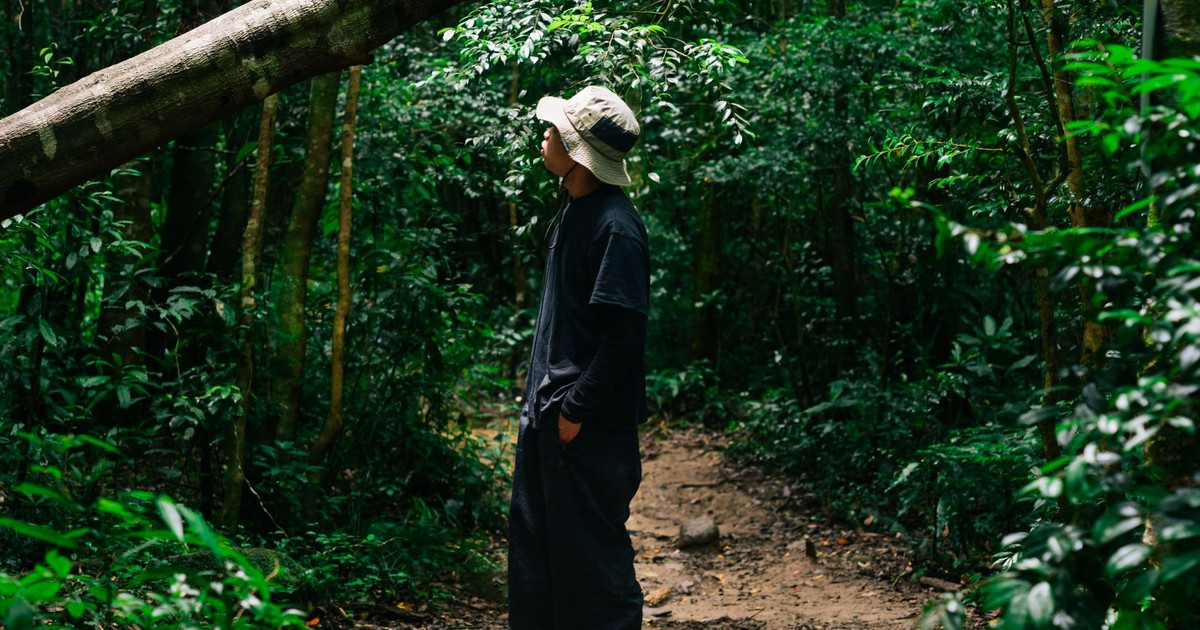
Despite being half Amazonian himself, stepping into tribal life felt like landing in “an alien world.” He had no framework for the day-to-day realities of deep jungle living: which plants were dangerous, which insects to avoid, which animals carried spiritual weight rather than just physical danger. The tribe filled him in quickly, including warning him about a highly venomous snake called the macanche that can kill a person within two minutes.
He absorbed the warnings. He also immediately ignored one of them.
While out in the jungle one day, the group came across a boa constrictor. The tribe told him firmly to leave it alone. He caught it and started showing everyone. In the Shuar frame of reference, what he had just done was considerably more serious than a wildlife selfie.
Boas are considered spiritual animals by the Shuar, and touching one carries consequences. Justin was banned from going near any pregnant women in the community until he had been ritually cleansed, over fears he might pass on bad energy to them.
For anyone raised in a Western context, this might register as strange, even alarming. But the Shuar relationship with the natural world is not incidental to their culture; it is the architecture of it. The Shuar have a unique spiritual relationship with the forest, where every tree, river, and animal is imbued with a spirit that must be respected, understood, and cared for. This ancestral wisdom has been passed down from generation to generation, shaping a worldview reflected in their rituals, songs, and daily practices. Picking up a spiritual animal and waving it around is not a minor faux pas. It is closer to tracking mud through a cathedral.
Who the Shuar Actually Are
The Shuar are one of the most well-documented Indigenous groups in South America, and also one of the most persistently misunderstood by outsiders who know them primarily through historical accounts of head-shrinking. The Shuar inhabit the tropical rainforests of southeastern Ecuador and parts of northern Peru, known for their profound connection to nature and ancestral territory. Traditionally semi-nomadic, they have maintained a rich cultural framework rooted in shamanism, communal land stewardship, and oral knowledge systems. Their language, customs, and cosmology reflect deep ecological understanding and a relationship with the land that is both spiritual and practical.
That spiritual and practical interweaving is exactly what Justin kept running into. The boa wasn’t just an animal; it was a carrier of energy, and energy, in Shuar belief, can transfer. The snake represents the feminine sphere in Shuar symbolism, which adds another layer to why a man handling a boa near pregnant women would be treated as a problem requiring a formal solution. The ritual cleansing wasn’t punishment. It was a reset. A way of putting things back in their proper order.
The Shuar communicate with the yuwak, spirits that reside in the plants, trees, and animals. Shamans, known as ushirik, are responsible for maintaining spiritual balance between humans and the forest, using sacred plants and chants to heal and harmonize. Justin’s cleansing would have fallen within this framework: an acknowledgment that the boundary between the human and spirit worlds is permeable, and that crossing it without care has consequences.
The Amazon is home to an enormous range of groups with their own distinct customs. Across the Pan Amazon, hundreds of Indigenous groups self-identify with a specific ethnic lineage, each with its own cosmology, taboos, and protocols. The Amazon tribal customs Justin encountered belong specifically to the Shuar, and the Shuar’s understanding of animals, spirits, and human wellbeing is its own complete system, not an approximation of something else.
The Drink That Took a Year and a Half to Love
The snake incident was not Justin’s only culture shock. The other one came in a cup.
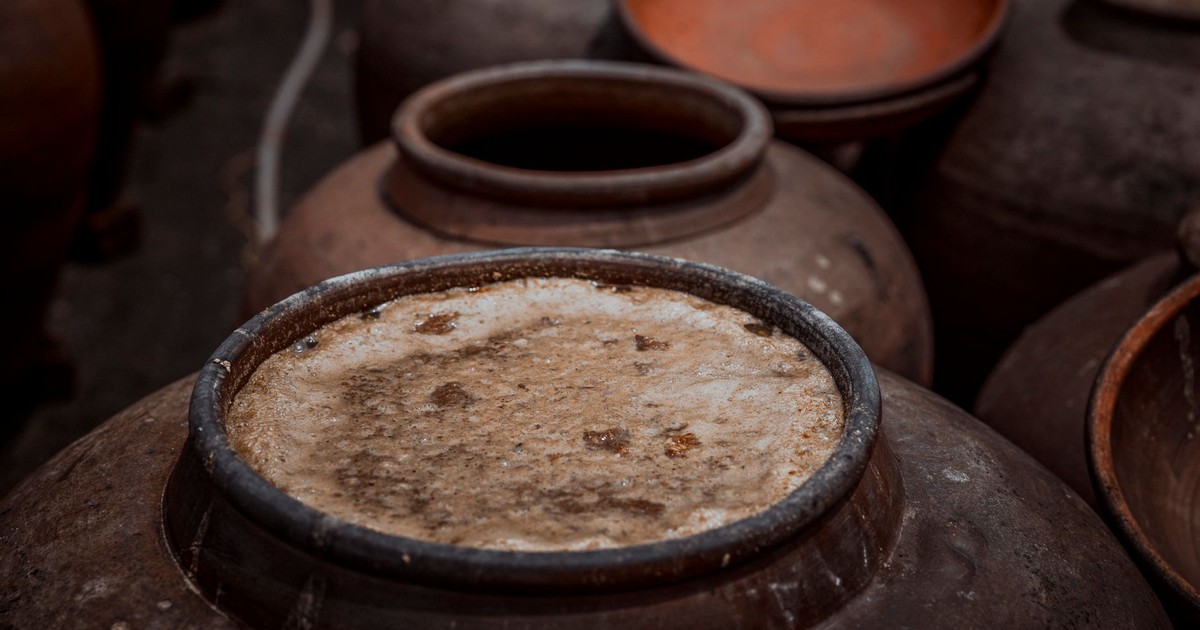
Another adjustment was chicha, a fermented drink made from cassava root. The women chew the root for around five minutes to soften it, spit it into a large container, and let it ferment for several days, at which point it becomes an alcoholic drink. This is a brewing process that relies on the enzymes in human saliva to convert starches into sugars. It predates every craft brewery in Brooklyn by several thousand years, and it works. That does not make it easier to watch being made for the first time.
In Shuar culture, refusing to drink chicha is seen as disrespectful, the equivalent of turning down someone’s invitation into their home. So Justin drank it. For those curious about unusual foods from around the world, chicha would sit comfortably near the top of any list. The first time gave him the worst stomach ache of his life. But after about a year and a half of drinking it, he got used to it and now actually loves it.
That arc is essentially the arc of the whole story: horror, endurance, love.
Family, Suspicion, and the Price of Being an Outsider
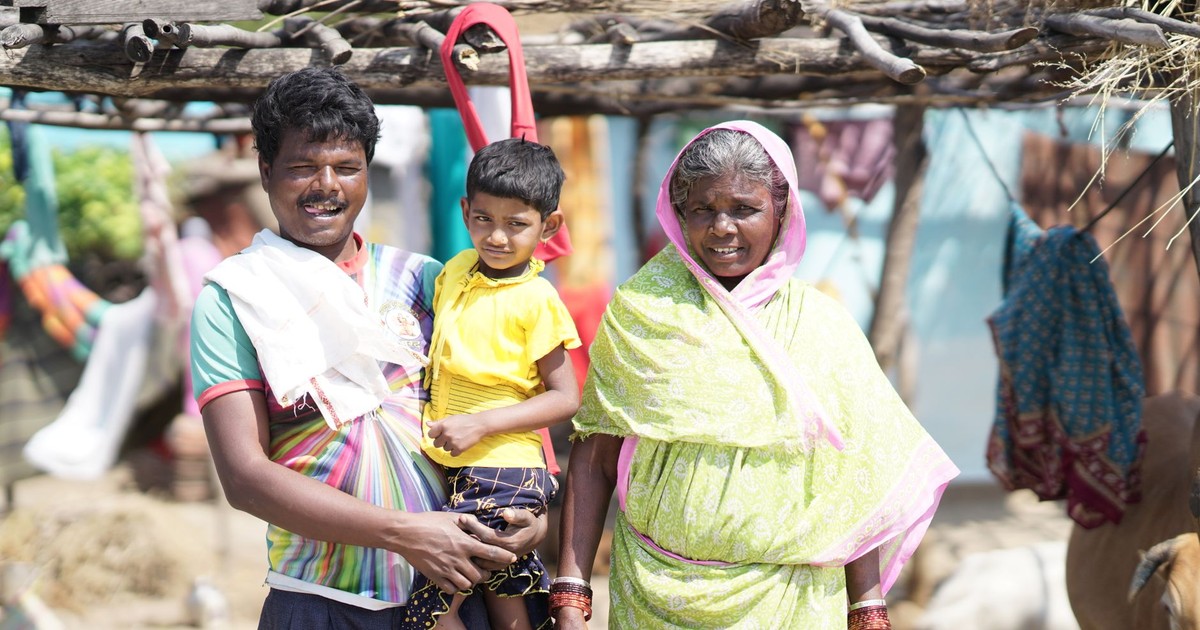
When Justin first arrived, half of Maria’s family took to him instantly, charmed by his willingness to bring gifts and engage with the community. The reaction from the other half was considerably more complicated. Some of Maria’s relatives assumed that because Justin had what appeared to be a lot of money, he must have been earning it through something sinister. Rumors circulated, including one that he was an organ trafficker.
This is, on one level, darkly funny. On another level, it is a completely understandable response from a community that has spent centuries watching outsiders arrive with varying agendas: extractive, missionary, documentary. The Shuar are renowned for their historical resistance to Inca and Spanish invasions, and continue to be emblematic of Indigenous sovereignty in the Amazon. A young American who arrived with a camera and a lot of enthusiasm for filming their culture is not, historically speaking, always a reassuring sight.
Justin’s approach was learning the language, participating in daily life, accepting the consequences of his mistakes, and sticking around. That eventually shifted the dynamic. He says he wouldn’t trade his new life for his old one. The organ trafficking theory has, presumably, been retired.
What the Rules Are Actually For
It would be easy to frame Justin’s experience as a story about a man who found the Amazon tribal customs strange and had to adapt. But underneath the story is something more interesting: actually entering a culture, rather than observing it from a respectful distance, means absorbing a logic built by people who have lived in a complex, dangerous, spiritually rich environment for generations. The customs are not arbitrary. They have internal logic. They are a system built by people who developed protocols for navigating an environment that was never designed to accommodate Western assumptions.
The ban from pregnant women after touching a boa is not superstition in the dismissive sense; it is a harm-reduction framework built on a worldview where spiritual contamination is as real as physical contamination. Refusing to drink the chicha is not a hygiene question; it is a social rupture. The suspicion of a wealthy outsider is not paranoia; it is pattern recognition shaped by actual history.
Many traditional Shuar beliefs persist, including beliefs in forest spirits and witchcraft. Shamanism has been a major part of Shuar life and continues to be in many places. These are not remnants of a disappearing world. They are a living system that Justin Alvo walked into, picked up a boa constrictor in the middle of, and had to earn his way back from.
What It Actually Takes to Belong
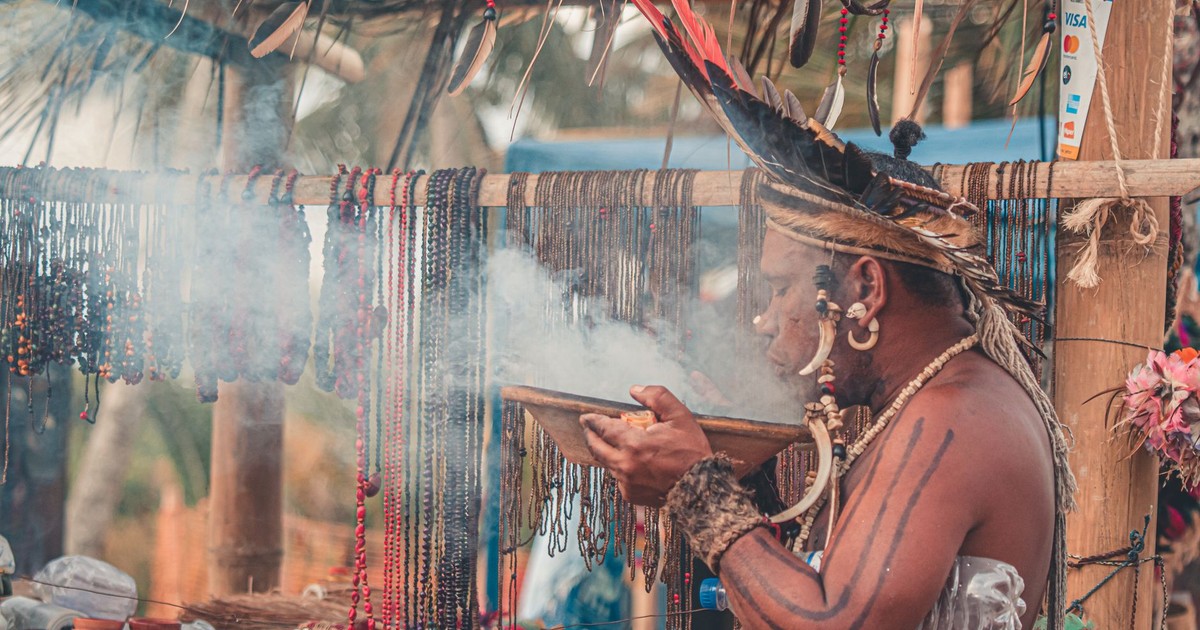
There is a version of this story that gets told as a curiosity: man moves to the jungle, gets banned from pregnant women, hilarity ensues. And it is funny, genuinely. Justin himself tells it that way. But the specifics are what matter: he learned which snakes carry spiritual weight. He drank the chicha, stomach ache and all. He accepted the cleansing without argument. He weathered the organ trafficking rumors. He stayed.
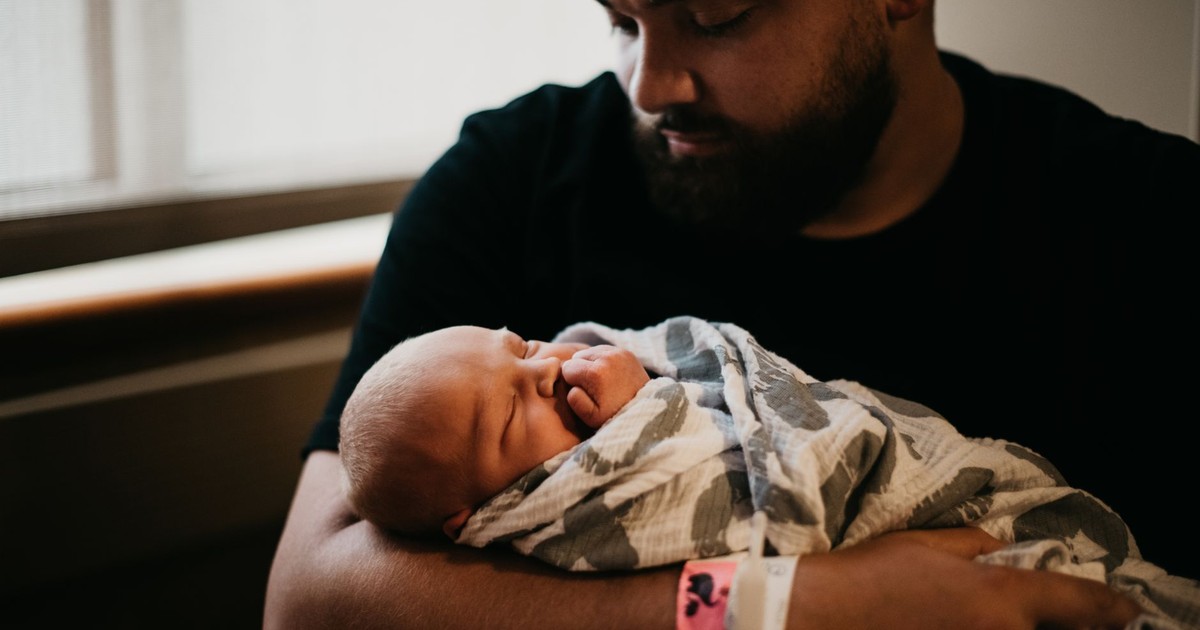
He and Maria went on to welcome a child together, which, in the Shuar framework of communal life and ancestral continuity, is not a small thing. He and Maria welcomed their son Oliver in June 2026, and Justin now describes his life in the Amazon as the one he was always supposed to be living.
None of the Amazon tribal customs Justin encountered were designed to confuse or exclude him. They were designed for a world that runs on different assumptions than the one he came from, and they required him to check those assumptions at the river’s edge. Most of them, he now holds without thinking. Some of them took a year and a half of stomach aches.
What Doesn’t Translate, and What Does

The honest thing about cross-cultural love stories is that they don’t resolve. Justin Alvo is not fully Shuar, even now. He is still the man who picked up the boa. He is also the man who stayed long enough to understand why he shouldn’t have.
The Amazon tribal customs that seemed bewildering on arrival are no longer abstract to him. They are Tuesday. They are the sound of parrots overhead instead of traffic. They are the way his son Oliver will grow up knowing which plants can heal and which snakes demand respect. Some of those things don’t translate back into the language of his upbringing. That’s not a loss. It’s just what it looks like when someone actually crosses over instead of just visiting.
The Part Nobody Mentions
Most stories about outsiders living with Indigenous communities end at the culture shock: the weird food, the strange ritual, the funny misunderstanding that became an anecdote. Justin’s story is more interesting than that because it didn’t end there. He kept going. He accepted a cleansing he didn’t fully understand, drank a fermented drink that made him genuinely ill, and built a life in a place where his father’s absence had left a gap for decades.
The archive of what you don’t know never gets smaller when you move somewhere new. What changes, if you stay long enough and pay enough attention, is your relationship to not knowing. Justin Alvo picked up a boa on day one and spent the next several years putting in the kind of time that can’t be compressed into a YouTube thumbnail. His son Oliver will grow up with a different archive entirely, one that starts with the forest, the spirits, and the river, and only later, if at all, with the box back home.
Disclaimer: This information is not intended to be a substitute for professional medical advice, diagnosis, or treatment and is for information only. Always seek the advice of your physician or another qualified health provider with any questions about your medical condition and/or current medication. Do not disregard professional medical advice or delay seeking advice or treatment because of something you have read here.
AI Disclaimer: This article was created with the assistance of AI tools and reviewed by a human editor.