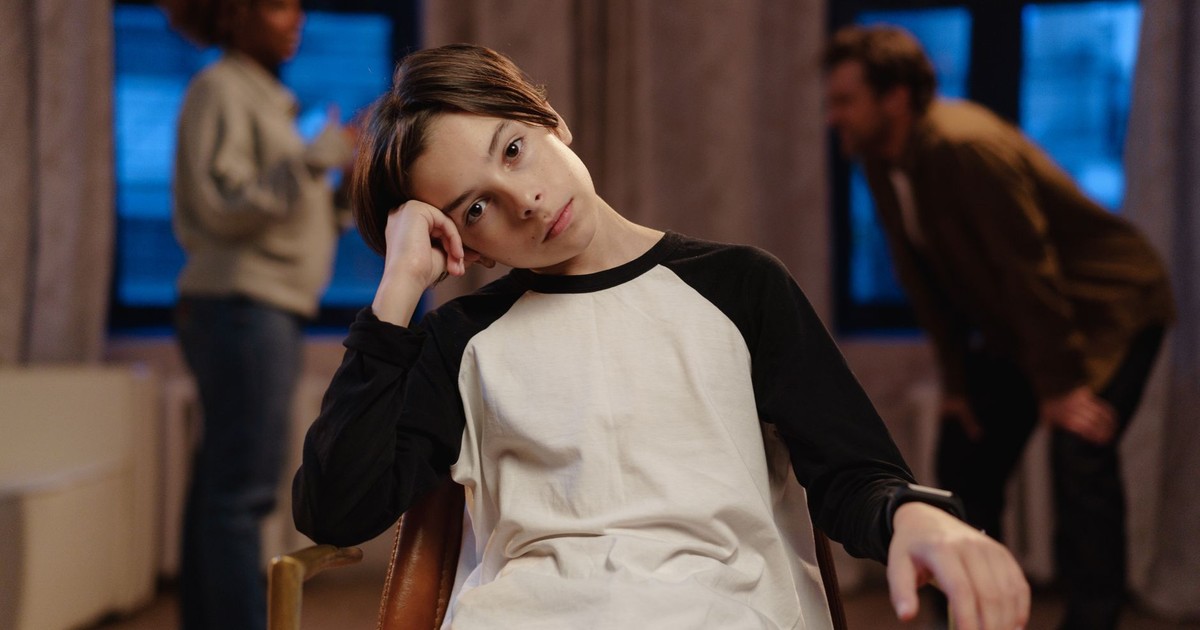

Kids don’t listen to half of what you say. They absorb all of what you do. You can spend years carefully explaining honesty, patience, and respect, then lose all of it in the thirty seconds you spend sighing loudly at the driver who cut you off, or the five minutes you spend talking about a coworker in a tone you’d never use to their face. Children are watching with a completeness that most adults reserve for surveillance footage.
Studies indicate that, especially for young children, observed actions often speak louder than verbal instructions. Children are remarkably attuned to inconsistency between an adult’s words and deeds. If a parent’s behavior contradicts their instructions, children are likely to notice and to mirror the behavior over the instruction. The bad behaviors parents model are doing considerably more parenting than the good instructions parents give.
The tricky ones aren’t the obvious things. Nobody needs a list to know that smoking in front of your kids is a bad look. The ones worth examining are the subtle habits, the ones you barely notice you’re doing, the ones that feel like just living your life, because those are the patterns that embed themselves in children’s brains and become, a decade later, their default way of moving through the world.
1. Scrolling Through Your Phone During Conversations

When a parent reaches for their phone mid-conversation, or mid-dinner, or mid-homework, or mid-literally-anything, children register the message beneath the gesture: whatever is on that screen is more urgent than you. A 2025 study from the Chinese Academy of Sciences found that parental phubbing (the combination of “phone” and “snubbing,” where parents neglect their children due to excessive mobile device use during parent-child interactions) not only directly predicts problematic behaviors in preschool children, but also indirectly influences these behaviors. For preschool children, parents serve dual roles as both caregivers and behavioral role models, and children’s electronic screen use patterns frequently mirror their parents’ behaviors.
Children learn what attention looks like from watching how adults give it. If what they see is a split-focus half-listen, that’s the template they carry into every friendship, relationship, and conversation they’ll ever have.
2. Negative Body Talk

“I look terrible in this,” said at the bathroom mirror, costs nothing in the moment and stacks up quietly over years. Children hear a parent criticize their own body and file it away as both normal and instructional: bodies are problems to be evaluated and found wanting. This is especially potent for daughters, who receive the message about what women are supposed to do with their own reflections, but sons absorb it too, including who gets to be critical and who is expected to accept criticism without complaint.
Modeling acceptance of your own body, not performed positivity, not loving yourself loudly, just not dismantling yourself in public, is one of the lower-cost, higher-return things a parent can do.
3. Expressing Road Rage
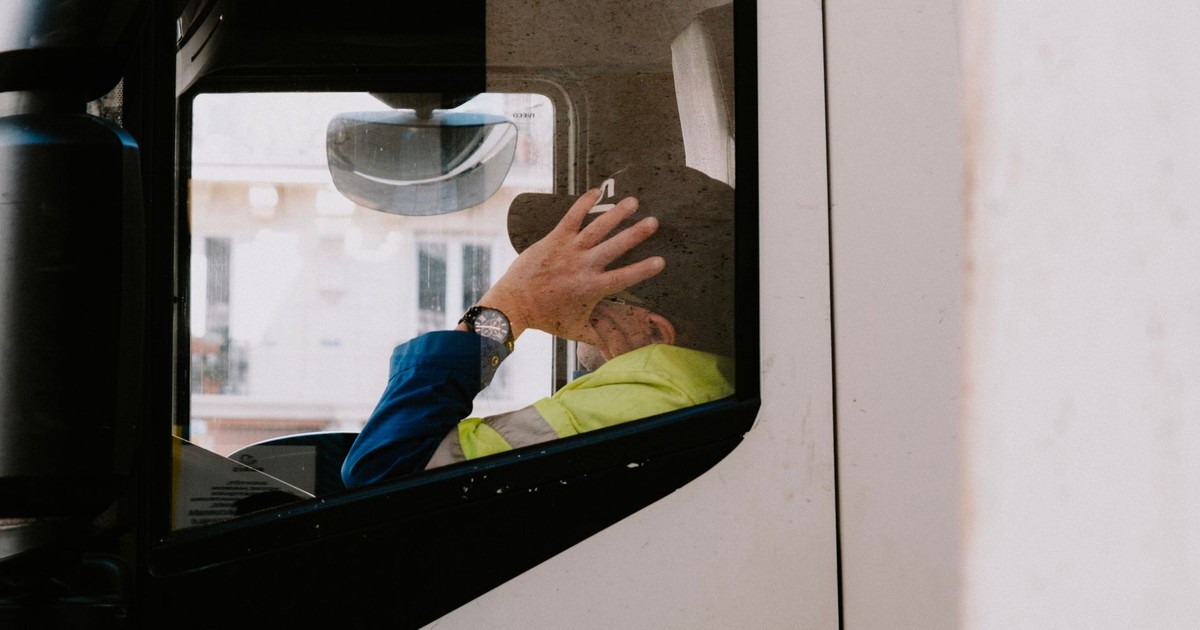
Something about being inside a car convinces adults that the normal rules of emotional regulation do not apply. The commentary that emerges at a red light, about other drivers, about the pedestrian who took too long, about the person who didn’t use a turn signal, is a live tutorial in how to respond to minor inconveniences with disproportionate anger. Children in the back seat are taking notes. They are learning that frustration justifies contempt, that strangers who slow you down deserve to be addressed as idiots, and that the car is a zone where self-control is optional.
4. Talking About People Behind Their Back

“Don’t tell Aunt Karen, but…” establishes, efficiently and thoroughly, that there are two versions of every relationship: the face you show someone, and what you actually think. Children raised on a constant diet of this learn to perform warmth while reserving judgment, which is a functional social skill and also a corrosive one. They also notice, frequently, when the person being discussed is themselves.
5. Using White Lies to Get Out of Things

“Tell them we’re not home.” “Just say we already have plans.” These feel harmless, and sometimes they are. But children watching a parent lie to avoid a social obligation, a difficult conversation, or a commitment they regret making receive a precise lesson: honesty is optional when it’s inconvenient. Children learn by watching and listening and imitating. A parent who later can’t understand why their teenager lies about small things might usefully review the curriculum they provided.
6. Catastrophizing Under Stress

The stove was left on for twenty minutes and it becomes the day everything almost burned down. The traffic made you late and it becomes an unrecoverable disaster. When parents narrate minor setbacks in apocalyptic terms, children learn that problems are threats, not inconveniences, and that the appropriate response to difficulty is alarm rather than problem-solving. Research published in Personality and Individual Differences found that both adaptive and maladaptive emotion regulation strategies have a longitudinal effect on children’s mental health problems, mediated by parenting stress, and that dysregulation is one of the most directly transmissible patterns from parent to child.
7. Ignoring Your Own Physical Health

Skipping the doctor’s appointment for the third year running. Refusing to rest when sick because there’s too much to do. Treating self-care as vanity or selfishness rather than maintenance. Children who watch a parent model that their own health is last on the priority list tend to internalize that adults, and especially caregiving adults, don’t get to have needs. The pattern doesn’t surface immediately. It emerges when they’re thirty-five and can’t make themselves go to the dentist.
8. Complaining Chronically Without Taking Action

Venting is fine. It’s even healthy. But there’s a pattern some parents fall into where every situation generates commentary, about the job, the neighbors, the school, the government, the weather, without any accompanying intention to change or accept any of it. Children raised in chronic complaint environments learn that this is what adults do with dissatisfaction: they describe it, at length, to anyone nearby, forever. It’s a profoundly helpless model of agency.
9. Using Food to Manage Emotions
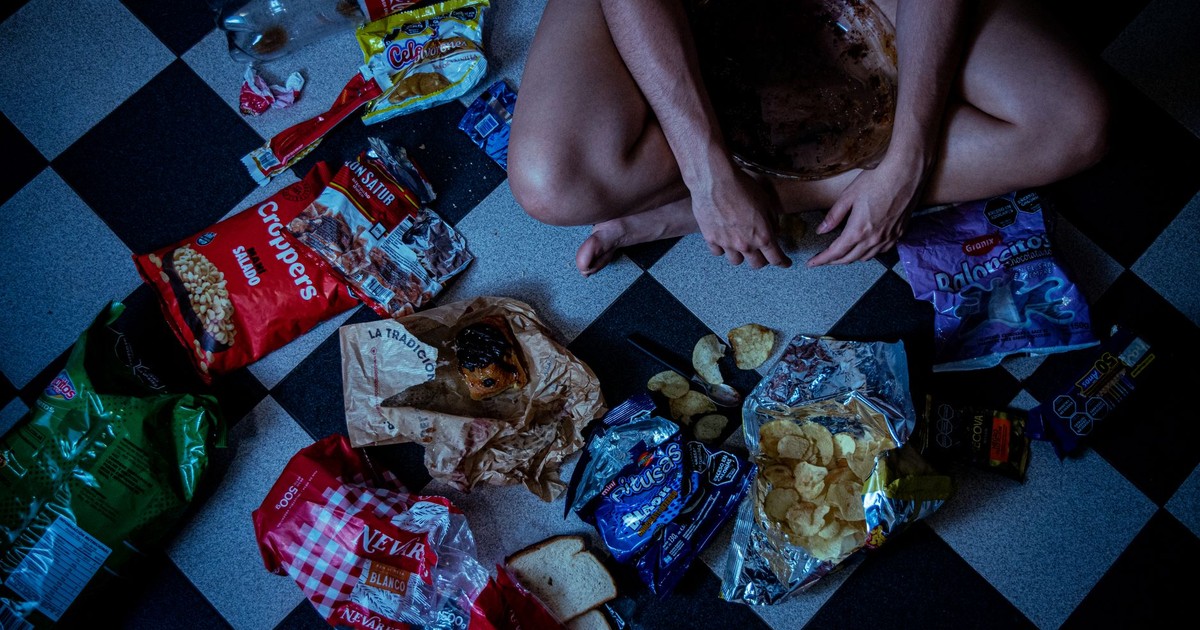
“I’ve had a terrible day, I deserve this entire cheese plate” is relatable. When it’s a consistent, repeated pattern, eating when sad, eating when bored, eating to celebrate, eating to cope, children learn to associate food with emotional regulation rather than hunger. They’re watching you figure out what to do with feelings, and food-as-feelings-management is a pattern they often carry into adulthood alongside the specific phrases they hear about food, bodies, and deserving treats.
10. Conflict Avoidance That Becomes Stonewalling

Some parents avoid conflict so completely that disagreements just disappear. No resolution, no conversation, just silence and a cold front that everyone pretends isn’t there. Children in these homes learn that conflict is so dangerous it can’t be named, let alone worked through. They grow up either terrified of disagreement or blindly recreating the same impasse pattern in their own relationships, because they never saw a model of two people actually getting through something hard together.
11. Dismissing Their Own Emotions
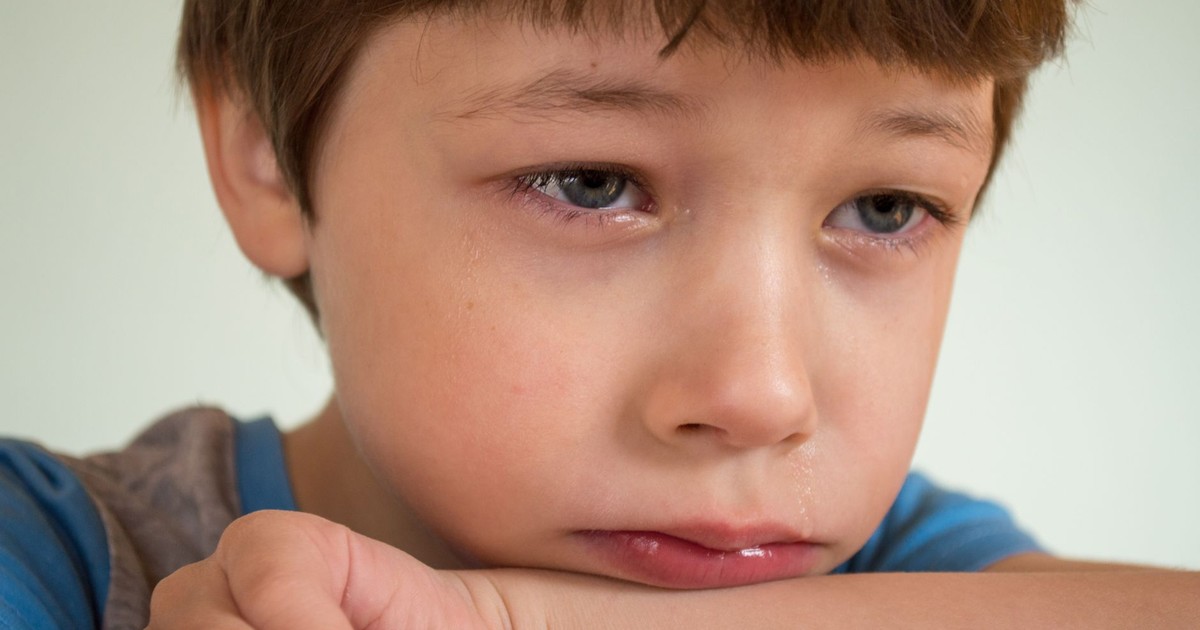
“I’m fine” when you’re clearly not. “It’s nothing” when it is very obviously something. Parents who dismiss their own emotional experience teach children two things simultaneously: that emotions are things to be hidden, and that claiming to be fine when you’re not is a normal and acceptable way to function. The connecting thread between parents’ regulation of their own emotions and child maladaptation runs through parenting stress, the subjective experience of distress that arises in the context of the parenting role. Children pick up the suppression long before they understand the cost of it.
12. Modeling Screen Use as a Stress Response

Reaching for the phone when the day gets hard, when the conversation gets uncomfortable, when the waiting room gets boring, this is one of the most common and underexamined bad behaviors parents model. A study in Frontiers in Psychology found that when parents use screens to manage stress, the pattern feeds directly into parent-child conflict and then into children’s own problematic media use. Children see this pattern and adopt it, arriving at adolescence already primed to manage discomfort by disappearing into a device.
13. Treating Rest as a Reward Rather Than a Need

“I’ll sleep when I’m dead” is not a lifestyle philosophy, it’s a warning sign modeled as a virtue. Parents who visibly and vocally deprive themselves of rest, who perform busyness as though it confers moral value, teach children that exhaustion is admirable and that slowing down requires justification. The output, eventually, is adults who don’t know how to stop.
14. Interrupting to Be Right
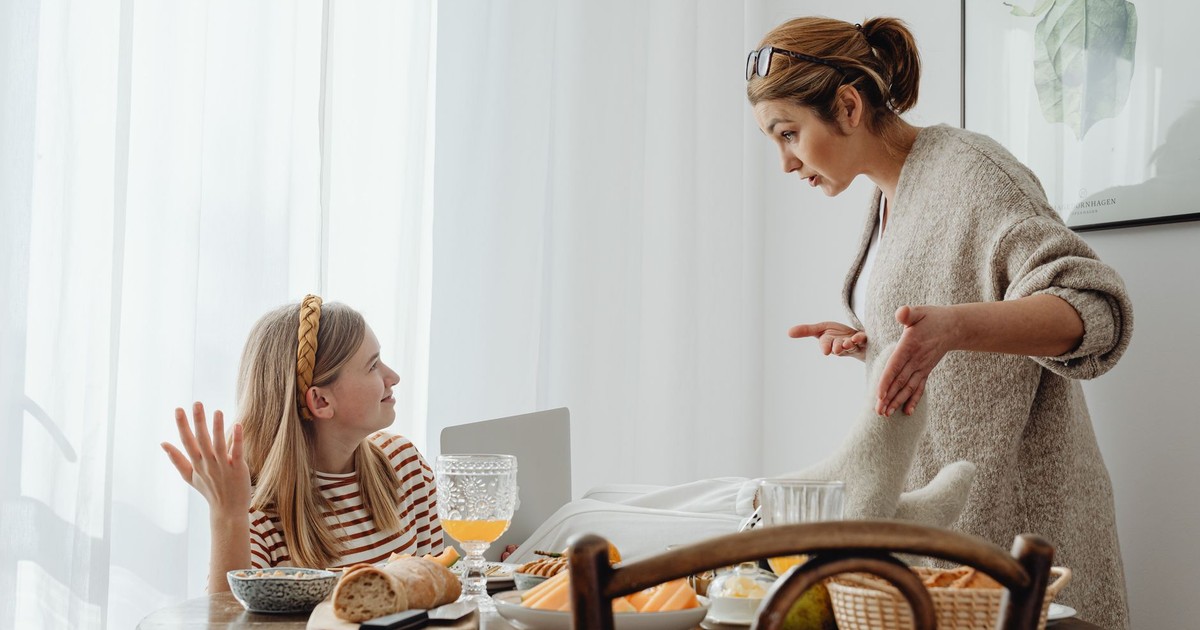
Nothing shuts down a child’s developing sense of self-expression faster than watching a parent interrupt every conversation to correct, redirect, or score a point. When children watch parents consistently talk over others, they absorb one of two lessons: that this is simply what adults do in conversation, or that their words are never important enough not to interrupt. Both land badly. Neither produces a child who’s easy to talk to.
15. Gossiping About Family Members

There’s a specific genre of this that happens at the kitchen table, usually after a holiday gathering, where a parent processes their feelings about extended family by narrating those relatives’ flaws to their children. The children are now repositories of secondhand grievances about people they might otherwise love without complication. They’ve also been handed a relationship template: family is something you perform warmth toward in person and then deconstruct afterward at home.
16. Refusing to Apologize

“I’m the parent, and I don’t need to explain myself” might be true in certain contexts and catastrophically untrue in others. Parents who never apologize, who correct without acknowledgment, who lose their temper and then simply move on, who never model the words “I was wrong” or “I’m sorry,” raise children who have no practiced relationship with accountability. The apology is not the weakness. The refusal is.
17. Making Everything a Competition
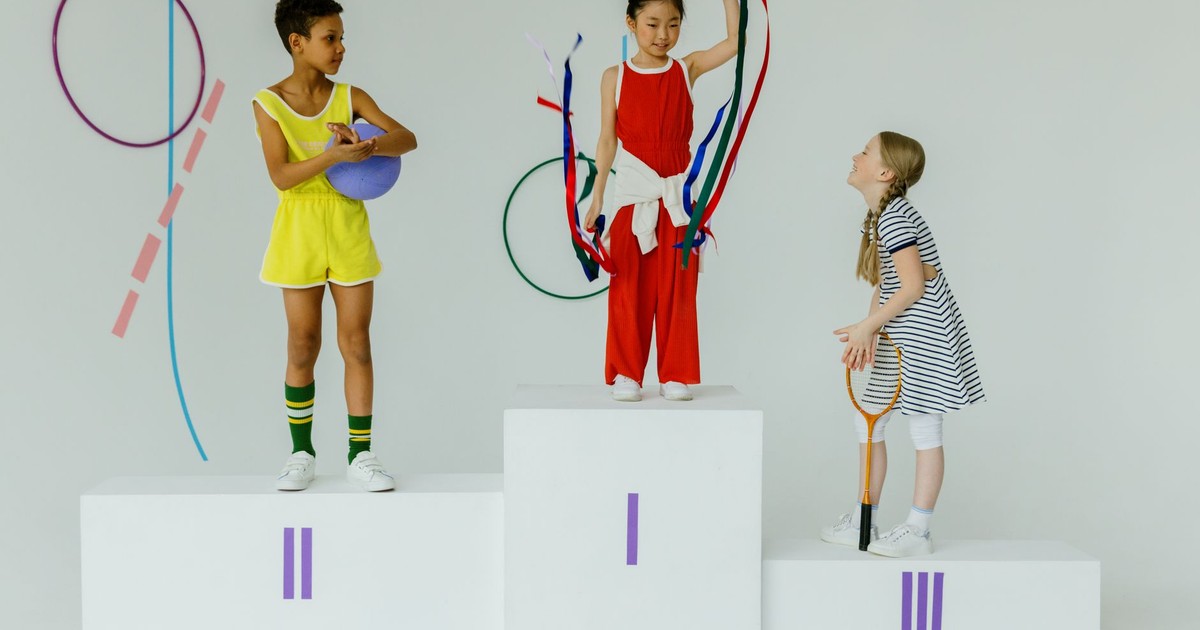
The parent who has to one-up every story, who turns sibling achievements into rankings, who reframes every family activity as something to win, this is the parent producing a child who cannot enjoy anything without measuring it against what someone else is doing. Toddlers as young as 14 to 24 months could imitate an adult’s novel action after watching a short demonstration; about 90 percent of 2-year-olds who saw an adult perform a new action subsequently did the same, compared to only about 20 percent of those who had not observed the action. Children imitate with extraordinary fidelity. Competitive anxiety is not exempt.
18. Expressing Contempt for Different Viewpoints

Rolling your eyes at the news. Mocking a neighbor’s political sign. Describing anyone who disagrees with you as stupid, naive, or broken. Children raised on contempt as the default response to difference don’t tend to develop intellectual curiosity or the ability to hold disagreement without dismissal. They learn to sort the world into people like us and people who are wrong about everything, and they carry that sorting instinct into every room they’ll ever enter.
19. Modeling Financial Anxiety Without Financial Conversation

Stress-spending. Avoiding looking at the bank account. Saying “we can’t afford it” in a tone that implies impending collapse rather than a straightforward budget choice. Children absorb financial anxiety without any of the context that would make it manageable. They grow up knowing that money is frightening and adult, but not knowing what to actually do with it. The panic transmits; the practical knowledge does not.
20. Not Saying Sorry to Them Specifically
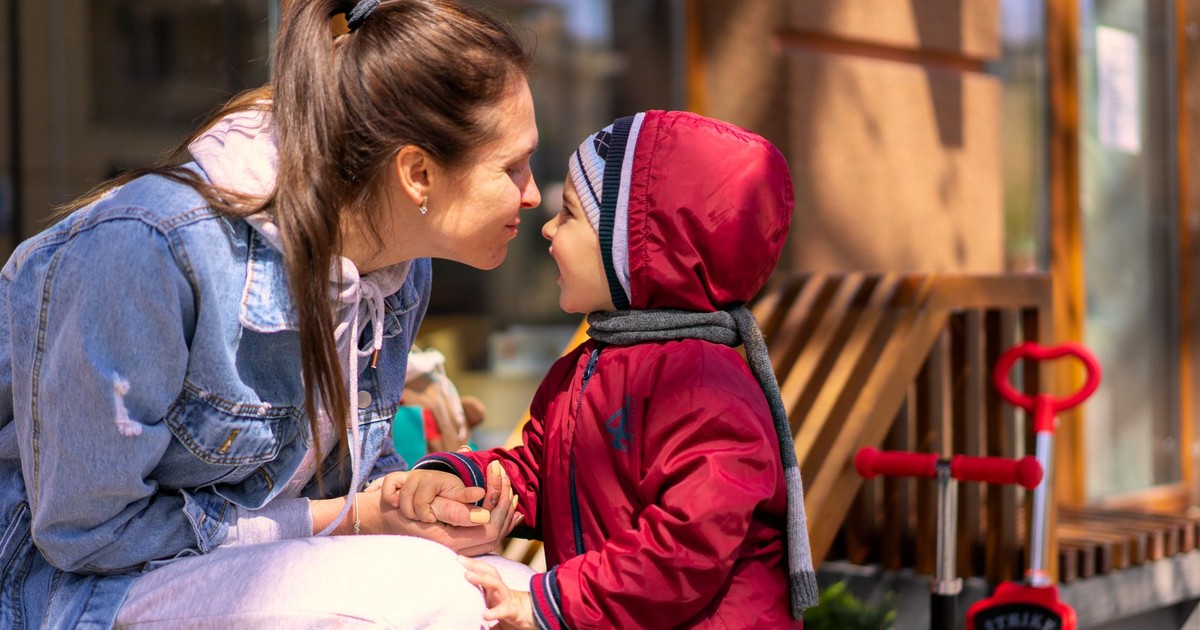
This is distinct from number sixteen and worth naming on its own. There are parents who can apologize to other adults, they just can’t quite bring themselves to apologize to their children. The reasoning is usually something about authority or about not wanting to undermine themselves. What it actually does is teach children that they don’t merit the same basic repair attempts that adults offer each other. That lesson is astonishingly durable.
Read More: 7 Things You Should Always Say To Your Child
The Part Nobody Mentions

None of the above makes you a bad parent. It makes you a person who was raised by people who were also doing this, who were raised by people who were also doing this, and so on back through generations that didn’t have a vocabulary for any of it. Parents who yell at each other when they are angry teach their children to yell. Parents are models for their child, the child’s example of how to act in different situations. Children learn to behave like their parents. The transmission is not a character flaw. It’s just how this works.
The distance between the values you say you hold and the behaviors you actually demonstrate when no one important is watching, except someone important always is. They’re about three feet tall and they’re filing everything. Holding that distance without collapsing into a shame spiral, just looking at it plainly and noticing where it’s greatest, is where anything actually changes.
The bad behaviors parents model don’t require perfection to interrupt. They require noticing. Catching yourself mid-eye-roll, mid-complaint, mid-avoidance, and occasionally doing something different, not for the benefit of a lesson, not with any announcement, just differently, is enough to start threading something new into the pattern. Children notice that too. It turns out they’re watching for that as well.
Disclaimer: This information is not intended to be a substitute for professional medical advice, diagnosis, or treatment and is for information only. Always seek the advice of your physician or another qualified health provider with any questions about your medical condition and/or current medication. Do not disregard professional medical advice or delay seeking advice or treatment because of something you have read here.
AI Disclaimer: This article was created with the assistance of AI tools and reviewed by a human editor.