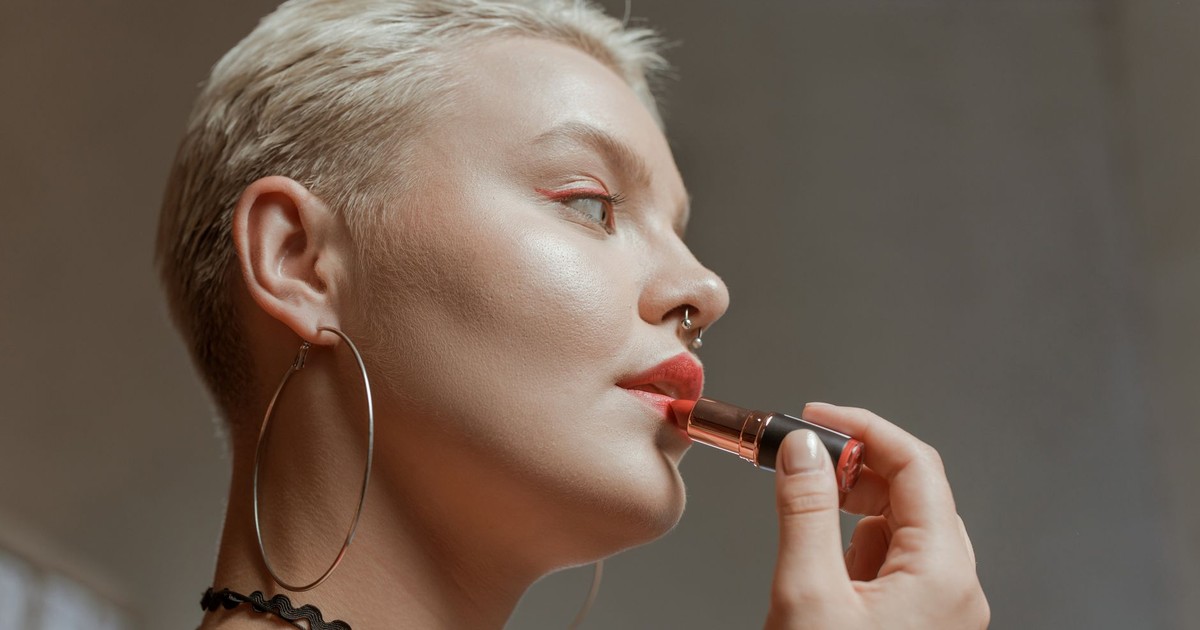

There’s a specific kind of disconnect that lives inside every beauty aisle, every tutorial comment section, and approximately forty minutes of your morning routine. Women spend billions of dollars and serious creative energy on looks that men consistently say they don’t actually like. Not in a hateful way, not in a controlling way, just in a genuinely confused, “I preferred how she looked before” kind of way. The gap between what the beauty industry tells women to want and what male partners actually respond to is wide enough to drive a full-coverage foundation truck through it.
None of this means women should dress or do their makeup for men. What is interesting is the mismatch itself, because a lot of these trends aren’t even primarily about attracting men. They’re about attracting other women’s approval, social media validation, and a sense of armor that makes getting out the door feel possible. Men are almost an afterthought. And yet, these trends get called “feminine beauty standards” as if they came from male desire, when the research suggests the opposite.
Here’s a look at eight beauty traits men tend to dislike, what the data and surveys actually say, and why most women are going to keep doing them anyway.
1. Heavy Contouring
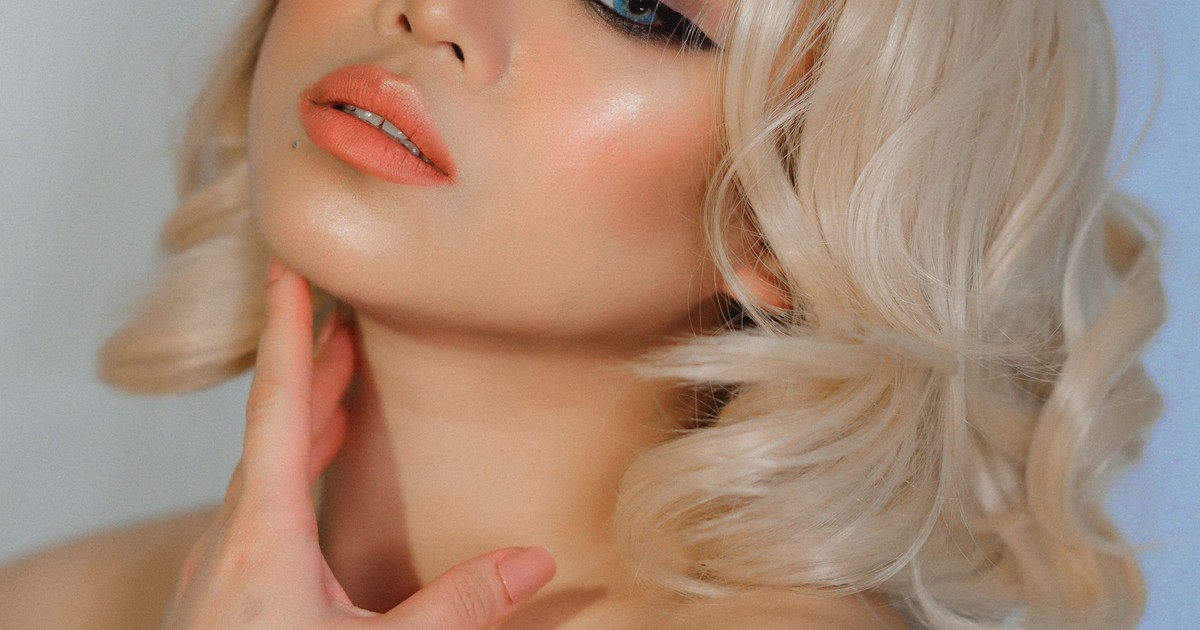
Contouring became the defining beauty skill of the last decade, thanks to YouTube tutorials, celebrity beauty lines, and a collective cultural decision that everyone should look like they have a smaller nose and sharper cheekbones than they were born with. The technique itself is genuinely impressive as an art form. The problem, according to men who weigh in on the subject, is that it often reads less as “enhanced features” and more as “I painted a different face on top of my actual face.”
According to a 2017 YouGov survey, 63 percent of men believed women mainly wear makeup to trick people into thinking they’re more attractive, and the discomfort appeared to be less about makeup itself and more about how drastically it can reshape identity. There’s a distinction worth naming here between light shading that plays up existing structure and the full-shadow-and-highlight treatment that redesigns a face from scratch. Men in surveys almost universally say they prefer the former, often without realizing both involve makeup at all.
Psychologists studying appearance perception have published research in the journal Perception finding that participants sometimes struggled to recognize faces after dramatic cosmetic changes — Ueda and Koyama (2010) found that heavy makeup decreased facial recognition accuracy compared with light makeup or none. Extremely altered faces trigger a low-level dissonance that people often can’t articulate but absolutely feel. Men describe it, in less academic terms, as “can’t tell what she actually looks like.”
2. Overly Plumped Lips
Lip filler became the cosmetic procedure of the decade. Hyaluronic acid, a quick appointment, and suddenly the pout that Instagram seemed to demand was achievable for almost anyone. The problem is that what Instagram rewards and what men find attractive do not appear to be the same thing.
In a study published in the Proceedings of the Royal Society B, researchers showed participants digitally edited faces with varying lip sizes, asking them to quickly rate each for attractiveness. Female participants showed a stronger preference for plumper lips when assessing female faces, while male participants preferred female faces with unaltered lips. Women, in other words, rated fuller lips higher — particularly when assessing other women. Which tells you nearly everything you need to know about who lip filler trends are actually for.
The rise of lip fillers has also prompted researchers to coin the term “lip dysmorphia,” describing a perceptual shift in which repeated exposure to images of enlarged lips recalibrates what looks normal or attractive, nudging preferences toward ever-fuller norms. The irony is almost too complete. A trend driven partly by women comparing themselves to other women, performed on a part of the face that men consistently say they preferred in its natural state, perpetuated by a beauty industry that profits from the insecurity it helped create.
3. Very Heavy Foundation and Full-Coverage Looks
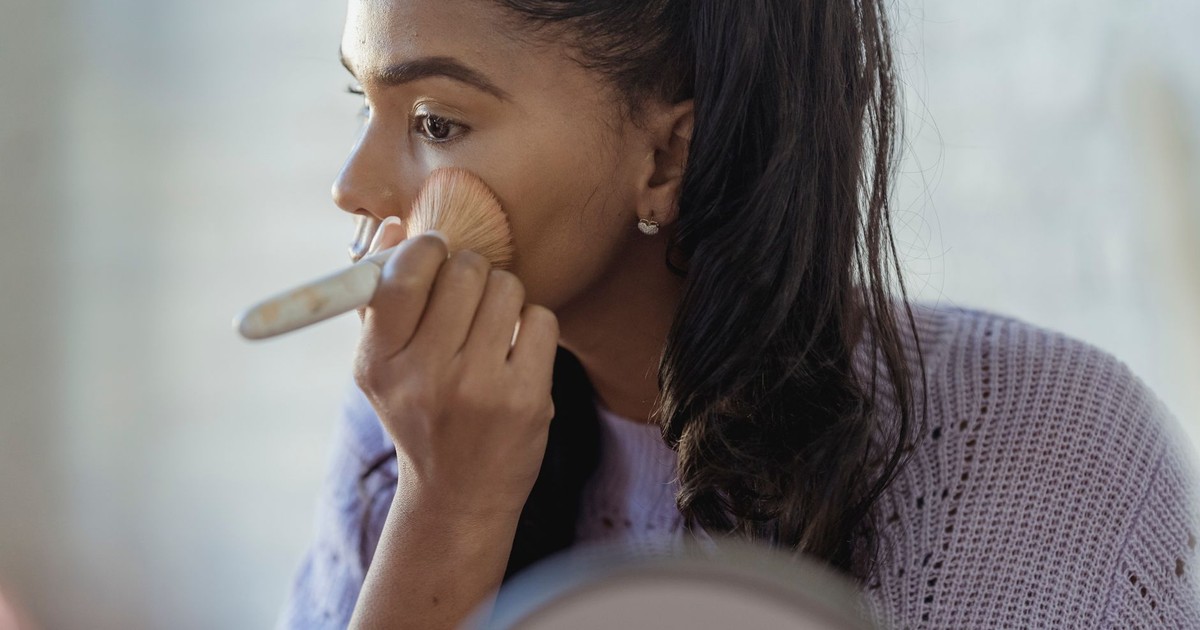
The research on this one is about as consistent as beauty research gets. A study covered by Time and published in the Quarterly Journal of Experimental Psychology found that women consistently apply more makeup than both men and women find optimal. Researchers at Bangor University and Aberdeen University gave 44 women various cosmetics and asked them to apply makeup as if going on a night out. The women then wore more makeup than either gender preferred when rating attractiveness across a range of coverage levels.
The central finding was not that men dislike makeup. It was that women consistently applied more than anyone actually preferred, operating on an assumption about male preference that turned out to be inaccurate. Researchers concluded that women are likely wearing cosmetics to appeal to the mistaken preferences of others, and that those mistaken preferences seemed more tied to the perceived expectations of men than to men’s actual expressed preferences. In short, women overshot, based on a guess about what men wanted, and the guess was wrong.
Heavy full-coverage foundation in particular reads to most men as a mask rather than a face. The texture, the line at the jawline, the way it interacts with light differently than skin does register as artifice in a way that lighter coverage does not.
4. Dramatic or Overly Voluminous False Lashes
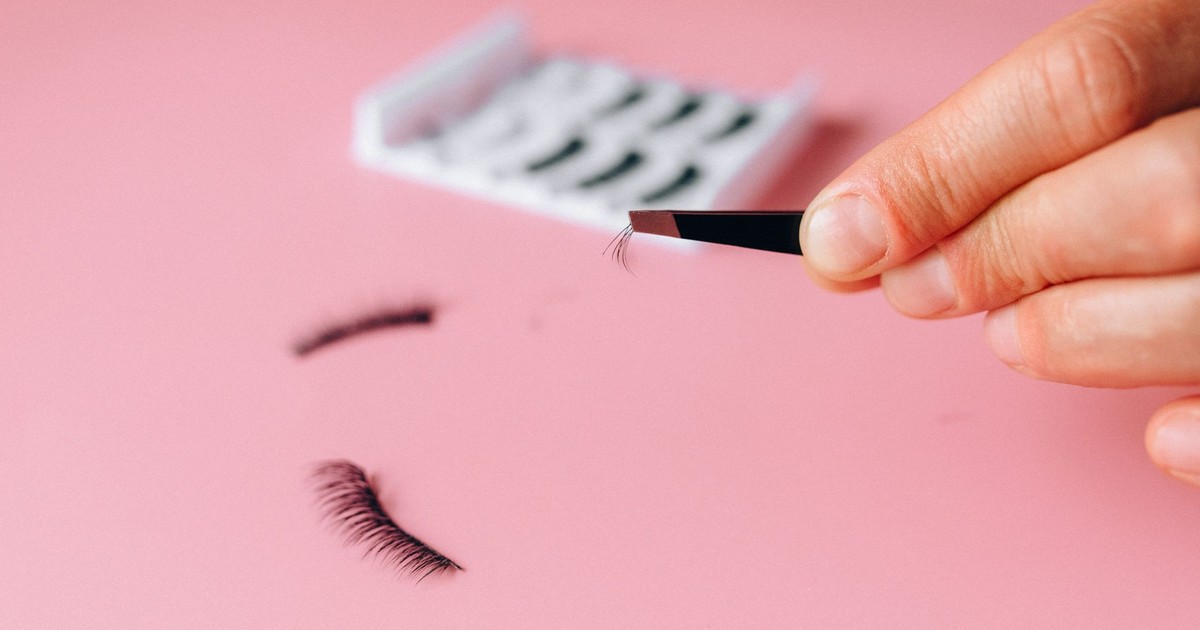
False lashes have been a staple of glamour since the 1960s, and at their most natural-looking, they remain a genuinely effective tool. The issue men consistently name is the dramatic end of the spectrum: the stacked, spidery, several-layers-of-extensions version that telegraphs effort loudly from across a room.
Very long or thick false eyelashes draw attention away from the eyes themselves, with many men preferring lashes that enhance the eyes without looking dramatic. Natural-looking mascara or extensions are generally rated as more flattering. The logic tracks: the point of eye makeup is to make eyes more visible and expressive, not to replace them with a fringe. When lashes become the feature rather than the framing, they’ve overcorrected.
There’s also the practical consideration that men often articulate bluntly in surveys and forum threads. They find extremely dramatic lashes slightly alarming up close, in the same way that anything designed to look striking from a distance reads differently in an intimate setting. The look built for Instagram rarely translates to a kitchen conversation at 8 a.m.
5. Fake Tan and Orange-Toned Bronzer

The desire for a sun-kissed glow is understandable and universal. The execution, when it tips into orange territory, is where male preference tends to diverge from the intended effect. Survey data consistently shows fake tans ranking among the most commonly cited cosmetic complaints from men, alongside heavy makeup in general.
The issue isn’t the concept of bronzed skin. It’s the specific color cast that self-tanners and heavy bronzers produce when pushed too far: a warm orange that reads as artificial rather than sun-touched. Men in surveys draw the same distinction repeatedly: a golden, warm tone reads as healthy; anything that moves toward tangerine reads as a product rather than a result. The line between the two is thinner in application than it looks in the bottle.
Bronzer used as a one-dimensional skin color rather than a warmth-adding tool compounds the problem. When the entire face is uniformly deepened rather than strategically warmed at the points where sun would naturally hit, it produces a flat, uniform effect that most men describe as looking “painted on” rather than sun-touched.
6. Extremely Long or Heavily Embellished Nails
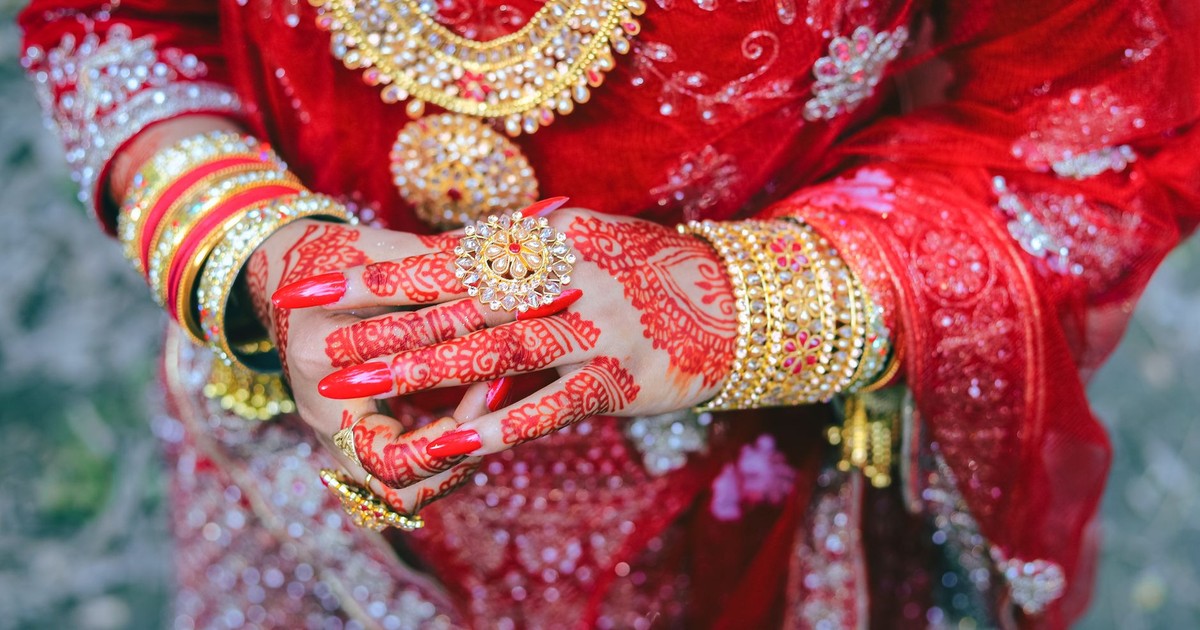
Nail art has had a genuine cultural moment, and the creativity involved in elaborate nail design is real. But the beauty traits men dislike list almost always includes nails at the extreme end of length and embellishment, and the reasons they give are less about aesthetics than about practicality.
The word “impractical” comes up constantly in male survey responses. Men, who generally relate to hands as tools, find the idea of nails that prevent typing, cooking, or picking things up genuinely confusing rather than aspirational. There’s something genuinely unsettling, for some observers, about nails that seem impossible to function with in daily life.
Short, clean, cared-for nails consistently outperform talon-length extensions in male preference surveys, not because nails are a major factor in attraction, but because when they become a major factor (due to extreme length or embellishment), it tends to be in the wrong direction.
7. Sharply Overdrawn or Heavily Sculpted Eyebrows
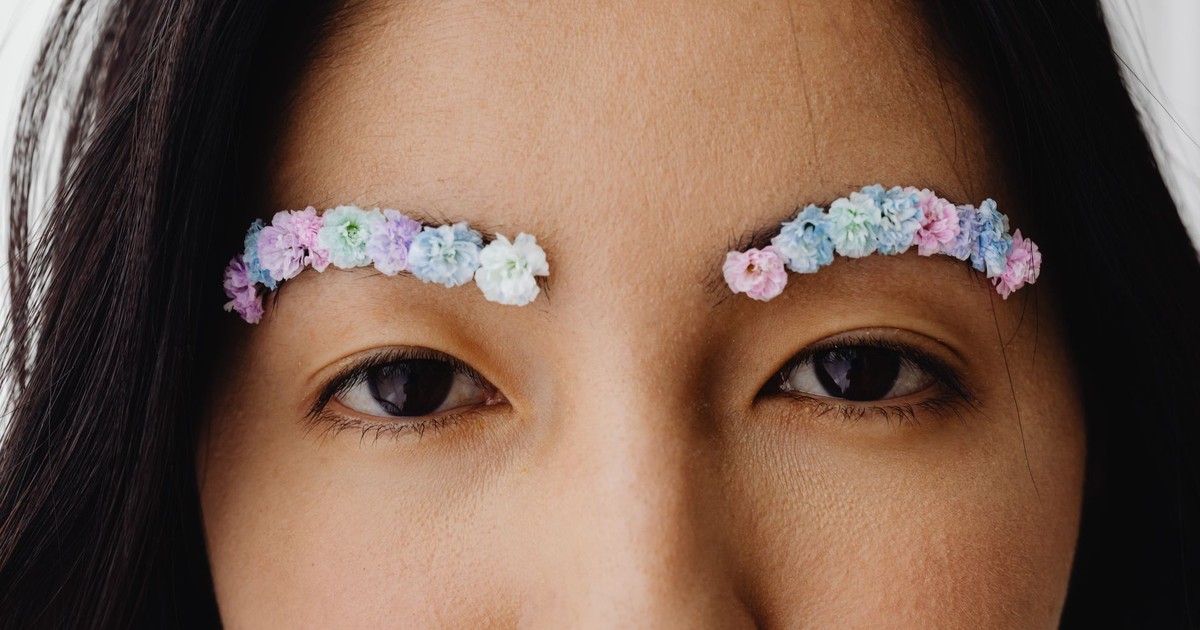
Eyebrows have been one of the most volatile territories in beauty over the last two decades. The thin-pencil-arch of the early 2000s gave way to the Instagram-era block brow: bold, squared off, and filled in with surgical precision. Both extremes, it turns out, score poorly with men.
Eyebrows carry surprising emotional weight, shaping expressions before a person even speaks. For a period, the dominant trend favored thick, sharply squared brows that framed the face like architectural lines. The architectural quality is precisely what registers as off-putting. Brows that look drawn-on with a ruler, even when skillfully applied, communicate effort in a way that pulls attention toward the makeup rather than the expression. Since eyebrows are one of the primary vehicles for communicating emotion, men find it harder to read a face when the brows are highly stylized rather than natural.
The sweet spot, according to surveys, is brows that look groomed but grown: shaped enough to show care, natural enough to still move freely when the face does.
8. Extremely Heavy Perfume Application
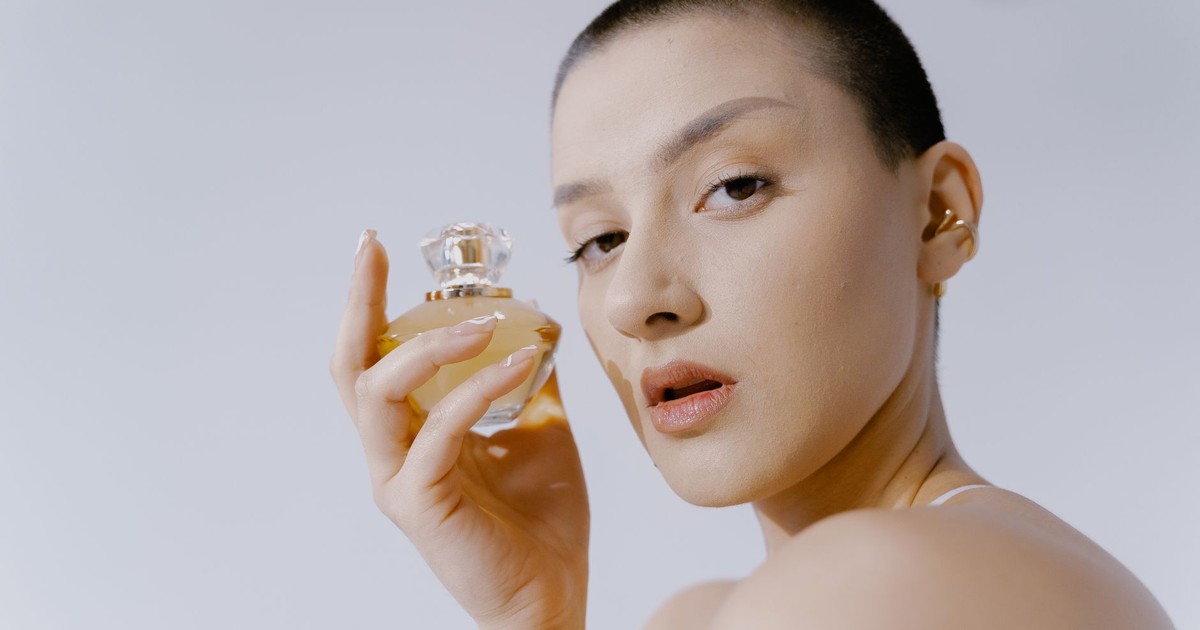
This one doesn’t involve a single brush or applicator, yet it comes up consistently when men are surveyed about beauty habits they find off-putting. The issue is never fragrance itself. Most men like perfume. It’s the quantity.
Scent is one of the more primitive attraction signals, and when it’s completely overridden by a synthetic fragrance applied at high volume, the biological cues underneath disappear. What reads as luxurious and polished in a department store can read as overwhelming in close physical proximity.
The sweet spot that men consistently describe is exactly what perfumers actually intend: a scent that is detectable up close but doesn’t announce itself from ten feet away. A fragrance that someone has to lean in to notice registers entirely differently than one that precedes the person into the room. The application principle (pulse points, light touch, body heat doing the work rather than volume) produces the effect that men say they prefer, and it also happens to be the correct way to wear fragrance.
Read More: Pamela Anderson wears no makeup at Paris Fashion Week after sharing tragic reason for ditching glam
The Part That Gets Missed
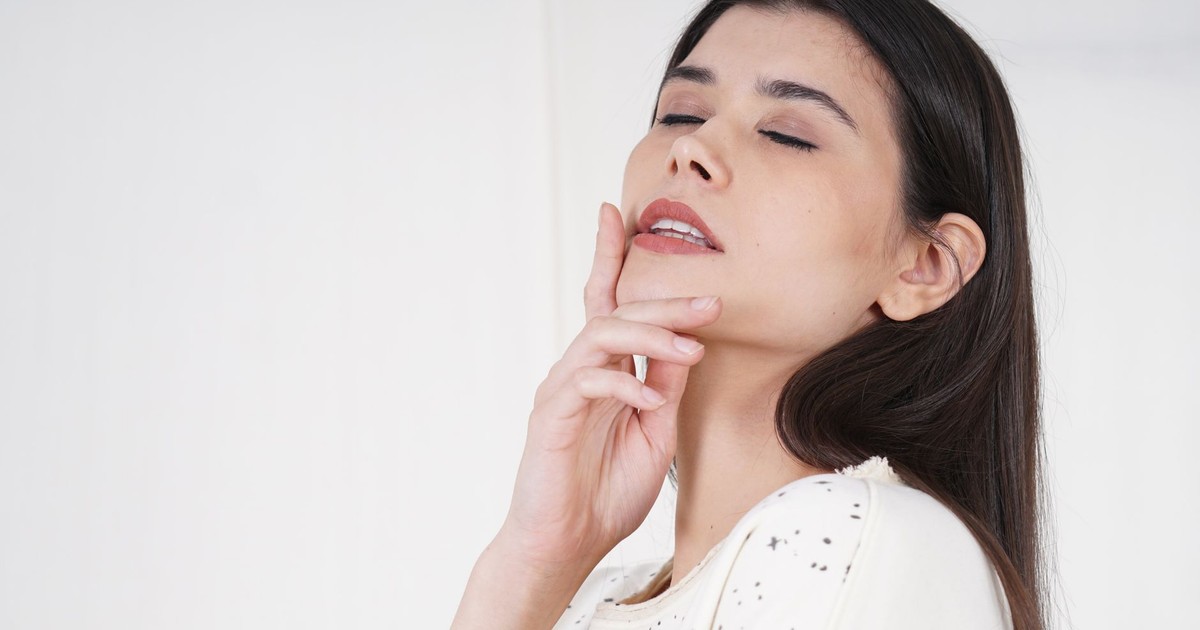
The running theme across all eight of these preferences (heavy contouring, extreme lashes, dramatic brows, oversized lip filler, full-coverage foundation) is that men consistently prefer recognizability over transformation. Not the absence of makeup, just the presence of the actual person underneath it. Which, when you think about it, is not primarily a beauty preference at all. It’s a connection preference. Men are saying, in slightly garbled survey language, that they want to see a face they can read.
Most of these trends don’t originate from male preference and were never really aimed at men in the first place. What dominates feeds and runways doesn’t always translate into real-world preference. These are looks built for social media algorithms, peer competition, and the very human desire to feel armored and visible. The male gaze, famously, is not actually driving most of them.
So wear the lashes. Do the contour. Get the filler if that’s what you want. The list of beauty traits men tend to dislike is genuinely interesting data, and it becomes most interesting when you notice how rarely it changes anything.
Disclaimer: This information is not intended to be a substitute for professional medical advice, diagnosis, or treatment and is for information only. Always seek the advice of your physician or another qualified health provider with any questions about your medical condition and/or current medication. Do not disregard professional medical advice or delay seeking advice or treatment because of something you have read here.
AI Disclaimer: This article was created with the assistance of AI tools and reviewed by a human editor.