

The 3 p.m. collapse is the most honest hour of most people’s days. Everything was fine – or fine enough – until somewhere between lunch and school pickup, the whole engine just quit. The fatigue isn’t dramatic. It’s more like someone slowly turned a dimmer switch down on your ability to form complete sentences. By that point, the problem was already set up at breakfast, or by the absence of one.
What you eat in the first hour or two after waking sets the entire metabolic tone for the day. Breakfast “breaks the fast” after hours of sleep and replenishes glucose, which is the main source of energy for your brain and muscles. A pastry and a coffee will absolutely get you out the door. They will also absolutely drop you on the floor by mid-morning, which is its own kind of betrayal.
The body digests refined carbs quickly, spiking blood sugar and setting you up for a crash by about 10 a.m. The best morning foods for energy work differently: they combine protein, fiber, and healthy fats to keep blood sugar stable and hunger at bay for hours. These seven earn their place every morning.
1. Eggs

Eggs appear on almost every registered dietitian’s list and have for decades. The 2025-2030 Dietary Guidelines encourage Americans to prioritize high-quality protein at every meal and specifically call out eggs first among recommended animal-sourced protein foods. Food scientists use eggs as the standard to assess the protein quality of other foods.
Protein stabilizes blood sugar, keeps you full, and provides long-lasting energy. A single egg has about 6 grams of high-quality protein, so a two-egg breakfast gives you around 12 grams. Twelve grams before 8 a.m. means your body has the raw materials to fuel brain function and muscle activity without leaning on blood sugar spikes to compensate.
Scrambled, poached, hard-boiled, or folded into a quick frittata with whatever vegetables are wilting in your fridge, eggs are also one of the most forgiving foods in terms of preparation time. Two eggs take about four minutes whether you’re a confident cook or someone who considers toast an ambitious morning. Pair them with whole-grain bread and you’ve covered protein, fat, and complex carbohydrates in one go.
2. Oatmeal
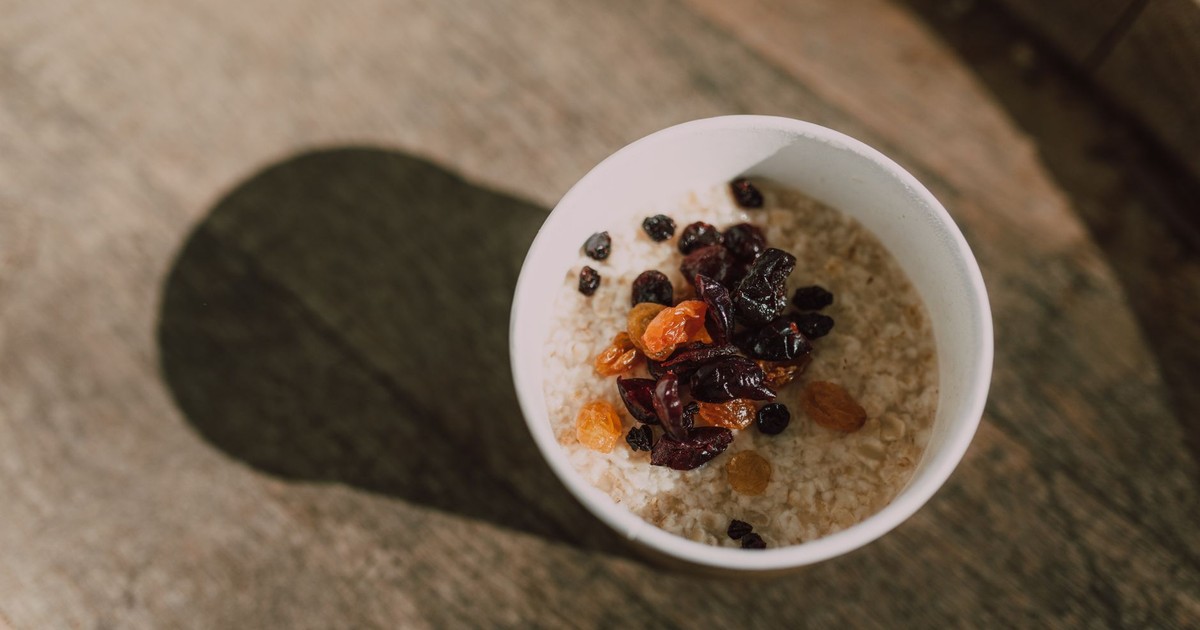
Oatmeal’s reputation as a boring breakfast is one of the great injustices of the morning food world. Done right, it’s one of the most effective slow-release energy sources available. Whole grains contain more nutrients and active substances than refined grains, are a good source of dietary fiber, and can help people feel full in the mornings. Oats are among the most fiber-dense whole grains you can eat at breakfast.
Rolled oats and steel-cut oats have a lower glycemic index than instant oats, meaning they digest more slowly and produce a gentler, longer-lasting rise in blood sugar rather than a spike. If you’re buying instant packets, check the label: the flavored varieties often contain enough added sugar to undercut the whole point. Plain oats with toppings you choose are the move.
Add a spoonful of nut butter for healthy fat, a handful of berries for antioxidants, and you have a breakfast that will hold you through a 9 a.m. meeting and a 10 a.m. school email crisis without requiring a rescue snack. Oatmeal with nut butter and berries combines complex carbs, healthy fats, and fiber to keep blood sugar stable for hours.
3. Greek Yogurt

Greek yogurt is what happens when regular yogurt decides to take its job more seriously. The straining process that gives it that thick, slightly tart character also concentrates the protein, sometimes to double or more what you’d get in regular yogurt. Greek yogurt is thick and creamy, may contain higher levels of protein than other types of yogurt, and also contains calcium and probiotics that help support a person’s gut and immune system.
When you eat protein in the morning, your body releases it into the bloodstream more gradually than carbohydrates, which means you don’t get the spike-and-crash cycle that a bowl of sweetened cereal produces. The probiotics are a secondary benefit worth noting. A gut that’s working well absorbs nutrients more effectively, and nutrient absorption is the whole point of eating in the first place.
Go for plain, full-fat or low-fat Greek yogurt rather than the fruit-on-the-bottom varieties, which can contain as much sugar as a candy bar. Add your own fruit, a drizzle of honey if you want sweetness, and a tablespoon of chia seeds or crushed walnuts for texture and extra staying power. The result is a breakfast that takes about two minutes to assemble and holds up for four hours.
4. Chia Seeds
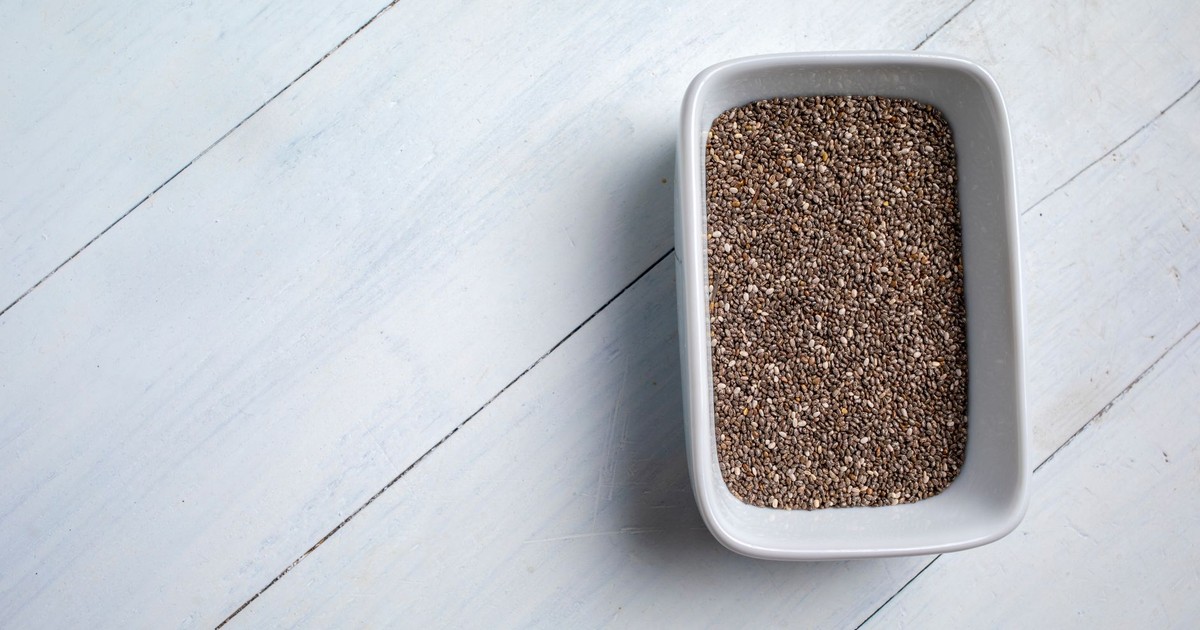
Chia seeds are small enough that they don’t look like they should matter that much. They matter quite a lot. Chia seeds provide a host of health benefits ranging from improving blood sugar levels to reducing appetite, and are a fantastic source of key nutrients for energy, including fiber, protein, and omega-3 fatty acids.
The fiber in chia seeds is particularly notable because a significant portion of it is soluble fiber, which absorbs water and forms a gel in your digestive tract. That gel slows the digestion of everything else you’ve eaten alongside it, which produces the long, gradual energy release rather than a quick burn. This is why chia pudding – chia seeds soaked overnight in milk or a dairy-free alternative – is legitimately one of the best morning foods for energy you can prep ahead of time.
They’re also one of the rare plant sources of omega-3 fatty acids, the healthy fats associated with brain and heart function, which most people don’t get nearly enough of in their morning meals. Add two tablespoons to your yogurt, stir them into oatmeal, blend them into a smoothie, or make a simple overnight pudding with coconut milk and a pinch of vanilla. They have almost no flavor on their own, which makes them one of the easiest nutritional upgrades to work into a morning routine.
5. Bananas
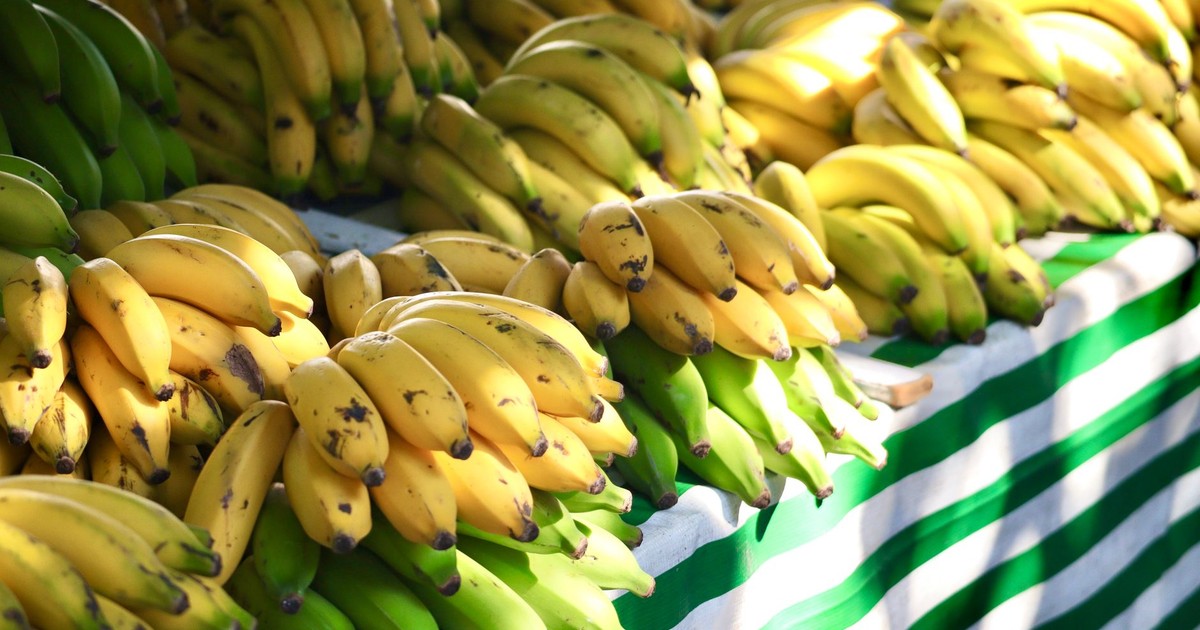
Bananas have a slightly unfair reputation for being “too sugary” in some nutrition circles, a judgment that ignores both context and nuance. Yes, they contain natural sugars. They also contain something that dramatically changes how those sugars behave. A 2024 study in Food Science & Nutrition found that green bananas contain resistant starch, which the body does not digest in the small intestine, so it travels through unchanged and feeds beneficial bacteria in the colon. Even riper bananas contain pectin, another fiber that moderates digestion.
Bananas are also a great source of potassium, which may support optimal blood pressure in some people. Beyond potassium, they contain vitamin B6, which plays a direct role in how the body converts food into usable energy. A banana that feels like an easy, grab-and-go option is actually doing more metabolic work than it gets credit for.
The practical case for bananas is that they are cheap, portable, require no preparation, and pair with almost anything. Bananas can be part of a balanced, energy-sustaining breakfast by pairing them with almond butter, peanut butter, eggs, or other foods rich in protein or fat. That combination – fast-burning fruit sugar with slow-digesting protein or fat – is exactly the balance that keeps energy consistent rather than spiky.
6. Berries
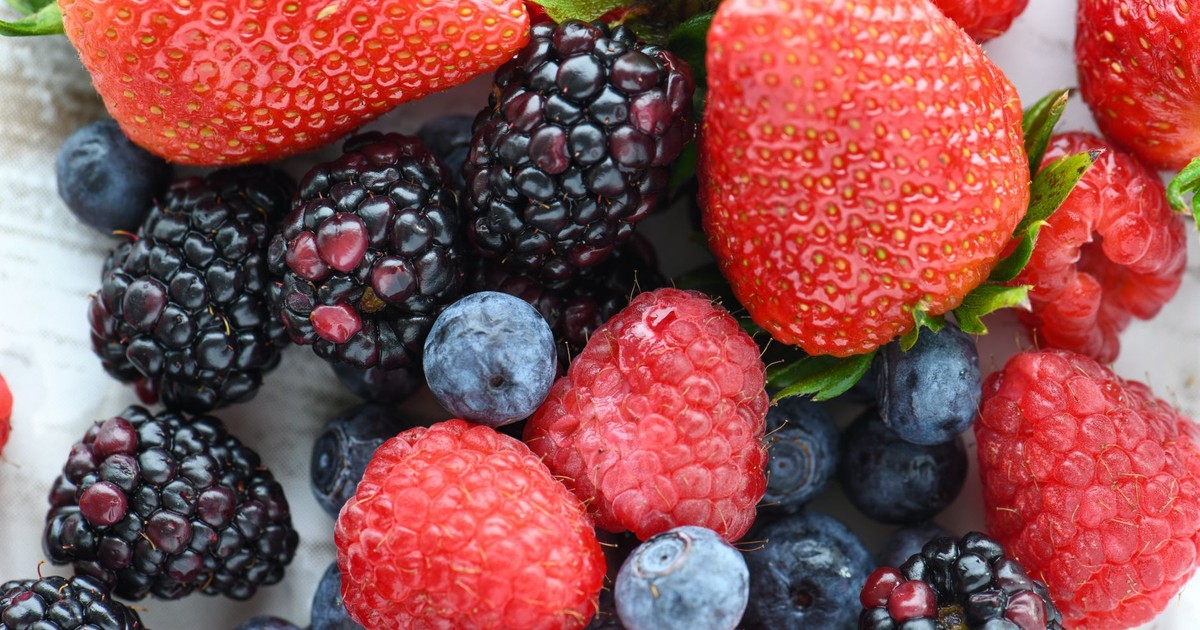
Berries don’t have the protein numbers of eggs or the fiber density of oats, but they do something those foods don’t: they deliver a concentrated hit of antioxidants that protect cells from oxidative stress, the kind of low-grade cellular damage that accumulates and contributes to chronic fatigue and inflammation.
Blueberries, strawberries, raspberries, and blackberries are all high in flavonoids, a class of plant compounds linked to improved circulation and cognitive function. Better blood flow to the brain in the morning means sharper focus, faster processing, and fewer of those “what was I just saying” moments that tend to cluster between 9 and 11 a.m. They’re also relatively low in sugar compared to most fruits, which means you get the flavor and the antioxidant load without a corresponding blood sugar spike.
Frozen berries are just as nutritious as fresh and dramatically cheaper, which matters when you’re buying them in quantity. A handful over Greek yogurt, blended into a smoothie, stirred into oatmeal, or eaten straight from the bag while you’re standing at the counter trying to locate your keys – all of these count. You don’t need to do anything clever with them for them to do their job. If you’ve ever wondered whether sugary cereals are undermining your mornings, swapping a bowl of those for berries over yogurt is one of the more direct upgrades available to you.
7. Nuts and Nut Butter
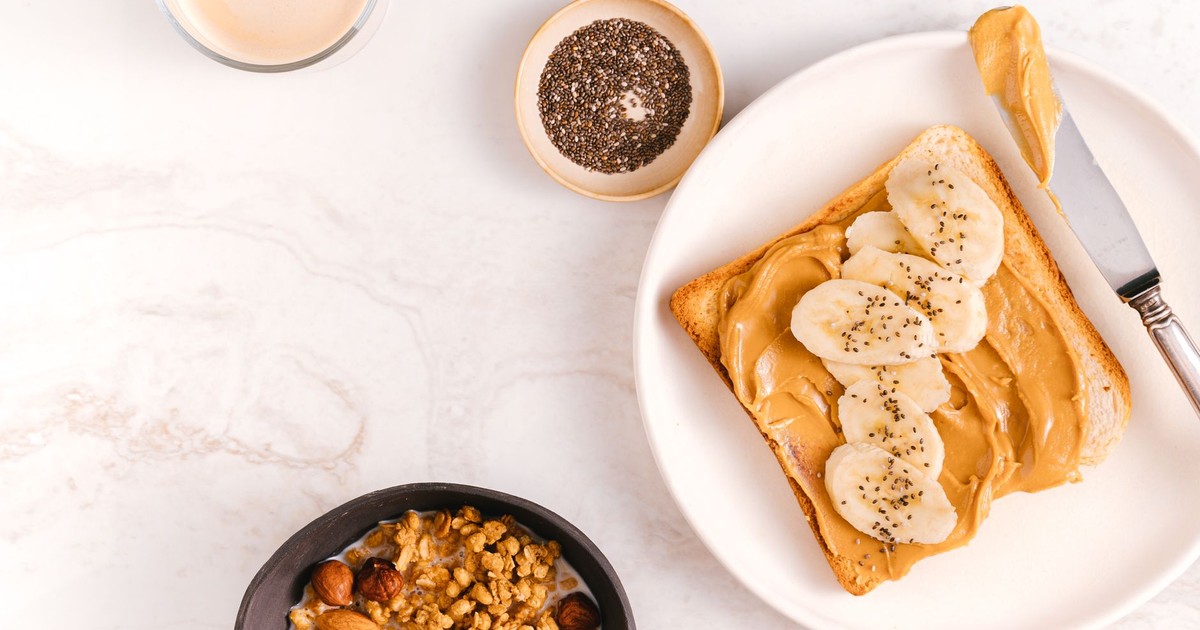
Nuts are the closest thing breakfast has to a failsafe. They require zero preparation, they travel anywhere, and a small amount goes a long way toward preventing the kind of mid-morning hunger that leads to bad decisions from the vending machine at 10:30. Peanut butter can be a fantastic addition to any diet when eaten in moderation. Peanuts are energy-dense, providing most of their caloric content through heart-healthy fats, and peanut butter is rich in various micronutrients that improve metabolism and immune function.
The fat content in nuts, which often gets cited as a reason to be cautious with them, is actually the main reason they work so well for sustained energy. Dietary fat digests slowly, acting as a brake on the rate at which the rest of the meal enters your bloodstream. That means lower blood sugar peaks, longer satiety, and steadier energy through the morning. A tablespoon of almond butter on whole-grain toast, walnuts stirred into oatmeal, or a handful of cashews eaten alongside a piece of fruit delivers that same effect.
Almonds, walnuts, and cashews each have slightly different nutritional profiles, but all deliver the trifecta of protein, healthy fat, and some fiber. Walnuts in particular are another plant-based source of omega-3 fatty acids. Keep some form of nuts or nut butter in the kitchen and treat them as an automatic addition to whatever else you’re eating in the morning rather than a standalone snack.
The Real Point About Morning Food

A balanced breakfast with protein and fiber boosts focus, stabilizes blood sugar, and prevents mid-morning crashes, according to a clinical dietitian at NYU Langone Health. None of the foods on this list require a complicated recipe or an extra 45 minutes in the kitchen. Most of them can be combined, prepped the night before, or eaten in the car.
What all seven foods share is the same underlying logic: protein and fiber slow digestion, fat extends satiety, and together they prevent the blood sugar roller coaster that makes the hours between 9 a.m. and noon feel like an endurance sport. You don’t have to eat all seven of them. You don’t have to eat a perfect breakfast. But choosing even one or two of these over the refined carbohydrate default is a change that most people notice by the end of the first week – not in a dramatic transformation way, just in a “huh, I’m actually still functional at 11 a.m.” kind of way.
Disclaimer: This information is not intended to be a substitute for professional medical advice, diagnosis, or treatment and is for information only. Always seek the advice of your physician or another qualified health provider with any questions about your medical condition and/or current medication. Do not disregard professional medical advice or delay seeking advice or treatment because of something you have read here.
AI Disclaimer: This article was created with the assistance of AI tools and reviewed by a human editor.