

Not all states offer the same level of maternal and infant care. Care quality and outcomes vary widely by state, directly affecting families’ experiences and babies’ safety. A recent analysis by WalletHub looked at all 50 states to determine which are top-performing and worst-performing for new families, considering factors like healthcare costs, quality of care, and family support. Here are the best states to have a baby in 2025, plus the 10 states with the most challenging maternal and infant outcomes.
#10: West Virginia

West Virginia has the lowest birth costs but lacks what states consider the best to having a baby. The state has few pediatricians and family doctors, making childcare hard to find. Rural parents drive hours to reach delivery hospitals. Despite low medical bills, many new mothers can’t afford health insurance or quality childcare due to the state’s low wages and limited job opportunities, creating ongoing financial pressure.
#9: Oklahoma

Recent claims put average out-of-pocket delivery costs among the higher reported rates, while receiving substandard care. Maternal and infant outcomes fall well below national standards. Several safety indicators tracked by national programs lag behind averages, leaving expectant mothers at risk during birth. Pediatric care remains insufficient statewide, forcing new families to travel far for essential services.
#8: Florida

Hospital pricing files show average facility charges ranking among America’s most expensive delivery costs. Despite the state’s size, healthcare access remains uneven. Quality scores cluster in larger metro systems, with uneven access elsewhere. Rural and suburban communities face shortages of maternal care providers. These expensive medical costs create financial stress that follows new parents for years.
#7: Arkansas

State vital statistics show Arkansas recording infant and maternal death rates well above national averages, unlike states considered the best to have a baby. Maternal review panels have flagged missed care opportunities. Medical oversight often fails until dangerous conditions become life-threatening emergencies. Despite affordable costs, care quality remains so poor that preventable complications are still reported in many cases.
#6: New Mexico

Independent comparisons place New Mexico near the bottom on several family support measures, leaving working parents with almost no childcare options. Childcare licensing data show thin availability in many counties, forcing mothers to choose between careers and children. Healthcare access varies widely by region. Some communities remain cut off from maternal and pediatric services, making planning difficult.
#5: Georgia

Recent state reports list maternal mortality rates well above national averages. This means more women die during childbirth than in most other states. Maternal mortality reviews show doctors miss warning signs during pregnancy. Medical teams overlook cardiovascular problems, high blood pressure, and bleeding until emergencies develop. Hospital access is limited in several regions, and support programs vary by county, leaving communities without resources.
#4: South Carolina
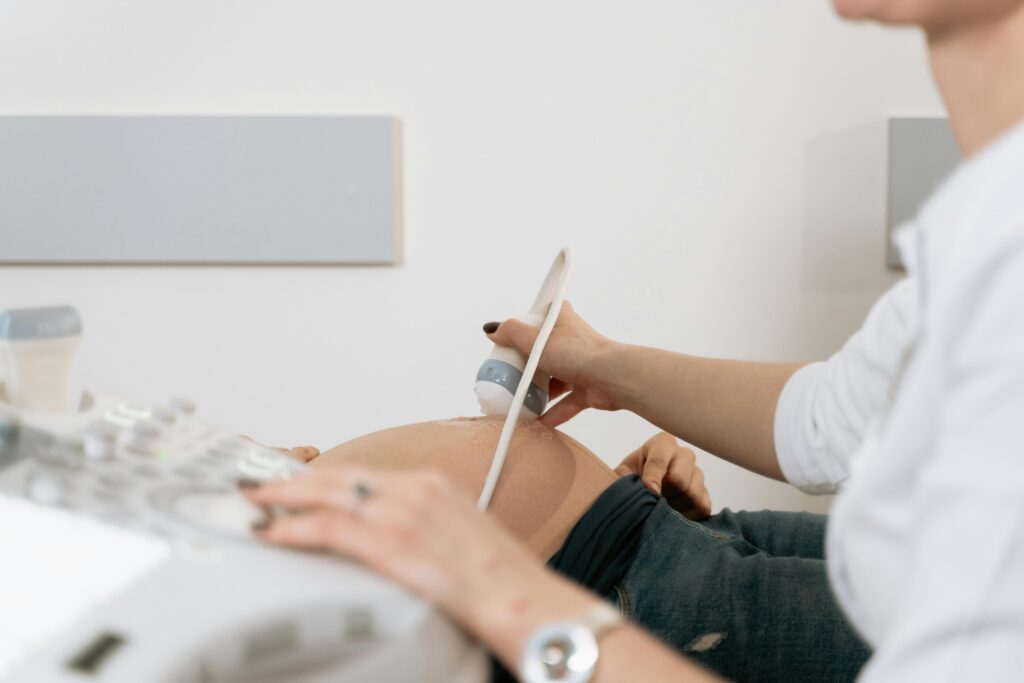
Recent data show infant death rates well above national averages, and provider directories suggest long travel times for routine care in many areas. The state lacks midwives and OB-GYNs, making women travel far from home for prenatal visits. When emergencies arise, support systems fail new parents. Limited childcare options compound these challenges for working mothers throughout communities.
#3: Nevada

Average delivery charges are listed well above recent national estimates. Out-of-pocket expenses in major metro areas are among the highest in the country. Rural areas span vast distances with too few doctors. Pediatricians are especially rare when children need specialized care. Childcare licensing data indicate limited capacity in many counties, isolating working parents from needed support networks.
#2: Alabama
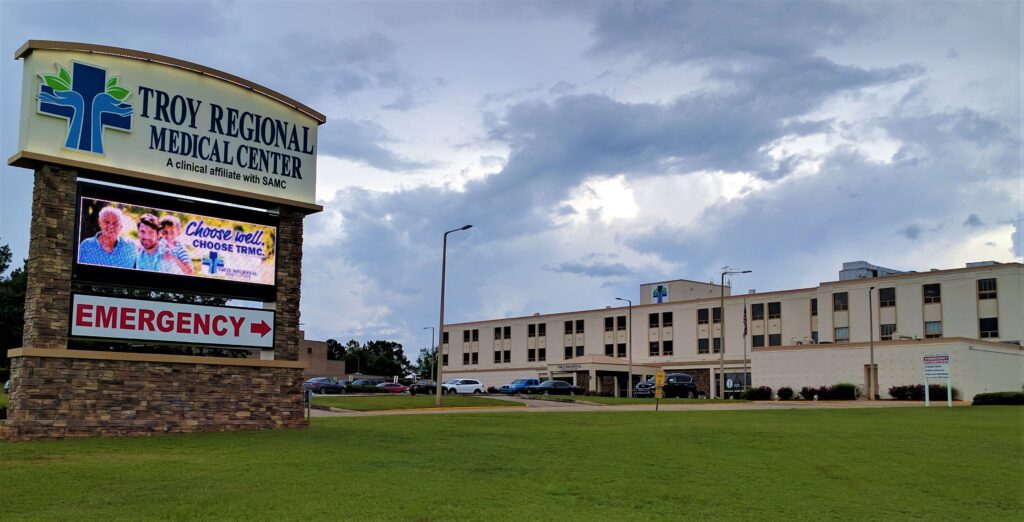
Alabama reports one of the steepest shortages of maternity providers. The state records infant death rates among the highest nationally. Several counties report no hospital obstetric services. Pediatricians and doctors rank among the worst nationally for availability. Rural expectant mothers travel hours for basic maternal services, often giving birth without adequate prenatal oversight or emergency care when complications develop.
#1: Mississippi
CDC data show Mississippi has the worst infant mortality in the nation. Black maternal mortality is far higher than for white mothers, with many deaths preventable through better care. Limited access, facilities not prepared for high-risk deliveries, and provider shortages leave many without consistent prenatal supervision. Mississippi is the most dangerous state in which to give birth, even though childcare is relatively cheap there.
#2: North Dakota
North Dakota excels through dramatically lower costs without sacrificing quality care. Some surveys list average facility charges near $7,500, among the lowest reported, compared to much higher costs in expensive states. This cost advantage extends beyond the hospital, with one of the lowest babysitter rates nationally at $17.56 per hour. Despite rural geography, provider-to-population ratios remain favorable across much of the state, with adequate healthcare providers and among the most childcare centers per capita. New parents benefit from excellent long-term family support, ranking among the top nationally for raising children.
#1: Massachusetts
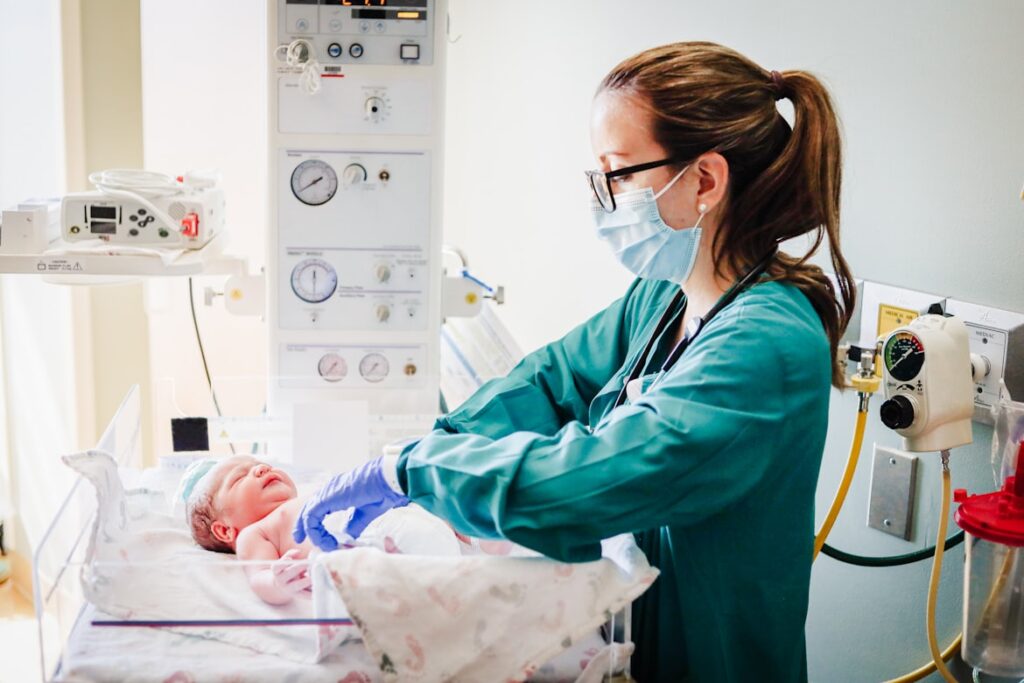
Massachusetts is among the top states for childbirth, leading the nation in maternal care with several highly rated neonatal centers that care for premature infants. Maternal deaths remain among the lowest nationally. New parents receive excellent medical care plus paid leave benefits that rank among the most generous in the country. The state leads in preventive care, with one of the highest vaccination rates for children under three. Despite high annual childcare costs, outcomes justify the investment.
Read More: 12 of the Weirdest and Most Beautiful Things Parents Have Seen in Baby’s Ultrasound
Your Zip Code Shouldn’t Decide Your Fate

Delivery costs and maternal death rates vary widely by state. In the best states to have a baby, families find reliable care and strong support, while others face provider shortages and a higher risk. National outcomes have improved, yet wide state-to-state differences remain. If moving is not an option, compare local hospitals, total costs from prenatal through postpartum, and advocate for safe care. Where you live should not decide your chances of a safe birth.
Read More: You’re Allowed to Have a Baby After 35