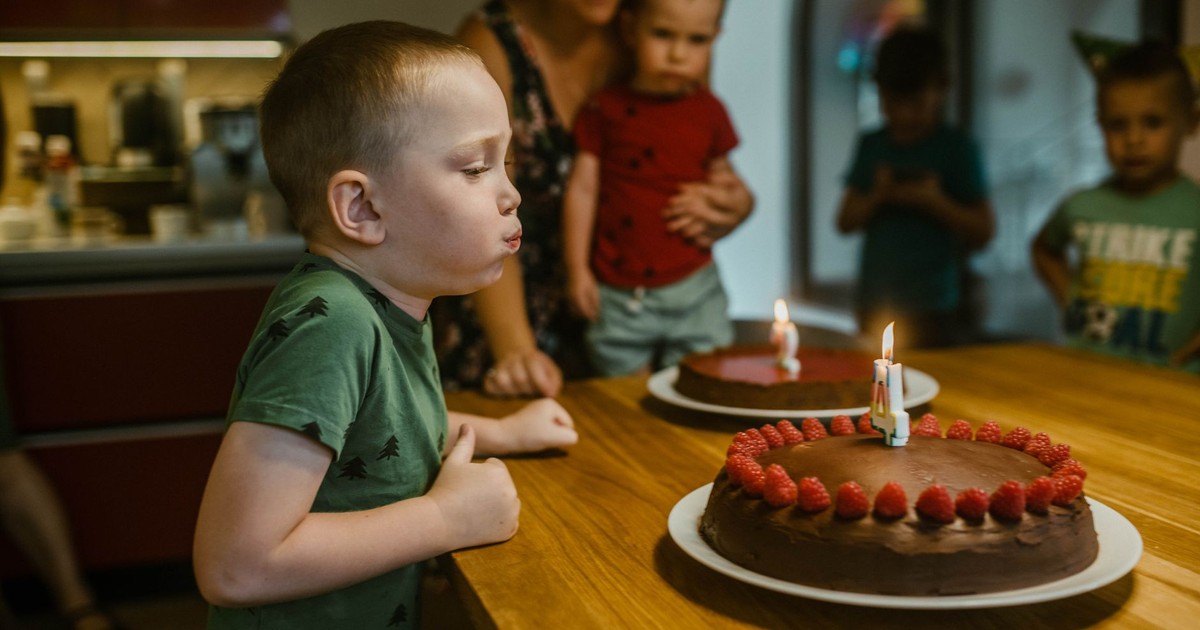

Most people blow out birthday candles without once considering that they are reenacting a ritual old enough to predate the Roman Empire. The gesture is so embedded in childhood that it bypasses the part of the brain that asks questions. You lean in, you take a breath, you close your eyes, and for one second the whole room holds its collective exhale waiting for yours.
The birthday candles tradition crosses ancient Greece, medieval Germany, a 19th-century immigration wave, and a 2017 food science lab in South Carolina. What began as a religious offering has become one of the most universally recognized acts a human being can perform. You can fly into almost any country on earth and a lit cake crossing a dark room will mean the same thing everywhere.
The Moon Goddess Who Started It All
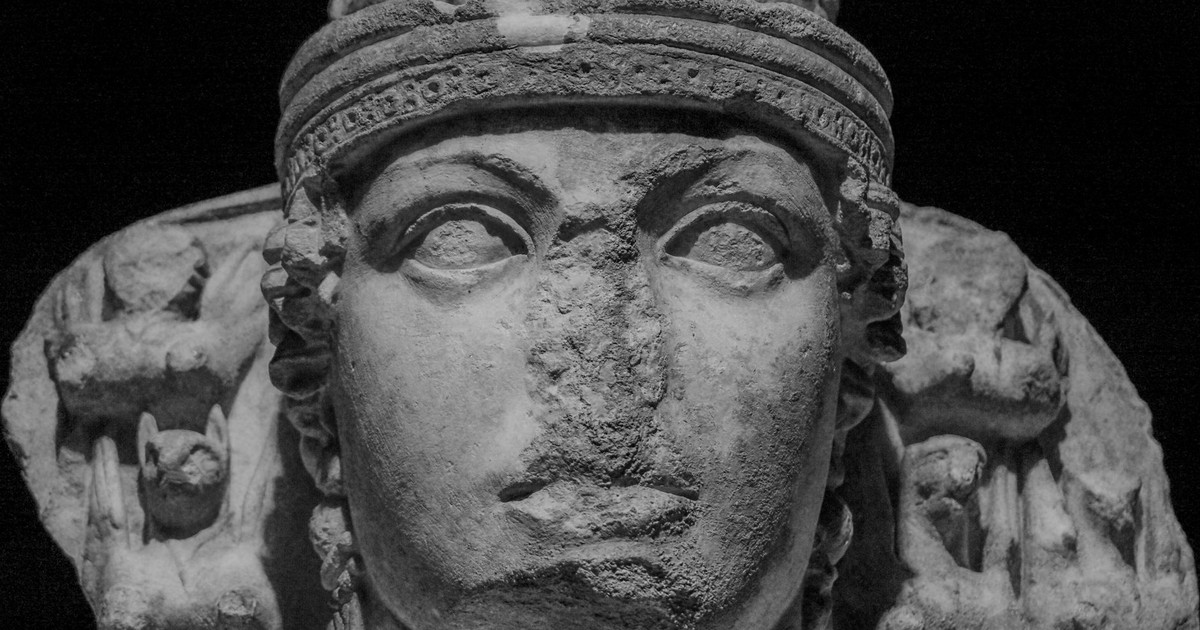
In ancient Greece, circular cakes were offered to honor Artemis, the goddess of the moon and childbirth. These cakes, crafted from dough, honey, and sesame seeds, were lit with candles to illuminate them like the moon itself, serving as votive offerings in devotional ceremonies. These sweet, luminous offerings were known as amphiphontes, and they symbolized not birthday indulgence but worship: the candles represented stars, and the smoke was believed to carry prayers skyward.
An important spring festival called the Mounichia, held around the time of the full moon in the Athenian month Mounichion, centered on this practice. Artemis, honored as the moon goddess, was offered trays of layered cakes called amphiphontes, topped with small burning torches. The cakes were round to mirror the shape of the moon, and the act of lighting them was devotional rather than celebratory in any sense we would recognize today.
While it is commonly said that the birthday candles tradition began in ancient Greece, there is no direct historical record of candles being placed on cakes specifically to honor the gods on individual birthdays. Some scholars, such as pop culture historian Marie Nicola, suggest the idea likely stems from rituals associated with Artemis. The Greeks believed breath and smoke held spiritual power. In many traditions, including early Christian mysticism, breath was tied to the soul. As Nicola puts it, “Blowing out a candle while making a silent intention carries echoes of votive prayer, only here, it’s domestic, child-centered, and delightfully secular.”
Germany Turned It Into Ritual for Children

The Greek offering was religious. The Germans made it personal. The core elements of modern birthday celebration culture, birthday cake and candles, originated in 18th-century Germany, then the Holy Roman Empire, with the tradition of Kinderfest, which literally means “children’s celebration.” It was an event commemorating a child’s birthday with cake, candles, music, and games.
In the German Kinderfest, the child received a special cake with one candle for each year of their life, plus an extra candle for hope and protection in the coming year. Unlike today, where candles are blown out immediately after singing, Kinderfest candles burned all day long. The child was only allowed to make a wish and blow them out when dusk fell, surrounded by family.
The extra candle, the one beyond the child’s age, was called the “light of life,” and it was protective in intent. People at the time believed that children were particularly vulnerable to evil spirits on their birthdays, and lighting candles was thought to provide spiritual protection. A birthday without candles was not just bare, it was dangerous.
One of the earliest written references to the birthday candle tradition comes from German writer Johann Wolfgang von Goethe, who recounts his 52nd birthday as a guest of Prince August of Saxe-Gotha-Altenburg in his autobiography. He describes a large cake with about 50 flaming candles, leaving no room for candles to represent the coming years, unlike children’s birthday cakes. This record reinforced how ingrained the ritual had become by the mid-18th century, according to historian Nicola.
In the 19th century, German immigrants brought the birthday candle tradition with them to the United States. By then, the custom had already crossed regional and religious lines within Europe itself. What arrived in America was less a German custom than a distillation of two thousand years of accumulated meaning, carried in someone’s memory of how childhood birthdays were supposed to feel.
The Wish That Had to Stay Secret
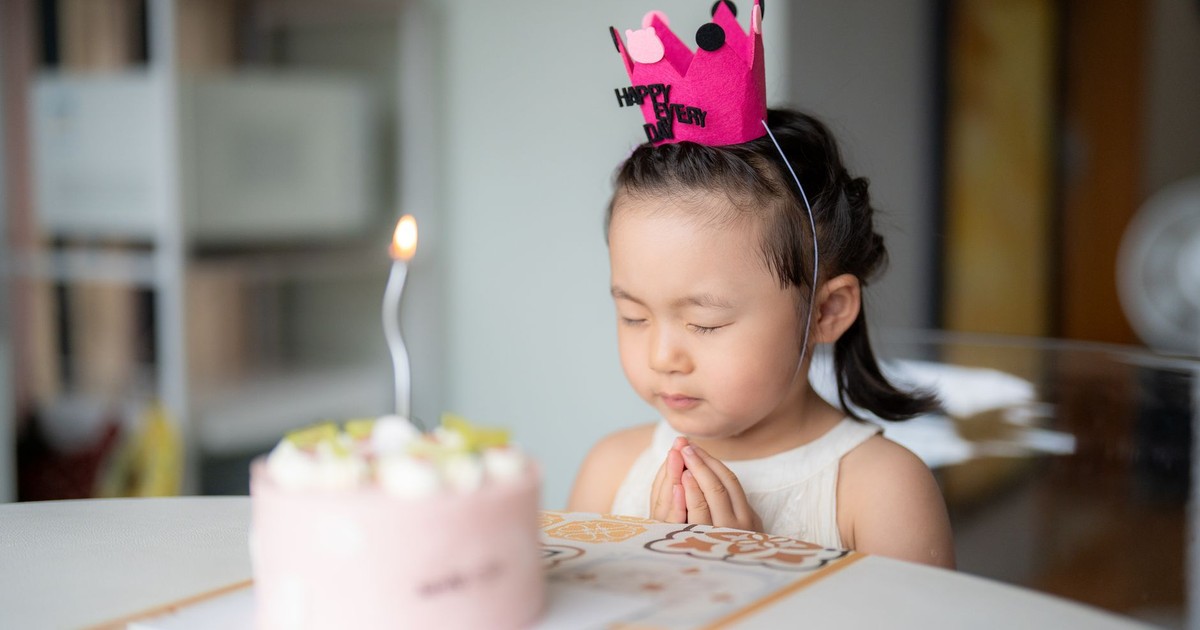
Children were told, and still are told, that blowing out all the candles in one breath makes the wish come true, and that saying the wish aloud breaks the spell. That specific combination, the held breath, the silent intention, the secrecy, maps almost exactly onto the Greek belief that smoke carried prayers to the gods. You did not announce your prayers to Artemis. You sent them up.
Children in Kinderfest were told that if they blew out all the candles in one breath, their secret wish would come true. The one-breath rule was not arbitrary. It underscored that the moment mattered, that there was something at stake, that a birthday was a threshold rather than just a party. For children, the candles were a test, a small physical performance of hope.
The emotional architecture of this has changed very little. We updated the frosting, the number of candles, the playlist. The wish stayed the same. It still has to be secret. It still has to happen in one breath.
The Dutch Sit in a Circle, and Other Cultural Detours

Most people assume birthday candles are universal in the way they experience them, but the underlying ritual looks a little different from one country to the next even now. Dutch birthday celebrations, for instance, involve the entire gathering sitting in a complete circle around the birthday person, a formation that reportedly reads as cult-adjacent to anyone experiencing it for the first time. The cake and candles are present, but the social geometry around them is entirely different.
The Romans marked birthdays with flat, honey-sweetened cakes, though only for important leaders and figures, not for ordinary people or children. The candle-and-wish ritual as a democratized act, available to anyone regardless of social standing, is largely a German export. The fact that a six-year-old in rural Ohio and a six-year-old in Seoul perform the same gesture with the same held breath and the same face of concentration is a direct consequence of 19th-century German immigration patterns.
What the Science Found (and Why Nobody Cares)
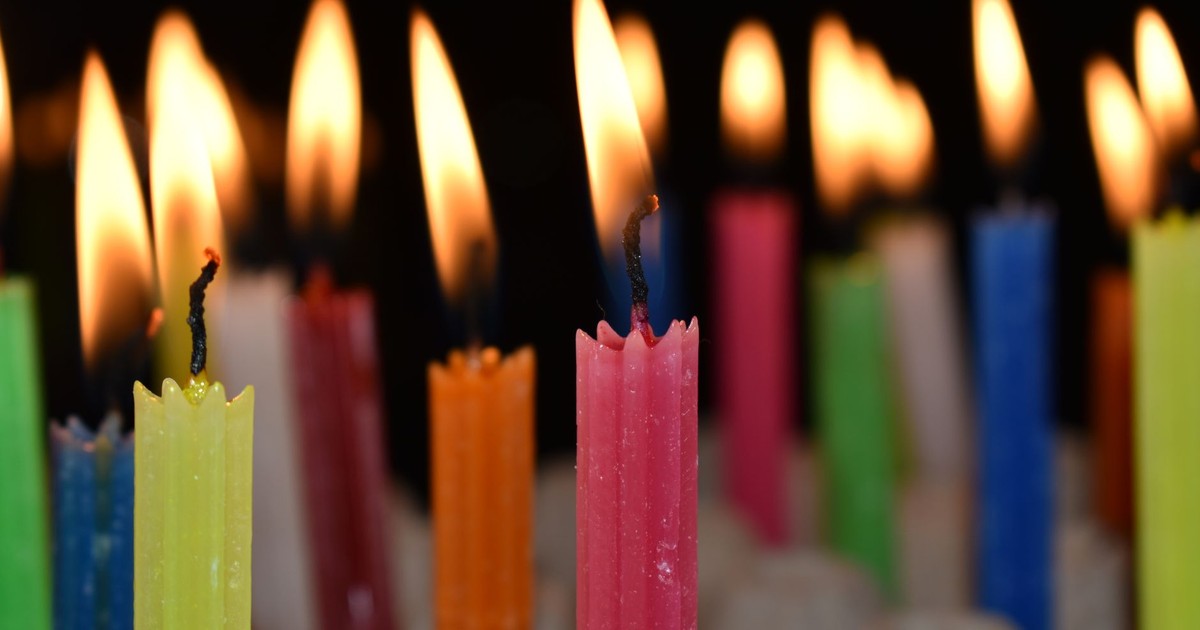
In 2017, a food science team at Clemson University decided to study what actually happens to the frosting when someone blows out birthday candles, and the results were, by any reasonable measure, disgusting. The study examined the potential spread of bacteria when blowing out candles on a birthday cake, with preliminary tests indicating that bioaerosols in human breath expelled from the mouth may be a source of bacteria transferred to cake surfaces. Blowing out the candles over the icing surface resulted in bacterial levels averaging 15 times higher compared to icing not blown on.
That finding made headlines, went viral, and then promptly changed nobody’s birthday plans. Doctors who commented on the study at the time pointed out that eating cake after someone blows out the candles is roughly equivalent to sharing food with that person, which is already something most guests at a birthday party have done several times by the time the cake arrives. The bacteria transfer is real. The public health risk, for a healthy person at a typical birthday party, is minimal.
The study proved that the birthday candles tradition is immune to scrutiny. Two thousand years of accumulated meaning does not yield to a petri dish. People know, somewhere in the back of their minds, that blowing on food is not a pristine act. They do it anyway.
Why the Ritual Still Works

There are very few moments in adult life where an entire room goes quiet for you, where everyone holds a small collective breath while you do one simple thing, and where what you hope for privately is treated as worth protecting. For children, it is already magic. For adults, it is something more complicated: a few seconds of being held by the people in the room, a moment of being allowed to want something without having to say what it is.
The birthday candles tradition survived ancient Greek religion collapsing, the Holy Roman Empire dissolving, two world wars, a pandemic that briefly made people nervous about breathing on food, and a viral news cycle about bacteria percentages. It survived all of it without modification. You still lean in. You still close your eyes. You still don’t tell anyone what you wished for.
What You’re Actually Doing When You Blow Them Out

When a child blows out candles at a birthday party in 2026, she is, without knowing it, performing a compressed version of a Greek votive offering to a moon goddess, filtered through medieval German beliefs about evil spirits and childhood vulnerability, carried to her by 19th-century immigrants who brought the custom across an ocean in the same mental luggage as their language and their recipes.
None of that is accessible to her in the moment. She is thinking about her wish. But the wish itself, the held breath, the silence, the secrecy, those are ancient. Older than the song, older than the frosting, older than the concept of a birthday party as we understand it. The specific feeling of that moment, eyes closed, room dim, candles warm against your face, is one of the few experiences a person in 2026 shares almost exactly with a child in 18th-century Germany, or a worshipper carrying a honey cake through the streets of Athens toward the temple of Artemis.
Rituals survive because they hold something true. This one holds the idea that a year lived is worth marking, that hope is worth the breath it takes to express it, and that there is something in us that still wants to send a wish up in smoke and trust that it goes somewhere. Every birthday table in every time zone where someone leans forward into candlelight is carrying all of that forward, without a single word about where it came from.
Disclaimer: This information is not intended to be a substitute for professional medical advice, diagnosis, or treatment and is for information only. Always seek the advice of your physician or another qualified health provider with any questions about your medical condition and/or current medication. Do not disregard professional medical advice or delay seeking advice or treatment because of something you have read here.
AI Disclaimer: This article was created with the assistance of AI tools and reviewed by a human editor.