
Most people who pray don’t think of it as a neurological event. They think of it as a conversation, a surrender, a habit, a lifeline on a Tuesday at 2 a.m. when everything feels like too much. But inside the skull, something measurable and repeatable is happening every single time a person folds their hands or closes their eyes and reaches toward something beyond themselves. Researchers have been watching it for decades now, and what they keep finding is not what anyone expected.
The brain during prayer doesn’t go quiet. It doesn’t drift off into some vague passive state, the way people sometimes imagine prayer to look from the outside. Whole networks fire up. Other regions dial back. Blood flow redistributes in patterns specific enough that scientists can tell the difference between a person reciting memorized words and a person engaged in what they experience as genuine communion. The architecture of what’s happening is, honestly, more interesting than any of the theological arguments around it.
What’s even more striking is how consistent the findings are across traditions. Whether researchers are scanning a Franciscan nun in centering prayer, a Tibetan Buddhist in deep meditation, or a Christian in personal conversation with God, certain patterns repeat. The brain doesn’t seem to care much about denomination.
The Region That Comes Alive

The prefrontal cortex is the part of your brain that helps you make decisions, concentrate, regulate your emotions, and stop yourself from saying the thing you’ll regret later. It’s your executive center, the area that distinguishes between reacting and responding. fMRI studies have shown that prayer activates brain regions involved in emotional regulation, including the prefrontal cortex and the anterior cingulate cortex. The anterior cingulate cortex, for context, is the part of the brain that detects conflict between competing impulses and helps you course-correct – a kind of internal compass that keeps you from acting only on instinct.
Andrew Newberg, a leading researcher in the field of neurotheology, has spent decades studying people engaged in prayer and meditation using brain imaging technology, and his research has consistently shown increased activity in the frontal lobes – the areas of the brain responsible for focus, planning, attention, and intentional behavior. He has conducted this research across religious traditions, and the frontal lobe result keeps appearing regardless of whether the person praying is Catholic, Buddhist, or Sikh. The implication is that deep prayer is, among other things, an exercise in sustained attention – and the brain responds to it as such.
Newberg has described a complex network involving parts of the frontal, temporal, and parietal lobes that become engaged during spiritual beliefs and experiences. The decreased activity in the parietal lobes he has observed on brain scan studies appears to be associated with the intense focus involved in spiritual practices, with the frontal lobes activating during that focus while the parietal lobes are inhibited by that frontal lobe activity.
The Parietal Lobe and the Dissolving Self
Here is where it gets genuinely strange, in the best possible way. The parietal lobe is responsible for your sense of orientation in space and time. It’s the part of your brain that maintains your sense of where your body ends and the rest of the world begins. It’s the reason you know you’re sitting in a chair rather than floating somewhere above it.
When Newberg looked at the brains of Franciscan nuns in prayer, he found increased activity in the frontal lobes – the same pattern as Buddhist meditators – but also increased activity in the inferior parietal lobe, the language area, which makes sense because the nuns were engaged in a verbally based practice. The nuns, like the Buddhist practitioners, also showed decreased activity in the orientation area of the superior parietal lobes.
Newberg has argued that the decrease in parietal lobe activity is particularly associated with the loss of the sense of self and a sense of spacelessness and timelessness, and that this decrease may be an essential part of the brain changes associated with a mystical experience. In plain language: the feeling of unity that people across traditions describe during deep prayer – the sense of being held by something larger than yourself, of time momentarily disappearing – has a measurable correlate in the brain. The self-boundary system is literally, temporarily, stepping aside.
This is not a metaphor. It is a reduction in blood flow to a specific region, visible on a SPECT scan, reproducible across subjects and traditions. Whether that experience is evidence of something transcendent, a biological artifact, or both at once is a question neuroscience can’t answer. But the experience itself is real, and the brain is doing something specific to produce it.
Prayer as Social Connection
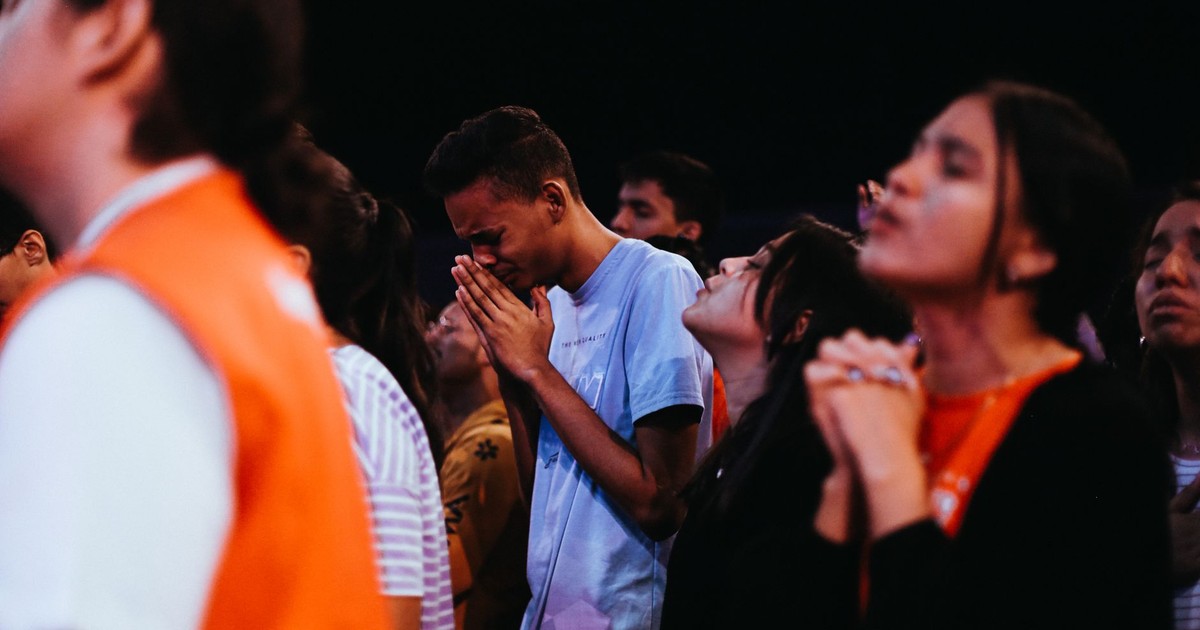
One of the more arresting findings to emerge from recent research is that prayer activates the same brain regions involved in human relationships. In a study published in Social Cognitive and Affective Neuroscience, researchers used functional MRI scans to examine the brains of Christians engaged in personal prayer, finding increased activity in the medial prefrontal cortex and temporoparietal junction – areas involved in understanding other people, maintaining relationships, and interpreting thoughts and intentions – and concluded that participants appeared to engage with God neurologically in much the same way they would engage with another person in a meaningful relationship.
A 2025 review in Frontiers in Neuroscience confirmed this finding, noting that personal prayer activates a network of brain regions involved in social cognition, including the temporopolar region, the temporoparietal junction, the precuneus, and the medial prefrontal cortex. These are not peripheral structures. The temporoparietal junction is the area that lets you understand someone else’s perspective – what researchers call “theory of mind,” the cognitive ability that allows us to recognize that other people have thoughts, feelings, and intentions separate from our own.
What that pattern suggests is that for a praying person, the experience of God functions neurologically as a relationship, not a monologue. The brain is not treating prayer like the silent recitation of a grocery list. It’s treating it like talking to someone who is listening.
This also has implications for mental health and faith. The same social brain networks that are activated in secure human attachment – the sense of feeling known, valued, and not alone – appear to come online during prayer. For people who pray regularly, that is not a trivial finding.
The Chemistry of Calm

The neurological effects of prayer extend below the level of brain regions into the level of neurotransmitters and stress hormones. A 2024 paper in the International Journal of Science and Research Archive found that prayer activates the prefrontal cortex and the anterior cingulate cortex, and that these regions are also implicated in the modulation of serotonin, suggesting that prayer might enhance serotonin production and release by promoting neuroplasticity and emotional regulation. Serotonin is the neurotransmitter most commonly associated with mood stability. Low serotonin is implicated in depression, anxiety, and the kind of flat, grey, nothing-feels-right quality that people sometimes describe when they’re struggling.
Focused, contemplative prayer can activate the parasympathetic nervous system – the body’s “rest and digest” response – reducing physiological stress throughout the body. The parasympathetic nervous system is the counterpart to the fight-or-flight response. When it engages, heart rate drops, blood pressure eases, and the biological alarm system that cortisol powers starts to turn down. Cortisol is the stress hormone your body releases when it perceives a threat. Useful when a real threat exists; corrosive when it’s running constantly because your brain has decided that everything is a threat. Researchers have documented lower cortisol reactivity among people who pray regularly, meaning their bodies don’t spike as hard under stress.
None of this is arguing that prayer is a pharmaceutical substitute for anything. The research is observational in much of its scope, and individual variation is significant. But the picture that’s emerging from 2024 and 2025 studies is one where regular prayer, whatever else it is, engages biological systems that are directly relevant to emotional regulation, stress response, and mood.
What Changes With Regular Practice

The most compelling findings are not about single prayer sessions. They’re about what the brain looks like in practitioners who have made prayer a consistent part of their lives. One of the richest areas of neurotheological research concerns sustained practice, not single spiritual events. Experienced meditators and long-term practitioners of prayer show measurable differences in brain structure and function compared to non-practitioners, and brain scans of praying Franciscan nuns, meditating Buddhists, and chanting Sikhs conducted by Newberg over decades have given researchers what he calls “a remarkable window” into how religious practice actively reshapes the brain.
Regular prayer induces neuroplasticity by strengthening neural pathways and causing structural changes within brain regions associated with focus, emotional regulation, decision-making, compassion, memory, and language. Neuroplasticity is the brain’s ability to reorganize itself by forming new neural connections throughout life. Every time a behavior is repeated with intention, the neural pathway supporting it gets reinforced. This is why an experienced musician’s finger coordination lives so deep in their nervous system it becomes automatic. The same principle applies here – except what’s being reinforced is not a motor skill but a pattern of attention, emotional regulation, and relational orientation.
A 2025 systematic review published in Frontiers in Psychology evaluated whether the perceived interaction with God during prayer can accurately be described as an attachment relationship from a neuroscientific perspective, seeking to understand how religious beliefs are interwoven with everyday human cognition and to provide a pathway for integrating religious belief within psychotherapy to enhance treatment outcomes. The finding was that prayer does appear to engage attachment-related neural systems, which has real implications for how clinicians might think about spiritual practice as part of mental healthcare.
The Limits of What the Scans Can Tell Us
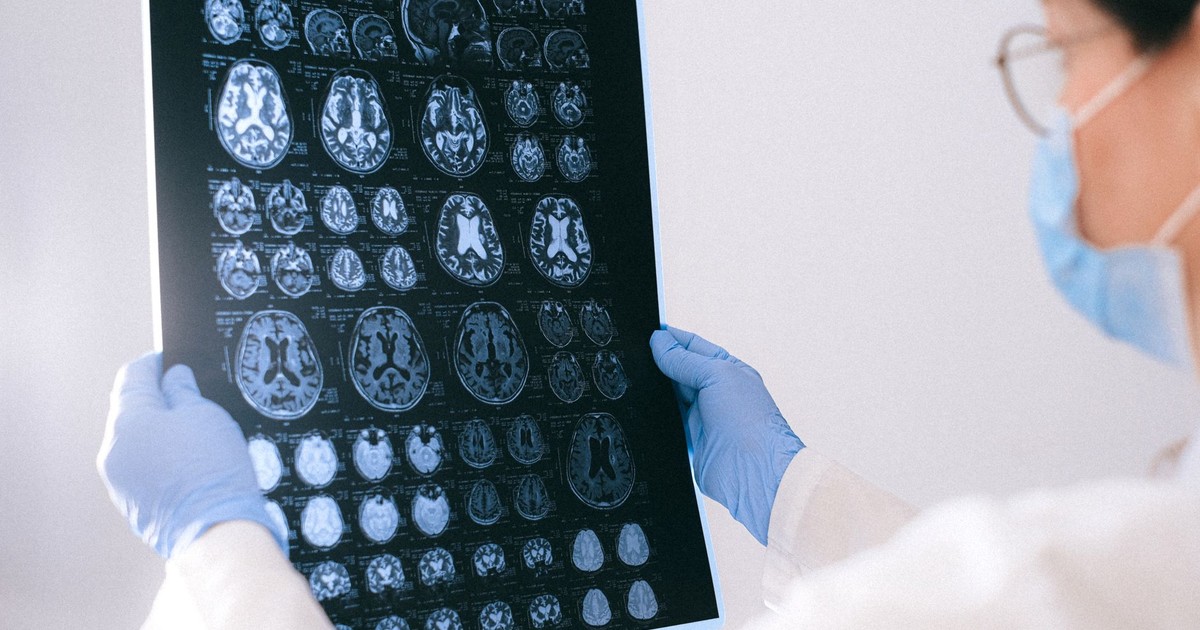
The researchers are careful about what they’re actually claiming, and that carefulness is consistent across the field. Mapping what the brain does during prayer does not explain what prayer is, any more than mapping the visual cortex explains why a particular painting makes you cry. The biological description and the experiential or spiritual reality are different levels of the same phenomenon, and treating one as a debunking of the other is a category error.
There are also genuine methodological challenges. It’s difficult to scan a brain during a genuinely spontaneous, deeply felt prayer – the kind that happens at 2 a.m. in a hospital waiting room – rather than a prompted, scripted version inside a noisy imaging machine. The participants in most studies are self-selected people willing to pray on demand inside a scanner. Results across traditions are consistent, but sample sizes are often modest. What the field has established is a set of reliable patterns and a direction of inquiry. The precise causes behind each finding are still being mapped.
That gap between what’s confirmed and what’s speculative doesn’t invalidate the findings. It just means the conversation is ongoing, which is true of most interesting things.
What to Hold Onto
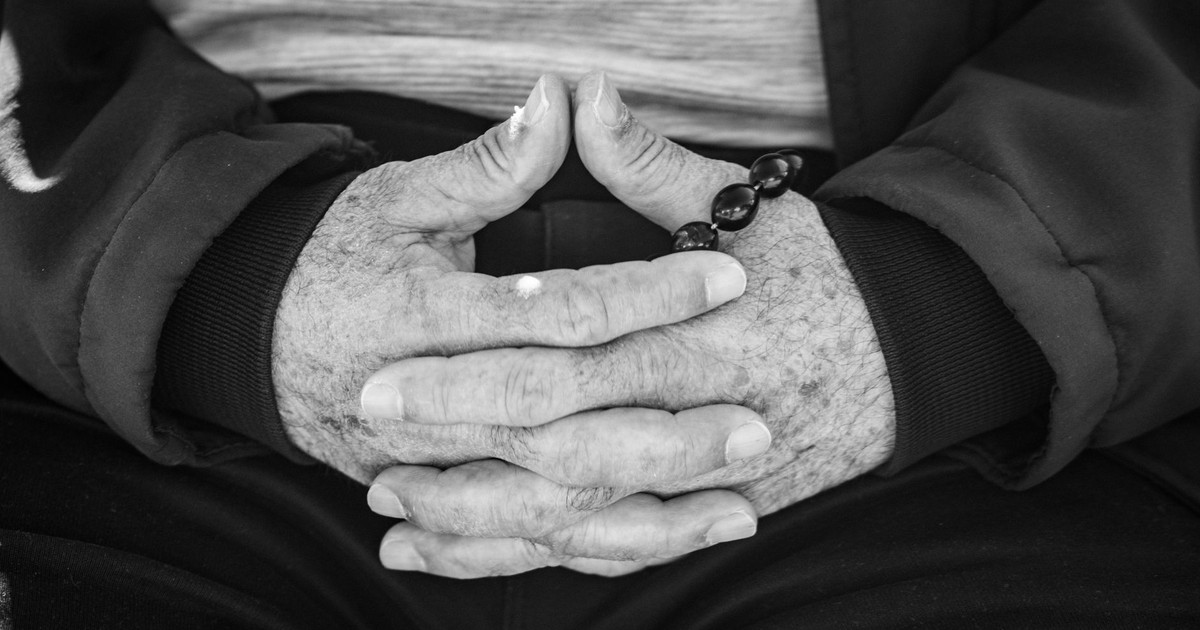
The temptation when writing about research like this is to land somewhere conclusive – either “science proves prayer works” or “science reduces prayer to mere brain activity.” Both of those read as wanting. What the data actually offers is something more honest and, frankly, more interesting: evidence that the brain during prayer is doing something specific, consistent, and consequential, and that doing it regularly leaves traces.
If you pray, you don’t need a neuroscientist to tell you something is happening when you do it. The research just offers one language for describing what’s already true in your experience – that you come out of it different from how you went in, that the thing you were bracing against feels slightly less crushing afterward, that there are moments inside it where the sense of being entirely alone in your situation loosens its grip. Whether that’s the prefrontal cortex, the parasympathetic nervous system, an attachment network firing in the brain, or something beyond the scope of any of those – possibly all of the above – is a question the scans cannot resolve. They can only confirm that something real is happening, and that the brain takes it seriously enough to change.
Disclaimer: This information is not intended to be a substitute for professional medical advice, diagnosis, or treatment and is for information only. Always seek the advice of your physician or another qualified health provider with any questions about your medical condition and/or current medication. Do not disregard professional medical advice or delay seeking advice or treatment because of something you have read here.
AI Disclaimer: This article was created with the assistance of AI tools and reviewed by a human editor.