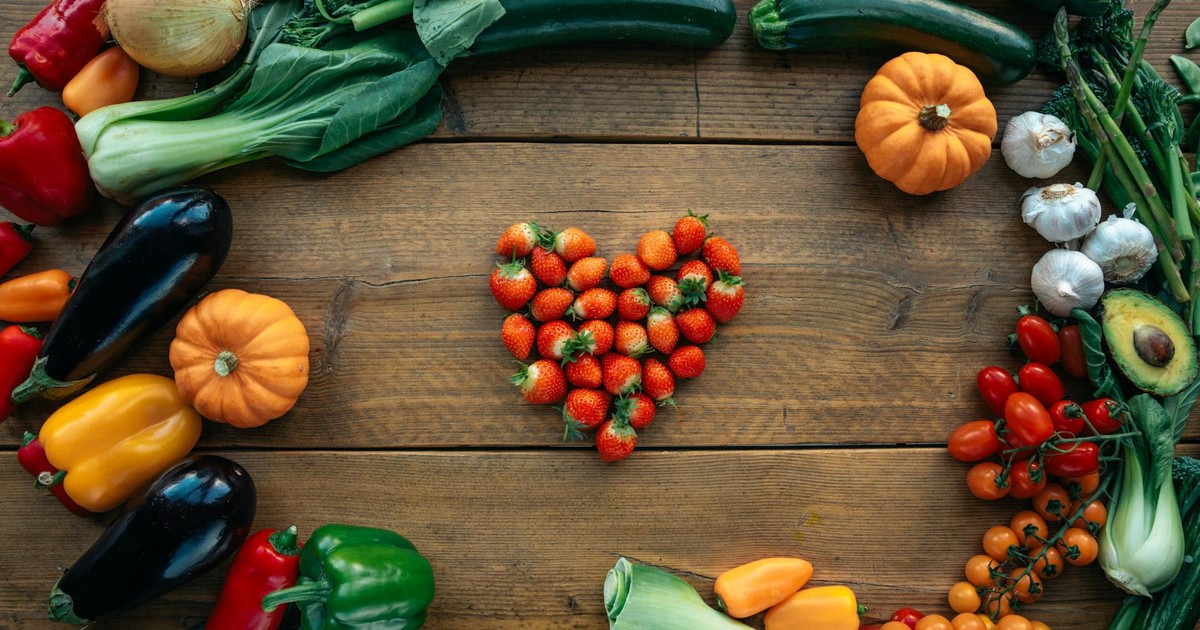

London sees firsthand what heart disease can do to a person. As a cardiovascular surgeon who operates on diseased hearts, he repairs damaged blood vessels and performs bypass surgery for clogged arteries. His perspective on food isn’t theoretical. As he told TODAY, the damage he sees in the operating room “didn’t happen overnight in most people – it’s an accumulation of a chronic process,” and by the time someone reaches his table, years of daily choices have already written the outcome. That’s the context behind everything on his list. These aren’t foods he dislikes. These are foods he has watched, in clinical detail, destroy hearts over decades.
The cardiac surgeon diet he describes isn’t a branded program or a book deal. It’s a personal framework that comes from watching the long game play out inside people’s chests. Whether you agree with all four items or not, the reasoning behind each one is worth knowing. Here’s what he avoids, and what the current evidence actually says.
1. Fast Food
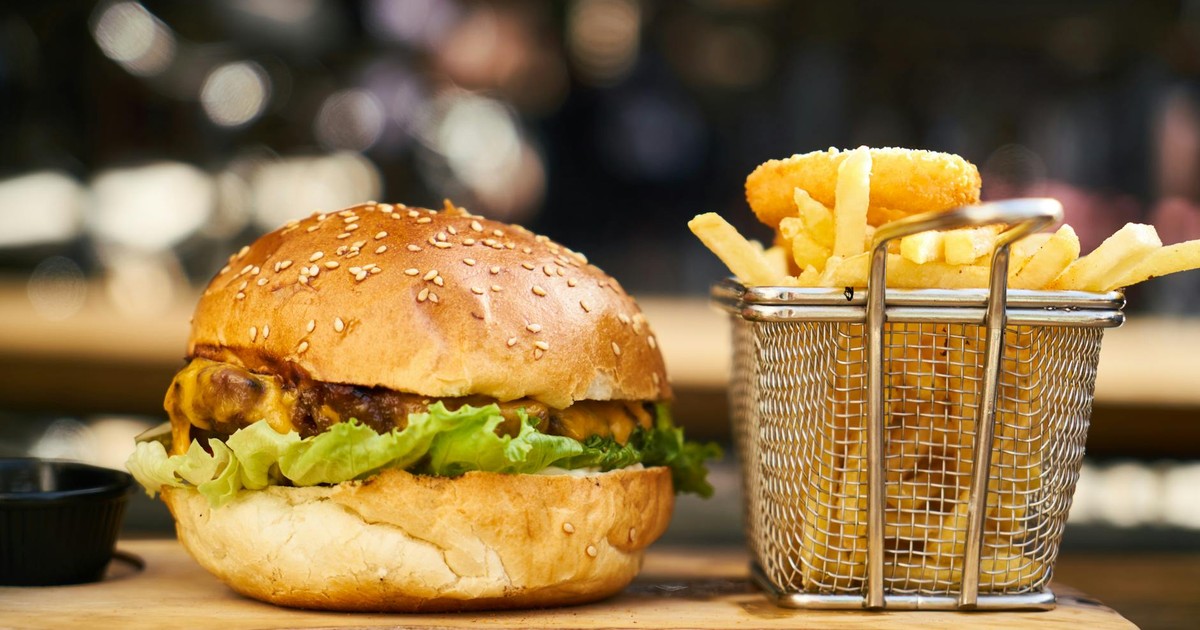
London’s concern with fast food isn’t just about the high fat, sodium, and sugar content, though those are genuinely harmful. His deeper argument is about the absence of real nutrition altogether. “Most of what’s available in fast food chains is ‘edible food product,'” he says. “It’s not even real food.”
The word “product” is doing a lot of work in that sentence. When a surgeon who has spent his career repairing the cumulative damage of a bad diet says something isn’t food, he means it structurally. Fast food meals are often loaded with preservatives and artificial ingredients that contribute to inflammation and heart disease. The occasional burger is not going to end anyone. But a dietary pattern built around industrially manufactured meals is a different calculation entirely.
A 2026 report in the European Heart Journal warned that people who eat the most ultra-processed foods face significantly higher risks of heart disease, irregular heart rhythms, obesity, diabetes, high blood pressure, and cardiovascular death. Fast food, as a category, falls squarely in the ultra-processed bucket. A 2024 umbrella review in The BMJ examined meta-analyses including data from nearly 10 million people across 45 different studies, and researchers classified the link between higher ultra-processed food consumption and increased cardiovascular disease mortality as “convincing evidence.” That is a harder finding than most nutrition research produces. “Convincing” is a high bar.
Ultra-processed foods have become a staple in the American diet, with about 57 percent of the calories American adults consume now coming from them. London’s advice to treat fast food as a non-food rather than a bad food is, in that context, less radical than it sounds.
2. Soft Drinks
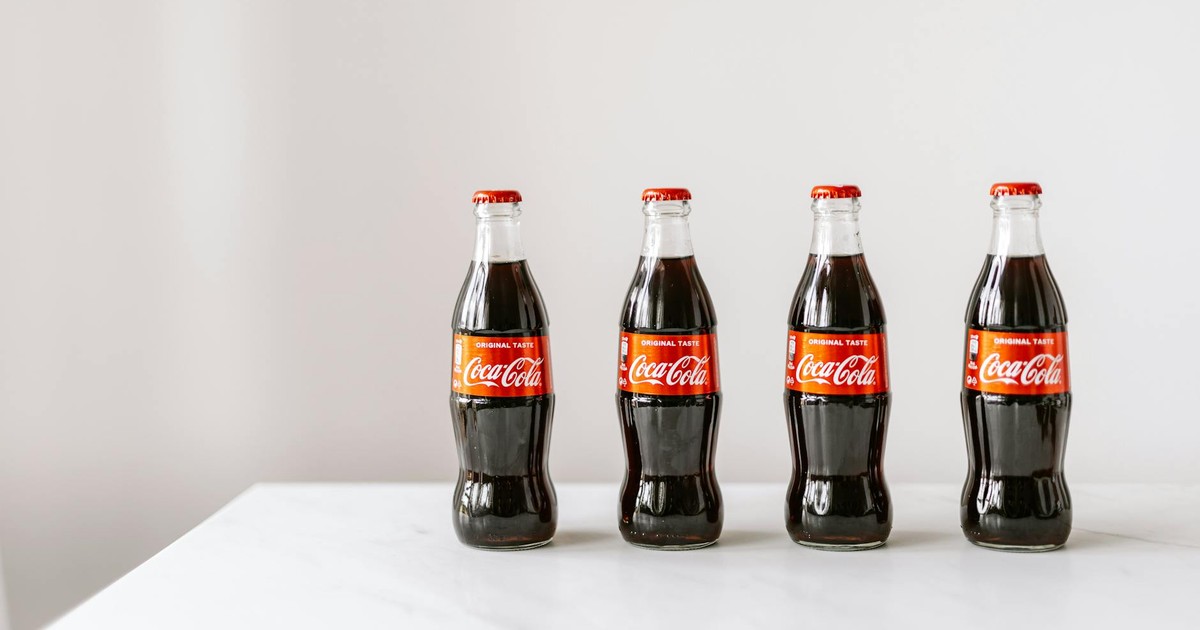
London’s verdict on soda is as unambiguous as nutritional advice gets. Both regular and diet versions, he says, are “liquid death.” His recommendation: don’t drink them.
Regular soda is the more familiar villain. The sugar load in a standard can is substantial, and the relationship between sugar-sweetened beverages and cardiovascular risk is among the most consistent findings in nutrition research. An analysis of health data from more than 200,000 adults found that people who drink roughly a can of diet soda daily had about a 20 percent higher risk of developing atrial fibrillation compared to people who consumed none, while the risk was 10 percent higher among similar consumers of sugar-sweetened beverages. Atrial fibrillation is a risk factor for stroke and heart failure.
The diet soda angle is where it gets more complicated, and also where London’s instincts hold up better than many people expect. Research suggests that people who use artificial sweeteners may have a higher risk of cardiovascular disease than those who avoid them entirely, with experts postulating that these sweeteners may trigger inflammation and alter normal metabolism, the gut microbiome, and blood vessels in ways that promote type 2 diabetes, unhealthy cholesterol levels, and high blood pressure. None of this is settled science, and the research is careful to note that observational data cannot prove cause and effect. But the idea that diet soda is categorically “safe” because it contains no calories is, at minimum, a significant oversimplification.
The American Heart Association has been explicit: while evidence about the adverse effects of sugar-sweetened beverages and cardiovascular disease risk is robust, more research on artificially sweetened beverages is needed. In the meantime, water is the best choice, and no- or low-calorie sweetened beverages “should be limited or avoided.” London reached the same conclusion through a different door.
3. Dairy

This is the one that got the comments going. London’s argument against dairy is evolutionary rather than nutritional: “We are the only mammals that drink milk outside of infancy, and we drink it from a different species. Think about it.”
It’s a memorable framing, and it’s also the item on his list where the science is genuinely most contested. There are strong studies associating dairy consumption with improved bone density, and a significant body of evidence suggesting that full-fat dairy does not meaningfully raise cardiovascular risk in the way that was assumed for decades. The dairy debate in nutrition circles is real, ongoing, and nowhere near resolved.
What London is pointing at, stripped of the evolutionary framing, is the inflammatory potential argument: that dairy proteins and saturated fats in high quantities can promote inflammation in some people, and that the default assumption that milk is universally beneficial deserves examination. Inflammatory responses, elevated cholesterol, and links to certain cancers have made milk and cheese genuinely controversial in the nutrition world. That doesn’t make dairy uniformly dangerous, and London himself isn’t suggesting everyone has the same response to it. His broader framework, as he has explained elsewhere, is about eating whole foods the majority of the time and being conscious about what the rest of the plate looks like. Dairy, in that framework, is a question worth asking rather than an automatic yes.
The pushback London received on this point was, by most measures, the most substantive criticism his list attracted. It is the honest acknowledgment that a surgeon’s personal choices are informed by clinical pattern recognition, not randomized controlled trials of his own diet.
4. Alcohol

This is where London is most direct, and where the research has shifted most dramatically in recent years. His position: “Alcohol is absolutely toxic to every cell in our bodies. Even moderate or occasional use is, in fact, detrimental.”
For a long time, the “moderate drinking is fine for your heart” narrative had enough observational support that it felt settled. It no longer does. When alcohol is absorbed and metabolized in the liver, it converts to acetaldehyde, which damages proteins, DNA, and lipid cells while triggering inflammation. The body then converts it to acetate, which the body prioritizes as an energy source, suppressing fat metabolism and increasing fat storage. As London has explained, this is why even moderate alcohol use results in increased abdominal fat, which is a known risk factor for heart disease.
London also describes the mechanism in clinical terms that go beyond what most people hear in conversation about alcohol and health. The body is not neutralizing a toxin when it processes alcohol. It is managing a cascade of cellular damage as efficiently as it can, and the cost of that management accumulates.
The World Health Organization has been consistent on this point: alcohol is a Group 1 carcinogen, the same classification used for tobacco and asbestos, and there is no established safe level of consumption. Research has found that even small amounts of alcohol may increase the risk of arrhythmias, high blood pressure, and heart disease. The “one glass of red wine is good for your heart” line that circulated for years was largely based on population-level observational data that has not held up under more rigorous scrutiny. London’s position reflects where the cardiovascular science actually came to rest, not where the dinner party conversation has caught up to it.
The alcohol item gets the least pushback of the four, probably because it requires the most uncomfortable personal math to argue against.
Read More: Lifesaving cholesterol discovery could prevent heart disease and stroke
The Part He Gets Right That’s Easy to Miss

London closes his framework with something that doesn’t make headlines as easily as a list of forbidden foods. His actual standard for himself is not perfection. It’s an 80 percent approach: if he can eat whole foods most of the time, he considers that a genuine win, and a reasonable one. That framing matters more than the list does.
A cardiovascular surgeon who has spent years repairing hearts damaged by accumulated choices is not telling you that a drive-through burger will end you. He’s describing a pattern, the kind that accumulates across decades, gradually enough that no single meal ever announces itself as the moment things went wrong. That is the argument embedded in every item on his list. It isn’t dramatic, and it isn’t a detox plan. It’s a long view from someone who has held the evidence of that long view in his hands.
The surprising item, the one that generated the most conversation, isn’t surprising because it’s the most dangerous thing on the list. It’s surprising because it was something most people had categorized as benign. And that recategorization, the willingness to look again at the things we’ve assumed were fine, is the more useful takeaway from the whole exercise. Not a checklist of things to cut. A habit of asking what you’re actually eating and why you assumed it was okay.
Disclaimer: This information is not intended to be a substitute for professional medical advice, diagnosis, or treatment and is for information only. Always seek the advice of your physician or another qualified health provider with any questions about your medical condition and/or current medication. Do not disregard professional medical advice or delay seeking advice or treatment because of something you have read here.
AI Disclaimer: This article was created with the assistance of AI tools and reviewed by a human editor.