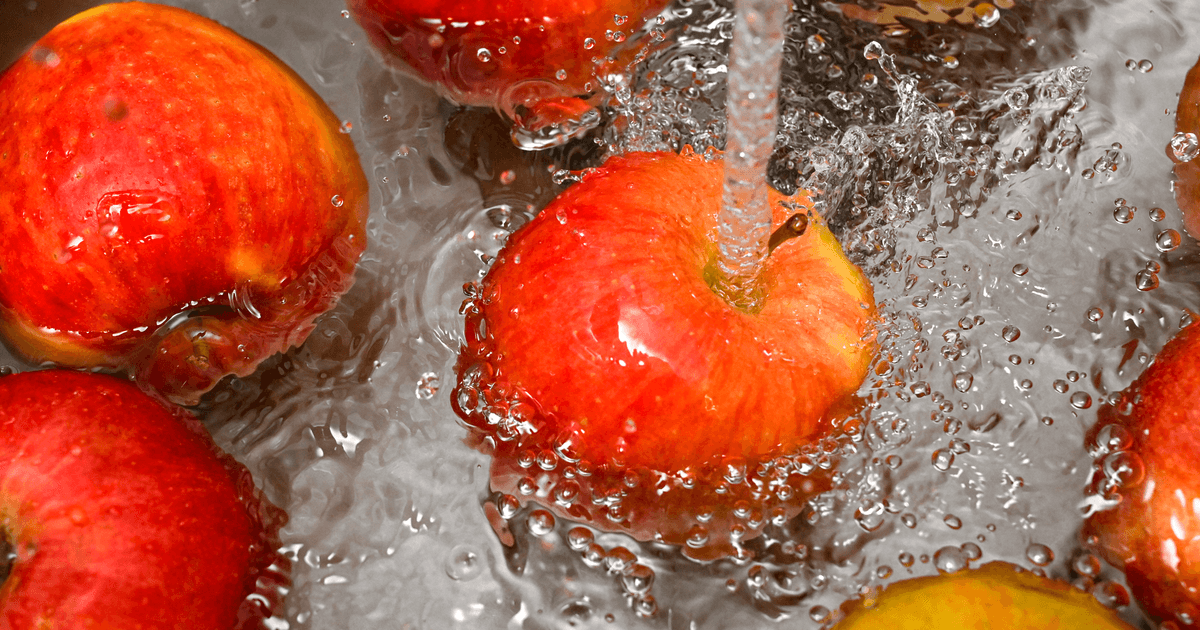

Rinsing produce under cold water for thirty seconds before eating it feels like a perfectly reasonable precaution, until you learn that the item you just “washed” may still carry Salmonella, E. coli, or Listeria into your kitchen. What most people think they’re doing when they clean their produce and what’s actually happening are not the same thing.
Fresh fruits and vegetables travel a long road before they land in your refrigerator: irrigation water, handling equipment, transport vehicles, grocery store bins, other shoppers’ hands, your own reusable bag. Each stop is an opportunity for contamination, and most of it is invisible.
Proper produce cleaning isn’t complicated or expensive. It doesn’t require specialty sprays, soaking solutions, or any product you’d need to buy at a health food store. It requires knowing what actually works, which things are myths, and how to adjust your approach for different types of produce. Here’s what the current food safety guidance actually says.
Start With Your Hands, Not the Produce

The most overlooked step in cleaning produce has nothing to do with the produce itself. Before you pick up a single piece of fruit or start snapping green beans, your hands need to be clean. Not rinsed under the tap for three seconds. Washed with soap and warm water for a full 20 seconds, front and back, between the fingers, under the nails.
Food safety guidance from the FDA identifies washing hands with soap and water before and after preparing fresh produce, then drying them with a clean towel, as a foundational step that precedes everything else. Contamination travels from hands to food more readily than most people imagine, and the reverse is also true, which is why you wash again after you’re done handling raw produce.
This extends to your surfaces and tools. Clean all surfaces and utensils with hot water and soap, including cutting boards and knives, before and after preparing fresh fruits and vegetables. A clean cutting board and a dirty knife cancel each other out. One well-washed hand touching a counter that still has raw chicken juice on it undoes everything.
Rinse Under Running Water (Plain Cold Water, Every Time)
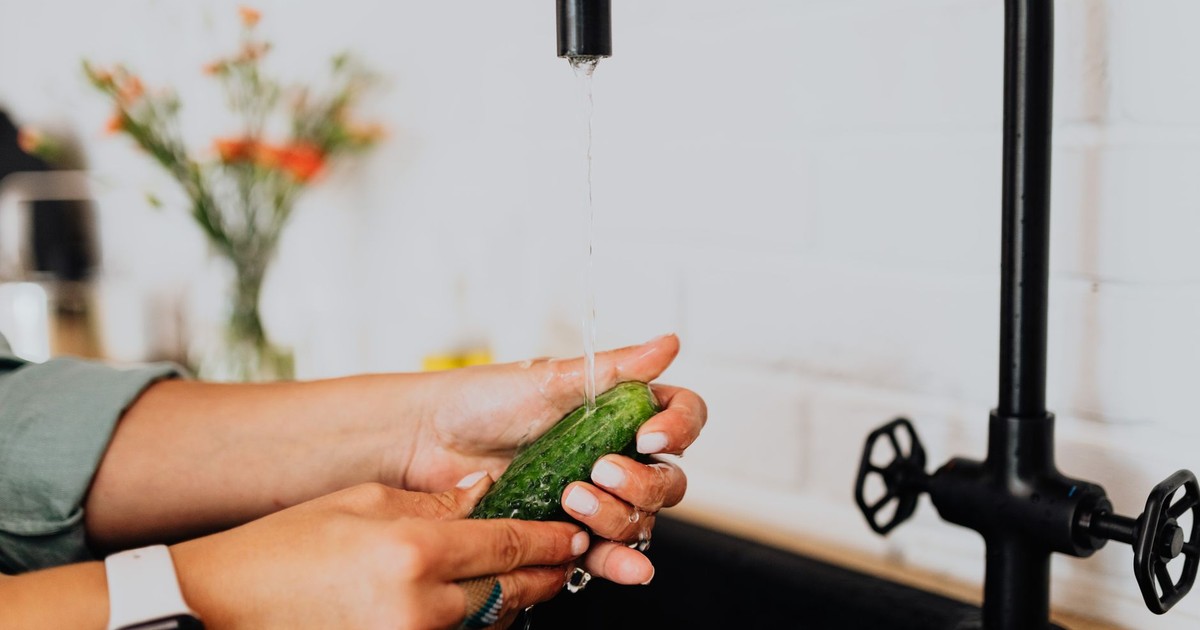
You do not need anything other than cold running water to clean most produce. No vinegar. No baking soda solution. No commercial produce spray. No soap.
The FDA does not recommend washing fruits and vegetables with soap, detergent, or commercial produce wash. Produce is porous, and soap and household detergents can be absorbed by fruits and vegetables despite thorough rinsing and can make you sick. The safety of residues left by commercial produce washes is also unknown, and their effectiveness has not been tested.
According to UMN Extension, produce should be washed under cool, running water, and air dried or patted with a disposable towel to prevent recontamination. Cold tap water, applied with friction (meaning you’re actually rubbing the surface of the item while the water runs over it), is the standard. The combination of water and physical action is what removes surface contamination.
Match Your Washing Method to the Produce Type

Not all produce gets cleaned the same way, because not all produce has the same structure. A strawberry and a cantaloupe are both fruits. They need very different approaches.
For firm produce (cucumbers, potatoes, carrots, melons, apples, pears), use a clean vegetable brush to scrub firm fruits and vegetables under running water. The brush gets into the surface texture in a way that hands alone cannot. Cantaloupes in particular have that rough, netted rind that traps soil and bacteria readily; running a brush under water across that surface before you cut into the flesh is non-negotiable, because your knife will drag whatever is on the outside directly into the part you eat.
Leafy greens need a different approach entirely. Separate the leaves, then rinse each one under running water individually rather than submerging the whole bunch. UMN Extension advises against soaking produce in standing water. Some baking soda and vinegar recipes suggest soaking produce in solution, but for both quality and safety, it is not recommended to let produce soak. Standing water can become a vehicle for redistributing bacteria across the surface of the item.
For berries, rinse them just before eating, not when you bring them home from the store. They absorb water and deteriorate quickly once wet. Mushrooms are cleaned with a dry or barely damp soft brush, not submerged, because water logged into a mushroom is a mushroom that goes slimy within hours.
Dry the Produce After Washing

Washing is only half the step. Drying produce with a clean cloth or paper towel after rinsing matters for two reasons. First, patting produce dry removes additional surface contamination that the water loosened but didn’t fully carry away. Second, moisture is how bacteria travels and multiplies on food surfaces. A wet piece of fruit stored in the refrigerator right after washing gives any remaining bacteria a hospitable environment. A dry one does not.
The towel you use for drying produce should be clean. A dish towel that has been sitting on the counter all day and used for other tasks is not the right choice here. A fresh paper towel, or a cloth towel that went through the laundry recently, is the move.
Never Re-Wash Pre-Washed, Bagged Produce
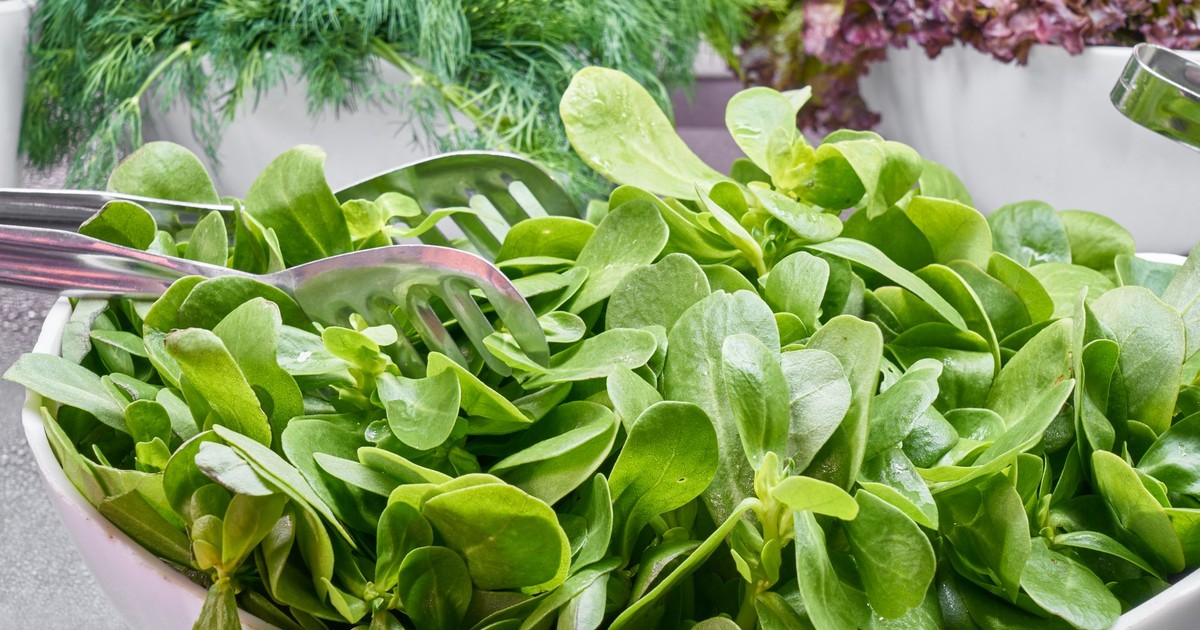
Pre-washed, triple-washed, and ready-to-eat labels on bagged salads and cut vegetables are meaningful. Produce labeled “washed,” “triple washed,” or “ready-to-eat” has been sufficiently washed prior to packaging and does not need to be re-washed at home, a point UMN Extension makes clearly in its produce safety guidance.
In fact, running pre-washed bagged greens under your tap at home may actually increase the risk of contamination rather than reduce it. Your sink, your faucet handles, your colander, all of these items carry their own bacterial populations from daily household use. The controlled, food-safety-certified washing environment at the processing facility is cleaner than your kitchen sink. When you introduce pre-washed produce to your home water and surfaces, you’re adding variables, not removing them.
Don’t Skip the Rinse on Things You’ll Peel

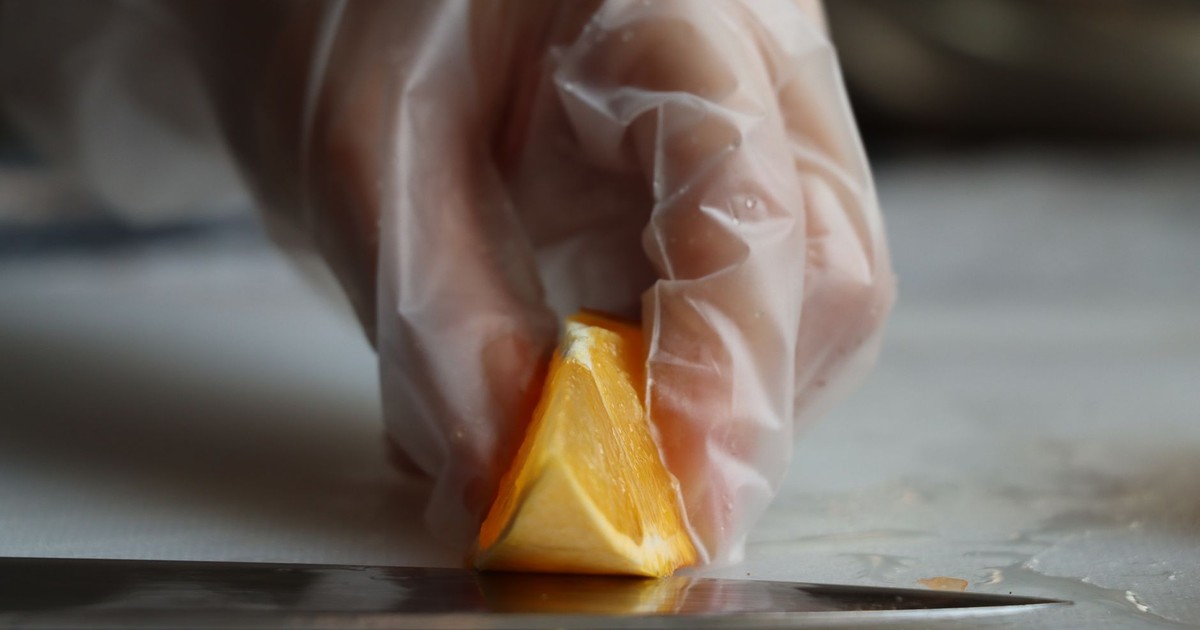
When you cut into unwashed produce, anything on the outer surface can transfer onto your knife and into the flesh you’re about to eat. The moment your knife makes contact with the rind and then continues into the interior, it carries whatever was living on the surface straight into what you’re serving. This applies to avocados, cantaloupes, citrus fruits, and any other item where the outer layer is discarded but the knife passes through it. The FDA specifically flags this as a reason to rinse items like melons, oranges, and avocados even when you plan to peel them.
The rinse here doesn’t need to be elaborate. A brief scrub under cool running water before you pick up the knife is enough. Old cutting boards with deep grooves can harbor bacteria even after washing, which is another reason to replace boards that are visibly scored and worn, and to clean them with hot soapy water between uses.
Inspect and Cut Away Damaged Areas
The condition of the produce matters before you wash it. A bruised or damaged area on a fruit or vegetable isn’t just an aesthetic issue. Broken skin on produce is an entry point for bacteria. The FDA advises cutting away any damaged or bruised areas on fresh fruits and vegetables before preparing and eating them, and discarding anything that looks rotten.
A spot of rot on a strawberry isn’t contained. The bacteria responsible for visible spoilage can spread beyond the visible edge into otherwise intact tissue. The guidance is to cut generously around the bruised or soft area, not to shave off the smallest possible sliver and eat the rest. For anything that is genuinely rotting, not just slightly past peak, the trash is the right destination.
Keep Produce Away From Raw Meat (Before, During, and After Shopping)
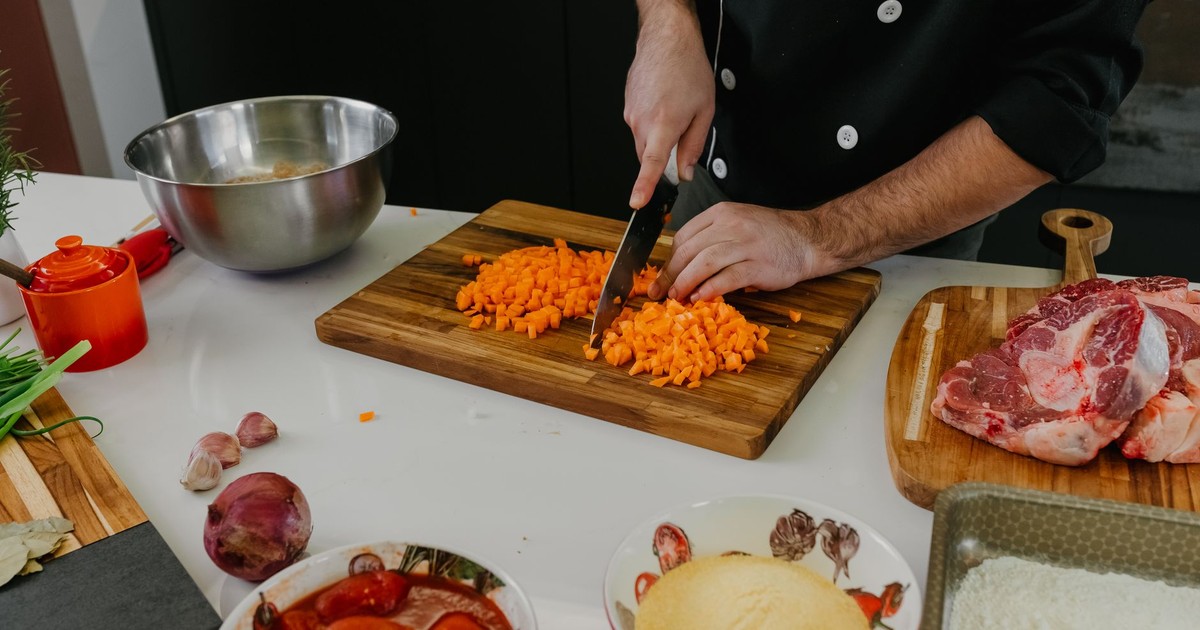
Cross-contamination from raw meat, poultry, and seafood to fresh produce is a source of illness that happens well before anyone starts cooking. It starts at the grocery store. In 2024, seeded vegetables (specifically cucumbers and jalapeños) caused 754 illnesses across multiple Salmonella outbreaks, according to Food Safety Magazine’s coverage of CDC outbreak data. Not all of those cases traced back to the farm; handling and cross-contamination at home is a documented contributor to produce-linked illness.
Keep fruits and vegetables that will be eaten raw separate from raw meat, poultry, and seafood and from kitchen utensils used for those products. Wash cutting boards, dishes, utensils, and countertops with soap and hot water between preparing raw meat, poultry, and seafood and preparing produce that will not be cooked. In practical terms, raw chicken goes in its own bag at checkout. The cutting board that just touched raw beef gets washed before your tomatoes go on it. Storing produce on shelves above, not below, raw meat in the refrigerator reduces the risk of drip contamination from raw proteins onto ready-to-eat items.
Produce accounts for a significant share of domestically acquired foodborne illnesses — which is not a reason to stop eating vegetables, but it is a reason to treat the separation from raw proteins as non-negotiable.
Read More: Throw Out These Kitchen Items (Today!)
What Actually Matters Here
Produce safety doesn’t require a pantry full of specialty products or a new routine that adds twenty minutes to cooking dinner. It requires running water, a clean brush, a paper towel, and the discipline to do the easy things in the right order every time.
The step people most often skip is the first one: washing their hands before they touch anything. The second most skipped step is rinsing produce that will be peeled, because the logic of “I’m not eating the outside” feels convincing right up until it isn’t. And the most common misconception is that soap, bleach, or commercial produce spray adds protection when it doesn’t, and in the case of soap and bleach, actively adds risk.
Knowing how to clean vegetables and fruit correctly removes the uncertainty. You do the steps, you’ve done what you can do, and then you slice the mango and eat it without a second thought.
Disclaimer: This information is not intended to be a substitute for professional medical advice, diagnosis, or treatment and is for information only. Always seek the advice of your physician or another qualified health provider with any questions about your medical condition and/or current medication. Do not disregard professional medical advice or delay seeking advice or treatment because of something you have read here.
AI Disclaimer: This article was created with the assistance of AI tools and reviewed by a human editor.