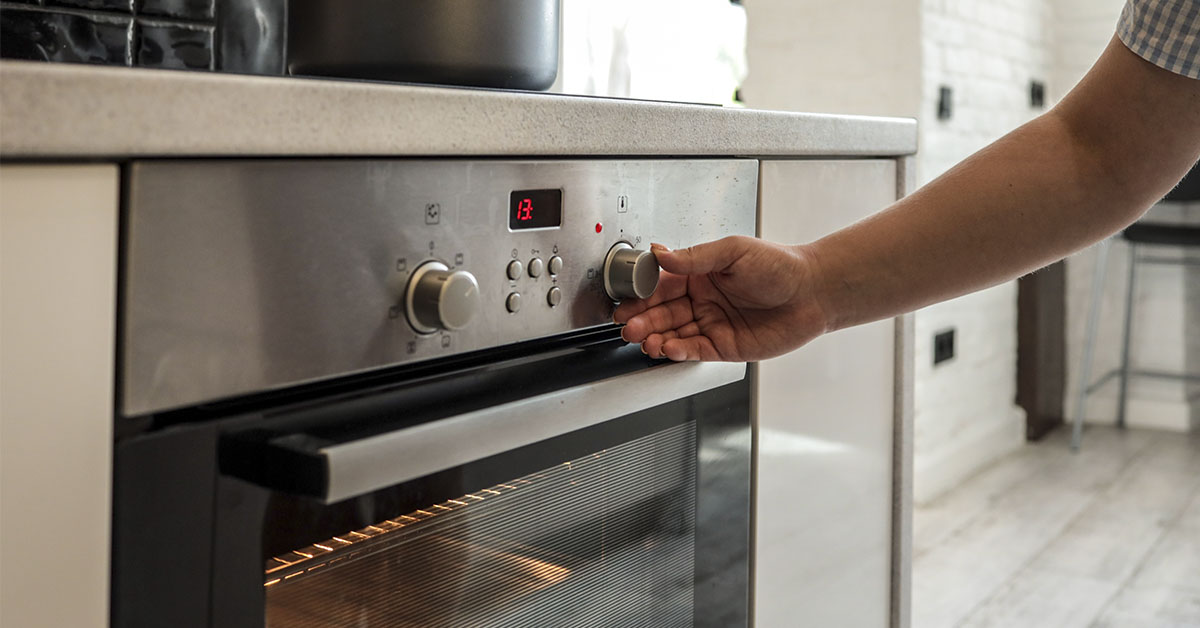

Walk into almost any modern kitchen, and you will likely find an oven with more than one cooking mode. Alongside the familiar bake and broil settings, many ovens now include a convection option. Despite its growing popularity, many home cooks still wonder whether convection cooking truly improves results or simply adds another complicated feature to an appliance they already understand. The ongoing debate around convection oven vs. traditional oven appears regularly in cooking forums and recipe websites.
Part of the confusion comes from how the technology works. A convection oven uses a built-in fan to circulate hot air throughout the oven cavity while food cooks. Traditional ovens rely on stationary heat produced by heating elements or gas burners. Both systems can cook the same foods, but the way heat moves around the food changes cooking speed, texture, and browning.
Understanding these differences helps explain why professional kitchens frequently rely on convection ovens while many home bakers still prefer conventional baking. Over the past several decades, appliance manufacturers have combined both methods into single ovens, allowing cooks to choose the best setting depending on the dish.
The History of Traditional Ovens
Ovens have existed in some form for thousands of years. Early civilizations used simple clay or stone chambers that trapped heat from burning wood or charcoal. Archaeological evidence shows that enclosed ovens appeared in ancient cultures throughout the Middle East, North Africa, and parts of Europe. These structures allowed people to bake bread, roast meat, and prepare other foods that required consistent heat.
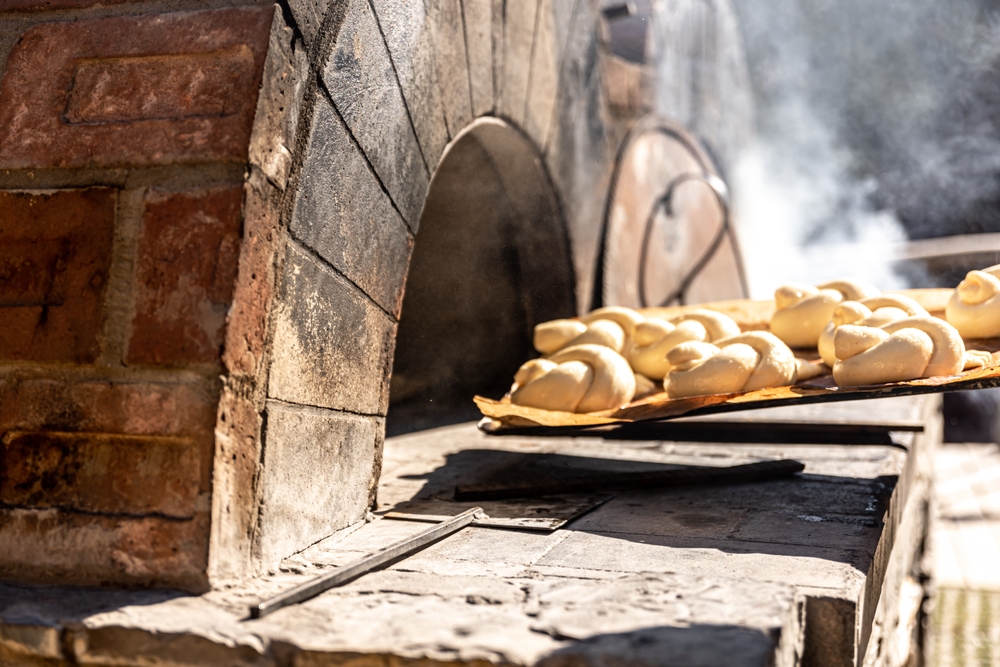
Ancient ovens worked by heating thick walls made from stone or clay. Once the fire burned down, cooks placed food inside the chamber. The retained heat from the oven walls slowly and evenly cooked the food. While the technology was simple, it proved effective enough to remain common for centuries.
During the Middle Ages in Europe, many towns relied on communal ovens. Villagers would bring their dough to a central bakery where a large wood-fired oven baked dozens of loaves at once. These ovens often operated only on certain days because heating them required significant amounts of fuel.
The Industrial Revolution dramatically changed oven design. As coal and gas became widespread energy sources during the nineteenth century, manufacturers developed enclosed metal ovens designed for home kitchens. Gas ovens allowed cooks to control the heat more easily than wood fires. They also made cooking possible indoors without maintaining a large open flame.
Electric ovens appeared in the early twentieth century and eventually became the dominant household design in many countries. Electric heating elements allowed precise temperature control through thermostats. This development made baking more reliable and repeatable, especially for recipes requiring specific temperatures.
Despite these technological improvements, the basic principle of a traditional oven remained largely the same. Heat radiates from the heating element or burner and spreads slowly throughout the oven cavity. Warm air rises, cool air sinks, and the natural movement of air distributes heat.
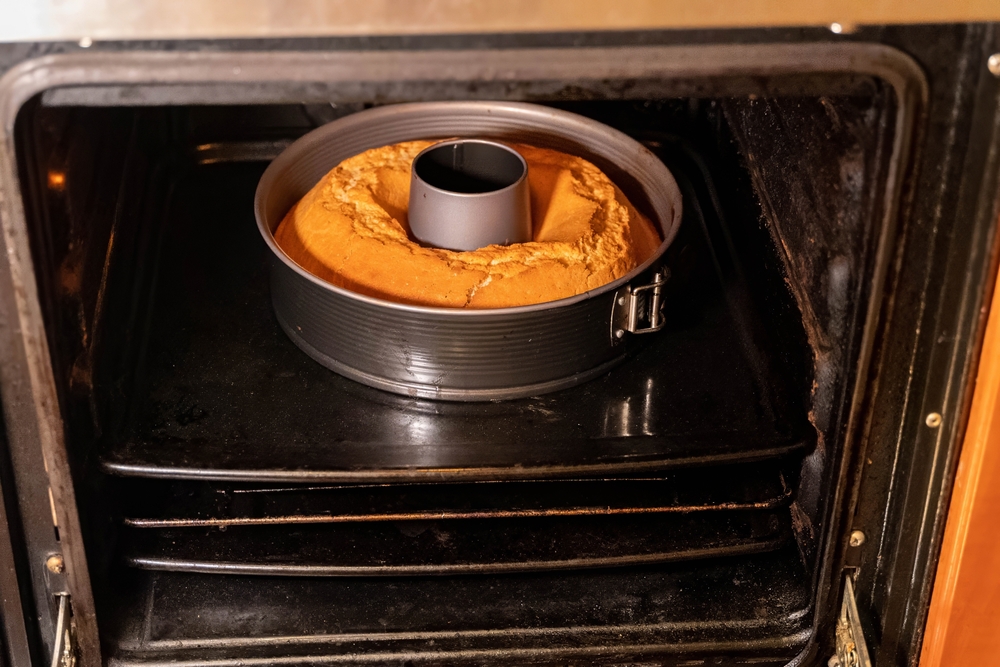
However, because the air inside a conventional oven does not move quickly, temperature differences often develop. The back of the oven may be hotter than the front, and the top rack may cook differently from the bottom rack. Many bakers compensate for these differences by rotating pans during cooking.
Even with these quirks, traditional ovens have remained extremely popular. Their steady heat works especially well for delicate baked goods such as cakes, custards, and soufflés that require gentle and consistent cooking conditions.
How Convection Ovens Changed Modern Cooking
Convection ovens take a different approach to heat distribution. Instead of relying only on natural air movement, they use a fan to circulate hot air throughout the oven. This airflow spreads heat more evenly and helps eliminate hot and cold spots.
The science behind convection heating comes from physics. In scientific terms, convection refers to the movement of heat through fluids or gases. When warm air rises and cooler air sinks, heat spreads through the environment. A convection oven simply accelerates this process using a fan.
Commercial kitchens were among the first to adopt convection ovens. By the mid-twentieth century, bakeries and restaurants began installing ovens equipped with fans to improve consistency when cooking large batches of food. The airflow allowed chefs to cook multiple trays at the same time while maintaining even temperatures.
Professional kitchens quickly noticed several advantages. Roasted meats developed crisp surfaces, vegetables browned evenly, and baked goods cooked more consistently from tray to tray. These benefits made convection ovens particularly valuable in busy restaurant kitchens where speed and reliability matter.
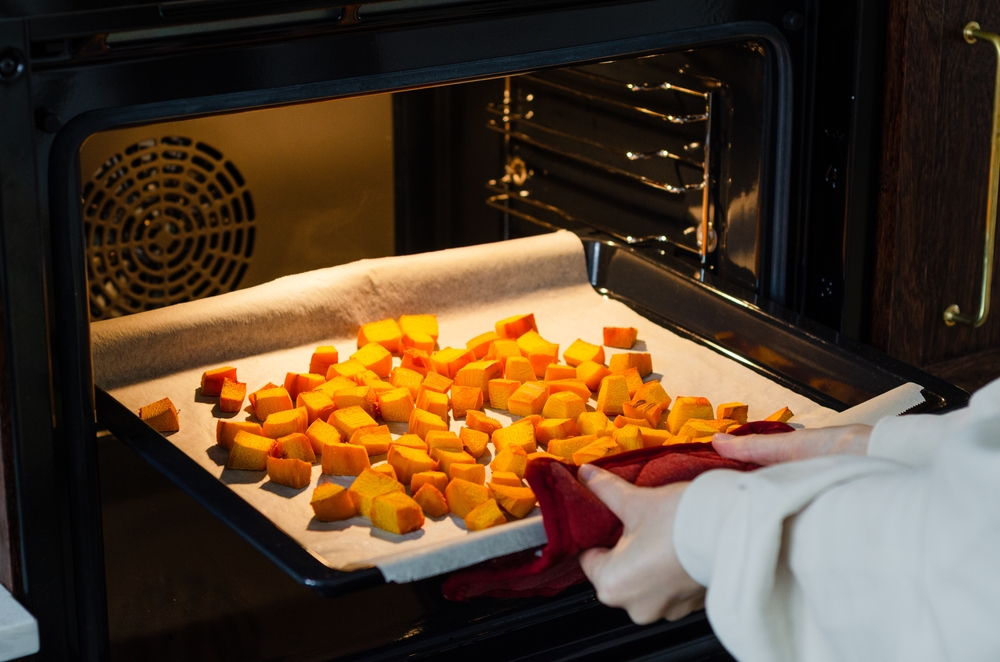
Home convection ovens began appearing in the 1970s and 1980s as appliance manufacturers introduced consumer versions of the technology. Early models were expensive and sometimes confusing for home cooks because most recipes were written for conventional ovens. Without adjusting temperature or cooking time, food sometimes cooks faster than expected.
Over time, manufacturers refined the technology and included clear instructions for using convection settings. Today, many modern ovens include both traditional and convection cooking modes. With the push of a button, cooks can activate the fan to circulate heat or turn it off for conventional baking.
Another factor that has increased interest in convection cooking is the rise of air fryers. Air fryers are essentially small convection ovens that use powerful fans to circulate hot air rapidly around food. This approach produces crispy textures similar to frying but with significantly less oil. As convection technology has spread across both ovens and countertop appliances, many home cooks have become more familiar with how moving air affects cooking results.
Convection Oven vs. Traditional Oven and How They Work
Convection ovens and traditional ovens appear almost identical. The real differences appear inside the appliance.
A traditional oven uses heating elements or gas burners to produce heat. In electric ovens, heating elements are usually located at the top and bottom of the oven cavity. Gas ovens use a burner near the bottom of the oven. Once the heat source activates, the air inside the oven warms gradually.
Because the air inside a conventional oven remains mostly still, heat spreads through natural circulation. Warm air rises and cooler air sinks, slowly distributing heat throughout the space. However, this process is relatively slow and uneven.
Convection ovens include an additional component: a fan. In many models, the fan sits near a heating element at the back of the oven. When the convection setting is activated, the fan pushes hot air throughout the oven cavity.
This airflow eliminates temperature pockets and creates a more uniform cooking environment. The moving air also removes the thin layer of cooler air that naturally surrounds food while it cooks. Without that insulating layer, heat transfers more efficiently to the surface of the food.
Because of this improved heat transfer, convection ovens often cook food faster. Many recipes recommend reducing the oven temperature by about 25°F (15°C) or shortening cooking time by roughly 20 to 25 percent when switching to convection mode.
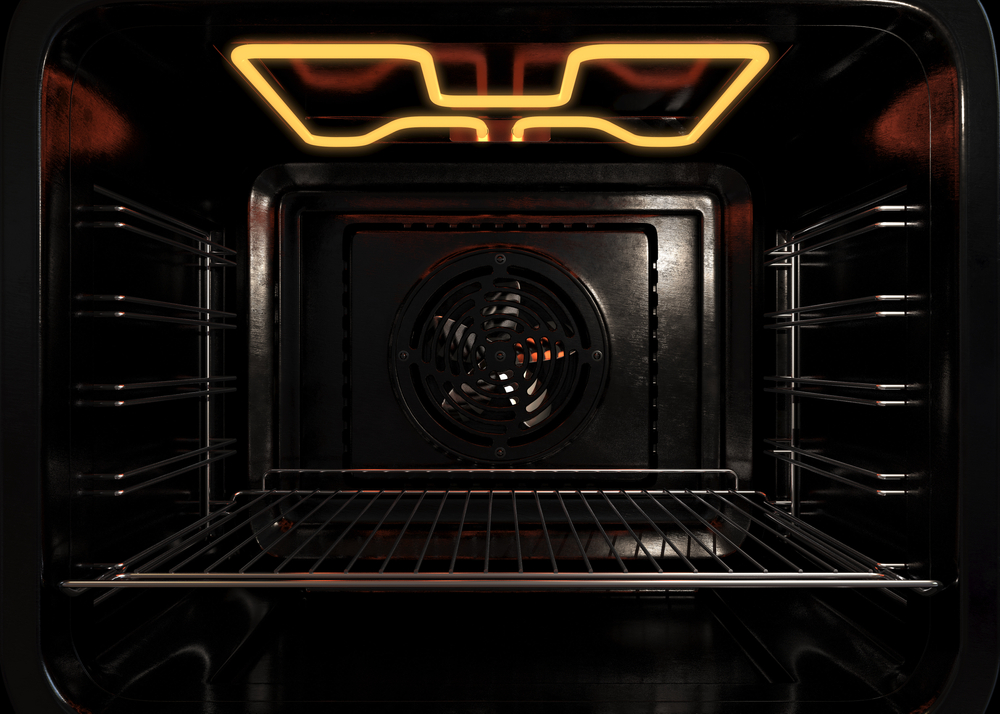
The circulating air also promotes browning by removing moisture from the surface of food. This process helps explain why convection ovens are particularly effective for roasting vegetables, baking cookies, or preparing foods that benefit from crisp textures.
However, the airflow can affect delicate baked goods. Cakes and custards rely on slow, stable heating to rise properly. Strong airflow may cause the surface to set too quickly or lead to uneven rising. For that reason, many bakers still prefer traditional baking settings for certain recipes.
Does a Convection Oven Save Energy?
Energy efficiency is another common topic when comparing convection ovens and traditional ovens. While convection ovens do not necessarily consume less power while operating, they can reduce overall energy usage in certain situations.
The primary advantage comes from shorter cooking times. Because heat circulates efficiently throughout the oven, food often cooks faster in convection mode. Many recipes finish about 20 percent sooner compared with traditional baking.
Lower temperature settings can also contribute to energy savings. Many cooking guides recommend reducing the oven temperature by approximately 25°F when using convection. Lower temperatures combined with faster cooking can reduce the total amount of electricity or gas required during a cooking cycle.
Convection ovens also handle multiple trays of food more effectively. In a traditional oven, stacking trays can block natural heat circulation, which sometimes requires cooking food in multiple batches. Convection airflow helps maintain even temperatures across different racks, allowing cooks to prepare several trays simultaneously.
However, convection ovens are not automatically more energy efficient in every situation. The fan itself uses electricity, and the difference in energy consumption depends on cooking habits, oven design, and insulation quality. Cooking a single tray of food may not produce noticeable energy savings. Larger meals or frequent baking sessions are more likely to benefit from the efficiency of convection cooking.
Overall, convection ovens may provide modest energy advantages, especially in households that use their ovens frequently. However, performance and cooking results usually matter more than small differences in energy use.
Which Oven Produces Better Baking Results?
When it comes to baking, both oven types offer advantages depending on the recipe. Traditional ovens provide stable, gentle heat, which is ideal for cakes, custards, and delicate pastries. These foods require gradual heating so that their internal structure develops properly. A calm oven environment allows batters to rise evenly without drying out too quickly.
Convection ovens excel at producing crisp textures and even browning. Cookies, pastries, and pie crusts often benefit from circulating air because it removes moisture from the surface of the dough. This encourages golden edges and flaky layers.
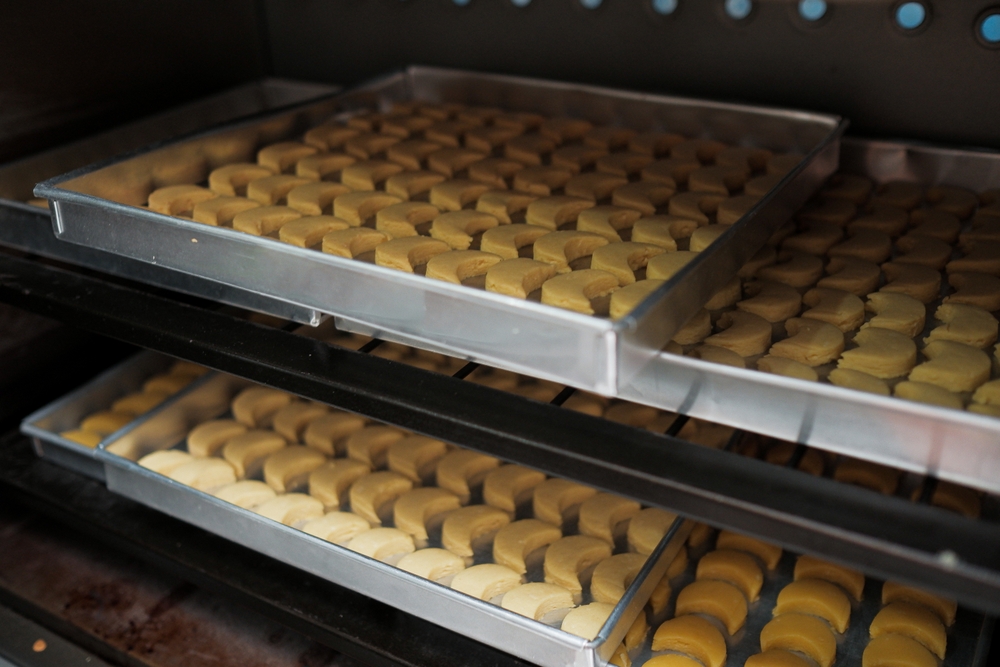
Bread baking provides an interesting example. The moving air in convection ovens promotes the Maillard reaction, the chemical process responsible for browning and complex flavor development. This reaction occurs when proteins and sugars react under heat, creating the deep color and flavor associated with crusty bread.
However, some bakers prefer starting bread in a conventional oven setting and switching to convection later in the baking process. This approach allows the bread to rise properly before enhancing the crust.
Another advantage of convection ovens appears when baking multiple trays at once. The airflow maintains consistent heat throughout the oven cavity, making convection particularly useful for baking large batches of cookies or pastries.
Read More: How to Fix These 3 Common Kitchen Design Errors
When to Use Convection and When to Use Traditional Baking
Choosing the correct oven setting can significantly improve cooking results. Convection ovens work best for foods that benefit from dry heat and crisp surfaces, including roasted vegetables, meats, cookies, and pastries. The circulating air helps remove surface moisture and promotes browning.
Traditional baking works better for foods that require gentle, steady heat. Cakes, cheesecakes, custards, and baked dishes with high moisture content often perform better without strong airflow. Many experienced cooks switch between cooking methods depending on the recipe.
Choosing the Best Oven for Your Kitchen
The comparison between convection ovens and traditional ovens does not produce a clear winner. Each cooking method offers advantages depending on the type of food being prepared.
Traditional ovens remain ideal for delicate baked goods that require stable heat. Convection ovens provide faster cooking times, improved browning, and better performance when cooking multiple trays at once. Energy efficiency can slightly favor convection ovens in certain situations, but the difference usually depends on cooking habits and appliance design.
For most households, the best solution is an oven that includes both features. By understanding how convection airflow and traditional heating behave, cooks can adjust their techniques to achieve the best results. Baking success depends less on the appliance itself and more on how heat interacts with food. With the right approach, both convection and traditional ovens can produce delicious results.
A.I. Disclaimer: This article was created with AI assistance and edited by a human for accuracy and clarity.
Read More: Throw Out These Kitchen Items (Today!)