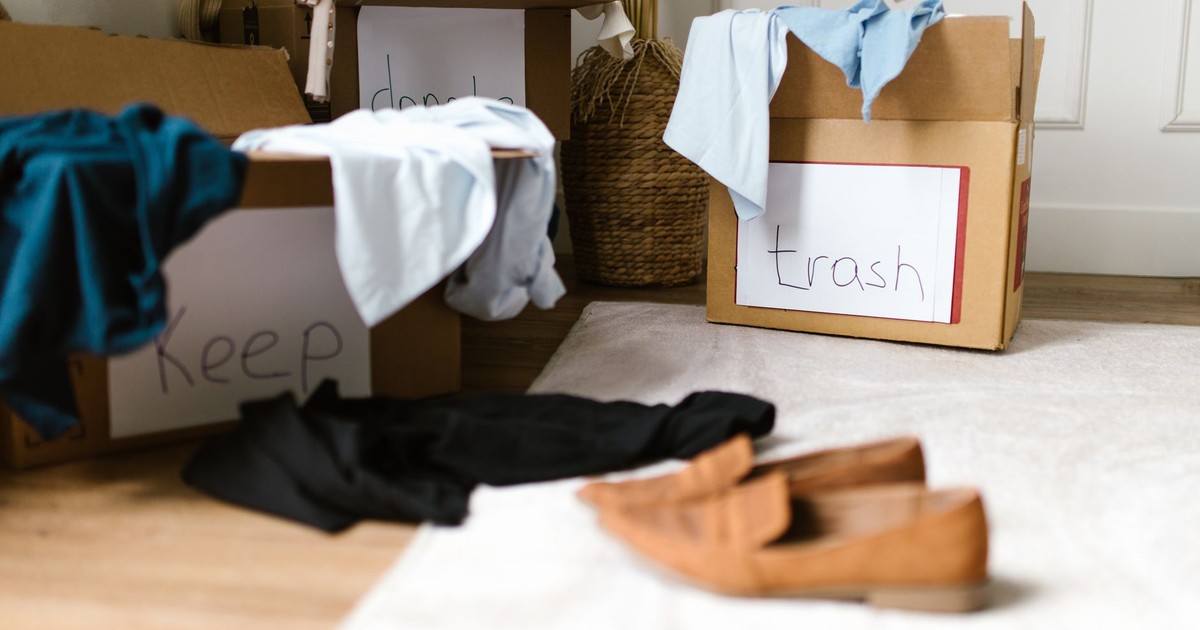

At some point after 70, most homes contain a surprising amount of stuff that no longer earns its keep. The dining set for twelve, the guest room filled with boxes, the seasonal decor stacked five bins high – these things arrived during earlier chapters and never got formally questioned. They belong to a version of life that moved on without taking them along.
The average home after 70 is filled largely through inertia. Objects stuck around through moves and renovations, accumulated through decades of gifts and purchases, and stayed because getting rid of furniture or sorting through filing cabinets felt like more work than just leaving everything where it was.
What follows are 11 categories of possessions that tend to outlive their usefulness after 70, and the concrete reasons why letting them go makes daily life genuinely easier – not as a metaphor for anything, but in the practical sense of being able to walk through a room without navigating an obstacle course.
1. Loose Rugs and Floor-Level Clutter

According to the National Safety Council, in 2024 alone, 43,020 individuals aged 65 and older died as a result of preventable falls, and in 2023, over 3.85 million were treated in emergency departments for fall-related injuries. Much of that risk lives on the floor. Falls are the leading cause of injury-related death among adults ages 65 and older, and according to the CDC, the age-adjusted fall death rate increased by 21 percent between 2018 and 2024.
Loose rugs on hardwood or tile floors are a significant contributor to that number. A rug that cannot be fully secured with non-slip backing and taped edges is not worth keeping. The decorative area rug that anchors the living room, the runner in the hallway, the bath mat that curls at the corner – these carry real weight.
This also extends to anything that collects on the floor: the stack of magazines next to the armchair, the basket of throw blankets that migrated from the couch, the footrest parked at an angle in the main walking path. Clear floors and open pathways are a safety strategy. If a rug cannot be properly anchored, it goes.
2. Excess Furniture From Prior Life Stages

Most people do not consciously decide to keep the armchair from the old den, the extra end table, or the china cabinet that no longer holds anything useful. Those pieces just remain. They are still technically furniture, which makes them harder to question than the expired condiments in the pantry, but the logic for keeping them is the same: habit.
After 70, less furniture tends to mean more usable space, less to clean around, less to navigate, and fewer surfaces for objects to accumulate on. A room with one good chair is genuinely more comfortable than a room with three chairs, two of which no one ever sits in. The extra furniture does not add warmth. It adds square footage to clean and edges to catch a hip on at 2 a.m.
The pieces worth keeping are the ones you actually use, the ones that are genuinely comfortable, and the ones that mean something specific to you – not the ones that arrived with a house or stayed because getting rid of a sofa felt like more work than just leaving it there.
3. Old Paperwork and Filing Cabinets Full of Documents

There is a certain type of filing cabinet that exists in administrative purgatory: full, never opened, vaguely important. After 70, it is worth doing a proper reckoning with whatever paper archive has built up over the decades. Most of it no longer needs to exist in physical form.
Saving Advice identifies old paperwork as one of the easiest places for seniors to begin decluttering. The IRS generally recommends keeping tax returns and supporting documents for three to seven years. Most banks make the last one to two years of statements available as downloadable PDFs through their online banking portal; older statements typically require a formal request to the bank’s records department. User manuals for appliances you no longer own, pay stubs from a job held twenty years ago, utility bills from two addresses back – none of these need a file folder and a cabinet drawer.
What does need to be preserved: current legal documents (will, healthcare proxy, power of attorney), insurance policies, property records, and current financial account information. These should be organized and accessible, not buried under three decades of paper archaeology. A single binder or accordion folder can hold everything genuinely necessary. The filing cabinet, once emptied, rarely needs to come back.
4. Duplicate Kitchen Gadgets and Single-Use Appliances

The average American kitchen accumulates gadgets the way a storm drain accumulates leaves – steadily, without intention, until something backs up. After decades of holiday gifts, infomercial purchases, and “I’ll use that eventually” acquisitions, most kitchens over 70 contain several items that have not seen the light of the countertop in years.
Some kitchen items particularly worth reviewing include the pizza stone you never use, a spiralizer used a few times, or any single-use appliances collecting dust. The yogurt maker. The bread machine. The pasta roller attachment for the stand mixer. These are storage challenges that require lifting, moving, and reorganizing every time you reach past them for something you actually need.
The goal is keeping a kitchen that functions well for the cooking you actually do now, with equipment that is easy to reach, easy to use, and easy to clean. Anything that requires reading the manual every time you use it, or that lives in a cabinet you need a step stool to reach, is a candidate for the donation pile.
5. Clothing That Doesn’t Fit or Hasn’t Been Worn in a Year

Closets after 70 often contain an archaeological record of the past few decades: the dress worn to a retirement party, the suits from the last career chapter, the jeans from a size that was accurate in 2009. None of these are doing anything useful except making it harder to find the things that do get worn.
The reverse hanger method is a reliable way to identify what actually gets used. Hang all garments backward so the open end of each hanger faces you, set a reminder for six months out, and when you wear something and return it, face the hanger the correct direction. When time is up, everything still on a backward hanger goes.
After 70, comfort and ease tend to matter more than the range of formal occasion coverage that a packed closet implies. A wardrobe of things that fit, that feel good, and that can be pulled out without excavating the back of a shelf is worth more than a closet that technically has more options.
6. Outdated Electronics and Orphaned Cables
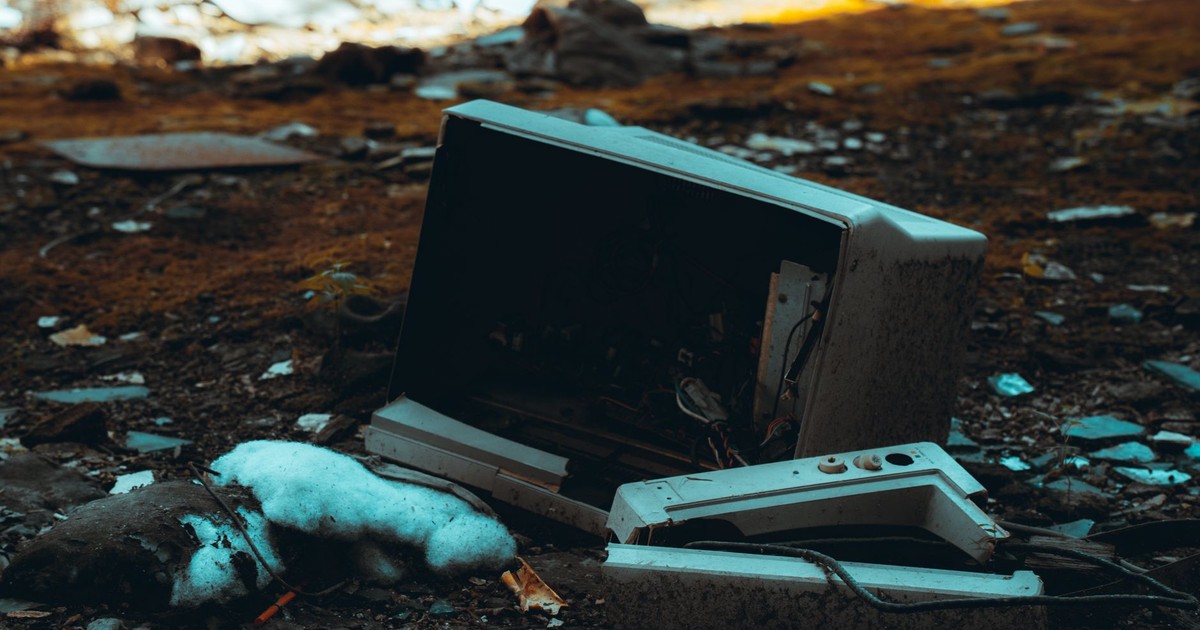
There is a box – or possibly several boxes – somewhere in most homes over 70 that contains a tangle of cables for devices that no longer exist, a digital camera from 2008, a first-generation e-reader with a cracked screen, a DVD player that was replaced by a streaming device, and an assortment of remote controls that do not correspond to anything currently in the house.
None of this has a plan. It is there because electronics feel too specific to donate and too expensive (in memory, if not in current value) to just throw away. Most electronics recycling programs will take old devices and cables at no cost – Best Buy, Staples, and many municipal recycling programs all accept them. The cable tangle alone is worth addressing, because it is exactly the kind of thing that ends up being a project for someone else later.
The rule for electronics after 70 is clean and direct: if it does not connect to anything you currently use, it goes. If you cannot remember what it charges, it goes. If it requires a driver that is no longer supported by any operating system currently available, it definitely goes.
7. Holiday and Seasonal Decor Overflow

Holiday decor tends to arrive through generosity – gifts, traditions passed down, things bought at sales with the best intentions – and it tends to stay because it exists in a closed system where it is only evaluated twice a year, never compared to the available storage space, and always given the benefit of the doubt until next season.
If you’re still holding onto ornaments from the days when you changed your tree theme every year, or maintained more than one tree, it’s time to pare down significantly – keep the favorites and consider posting the rest on a local Buy Nothing group for a young family that’s just starting out. The same logic applies to every box of Thanksgiving centerpieces that never quite made it to the table, the Easter decorations from a tradition that ended a decade ago, and the full set of Halloween costume accessories for a household that no longer has children in it.
Keeping one curated collection of truly meaningful seasonal items is reasonable. Keeping six bins of assorted holiday decor because emptying them feels like a weekend project is how six bins becomes a permanent storage commitment. Choose the things that are genuinely meaningful and let the rest go to someone who will actually use them.
8. Adult Children’s Leftover Belongings
The ski equipment in the garage. The boxes of college textbooks in the spare room. The childhood bedroom furniture that never got picked up because the apartment was too small and the storage unit felt unnecessary at the time. These are not your possessions. They are being stored by you on behalf of adults who have had years to collect them.
This is one of the more emotionally loaded categories on this list, mostly because it sits at the intersection of practicality and parental feeling, and the latter tends to win the argument every time. But a spare room full of someone else’s belongings is a spare room you cannot use – and more importantly, a spare room you have to clean around, organize around, and navigate around on their behalf. Secret Life of Mom has explored how adult children often don’t want or claim this stuff – which makes holding onto it indefinitely a one-sided arrangement.
A reasonable approach: set a specific deadline, communicate it directly, and treat the uncollected items as a donation after that date. What an adult child actually wants from childhood, they will make the effort to collect. What they do not collect, they do not need. And the room belongs to you.
9. Physical Media: DVDs, CDs, and VHS Tapes
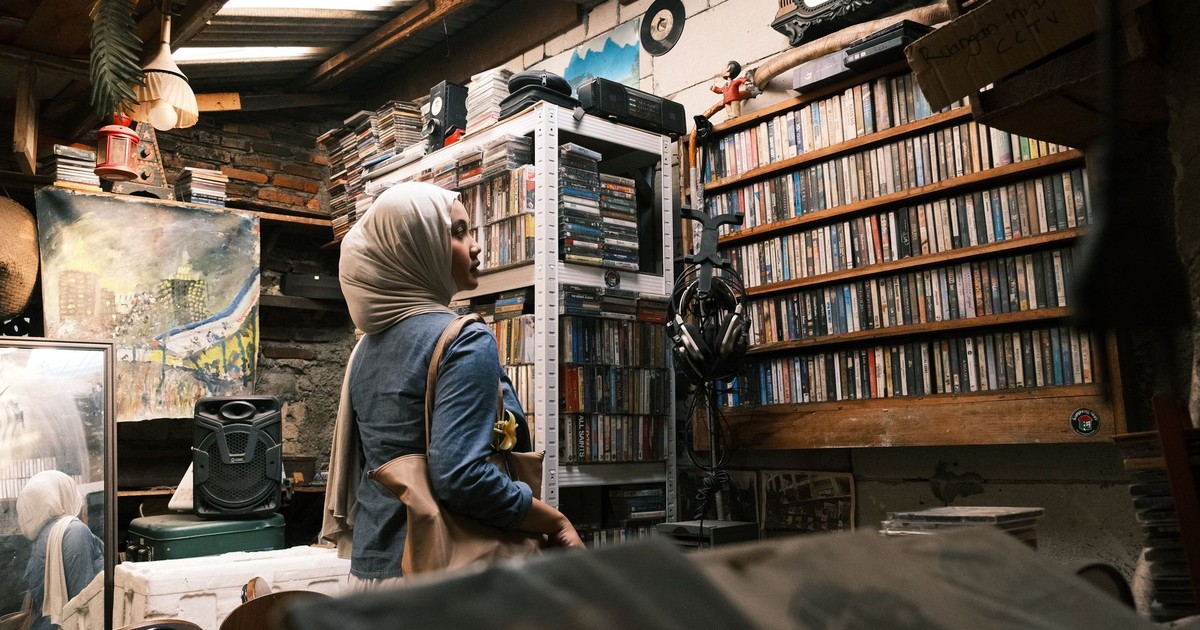
Entire shelving units dedicated to DVD collections were a reasonable investment in 2004. In 2026, with streaming services covering the vast majority of what anyone would want to watch, a collection of several hundred DVDs is primarily a dusting project. The same is true of CD libraries that have been superseded by digital streaming, and VHS tapes for which the playback equipment was retired a decade ago.
The sentimental exception covers home recordings: camcorder tapes of family events, home videos from the kids’ childhoods, birthday parties, and school plays. Those are worth converting to digital format rather than letting age degrade them further. Services that digitize old tapes are widely available and not particularly expensive, and the resulting files are far easier to share with family than a tape no one has a player for.
For the commercial media, though, the math is simple. If the movie or album is something you genuinely love and rewatch or relisten to, it may still be available through a streaming service you already pay for. The physical objects themselves are rarely necessary to keep.
10. Expired Medications and Old Supplements

The bathroom cabinet and the kitchen drawer that holds vitamins tend to accumulate prescriptions that were filled but not finished, supplements started enthusiastically and then abandoned, and over-the-counter medications whose expiration dates predate the current decade. Expired medications are both ineffective and, in some cases, actively problematic: the chemistry changes, and taking an expired prescription for something serious is not a reliable strategy.
The FDA recommends disposing of expired medications through designated drug take-back programs – most pharmacies participate, and many communities have permanent drop-off kiosks. Flushing medications is no longer recommended due to environmental concerns, and throwing them in the trash without first mixing them with something unpalatable (coffee grounds, kitty litter) is not considered safe practice either.
After clearing out the expired inventory, what remains should be current, organized, and easy to identify. For anyone managing multiple prescriptions after 70, a drawer that requires excavation every morning is a daily friction point that is entirely avoidable. One good medication organizer, updated regularly, is genuinely worth the twenty minutes it takes to set up.
11. Furniture and Items Sized for a Larger Household
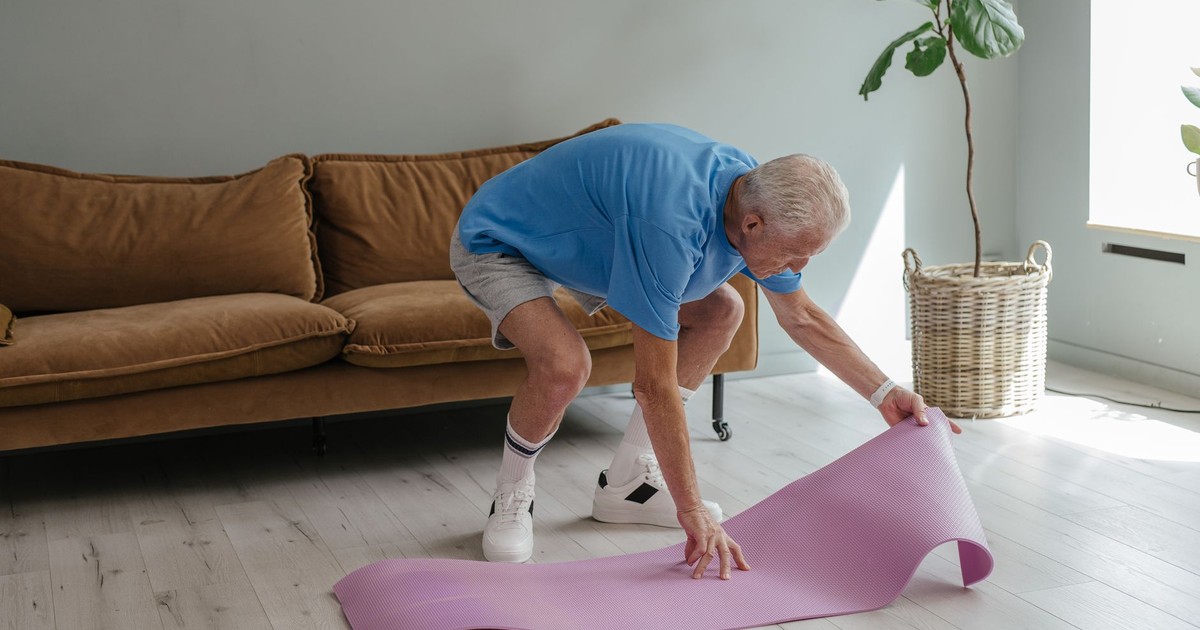
The twelve-person dining table. The extra freezer in the basement, half-empty since the kids moved out. The oversized sectional that once filled a larger living room. These are items that made complete sense during a different phase of life – when the house held more people, hosted bigger gatherings, or operated as the default family base of operations.
A Place for Mom cites research from the Personality and Social Psychology Bulletin and the Association for Psychological Science showing that downsizing can have a positive impact on mental health, with people reporting lower stress levels, improved focus, and healthier lifestyles after paring down their belongings. A space scaled to the life you are actually living is simply less work – less to clean, less to maintain, less to navigate.
The items in this category are often the hardest to let go of, because they are tied to specific memories of a household at its fullest. But the dining table is not the memories. The memories do not require the table to persist. And a smaller, well-set table at which people actually gather is worth more than a large one that mostly holds mail and the things no one knew where else to put.
What This Is Really About
When people talk about how to declutter after 70, they often frame it as an act of practicality, or preparation, or consideration for whoever will eventually have to deal with a full house. Those are real reasons. But the more immediate one is this: a home with less in it is easier to live in right now. The floors are clearer. The rooms are easier to clean. The daily routine requires less navigation and less mental overhead just to find the things you actually need.
The objects that belong to earlier chapters are not shameful to have kept. Life accumulates. But somewhere in the difference between “this was useful once” and “this is useful now” is a version of your home that actually fits the life you are living in it. The process of getting there doesn’t have to be a marathon weekend of sorting boxes. It can be one drawer, one closet, one category at a time.
Disclaimer: This information is not intended to be a substitute for professional medical advice, diagnosis, or treatment and is for information only. Always seek the advice of your physician or another qualified health provider with any questions about your medical condition and/or current medication. Do not disregard professional medical advice or delay seeking advice or treatment because of something you have read here.
AI Disclaimer: This article was created with the assistance of AI tools and reviewed by a human editor.