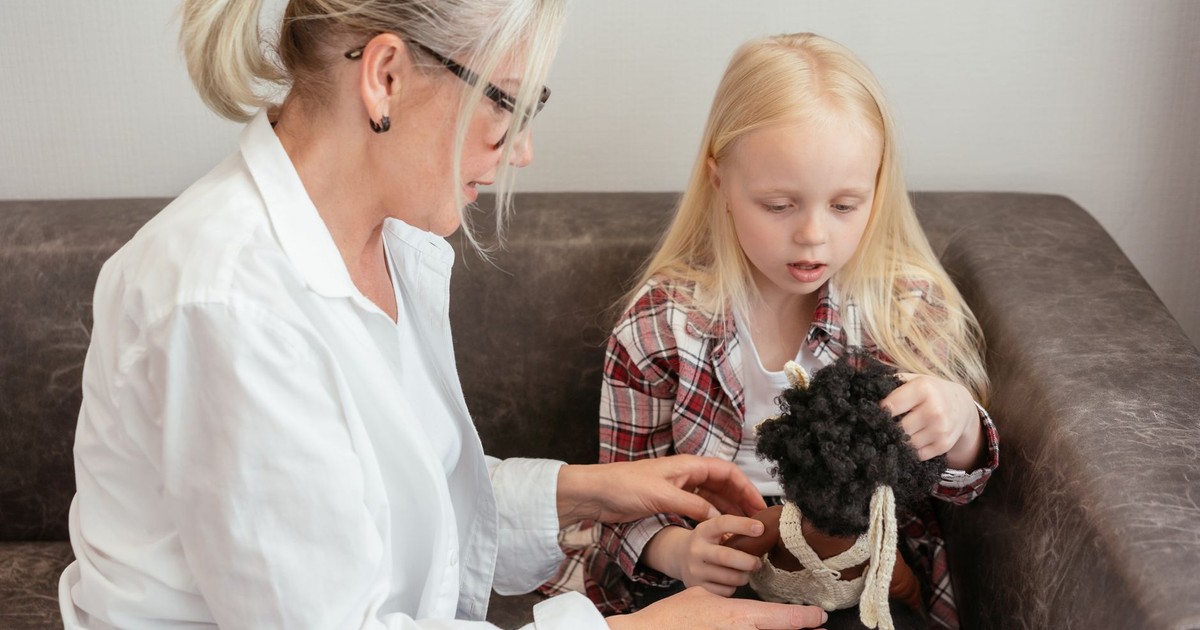

In memory care units, the moments that catch nurses off guard are rarely the dramatic ones. A resident who hasn’t put two words together in weeks will spot a lifelike baby doll on a table, pick it up, and start patting its back. She’ll arrange a blanket around it. She’ll look up and say, with a clarity nobody was expecting, “She needs her rest.” The caregiving reflex, it turns out, does not go quietly.
That reflex is increasingly at the center of a therapeutic approach called doll therapy, which places lifelike baby dolls with people in the middle to late stages of dementia. The practice appears in nursing homes and memory care facilities from Baton Rouge to Belfast. It still startles some families on first encounter. It still sparks genuine ethical debate in clinical literature. And the research keeps accumulating.
Understanding why dementia therapy dolls work, and why the practice is more complicated than it looks, starts with understanding what dementia actually does to a person’s sense of time and place.
What Dementia Does to a Person’s World

Alzheimer’s disease and related dementias don’t erase a person evenly. The way people living with dementia experience the world changes as the disease progresses. Their sense of reality or place in time can become distorted, which causes agitation and distress. A woman who raised three children in the 1960s may find herself, cognitively, living in those years again. Her most recent memories dissolve first; the older ones stay vivid longest.
This is not confusion in the way most people use the word. It is closer to being dropped, without warning, into a version of your life from forty years ago, with no explanation and no way to orient yourself. The agitation that results, the pacing, the verbal outbursts, the distress, isn’t irrational. Alzheimer’s disease not only robs patients of their memory, but most will experience anxiety or become agitated as it progresses. According to the Alzheimer’s Association, agitation can occur suddenly with no apparent reason or result from a frustrating situation. The person may appear restless, pace, have verbal outbursts, or in some cases try to hit or hurt someone.
Managing that agitation is one of the central challenges of dementia care. The default, historically, has been medication: sedatives, antipsychotics. But pharmaceutical approaches carry real side-effect burdens for elderly patients, and a growing body of clinical practice has been looking for non-pharmacological alternatives. One of the best ways to support people experiencing changes in perception and behavior is to manage their environment, which can have profound benefits including reducing the need for sedatives. Dementia therapy dolls fall squarely into this category.
How the Therapy Actually Works
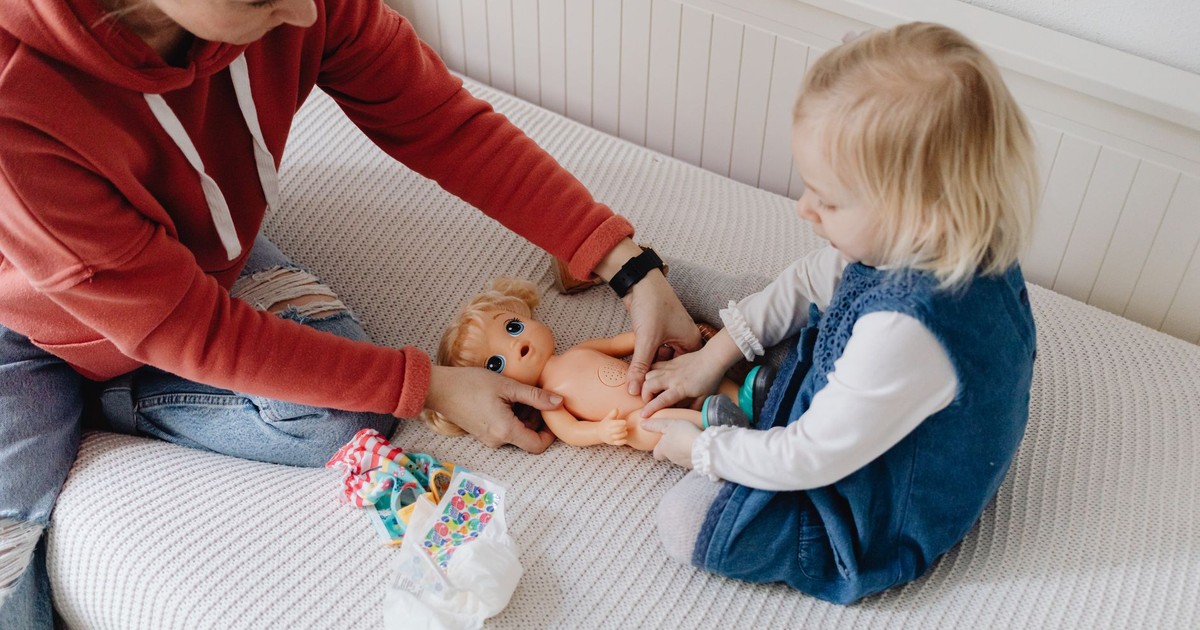
A 2024 scoping review from Queen’s University Belfast describes doll therapy as a psychosocial intervention that has been commonly used within dementia care for many decades. The practice involves supporting people with dementia to engage with a therapeutic doll, and this has been associated with positive changes in a person’s wellbeing and behavior.
The reasons why it works are probably more than one thing happening at once. The attachment to the doll may act as a form of reminiscence therapy, which involves using prompts to reconnect with past experiences. Interacting with the dolls may also act as a form of sensory stimulation, where the person with dementia gains comfort from touching and holding the doll. Sensory stimulation may support emotional well-being and aid communication.
There’s also something specific happening around caregiving instinct. A person living with dementia in the middle to late stages often experiences what researchers describe as intensified attachment needs, an urgent, wordless need for connection and comfort. When a doll is placed in the room, something can shift. The doll, perceived as a transitional object, may catalyze the patient’s attention and reduce attachment requests. Observations of patients interacting with the doll show that they treat it as a real baby needing care, replacing their own attachment request with caregiving behaviors: frequently taking care of the doll, reassuring it, and lulling it.
In other words: someone who needed to be soothed becomes, instead, the one doing the soothing. As one Cleveland Clinic researcher noted, “Caring for a doll can put structure and sense of responsibility back into the lives of patients with dementia and provide them with comfort.” For someone whose world has contracted to the walls of a single room, a sense of purpose matters.
What the Research Shows

The Queen’s University Belfast scoping review, drawing on twelve primary research studies from the past decade, identified three main themes: a reduction in levels of behavioral and psychological symptoms of dementia, increased communication skills, and a reduction in caregiver distress.
Those behavioral and psychological symptoms, clinicians call them BPSD, include agitation, wandering, apathy, depression, and dysphoria. They’re what make dementia so exhausting for everyone in the room. Six studies in the Belfast review utilized the validated Neuropsychiatric Inventory to evaluate the impact of doll therapy on behavioral symptoms in care homes, with findings consistently indicating positive trends toward reducing agitation and irritability following doll therapy.
The communication findings are worth pausing on. One of the most painful aspects of late-stage dementia, for families especially, is the loss of verbal connection. A person who stops speaking doesn’t necessarily stop needing to communicate. Research shows that doll therapy can encourage meaningful interaction, especially for those who are nonverbal or have difficulty expressing themselves. Families who visit a loved one and find her engaged, humming, gesturing, even if she isn’t speaking to them, describe it as its own form of relief.
The Queen’s University Belfast review also found a reduction in caregiver distress associated with doll therapy interventions. For nursing staff, this suggests that implementing doll therapy could lead to decreased work-related stress and burnout, potentially improving job satisfaction and quality of care. That finding tends to get less attention than the resident outcomes, but it matters. Memory care is an extraordinarily high-burnout specialty. Anything that reduces distress for the people delivering the care also, downstream, improves the care being delivered.
A Cleveland Clinic pilot study added a real-world institutional perspective. The study found that baby doll therapy appears to be associated with a reduction in agitation behaviors, though investigators caution that more research is needed. What struck the researchers almost as much as the resident outcomes was the staff response: nursing staff were as engaged and excited about the therapy as the patients were, with the facility still fielding requests for more dolls.
The Ethical Questions That Won’t Go Away

None of this is without complication, and the people who work in this field are the first to say so. While many patients respond positively, some caregivers and critics deem doll therapy controversial, arguing that it may infantilize elderly patients and diminish their dignity. The concern is real: a grown woman, someone who taught school or ran a household or built a business, being handed a doll. Seen from outside, it can look demeaning.
A 2025 article in Very Well Health cited clinicians who noted that “a diagnosis of dementia does not erase the need to be treated with dignity.” That statement isn’t an argument against doll therapy. It’s an argument for doing it carefully and attentively.
Clinicians who study this practice emphasize that it’s important to be guided by the person with dementia and only act as if the doll is a real baby if the person themselves believes that is the case. The doll is not forced on anyone. It is placed nearby. The person chooses whether to engage. Consent by behavior, observed and respected, is what separates person-centered care from something that merely resembles it.
Providing a doll to someone with dementia has been associated with a reduction in episodes of distress, an increase in general well-being, improved dietary intake, and higher levels of engagement with others. It could be argued that doll therapy fulfills the concepts of beneficence and respect for autonomy: the person with dementia can exercise their right to engage with dolls if they wish. The ethical responsibility, ultimately, rests with how the therapy is introduced and sustained, not with the doll itself.
Families, it’s worth saying, often have their own complicated reactions. A daughter watching her mother cradle a doll might feel a complicated mix of relief and grief: relief that something is working, grief at the distance between the mother she knew and the person she’s visiting. Both feelings are accurate. The therapy doesn’t resolve that distance. It just makes one particular afternoon a little less hard.
What Good Implementation Looks Like
The difference between doll therapy done well and doll therapy done carelessly is not a small one. Guidelines suggest choosing a soft, realistic doll resembling a baby, ideally with a neutral or smiling expression, as these tend to be most effective. The doll should be introduced gently, never forced. Place it nearby and observe the reaction.
Staff training is essential. As a non-pharmacological approach aligned with person-centered care principles, doll therapy offers nurses an additional tool to manage behavioral symptoms while addressing individual needs and preferences. But nurses should also be aware of ethical considerations and ensure that doll therapy is implemented appropriately and with respect for each resident’s dignity and autonomy.
Pearl’s Memory Babies, a nonprofit that delivers lifelike baby dolls to individuals with Alzheimer’s and dementia in memory care facilities, has grown from a Kentucky-based organization into a nationwide effort now serving 31 states. The program introduces dolls to residents in memory care through a deliberate adoption-day model, a small ceremony rather than a doll simply appearing in a room, reflecting an understanding that the introduction matters as much as the doll itself.
Not every resident will respond. Some will ignore the doll entirely. Some may become distressed by it, which is information worth having and acting on. The therapy is an option, not a protocol. What the research supports is offering it, not prescribing it.
What This Means for Families
If your parent or loved one is in memory care and staff suggest dementia therapy dolls as part of their care plan, the first instinct might be resistance. That response is understandable and doesn’t require apology. Ask how they introduce the dolls, whether the resident can choose not to engage, and how staff are trained to observe and respond. A facility that answers those questions thoughtfully is one that’s treating the intervention seriously.
If the response is positive, if you arrive one afternoon and find your mother holding a doll, settled and focused, doing something that looks like contentment, you’re allowed to feel more than one thing about it. The grief doesn’t mean the therapy isn’t working. The relief doesn’t mean you’ve given up on who she is.
What the research is increasingly clear about is that dementia care works best when it starts from where the person actually is, not from where we wish they still were. Among non-pharmacological interventions, doll therapy appears to be a promising approach for people living with dementia in care home settings because it has the potential to reduce behavioral symptoms and improve overall wellbeing. Meeting someone inside their reality, rather than dragging them back into yours, is harder than it sounds. It requires setting aside your own discomfort with what you’re seeing. It requires trusting that a person’s dignity doesn’t depend on their being oriented to the correct year.
What Stays True

The part that doesn’t get said enough about dementia therapy dolls is this: they work, when they work, because the person using them still has an interior life. The caregiving reflex, the tenderness, the instinct to comfort something smaller and more vulnerable, dementia doesn’t reliably erase those. It buries them under a layer of confusion and distress. The doll, at its best, finds a way through.
That’s not a cure. It’s not a reversal. The person you’re visiting is still unreachable in the ways that break your heart. But there she is, tucking a blanket around a doll, humming something half-remembered. Some version of her is in that room, doing something she knows how to do. Some thread of her is still intact.
The medical system is not often sentimental about small things, which is why it’s striking that so many nurses, when they see this work, ask for more dolls. They’re not being naive. They’re being practical about what actually helps.
Disclaimer: This information is not intended to be a substitute for professional medical advice, diagnosis, or treatment and is for information only. Always seek the advice of your physician or another qualified health provider with any questions about your medical condition and/or current medication. Do not disregard professional medical advice or delay seeking advice or treatment because of something you have read here.
AI Disclaimer: This article was created with the assistance of AI tools and reviewed by a human editor.