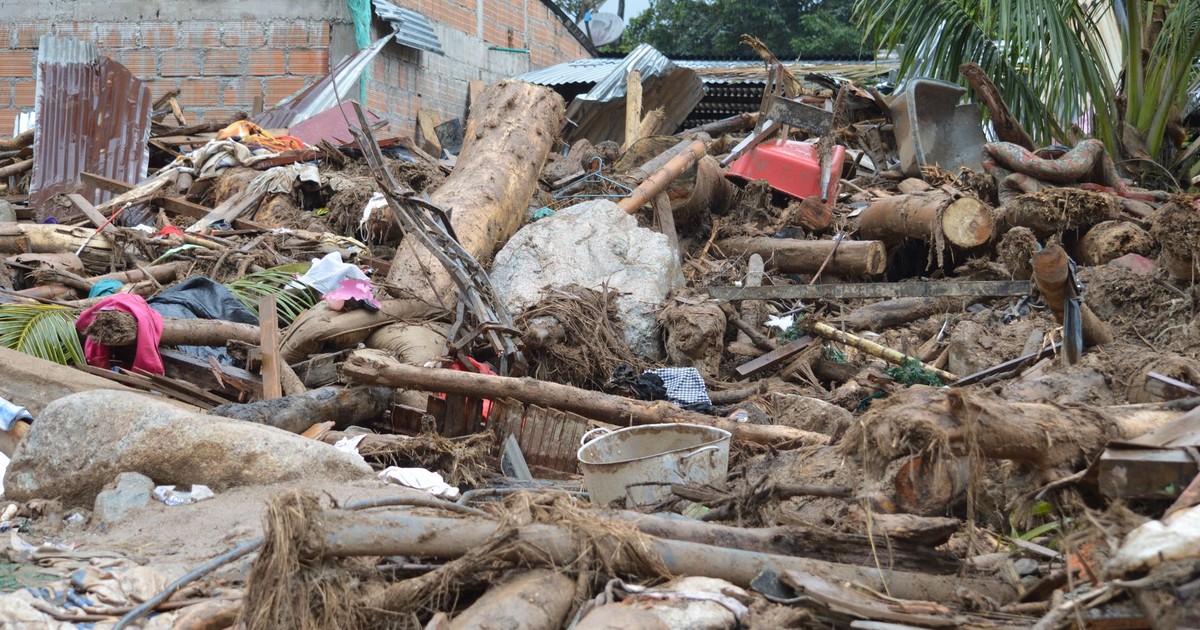

Most people who felt the effects of El Niño during the record-breaking years of 2023 and 2024 experienced it as weather: an unusually brutal heat wave, a week of flooding that came from nowhere, a wildfire season that started too early and burned too long. The body count showed up months later, in hospital wards and disease clinics thousands of miles from the Pacific Ocean.
El Niño is a climate phenomenon driven by significantly warmer-than-usual surface waters in the Pacific Ocean. It reorganizes the atmosphere above the entire planet, bending rainfall toward some regions and withholding it from others, pushing temperatures past records that had stood for over a century. The most recent major El Niño event produced record-breaking global temperatures, and 2024 was declared the hottest year since records began in 1850.
A new El Niño cycle is already forming. El Niño conditions have started and are expected to strengthen through 2026, potentially becoming one of the strongest on record. Forecasters are now using the phrase “super El Niño” for what may arrive later this year. If the pattern from previous cycles holds, the full toll on human health will be measured not in weeks but in years.
The Disease Connection Nobody Talks About

Warmer temperatures expand the habitat range of mosquitoes and other disease vectors, flooding contaminates water supplies, drought weakens immune systems by shrinking food supplies, and displaced populations crowded into shelters create conditions in which disease spreads with almost no friction.
Dengue fever is the clearest illustration of how fast this can escalate. A 2025 study in Nature Communications, drawing on dengue case data from 57 countries across the Americas and Asia from 1980 to 2024, found that 63 percent of the variation in dengue cases can be attributed to El Niño-Southern Oscillation fluctuations. The 2023-2024 El Niño event alone was estimated to have induced an additional 9.6 million dengue cases worldwide, more than double the additional burden of the previous strong event in 2015-2016. The disease spreads through the bite of an infected Aedes mosquito, and El Niño gives those mosquitoes more warm, wet territory in which to thrive.
Past El Niño events have driven a rise in malaria cases in Venezuela and Brazil, dengue outbreaks in the Pacific Islands, and cholera outbreaks in South India and Bangladesh. During the 2023-2024 El Niño, there was also a documented increase in cholera cases in East Africa. Cholera travels through contaminated water. When floods hit and sewage infrastructure collapses, it spreads with brutal speed through the communities that already have the least access to medical care.
During the 2024 El Niño, unprecedented floods in Rio Grande do Sul, Brazil, displaced around 600,000 people and caused more than 180 deaths. Brazil subsequently faced one of its worst-ever outbreaks of dengue, with over 6.5 million cases recorded.
The Air You’re Breathing
When El Niño drives drought across tropical regions, it sets the conditions for wildfires on a scale that redraws what normal looks like for everyone downwind.
A key factor in the catastrophic 2025 Los Angeles wildfires was the interplay associated with the El Niño-La Niña transition: during the El Niño event of 2023 to 2024, increased rainfall stimulated substantial vegetation growth across California, particularly in the south, which then dehydrated during a prolonged dry period identified as the second driest interval since 1877. El Niño grew the fuel. The subsequent drying ignited it.
Wildfire smoke contains elevated levels of fine particulate matter (PM2.5) along with other combustion byproducts. Research published in a 2024 respiratory health review found that wildfire PM2.5 causes lung injury via oxidative stress and inflammation, provoking and worsening conditions including asthma and chronic obstructive pulmonary disease. The particles reach the cardiovascular system, the developing brains of fetuses, the coronary arteries of people who live two states away from the nearest fire.
Research from the SOA Research Institute found that El Niño events reduce improvements in heart disease mortality, with cumulative circulatory death-rate improvement worsening by an estimated 4.8 percentage points over a five-year period following a major event. Heart disease doesn’t have to be caused by El Niño to be made worse by it. The cumulative air quality effects, the added heat stress, the disrupted healthcare access – all of it erodes the hard-won gains that public health systems spend decades building.
In 2024, more than 44.2 million acres of the Brazilian Amazon burned, an area larger than the state of California. Smoke from those fires did not stay in Brazil. It crossed into Peru, Ecuador, Colombia, and beyond. The health burden of wildfire smoke from an El Niño event is not local, and it does not resolve when the fire is extinguished.
When the Food Runs Out
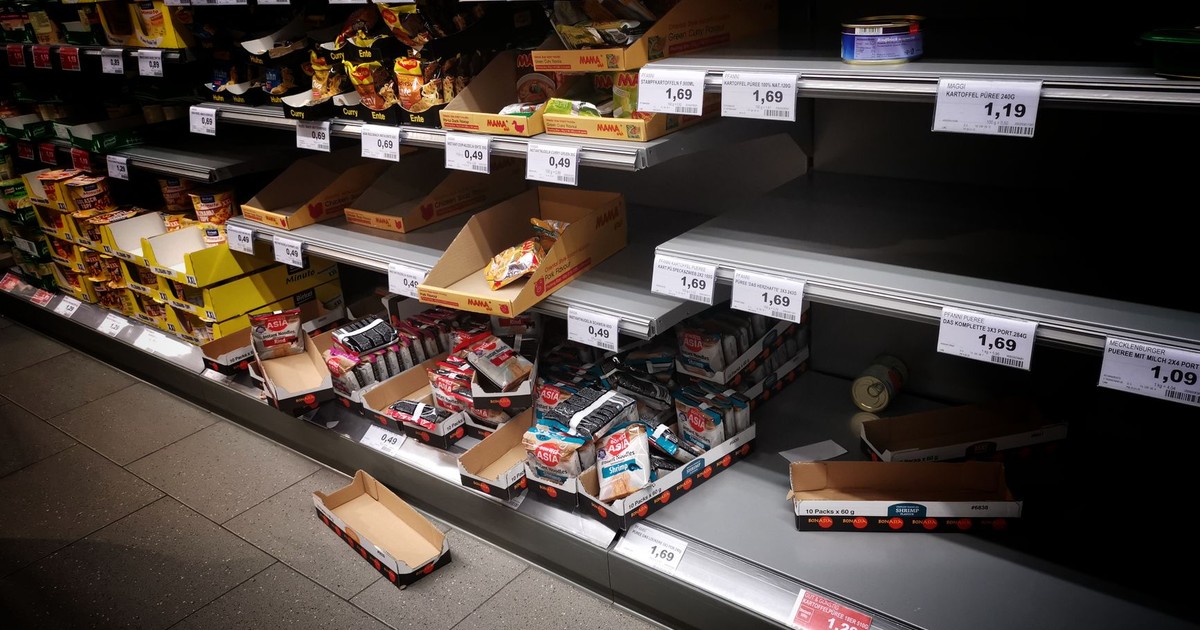
Floods make the news. Droughts don’t, not with the same urgency, not with the same imagery. But the slow, compounding reality of El Niño-driven drought goes straight for the food supply, and the food supply goes straight for the immune system.
During the 2023-2024 El Niño, disrupted rainfall patterns affected crop yields and left large numbers of people in need of food assistance across multiple continents. Malnutrition doesn’t announce itself the way dengue does. It weakens immune systems over months, making every other disease harder to fight and every medical crisis harder to survive.
During the 2023-2024 El Niño season, approximately 18 million people across Angola, Botswana, Eswatini, Lesotho, Namibia, Madagascar, Mozambique, Zambia, and Zimbabwe were experiencing crisis levels of food insecurity, while Malawi had an estimated 4.4 million people, 22 percent of the population, facing severe food insecurity. The 2026 cycle now forming is arriving on top of that unresolved baseline. The communities hardest hit by the last El Niño have not fully recovered.
El Niño-induced droughts contribute to a wide range of public health challenges: limited access to clean water jeopardizes basic hygiene practices and can lead to the rapid spread of infections, while malnutrition and weakened immune systems render individuals more vulnerable to disease. These are documented outcomes from the most recent event, already visible in the disease surveillance data that came in throughout 2024 and into 2025.
The Lag Nobody Accounts For

One of the most underreported dimensions of El Niño health effects is time. The event itself may peak and fade within a year. The health consequences do not.
Research published by the American Geophysical Union in 2025 found that consecutive El Niño events may lead to a multi-year increase in risk for infectious diseases, and that El Niño’s impacts on human health can persist for one or more years after the weather conditions have changed. A cholera outbreak that emerges fourteen months after the peak El Niño event doesn’t get attributed to El Niño in most media coverage. It gets attributed to local sanitation failures or weak governance, and the underlying climate driver goes unremarked.
Projections from the SOA Research Institute under intensified ENSO variability show material erosion of U.S. life-expectancy gains by mid-century, with higher-emission scenarios showing losses exceeding the entire mortality improvement achieved in the early 21st century, with circulatory disease being one of the largest drivers. These are actuarial calculations, the same kind that insurance companies use to price mortality risk. When those models start factoring in El Niño as a recurring structural drag on longevity improvements, it’s worth paying attention.
The lag also applies at the individual level. Wildfire smoke exposure in August doesn’t produce heart disease in September. It accumulates. Nutritional deficits during a drought don’t resolve when the rains return. They echo through a child’s immune development for years.
Who Bears the Worst of It
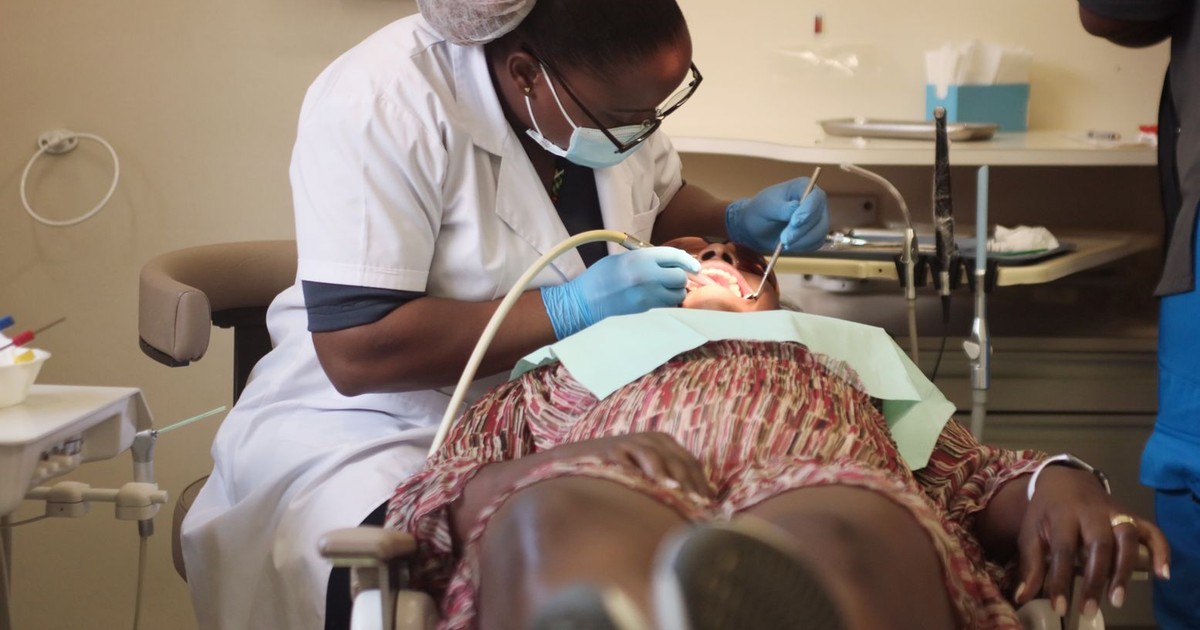
The populations who experience the full range of El Niño health effects simultaneously are concentrated in the Global South, in the regions that have the least medical infrastructure, the most climate-vulnerable agriculture, and the thinnest social safety nets. Southern Africa, South and Southeast Asia, Central America, the Pacific Islands, and parts of South America face the convergence of heat, drought, flooding, vector-borne disease, and food insecurity in a way that higher-income regions simply do not.
That said, the assumption that El Niño health effects stop at national borders is incorrect and increasingly untenable. Wildfire smoke from Canada turns the sky over New York orange. Amazon smoke reaches Andean capitals. Dengue, once considered a tropical disease, has been detected in new regions as mosquito ranges have expanded. The geography of El Niño health risk is expanding, and the next “super El Niño” will make that clearer.
What This Means Right Now
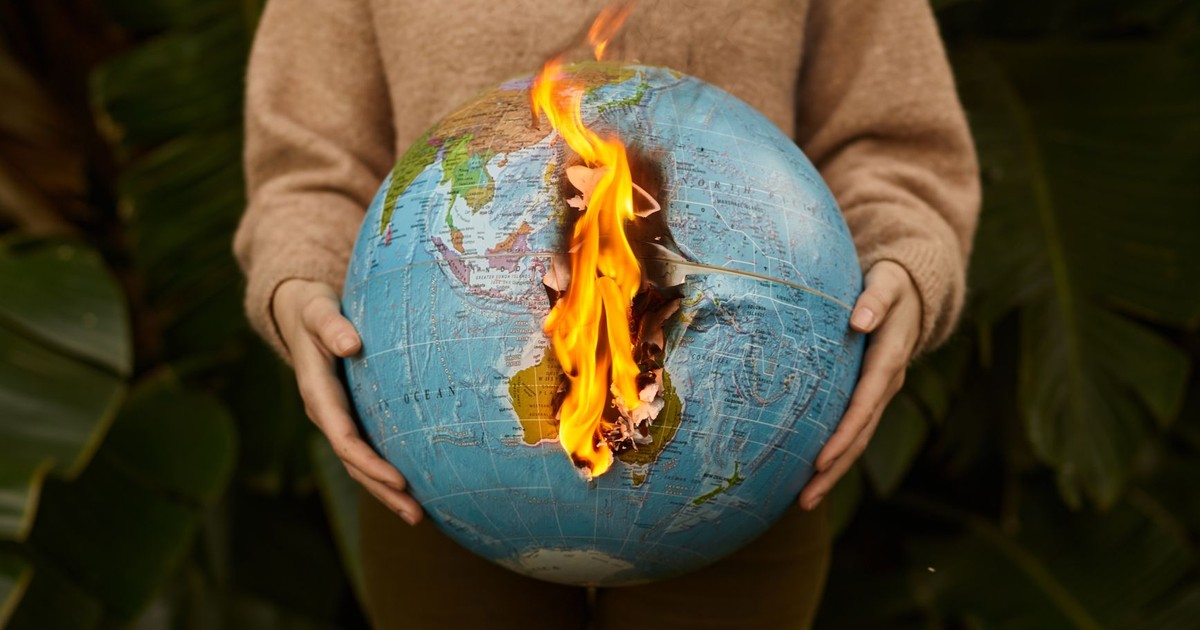
The phrase “super El Niño” generates a predictable cycle: alarming headlines, a week of coverage, and then a return to whatever else is happening. The research connecting El Niño to disease, air quality, nutrition, and mortality is extensive and well-documented. The response has rarely matched the scale of the threat.
A new analysis from the Food and Agriculture Organization maps where El Niño-linked drought is most likely to impact crops and pasturelands, raising risks for agricultural-dependent livelihoods and food security in regions already in crisis. The maps exist. The early warning systems exist. What doesn’t always follow is the response at a scale proportional to the threat.
The body count from an El Niño event is never fully legible, because it accumulates slowly, distributed across dozens of countries, dozens of diseases, and multiple years. The floods make the news. The dengue outbreak makes the news. The incremental deterioration in cardiovascular health, the increased infant mortality from malnutrition, the rise in mental health crises in communities that have lost their crops three seasons running – these are harder to film, harder to attribute, and much harder to hold in focus.
Disclaimer: This information is not intended to be a substitute for professional medical advice, diagnosis, or treatment and is for information only. Always seek the advice of your physician or another qualified health provider with any questions about your medical condition and/or current medication. Do not disregard professional medical advice or delay seeking advice or treatment because of something you have read here.
AI Disclaimer: This article was created with the assistance of AI tools and reviewed by a human editor.