

Most of the food in your fridge and pantry is perfectly safe to eat past its printed date. That’s not a hot take – it’s what the USDA’s Food Safety and Inspection Service has been saying for years. Except for infant formula, dates on food packaging are not an indicator of a product’s safety and are not required by federal law. So most of the time, “best by” is really just a manufacturer’s way of saying “this is when it tastes its best” – not “throw it out or you’ll regret it.”
Here’s where it gets more complicated, though. Confusion over expiration dates leads to a lot of waste, because people throw out food that’s still good – and the dates you see at the grocery store generally reflect manufacturer estimates of peak quality and freshness, not whether the product is spoiled. But there is a real category of foods where ignoring the date genuinely increases your risk of getting sick. Not “slightly stale cracker” sick. We’re talking about actual foodborne illness – the kind that can put you or your kids in the hospital.
Ninety percent of Americans misinterpret the dates on labels, according to the Natural Resources Defense Council (NRDC), and they throw out food that could still be consumed or frozen for later use. The trick is knowing which foods have genuine safety deadlines versus which ones are just past their peak flavor. What follows is that list – 15 foods you should never eat after they expire, according to food safety experts – plus the science behind why each one makes the cut.
First, What Do Those Dates Actually Mean?
Before getting into the list itself, it helps to know which label you’re even looking at. “Best if Used By” indicates when a product will be of best flavor or quality, and it’s not a purchase or safety date. “Sell-By” tells the store how long to display the product for sale – also not a safety date. “Use-By” is the last date recommended for the product while it’s at peak quality. It is not a safety date either – except when used on infant formula.
So when registered dietitian Isabel Smith, RDN, explains the difference, she puts it simply: dates labeled “best by” or “best used by” indicate when a product is expected to be at its highest quality – not a safety date. What actually signals safety is the “use by” date and the “expires on” date. The challenge is that the system isn’t standardized. The dates come from food producers and may not be based on food safety science. For example, a food producer may survey consumers in a focus group to pick a “use by” date that is six months after the product was produced because 60% of the focus group no longer liked the taste.
Knowing this context is important, because it helps you understand why the 15 foods below are different from, say, a box of crackers or a jar of honey. These aren’t items where the stakes are a stale flavor. These are the ones where the risk is real.
1. Deli Meats
Deli meats sit at the top of the danger list for one specific reason: listeria. Deli products are kept refrigerated, but refrigeration does not kill listeria. That’s a problem most people don’t realize. You assume cold storage means safe storage. With deli meat, that logic breaks down. Listeria is a hardy germ that can remain on surfaces like meat slicers, and foods, even at refrigerated temperatures. It can also take up to 10 weeks for some people to show symptoms of listeriosis.
The real-world consequences of eating expired deli meat are not minor. As of November 2024, a total of 61 people infected with an outbreak strain of listeria linked to deli meats were reported from 19 states. Of 61 people with information available, 60 were hospitalized. One woman got sick during her pregnancy. Ten deaths were reported. People at higher risk – including those who are pregnant, aged 65 or older, or have a weakened immune system – should always avoid eating meats sliced at deli counters unless heated to an internal temperature of 165°F or until steaming hot just before serving.
2. Soft Cheeses
Hard cheeses have some forgiveness built in. USDA food safety experts say you can cut mold off a hard block cheese, removing at least an inch around the affected area, and eat the rest safely. Soft cheeses are a different story entirely. Soft cheeses and anything made from unpasteurized milk are a different matter – mold penetrates soft cheese more deeply than it appears on the surface, and unpasteurized varieties can carry listeria.
Softer cheeses like ricotta, cream cheese, or goat cheese are more susceptible to bacteria and should be tossed at the first sign of spoiling or once the expiration date has passed, whichever comes first. As a general rule, the softer the cheese, the shorter the shelf life – two weeks max for cream cheese and one week for ricotta, according to the Academy of Nutrition and Dietetics.
3. Raw Shellfish
Oysters, mussels, clams, and scallops are among the most perishable foods you can buy. Like other seafood, raw shellfish should be refrigerated promptly before any bacteria can grow enough to cause foodborne illness. Clams, mussels, and oysters should be eaten within five days after they are bought, while scallops only last three days at most. Once the date on the package has passed, the window for safe consumption has likely already closed.
If you notice a funky odor from any seafood, throw it out immediately. The smell test matters here, but it’s not foolproof – some harmful bacteria won’t announce themselves through odor until contamination is already severe. When shellfish is past its date, don’t take chances.
4. Raw Fish
Fresh fish beyond its use-by date is one of the most risky calls you can make in the kitchen. Foods such as raw fish contain bacteria that can grow to levels that may cause illness if stored too long or left out at room temperature. According to the federal government’s FoodKeeper app, raw salmon should be refrigerated no more than 3 days after purchase.
Fresh fish deteriorates quickly. Ideally, eat it the day you buy it, or the day after at the latest. If it came from a counter rather than a sealed package, that timeline is even tighter. You can always freeze it the day you buy it to extend the window significantly, but once the expiration date on fresh fish has passed and it’s still sitting in your fridge, it belongs in the trash.
5. Ground Meat
Ground beef, pork, and turkey spoil faster than whole cuts of meat because the grinding process exposes a much larger surface area to bacteria. Ground meats spoil faster because more surface area is exposed to bacteria. The USDA notes that quality declines after the date, and safety becomes questionable even if the meat looks fine.
The USDA says that ground meat should be eaten or frozen within two days of purchase, whether it’s beef, pork, turkey, lamb, or any other type. That timeline matters because ground meat that looks and smells normal can still carry dangerous levels of salmonella or E. coli. Color change – like browning – is a sign of oxidation, not necessarily spoilage. Don’t rely on color alone.
6. Raw Chicken
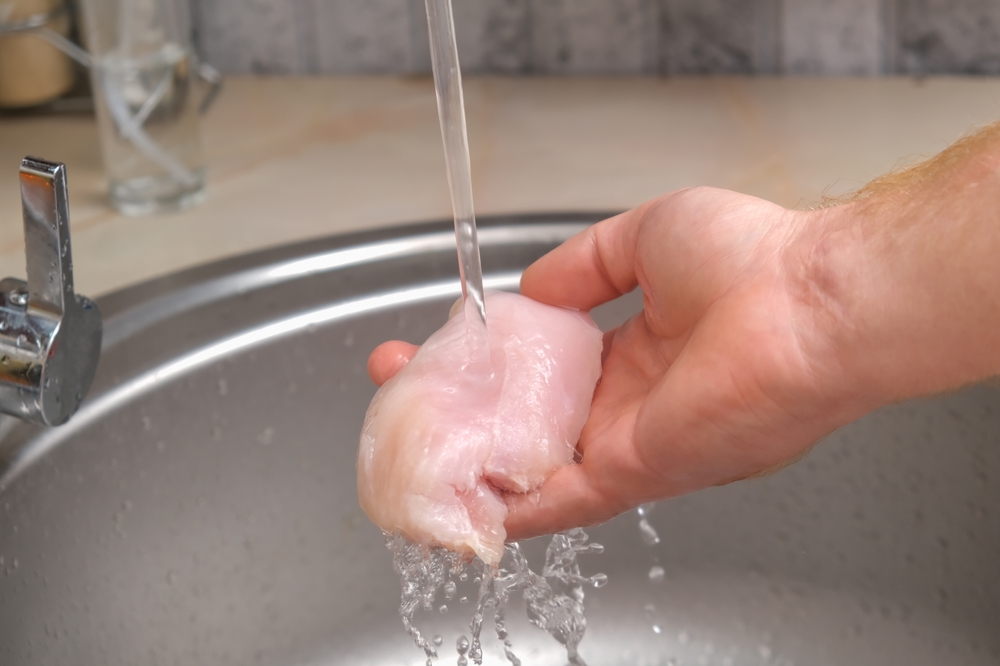
Raw chicken is one of the most commonly mishandled foods in home kitchens. According to experts, raw chicken should be refrigerated no more than 2 days after purchase. After that, the risk of harmful bacterial growth – particularly salmonella – increases significantly, regardless of whether the chicken looks or smells different.
Sell-by and use-by dates on meat are vital to follow. Experts recommend tossing these items if they’re past their date or if you’re unsure about storage conditions. “Bacteria multiply quickly even under refrigeration,” notes food safety expert Brian Labus from the University of Nevada. Freeze it the day you bring it home if you’re not cooking it within two days. That’s the simplest rule, and it works.
7. Infant Formula
This is the one food in the entire US grocery system that carries a federally mandated, scientifically determined expiration date. Infant formula is the only food product with a “use by” date that is both government regulated and scientifically determined. It is routinely lab tested for contamination, and it also undergoes nutrition tests to determine how long it takes the nutrients – particularly protein – to break down. The “use by” date on baby formula indicates when it’s no longer nutritious enough to use.
After the expiration date, nutrient levels may drop, which is a problem because the Food Safety and Inspection Service requires that the nutrients in the formula match those listed on the label. The concern here is less about immediate safety and more about avoiding nutrient deficiencies in infants. For babies who depend entirely on formula for their nutrition, that’s not a theoretical risk – it’s a real one.
8. Eggs
Eggs have a reputation for lasting longer than most people think, and that’s largely true. Per USDA guidelines, eggs remain safe to eat three to five weeks after purchase if stored properly in the coldest part of the refrigerator – not in the door. The float test – where a bad egg floats in a bowl of water because gas has built up inside – is a reliable way to check. A fresh egg sinks.
That said, past a certain point, the safety margin disappears. Crack a shell before cooking and smell it, because a bad egg announces itself clearly. Throw out any egg with a cracked or visibly dirty shell without washing it, since water removes the shell’s natural protective coating. Once the date on the carton has passed by more than a week and you haven’t done the float test, the smart move is to replace them.
9. Leafy Greens
Pre-washed, pre-packaged spinach, kale, and mixed greens are convenient – and they go bad fast. Leafy greens still have the potential to carry bacteria like E. coli, so for your safety, never consume greens after any date posted on the bag, and eat them up quickly. Warm and moist conditions inside a sealed bag can accelerate bacterial growth even in the fridge.
The risk here isn’t just an upset stomach. E. coli contamination in leafy greens has been responsible for some of the most significant foodborne illness outbreaks in recent US history, affecting hundreds of people at a time. Once bagged greens are slimy, smelly, or past their date, they’re gone. Rinsing them won’t make them safe.
10. Fresh Berries
Strawberries, raspberries, and blueberries are among the most perishable produce items you’ll bring home. Raspberries and strawberries are only good for about three days after purchase, while blueberries can last up to a week. Past that window, mold moves in fast.
Berries spoil quickly and can harbor pathogens. The CDC lists them among foods more likely to contain germs that cause food poisoning, especially once they’re past their prime. Freeze any berries you know you won’t eat within that time frame – frozen berries retain most of their nutrition and work great in smoothies, oatmeal, and baked goods.
11. Sprouts
Bean sprouts, alfalfa sprouts, and similar varieties are grown in exactly the conditions bacteria love most. Sprouts are grown in warm and humid conditions, which makes them a potential breeding ground for bacteria right off the bat, according to the FDA. That baseline risk doesn’t improve once the package date has passed – it gets worse.
Once expired, the risk of contamination from salmonella or E. coli increases substantially. The FDA recommends that children, older adults, pregnant people, and anyone with a compromised immune system avoid raw sprouts altogether, regardless of date. For everyone else, treat the date on the package as a hard deadline.
12. Unpasteurized Juice
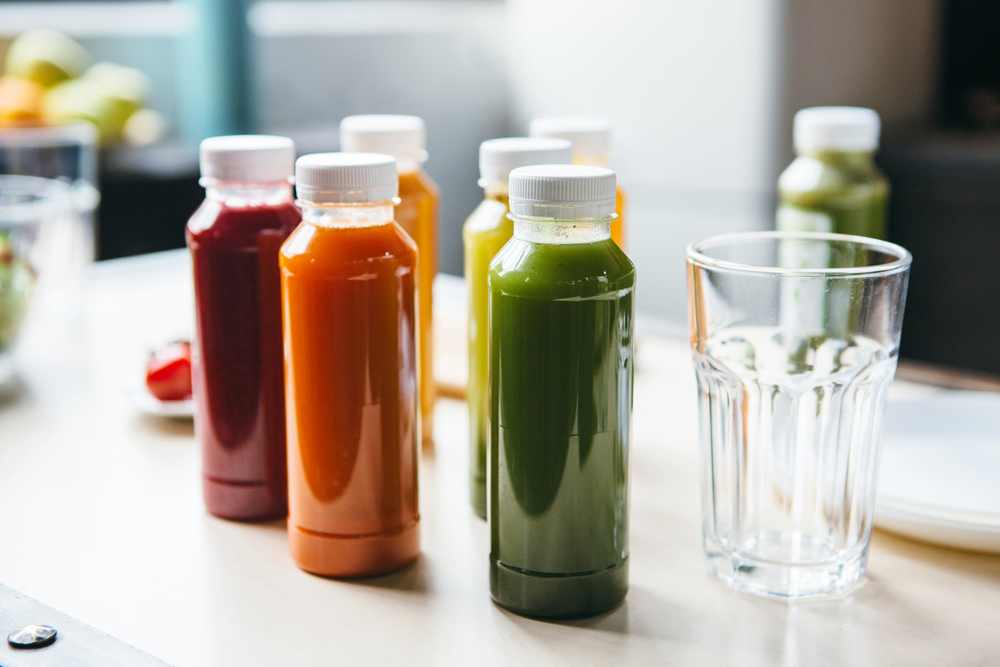
Fresh-pressed and unpasteurized juices are sold as a healthier alternative to the shelf-stable variety – and in some ways they are. But they come with a short, firm safety window. Without pasteurization, harmful bacteria can survive and grow. The CDC warns that these juices can cause severe illness, especially in children and older adults.
The pasteurization process kills harmful bacteria by applying heat. Raw juice skips that step, which means E. coli and salmonella can survive all the way to your glass. Freshly squeezed, unpasteurized juices are among the foods that University Hospitals registered dietitian Elizabeth Traxler, MS, RDN, LD, flags as requiring extra caution. Once the date has passed on unpasteurized juice, toss it without hesitation.
Now that you know which foods in your fridge deserve the most scrutiny, it’s also worth considering how everyday home storage habits can either protect or shorten the life of perishables – because the date on the package only holds up if the food has been stored correctly from the start.
13. Raw Flour
This one surprises most people. Flour sits in a pantry for months, seems completely stable, and doesn’t look or smell dangerous. But raw flour can be contaminated with E. coli – yes, before it’s even baked into anything. Raw flour can contain E. coli, and FoodSafety.gov highlights that eating expired flour – especially if used in raw dough – can increase the risk of foodborne illness.
This is especially relevant if you or your kids sneak raw cookie dough. The heat of baking kills the bacteria, but raw dough doesn’t get that treatment. Flour past its expiration date has had more time for bacterial levels to rise, and the risk compounds when it’s used without cooking. Check the date and replace it regularly.
14. Prepackaged Deli Salads
Tuna salad, chicken salad, coleslaw, pasta salad – the ready-made refrigerated varieties are a weekday lunch staple. They’re also among the fastest to become unsafe. Prepackaged luncheon meat is good for 2 weeks after purchase and only 3 to 5 days after it’s opened. Deli salads with creamy dressings or mayonnaise follow an even tighter schedule.
Listeria spreads easily among deli equipment, surfaces, hands, and food, and meats, cheeses, and other foods sold at the deli can be contaminated with listeria. Unlike dry goods, these salads can’t be tested with your nose alone – contamination doesn’t always produce an obvious smell. When the date is up, it’s up.
15. Milk
Milk is one of the easier ones to judge by smell and appearance, but that doesn’t mean you should eat cereal with questionable milk and hope for the best. Milk is one of those items that’s pretty easy to tell when it’s no longer safe to consume. If it smells off, is discolored, or the texture has changed, toss it.
What’s worth knowing is that milk, assuming proper refrigeration, should last five to seven days past its sell-by date before turning sour. The sell-by date isn’t the same as the expiration date – milk often has a few days of grace. But once it’s clearly past the printed date and shows any of those warning signs, using it in cooking won’t neutralize the bacteria. It goes in the sink, not the pot.
Read More: Everyday Life Is Full of Small Tricks Most People Never Notice
What to Do When You’re Not Sure
The question people ask most often is: can you eat food a few days after it expires? The answer is genuinely: it depends on the food. Food safety expert Brian Labus from the University of Nevada explains that if stored properly, many foods can be safely consumed long past the date on the label. “Over time, the taste, texture or color of the foods might change, but that doesn’t mean it will make you sick.”
For the 15 foods on this list, though, that flexibility shrinks considerably. According to Sana Mujahid, Ph.D., manager of food-safety research at Consumer Reports, the best way to know whether a perishable food has spoiled is to “trust your taste buds and sense of smell.” That’s solid general advice – but it’s worth knowing that some dangerous pathogens, including listeria and salmonella, can be present in food without producing any noticeable odor or texture change. On high-risk foods, don’t rely on your senses alone.
One practical tool worth knowing about: the USDA created a free app called FoodKeeper, which will help you determine how soon specific items should be consumed if stored in the pantry, or how long they’ll last in your refrigerator once opened. It covers an enormous range of foods, from oats to deli meat, and gives you real timelines rather than vague guesses.
The Bottom Line
Foods that are genuinely dangerous to eat after their expiration date share a common thread: they create conditions where harmful bacteria – listeria, salmonella, E. coli – can grow to levels that cause serious illness, and they often do it without obvious warning signs. The Centers for Disease Control and Prevention reports that each year, 48 million people get sick from a foodborne illness in the United States. That number isn’t driven by pantry staples like crackers and canned beans. It comes from exactly the kinds of perishable, high-moisture, protein-rich foods on this list.
Keep the higher-risk items on your radar – deli meats, soft cheeses, raw fish, shellfish, ground meat, chicken, and ready-made salads – and treat their dates as real deadlines rather than suggestions. For everything else, use your senses, check the FoodKeeper app, and don’t throw out a perfectly good can of soup because the label says November 2024. The goal is protecting your family from the real risks while stopping the waste that comes from being overly cautious about the wrong foods. Know the difference, and you’ve got both bases covered.
Disclaimer: This article was created with AI assistance and edited by a human for accuracy and clarity.