
The battle against ultra-casual airport attire was officially launched by Tampa International Airport on February 26th. Declaring that it had “seen enough” and “had enough” of sleepwear, the Florida airport published a striking graphic on X (formerly Twitter). The post framed the situation as a crisis and passionately called for an immediate prohibition on pajamas within the terminal, proclaiming, “the madness has ended today.” This provocative stance, the first of its kind, quickly garnered millions of views, igniting a national controversy concerning airport fashion.
The Crocs Campaign That Started It All
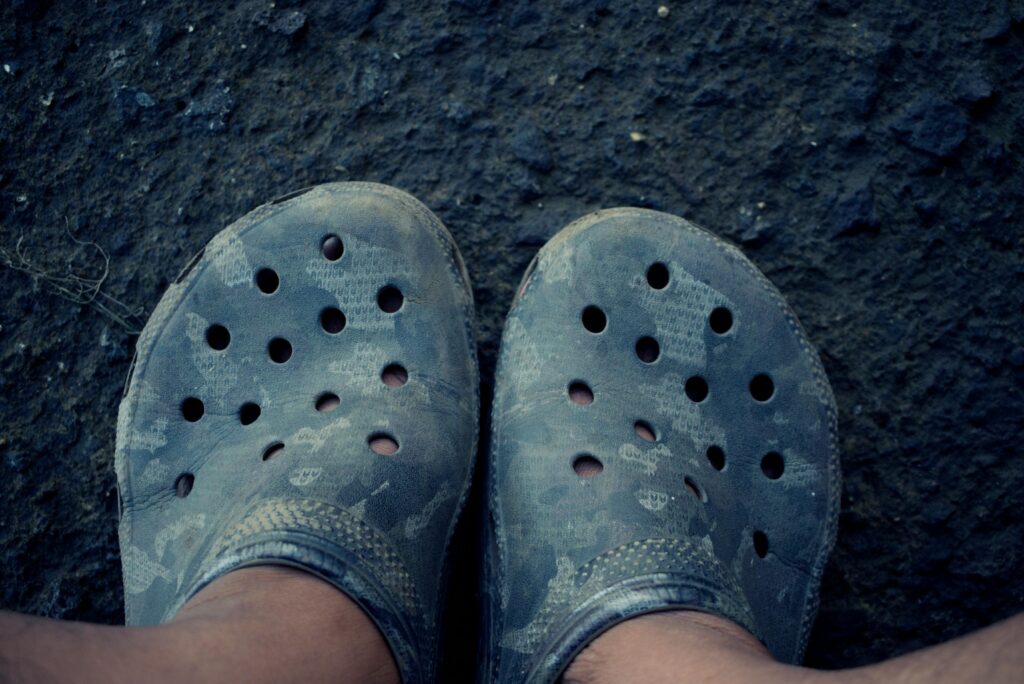
This was not the airport’s first foray into traveller wardrobes. In September 2025, Tampa jokingly announced a 10-year renewal of its “Crocs ban.” The airport had previously announced on X that the TSA would allow passengers to keep their shoes on during security. There was one exception. Crocs “need to be removed and discarded,” the post said. That previous stunt paved the way for the pajama announcement. When an X user inquired about what would happen if they wore Crocs through the security line, the airport responded with a simple threat. “You don’t wanna know,” they said.
— Tampa International Airport ✈️ (@FlyTPA) February 26, 2026
Pajamas Framed as a National Emergency
The Crocs campaign was specifically launched on February 26th. Tampa International Airport initially declared itself “the world’s first Crocs-free airport,” but then escalated its focus to what it termed “an even larger crisis.” The accompanying graphic urged travelers to “have a difficult conversation” with anyone seen wearing pajamas in public.
Millions Watched in Real Time
The pajama post received more than 7.4 million views in its first few days online. It received over 31,000 likes and thousands of comments from both sides of the debate. Within hours of the original post being published, national media picked up on the story. The supposed ban was covered by outlets ranging from the New York Post to ABC News.
Travellers Fire Back With Outrage and Spite
One X user asked whether the government should control travel attire choices for citizens. That commenter considered the post to be an overreach. The user pointed out a sharp disclaimer, even though she appreciated the comedy. Should the ban be implemented, personal liberty would be gravely violated.
Comfort Over Compliance
Another user demanded that airlines improve the flight experience before policing passenger clothing. That person stated that airports should begin by making air travel more pleasant, saying, “Make air travel less miserable before you ask people to be less comfortable.” Only then should anyone expect passengers to sacrifice comfort for appearances.
Spite Flights and Petty Protests
A third commenter chimed in with ”Flying from JFK to Tampa in pajamas and crocs tomorrow out of pure spite.” The response went viral on its own, with several other users on X and Instagram sharing the sentiment, making similar pledges. Thousands of people responded to the idea of a protest flight dressed in the same clothing that Tampa had mocked.
Cancelled Flights Changed the Tone
The debate was powerfully reframed when one commenter described the lack of airline accountability, sharing an experience of spending the night on the floor at Buffalo International Airport with no compensation after numerous cancelled flights. There was a lot of support for this straightforward argument: until airlines raise their own standards, passengers should be allowed to wear pajamas at the airport.
Supporters Had Their Say Too
Not everyone agreed with the pajama advocates. Several users agreed with the premise, even though they suspected it was a joke from the start. One person claimed to have had the same opinion for years and saw the post as long-overdue confirmation. Another supporter argued that airlines, like passengers, needed to do more. That commenter advocated for a return to basic in-flight service and meals. The user stated that carriers no longer provide peanuts, let alone a dignified or enjoyable travel experience for paying customers.
The Debate Moved Beyond Pajamas
The discussion quickly went off the rails and back to its original topic. When I first replied to a jokey post with something funny, it quickly turned into a full-on attack on the airline industry. Travelers vented anger that had been building up for more than 10 years, talking about everything from flight delays and uncomfortable seats to rude cabin staff and hidden fees. While Tampa probably just wanted to make fun of its online followers, the pajama ban ended up being a way for customers to air their grievances.
Satire Confirmed by Airport Spokesperson
Shortly after the post went viral across multiple platforms, Tampa International Airport confirmed that it was satire. Beau Zimmer, an airport spokesperson, told the Associated Press that the announcement was part of a long-term social media plan. Zimmer explained that regular followers recognized the tone and expected similar content from the account. He added that “obviously this is all in fun, and we encourage our travelers to be comfortable”.
A Formal Statement to the Press
Tampa International Airport released an official statement to approximately 20 national and international media outlets to clarify the situation. The airport explained that it frequently shares “lighthearted, satirical social media content” as a way to engage its audience, and the post about pajamas was simply “another playful nod to day-of-travel fashion debates.”
Crucially, the airport explicitly stated that no actual dress code is in place at Tampa International Airport. Both Crocs and pajamas are, in fact, welcome inside the terminal, a point made clearly to prevent further confusion among the public and the media.
Newsweek Pushed for Answers
Despite a viral social media campaign claiming a “successful” ban on both Crocs and pajamas, Tampa International Airport confirmed to Newsweek that no such rules had ever been enforced. Newsweek‘s investigation clarified that the prohibition of the footwear, along with the sleepwear ban, never existed at the facility. Instead, the entire campaign was purely social media content, strategically designed to boost engagement.
Federal Civility Campaign Fuels the Conversation
The uproar was provoked by the ban’s timing, which closely followed U.S. Transportation Secretary Sean Duffy’s launch of his “The Golden Age of Travel Starts with You” civility campaign. As part of this initiative, Duffy encouraged passengers to improve their attire and display greater respect both during flights and within terminal buildings. Specifically, at a November 2025 press conference at Newark Airport, Duffy proposed that travelers refrain from wearing items like pajamas and slippers. His rationale was that a more intentional approach to dressing could foster improved conduct throughout the entire travel process.
Duffy’s Numbers Painted a Grim Picture
Duffy justified the urgent campaign with alarming statistics. Between 2020 and 2021 alone, reports of unruly passengers rose sixfold. The Federal Aviation Administration reported a 400% increase in disruptive passenger events since 2019, with 2024 seeing double the number of events compared to that year. Since 2021, over 13,800 incidents of disruptive behavior on US flights have been reported. Furthermore, during that same period, one in five flight attendants was involved in a physical altercation. These figures provided Duffy with the necessary grounds to advance the campaign.
Encouragement Without Enforcement
The ban, despite its strong wording, holds no legal authority. The Department of Transportation has not implemented any mandatory dress code for airports or airlines nationwide. Duffy’s statements are meant as public encouragement, emphasizing courtesy and manners rather than rules with penalties. Tampa’s humorous post coincided with this federal message, though the airport clarified it was separate from any government initiative.
Mixed Reactions to the Federal Push
Not everyone welcomed Duffy’s advice on travel attire and passenger behaviour. People magazine ran a feature titled “Sorry, Sean Duffy. We’re Wearing Our PJs on Planes This Thanksgiving“. That piece captured the defiant mood among many American travellers heading home for the holidays. Staff writers argued that comfort should remain a personal choice, not a government talking point or suggestion. Others pointed out the irony of a civility campaign coming from an administration that had slashed consumer protections in other areas.
A Cultural Moment Built on Frustration
Tampa’s post and Duffy’s campaign both tapped into the same raw nerve running through the travelling public. Passengers feel that the air travel experience has deteriorated steadily over the past decade. Seats are smaller. Legroom has shrunk. Fees have multiplied. Food has disappeared from most domestic routes entirely. Against that backdrop, being told to dress up feels tone-deaf to travellers who already feel mistreated by the system. The debate over pajamas became a proxy for a much larger argument about accountability and respect. Passengers want airlines to earn that respect before being asked to perform it.
Spirit Airlines Proves Real Dress Codes Exist
While Tampa’s ban was fiction, some carriers enforce real clothing rules with real consequences for passengers. Spirit Airlines updated its contract of carriage in January 2025 with detailed new guidelines on passenger attire and appearance. The policy now states that travellers who are “barefoot or inadequately clothed” may be denied boarding or removed from a flight mid-journey. The changes took effect on January 22, 2025. They appear in Section 4.3 of the updated contract of carriage document available on Spirit’s website.
What Spirit Considers Unacceptable
The updated contract specifies several categories of prohibited clothing in clear and direct terms. These include see-through garments, outfits that leave breasts, buttocks, or other private areas exposed, and attire deemed “lewd, obscene, or offensive”. Body art that falls into those same categories can also trigger enforcement action from cabin crew members. Previously, the airline’s dress code was more general and far less specific about what qualified as inappropriate clothing. The new language gives Spirit clearer and more defensible grounds to act when a passenger’s appearance crosses the line.
Past Incidents Shaped the Policy
Spirit has enforced clothing standards well before the 2025 update took effect. In October 2024, two women were asked to leave a flight after a flight attendant flagged their crop tops as inappropriate for travel. That incident drew its own wave of public attention, criticism, and heated debate about where the line should sit. The updated policy now gives the airline more precise language to justify such decisions going forward in similar situations. ABC News reported that the contract revisions extended beyond clothing to cover broader passenger conduct guidelines as well. Spirit has not publicly commented on the policy beyond the language written in the contract itself.
Read More: 37 States Implement Phone Restrictions or Bans in Schools
Other Airlines Hold Similar Rules
Spirit is not alone in maintaining dress code expectations for passengers. Most major U.S. carriers include vague language about appropriate attire somewhere in their contracts of carriage. However, enforcement remains rare and deeply inconsistent across the entire industry. Flight attendants typically exercise personal discretion on a case-by-case basis rather than following rigid enforcement protocols. Formal removals for clothing violations make headlines precisely because they happen so infrequently in practice. The gap between written policy and actual enforcement leaves passengers in a grey area that few airlines seem willing or eager to resolve.
Comfort Versus Control in the Skies
The contrast between Tampa’s joke and Spirit’s policy captures the broader tension in modern air travel perfectly. Passengers want comfort. Airlines want control. Airports want engagement. The federal government wants civility. Each stakeholder pushes a different priority, and none of them fully align with the others. Tampa turned that tension into viral content. Spirit turned it into contractual language. Duffy turned it into a national campaign. Travellers, meanwhile, continue to board flights in whatever they please, pajamas and Crocs included. That reality is unlikely to change anytime soon, no matter how many posts go viral or how many campaigns launch.
Read More: Woman’s Boss Banned Her Pink Hair, So She Started Wearing Big Ugly Wigs