

You can spend a year eating “clean” and still be quietly undercutting your brain with a handful of foods you’d never think to question. The research on diet and cognitive health has moved fast in recent years, and what researchers are finding isn’t just about dementia risk decades from now. It’s about focus, memory, and mood in the life you’re living right now, at whatever age you happen to be.
The list of culprits is not, it turns out, full of surprises. Most of them are foods you already suspect are not doing you any favors. What the recent science adds is specificity: which foods, by how much, through exactly what pathways. That specificity matters, because “eat better for your brain” is easy advice to nod at and ignore. Understanding that one particular food is accelerating cognitive aging by the equivalent of almost two years is the kind of detail that tends to stick.
Eight foods keep appearing across the strongest current research on foods for brain health. Not because researchers are trying to ruin lunch, but because the evidence, in several cases, has now reached a scale that’s hard to dismiss.
1. Processed Red Meat
Of everything that has emerged in recent brain health research, the findings on processed red meat have been among the most striking. A study published in the January 2025 issue of Neurology found that people who eat more red meat, especially processed red meat like bacon, sausage, and bologna, have a higher risk of cognitive decline and dementia compared to those who eat very little of it. This was not a small or short study. Researchers tracked more than 133,000 participants, assessing their diets every two to four years using food-frequency questionnaires over decades.
People who ate a quarter of a serving or more of processed red meat daily had a 13% higher risk of dementia than those who ate less than a tenth of a serving. The mechanism isn’t mysterious. Red meat is high in saturated fat and has been shown in previous studies to increase the risk of type 2 diabetes and heart disease, both of which are linked to reduced brain health. There are also the nitrites and high sodium content in cured and processed varieties, which researchers believe may cause direct harm to brain tissue.
What makes this data particularly actionable is the substitution finding. Replacing one daily serving of processed meat with nuts and legumes was associated with a 19% lower risk of dementia. The swap doesn’t have to be dramatic. A handful of almonds instead of two strips of bacon isn’t deprivation – it’s just choosing the option that doesn’t add nearly two years of cognitive aging to your brain’s clock.
2. Sugary Drinks

Sodas, fruit juices, sweetened iced teas, sports drinks – the research on these has been building for years, and it keeps pointing in the same direction. Researchers from Virginia Tech, publishing in the American Journal of Clinical Nutrition, found that ultra-processed meats and beverages are the worst categories of food for brain health, with sugary drinks singled out as a top offender. Participants who drank at least one soda daily showed a 6% higher risk of cognitive impairment, and individuals who consumed one or more extra servings of either category showed a significantly increased risk of developing cognitive impairments, including those associated with Alzheimer’s disease.
The problem with sugary drinks is partly the sugar itself and partly what they displace. Every glass of soda is a glass of water, or green tea, or nothing, that you didn’t drink instead. A high intake of sugar-sweetened drinks may increase the risk of diabetes, heart disease, and cavities, as well as negatively affect the brain – and research has found that participants who consumed the most sugar were twice as likely to develop dementia as those who ate the least.
The artificial-sweetener angle doesn’t offer a clean escape route either. Research has found that people who drink at least one diet soda a day may face nearly three times the risk of stroke or dementia compared to those who don’t. The brain, it seems, is not fooled by the calorie swap.
3. Ultra-Processed Packaged Snacks
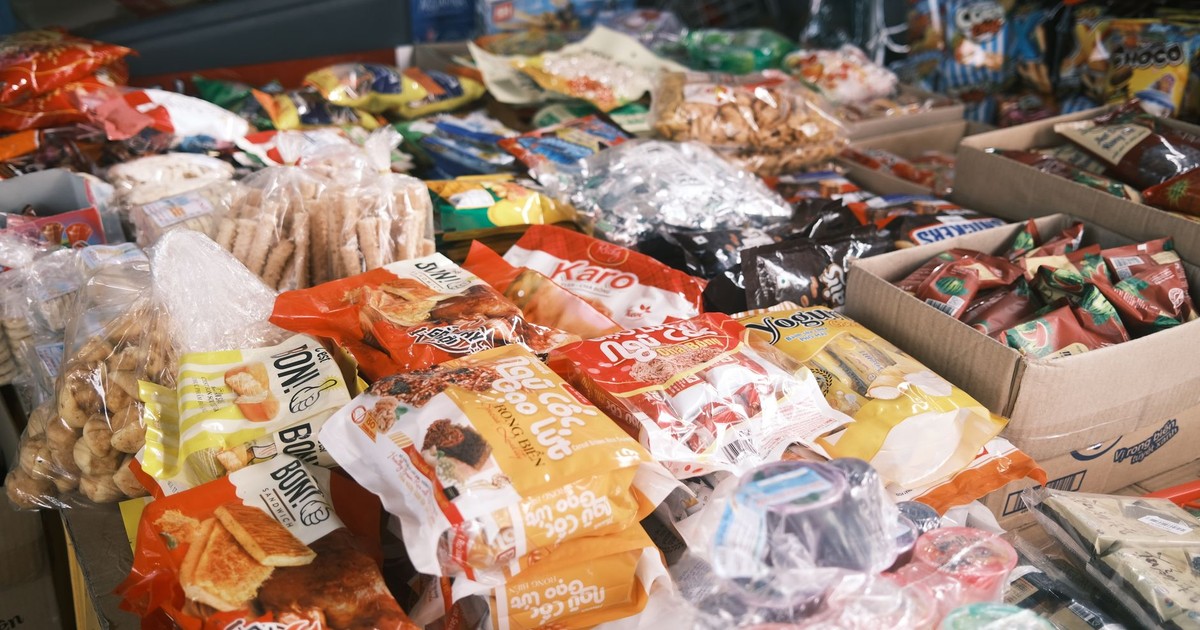
This category includes the chips, crackers, packaged cookies, frozen appetizers, and shelf-stable snack cakes that occupy an embarrassing amount of real estate in the average American pantry. They are designed to be impossible to stop eating, and they are doing measurable damage to cognitive function. A large study published in Neurology in 2024 found that a 10% increase in the intake of ultra-processed foods raised the risk of cognitive decline by 16% and stroke by 8%.
Meanwhile, a 10% increase in unprocessed or minimally processed foods reduced these risks by 12% for cognitive decline and 9% for stroke. The relationship runs both ways, and the gap between a diet heavy in packaged snacks and one built around whole foods is not trivial – the data treats them as two ends of a measurable spectrum. The data comes from the REGARDS study, a research project managed by the University of Alabama at Birmingham School of Public Health, which followed over 34,000 U.S. adults aged 45 and older.
Part of what makes ultra-processed snacks so damaging is not just what they contain but what they trigger downstream. They spike blood sugar rapidly, generate systemic inflammation, and tend to crowd out the foods – fiber, antioxidants, healthy fats – that actively protect the brain. The packaging, cheerful as it is, is not giving you any of that information.
4. Foods High in Trans Fats
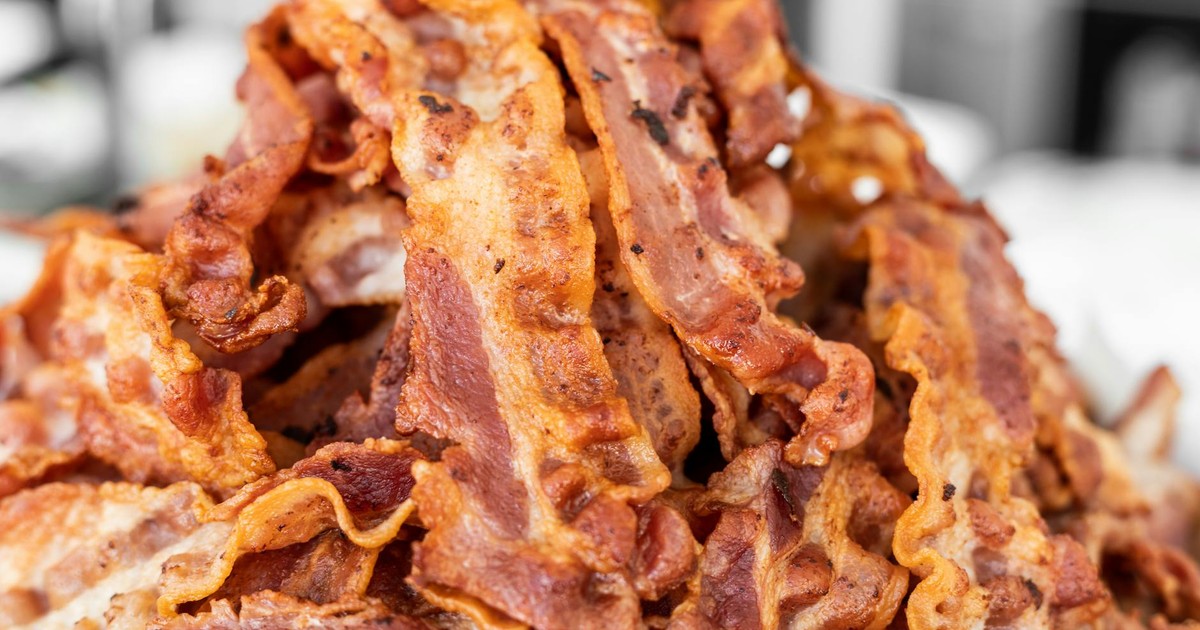
Trans fats occupy a special category of dietary harm because researchers have had decades to study them, and the conclusion has not changed. Trans fats are a type of unsaturated fat that may negatively affect brain health. While trans fats occur naturally in small amounts in some animal products, the industrially produced versions are the main concern. The FDA moved to ban artificial trans fats from US food products, but they can still appear in imported goods and in products made with partially hydrogenated oils.
The brain-specific risk comes from inflammation. Trans fats drive up LDL (bad) cholesterol and lower HDL (good) cholesterol, damaging the blood vessels that supply the brain with oxygenated blood. Fried and fatty foods cause inflammation, which can damage the blood vessels that supply the brain with blood and hurt the brain itself. Anything deep-fried in industrial oil at high heat – fast food fries, commercial fried chicken, donuts – carries this risk even without trans fats listed on the label, because the frying process itself creates harmful byproducts.
Read labels. If “partially hydrogenated oil” appears in the ingredient list of anything imported or produced outside the US, put it back. The name is the tell.
5. Refined Carbohydrates

White bread, white rice, standard pasta, most breakfast cereals, and anything made with refined flour – these are foods that behave almost identically to sugar once they hit the bloodstream. The body breaks them down fast, blood glucose spikes, insulin follows, and the brain gets a short jolt of energy and then a crash. Research suggests that long-term consumption of refined carbs may affect the hippocampus and prefrontal cortex, which play a role in memory, learning, decision making, and social behavior, and may also affect the gut-brain axis, causing inflammation in the body and the brain.
A 2025 review published in Frontiers in Public Health reinforced the connection between refined carbohydrate consumption, insulin resistance, and neuroinflammation – the kind of chronic, low-grade inflammation in brain tissue associated with cognitive decline. The research framed excess refined carbohydrate exposure as one of the modifiable drivers of both metabolic dysfunction and deteriorating brain health.
The whole-grain swap is genuinely worth making, not because it’s virtuous but because the difference in how the brain responds to brown rice versus white rice, or whole wheat bread versus enriched white, is real and measurable. Slower glucose release, more fiber, more B vitamins – all of it adds up to a less inflamed, better-supplied brain.
6. High-Mercury Fish

Fish is one of the best foods for brain health – omega-3 fatty acids, DHA, lean protein, all of it – except when the fish in question has spent its life accumulating mercury. Mercury is a neurotoxin (a substance harmful to the nervous system), and certain large predatory fish concentrate it at levels that can cause measurable neurological damage with sustained regular consumption.
The fish to watch are the big ones: swordfish, king mackerel, shark, tilefish from the Gulf of Mexico, and, to a lesser extent, bigeye tuna and ahi. Most health experts are fans of fish, but the kind they favor is salmon and others that contain healthy omega-3 fatty acids. Swordfish, ahi tuna, and other large fish lose points because they tend to be high in mercury. Both the FDA and EPA maintain updated guidance on which fish to limit, particularly for pregnant women and children, but the mercury risk to adult brain health is real across the board with regular consumption.
The good news is that the fish highest in omega-3s and lowest in mercury – salmon, sardines, anchovies, herring, trout – are exactly the ones worth eating more of. The brain benefit is real; you just want it coming from the right source.
7. Alcohol
The conversation around alcohol and the brain has shifted considerably in recent years. The older idea of moderate drinking being broadly protective has not held up well under scrutiny, and what researchers are finding instead is that alcohol causes more direct neurological harm than previously acknowledged.
A 2024 review of 45 studies in The BMJ found that eating and drinking patterns high in ultra-processed content raised the risk of 32 health conditions, including depression – and alcohol sits alongside ultra-processed foods as a substance the brain handles poorly at regular exposure. The brain shrinks with chronic alcohol use – not metaphorically, but literally. Heavy and even moderate long-term drinking is associated with reduced gray matter volume, impaired memory consolidation, and disrupted sleep architecture (the stages of sleep during which the brain clears metabolic waste). A brain that can’t sleep properly is a brain that can’t clean itself, and that has long-term consequences.
Public health researchers have noted that ultra-processed foods contain chemical additives that degrade brain tissue with accumulated exposure – and alcohol, consumed regularly, operates through several of the same inflammatory pathways. None of this means a glass of wine with dinner will cost you your memories. It does mean that alcohol is not a neutral substance for the brain, and the framing of it as harmless or even beneficial has not aged well.
8. Foods Heavily Loaded with Added Salt

Sodium doesn’t get as much attention as sugar in brain health conversations, but the evidence linking high-sodium diets to cognitive risk is solid and has been building for years. The pathway is primarily vascular: excess sodium raises blood pressure, and chronically high blood pressure damages the small blood vessels throughout the brain, reducing blood flow and increasing stroke risk.
A 2024 study in Neurology found that adults 45 and older with higher intake of ultra-processed foods – which are typically high in sugar, fat, and salt and low in protein and fiber – had a greater risk of cognitive decline and stroke, while those who kept to a minimally processed diet saw a decreased risk for both conditions. Salt is one of the primary reasons ultra-processed foods rank so high on that list. It’s added to packaged foods, canned goods, deli meats, bread, condiments, and restaurant meals in amounts that make it nearly impossible to track without reading every label.
The association was especially pronounced among Black participants: Black adults who ate more ultra-processed foods had a 15% increase in their risk of stroke. Given the heavy sodium content of most processed and fast foods, keeping a closer eye on salt intake is one of the more direct steps anyone can take for long-term brain protection – even if it means resalting homemade food to taste and cutting back on the packaged stuff that does it for you by the truckload.
What This Is Really About
None of this research is asking you to eat joylessly. The point is not to strip the table of everything that tastes good and leave behind a bowl of plain lentils. What the data is actually telling you is that the brain responds to food in real, measurable ways – and that a handful of specific categories keep appearing in study after study as the ones worth paying attention to.
The eight foods above are not equally harmful for everyone, and the research doesn’t suggest that a lifetime of occasional bacon or a summer of iced sweet tea will inevitably cost you your memory. What it does suggest is that regular, heavy exposure to these categories – ultra-processed snacks, sugary drinks, processed meats, refined carbs, high-mercury fish, alcohol, trans fats, and high-sodium packaged foods – adds up in ways the brain registers even when you don’t. Diets characterized by higher consumption of vegetables, fruits, legumes, nuts, fish, seafood, and unsaturated vegetable oils, alongside lower intake of red and processed meats and sugar-sweetened beverages, are consistently associated with a reduced risk of cognitive decline and dementia.
The substitution principle matters here. You don’t have to eliminate everything on this list; you just have to replace some of it, some of the time, with something that actively helps. The brain you’re feeding now is the one you’ll be thinking with in twenty years. That’s not a threat – it’s just the situation, and knowing it is more useful than not knowing it.
Disclaimer: This information is not intended to be a substitute for professional medical advice, diagnosis, or treatment and is for information only. Always seek the advice of your physician or another qualified health provider with any questions about your medical condition and/or current medication. Do not disregard professional medical advice or delay seeking advice or treatment because of something you have read here.
AI Disclaimer: This article was created with the assistance of AI tools and reviewed by a human editor.