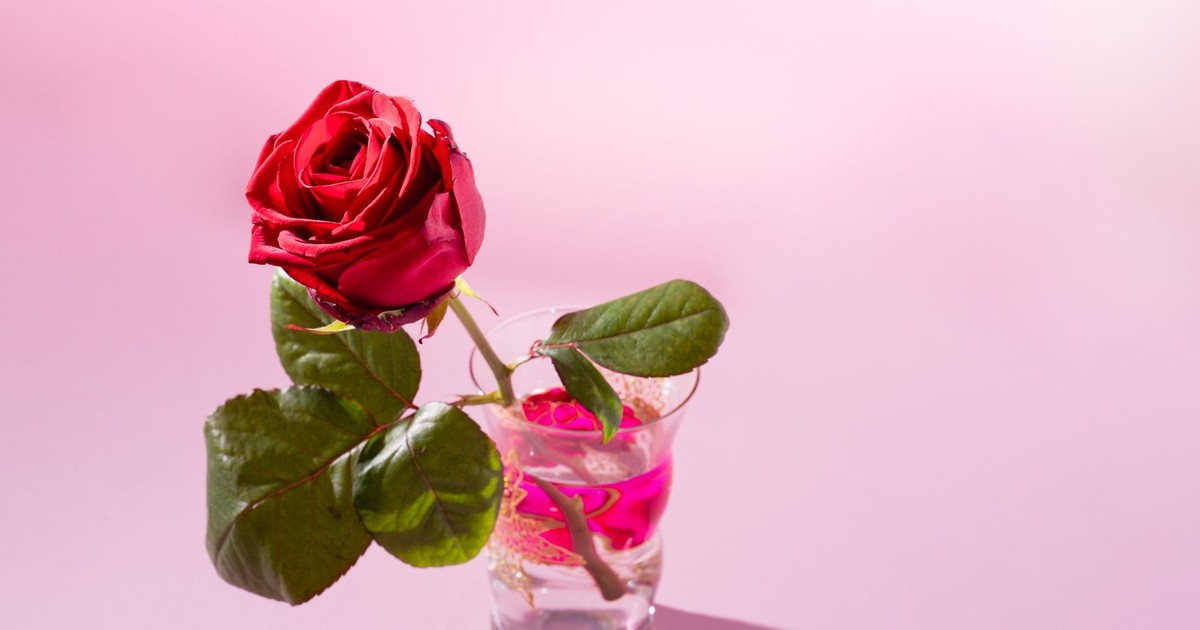

You pull out a vase, drop in the bouquet, top it off with tap water, and step back to admire your work. Within 48 hours, half the petals have gone limp and the roses are hanging their heads like they’ve given up on something. This is not bad luck. It’s a series of very fixable mistakes that florists never make, because they know the whole routine, not just one step.
Florists trim stems before the flowers touch water. The difference it makes is enormous. But if you stop there, you’re missing the full picture. Professional florists follow a specific sequence of steps every time they receive, prep, and display flowers. Cut flowers typically last about five to ten days with proper care, and the difference between the lower and upper end of that range comes down almost entirely to what happens in the first ten minutes after you bring them home.
Every step below is something a working florist does as a matter of routine. None of them require special equipment or a trip to a specialty shop. They do require doing them in order, which is where most people skip ahead and wonder why things go sideways.
1. Cut the Stems at a 45-Degree Angle, Immediately
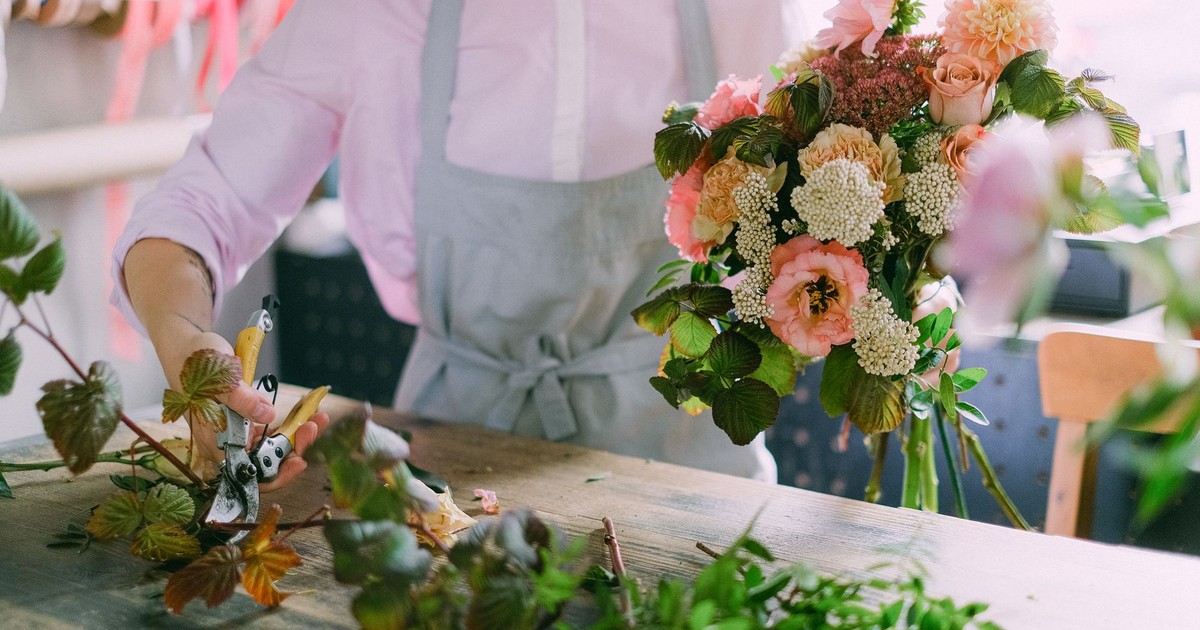
The moment a flower stem is cut from the plant, it begins sealing itself off. Air enters the exposed end and blocks the vascular channels responsible for drawing water up to the bloom. This is not a slow process. It can happen within minutes of the stem sitting out of water, which is why the cut has to happen right before the stem goes in the vase, not an hour earlier, not while you’re rinsing the vase out.
Florists cut stems on a diagonal. This increases surface area for water uptake and prevents the stem end from sitting flat on the vase bottom. A flat-ended stem sitting flush against the bottom of a vase is effectively sealed shut. The angled cut solves two problems at once: it creates a larger opening for water absorption and it lifts the stem slightly off any surface it might rest against.
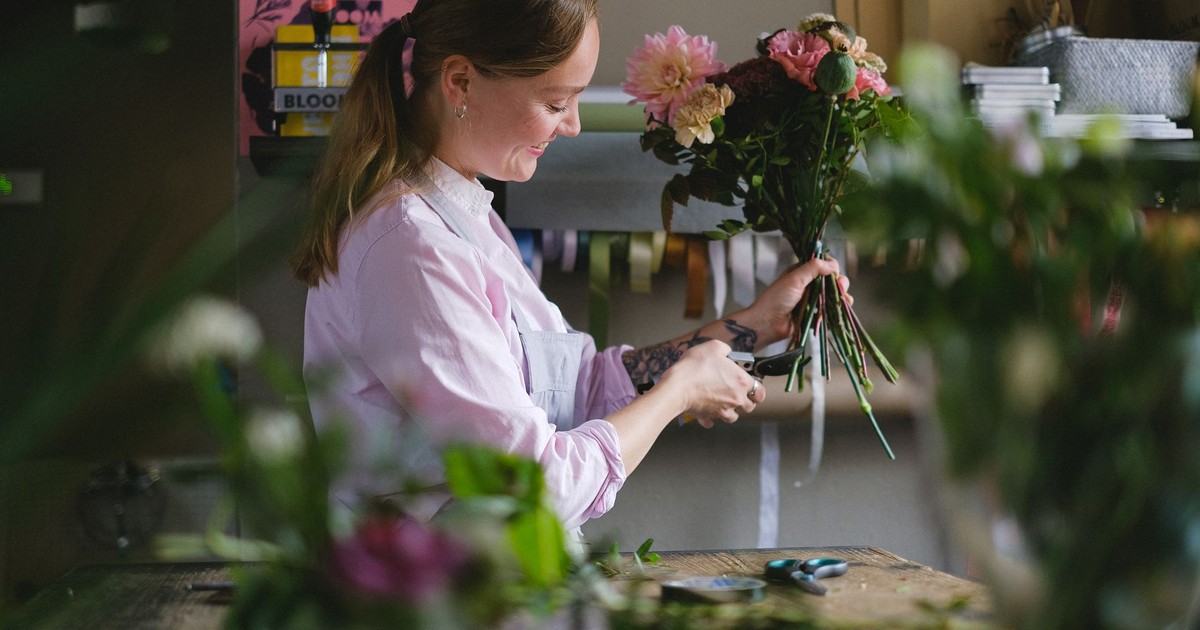
Use the sharpest tool you have. A dull blade crushes the stem’s vascular tissue instead of slicing cleanly through it, which restricts water flow just as surely as a blunt seal would. Kitchen scissors work in a pinch, but garden shears or a sharp paring knife will give you a cleaner result. Some flowers, like roses, tend to get air bubbles stuck in their stems, blocking water flow. To prevent this, cut the flower stems underwater. If you’re working with roses especially, fill a bowl, submerge the stem end, and cut there, then transfer directly to the vase without lifting the stem into the air.
Re-trimming also matters after the first day. Give their stems a fresh cut before placing them in water, and re-trim the stems every few days, especially when changing the water, to maximize water uptake.
2. Fill the Vase With Lukewarm Water, Not Cold
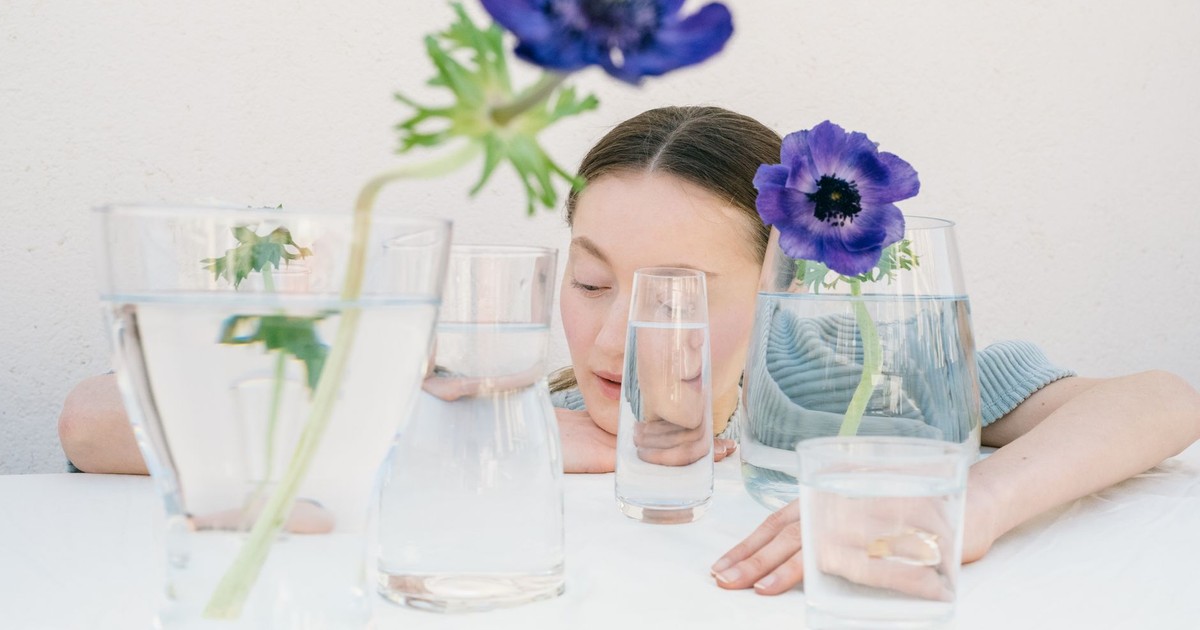
Cold tap water feels intuitive, but it works against efficient hydration. According to the Brooklyn Botanic Garden, professional florists and commercial growers always use lukewarm water for their cut flowers, with a temperature of 100°F to 110°F. The reason is basic physics: warm water molecules move faster than cold water molecules and can be absorbed by flowers with greater ease, getting water and nutrients as quickly as possible to the head of the flower.
There is one category of exception worth knowing. Tulips prefer cool temperatures and do better displayed in cold water, which slows bloom opening and helps maintain stem firmness. If your arrangement includes tulips, give them their own container with cold water, or use a cooler water temperature for the whole vase and accept that the other blooms may not hydrate as efficiently. Most mixed bouquets from a florist or grocery store don’t include tulips, so for the majority of arrangements, lukewarm is the right call.
What you’re trying to do in this step is get the flowers hydrating as fast as possible after the trauma of being cut and transported. They’re working against dehydration from the moment they leave the plant. Lukewarm water jumpstarts the hydration process instead of asking the flower to work harder against a temperature gradient.
3. Strip Every Leaf Below the Waterline
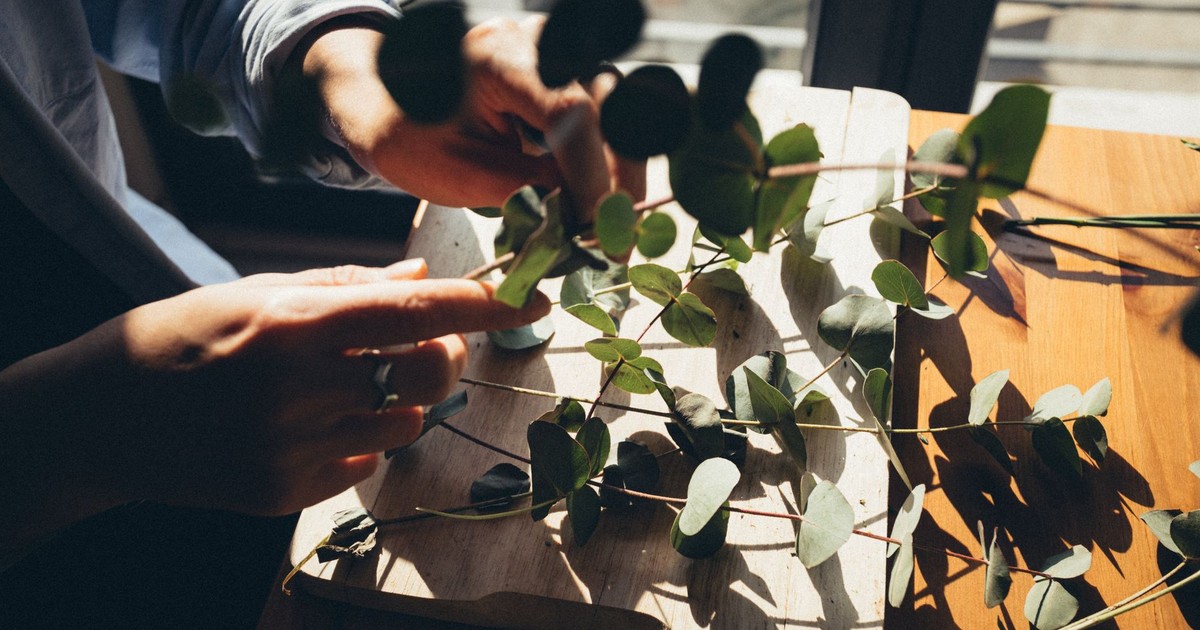
Remove any leaves that will be submerged in water. Leaves left in the water can promote bacterial growth, which can shorten the lifespan of your flowers. This is one of the most skipped steps in home flower care, and one of the most consequential. A single submerged leaf, left for two days, will turn the water cloudy, introduce bacteria into the vascular system of the stem, and start degrading the entire arrangement from the bottom up.
Any foliage below the waterline can rot and breed bacteria, so florists strip these away. Take the time to run your fingers down each stem before it goes in the vase and pull off anything that would sit beneath the water’s surface. You don’t need to denude the whole stem. Keep the leaves above the waterline. They add to the look of the arrangement and cause no harm up there.
This step also, counterintuitively, benefits the blooms themselves. When a stem has to supply water and energy to foliage as well as petals, the leaves and the blooms are competing for the same resources. Removing the submerged leaves doesn’t just prevent bacterial contamination. It redirects the flower’s remaining energy toward the parts you actually want to keep looking good.
4. Add Flower Food (and Understand Why It Works)
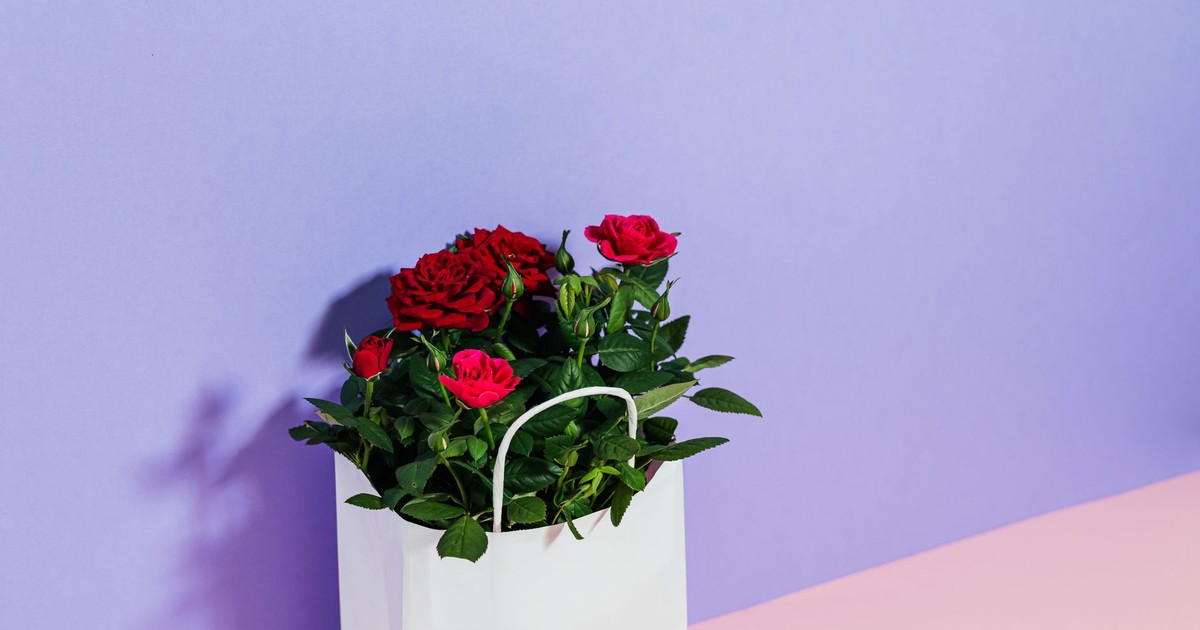
That small paper packet your florist tucks into the bouquet is not a gimmick. The Brooklyn Botanic Garden confirms that using a preservative definitely increases the longevity of cut flowers. To survive, flowers need three ingredients: carbohydrates, biocides, and acidifiers. Flower food packets deliver all three in measured doses. The sugar feeds the bloom (replacing the carbohydrates it can no longer get from the plant), the biocides suppress bacterial growth in the water, and the acidifier lowers the pH to a level that allows more efficient water uptake.
If you’ve lost the packet or didn’t get one, there are home alternatives that approximate the same chemistry. A crushed aspirin in the vase water lowers the pH and has a mild antimicrobial effect. A teaspoon of sugar adds the carbohydrate component, though without the biocide you’ll need to change the water more frequently. These aren’t quite as effective as commercial floral food, but they’re meaningfully better than plain tap water.
What none of this does is compensate for dirty water left sitting too long. Florists use only sanitized containers filled with fresh water. Change the water every two days regardless of how clear it looks, and add a fresh dose of food when you do. A vase that hasn’t been rinsed since the last arrangement is a bacterial incubator. Rinse it with hot water and a drop of dish soap before you start.
5. Choose the Right Vase for the Flowers You Have
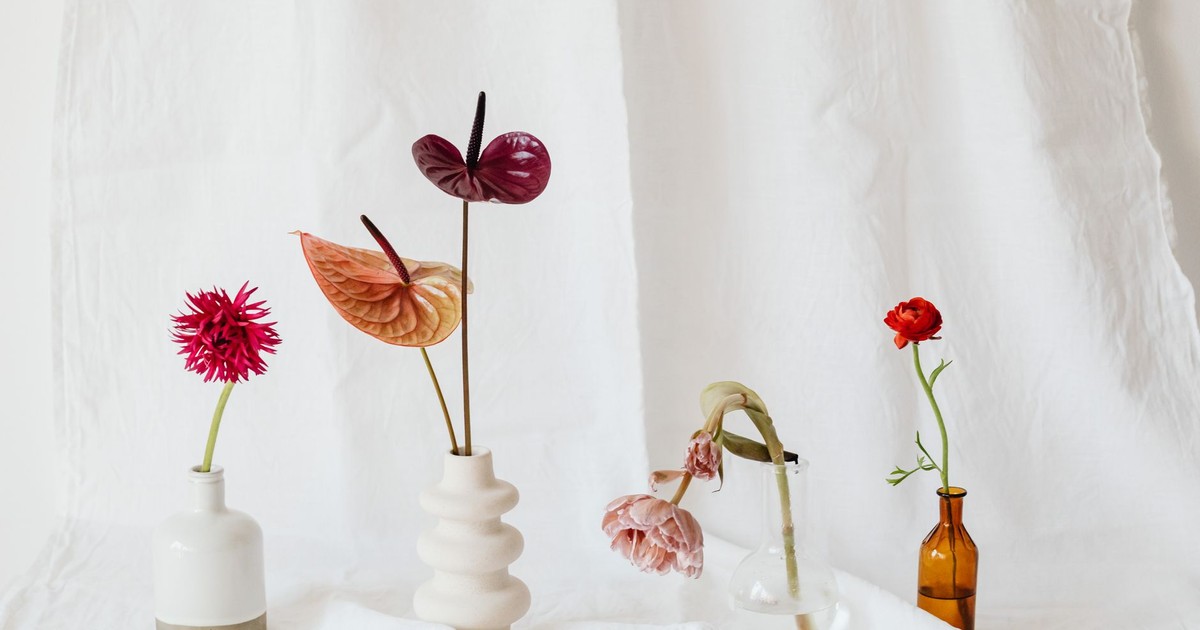
A vase isn’t just a container. It’s structural support, and the wrong choice will stress the stems in ways that shorten the arrangement’s life. Lighter, more fragile cut flowers belong in a taller vase. Cut heavy blooms short and place them in a low vase where they’ll have extra room to spread out.
The logic here is about weight distribution and stem angle. A heavy-headed bloom like a sunflower or a hydrangea placed in a tall, narrow vase with an overly long stem will bend at the neck within a day. The weight of the head pulls the stem sideways, crimping the vascular channel and cutting off water supply. Trim the stem, move it to a shorter vase, and the problem disappears. A delicate stem in a squat vase, on the other hand, won’t be supported and will flop over the rim.
The vase also needs to be genuinely clean. Not “rinsed out from last time” clean. Residue from previous arrangements, even invisible residue, harbors bacteria that will work against every other step you’ve taken. A quick wash with hot soapy water, a rinse, and an air dry is the baseline. If you’ve had a particularly short-lived arrangement recently, a small amount of diluted bleach solution in the rinse water will sanitize it properly.
6. Keep Flowers Away From Fruit, Direct Sun, and Heat Sources
The bowl of apples on your kitchen counter is quietly destroying your flower arrangement if it’s anywhere nearby. According to Mayesh Wholesale Florist, common household fruits like bananas, apples, and avocados emit high levels of ethylene and should be kept away from floral arrangements. Ethylene is a natural plant hormone that accelerates aging in flowers. It causes petals to wilt, buds to stay closed, and blooms to fade days ahead of schedule.
The Philadelphia Floral Guild notes that even minuscule amounts of ethylene can rapidly accelerate the aging process in cut flowers. That’s a vanishingly small concentration. You don’t need a rotting banana sitting directly in the vase. A bowl of ripening fruit on the same counter is enough to shorten vase life noticeably. Some staples like roses, carnations, and lilies are very prone to wilting and petal drop if even a little ethylene is in their immediate environment.
Heat and direct sunlight compound the problem. Both accelerate water loss through the petals and speed up the flower’s metabolic processes, burning through its remaining resources faster. Place the arrangement in the coolest spot in the room, away from windows that get afternoon sun, and well away from radiators, heating vents, and appliances that generate warmth. Florists store flowers at 36°F to 46°F until the last possible moment. You can’t replicate a commercial cooler at home, but you can avoid actively making things warmer.
7. Remove Spent Blooms Promptly, and Know When Each Flower Peaks
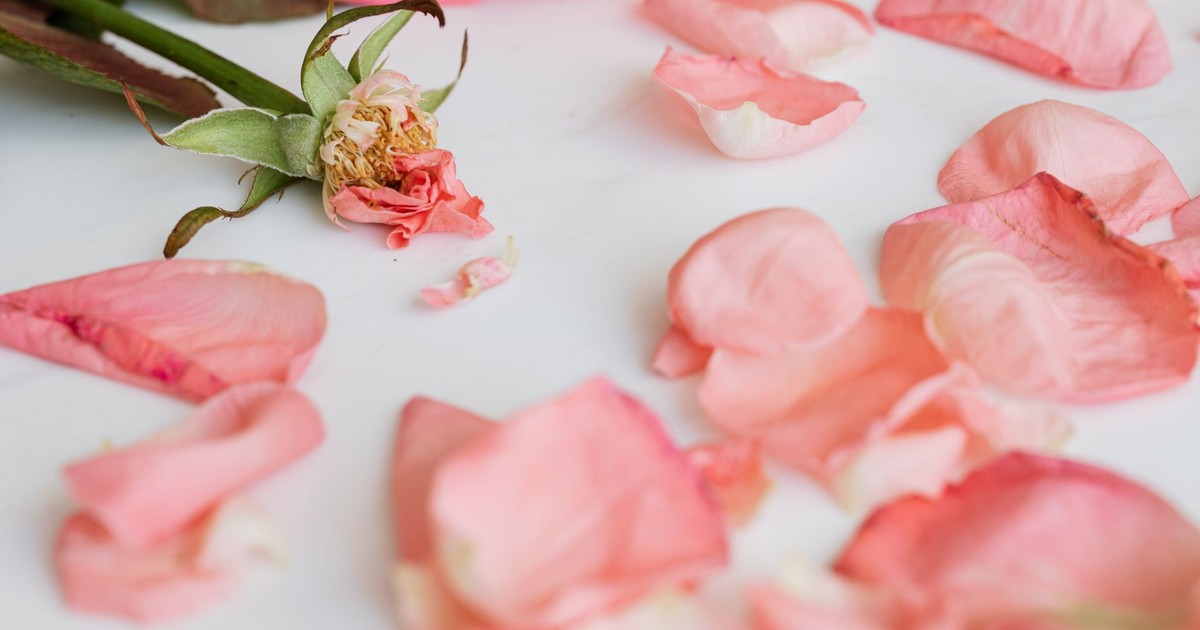
An arrangement is not a static object. It changes every day, and managing that change actively is the difference between an arrangement that looks good for a week and one that collapses in stages. When a single bloom in the vase begins to wilt or brown, remove it immediately. As Mayesh Wholesale Florist explains, as cut flowers age, damaged or dying stems produce increased amounts of ethylene gas, and one decaying stem can trigger nearby flowers to produce more ethylene, creating a cascade effect that speeds up deterioration across the entire arrangement.
Different flowers in a mixed arrangement peak at different times. Carnations and chrysanthemums are long-haul flowers. Chrysanthemums have been known to last upwards of four weeks, which leads some florists to consider them the best flower for indoor vases. Roses and lilies sit in the middle range. Flower species like lilacs, daisies, and peonies last a considerably shorter time, usually three to seven days, depending on the variety. When the shorter-lived blooms go, pull them and let the longer-lived ones carry the arrangement to the end.
Keeping up with this daily takes about ninety seconds. It’s the maintenance habit most people skip because it feels fussy, and it’s the one that makes the biggest visible difference in week two.
The Ten Minutes That Change Everything
The real secret professional florists hold isn’t any single step. It’s the sequence. Each one of these actions solves a specific biological problem: the air-sealed stem, the slow hydration, the bacterial bloom, the nutrient deficit, the ethylene cascade. Miss one and you create a gap that shortens the arrangement’s life, often by days. Do all of them and you haven’t just extended the arrangement. You’ve changed the relationship between you and the flowers in the vase.
Fresh-cut flowers care doesn’t require a green thumb or a florist’s refrigerated cooler. It requires about ten minutes of focused attention when the flowers first come home, and two minutes of daily maintenance after that. The flowers you buy at the farmers market on Saturday can still look purposeful and alive the following Friday, not because of luck, but because you gave them what they needed before you ever filled the vase. Some of these steps feel like overkill the first time you do them. By the second week, when the arrangement is still standing and everyone who walks into your kitchen asks what your secret is, they’ll just feel like Tuesday.
Disclaimer: This information is not intended to be a substitute for professional medical advice, diagnosis, or treatment and is for information only. Always seek the advice of your physician or another qualified health provider with any questions about your medical condition and/or current medication. Do not disregard professional medical advice or delay seeking advice or treatment because of something you have read here.
AI Disclaimer: This article was created with the assistance of AI tools and reviewed by a human editor.