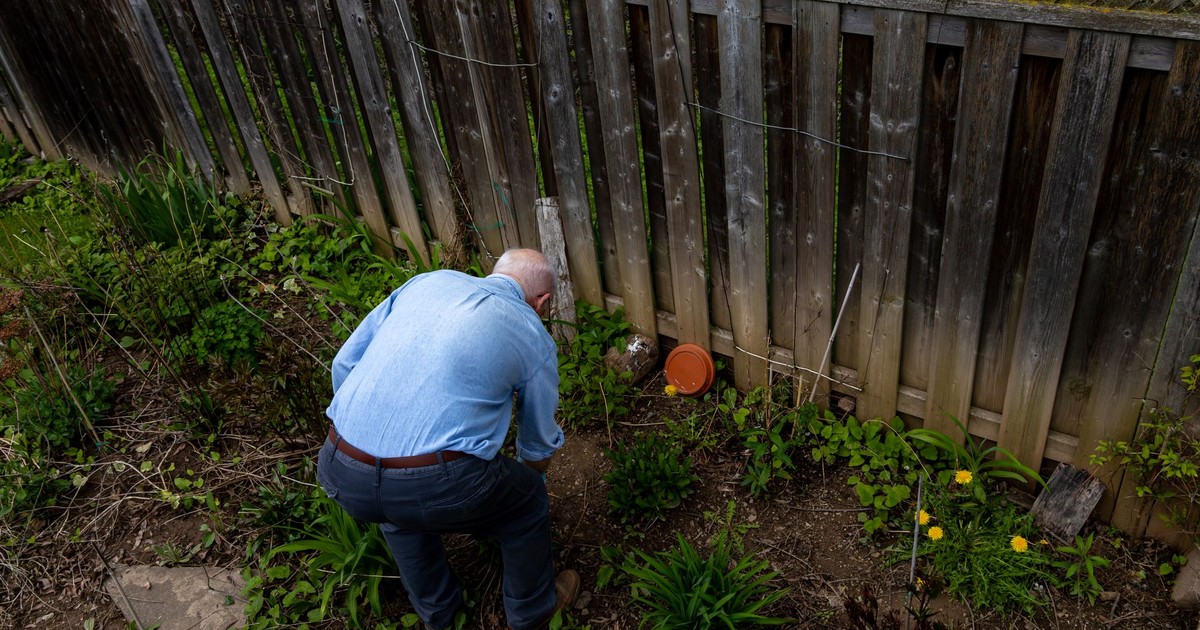

Gardening advice has a long half-life. Something a grandmother said about watering in the afternoon, a tip from a neighbor about Epsom salts, a trick involving coffee grounds that has been shared so many times it now reads as settled fact – these things accumulate in a gardener’s head alongside actual knowledge, and it can be genuinely difficult to tell them apart. That’s not a character flaw. It’s just how information travels, especially in a hobby that’s been practiced for millennia and has only recently started getting rigorous scientific attention.
The problem is that some of the most persistent myths are doing real damage. Not dramatic, plant-funeral damage necessarily, but the slower kind: stunted root growth, imbalanced soil chemistry, wasted money on products that aren’t doing what you think they’re doing, and an increasingly frustrated relationship with your own yard. Getting gardening myths debunked isn’t just an intellectual exercise. It’s the difference between working with your garden and working against it without knowing it.
Most of this bad advice isn’t malicious. Garden advice becomes twisted like a game of telephone, garden books go out of date, and the internet and social media, while often helpful, can also contain misinformation. The result is a body of received wisdom where fact and fiction have been growing alongside each other for so long that even experienced gardeners have stopped questioning either.
Here are nine of the most widespread myths that horticultural experts and university researchers wish would finally stop spreading.
1. Watering in the Midday Sun Burns Your Plants
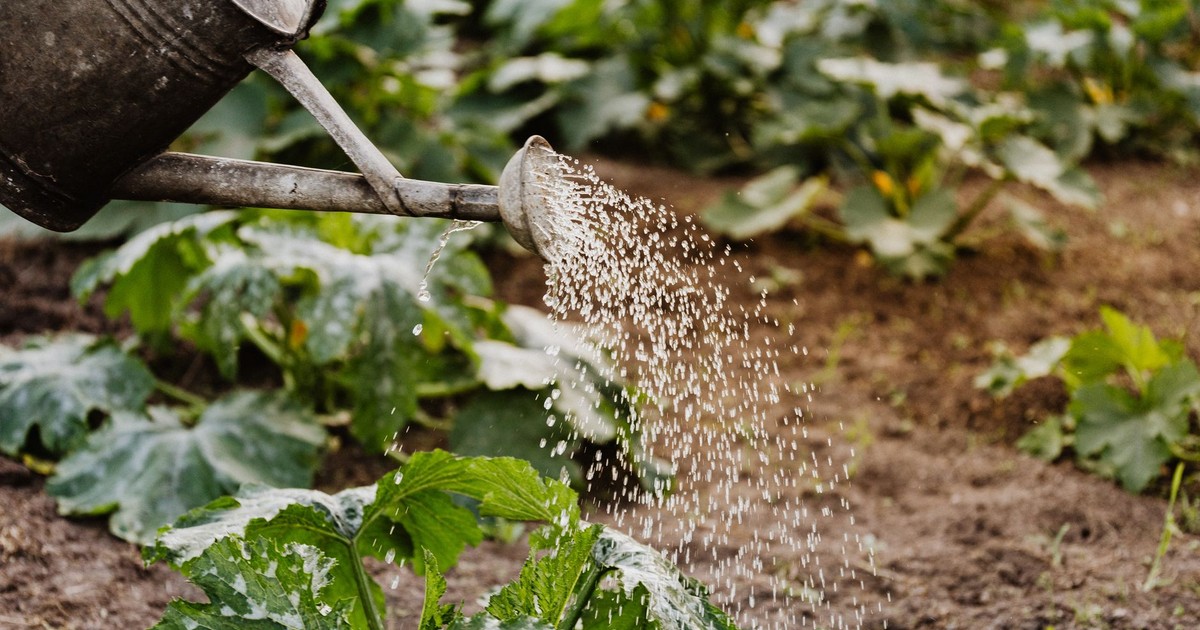
This is probably the most universally repeated piece of gardening advice there is, delivered with absolute authority by people who have been repeating it their whole lives. The idea is intuitive enough: water droplets on leaves act like tiny magnifying glasses, focusing the sun’s rays to a scorching point. For most plants, however, the science shows this fear is overstated.
According to a review at gardenmyths.com, a team of scientists found that water droplets on smooth-leafed plants — such as maple or ginkgo — pose no scorching risk under normal conditions. Leaves with small wax hairs are a different matter: those hairs can hold droplets above the leaf surface, creating a genuine magnifying-glass effect and making those plants susceptible to sunburn. For the vast majority of smooth-leafed garden plants, midday watering poses no scorching risk from water droplets.
The reason midday watering is still worth avoiding is evaporation, not scorching. If you need to water in the midday sun, your plants will benefit far more from a soak now than a perfectly timed drink six hours later – though more of that water will evaporate, so you’ll need a bit more of it. Water the roots, not the leaves, time it for the morning when you can, and stop worrying that a midday emergency watering is cooking your tomatoes.
2. Epsom Salts Make Tomatoes Thrive
Walk into any garden center and you’ll find Epsom salts positioned near the vegetable seeds with little cards explaining how they’ll transform your tomato harvest. Home gardening forums are full of testimonials. The problem is that the benefit people believe is happening – magnesium from the salts correcting a deficiency and producing bigger, better fruit – only works under a very specific condition that most home gardeners never bother to check for.
Epsom salts (magnesium sulfate) should only be used if a soil test shows a magnesium deficiency. In most gardens, they can harm plants rather than help them, according to OSU Extension horticulturist Brooke Edmunds. The issue is that most garden soils are not magnesium-deficient. Adding it anyway doesn’t give your plants a bonus boost; it throws off the balance of other nutrients, particularly calcium, which tomatoes need in abundance to prevent blossom end rot – the very problem many gardeners are hoping Epsom salts will fix.
Correlation is doing a lot of work here. If someone sprinkled Epsom salts and then had a good tomato year, the salts get the credit. But growing conditions, watering habits, sun exposure, and basic plant genetics were all in the frame. Before you add any mineral amendment, get a soil test. A basic one costs about twenty dollars and will tell you exactly what your soil is actually missing.
3. Coffee Grounds Make Soil More Acidic
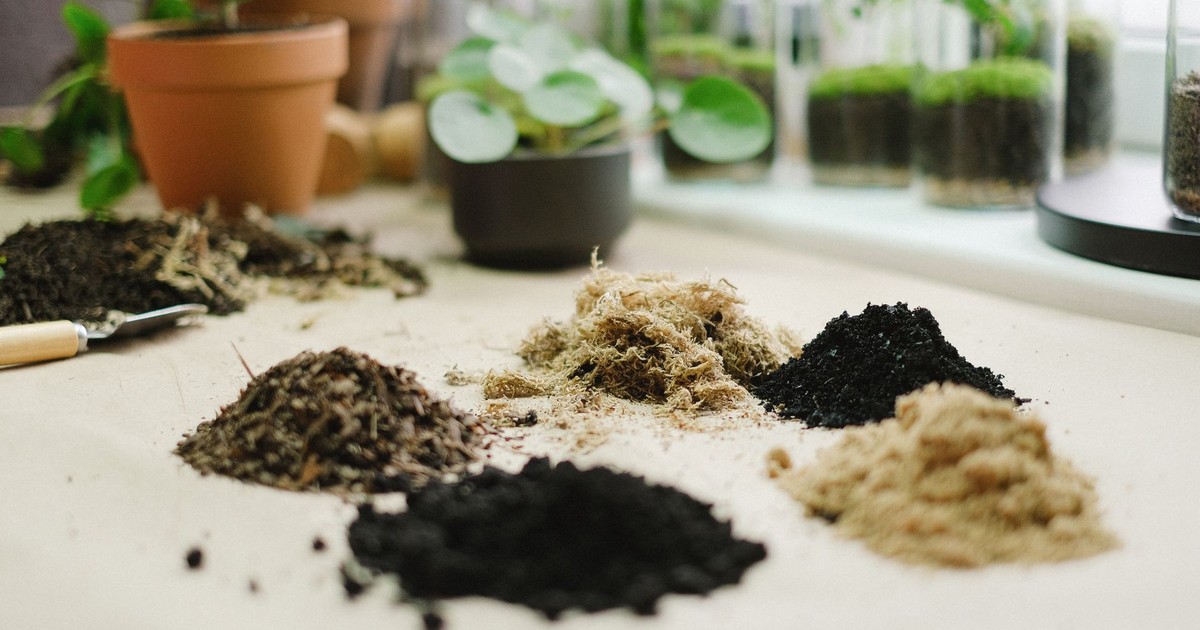
The logic of this one is almost reasonable. Coffee is acidic. Coffee grounds come from coffee. Therefore, coffee grounds are acidic and will lower your soil’s pH, making them a natural choice for acid-loving plants like blueberries, rhododendrons, and azaleas. The first part of that chain is true. The rest of it is not.
As the Oregon State University Newsroom reports, it’s a myth that coffee grounds are acidic and will lower the pH of the soil. After brewing, the grounds are close to pH neutral, between 6.5 and 6.8. Research shows that whatever change coffee grounds bring to the soil is short-lived. So don’t depend on them to keep a lower soil pH. Some plants like rhododendrons, azaleas, blueberries, gardenias, and blue-flowering hydrangeas require a lower soil pH to thrive – and coffee grounds won’t do that.
There’s an additional wrinkle that the enthusiasts don’t mention: volume matters. Linda Brewer, Oregon State University Extension Service soil scientist, said coffee grounds can be worked into the soil or added to a compost pile but should be done with some restraint. “The big message is that generally people are too enthusiastic,” she noted, adding that she’d personally seen a raised bed ruined by an overdose of coffee grounds. Used in moderation, they’re a decent compost ingredient. Used as a soil pH corrector for acid-loving plants, they’re just not doing the job.
4. You Should Always Amend the Soil in a Planting Hole
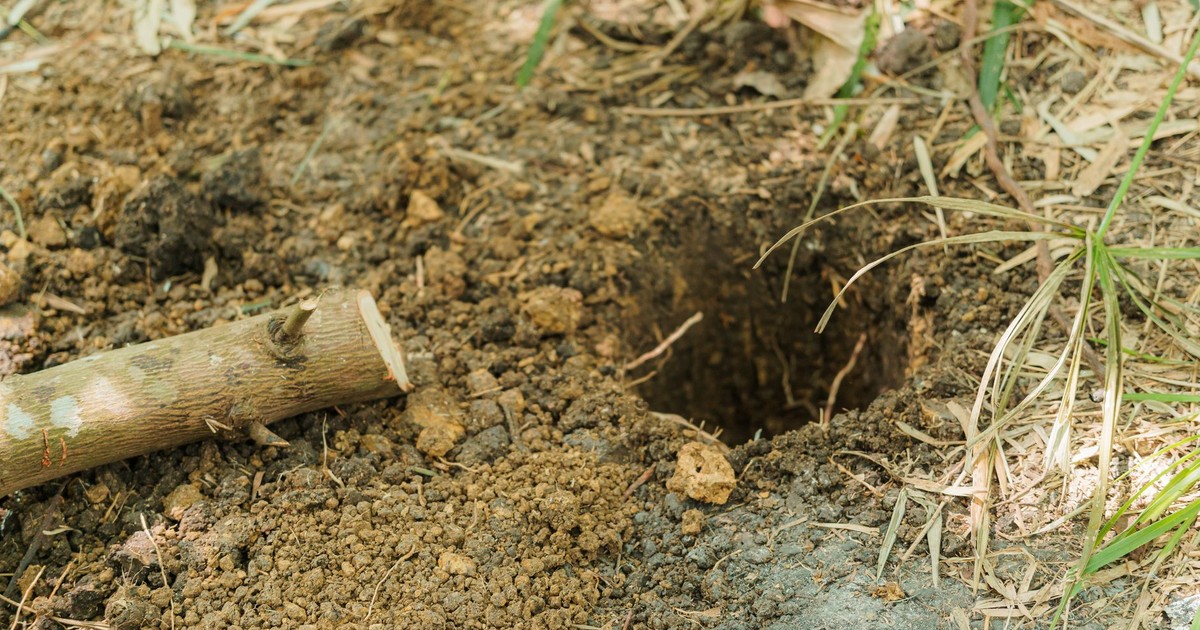
This one is taught so consistently in gardening guides that it feels like a rule rather than a recommendation. The idea is that when you’re planting a new tree, shrub, or perennial, you improve the soil in the planting hole with compost or other organic matter, giving the roots a nutrient-rich environment to get established in. In reality, this well-intentioned practice can create the opposite of what you want.
Amending only the planting hole can stunt root growth, according to retired OSU Extension horticulturist Neil Bell. Roots may stay within the amended soil instead of expanding into native soil. Instead, amend the entire planting area before digging holes, or skip amendments altogether if the soil is healthy. What happens is a kind of root laziness: the roots find a comfortable, nutrient-rich little pocket and circle around inside it rather than spreading outward into the wider soil, which is what gives a plant its long-term stability and drought resilience.
Amending the soil can restrict outward root growth, and the difference between the amended soil and the native existing soils can also restrict water movement. Illinois Extension recommends adding organic matter across the whole bed during preparation rather than concentrating amendments in individual holes. Think of it as preparing the neighborhood, not just one apartment.
5. Lime Fixes a Moss Problem in Your Lawn
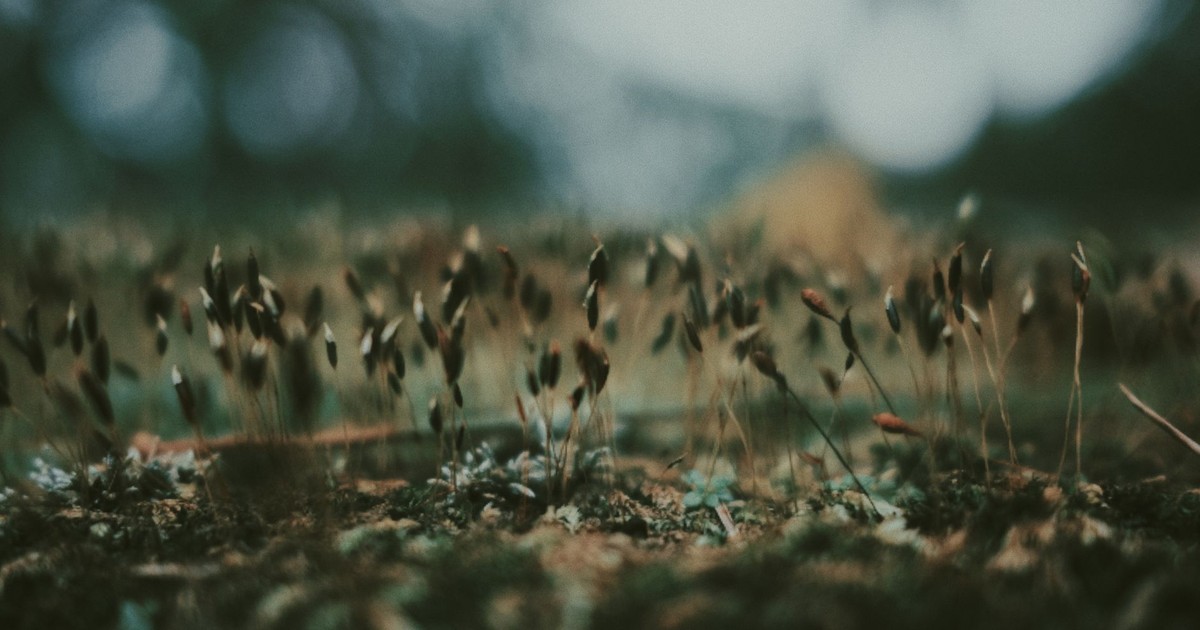
Moss in the lawn is one of those things that looks like an obvious problem and inspires a lot of confident, incorrect advice. The most common version goes: moss means your soil is too acidic, lime raises the pH, therefore lime kills the moss. The first part is sometimes partially true. The rest is a chain of faulty logic.
As retired OSU Extension horticulturist Neil Bell explains, lime won’t solve a moss problem. Moss thrives in wet, shady conditions and infertile soil. Increasing sunlight through pruning or thinning nearby trees, and applying nitrogen-rich fertilizer four times a year, will help healthier, denser grass outcompete moss. In other words, moss isn’t the problem – it’s the symptom. The actual problems are drainage, shade, and poor fertility. Lime may or may not adjust your pH slightly, but if the conditions that favor moss stay in place, the moss will stay too.
The deeper issue with reflexively adding lime is that it can cause real harm. Adding lime to your soil may actually be detrimental. Year after year, you’re raising your pH and adding in large amounts of calcium to your soil, which could set you up for some nutrient deficiencies. Get a soil test before adding any pH-adjusting product. Your lawn might not need lime at all – it might just need better drainage and a bit more sun.
6. Bee Houses Are Great for Native Bee Conservation
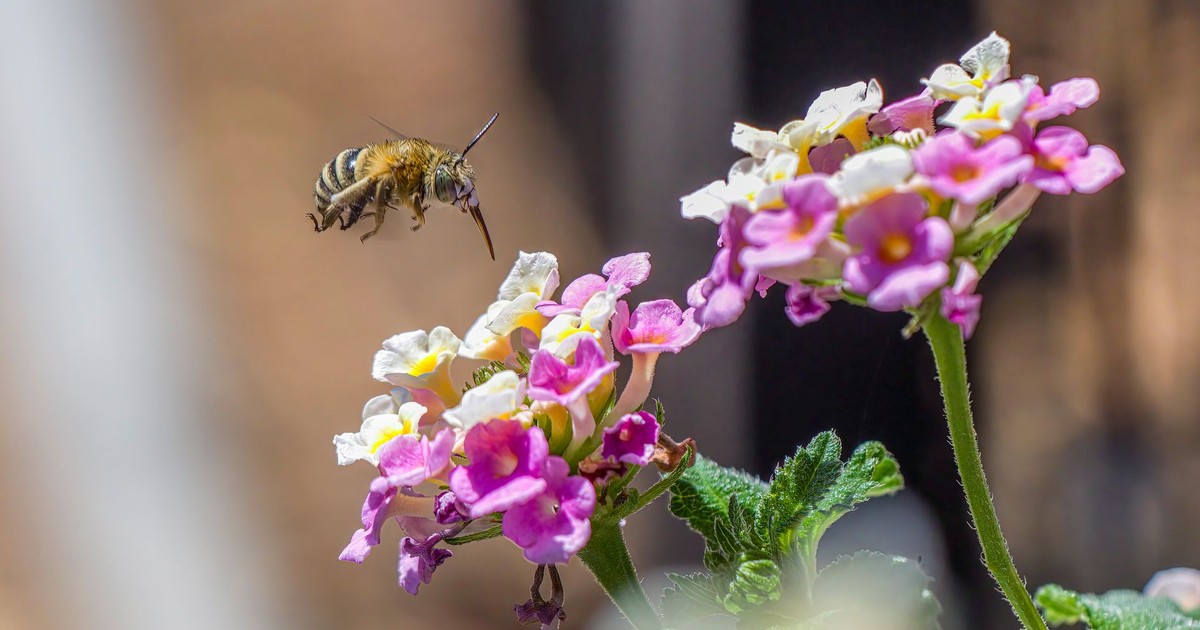
Bee houses have become one of the garden’s most popular feel-good purchases. They’re aesthetically charming, they signal ecological mindfulness, and the idea behind them is genuinely good: provide nesting habitat for cavity-nesting native bees. The trouble is that the reality of who actually moves into those little wooden condos is considerably less tidy.
Most native bees nest in the ground, not in cavities. Studies show bee houses are often colonized by wasps, which still provide pest control benefits. Bee houses can be useful but are not a solution for conserving native bee diversity. The majority of North America’s native bee species – ground-nesters like mining bees and sweat bees – get nothing from a bee house. For them, the most useful thing you can do is leave a patch of bare or loosely tilled soil somewhere in the garden.
This doesn’t mean bee houses are worthless. Wasps are genuinely useful garden inhabitants and the cavity-nesters that do use the houses, like mason bees and leafcutter bees, are real pollinators. But if your goal is broad native bee conservation, planting a diversity of native flowering plants and reducing pesticide use will do considerably more than any amount of artisanal bee architecture.
7. Tree Roots Only Grow as Wide as the Canopy
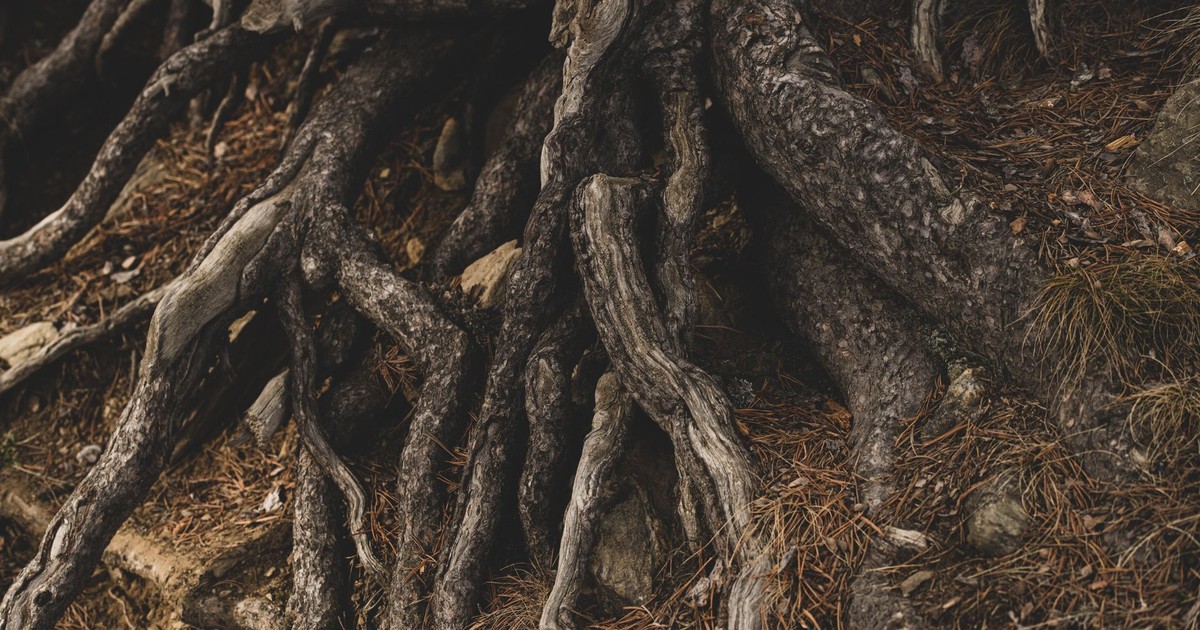
The drip line – the outer edge of a tree’s canopy – has long been used as a proxy for where the roots end. It’s a tidy visual shorthand. It’s also wrong, and the consequences of believing it are significant when it comes to construction, utility work, and any digging you might do near an established tree.
Tree roots often extend well beyond the canopy. Depending on species, roots can reach two to four times the spread of the branches, according to retired OSU Extension horticulturist Neil Bell. A tree with a canopy spread of twenty feet can have roots extending forty to eighty feet outward from the trunk, mostly in the top twelve to eighteen inches of soil. Those roots are where the tree absorbs water and nutrients, and damaging them – even well outside what looks like the tree’s footprint – can have serious consequences for the tree’s long-term health.
This matters practically for anyone planning a patio, a new garden bed, or any trenching near a mature tree. The visible trunk and canopy give you almost no useful information about where the actual root system is. The rule of thumb from arborists is to treat the area from the trunk out to at least the drip line, and ideally well beyond it, as protected root zone when doing any ground disturbance work.
8. You Need to Add Gravel to the Bottom of Pots for Drainage
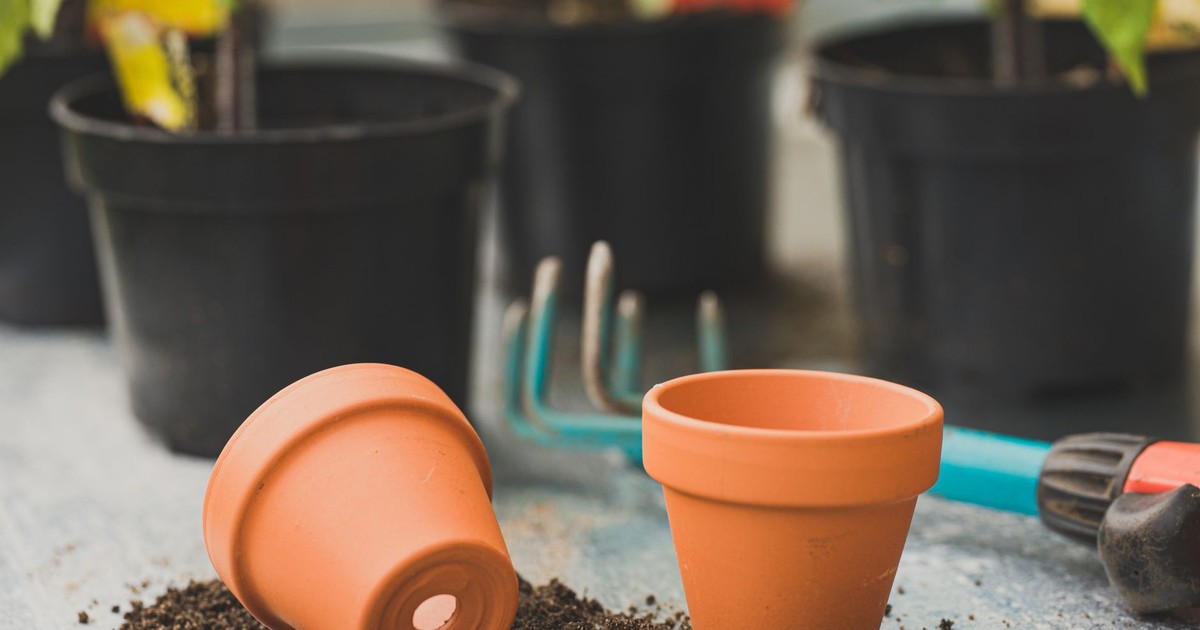
This one has been in every beginner gardening guide for as long as anyone can remember. Before potting a plant, add a layer of gravel, pebbles, or broken pottery to the bottom of the container. The reasoning is that it creates a drainage layer so roots don’t sit in waterlogged soil. It is persistently, demonstrably incorrect, and horticultural scientists have been trying to put it down for decades.
Gardeners have long believed that crocks in pots improve drainage, but this is false. What actually happens is the opposite of what’s intended. Water moving through soil doesn’t flow freely into a layer of coarser material below it – it forms what’s called a perched water table, where moisture accumulates just above the gravel layer and keeps the lower portion of the soil wetter for longer. The drainage layer creates a drainage problem. Disrupted capillary action and reduced soil volume mean the gravel achieves nothing useful.
The only thing gravel or crocks at the bottom of a pot can legitimately do is prevent potting mix from falling out through the drainage hole. For that purpose, a small piece of mesh or a single shard is plenty. The rest is aesthetic, not functional. If drainage is a genuine concern, the answer is a well-draining potting mix, adequate drainage holes, and not letting the pot sit in a saucer of standing water.
9. More Compost Is Always Better
Compost enjoys a near-sacred status in the gardening world, and for understandable reasons. It improves soil structure, feeds soil biology, and helps with both water retention and drainage. But the version of this that has spread online – that you can never add too much, that the answer to any plant problem is more compost – has started causing genuine problems in home gardens.
Adding organic matter to soil in the form of compost helps to improve soil structure and promote long-term plant health, but adding too much at once, or building up excess year after year, can lead to real problems. As OSU Extension experts note, if soil organic matter climbs much higher than ideal, the soil can accumulate too much available phosphorus, which stunts plant growth and potentially leaches into the water table. Some composts can also be high in salts, which compounds the damage.
Phosphorus buildup is a particularly underappreciated risk. Most plants require relatively small amounts of it, and once it accumulates in soil it doesn’t flush out easily. Excess phosphorus interferes with a plant’s ability to absorb iron and zinc, and when it leaches into waterways, it contributes to algal blooms. None of this means stop composting. It means that compost, like everything else in the garden, works best in proportion. A two-to-three inch top dressing once or twice a year is sufficient for most established beds. More is not more.
Read More: Should Every School Have a Year-Round Gardening Program?
What to Do With All of This
The honest takeaway from getting gardening myths debunked isn’t that everything you’ve been told is wrong. Most gardening instincts are fine. Plants want water, sun, and decent soil. Compost is good. Getting outside and paying attention to what’s growing is how you actually get better at this. The myths cause problems specifically when they replace that observation with a rule so hardwired that you stop questioning it.
With so many sources of gardening advice – from books and magazines to social media – misinformation spreads fast, and experts are still actively working to set the record straight on some of the most persistent myths in home gardening. The most durable piece of advice from the researchers who’ve spent decades correcting bad tips: if you’re not sure what your soil needs, test it. A basic soil test is inexpensive, gives you actual data about your actual garden, and eliminates the guesswork that lets myths take hold in the first place. Every specific decision – lime, Epsom salts, pH amendments – gets easier when you know what you’re starting with.
The garden, it turns out, is very good at telling you what it needs. Most of these myths persist not because gardeners are gullible but because the advice sounds logical and no one ever hands you a reason to second-guess it. The reason is right here. Your soil is waiting.
Disclaimer: This information is not intended to be a substitute for professional medical advice, diagnosis, or treatment and is for information only. Always seek the advice of your physician or another qualified health provider with any questions about your medical condition and/or current medication. Do not disregard professional medical advice or delay seeking advice or treatment because of something you have read here.
AI Disclaimer: This article was created with the assistance of AI tools and reviewed by a human editor.