

You know that specific variety of short-tempered that comes on during a heat wave, the one where the neighbor’s dog barking at 9 a.m. feels like a personal offense, and your kid asking what’s for lunch feels like the most unreasonable demand ever made by another human being? You’re not having a bad day. You’re not failing at emotional regulation. Your brain is actually doing something very specific in response to the temperature, and it has nothing to do with your character or your patience reserves.
Heat mood irritability is not a quirk. It’s a documented, researched, physiological response to ambient temperature. Your body reads heat as a threat. And a body that thinks it’s under threat is not going to be cheerful about it.
What Your Brain Is Actually Doing
According to the APA’s Monitor on Psychology, heat has psychological consequences ranging from irritability to impulsivity to trouble concentrating. This is not a metaphor for being uncomfortable. It is a direct consequence of the way your nervous system responds to thermal stress. When you get too hot, your body kicks into overdrive trying to cool itself down. Your heart rate goes up. Your blood vessels dilate. Your cortisol levels rise, and because hormones are closely tied to mood, rising temperatures get associated with higher levels of psychological distress, including anxiety and irritability.
Heat can lead to increased levels of norepinephrine, a brain chemical involved in the “fight or flight” response. Your nervous system reads heat stress as a potential threat even when nothing particularly stressful is actually happening. That activation state primes you to react — which is useful in a genuine emergency, and considerably less useful when the main challenge of the moment is deciding what to make for dinner.
A 2025 systematic review in PMC found that participants felt less able to regulate their emotions during extreme heat, reporting irritability, overwhelm, moodiness, and even anger and aggression. The key word there is “regulate.” It’s not that heat makes you a different person. It’s that it strips away some of the buffer capacity you normally use to manage the friction of everyday life. The small things stop being small. The annoyances that usually bounce off you start to stick.
The Sleep Factor Nobody Talks About Enough
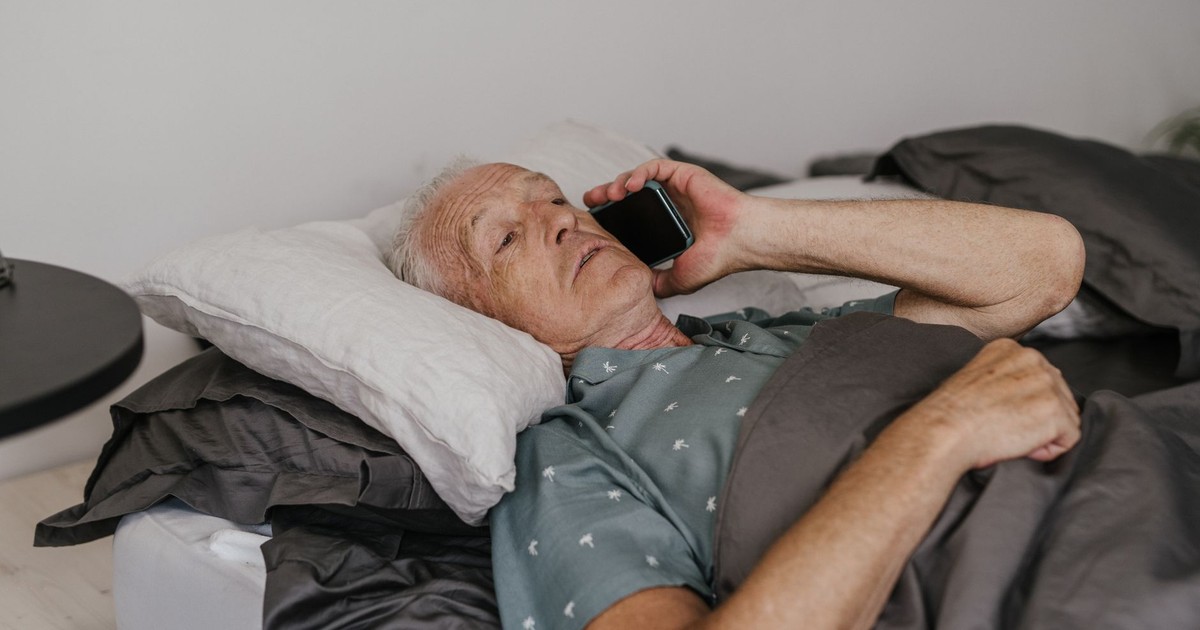
A 2024 study published in Economics and Human Biology found that when overnight temperatures exceed 77°F (25°C), people are more likely to report poor sleep quality, a known contributor to anxiety and depression. So by the time you wake up in the morning already a little frayed, and the day is already climbing toward 90 degrees, you’re starting the whole cycle from a deficit.
High temperatures at night disrupt sleep, and that lack of sleep makes you feel tired, grumpy, and worsens mental health conditions like anxiety and depression. Sleep is one of the primary ways your brain processes emotional information and resets its stress response. Cut that short night after night, and you’re not just tired. You’re emotionally underprepared for whatever the day is about to hand you. That argument that happens at 10 a.m. about who used the last of the oat milk is not really about the oat milk.
The Body Under Pressure

In extreme heat, your nervous system is in a constant state of trying to cool down: sweating, redirecting blood flow, working harder than usual. That extra physical stress can produce sensations similar to anxiety, making you more sensitive and on edge. Your body is doing the physical sensation part of being stressed, which then feeds back into your emotional experience and convinces you that you actually are stressed, even if the only thing that’s happening is that it’s hot outside.
Even mild dehydration can cause headaches, fatigue, confusion, and a noticeable drop in mood. Most people don’t connect these dots in the moment. You reach for another coffee because you’re tired and foggy, which dehydrates you further, which makes the headache worse, which makes everything feel harder. The afternoon becomes a compounding situation.
It’s Not Just You, It’s Everyone

A 2024 study from researchers at Children’s Hospital of Philadelphia found a small but significant association between extreme heat and behavioral symptoms including aggression, even in pre- and early adolescents. If you have been wondering why the children in your home are more volatile in summer, you are not imagining that either. Everyone’s thermostat is running hot, literally and figuratively.
Heat waves have been linked to increased rates of aggravated assault, domestic conflict, and emergency psychiatric visits. The relationship between temperature and human behavior is old and consistent, and it has nothing to do with weakness or lack of self-control.
There is also something worth understanding about people on psychiatric medications. As Jane Gilbert, the world’s first Chief Heat Officer, has noted: “Extreme heat can make people more depressed or irritable, it can bring on psychotic outbreaks, and people on certain psychiatric medications are more sensitive to heat.” If your relationship with your mental health is already managed with medication, a heat wave is not a neutral event. It is an environmental stressor that may require additional attention and care, and telling your doctor is not an overreaction.
What You Can Actually Do

Your nervous system responds to the same inputs that create the problem, only in reverse. Dehydration worsens feelings of anxiety and irritability, so water is genuinely one of the fastest interventions available to you. Not a glass when you remember, but consistent hydration through the day, including before you feel thirsty, because by the time you feel thirsty you’re already behind.
Running cold water over your wrists or splashing your face, or applying a cool compress to your neck or forehead, can signal your body to relax and reduce the physical stress responses that mimic anxiety. This is not a spa tip. It is a direct intervention in the physiological chain that’s making you irritable. Cooling the body down even a few degrees breaks the feedback loop your nervous system is running.
Sleep is worth protecting with unusual aggression during heat waves. A cooler bedroom, even with a single portable fan positioned to draw in night air from outside, changes the overnight temperature equation enough to matter. Staying indoors during the hottest part of the day, usually between 10 a.m. and 4 p.m., reduces the total thermal load your body is managing. Less load on the body during the day means a body that doesn’t have to work as hard overnight.
Movement matters too, but the timing of it. Exercising during the cooler parts of the day, early morning or late evening, is more sustainable in extreme heat, and indoor options like yoga or stretching keep the body moving without overexerting it in high temperatures. Regular physical activity helps regulate both cortisol and mood. The trick is not to stop moving; it’s to stop moving in the wrong direction at the wrong time of day.
If you’re already managing anxiety, depression, or another mental health condition, a heat wave is worth actively planning around rather than just enduring. Continue taking any medication as directed, and contact your primary care physician or mental health provider if you experience increased symptoms during periods of extreme weather and temperature. This is practical information, not alarm. Heat is a documented environmental trigger, and your care team should know it’s happening.
What This Is Really About

Understanding heat mood irritability at a biological level changes the story you’re telling about yourself when you’re in it. You stopped being an impatient person and started being a person whose nervous system is under documented thermal stress. Those two versions produce very different relationships to the afternoon, to the people around you, and to the degree to which you spend the evening cataloguing your failures.
You still snapped. You can still apologize for snapping. Understanding why it happened doesn’t dissolve the effect of it on the people in your orbit. But there’s a meaningful difference between carrying the snap as evidence of something wrong with you and carrying it as information about what you need: more water, more cool air, more sleep, less ambient noise from a world that is genuinely asking more of your nervous system than it normally does. Some summers are genuinely harder than they should be, and the temperature is doing more work in that calculation than anyone tends to give it credit for.
Disclaimer: This information is not intended to be a substitute for professional medical advice, diagnosis, or treatment and is for information only. Always seek the advice of your physician or another qualified health provider with any questions about your medical condition and/or current medication. Do not disregard professional medical advice or delay seeking advice or treatment because of something you have read here.
AI Disclaimer: This article was created with the assistance of AI tools and reviewed by a human editor.