

Thirty-three years is long enough to have watched a few presidents come and go, to have raised children who are now raising children of their own, to have moved through the version of yourselves you were when you said the vows and into versions neither of you could have predicted. When a couple married that long talks about what kept them together, most people expect the answers to be simple. They usually aren’t.
What does hold up, across decades of research and in the accounts of couples who have genuinely gone the distance, is that lasting marriages are not the ones where nothing hard happened. They are the ones where something hard happened and both people found a way to stay anyway – not through gritted teeth, but through specific, repeated, often unglamorous choices. The lasting marriage secrets that actually emerge from the data are less romantic than the anniversary-card version, and considerably more useful.
The research on what makes marriages endure has gotten remarkably precise in recent years. Relationship scientists can now identify the specific behaviors, habits, and personal virtues that separate couples who thrive for decades from those who quietly drift apart. What follows is a synthesis of what that research says, alongside the kind of hard-won wisdom that thirty-three years tends to produce.
1. They Turn Toward Each Other, Even in Small Moments
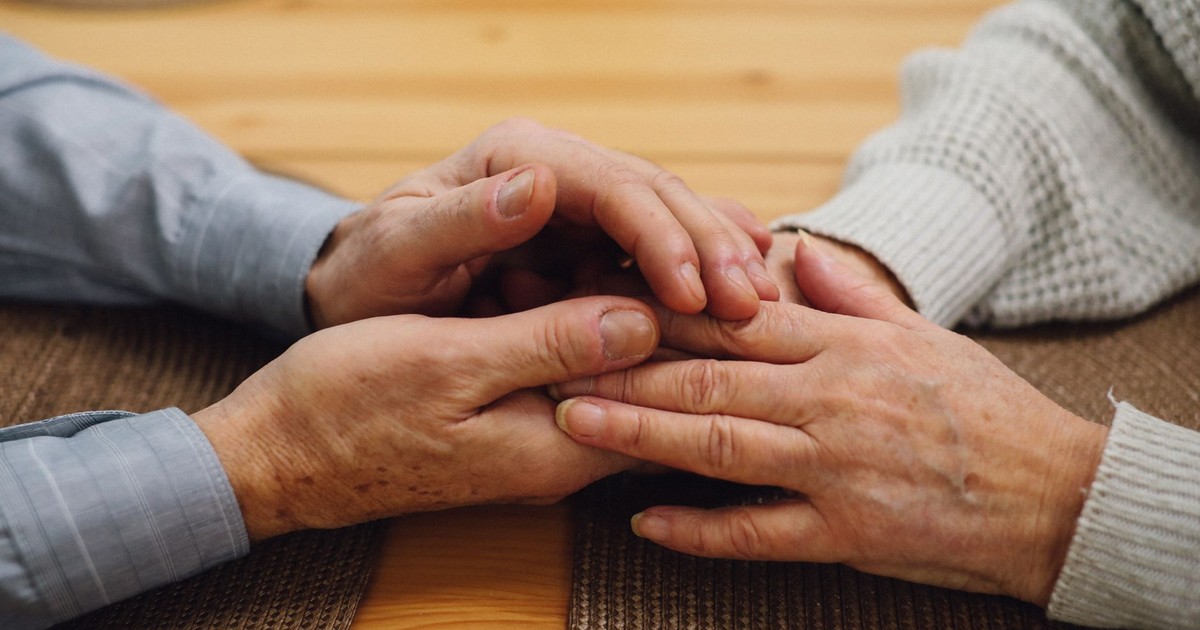
The research on this one is specific enough to be uncomfortable. Clinical psychologists and researchers John and Julie Gottman interviewed more than 3,000 couples and followed some for as long as 20 years to understand what separated lasting partnerships from ones that dissolved. What they found wasn’t what most people expected. Whether or not a couple “turns toward” one another can make a massive difference in the relationship’s longevity, according to CNBC’s reporting on the Gottman research.
“Turning toward” sounds abstract until you understand what it actually means. The Gottman Institute found that the response to a bid is a critical part of a healthy marriage, no matter the subtlety. Bids usually contain a subtext, where “come make a cheese board with me” also means “join me on an adventure” or “I want to spend quality time with you.” While it may be counterintuitive, missing a bid can be more harmful than rejecting one altogether – at least if you say you cannot do something, you are still acknowledging the bid.
Couples who have been married for over three decades often describe this as a kind of daily fluency they developed without consciously trying. You learn to read what someone is actually asking for when they say they’re fine, or when they go quiet during dinner, or when they suggest a walk at a time when you usually don’t take walks. You respond to the person beneath the request. That responsiveness, compounded over thousands of small moments across thirty-three years, is no small thing.
2. They Repair, and Repair Quickly

Every couple argues. The research makes abundantly clear that conflict frequency is not a predictor of divorce. What predicts whether a marriage survives difficulty is something far more specific. One commonality most successful couples had, the Gottmans found, was their ability to do “repairs.” “The couples who really were successful a few years down the road were the ones who made repairs,” Julie Gottman said.
A repair attempt is anything a couple does to de-escalate a conflict before it becomes a rupture – a touch on the arm, an admission that you’re being unfair, a joke that breaks the tension (when both people are actually in a place to receive it), an explicit “I don’t want to fight about this.” What matters is the attempt, not its elegance. Couples who have been together thirty-three years have usually developed their own repair vocabulary, even if they don’t call it that.
During one of the Gottmans’ biggest longitudinal studies, they discovered one equation which “makes you or breaks you” in a marriage: the ratio of positive to negative interactions during a conflict needs to be five to one. That means for every hard or harsh exchange, five moments of warmth, humor, or acknowledgment need to surround it. Not because the math is magic, but because the math reflects something real about how we experience our partners – whether we see them primarily as safe or primarily as a threat.
3. They Made Connection an Active Practice, Not a Passive Hope

One of the clearest findings from recent marriage research is that connection in long-term relationships is built, not simply sustained. Enduring connection in marriage results more from the intentional efforts of the spouses than it does from spontaneous love and emotional spark. This is not a pessimistic finding. If anything, it is a liberating one, because it means the couples who thrive are not the ones who got lucky with compatibility. They are the ones who kept choosing.
High-connection marriages have three times higher scores on proactive behaviors than low-connection couples, specifically in spending meaningful time together, doing acts of kindness for each other, and forgiving offenses. The Institute for Family Studies calls this “relational-connectivity” – a measure that goes beyond whether each individual feels satisfied, and looks instead at the actual strength of the bond between two people.
Couples who have logged thirty-three years together often describe a shift that happened somewhere around year ten or fifteen, when the initial intensity settled and they realized that marriage was less like a feeling they had and more like a garden one of them tended while the other was dealing with something else, and then they switched. That active tending – the texts, the dinners, the asking how someone actually is, not just how their day went – is what keeps the roots healthy.
4. They Treated Commitment as a Verb
There is a version of commitment that is essentially passive: the absence of leaving. And then there is the kind of commitment the research actually associates with lasting, happy marriages. The first factor found in a joint Institute for Family Studies and Wheatley Institute report was the depth of commitment spouses have to their marriage. Wives who completely agreed that their relationship with their husband was one of the most important things in their lives were 399% more likely to be very happy in their marriage than wives who did not report the same commitment. For husbands, the same level of commitment was linked to a 234% increase in the odds of being very happy in their marriage.
The numbers are striking. And what they point to isn’t the willingness to stay during easy years – it’s prioritizing the relationship even when other things compete for that place at the top of the list. A career promotion, a child’s crisis, aging parents, a season where you are genuinely not at your best. Commitment in long marriages tends to look like a decision that gets remade, not once at the altar, but in smaller, quieter moments throughout every year that follows.
Couples who have been together over three decades often say that commitment is what got them through the years they would rather not talk about in detail. Not passion, not compatibility. The decision to remain dedicated to this particular person, again and again.
5. They Kept Prioritizing Each Other Practically, Not Just Emotionally

What’s the secret to a long, happy marriage? Researchers at the University of Michigan’s Institute for Social Research interviewed African American couples married for 20 years or more – and found a clear answer: unwavering emotional and practical support between spouses. This distinction between emotional and practical support matters more than it might initially appear.
Emotional support – being seen, being listened to, being validated – gets the most airtime in relationship advice. But practical support is what happens when someone picks up the slack without being asked, advocates for their partner when their partner can’t advocate for themselves, or adjusts their own plans because the other person’s need is more pressing right now. In a thirty-three-year marriage, the practical support is often what gets remembered. The times someone drove to the pharmacy at midnight, rearranged the week around a hard appointment, or made dinner every night for three months because you were the one who couldn’t.
These acts of support don’t typically make it into anniversary speeches. They accumulate in the body of the marriage like sediment, and after three decades, they are the marriage.
6. They Learned the Difference Between Solvable Problems and Unsolvable Ones

One of the Gottman Institute’s more counterintuitive findings is that 69 percent of the problems couples argue about are perpetual – meaning they are never fully resolved. They are rooted in personality differences, values, or needs that genuinely do not go away. The couples who stayed together weren’t the ones who solved all those problems. They were the ones who found a way to coexist with them without contempt.
Four negative communication styles, deemed the “Four Horsemen,” heavily predicted divorce: criticism, contempt, defensiveness, and stonewalling. To counter these outcomes, practice articulating your needs, taking responsibility when needed, and remembering your fondness for one another. Contempt is the one that relationship researchers consistently flag as the most corrosive – it is the signal that you have stopped seeing your partner as someone worthy of basic respect.
Couples who have navigated thirty-three years together have almost always had their version of the unsolvable problem: the different approaches to money, the mismatched social energies, the way one person processes grief outwardly while the other goes completely internal. Knowing which category a problem falls into – workable or perpetual – changes how you relate to it. You stop treating it as something broken that needs fixing and start treating it as a feature of the territory you share. That doesn’t mean accepting mistreatment. It means distinguishing between difference and damage.
7. They Made Space for Each Other to Change
The person you married at twenty-eight is not the person sitting across from you at sixty-one. This is obvious, and somehow still catches couples off guard. One of the quieter strains of marriage advice from people who have been together for several decades is the importance of releasing each other from fixed versions of who you were when you met.
People who genuinely thrive in long marriages tend to describe their partner as someone they are still getting to know – not because they are a stranger, but because the person keeps evolving and the relationship has to evolve with them. The therapist who specialized in anxiety who then developed it himself. The woman who hated traveling who retired and became obsessed with it. The person who was never particularly interested in cooking who, at fifty-five, turns out to be the one who makes everything from scratch on Sunday afternoons.
Personal virtues such as commitment, compassion, and other-centeredness are essential in creating a flourishing bond in a relationship. Other-centeredness, in particular, is what allows a person to be genuinely curious about who their partner is becoming, rather than quietly grieving the version they preferred. It is harder than it sounds. It asks you to stay interested in someone even when the version of them that emerges is not the one you would have chosen.
8. They Invested in Their Friendship, Even When They Were Both Exhausted

Married couples who have regular date nights are significantly more likely to be happy in their marriages, according to the Institute for Family Studies. But “date night” is almost too small a frame for what research on long-term couples actually points to. The deeper finding is about the quality of friendship that underlies the romantic relationship – whether two people genuinely like each other, find each other interesting, and choose each other’s company over most other options when given the choice.
Couples who describe their spouse as their best friend report significantly higher satisfaction across almost every measure researchers use. This is not the same as spending every waking hour together. Plenty of deeply bonded couples have their own hobbies, friendships, and hours of genuine solitude. What they tend to share is a baseline of knowing each other well and liking what they know – the particular dry humor the other person has about the neighbor’s new car, the shorthand that developed somewhere around year four, the shared history that makes a single glance across a crowded room read as a full sentence.
That friendship is not accidental in long marriages. It gets tended, even when both people are busy and tired and could just as easily collapse onto the couch without speaking.
Read More: 7 Things That Can End Relationships and Unknowingly Lead to Divorce
9. They Expressed Gratitude Specifically, Not Generally

There is a meaningful difference between “I appreciate you” and “I noticed you stayed up to finish the laundry so I’d have a clean shirt for that presentation, and I want you to know that mattered to me.” The first is pleasant. The second is the kind of thing a person remembers twenty years later. Couples in long marriages tend to have learned, somewhere along the way, that the generic version of gratitude functions more like a formality than a genuine act of connection.
High-connection marriages score three times higher on proactive behaviors than low-connection couples, including doing acts of kindness for each other, and spouses in those marriages score twice as high on life satisfaction and life meaning. Specific gratitude is one of the most direct routes into that territory. When you name exactly what your partner did, and exactly why it mattered, you are telling them that you were paying attention. You saw them. In a long marriage, being seen is no small matter.
The habit also does something practical for the person expressing it. Gratitude forces you to look for specifics, which means you have to actually notice what your partner contributes. Couples who have been together over three decades often describe a practice of actively scanning for what their partner is doing well, particularly during harder seasons. It is not about performing positivity – it is about training your attention to remain honest rather than selective in the wrong direction.
10. They Argued About the Issue, Not the Person
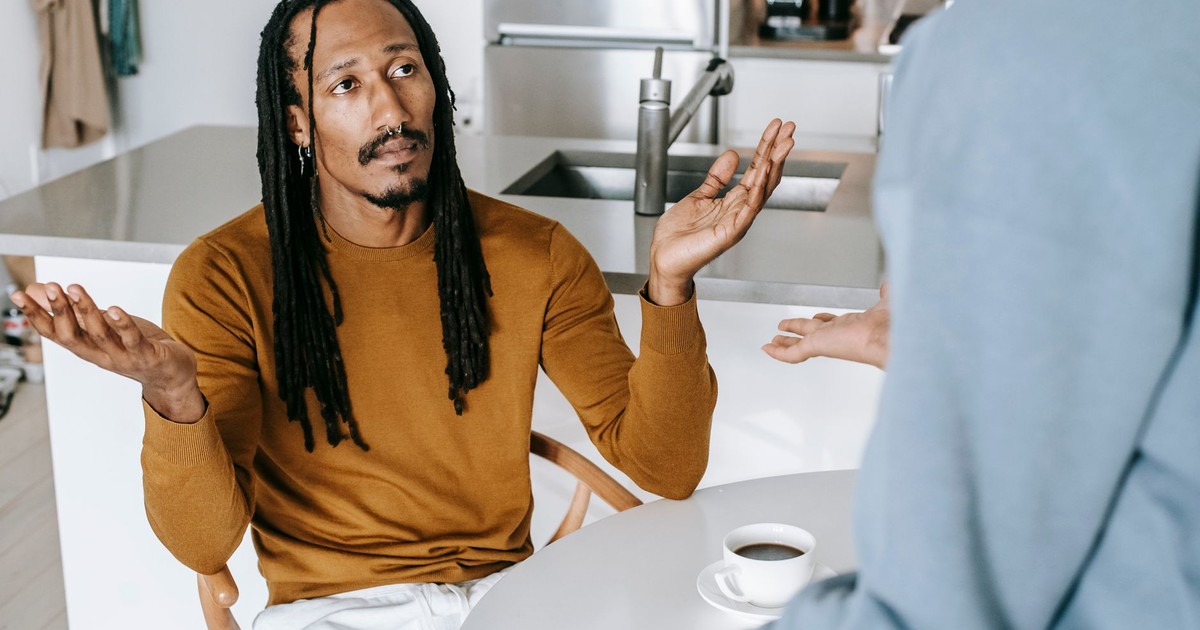
The distinction sounds simple and is almost never easy to maintain in the middle of a real argument. What research on long-term couples consistently finds is that partners who stay together for decades have, often without formally deciding to, developed the habit of staying focused on the specific problem rather than pivoting to a broader indictment of who their partner is as a human being. “You forgot to call the plumber again” is a complaint. “You never follow through on anything” is contempt beginning to form, and contempt, as the Gottman research showed in item 2, is among the most reliable predictors of relationship failure.
Long-married couples often describe a kind of muscle memory around this, developed from years of figuring out – sometimes painfully – that attacking each other’s character never actually resolved the thing they were arguing about. The plumber still needed to be called. The argument that burned through a whole evening ended with both people feeling worse and the original problem still sitting there. The couples who lasted learned to stay on the plumber.
This doesn’t mean suppressing the full frustration. It means directing it at the situation rather than the person. “I need you to handle this by Thursday, and I need to know you’ve heard me” is both more honest and more useful than a sentence that begins with “you always” or “you never.” Those two phrases, relationship researchers note, are almost always factually inaccurate and emotionally incendiary in equal measure.
11. They Gave Each Other Room to Be Separate People

There is a version of closeness in marriage that quietly hollows out the people inside it. The couple who does everything together, agrees on everything, and has no individual interests, friendships, or inner life that belongs only to them. It looks like intimacy from the outside. It often functions, from the inside, like suffocation.
Couples married for over three decades consistently describe the importance of maintaining a self inside the marriage. A hobby that is yours alone. A friendship that predates the relationship and still gets tended. The ability to spend a Saturday doing something your partner has no interest in and come home actually glad to see them. That re-entry – the moment of returning to each other after time apart – is itself a small renewable source of interest in the other person.
Relational-connectivity focuses on indicators of the strength of a couple’s relationship, rather than simply an individual’s sense of personal satisfaction from the relationship. What that framing captures is that a strong bond is not the same as a merged one. Two people who have retained their individual characters across thirty-three years bring something to the relationship every day – their distinct perspectives, their separate experiences, their particular humor. Two people who dissolved entirely into each other have nothing left to offer but the echo.
12. They Built Rituals That Were Theirs Alone

Every long marriage, look closely enough, has its private architecture. The Sunday breakfast that has been the same since year three. The song that played at the wedding that one of them still hums when they’re loading the dishwasher. The in-joke that requires seventeen years of context and arrives in under two words. These are not accidents. They are the accumulated evidence of a shared life, and they function as glue in a way that grand romantic gestures rarely do.
Healthy relationships require more than just love; they thrive on intentional actions that foster connection and meaning. One of the foundational elements of a strong partnership is the creation of shared meaning through rituals, roles, goals, and symbols. The rituals don’t have to be elaborate to matter. They just have to be consistent and mutually recognized as belonging to both of you.
Couples who have been married for decades often struggle to articulate why certain rituals matter so much. The answer is usually that the ritual is not really about the activity – it’s about the signal it sends. We have done this before. We will do it again. This thing is ours. In a long marriage, that continuity becomes a form of comfort that is difficult to replicate through any other means.
13. They Talked About Money Before It Became a Crisis

Financial tension is one of the most consistent predictors of relationship strain, not because money is the most important thing in a marriage, but because disagreements about it tend to be proxies for deeper disagreements about values, priorities, and control. Research highlighted the predictive role of financial communication and shared decision-making in strengthening cognitive alignment and cohesion in marriages. The couples who handle it well are generally the ones who had the conversations before the numbers got frightening – who talked about how they each thought about spending versus saving, about whose income felt whose, about what financial security actually looked like to each of them.
This is easier said than done, partly because money carries enormous shame and secrecy in most families, and people arrive at marriage with histories and habits and silent rules around it that they’ve never had to articulate before. The couples who last thirty-three years are rarely the ones who had identical financial personalities. They are more often the ones who mapped out their differences early and built a system that could hold both of them, even when it required compromise on both sides.
The couples who struggle most tend to be the ones who avoided the money conversation entirely in the early years, assuming compatibility where there wasn’t any, and then found themselves blindsided by it in year seven or twelve or twenty when circumstances forced the conversation anyway. Having it voluntarily, while you’re both calm and not in crisis, turns out to be a significant advantage.
14. They Weathered Crisis Without Letting It Become Their Identity

Every thirty-three-year marriage has at least one chapter that neither person would choose to repeat. A health scare. A job loss. A miscarriage. A period of depression or anxiety that one or both of them didn’t know how to name at the time. A betrayal of some kind, minor or major. What the couples who make it have in common is not that the crises didn’t happen – it’s that they found a way to move through them without cementing the crisis as the defining story of the marriage.
Couples who develop meaning from hardship tend to reframe conflict as an opportunity for growth rather than a threat to the relationship. That reframing doesn’t happen automatically, and it doesn’t mean pretending the hard thing wasn’t hard. It means finding a way, often with time, to hold the difficult chapter as part of the story rather than the whole of it. The marriage that survived the worst year of both their lives is not defined by that year. It is deepened by having gotten through it together.
The couples who struggle to recover from crisis are often the ones who cannot separate the event from the relationship. The affair becomes the marriage. The bankruptcy becomes the marriage. The lost pregnancy becomes the marriage. The couples who endure are the ones who eventually found a way to say: that happened to us, and we are still here, and this is still ours.
15. They Kept Choosing Each Other When It Would Have Been Easy Not To
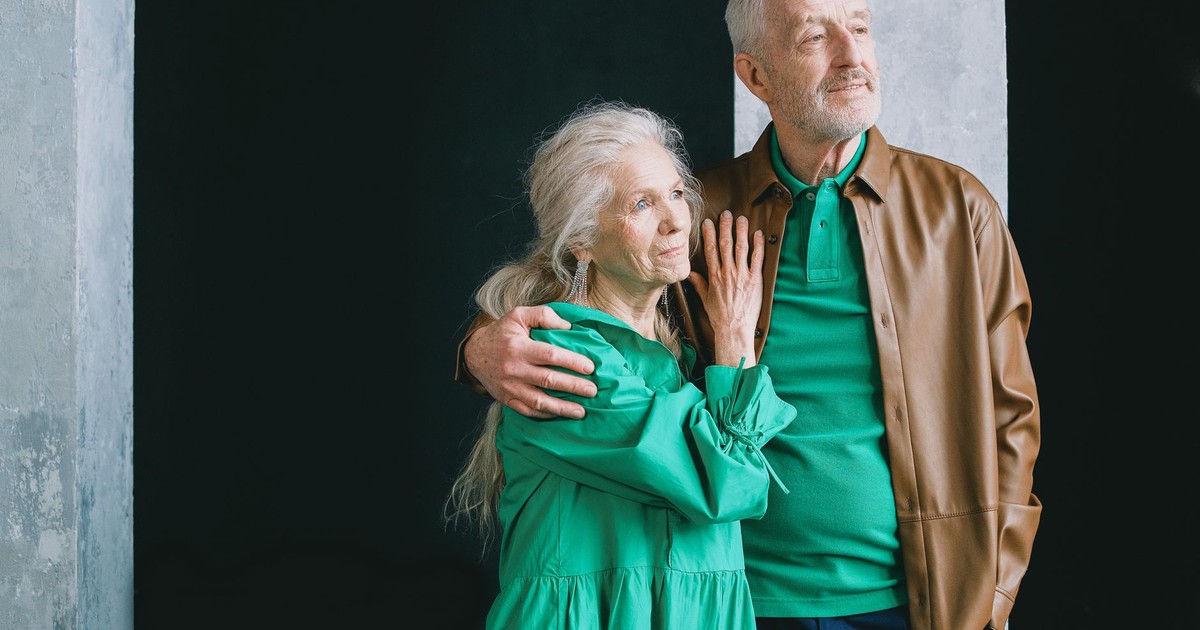
Opportunity to leave is not rare in a long marriage. It appears in the form of the colleague who seems to understand you better than your spouse does at that particular moment, the job offer in another city that would have required a renegotiation of everything, the season when both of you were so depleted that staying felt like more effort than going. What distinguishes the couples who stayed through those seasons is not that the temptations didn’t exist. It’s that they made a choice about what mattered more.
This is not romantic in the way that anniversary speeches tend to present it. It is often unglamorous and quiet – a decision made while doing something ordinary, like driving to work or folding laundry. A recognition that what you have with this person is worth more than what you might get elsewhere. That the version of yourself inside this marriage is someone you actually want to be. Long-married couples frequently describe their most important relationship decisions not as grand proclamations but as small, private reckonings that no one else ever saw.
Wives who completely agreed that their relationship with their husband was one of the most important things in their lives were 399% more likely to be very happy in their marriage than wives who did not report the same level of commitment. The numbers are striking, but what they’re really measuring is the accumulation of those private choices, made again and again across the years, to stay.
16. They Learned to Apologize Without Conditions

“I’m sorry you felt that way” is not an apology. Most people know this by the time they’re thirty-five, even if they still occasionally deploy it. What long-married couples describe, when they talk about the apologies that actually repaired something, is the version that names the specific thing they did wrong, acknowledges the impact it had on the other person, and doesn’t immediately pivot to an explanation of why they did it. The explanation is sometimes relevant. It just can’t be the first sentence.
The capacity to apologize cleanly – without the implied “but” at the end, without qualifying it into near-meaninglessness – is one of the more demanding things a relationship asks of both people. It requires setting down the need to be right in favor of the need to repair. In a long marriage, the score you’re keeping is not who won the most arguments. It is whether the two of you are still actually close.
Couples who have been married for decades often describe a shift in how they understand apologies: less as admissions of defeat and more as investments in the relationship’s reserve of goodwill. A clean apology, offered promptly and sincerely, deposits something into the account. The withholding of one, for pride’s sake, withdraws more than most people realize at the time.
17. They Made Physical Affection a Habit, Not an Event

Physical affection in a long marriage is often discussed as though it requires scheduling or a romantic occasion to appear. The couples who maintain warmth across decades tend to tell a different story – one in which the physical connection is less about choreographed moments and more about the accumulated texture of daily contact. The hand on the shoulder while one of them reads. The kiss that happens at the door every single morning, not because it is passionate but because it is consistent. The reaching across the center console in the car that neither of them consciously decided to make a habit.
Married women are more likely than their unmarried counterparts to report feeling deep connection and meaning in their relationships, and are also less likely to be lonely and more likely to receive physical affection – both strong predictors of happiness. That physical affection, in long marriages, tends to be less about grand physical connection and more about the ongoing, low-key language of contact that says: I still want to be near you.
The couples who have lost this tend to notice it as a creeping absence rather than a sudden one. It goes gradually, often during a stressful season, and then one of them realizes at some point that they haven’t touched each other in weeks without there being a specific reason for it. The couples who kept it across three decades usually did so by treating it less like a feeling that arrived when conditions were right and more like a practice that continued regardless of conditions.
18. They Celebrated Each Other, Not Just the Marriage

There is a version of a long marriage that becomes so focused on the shared unit – the household, the children, the finances, the logistics – that both people inside it stop being celebrated as individuals. The birthday that gets acknowledged but not actually marked. The promotion that was met with a brief “congratulations” over dinner and then absorbed back into the week’s agenda. Couples who thrive across decades consistently describe the importance of making each other feel seen as distinct people, not just as partners in the ongoing project of running a life together.
Among happy couples, 68 percent say that celebrating each other’s successes enhances their relationship happiness. The specific successes matter less than the act of paying attention to them. When one person in a marriage is going through something significant – a professional accomplishment, a creative pursuit they’ve been working at, a personal struggle they finally got through – and the other person genuinely witnesses it and marks it, the effect on the relationship is disproportionate to the size of the gesture.
This is one of the easier items on this list to do and one of the most commonly neglected in long marriages, because as the years accumulate it becomes easy to assume your partner already knows you’re proud of them or happy for them. They often don’t. Or rather, they’d like to hear it again.
19. They Did Not Expect One Person to Meet Every Need

This is perhaps the most counterintuitive thing that long-married couples will tell you, but they tell it consistently. They did not expect their partner to be their therapist, their best friend, their adventure companion, their intellectual sparring partner, their co-parent, and their primary source of fun all at once. That is simply too much for one person to carry, and the marriages that place that expectation on a single human being tend to collapse under its weight.
The couples who go the distance maintain other relationships. Real friendships – the kind that require their own investment and attention, not just the kind that get squeezed into text threads. Connections with siblings or parents who knew them before the marriage. Colleagues or community members who see them in contexts the marriage doesn’t provide. These external relationships don’t diminish the centrality of the marriage. They relieve it of an impossible burden.
There is a particular kind of marital loneliness that comes not from distance but from over-dependence – from having made one person responsible for everything and then discovering that even a loving partner cannot actually be everything. The couples who figured this out early, or figured it out after the first painful lesson, tended to build lives that were rich enough to sustain the marriage rather than drain it.
20. They Forgave Things That Deserved Forgiveness

Forgiveness in a long marriage is not the same as forgetting, and it is not the same as excusing. It is the decision, made at some point, to stop using a past injury as a recurring weapon. This is genuinely difficult. The injury was real. The resentment was earned. But the couples who managed to stay close across three decades have usually found a way to put certain things down – not because the thing didn’t matter, but because carrying it indefinitely cost more than letting it go.
Research indicates that couples who engage in practices including forgiveness and shared meaning-making are more likely to exhibit marital satisfaction and stability, especially during periods of stress. The research on forgiveness in marriages is consistent: it functions less as a moral virtue and more as a practical one. The couple that relitigates the same injury every six months is not healing from it – they are keeping it alive. Forgiveness, in this context, is closer to a decision than a feeling.
What long-married couples describe is that forgiveness often happens incrementally and imperfectly. There are things they forgave slowly, in stages, and things they thought they had forgiven that resurfaced unexpectedly years later. The couples who stayed together were not the ones who forgave perfectly. They were the ones who kept working at it rather than letting the unprocessed material calcify into something the relationship could no longer move around.
21. They Let the Marriage Evolve Without Treating It as a Failure

The marriage at year one is not the marriage at year fifteen is not the marriage at year thirty-three. Any couple that has gone the distance will tell you that they have been through versions of the relationship that looked almost nothing like the current one – different rhythms, different levels of closeness, different sources of tension and pleasure. The couples who struggled most tended to be the ones who interpreted change as evidence that something had gone wrong. The couples who thrived tended to be the ones who understood change as evidence that something was alive.
Enduring connection in marriage results more from the intentional efforts of the spouses than from spontaneous love and emotional spark. What this means in practice is that the marriage you have at thirty-three years is one you built on purpose, in the specific shape that suited two people who also changed on purpose across those years. It will not look like the marriage you imagined when you got engaged, because you did not know yet who you were both going to become.
The couples who make it have generally stopped mourning the earlier versions of the relationship – the intensity of the first few years, the ease of the years before children, the particular closeness of a season that has since passed – and have learned to find what is good in the current version. Every phase has something to offer. Some phases require more work to find it.
22. They Were Honest Without Being Brutal

Honesty in a long marriage is one of those values that can get weaponized if the person holding it isn’t careful. There is a version of radical honesty that is mostly just unkindness dressed in the language of integrity – the “I’m just being honest” that precedes something that could have stayed unsaid without doing any harm. Long-married couples distinguish between the kind of honesty that protects and deepens the relationship and the kind that simply transfers a burden from one person to the other.
The honesty that goes the distance is the kind that shares what is actually happening internally – what you’re afraid of, what you need that you’re not getting, what is making you feel alone – rather than the kind that delivers an unvarnished assessment of your partner’s shortcomings. Both feel like honesty. One builds intimacy. The other builds distance dressed up as transparency.
Couples who have been married for over three decades also tend to have developed a sense of timing that younger couples are still figuring out. The truthful observation that would be poorly received during a stressful week registers entirely differently when the week is quiet. Honesty offered when your partner has the capacity to receive it does something different from honesty offered when they are already at the edge of what they can hold.
23. They Shared Some Version of a Larger Purpose
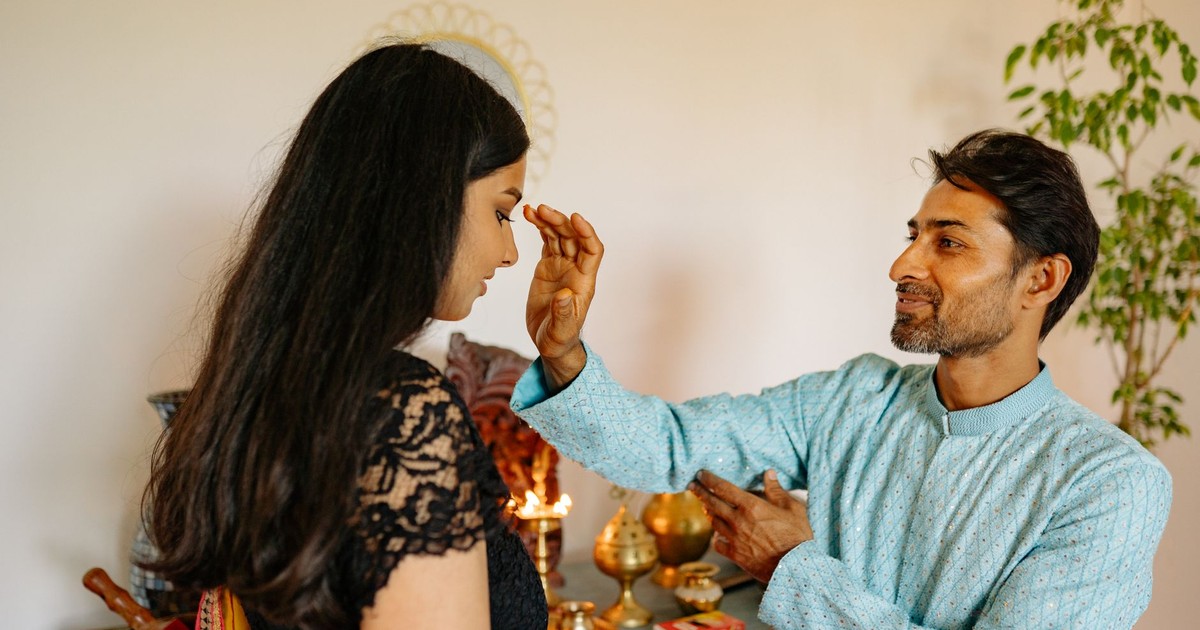
The marriages that feel most alive across decades tend to be ones where both people have some sense that they are doing something together that is bigger than just running a household. This doesn’t have to be grand or socially legible. It might be a shared commitment to raising children who feel genuinely loved. It might be a religious faith or spiritual practice that gives the marriage a frame larger than the two people inside it. It might be a shared project – a business, a creative pursuit, a community investment – that pulls them in the same direction.
Research reveals that couples who actively engage in shared vision-casting experience higher levels of satisfaction and resilience, involving not only practical goals such as financial planning but also deeper aspirations. That shared orientation – the sense that both people are moving toward the same horizon even when the logistics of any given week are grinding and unglamorous – is what gives a long marriage some of its texture and purpose.
What this looks like varies enormously from couple to couple. For some it is explicitly religious or communal. For others it is the quiet project of building a home that feels like a place people want to be. For others it is the shared commitment to do better than the marriages they each grew up watching. The specific content matters less than the fact of having it – some north star that both people recognize as theirs.
24. They Took Each Other’s Mental Health Seriously
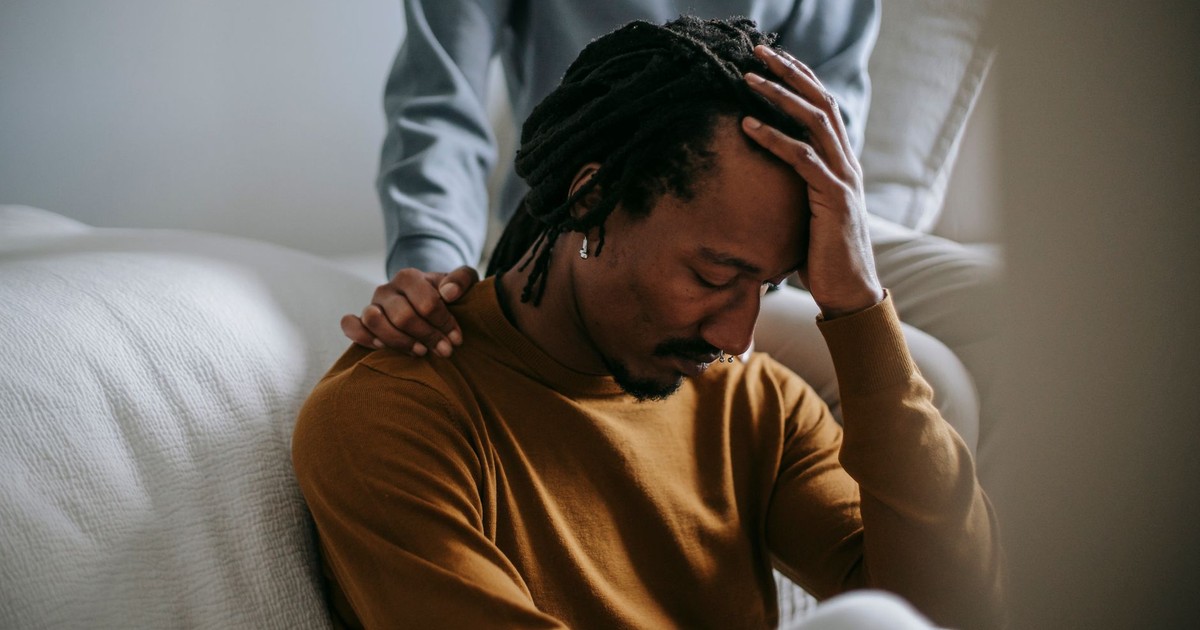
This one has shifted considerably in the past two decades, even in long marriages. The couples who have been together since the early nineties came of age in a time when anxiety had not yet been fully named, when depression was often described as tiredness or moodiness, and when therapy was something people pursued only in genuine crisis. Many of those couples have had to learn, midstream in the marriage, to relate to each other’s interior lives in a more specific and accurate way.
The couples who have done this well describe it as one of the harder and more important evolutions of the relationship. Learning to recognize when your partner is in a depressive episode rather than simply being distant. Learning to ask a better question than “what’s wrong?” when you can see that something is clearly wrong and the other person doesn’t have the language for it yet. Learning to take your own anxiety to someone equipped to help rather than depositing the full weight of it on your spouse every time.
There is a particular form of exhaustion that comes from being the sole emotional container for a partner who is struggling. Long-married couples tend to have figured out – sometimes with the help of individual therapy, sometimes through their own stumbling toward it – that a marriage is not a substitute for mental health care. The two things support each other best when neither one is expected to do the other’s job.
25. They Paid Attention During the Ordinary Moments

The folklore of marriage is built almost entirely on exceptional moments. The proposal, the wedding, the milestones and anniversaries and the photographs that mark them. What actually holds a marriage together, and what long-married couples describe when asked to identify the moments that mattered most, is often something quieter: a conversation in the car that went somewhere neither of them expected, a night when one of them was falling apart and the other just sat there without trying to fix it, a morning when nothing significant happened but both of them happened to be present to it.
Engaging in deep conversations at least twice a week correlates with a 50 percent higher marriage satisfaction rating. The statistic is almost beside the point – what it points to is that presence and attention, consistently applied, compound in a way that no single grand gesture can replicate. The couples who paid attention to the small moments built a marriage that was made of them.
The ordinary moments are also the ones that form the memory of the relationship. Thirty-three years from now, you will not remember most of the milestone dinners with the accuracy you expect. You will remember the particular way your partner laughed at something unexpected. The afternoon when something broke and you both handled it with more grace than either of you thought you had. The long stretches of nothing much that, in retrospect, were everything.
26. They Allowed Each Other to Be Wrong Without Making It Defining

Every person in a long marriage has been wrong – about a decision, a belief, a person they vouched for, an assessment of a situation that turned out to be completely off. The couples who handle this gracefully are the ones who have learned to separate a person’s error from their character. Being wrong about something does not make a person fundamentally unreliable. Treating it as though it does creates a marriage where both people are perpetually defensive, because they know that a mistake will be held against them indefinitely.
The version of this that most long-married couples describe is something like: their partner trusted them again after a failure, and that trust was not extended reluctantly or grudgingly but given back genuinely, as though the failure had been processed and released. That experience – of being extended grace after getting something significantly wrong – tends to be described as one of the most bonding things that can happen in a marriage.
It also creates something valuable in the person on the receiving end: the capacity to admit mistakes without first having to build an elaborate case for why the mistake wasn’t that bad. A marriage where it is safe to be wrong is a marriage where both people can be honest. The two things are not separate.
27. They Maintained a Sense of Humor About the Whole Situation

Thirty-three years is a long time to do anything with the same person, and if you cannot find it funny sometimes – the recurring argument that has been happening in exactly the same form since 2008, the particular way one of you handles being sick (badly), the fact that you are both different and somehow still here, still at it, still apparently choosing this – then the weight of it will become difficult to carry.
Across multiple studies, humor was consistently associated with reduced psychological stress, improved psychological well-being, and enhanced wellbeing markers. In the context of a long marriage, this translates to something recognizable: the couple who can laugh at the absurdity of their own patterns is a couple that has found a way to hold those patterns without being trapped by them. The humor is not denial. It is a form of perspective that keeps the smaller irritations from calcifying into grievances.
Long-married couples often describe humor as one of the things that kept them together during seasons when they were not particularly enjoying each other. Not jokes performed for an audience, but the private, specific, slightly dark humor that only makes sense within the relationship – the shorthand that acknowledges the difficulty without requiring either person to have a breakdown about it. That capacity, refined across decades, is one of the more quietly essential lasting marriage secrets.
28. They Supported Each Other’s Ambitions Even When It Was Inconvenient
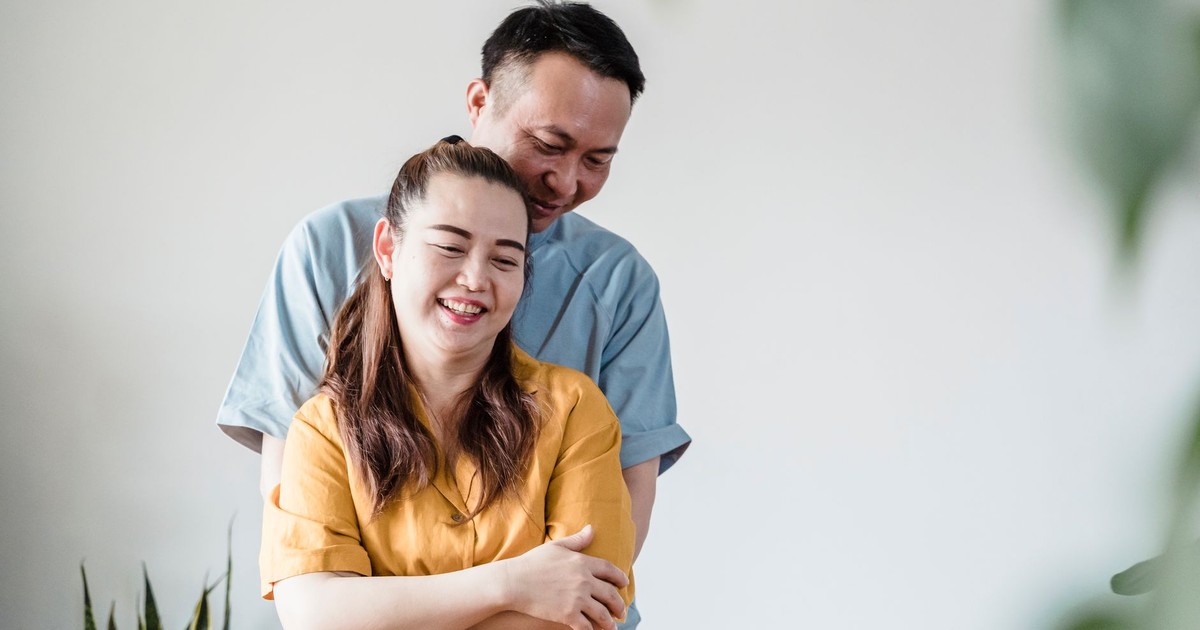
There is a particular test that most long marriages face at least once, and often more than once: one person’s ambition requires something of the other person that is genuinely inconvenient. A return to school that reorders the household. A career pivot that reduces the family income for two years. A creative pursuit that consumes weekends and evenings and produces nothing legible as productivity for a long time. The question the marriage has to answer is whether one person’s growth is something the other person can get behind, even when it asks something of them.
The couples who report the highest satisfaction in long marriages tend to be the ones who answered that question generously. Not without negotiation, not without honest conversations about what the trade-offs would look like, but genuinely – as people who understood that the person they married needed room to become more fully themselves, and that the marriage was better for that expansion rather than threatened by it.
The alternative, in which one partner’s ambitions are consistently subordinated to the other’s comfort, tends to produce a specific kind of marriage that survives but doesn’t particularly thrive. The subordinated person becomes someone smaller than they needed to be. The supporting partner is left with someone who is quietly resentful about who they didn’t get to become. That resentment has a long half-life.
29. They Were Willing to Ask for Help From Outside the Marriage

The idea that a good marriage should be entirely self-sufficient – that the two people inside it should be able to handle everything without outside assistance – is one of the more damaging romantic myths in circulation. Long-married couples, almost without exception, describe at least one period where they needed something a therapist, a pastor, a trusted mentor, or a frank conversation with another long-married couple was better positioned to provide than they were to provide for each other.
This is not a sign that the marriage was weak. It is frequently a sign that both people cared enough about it to treat it as something worth investing in, rather than simply hoping it would resolve itself. The couples who waited the longest to seek outside perspective tend to describe having done so several years after it would have been most useful, when the patterns had already become entrenched and the distance between them had grown harder to bridge.
The strategies identified in research on successful marriages – including personal growth, spousal support, shared rituals, conflict resolution, and relational maintenance – are strongly supported across cultural contexts. What those strategies share is intentionality. None of them happen by accident. All of them benefit from the occasional outside perspective that helps a couple see what they’re too close to see clearly on their own.
30. They Stayed Curious About Each Other

There is a version of knowing someone too well that actually means you’ve stopped updating your model of who they are. You know what they’ll order at a restaurant, how they’ll react to bad news, what they think about your sister’s new partner – and that knowledge can quietly replace the habit of actually asking. Long-married couples who describe themselves as still genuinely in love tend to describe a residual curiosity about their partner that never fully resolved into certainty.
This doesn’t mean pretending you don’t know each other. It means leaving room for the possibility that the person is still in process, that their answer to a question you last asked in 2014 might be different now, that the thing they said they didn’t care about fifteen years ago is actually something they’ve started to care about quite a lot. The curiosity is a form of respect – a refusal to treat your partner as a solved problem.
Personal virtues such as commitment, compassion, and other-centeredness are essential in creating a flourishing bond in a relationship. Other-centeredness, in this context, is what prevents knowledge from hardening into assumption. The partner who stays curious stays interested. The partner who stays interested stays connected. And connection, across thirty-three years, is what the whole architecture rests on.
31. They Protected the Marriage From Outside Interference Without Isolating It
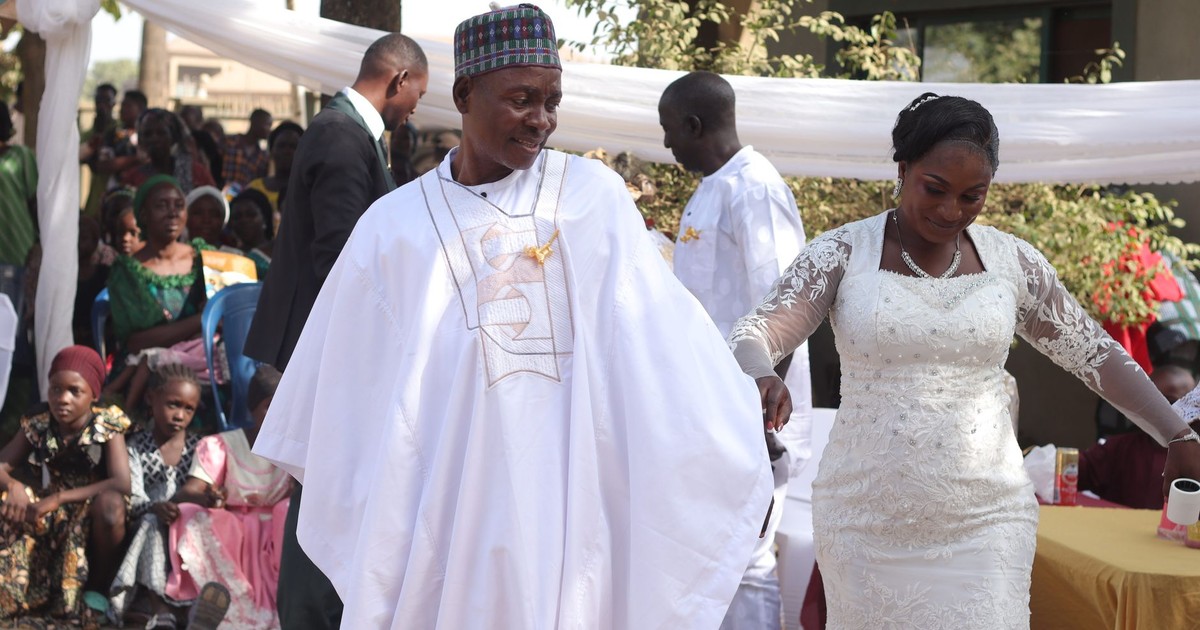
Every long marriage exists inside a larger ecosystem – extended family, friendships, work relationships, social expectations – and the couples who last have generally developed some clarity about where the marriage’s boundaries are without walling it off entirely from the people who care about them. The mother-in-law who has opinions about how the house is run. The friend group that relitigates decisions the couple has already made together. The family member who treats one partner as a confidant in ways that create divided loyalties.
Navigating this requires a shared understanding between partners about what belongs inside the marriage and what gets shared outside it. Couples who handle this well tend to have developed, often through trial and error, a sense of whose counsel they trust and under what circumstances, and an agreement – implicit or explicit – not to position themselves against each other in front of other people. The marriage is a unit that faces outward together, even when there are real disagreements happening inside it.
The isolation extreme is equally damaging. The couple who has systematically cut off every outside relationship in the name of putting the marriage first tends to produce two people with no outside perspective and no relief valve, which is its own kind of pressure. Long marriages are embedded in community. They benefit from the witness of people who have known both partners long enough to see them clearly.
32. They Reinvented the Marriage When the Old Version Stopped Working

Every long marriage reaches a moment – sometimes several – when the structure that worked for the first chapter simply doesn’t fit the second. The marriage built around young children has to become something different when those children leave. The marriage built around one person’s career has to renegotiate when that person retires. The marriage built in one city has to find itself again in another. The couples who navigate these transitions well are the ones who treated the need to reinvent as part of the deal rather than as evidence that the marriage had failed.
Marital cohesion, as a multidimensional construct, plays a pivotal role in sustaining the emotional, psychological, and behavioral integrity of spousal relationships – encompassing the strength of emotional ties, the alignment of cognitive beliefs, and the degree of mutual engagement in everyday life routines. What that academic framing is describing, in practice, is the ongoing project of keeping two people genuinely engaged with each other rather than simply occupying the same space. That project requires revision.
Long-married couples often describe the reinvention moments as among the most disorienting and most important of the relationship. The disorientation came from not knowing who they were to each other when the familiar structure dissolved. The importance came from what they built in its place, which was usually something closer to who they’d both actually become by that point. The marriage that makes it to thirty-three years has been rebuilt at least once, often more, and usually not under ideal circumstances.
33. They Decided That the Person Was Worth the Difficulty
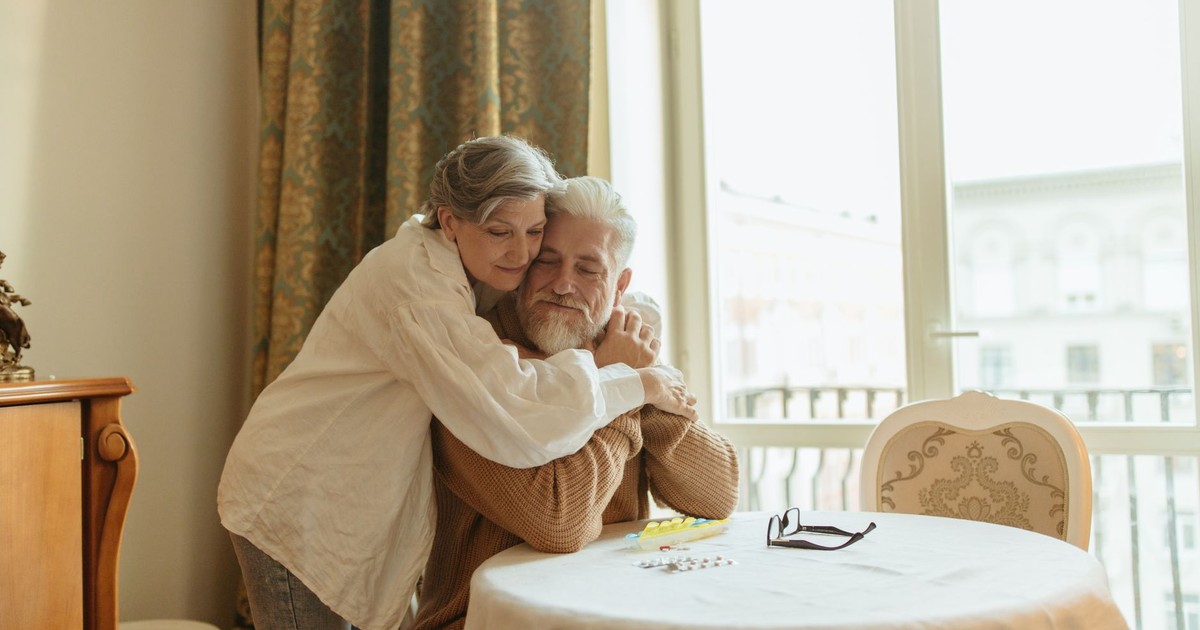
Everything on this list – the repairs and the rituals, the gratitude and the forgiveness, the curiosity and the reinvention and the willingness to ask for help – requires effort. None of it is passive. None of it is what happens automatically when two people love each other enough. It happens when two people have decided, in some foundational part of themselves, that the specific person they married is worth the specific effort that loving them requires.
This is different from deciding that marriage in the abstract is worth it. It is different from not wanting the disruption of leaving. It is a genuinely particular assessment: this person, in all their specificity, with their particular history and their recurring patterns and their way of handling stress and their version of a good day – this person is the one I am choosing to build the most expensive and difficult and meaningful thing in my life with.
The depth of commitment spouses have to their spouse and their marriage was the first and strongest factor found in research on what produces lasting, happy marriages. Commitment, at its deepest level, is not a feeling or a vow. It is a repeated, daily assessment that comes back to the same answer. Thirty-three years of coming back to the same answer is not luck, and it is not fate. It is a decision made again and again by two people who decided, every time the question came up, that the answer was yes.
What the Years Actually Add Up To

None of the things on this list are secrets in the sense of being hidden or rare. Most of them are already known, at some level, by most people who have been in a long relationship. What is harder is the doing of them, consistently, across seasons that vary enormously in how easy or difficult that doing is.
Thirty-three years contains multitudes: years where the marriage felt like the most natural thing in the world and years where it felt like a discipline being practiced against considerable internal resistance. Years of closeness so complete it was almost startling, and years of parallel lives that somehow stayed adjacent without drifting apart. What the couples who go the distance have built is not a perfect marriage. They have built a durable one, with enough architecture to hold all of that and still be recognizably theirs.
The lasting marriage secrets that actually hold up across decades are not the ones that promise ease. They are the ones that describe what it looks like to keep choosing something that keeps requiring you – your attention, your generosity, your willingness to repair, your capacity to grow. After thirty-three years, the choosing is the thing. It always was.
Disclaimer: This information is not intended to be a substitute for professional medical advice, diagnosis, or treatment and is for information only. Always seek the advice of your physician or another qualified health provider with any questions about your medical condition and/or current medication. Do not disregard professional medical advice or delay seeking advice or treatment because of something you have read here.
AI Disclaimer: This article was created with the assistance of AI tools and reviewed by a human editor.