

Right now, the number of one-person households in the US is edging close to a record 40 million, with the share of American households made up of just one person hitting an all-time high of 29%. That is a lot of people figuring out, often on the fly, what they actually need to make a solo home work. Not the Instagram version of living alone, with clean countertops and a carefully positioned candle, but the real version – where there’s no one to call when a pipe starts doing something alarming at midnight, no backup when you’re sick, and no second person to notice if something feels off.
The list of living alone essentials is different from the list you’d make when sharing a space. When someone else is in the house, you split the cognitive load without even realizing it. One of you remembers to replace the batteries in the smoke detector. One of you hears the strange noise. One of you calls the landlord. Living solo means you are all of those people, all at once, and the gaps in your setup become gaps in your safety, your comfort, and your sanity. The goal isn’t to prepare for every catastrophe. It’s to set yourself up so that ordinary life runs with as little friction as possible, and so that the occasional emergency doesn’t catch you completely flat-footed.
Some of what follows is practical hardware. Some of it is less obvious – the kind of thing you only realize you needed after you didn’t have it. Whether you’ve been on your own for years or are newly setting up a solo space, these 16 items are the ones worth prioritizing.
1. A Combination Smoke and CO Detector (On Every Level)

This one isn’t optional, and yet it’s the item people most often treat as optional. According to the National Fire Protection Association, U.S. fire departments respond to more than 1.3 million fires per year, with 75 percent of all fire deaths caused by home fires. When you live alone, there is no one else to smell the smoke first, no one else to hear the alarm go off in the other room, and no one to check on you if you don’t come out.
Carbon monoxide is the quieter danger. It’s odorless, colorless, and causes symptoms – headache, dizziness, confusion – that you might attribute to a bad night’s sleep or the flu. The Centers for Disease Control and Prevention reports that CO poisoning can cause sudden illness and death, and tens of thousands of people visit an emergency room for accidental CO poisoning every year in the U.S. A combination smoke and CO detector covers both threats in one unit. Place one on each level of your home, and in the hallway outside your bedroom.
A 2022 NFPA survey found that while 96% of homes have at least one smoke alarm, only 42% have the recommended number of detectors properly installed throughout their residence. Having one detector in the kitchen isn’t the same as having adequate coverage. Buy the second one. Buy the third. The cost is low and the alternative is not worth thinking about too carefully.
2. A Medical Alert Device or Check-In App
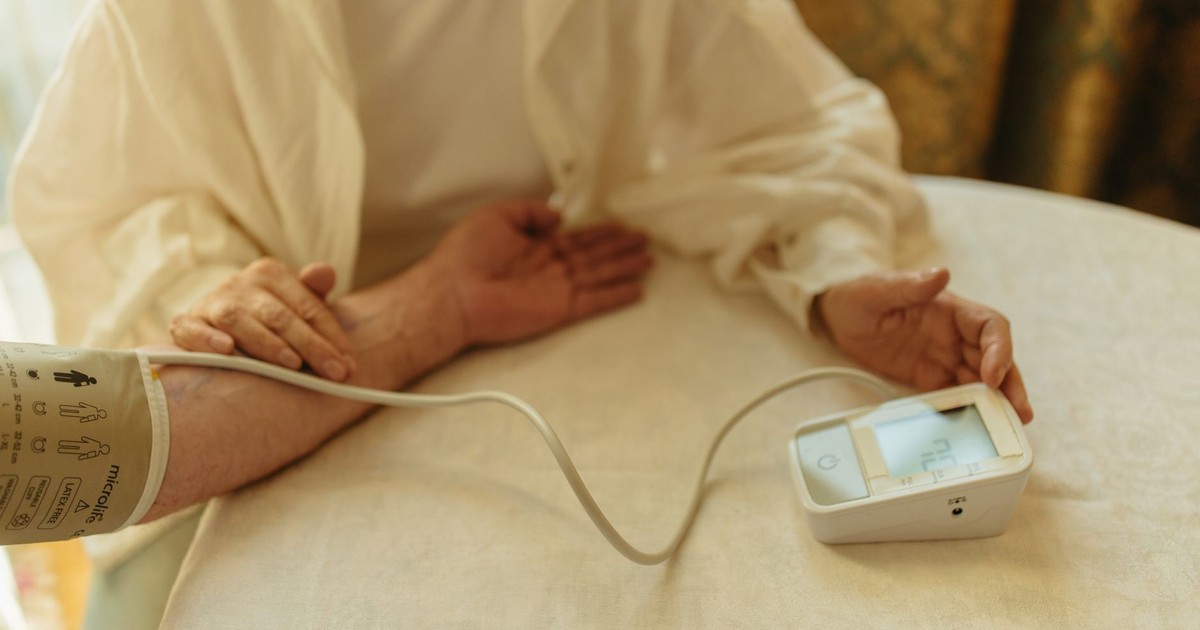
If you live alone at any age, a fall in the shower or a sudden illness can become a serious problem simply because no one knows to look for you. Medical alert devices have become far more sophisticated than the “I’ve fallen and I can’t get up” commercials of the 1990s. Modern wearable devices detect falls automatically, track heart rate, and connect to 24/7 monitoring centers. For younger solo dwellers, a check-in app does the job more discreetly. Several apps now let you set a daily or twice-daily check-in window; if you don’t respond, a designated contact is alerted. The principle is basic: someone should know you’re okay.
The emotional benefit of this is also real. Knowing that a missed check-in will trigger someone looking for you is reassuring in a way that’s hard to quantify. It converts the ambient anxiety of solo living into something actionable, and it costs almost nothing to set up.
3. A High-Quality Door Lock With a Deadbolt
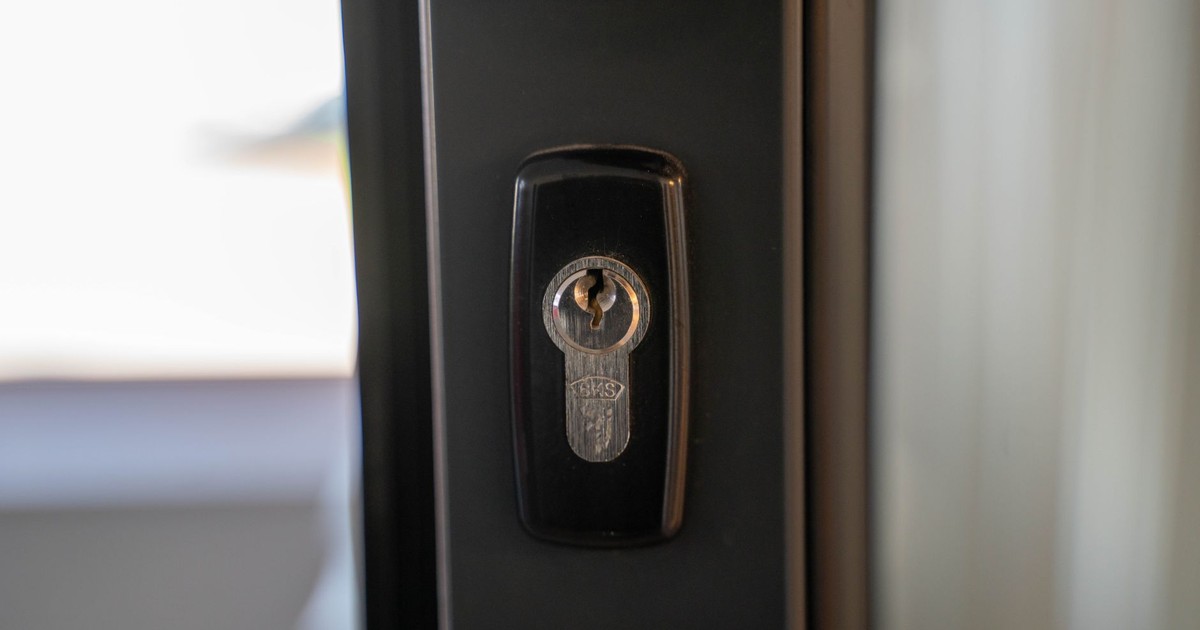
The lock that came with your apartment or rental property when you moved in is almost certainly not the best lock available. Many standard residential locks can be picked, bumped, or simply forced with minimal effort. A solid deadbolt, ideally one with a Grade 1 ANSI rating (the highest residential security rating), closes that gap considerably.
If you rent, check your lease before upgrading – many landlords will allow a deadbolt installation, especially if you offer to restore the original hardware when you leave. Smart locks are worth considering too. They allow keyless entry, let you grant access remotely to a trusted friend or family member in an emergency, and some models send an alert to your phone when the door is opened. That last feature alone is worth having when you live alone.
A door reinforcement kit – the kind that strengthens the door frame around the strike plate – is an underrated addition to the same setup. Most residential doors don’t fail at the lock; they fail at the frame. A reinforcement kit prevents that, and you can install it yourself in under an hour.
4. A Video Doorbell
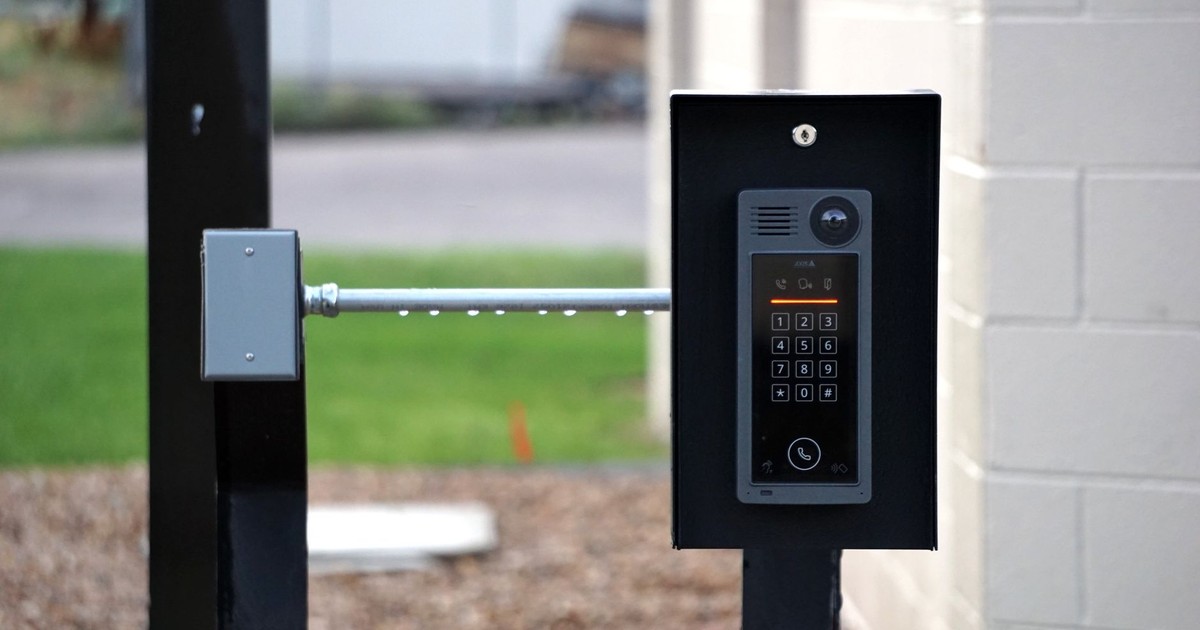
Answering the door when you live alone is a different calculation than answering the door when you share a home. A video doorbell lets you see and speak to whoever is outside without opening the door, or without getting up from your couch, for that matter. The footage aspect is useful too. Most video doorbells store short clips to the cloud, giving you a record of who approached your door and when. That record is useful in situations ranging from package theft to more serious security concerns.
Look for a model with night vision and motion-activated recording, not just live video, so you capture what happens when you’re not actively watching. For renters and homeowners in shared buildings, some doorbell models are designed specifically for apartments and can be mounted without drilling or permanent installation. The barrier to entry is low, and the peace of mind is not.
5. A Well-Stocked First Aid Kit
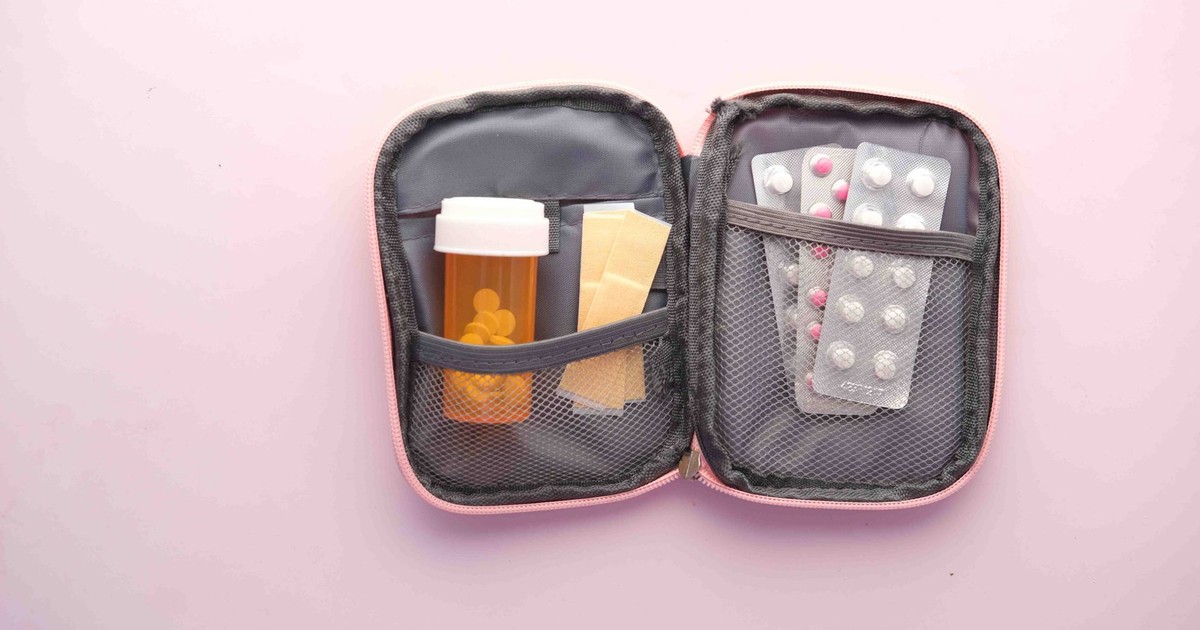
When you get hurt – not if, when – you are the person who has to handle it. There’s no one to grab the bandages while you hold pressure on a cut, no one to run to the pharmacy for antiseptic, no one to wrap your ankle while you sit on the edge of the bathtub feeling sorry for yourself. Your first aid kit needs to be complete enough that you can handle the common household injuries without a trip to the store.
A solid kit includes adhesive bandages in multiple sizes, gauze pads, medical tape, antiseptic wipes, antibiotic ointment, tweezers, scissors, an instant cold pack, an elastic bandage, and disposable gloves. A digital thermometer belongs here too. Keep it in a single, designated location – not scattered across three rooms the way bathroom supplies tend to migrate. The goal is that in a rattled or groggy moment, you know exactly where it is and don’t have to think.
Add any prescription medications you take regularly to a list inside the kit, along with their dosages and your pharmacy’s number. If emergency responders ever need to know your medication history, that list is going to matter.
6. A Reliable Flashlight and Power Bank
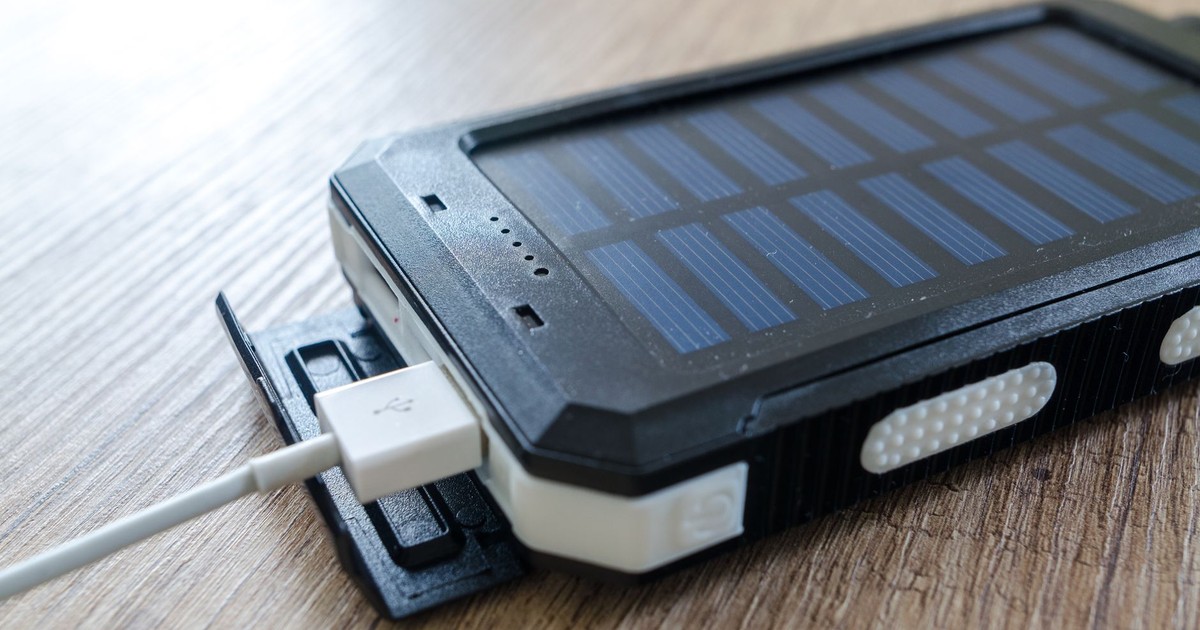
Power outages are one of the more disorienting things that happen when you live alone, because without anyone else in the house, the silence and the dark arrive at exactly the same moment. A quality flashlight – not a decorative one, not your phone’s torch, but a real LED flashlight with fresh batteries – belongs in a consistent, accessible location. Bedside table or kitchen drawer are both reasonable; wherever it is, it needs to be the same place every time so you can find it without light.
A power bank, kept charged and ready, is the companion piece. Your phone is your primary connection to help when something goes wrong. A dead phone during an outage or an emergency removes that connection entirely. A power bank with enough capacity to fully charge your phone at least twice costs around $20 to $40 and takes up almost no space. Charge it monthly alongside your smoke detector battery check.
If you live in an area with frequent outages or severe weather, a battery-powered or hand-crank weather radio deserves space in this category too. Emergency broadcast systems still reach it when cell service is spotty.
7. A Carbon Monoxide and Gas Leak Monitor (Separate From Your Smoke Detector)

Even if you have a combination smoke and CO detector, a dedicated natural gas detector is worth adding to the list if your home has a gas stove, gas furnace, or any other gas appliance. Natural gas leaks are a different threat from CO poisoning, and not all combination detectors include gas leak detection.
Gas leaks can accumulate slowly in enclosed spaces, particularly in kitchens with poor ventilation. The smell of mercaptan – the additive that gives natural gas its distinctive rotten-egg odor – isn’t always obvious at low concentrations, and some people simply don’t detect it as readily as others. A dedicated gas detector mounts near the floor (where gas sinks) and sounds an alarm before concentrations reach dangerous levels, giving you time to exit and call the gas company rather than waiting until the smell is undeniable.
Place one in the kitchen, near the stove but not directly above or beside a burner where it might trigger false alarms from normal cooking. Most units simply plug into a standard outlet.
8. A Grab Bar in the Shower
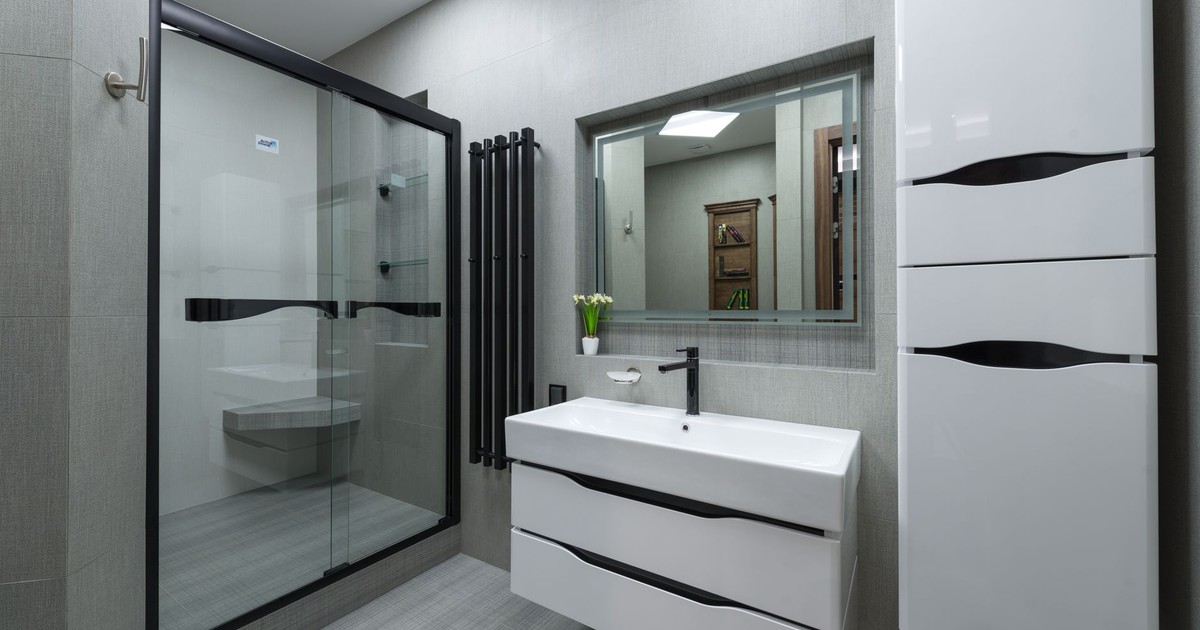
This recommendation stops no one in their twenties in their tracks, which is exactly why so many twenty- and thirty-somethings end up learning about it via a cracked rib. Wet, slippery shower surfaces are the site of a disproportionate number of home injuries across all age groups, not just among older adults. When you live alone, a fall in the shower is particularly serious because there’s no one to hear you or help you get up.
A tension-mounted grab bar (no drilling required) installs in minutes and provides a meaningful stability point when stepping in and out. For bathrooms with tile walls, suction-cup grab bars with locking mechanisms are another option, though they should be tested with actual body weight before you rely on them. A non-slip bath mat on the floor of the shower and another on the floor just outside the tub are the natural companions to this item.
None of this signals anything about age or ability. It signals that you are a person who lives alone and has thought about what happens if the floor is wet and your foot slips, which is a completely reasonable thing to have thought about.
9. A Basic Toolkit
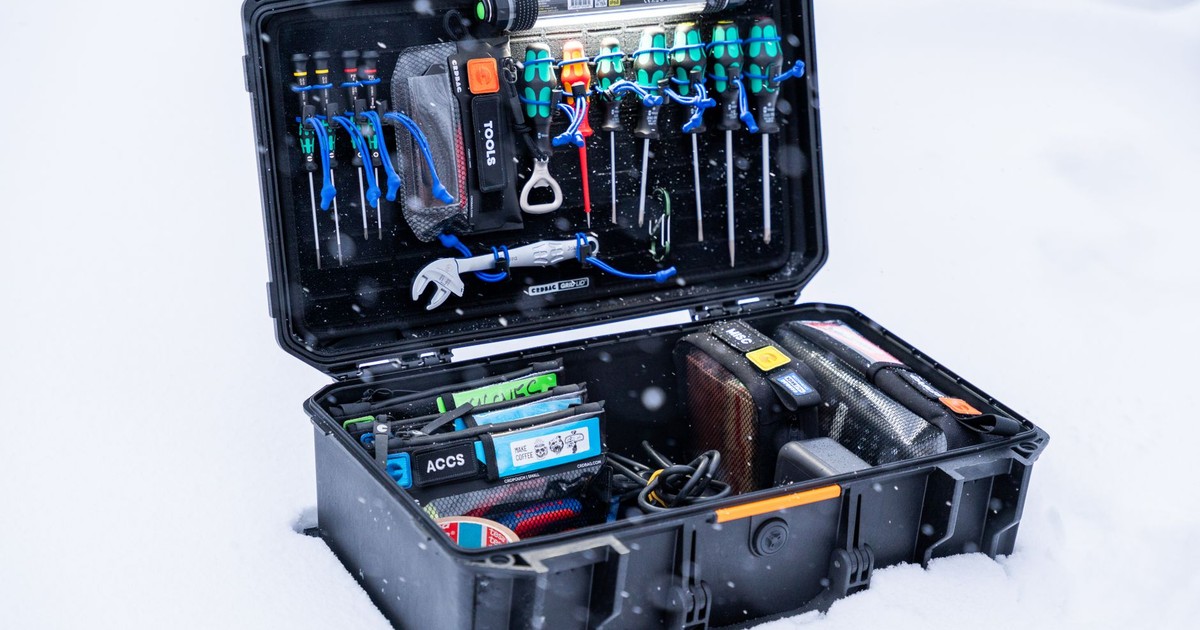
Owning a home or renting a space and being completely unable to deal with any of its practical needs is a situation worth avoiding. You don’t need a full workshop, but you do need a hammer, a screwdriver set (both flathead and Phillips, multiple sizes), a tape measure, a level, pliers, and a cordless drill. With those seven things, you can handle the overwhelming majority of basic household tasks that would otherwise require waiting for someone else or paying a handyperson for a 20-minute job.
The cordless drill is the one most people skip and most regret skipping. Hanging curtains, assembling furniture, putting up shelves – all of these are genuinely unpleasant without a drill and genuinely straightforward with one. Decent entry-level models cost $40 to $60, and they last years with minimal maintenance. Buy it once.
Keep the toolkit in a single location. A small bag or a wall-mounted pegboard both work. The enemy of the solo toolkit is the tendency to leave individual tools wherever you last used them, which means spending 20 minutes looking for the flathead screwdriver every single time you need it.
10. A Smart Speaker or Voice Assistant
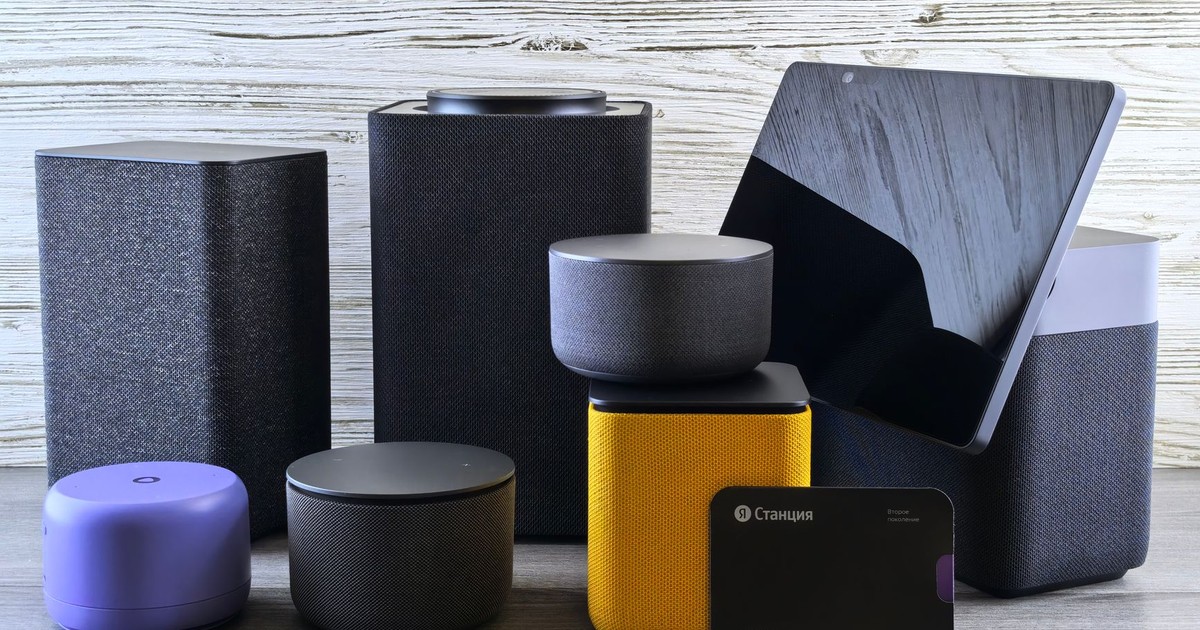
The argument for this one is less about entertainment and more about hands-free access to timers, reminders, and emergency calls. When you’re cooking and can’t touch your phone, when you’re in the middle of something and need to remember an appointment, or when your hands are full and you need to call for help, a voice assistant that you can simply talk to is genuinely useful rather than merely convenient.
For safety purposes, several smart speaker platforms now support voice-activated emergency calls, letting you contact 911 or a designated contact with a phrase rather than needing to reach your phone. That capability has real value for anyone living alone. Check the specific settings and limitations of your device, since not all models support emergency calling in the same way, and confirm that yours is set up correctly before you need it.
Voice-activated reminders also quietly become your external memory for medication schedules, appliance maintenance, and the things that tend to slip through the cracks when no one else is around to mention them.
11. A Spare Key With a Trusted Person
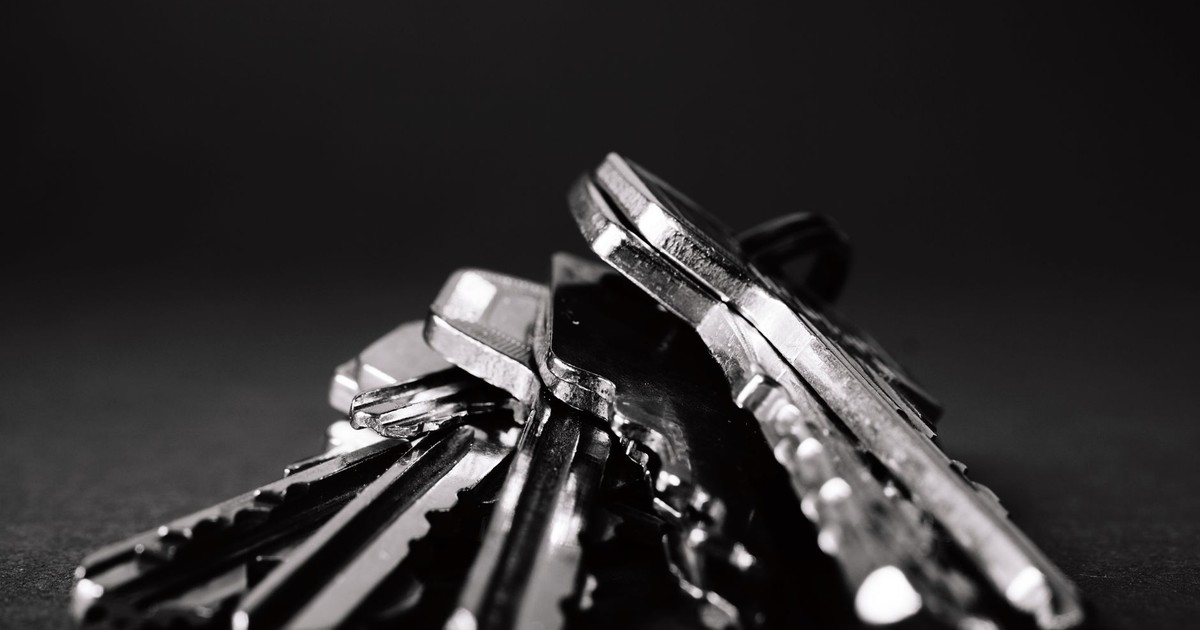
This sounds obvious and yet an astonishing number of people who live alone have locked themselves out and had no option beyond calling a locksmith, or have been in an emergency situation where no one could access their home without breaking in. A spare key in the hands of a person you trust – a neighbor, a close friend, a family member who lives within reasonable distance – resolves both of those problems immediately.
The key needs to live with a person, not in a hide-a-key rock by your front door or in a magnetic box under your car. Those approaches are well-known to anyone who might be looking for them. The point is access for someone you’ve specifically authorized, not a puzzle with a discoverable solution.
If no one in your life lives close enough to hold a key practically, a smart lock with remote access achieves the same result digitally: you can grant a one-time code to a trusted contact who can enter on your behalf if needed.
12. A Water Shutoff Tool
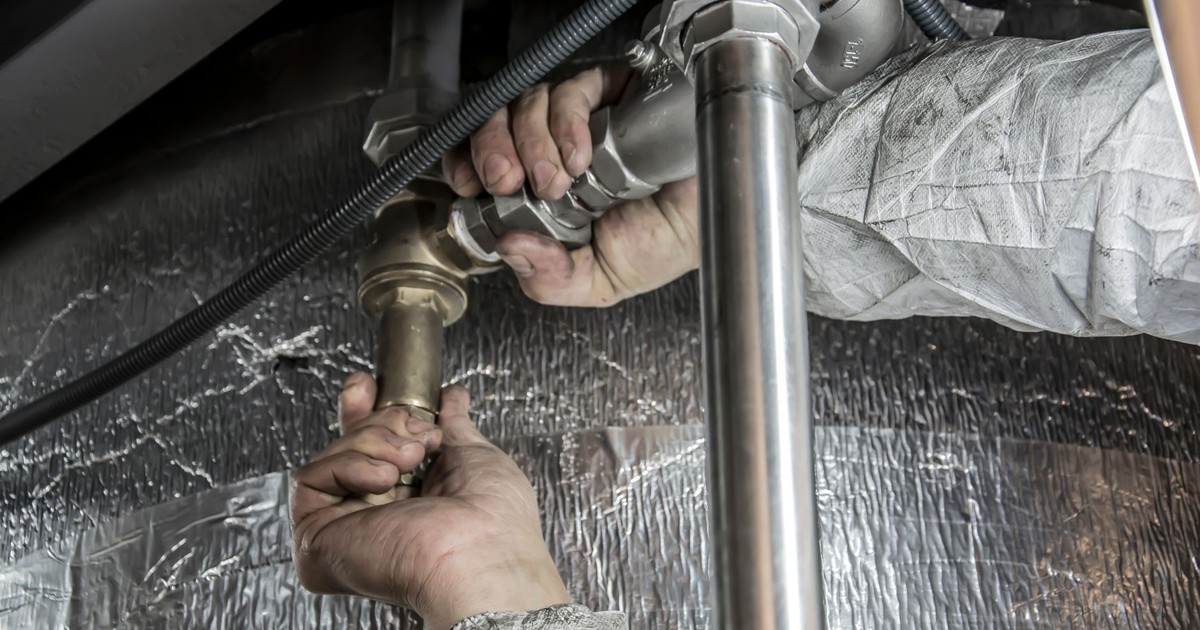
Most people who live alone don’t know where their water main shutoff is, and fewer still have the right tool to turn it off quickly if a pipe bursts or an appliance fails. A flooding event in a solo home is exactly the kind of emergency that can go from “manageable leak” to “thousands of dollars in water damage” in the time it takes to find the shutoff valve, locate a tool that fits it, and figure out which direction to turn it.
A water shutoff valve tool costs about $10 and fits most standard shutoff valves. Buy one, locate your main shutoff (usually near the water meter or where the main line enters the building), and confirm that the valve actually moves. Valves that haven’t been turned in years sometimes seize. Better to discover that during a dry test than during an emergency.
Post the locations of your water, gas, and electrical shutoffs somewhere you’ll remember – a note inside a kitchen cabinet is fine. If emergency services ever need that information, they’ll also appreciate knowing where to look.
13. A Quality Set of Blackout Curtains or Shades
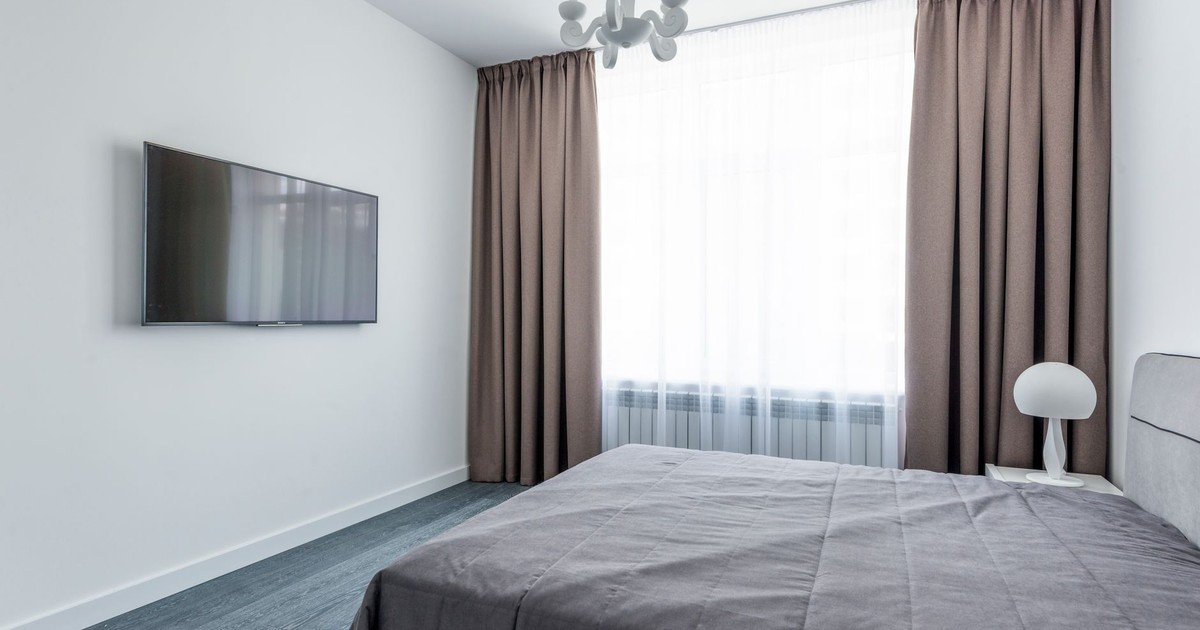
Sleep quality matters more than most people acknowledge, and when you’re the only person managing your schedule, your health, your home, and your stress levels, poor sleep compounds all of it. Blackout curtains block street light, morning sun, and the ambient glow that disrupts sleep cycles in ways that regular curtains don’t. They also add privacy, which has particular value when you live alone.
Beyond sleep, blackout curtains provide an extra layer of security. A well-lit interior visible from the street is an advertisement that someone is home, or more to the point, that someone is not home. Curtains that prevent your interior from being visible from the outside are a basic privacy measure that costs relatively little and makes a noticeable difference in how secure your space feels.
For anyone living in a climate with extreme summers, the additional benefit of heat reduction is real. Blackout curtains block a significant portion of solar heat gain through windows, which translates directly to lower cooling costs and a more comfortable home without additional expense.
14. A Fireproof Document Box
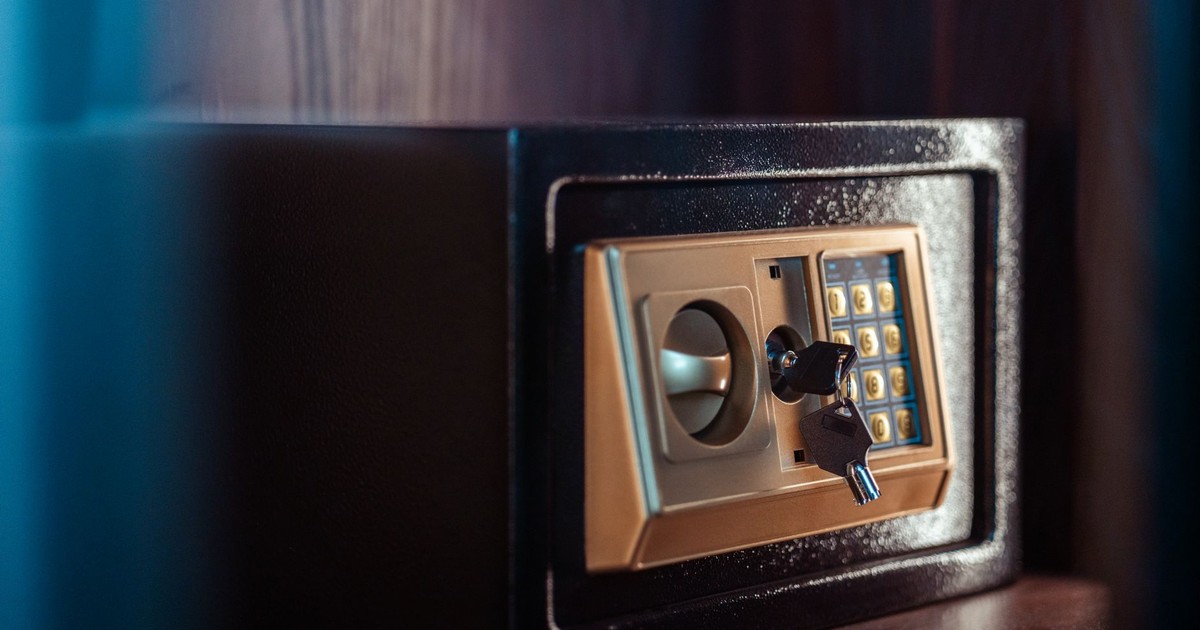
Your birth certificate, passport, Social Security card, insurance documents, lease or mortgage paperwork, and any other irreplaceable documents need to live somewhere that isn’t a junk drawer or a pile on the desk. A fireproof and water-resistant document box addresses this need for around $30 to $60 and gives you a single, known location for everything that would be a serious problem to replace in an emergency.
When you live alone, you are also the sole person responsible for knowing where these things are. There’s no partner who might know where the car title ended up, no roommate who remembers that the insurance policy is in the blue folder. The document box converts that responsibility from ambient anxiety into a solved problem.
Add digital backups where possible. Scan the most critical documents and store them in a cloud service that you can access from any device. A phone photo of each document, stored in a dedicated album, is imperfect but far better than nothing if the physical copies are ever lost.
15. A Personal Safety App or Location-Sharing Arrangement
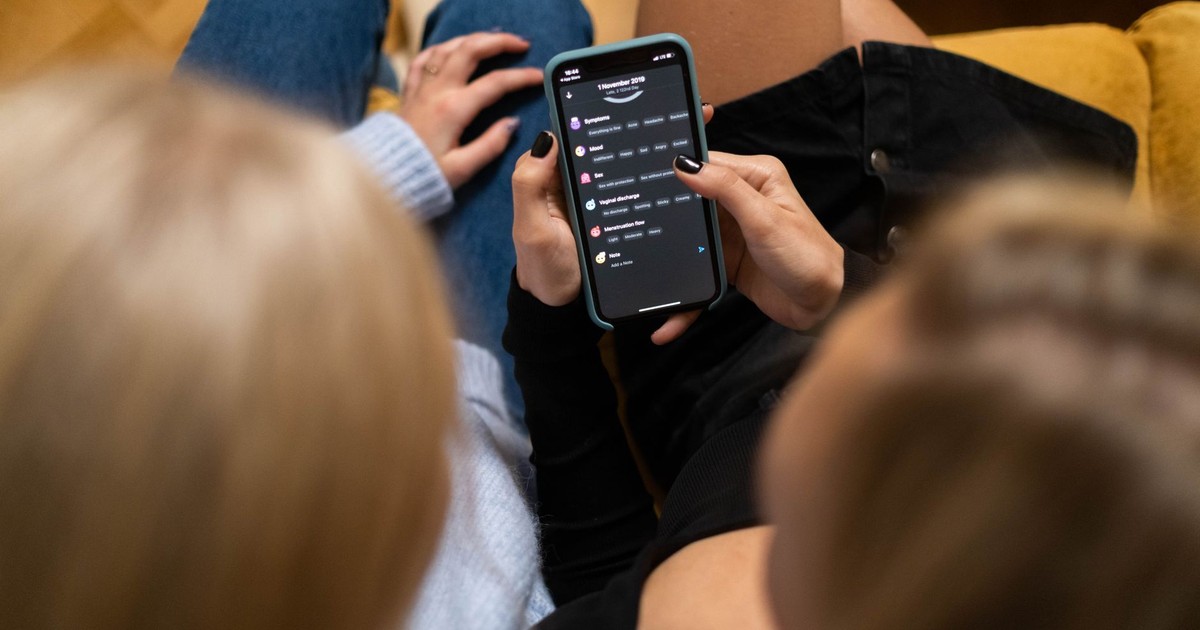
For anyone who travels, runs, hikes, or simply moves through the world independently on a regular basis, a personal safety app or an active location-sharing arrangement with a trusted person is a living alone essential that extends beyond the walls of your home. The same logic that applies to having a check-in system at home applies to time spent out in the world.
Several apps allow you to set a timer when you leave for a run or arrive at a first date – if you don’t check in by a set time, the app alerts your emergency contact with your last known location. Location sharing through smartphone features can serve a similar purpose when the arrangement is mutual and consensual. The goal isn’t surveillance; it’s the reassurance of knowing someone has the information they’d need to find you.
This category also includes knowing how to make an emergency SOS call from your phone without unlocking it – a feature available on most current smartphones. It takes about two minutes to learn and is the kind of thing you hope never to need while being genuinely glad you know.
16. A Small Chest Freezer or Well-Stocked Pantry
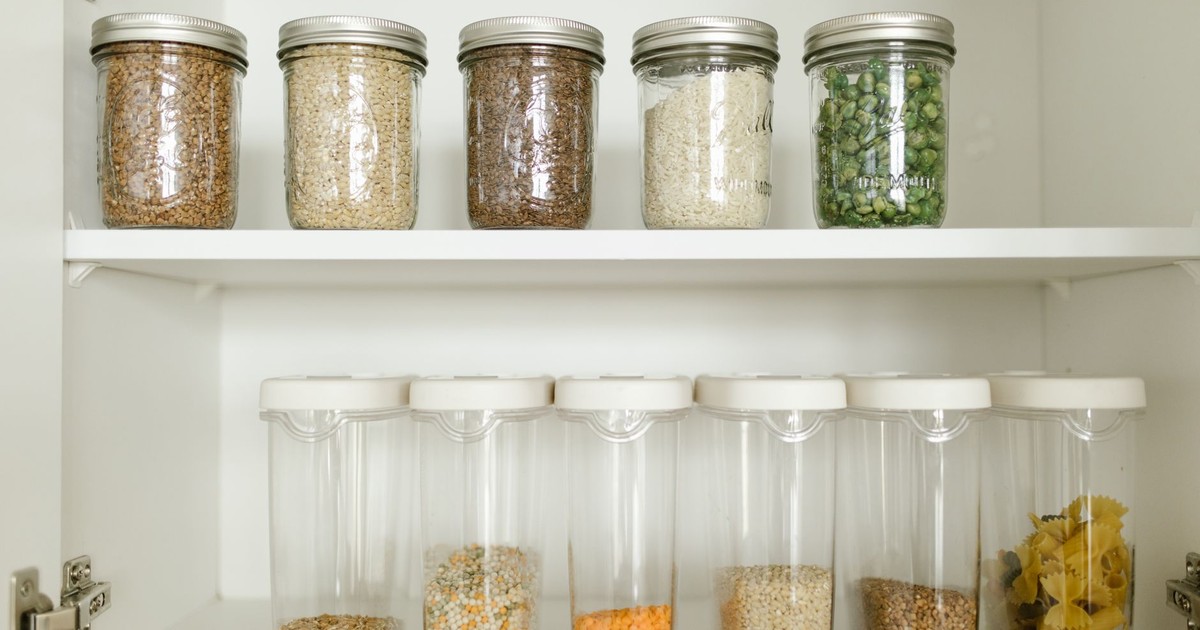
This might seem like an odd item alongside door locks and smoke detectors, but a well-stocked pantry and backup food supply reflects a practical truth about solo living: when you’re sick, injured, snowed in, or simply exhausted, there’s no one else to go to the store. There’s no partner who will pick up soup and crackers on the way home from work. There’s no roommate who has a box of pasta you can borrow. It’s you and whatever you have.
A small chest freezer is a genuine quality-of-life item for solo dwellers. It lets you buy in bulk when prices are good, saving meaningfully on your grocery budget across seasons, batch-cook on energetic days so that future tired versions of you have something ready to eat, and store enough backup food that a bad week doesn’t also become a scramble for meals. Upright models designed for apartments take up roughly the same floor space as a large laundry basket.
Even without a second freezer, a pantry stocked with a rotating supply of canned goods, dried pasta, rice, oats, and shelf-stable proteins covers most scenarios where going to the store isn’t an option. The living alone essentials that get the most attention tend to be the safety-related ones, but the food supply question deserves to be on the same list. Being well-fed, warm, and able to rest without having to go anywhere is foundational to getting through the harder days intact.
The Real Point of All This

You are the only person in your home, which means every gap in your setup is a gap with no backup. The smoke detector is a backup for your nose. The grab bar is a backup for your wet foot. The document box is a backup for your memory. The spare key is a backup for the moment your brain stops working correctly and you lock yourself out on a Tuesday night in the rain.
Living alone skews heavily toward women: women outlive men and are less likely to remarry after being widowed or divorcing, and after age 75, 43% of women live alone compared with only 24% of men. This list is, for a large share of the people reading it, not a hypothetical exercise for some future living situation. It’s an inventory of a real home that needs to function well, right now, for one person who is doing a genuinely impressive amount on their own.
The things that make solo living feel secure, comfortable, and genuinely sustainable are mostly small purchases and ten-minute installs. The gap between a home that functions well and one that keeps catching you off guard is almost always narrower than it seems, and it almost always starts with the same question: what would happen if something went wrong right now, and is your answer to that question good enough?
Disclaimer: This information is not intended to be a substitute for professional medical advice, diagnosis, or treatment and is for information only. Always seek the advice of your physician or another qualified health provider with any questions about your medical condition and/or current medication. Do not disregard professional medical advice or delay seeking advice or treatment because of something you have read here.
AI Disclaimer: This article was created with the assistance of AI tools and reviewed by a human editor.