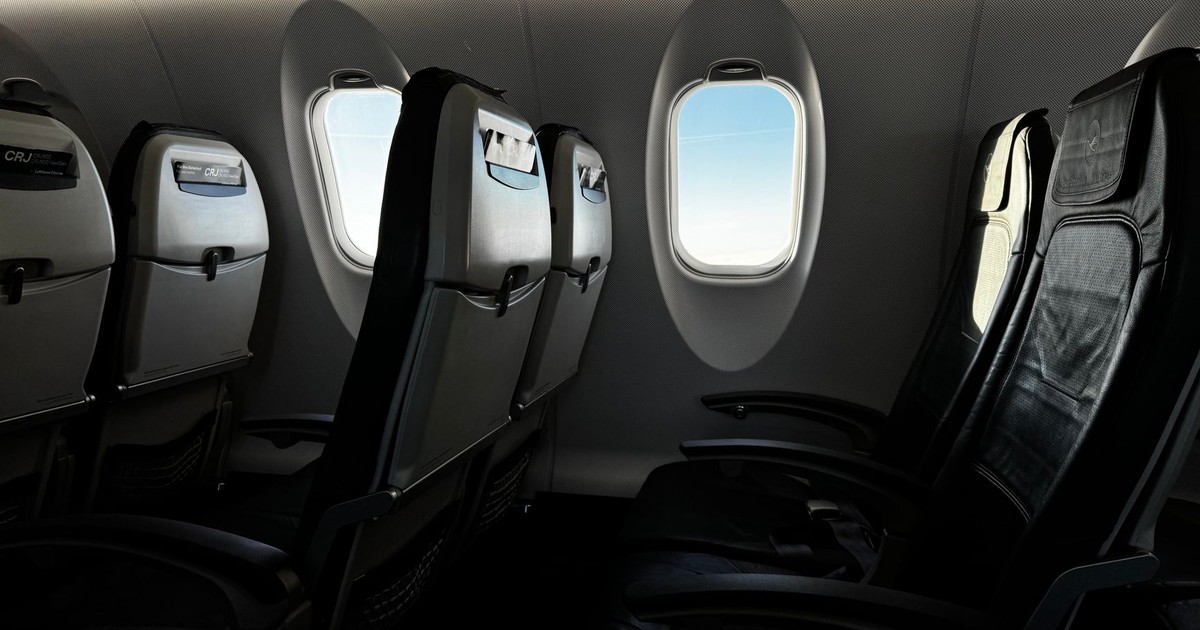

Ultra-long-haul flights can last up to 19 hours in a single unbroken stretch, cross multiple continents without a connection, and still leave you watching the flight map at hour 14 wondering if Singapore has always been this far away. The longest non-stop commercial flight currently in service covers 15,349 kilometers between New York JFK and Singapore Changi, with no layover in Dubai where you could escape the recycled air for forty-five minutes and eat something warm. Just the aircraft, the fuel load, and the Pacific beneath you.
The routes that now define the top of the rankings were genuinely impossible thirty years ago, not logistically but physically. The aircraft to fly them did not exist. The fuel efficiency wasn’t there. The math simply didn’t work. What has changed is the technology behind a new generation of twin-engine widebodies that can haul enough fuel to circle nearly halfway around the planet without putting down, and the airlines willing to bet their route maps on it.
Qantas is preparing to extend that frontier further still, with a program that will connect two cities never before linked non-stop and run for up to 22 hours — longer than anything currently scheduled.
The Current Record Holder: Singapore to New York
The longest non-stop commercial flight in service today is Singapore Airlines SQ23, from New York JFK to Singapore Changi: 15,349 kilometers covered in approximately 18 to 19 hours, aboard an Airbus A350-900ULR. The return leg, SQ24, runs the opposite direction and clocks nearly the same distance. SQ24 departs JFK at around 9:30 in the evening, flies a great-circle route across the Atlantic, through the upper latitudes near the Arctic Circle, across Europe and Central Asia, and then south through Southeast Asia before landing at Singapore Changi Airport in local mid-morning, two days after departure.
The “ULR” designation stands for Ultra Long Range. The principal modification over the standard A350-900 is a fuel-system reconfiguration that increased usable fuel capacity from 141,000 to 165,000 liters. Singapore Airlines is the only airline in the world operating this specific variant, with seven A350-900ULRs in service as of 2026. The aircraft carries 161 seats across two cabins: 67 business class and 94 premium economy, with no economy cabin at all — a deliberate weight-reduction decision that makes the ultra-long-range mission possible.
There is no cheap seat on this flight. That isn’t an oversight. The arithmetic of an 18-to-19-hour flight is more demanding than the figure suggests: the aircraft burns roughly 110,000 to 130,000 kilograms of jet fuel over the course of a single service, with the exact figure depending on payload. Economy class passengers would add weight that could cost the route its range. The trade-off is a cabin configured like a long-haul business jet — two classes, generous spacing, and a price tag that reflects it.
The JFK–Singapore route launched on November 9, 2020. It replaced and extended the airline’s long-running Newark–Singapore service, which had itself held the world record before being surpassed. Singapore Airlines holds both the top two spots on the longest non-stop flight ranking.
The Routes That Follow Close Behind

Singapore Airlines also operates the second-longest route in the world. The Newark Liberty International Airport to Singapore Changi service runs just three kilometers short of the JFK route, and both use the same A350-900ULR and the same two-cabin configuration.
Qantas’ 17.5-hour journey from Perth to London ranks as the world’s third longest, while the 17-hour Perth to Paris route and the 16-hour Melbourne to Dallas flight follow close behind. The presence of three Australian-departure routes in the top five is not coincidental. Australia’s geographic position means its major cities are roughly equidistant from almost everywhere else on Earth, which makes ultra-long-haul flying not a niche luxury option but a practical necessity for Australians who want to reach Europe or North America without a multi-hour connection somewhere in the Middle East or Asia.
Since early 2022, most Western airlines have been blocked from Russian airspace, forcing flights between Asia and Europe or North America onto longer southern or polar routes. This has stretched some routes by an extra one to two hours and pushed flights like Finnair’s Helsinki to Tokyo from a nine-hour polar hop to a 13-hour southern arc. For travelers, this meant routes that once seemed long became considerably longer, and routes that were already at the edge of aircraft range became commercially unviable without the right equipment.
The aircraft doing the heaviest lifting across these longest routes are relatively few. Three types dominate the rankings: the Airbus A350-900ULR, the Boeing 777-200LR, and the Boeing 787-9. Each was engineered around the same fundamental trade-off — burning enough fuel to fly 9,000-plus miles means sacrificing payload, so airlines fit fewer seats and carry less cargo on these flagship routes. If you’ve ever wondered why the very longest flights tend to have the most uncomfortable pricing, this is exactly why.
Travelers booking at this end of the distance spectrum can avoid the most common long-haul flight mistakes with a little preparation before departure.
Project Sunrise: The Flight That Will Break Everything
The current record has a visible expiration date. Qantas has spent years working toward a program it calls Project Sunrise, and the details, now fully confirmed, are the kind that make the Singapore–New York route look almost routine.
Qantas has confirmed the launch month for its nonstop service between Sydney Kingsford Smith Airport and London Heathrow Airport. The first Project Sunrise flights will begin in October 2027, and the route will immediately become the world’s longest scheduled commercial flight, at up to 22 hours. That is nearly four hours longer than what Singapore Airlines currently operates. The Sydney–London route stretches approximately 17,015 kilometers, a distance that crosses two oceans and four continents in a single boarding.
Qantas CEO Vanessa Hudson told CNN, “The objective of solving this tyranny of distance we’ve talked about, that is what Qantas was founded on.” To make journeys of up to 22 hours possible, Qantas has ordered 12 specially modified Airbus A350-1000 jets. Airbus engineers added an extra fuel tank and extended the aircraft’s range by approximately 1,000 nautical miles, allowing the planes to fly routes that were once technically impossible.
The A350-1000ULR has been specifically manufactured for Project Sunrise, fitted with an additional 20,000-liter fuel tank that enables the aircraft to fly more than 16,000 kilometers for up to 22 hours non-stop. Qantas will take delivery of 12 aircraft in total, each configured with 238 seats across four cabins. Four cabins is notably more than Singapore Airlines’ two-cabin A350-900ULR setup, suggesting Qantas intends to make the economics work across a broader range of fare classes.
The Delays That Got Us Here
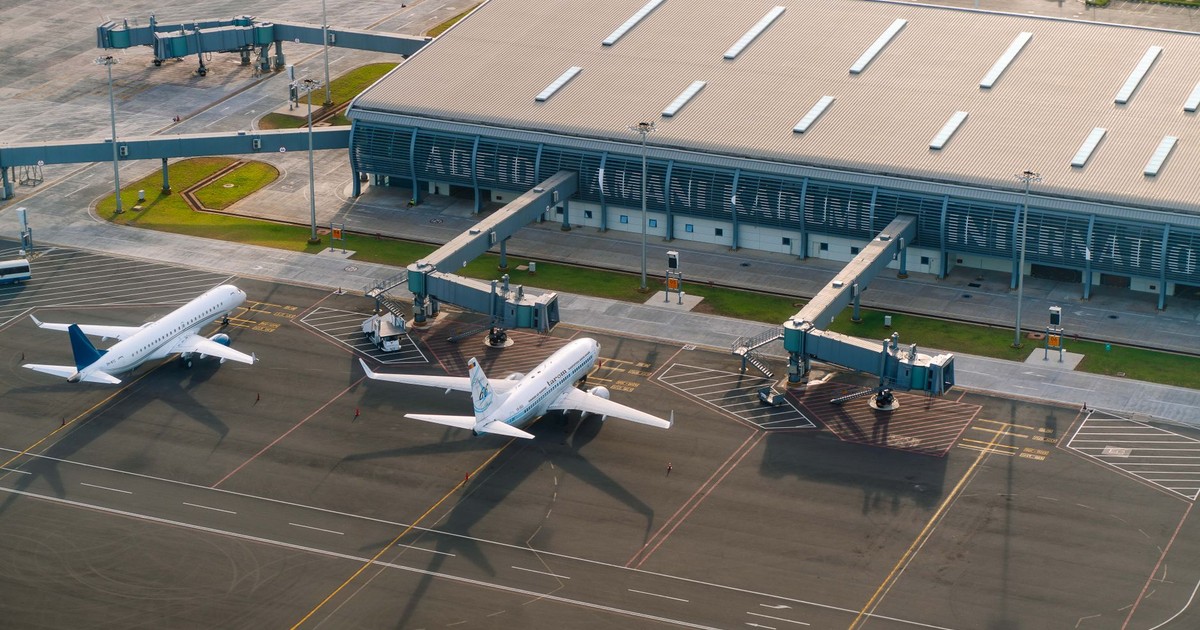
In 2019, before the pandemic upended global travel, Qantas announced its plan to eliminate fuel stops and connect Australia’s east coast directly with the world’s distant hubs. These flights, known internally as Project Sunrise, would be the longest scheduled commercial routes in history, spanning distances like Sydney to London and Sydney to New York in one continuous journey.
Initially planned for launch in 2025, the project has already slipped by nearly two years. The first aircraft intended for these ultra-long flights won’t be delivered until April 2027, with commercial service likely starting later in 2027. Aircraft manufacturing at this level of specification is not a process that tolerates shortcuts. The A350-1000ULR is being built to a standard that no passenger jet has ever had to meet before, and the supply chain pressures affecting Airbus have made the timeline slippage more or less inevitable.
Qantas has also delivered an update on its planned nonstop flights from Sydney to New York JFK, stating that this route will launch later in 2027. The new non-stop flights will cut up to four hours off total travel time compared with current one-stop services. For anyone who has done Sydney to London via Singapore or Dubai, that four hours is not an abstraction. It’s the difference between arriving depleted and arriving merely tired.
The first Project Sunrise A350-1000ULR has already conducted initial test flights from Toulouse, with delivery to Qantas expected in late 2026. The test flight program is an extensive one, as you would expect for an aircraft type with no operational precedent in commercial aviation at this range.
What These Flights Are Actually Like
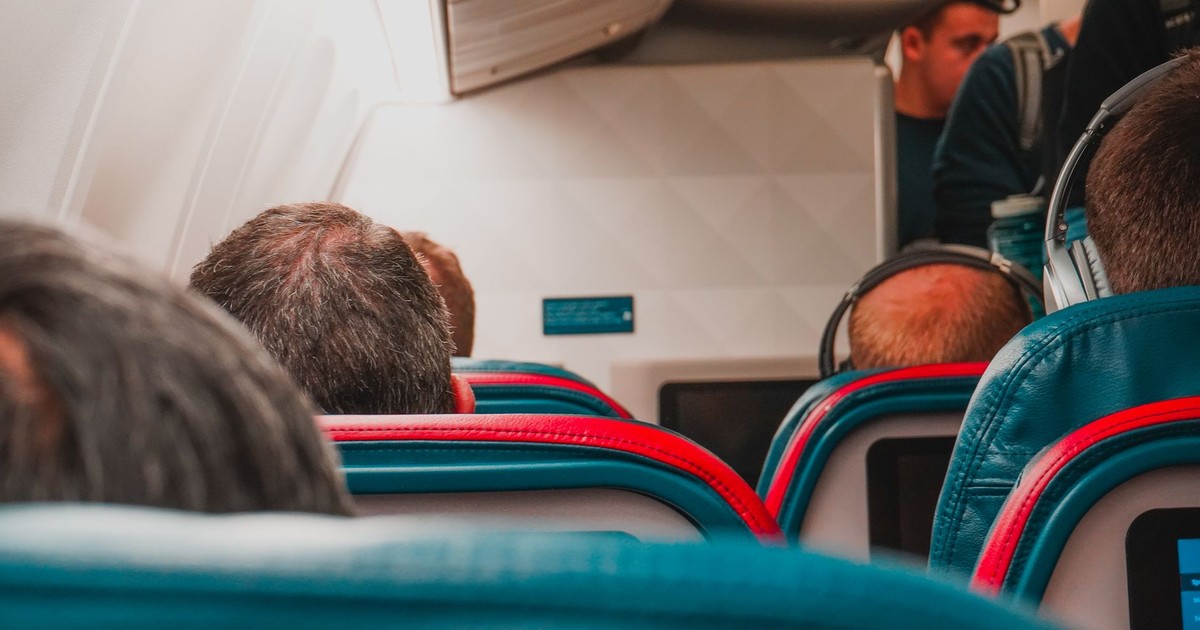
Spending 19 hours in a metal tube at 40,000 feet is a different experience from any other kind of long-haul flying, even the kind that most frequent travelers consider routine. The aircraft imposes its own specific rhythms. Meals come in two or three waves. The cabin light dims and brightens on a schedule designed to align with destination time zones rather than departure ones. Crew members rotate through rest breaks in dedicated bunks while the passengers cycle through whatever version of sleep, work, or television bingeing they’ve negotiated with their own bodies.
Both of Singapore Airlines’ long-haul flights typically fly across the Pacific eastbound and over the polar region westbound, depending on jet stream conditions. The route the aircraft actually takes on any given day can vary by hundreds of kilometers depending on where the jet stream sits. Tailwinds can shave an hour off a scheduled time. Headwinds add one. The scheduled block time is always a planning estimate rather than a hard ceiling.
Frequent ultra-long-haul flyers consistently report that the second half of the flight is easier than the first, since once past the 10-hour mark, landing is closer than takeoff. The standard advice is to hydrate continuously, eat lightly, and get up to walk for a few minutes every two hours. None of that is new advice, but at 18 hours it matters more than it does on a six-hour transatlantic hop where you can mostly just endure it.
How the Record Has Moved Over 25 Years
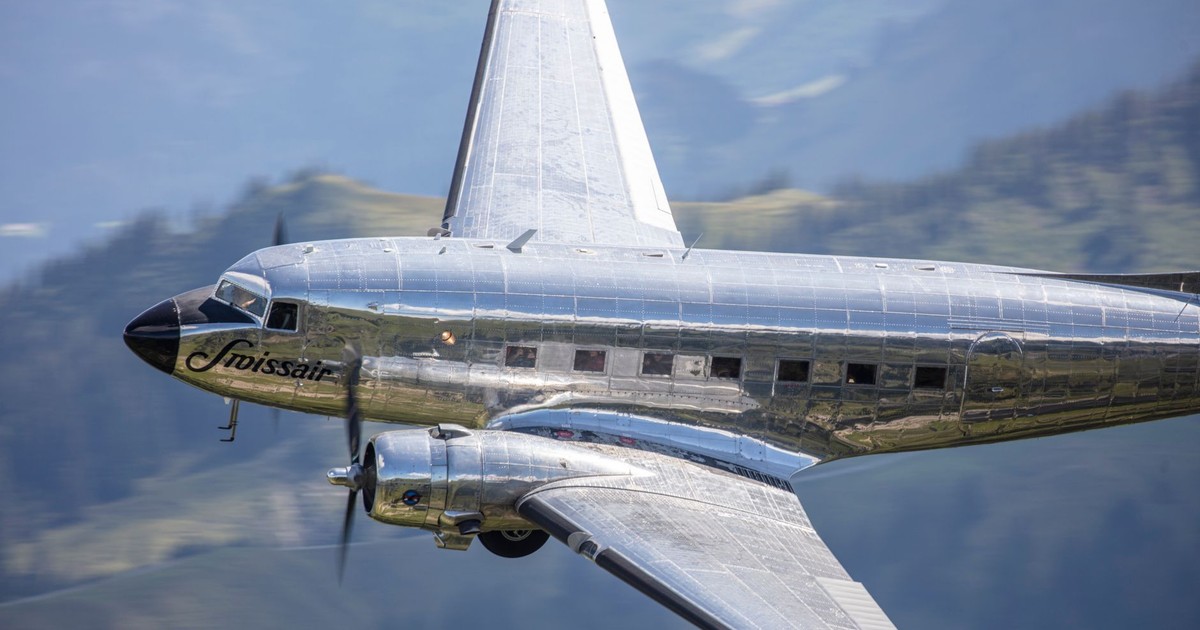
According to OAG, the average distance of the top 10 longest non-stop routes was around 12,667 kilometers in 2000, rose to 13,464 kilometers by 2010, and reached 14,504 kilometers in 2025 — an increase of about 14.5 percent across a quarter century. That trajectory is slow by technology standards, which tells you something about the genuine engineering difficulty involved. It takes decades to move the needle on what a commercial aircraft can do at extreme range.
When Singapore Airlines first launched Newark to Singapore in 2004, no other airline came close. Twenty years later, eight different carriers operate routes longer than 13,500 kilometers, and the next milestone is already on the calendar. The dispersal of ultra-long-haul capability across multiple airlines and aircraft types reflects the broader maturing of the category. What was once a single carrier’s expensive experiment has become a recognized segment of global aviation strategy.
The plane that made most of this possible — the Airbus A350 in its various configurations — is one of the most consequential commercial aircraft ever built. Its combination of carbon fiber construction, fuel-efficient engines, and long-range fuel capacity created the conditions for a wave of routes that simply couldn’t exist before it arrived. The 787 Dreamliner played a similar role for slightly shorter ultra-long routes, enabling connections like Qatar Airways’ Doha to Auckland run and Air New Zealand’s links into the Gulf.
What Comes After 22 Hours
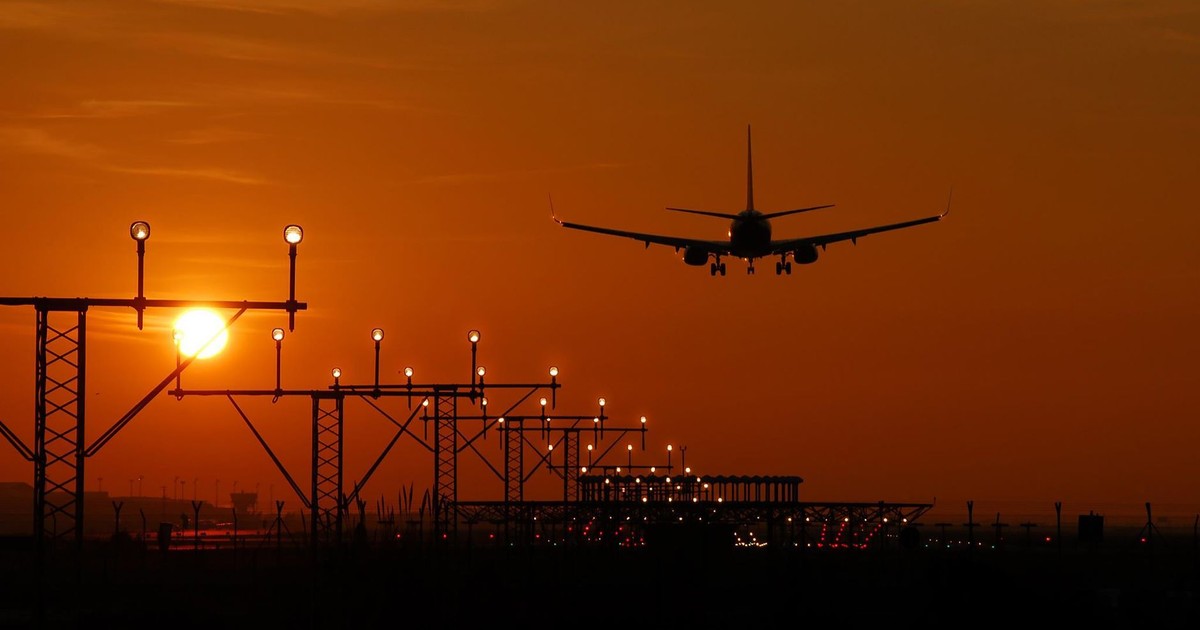
When Project Sunrise launches in October 2027, the Sydney–London route will hold the record for the longest non-stop flight by a margin large enough that no rival is currently planning to challenge it. But aviation history suggests that records set at the edge of what seems possible tend to fall faster than expected, once the aircraft technology to challenge them arrives.
The same logic that made the Newark–Singapore route a one-carrier anomaly in 2004 and a multi-carrier norm by 2024 will eventually apply to anything Qantas establishes with Project Sunrise. The A350-1000ULR exists now. Airbus built 12 of them specifically for this program. There is no particular reason why a future order couldn’t extend the concept to other city pairs that sit at similar geographic extremes: Buenos Aires to Tokyo, São Paulo to Singapore, routes that currently require a connection somewhere but where the unmet demand for a direct service is real and measurable.
The story of the longest non-stop flight has never really been about any single route. It’s been about the gradual expansion of what is physically possible when you combine aircraft range, fuel efficiency, and the commercial conviction that passengers value time without a connection more than they mind the duration. That equation has held for 25 years. The October 2027 Sydney–London service is its current and most dramatic expression. It won’t be the last.
The Only Thing Guaranteed to Change
Aviation sets records by increments — a few hundred kilometers here, an extra hour there — until the increments accumulate into something that looks like a different category of travel entirely. The jump from 18 hours to 22 hours is not a small increment. It is a structural shift in what one boarding pass can accomplish, and the fact that it took this long to get here is actually reassuring: it means the engineering was done carefully, not rushed.
For the traveler planning to be on one of those first Project Sunrise services in October 2027, the experience will be genuinely without precedent. No one has ever sat in a commercial aircraft seat for 22 consecutive hours on a scheduled passenger service. The cabin design, the lighting sequences calibrated to fight jetlag, the meal timing — all of it has been purpose-built for a journey that didn’t exist until now. Whether 22 hours in one seat turns out to be transcendent or merely very long is a question that won’t be answered until the first passengers land in London and try to remember what city they woke up in. Either way, it’ll be a story worth telling.
Disclaimer: This information is not intended to be a substitute for professional medical advice, diagnosis, or treatment and is for information only. Always seek the advice of your physician or another qualified health provider with any questions about your medical condition and/or current medication. Do not disregard professional medical advice or delay seeking advice or treatment because of something you have read here.
AI Disclaimer: This article was created with the assistance of AI tools and reviewed by a human editor.