

Jack Whittaker purchased a winning Powerball ticket on Christmas Eve 2002 and woke on Christmas morning to discover he had hit the jackpot — at the time, the largest undivided lottery jackpot in U.S. history. He was already a millionaire – a 55-year-old construction contractor from West Virginia worth $17 million, with a wife of more than four decades, a daughter, a granddaughter he adored, and a business he’d built from nothing.
He took the lump sum: $113 million after taxes. Within two years, his granddaughter was dead. Within five, his daughter would die of cancer. His wife left after 42 years. His business was buried in lawsuits. His home burned down. He told ABC News he wished he’d torn the ticket up.
Powerball announced that ticket sales in the United Kingdom began on July 21, 2026, marking the first time the lottery has expanded outside the U.S. Millions of new players will buy their first tickets this summer, staring down 1-in-292-million odds and imagining what $300 million could do. Whittaker’s answer to that question arrived slowly, over seventeen years, and it wasn’t what anyone expected.
The Man Before the Ticket

Whittaker didn’t need the money. He became an instant celebrity at 55 when he claimed what was then the largest U.S. jackpot won by a single ticket, flying to New York with his family in a private jet to appear on network TV morning shows.
The cameras loved him. He was warm, generous, and seemed to understand the absurdity of what had just happened. He gave a house, a Jeep Grand Cherokee, and a $44,000 check to the deli manager who sold him the winning ticket. He drove a Lamborghini through his neighborhood throwing cash out the window.
He dedicated 10% of his winnings to Church of God churches throughout southern West Virginia and started the Jack Whittaker Foundation. He gave away over $50 million worth of houses, cars, and cash. By most early accounts, he was the lottery winner everyone hoped they would be: generous, grounded, still himself.
Less than a year later, someone broke into his car at a strip club and stole a briefcase containing $545,000 in cash and cashier’s checks.
The Theft That Started the Pattern

Within a year of his win, Whittaker and his company were flooded with lawsuits. He spent millions defending himself. The lawsuits damaged the reputation of the company he had worked hard to build. He began drinking heavily.
His home, car, and business were broken into repeatedly. At a strip club, thieves broke into his Lincoln Navigator and stole a briefcase stuffed with $245,000 in cash and three $100,000 cashiers’ checks. That time, the briefcase was found with the money still inside. Other times, he wasn’t as lucky.
His wife left him. He was twice charged with driving under the influence and also with assault by three female casino employees.
He told the Associated Press: “I don’t have any friends. Every friend that I’ve had, practically, has wanted to borrow money or something and of course, once they borrow money from you, you can’t be friends anymore.”
Brandi

Whittaker’s granddaughter, Brandi Bragg, was fifteen when he won. He put her on his payroll and gave her $2,000 per week. Shortly after he won, he said he had few plans for himself but wanted to lavish his winnings on his daughter and Brandi. She was going to inherit everything.
In September 2004, an 18-year-old friend of Brandi’s was found dead of a drug overdose at Whittaker’s home while he was out of town. Three months later, Brandi herself was gone. Her body was found wrapped in a plastic tarp behind a junked van on the property of her boyfriend’s father, more than two weeks after she had disappeared. She was last seen alive by family members on December 4, and the autopsy indicated she died the next day.
Whittaker publicly attributed her death to the drug-using associates her money had attracted. “She was going to inherit everything,” he said.
The Losses That Kept Coming

Brandi’s death was not the end. His daughter, Ginger Whittaker Bragg, died in 2009 at age 42 after struggling for years with cancer. In 2016, a house fire destroyed his Virginia home. His 42-year marriage ended in divorce. His home and car were repeatedly burglarized. The construction business that had made him a self-made millionaire before the ticket had been dragged through enough litigation that the version of it he’d built no longer fully existed.
Sudden, public wealth at an extreme scale attracted people who wanted pieces of it, created legal exposure he hadn’t had before, gave his granddaughter enough money to access dangerous situations she might otherwise have been shielded from, and turned the ordinary difficulties of being a human being into front-page news.
“I just got to the point that I just couldn’t tolerate what was happening to me anymore,” he told ABC News. “I would fly off the handle and if somebody wanted to fight me, I’d fight them. I just didn’t care.”
The End of the Story, and Why It’s Back in the News

Andrew “Jack” Whittaker Jr. died at age 72 of natural causes in June 2020. The Ronald Meadows Funeral Parlor in Hinton, West Virginia, confirmed it. A service would be private. The man who arrived in New York on a private jet to smile for morning television cameras in 2002 left quietly, in 2020.
Five years after his win, he told ABC, “I wish I’d torn that ticket up.” He didn’t say this from poverty. He said it having given $50 million away, having tried to do the right things, and having watched his family fracture anyway.
His story is resurfacing now because Powerball has just done something it has never done before. Players in the UK can now play for the same Powerball jackpot available to players in the United States. By expanding the player base internationally, Powerball jackpots are expected to grow faster. The odds of winning a Powerball jackpot are 1 in 292.2 million. Millions of people across the Atlantic will now be buying tickets and imagining what they would do with the money.
What the Money Actually Cost Him

The lottery curse, as a concept, implies the problem was winning – that the jackpot itself was the poison. The more accurate read is that an extreme, sudden, and very public change in circumstances broke things that were already somewhat fragile and made everything that was manageable suddenly much harder to manage.
The lawsuits that damaged his business didn’t come from nowhere. The people who robbed him repeatedly knew he was carrying briefcases of cash because he couldn’t resist spending lavishly in public places. The $2,000 a week he gave his teenage granddaughter came from a place of deep love and a complete lack of framework for what $2,000 a week does to a teenager’s social world.
Over the next five years after his win, his wife left him and his granddaughter died. The jackpot that was the stuff of dreams turned into a nightmare.
Whittaker was already a millionaire. He had already built something. What the lottery did was not make him rich. It made him a spectacle, and a target, and a symbol – and then, eventually, a cautionary tale that gets reprinted every time Powerball expands to a new country.
The Part That Stays With You
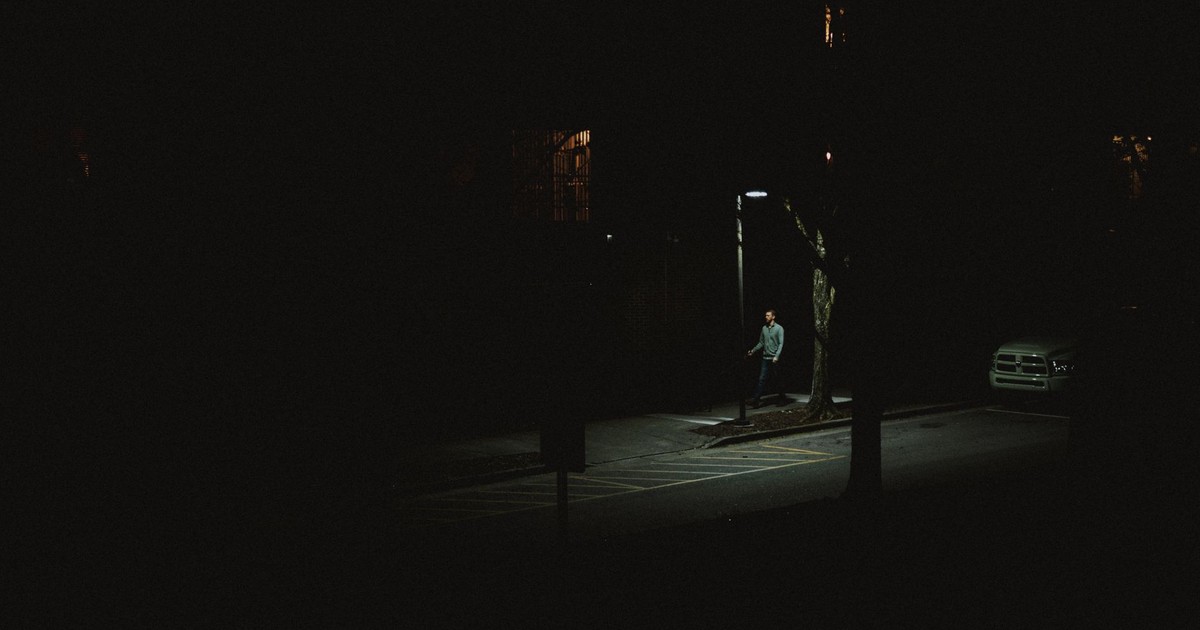
He went to his granddaughter’s grave and stood there, photographed by the press, years after she died. The image ended up in news archives. NBC News ran it. He was just a man standing at a grave, wearing the ordinary grief of someone who had tried and lost in ways no money could repair.
The story of the strip club cash and the briefcase and the driving charges gets repeated far more often than the image of a grandfather at a graveside. But the graveside is where the real explanation lives. He wasn’t talking about the lawsuits or the robberies or the divorce when he said he wished he’d torn the ticket up. He was talking about Brandi.
What Remains

Sudden wealth at extreme scale tends to accelerate whatever trajectory a life was already on, strips away the social friction that keeps certain kinds of harm at bay, and turns private grief into public property. Whittaker’s tragedy wasn’t that he won. It was that the winning made everything he already loved harder to hold onto – and the things he lost because of it weren’t things any amount of money could replace.
He died having given more to his community than most people will ever have to give. He died estranged from the fortune that was supposed to change his life, having already buried his granddaughter and his daughter. The Powerball expansion means millions of new players will spend $2 this summer and picture what the life looks like from the other side of the jackpot. Whittaker lived that life. He described it as the worst thing that ever happened to him, and he was already a millionaire when it started.
Disclaimer: This information is not intended to be a substitute for professional medical advice, diagnosis, or treatment and is for information only. Always seek the advice of your physician or another qualified health provider with any questions about your medical condition and/or current medication. Do not disregard professional medical advice or delay seeking advice or treatment because of something you have read here.
AI Disclaimer: This article was created with the assistance of AI tools and reviewed by a human editor.