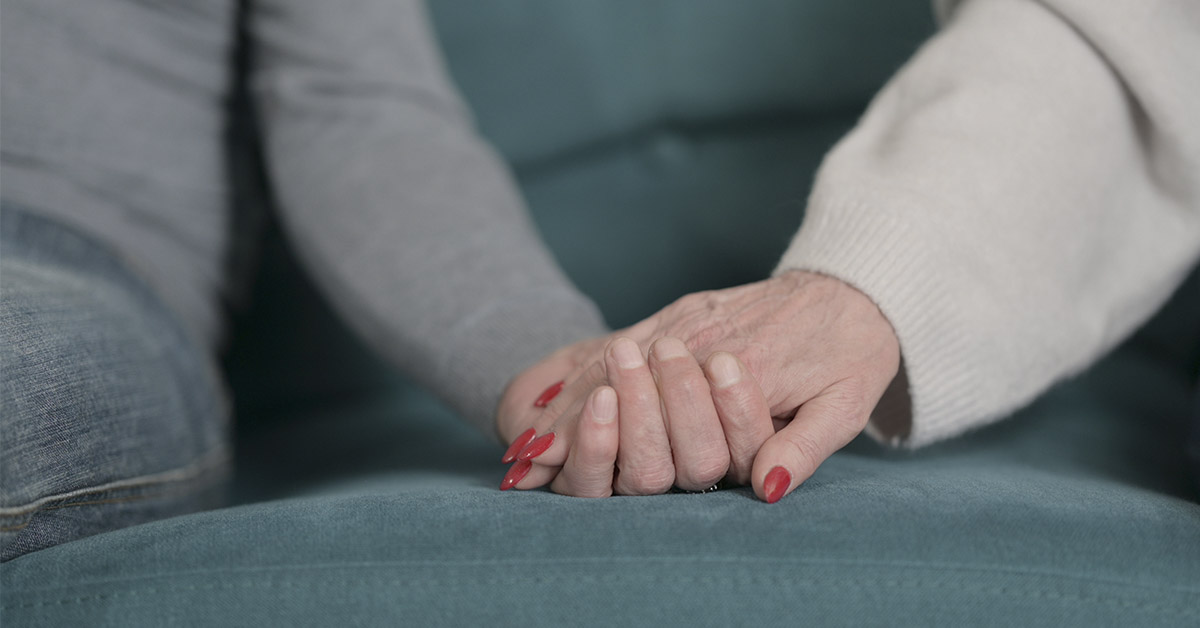

In 1990, fewer than 1 in 10 American divorces involved someone over 50. By 2019, that figure had risen to more than 1 in 3. Dr. Susan L. Brown, a family demographer and Distinguished Research Professor at Bowling Green State University, has been tracking this shift for nearly 2 decades through the Health and Retirement Study, one of the largest and longest-running surveys of older Americans. Her research into love, loss, and reinvention after the age of 60, funded by the National Institute on Aging, gave the trend the name most people now recognize. “Gray divorce.”
Brown and her colleague, I-Fen Lin, found that more than 600,000 Americans over 50 divorced in 2010, and projected that population aging alone would push that number past 800,000 annually by 2030 if the rate held steady. A follow-up study they published in 2022 showed the rate per 1,000 married adults over 50 has flattened since 2010. But because more people cross the 50 threshold every year, the total number of gray divorces keeps growing. Among adults 65 and older, the rate itself is still rising.
And divorce is only one of the reasons older adults end up on their own. Researchers at Pew, a nonpartisan organization based in Washington, D.C., surveyed 4,860 Americans in 2020 and found that 36% of adults 65 and older are currently single. Meaning not married, not living with a partner, and not in a committed relationship. Among women in that age group, nearly half are single, more than double the rate for men the same age, driven largely by longer life expectancy and the tendency to marry someone older. That is a lot of people living with some version of the same quiet question. Is there room for someone new?
For many, the pull doesn’t come from loneliness alone. It comes from a sense that there is still time, still energy, still a desire to share the ordinary parts of a day with someone who gets you. And unlike earlier stages of life, there is no societal checklist driving the timeline. No pressure to settle down because the clock is ticking on children or career milestones. Choosing a partner purely because you want to is something most people didn’t have the first time around.
Brown’s data suggests the answer to that question is yes for a lot of people. About 22% of women and 37% of men form a new partnership within 10 years of a gray divorce. Whether through remarriage or cohabitation. Those relationships tend to last. The difference between men and women isn’t just about willingness. Men tend to partner with younger women. Which widens their pool. While the sex ratio at older ages leaves fewer available men for every available woman.
Women also draw on a wider range of relationships for emotional closeness. Which can make repartnering feel less urgent even when it’s still wanted. Brown’s research found that health, economic resources, and social ties all played a role in whether someone repartnered. Which means your own well-being and the life you’ve already built are part of this equation, too.
Cohabitation among older adults has become a long-term arrangement rather than a stepping stone. And Brown’s data shows that relationship quality among older cohabitors and remarried adults is comparable. The label on the partnership, whether it’s remarriage or cohabitation, counts for less than the connection inside it.
Starting over asks a lot. There are real things to think through. From what your family might feel to how a new relationship could affect your finances, your living situation, and your sense of independence. But millions of people over 60 are working through these same questions right now, and many of them are finding their way to something good. That is worth holding onto.
What Love Looks Like the Second Time Around
When people repartner after 60, the relationship they build tends to look different from the one they left. Chaya Koren, a family gerontologist at the University of Haifa, wanted to understand what that difference feels like from the inside. In a 2022 study published in the Journal of Family Issues, she interviewed 38 people who had entered new partnerships later in life after either widowhood or a long marriage that ended in divorce. Love at this age, she found, does not follow the same script as younger romance.
The couples described it in different ways. Some called theirs a “pleasant love,” steady and comfortable rather than heated. Others described something closer to “parental love,” deep and quiet. Rooted in care and a sense of responsibility for each other. A 3rd group talked about “sibling love,” the kind built on easy familiarity and shared routine. These relationships didn’t begin with the kind of intensity most people associate with falling in love. They began with warmth, and the couples built from there. None of them missed the heat. They’d already been through relationships that started there, and they knew warmth was a better place to build from.
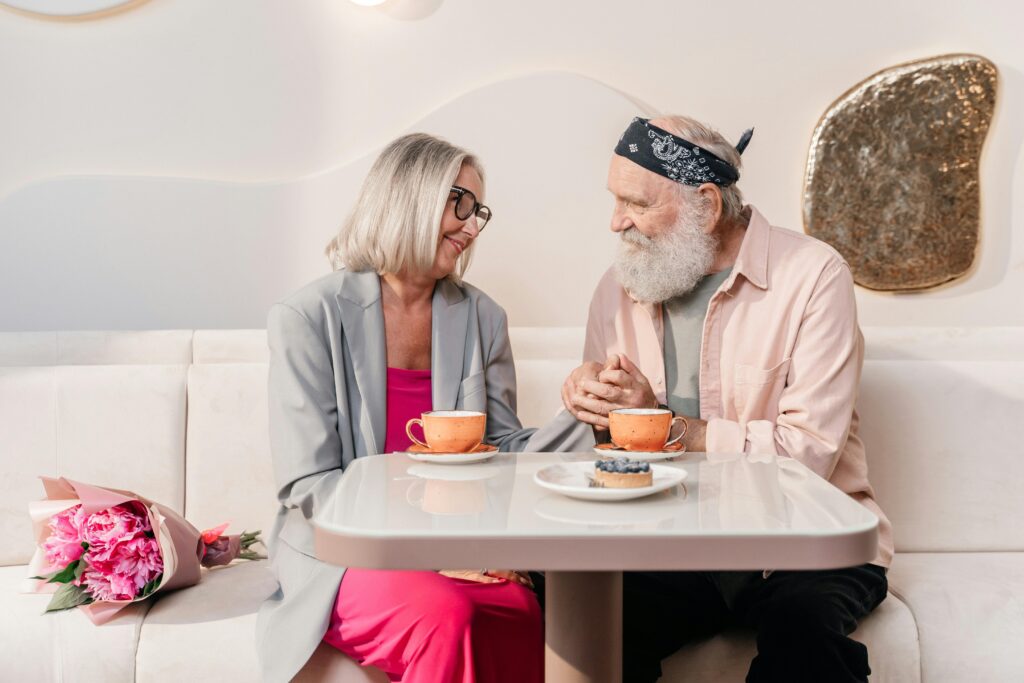
Most cultural expectations of romance are built around younger love. The butterflies, the intensity, the feeling of being swept away. When a new relationship doesn’t come with any of that, it’s easy to wonder whether it counts. The couples in Koren’s study described their relationships as chosen rather than compulsive. Something they entered because they wanted companionship and emotional closeness. Not because they needed someone to complete their life.
Koren also found these relationships moved through phases, and the movement didn’t look like a decline. Early on, some couples were still falling in love. Over time, the romantic intensity cooled for others. Settling into what Koren called “partial love,” where the feeling had changed but the bond had not. Some had moved past romance altogether into a kind of loyalty and care that no longer needed the romance to hold it together. What stayed consistent across every phase was exclusivity. Even as passion faded, these couples remained committed to each other. Because the companionship was worth more to them than the romance had been. That is what love looks like when people choose it later in life. Not less than what came before, just built on different ground.
Brown’s team at Bowling Green found something that backs this up with numbers. Using the Health and Retirement Study, Lin and Brown followed people through the end of a marriage and into whatever came next, measuring depressive symptoms, which include persistent sadness and difficulty getting through the day, before, during, and after both divorce and widowhood.
Forming a new partnership produced a noticeable drop in those symptoms, and the benefit held for roughly 6 years before gradually fading. But the finding that stood out was about what happens without a new partner. Most people assume you grieve, you adjust, and you move on within a year or two.
Brown’s data didn’t support that. Recovery from gray divorce took about 4 years. Recovery from widowhood took about 8. Her team proposed a term for this, the “convalescence model.” Because the process looked less like bouncing back and more like slowly healing from something that had weakened you. If you’ve felt off for longer than you expected after the end of a long marriage, that isn’t a sign that something is wrong. It’s the pace the research actually shows.
The Conversation Your Family Might Not Expect
One of the first things that catches people off guard about a new relationship isn’t the relationship itself, but the reaction at home. Adult children, even the ones who want their parents to be happy, can struggle with the idea of a new partner. They may still be grieving a deceased parent, adjusting to the aftermath of a divorce, or thrown by the shift in family dynamics. Those reactions are human and worth taking seriously. But Brown and Lin’s research shows they also shape whether a parent finds a new partner at all.
In a study published in 2022, Brown and Lin tracked how parent and adult child relationships changed before, during, and after gray divorce. Parents who lived with or near their adult children and saw them often were less likely to form a new partnership than parents with more distance. Family closeness, without anyone intending it, was functioning as a gate.
Brown and Lin called this a “matrifocal tilt.” A dynamic in which divorce shifts the center of gravity in a family toward the mother. Mothers who went through a gray divorce saw the odds of frequent contact with their adult children roughly double. And when those mothers eventually repartnered, it had no negative effect on the relationship with their kids. Fathers had a harder time. Contact with adult children dropped after divorce, and repartnering widened the distance. Fathers who entered new relationships saw a lasting decrease in how often they were in touch with their children. And that distance tended to stick.
The depressive symptoms study from Brown’s team adds something worth weighing here. Repartnering after either divorce or widowhood led to a real drop in depressive symptoms, and for both groups the initial benefit was similar in size. Family relationships count. Friendships count. But the data consistently show that a romantic partnership does something for well-being that other forms of closeness don’t replicate. A parent who puts off a new relationship indefinitely to keep the peace at home is choosing someone else’s comfort over their own health. That cost is not small.
For widowed parents, the dynamic works differently. After the death of a spouse, the people around the surviving partner tend to close ranks. The support that shows up in those early months and years creates a closeness that divorce rarely produces. Because divorce strains the relationships around it and often leaves both people with fewer people in their corner. If you lost your spouse and you’re worried that a new relationship will upset your children, Brown and Lin’s data on mothers who repartnered showed no lasting damage to those bonds. And if you went through a divorce, especially if you’re a father, staying intentional about contact with your children counts for more than whether you have a new partner.
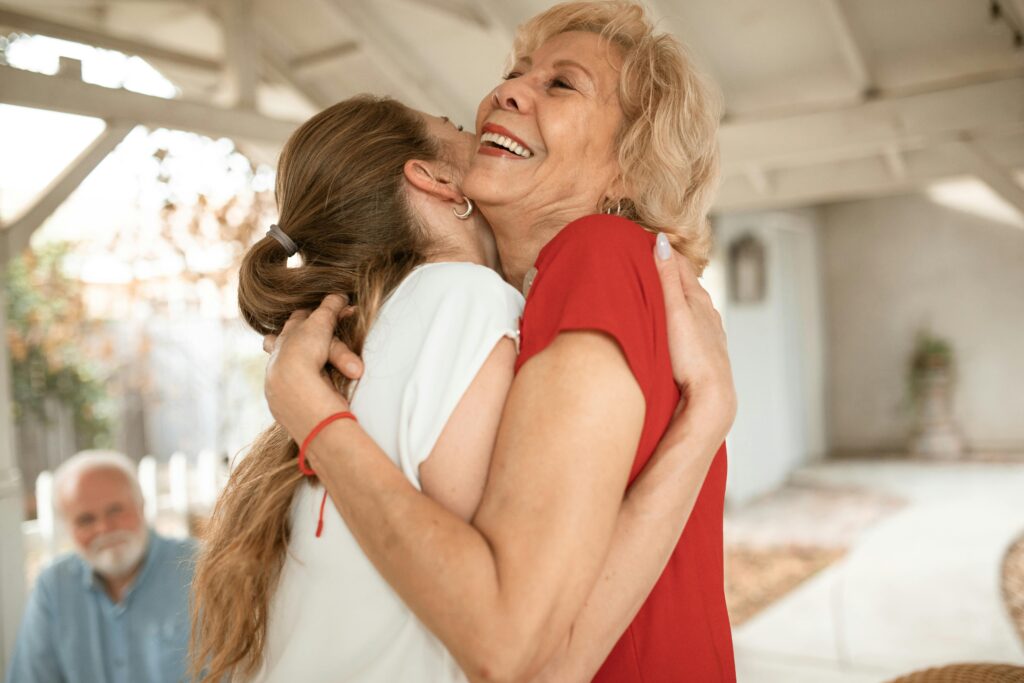
So here’s some senior dating advice: Your children will have feelings about a new relationship, and those feelings are worth hearing. But hearing them is different from letting them decide for you. What the research supports is being direct about what you want and why. Giving your family time to adjust without putting your life on hold.
Sharing a Life Without Sharing an Address
Most people assume a new relationship eventually means sharing a roof. For a younger couple, that tracks because a shared household is part of building a shared life. But when researchers looked at how older adults actually partner, they found something different.
Among single adults over 60 who form new relationships, the most common arrangement is one most people have never heard of. It’s called “living apart together,” and it means exactly what it sounds like. Committed partners who keep separate households on purpose. A 2024 study from Lancaster University and University College London, using a decade of data from the United Kingdom Household Longitudinal Study, found that about 4% of over-60s in the U.K. are in LAT relationships. A rate the researchers noted was comparable to findings from studies in the U.S., the Netherlands, and Canada. For single women over 60, LAT is 10 times more likely than cohabitation or marriage. For single men, it’s about 10 times more likely than marriage and nearly 20 times more likely than cohabitation.

After decades of merging your daily life with someone else’s, having your own space isn’t a retreat. It’s something you’ve earned. Choosing to hold onto it while building a real partnership with someone new says more about self-knowledge than reluctance. What’s interesting is that the Lancaster and UCL researchers found the mental health benefits of LAT relationships were comparable to those of marriage and cohabitation. That finding runs against the assumption that you need to share a home to get the full benefit of a partnership. It held for both men and women. Which is worth noting because marriage and cohabitation have historically favored men on well-being measures.
When older adults do choose to live together, cohabitation is already more common than remarriage, and those arrangements tend to be durable rather than transitional. Whether you keep separate households, move in together without marrying, or remarry, all 3 can work. The question is which one fits your life, and each one carries financial weight that most people don’t consider until it’s too late.
The financial cost of a late-life divorce shapes every decision that follows. Brown and Lin’s research found that women’s standard of living drops by roughly 45% afterward. And men’s drops by about 21%. Both lose about half their wealth. For women who don’t remarry within a decade, and roughly three-quarters don’t, those losses tend to persist. That reality makes the financial planning around a new relationship something to take seriously before you’re already in one.
Remarriage can affect Social Security survivor benefits, and for many widowed women, those benefits make up a large share of their income. The rules depend on age and timing, and getting them wrong is expensive. Combining households raises questions about property ownership, shared expenses, and what happens if one partner’s health declines and long-term care enters the conversation. Two sets of adult children mean wills, estate plans, and beneficiary designations that once felt settled probably need a second look. Sitting down with a financial advisor or elder law attorney before making any of these moves protects what you’ve already built so that a new relationship adds to your life instead of complicating it.
None of this means you need every answer before you start. But knowing what each arrangement asks of you, financially and practically, gives you room to choose the one that fits the life you have now.
The Case for Trying
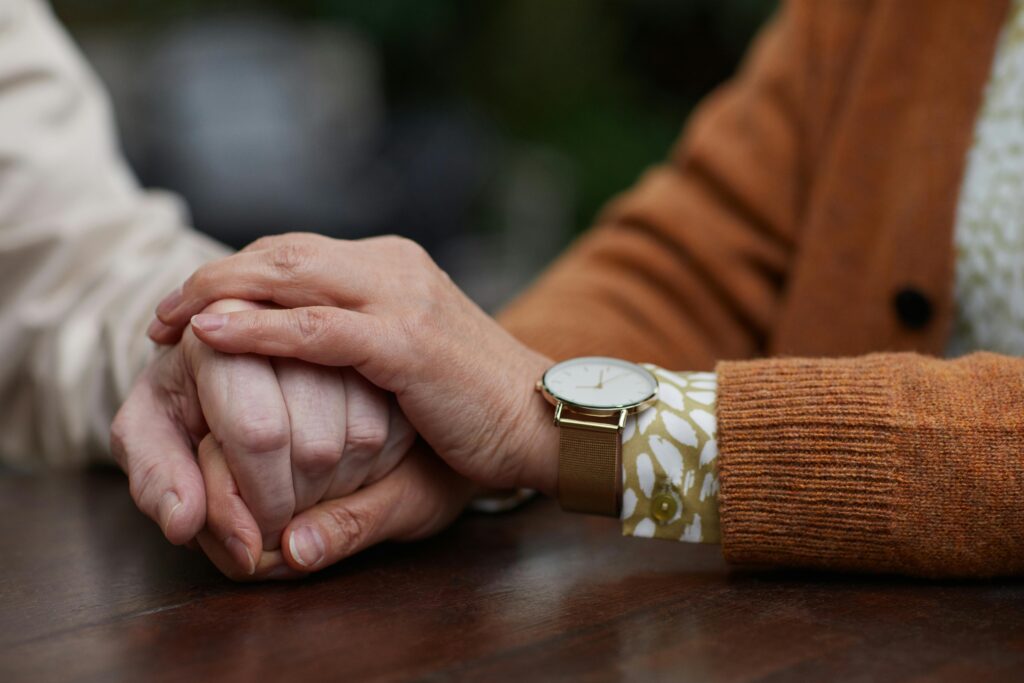
In 2020, Matthew R. Wright and his colleagues from Brown’s research team published a study that asked a question most loneliness research had been ignoring. Nearly all prior work on older adults and loneliness focused on widowhood. But Wright’s team recognized that a third of later-life marital dissolutions were now happening through divorce, and nobody had compared the two. Using data from the 2010 and 2012 Health and Retirement Study, they analyzed loneliness among 2,362 women and 1,127 men who had lost a marriage in later life, either through divorce or a spouse’s death. Divorced men were lonelier than widowed men. That difference held up even after the researchers accounted for friendships, family contact, and other forms of social support.
For men who are already more likely to rely on a spouse as their primary source of emotional closeness. Losing that relationship to divorce, which tends to thin the social circle rather than rally it, leaves fewer people to turn to. Social support helped, but it wasn’t enough on its own to close the loneliness difference between divorced and widowed men. Repartnering was what did it. Men who formed a new partnership after divorce, whether through remarriage or cohabitation, saw their loneliness drop to levels comparable to those of widowed men who had also repartnered. No amount of friendship or family contact produced the same effect.
Read More: What You Need to Know After Receiving a Loved One’s Ashes
Divorced and widowed women reported similar levels of loneliness. Both social support and repartnering reduced it. Which is consistent with the idea that women draw on a wider range of relationships and aren’t as dependent on a single partner to fill that role. But repartnering still made a difference. Even among women with strong social networks. Forming a new partnership was associated with less loneliness. And that held whether the new relationship was a remarriage or a cohabiting arrangement.
None of this means loneliness should be the reason you start looking. But if you’ve been sitting with the instinct to share your life with someone again and talking yourself out of it because it feels impractical or because you think the window has closed, every study on this topic points the other way. Wright’s work, Brown’s two decades of data, and thousands of older Americans’ experiences all say the same thing.
People who find love after 60 tend to be less lonely and less depressed than those who don’t. Whether they came to be single through divorce or through losing the person they loved. You’ve already done the version of love that was shaped by obligation and timing and compromises you didn’t fully understand until years later. This time, you get to choose someone because you want them there, and that is a version of love most people never get.
Read More: Sleeping in a Loved One’s Bed After Death: Understanding Grief and Fear