

Federal agents showed up at the front doors of four New York Times journalists on Friday, July 11, 2026. They hand-delivered subpoenas demanding the reporters appear before a grand jury in Manhattan the following Wednesday. The reporters had covered security gaps in the new Air Force One jet donated by Qatar.
The new Air Force One, a gift from Qatar, had been retrofitted and upgraded before entering service the previous week. Trump used an older model to leave a NATO summit in Turkey after Secret Service concerns about the new plane’s defensive capabilities.
The Stories That Started It
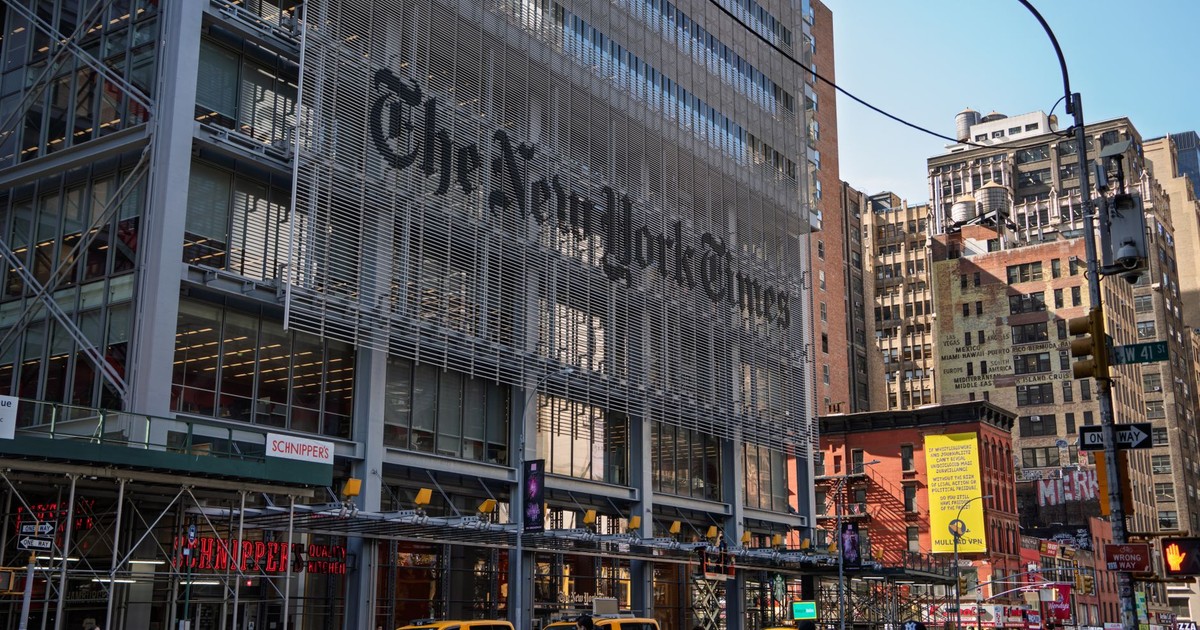
On Wednesday, July 9, the Times published an anonymously sourced account reporting that the Secret Service had urged President Trump to leave the NATO summit in Turkey on an older version of Air Force One, rather than the Boeing 747 donated by Qatar, because of security concerns. The following day, the Times reported, again citing anonymous sources, that the gifted plane lacked defensive countermeasures that were security features of the old model, including its advanced antimissile capabilities.
The older planes that serve as Air Force One have laser technology to blind an incoming missile, a system that could misdirect incoming munitions and other diversion technologies, sources familiar with the matter told CBS News. The decision to use the older plane was made to ensure the president’s ability to manage the war with Iran from the air, as well as in the interest of his security. The recommendation was not based on a specific or credible threat, but rather as a precautionary measure amid the ongoing war, according to those sources.
The president downplayed the switch, saying it had been made “for old time’s sake,” but officials told the Times it had come at the urging of the Secret Service amid renewed threats against Trump’s life from Iran. The U.S. Air Force itself had previously acknowledged it had to make certain compromises, stating: “No risk was taken in security, safety or mission communications, but the collective team made trades on some of the less commonly used mission sets that Boeing must deliver to support the next 40 years.”
Connecticut Democratic Senator Chris Murphy alleged, in a letter to the White House, that Trump’s public statements boasting of the aircraft’s unprecedented luxury “make it clear” that the decision-making process “prioritized Trump’s personal comfort and tastes over U.S. national security.”
Who Was Subpoenaed, and How
Four reporters bylined on the Wednesday article all received subpoenas, according to NBC News. Federal agents delivered the subpoenas Friday evening to some reporters at their homes.
The subpoenas sought to force the reporters to testify before a federal grand jury in Manhattan the following Wednesday. Their testimony, according to the subpoenas, was requested “in regard to an alleged violation of federal criminal law.”
The subpoenas were issued by U.S. Attorney Jay Clayton of the Southern District of New York, who had recently been nominated by Trump to be the next national intelligence director.
Before the subpoenas landed, the FBI had made at least one earlier approach. A senior FBI official contacted a Times reporter and editor before publication and asked that the story be held, without explaining why. The FBI official also asked that the sources for the story be identified. Both refused.
What the DOJ Said
The Justice Department’s position, stated publicly and promptly, was that journalists were not the target. The DOJ’s rapid response account on X stated: “To be clear, reporters are not the targets; those leaking classified information are.” The department said it valued the press but also had “an important role to make sure that the people entrusted with our nation’s secrets do what they’re supposed to do with that information, which means not sharing classified information.”
A grand jury subpoena issued to a journalist still compels testimony, still demands the identification of confidential sources, and still carries the threat of contempt for non-compliance.
A Policy Rolled Back, and What Replaced It
In April 2025, Attorney General Pam Bondi directed the reversal of Biden-era policies that protected journalists from having their records seized or being forced to testify amid leak investigations, according to the U.S. Press Freedom Tracker. Prosecutors again gained authority to use subpoenas, court orders, and search warrants to hunt for government officials who make “unauthorized disclosures” to journalists.
A memo Bondi issued said members of the press are “presumptively entitled to advance notice of such investigative activities,” and that subpoenas are to be “narrowly drawn.” Warrants must also include “protocols designed to limit the scope of intrusion into potentially protected materials or newsgathering activities.”
Though the Justice Department across presidential administrations has periodically seized the phone records of individual journalists in hopes of identifying sources for national security stories, it is extremely rare for the government to attempt to compel reporters to reveal their sources before a grand jury.
The Times Fires Back
David McCraw, the New York Times senior vice president and deputy general counsel, said in a statement: “The appearance of Federal law enforcement agents on the doorstep of news reporters should shock the conscience of any American who believes in the Constitution and the press freedom it protects. Our journalists report the facts and advance the American public’s right to know how their government is operating and their taxpayer dollars are being used. This brazen act should be seen as nothing more than an attempt to prevent the public from knowing what is happening in their country by intimidating journalists from doing their jobs.”
The New York Times was expected to challenge the subpoenas in federal court, arguing they violate First Amendment protections and threaten confidential newsgathering.
Bruce D. Brown, president of the Reporters Committee for Freedom of the Press, said the subpoenas “break from longstanding Justice Department practice to protect the public interest and press independence by requiring prosecutors to only seek information from reporters as a last resort when all other avenues have been exhausted.” Brown had also described Trump’s actions as a “war on the press” looking for its next victim.
This Wasn’t the First Time
The Trump administration had been escalating pressure on media organizations throughout 2026. In January, FBI agents made the highly unusual move of searching the Virginia home of Washington Post reporter Hannah Natanson, who had been covering Trump’s transformation of the federal government, as part of a leak investigation into a Pentagon contractor accused of taking home classified information, according to the Committee to Protect Journalists.
Earlier in 2026, the DOJ issued grand jury subpoenas to journalists at both the Washington Post and the Wall Street Journal before later withdrawing those demands after legal challenges from the news organizations. One of those subpoenas targeted Ellen Nakashima, a veteran national security reporter at the Washington Post.
Adam Steinbaugh, senior attorney for the Foundation for Individual Rights and Expression, said the prospect of “hauling reporters before grand juries sends a chilling message to journalists and whistleblowers alike: Watch what you say, or expect a knock on the door.” Steinbaugh added: “These tactics are becoming more common. That doesn’t make them normal.”
The pattern across these cases is consistent. A story runs that embarrasses or challenges the administration. An investigation into classified leaks opens. Journalists find themselves inside that investigation, not as suspects officially, but as people who have information prosecutors want.
The Pressure That Doesn’t Need a Conviction
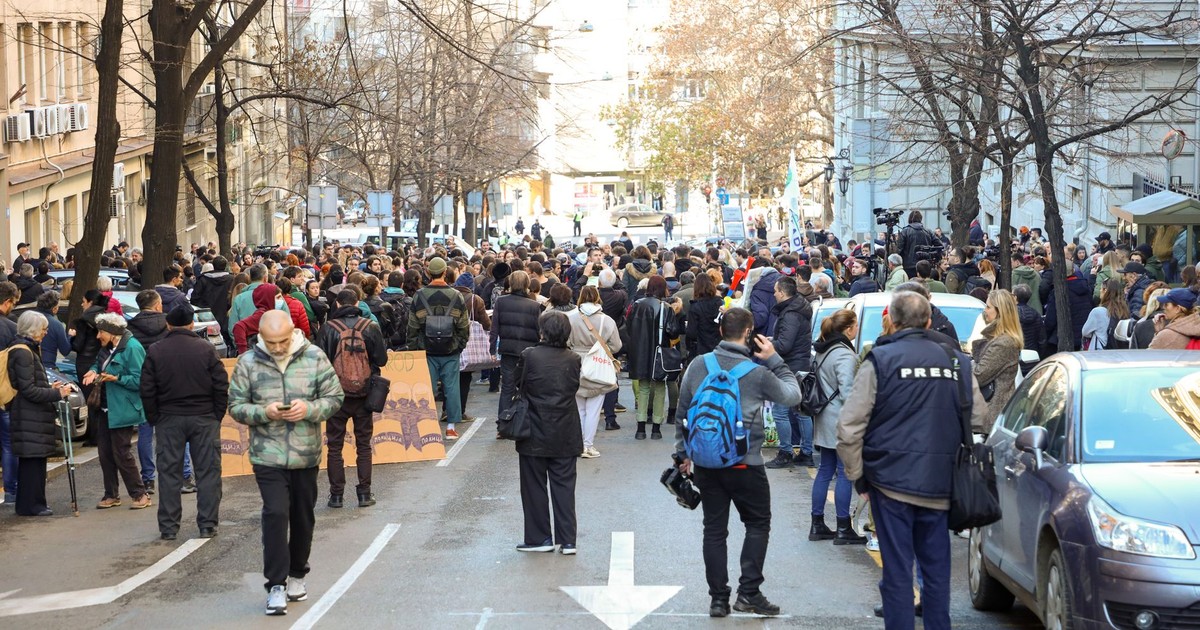
Subpoenas against journalists don’t have to result in a journalist going to prison to do their damage. A source who watches four reporters get served at their homes on a Friday night goes into Monday morning differently. They think twice before picking up the phone, twice again before sending a text, and maybe decide they’d rather not say anything at all.
Saying “reporters aren’t the targets” is accurate in a narrow legal sense. But reporters are how sources communicate with the public. Subpoena the reporter, and you’ve effectively put every potential future source on notice that their conversation with a journalist is not, in any practical sense, private.
The case is likely to become a major test of how far the Trump administration can go in pursuing classified leaks while balancing constitutional protections for a free press. What happens in the Southern District of New York courtroom where this will likely be argued will matter well beyond the four reporters named on those subpoenas. The outcome won’t just determine whether Julian Barnes or Eric Schmitt has to name a source. It will shape what any journalist working a national security story in the next several years will be willing to do, and what any government employee will be willing to say.
AI Disclaimer: This article was created with the assistance of AI tools and reviewed by a human editor.